When my parents chose to move our small family from Saskatchewan to the remote Arctic and undertake the biggest adventure of our lives, we had to let go of certain comforts. Both my mother and father came from farming families and inherited the unyielding work ethic that serves as the backbone of Canada’s heartland. Still, we found joy in the simple pleasures afforded by society—easy access to family, mild summer evenings, and the predictable cycles of the seasons. Uprooting to the Arctic meant trading the familiar for the unknown, but I quickly found that the benefits of living closer to nature far exceeded what we left behind.
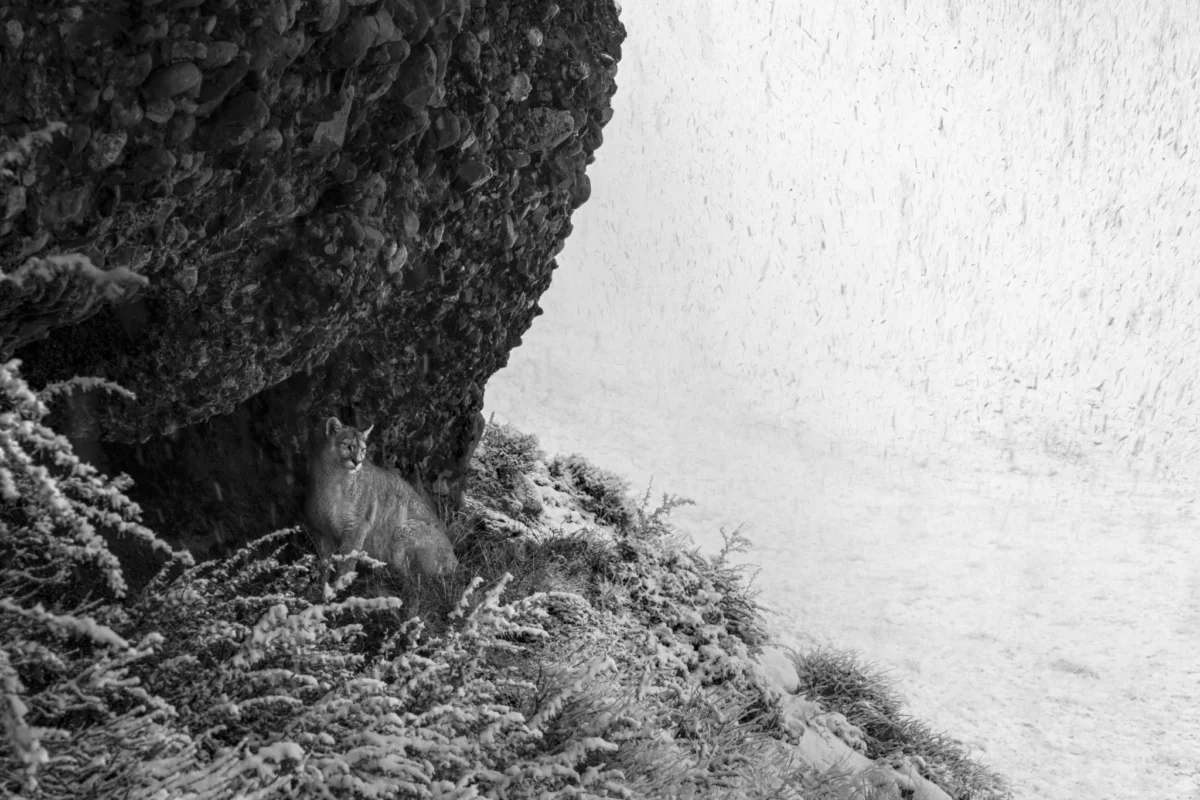
Since those early years, the best gifts in my life have always come from nature. After becoming a photographer, I used my camera to get closer to our wild kin. Wolves, penguins, lynx, sharks, and even the more elusive animals like spirit bears all became subjects of my lens. In my eyes, there is no greater privilege than living each day on a planet overflowing with more species and beauty than we could ever fully grasp. Of all the encounters I have shared with wildlife around the world, my experiences with whales, the true giants of Earth, have been some of the greatest gifts.
The Arctic’s Call and the Seeds of a Lifelong Passion
The decision to relocate from the vast, prairie landscapes of Saskatchewan to the stark, yet profoundly beautiful, Arctic wilderness was a pivotal moment for the family. This move, initiated by parents with roots in farming and an ingrained spirit of resilience, represented a deliberate shift from established comforts to the embrace of the unknown. While the prairie upbringing instilled a strong work ethic, the Arctic offered a different, more elemental kind of richness. The absence of easy access to extended family and the more temperate rhythms of prairie seasons was a trade-off for an unparalleled proximity to the natural world. This immersion, beginning in childhood, laid the foundation for a career dedicated to documenting and understanding the planet’s biodiversity. The early encounters with Arctic wildlife, such as wolves and polar bears, were formative, instilling a deep respect for the raw power and intricate lives of these creatures.
From Land to Sea: A Photographer’s Evolving Lens
The transition from terrestrial subjects to marine life marked a significant evolution in my photographic journey. As my career as a photographer progressed, the desire to connect more intimately with the wild world intensified. This led to a global pursuit of diverse species, from the formidable presence of wolves and the stoic endurance of penguins to the sleek efficiency of sharks and the ethereal grace of spirit bears. Each encounter, captured through the lens, served as a testament to the planet’s astonishing biodiversity. The privilege of bearing witness to such a profusion of life, far exceeding human comprehension, became a driving force. Among the myriad of wildlife encounters, the experiences with whales, the undisputed giants of Earth, stand out as particularly profound and life-altering. These majestic beings, often shrouded in mystery and awe, offered a unique perspective on the interconnectedness of life.
Dispelling Myths: The Gentle Intelligence of Whales
Creatures like orcas and sperm whales, much like the Arctic wildlife that populated my early years, evoke a primal mix of fear and reverence in the human psyche. Their immense size and their roles as apex predators in the marine ecosystem contribute to this perception. However, a closer examination and firsthand experience reveal a more nuanced reality. Despite their formidable stature and hunting prowess, there is a notable absence of documented cases where orcas or sperm whales have intentionally caused harm to humans. My personal encounters have consistently highlighted their inherent gentleness and profound intelligence, aspects often overshadowed by folklore and sensationalized portrayals. This dichotomy between perceived threat and actual behavior underscores the importance of direct observation and empirical evidence in understanding these magnificent animals.
The Sperm Whale: A Deep-Sea Enigma and a Playful Encounter
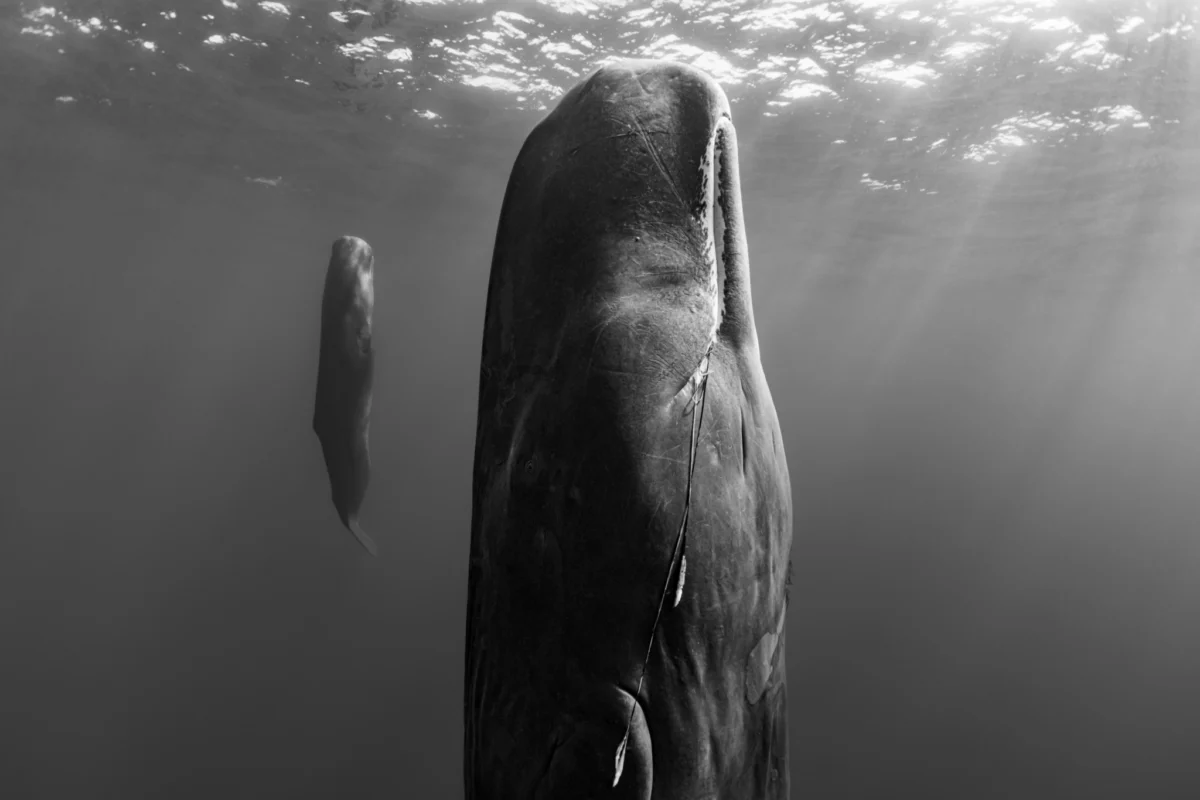
Sperm whales, in particular, have been subject to a rich tapestry of fictional narratives and legendary tales, contributing to a formidable public image. These stories, while captivating, often fail to capture the true nature of these deep-diving mammals. My most impactful encounters with whales have been with sperm whales, and one particular experience off the coast of Dominica stands out as exceptionally wholesome and illuminating. While free-diving with a snorkel, I was able to approach a pod resting vertically in the water column. Sperm whales typically spend extended periods in the deep ocean, ascending to the surface primarily for respiration and rest, during which they maintain an upright posture with their heads pointed towards the sky.
The initial phase of this encounter was characterized by a sense of mutual awareness and comfort. The matriarch of the pod and her companions were evidently accustomed to my presence, exhibiting a calm demeanor. However, as I ascended to catch my breath, the youngest member of the group, a calf affectionately known by locals as "Ariel," became particularly inquisitive. Seemingly restless from her nap, Ariel, a juvenile sperm whale measuring approximately twenty feet in length, immediately approached me at considerable speed. Despite the initial surge of adrenaline, my years of experience navigating interactions with large and unpredictable wildlife allowed for a measured response. As Ariel drew closer, she opened her mouth, thankfully devoid of teeth at this stage, and proceeded to gently gum my camera housing, much like a curious toddler exploring a new toy. This playful, almost affectionate, interaction was a stark contrast to the monstrous leviathans of literature. Ariel’s behavior was characterized by a vibrant curiosity and a surprising gentleness, dismantling the mythical image of the sperm whale as a fearsome beast.

The Impact of the Arctic and the Lasting Gift of Nature
Reflecting on my life’s trajectory, the early years spent navigating the Arctic landscape, following in the tracks of bears and foxes, were instrumental in fostering a deeper connection with the planet’s wildest inhabitants, including creatures as diverse as Ariel and her pod. This immersion in nature has consistently revealed new dimensions of experience, demonstrating that the more time spent in natural environments, the more the world unfolds with wonder and discovery. Beyond the transient comforts and luxuries offered by the relentless pace of modern society, nature provides a profound and enduring sense of connection. This intrinsic connection, I believe, represents the most valuable and lasting gift that our planet bestows upon us.
Data and Context: Understanding Cetacean Behavior and Conservation
The encounters described highlight a crucial aspect of cetacean behavior: their intelligence and capacity for curiosity, often misunderstood or misrepresented. Sperm whales ( Physeter macrocephalus) are the largest toothed whales and possess the largest brain of any animal on Earth. Their diving capabilities are extraordinary, with individuals capable of descending to depths of over 2,000 meters (6,500 feet) and remaining submerged for over an hour. This deep-sea existence, punctuated by their characteristic vertical resting periods at the surface, contributes to their enigmatic nature.
The apparent lack of aggression towards humans, particularly from sperm whales and orcas (Orcinus orca), is a scientifically supported observation. While both species are highly intelligent and effective predators, their interactions with humans in the wild are overwhelmingly non-aggressive. Studies in marine biology often cite cases of whales showing curiosity or even playful interaction with boats and swimmers, rather than hostility. For instance, research on orca pods has indicated complex social structures and communication, suggesting a level of awareness and understanding that goes beyond mere instinct.
However, the conservation status of these species remains a critical concern. Sperm whales are listed as Vulnerable by the International Union for Conservation of Nature (IUCN), facing threats from entanglement in fishing gear, ship strikes, and pollution. Orcas, while widespread, have regional populations that are endangered due to factors like prey depletion, noise pollution, and chemical contaminants. The delicate balance of their ecosystems, coupled with increasing human impact, necessitates ongoing research and robust conservation efforts.
Expert Perspectives on Human-Wildlife Interaction
Marine biologists and wildlife photographers like Paul Nicklen play a vital role in bridging the gap between public perception and scientific understanding. Dr. Sylvia Earle, a renowned oceanographer, has consistently emphasized the importance of understanding and protecting marine life, stating, "The ocean is the planet’s life support system. It is the largest living space on Earth and is critical to human survival." Her work, alongside that of photographers who capture the intimate lives of marine creatures, serves to foster empathy and a sense of responsibility.
Wildlife behaviorist Dr. Jane Goodall, while primarily known for her primatology research, has often spoken about the interconnectedness of all life and the importance of respecting animal intelligence and sentience. Her advocacy for conservation aligns with the message conveyed by Nicklen’s experiences, underscoring that a deeper understanding of wildlife often leads to a greater appreciation and a commitment to their protection.
Broader Implications: The Value of Nature in a Modern World
The narrative presented by the photographer underscores a growing awareness of the profound psychological and spiritual benefits derived from immersion in nature. In an era characterized by increasing urbanization and technological saturation, the opportunities for genuine connection with the natural world are becoming more precious. The experience with Ariel, the baby sperm whale, serves as a powerful illustration of how preconceived notions can be dismantled through direct, positive interaction. This challenges the anthropocentric view that often places humans at the center of the natural world, instead promoting a more egalitarian and respectful coexistence.
The implications of this perspective extend to conservation advocacy. By highlighting the beauty, intelligence, and gentle nature of creatures often feared, Nicklen’s work contributes to a broader movement that seeks to protect biodiversity. The argument that nature offers "true connection" beyond material comforts is a compelling one, resonating with individuals seeking meaning and fulfillment in their lives. This perspective advocates for a shift in societal priorities, encouraging greater investment in environmental preservation and sustainable practices. The future of these magnificent species, and indeed the planet’s health, hinges on our ability to foster such connections and translate them into tangible action. The story of Ariel and her playful gumming of a camera housing is not merely an anecdote; it is a testament to the profound relationships that can be forged when we approach the wild with an open heart and a curious mind, reminding us that the greatest gifts are often found in the most unexpected places.