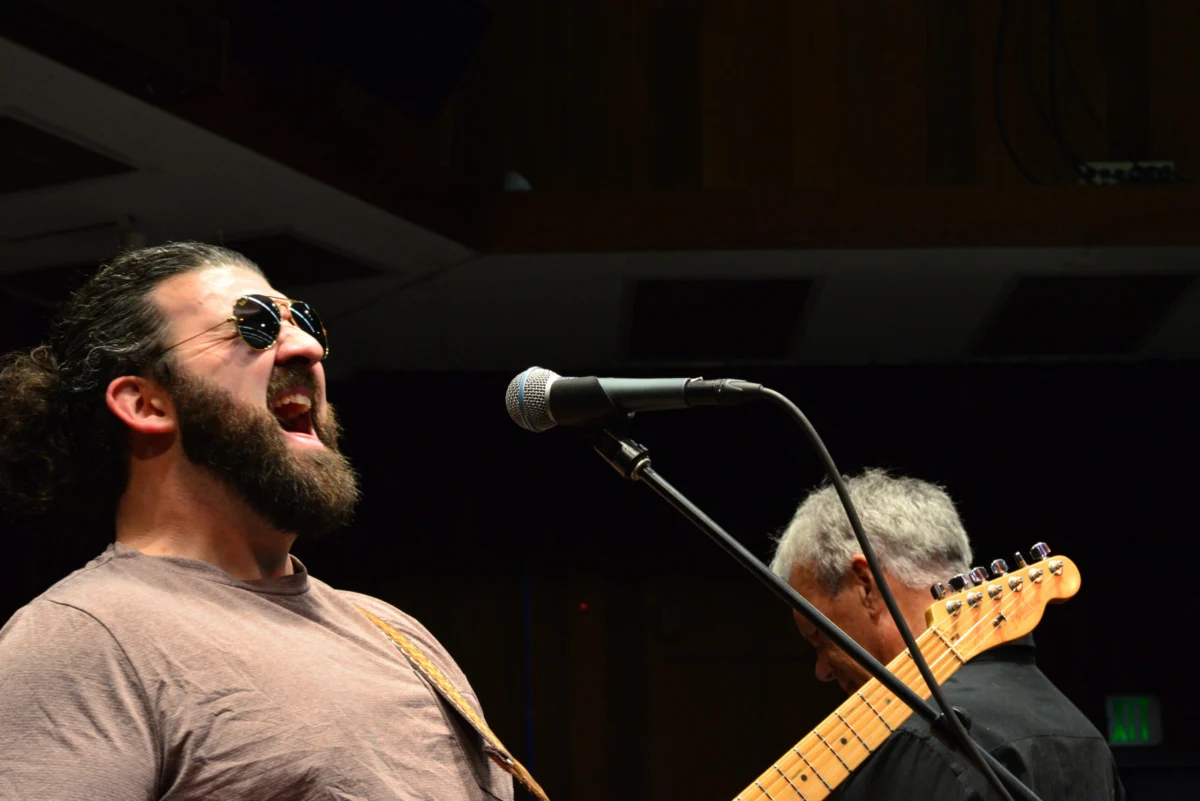
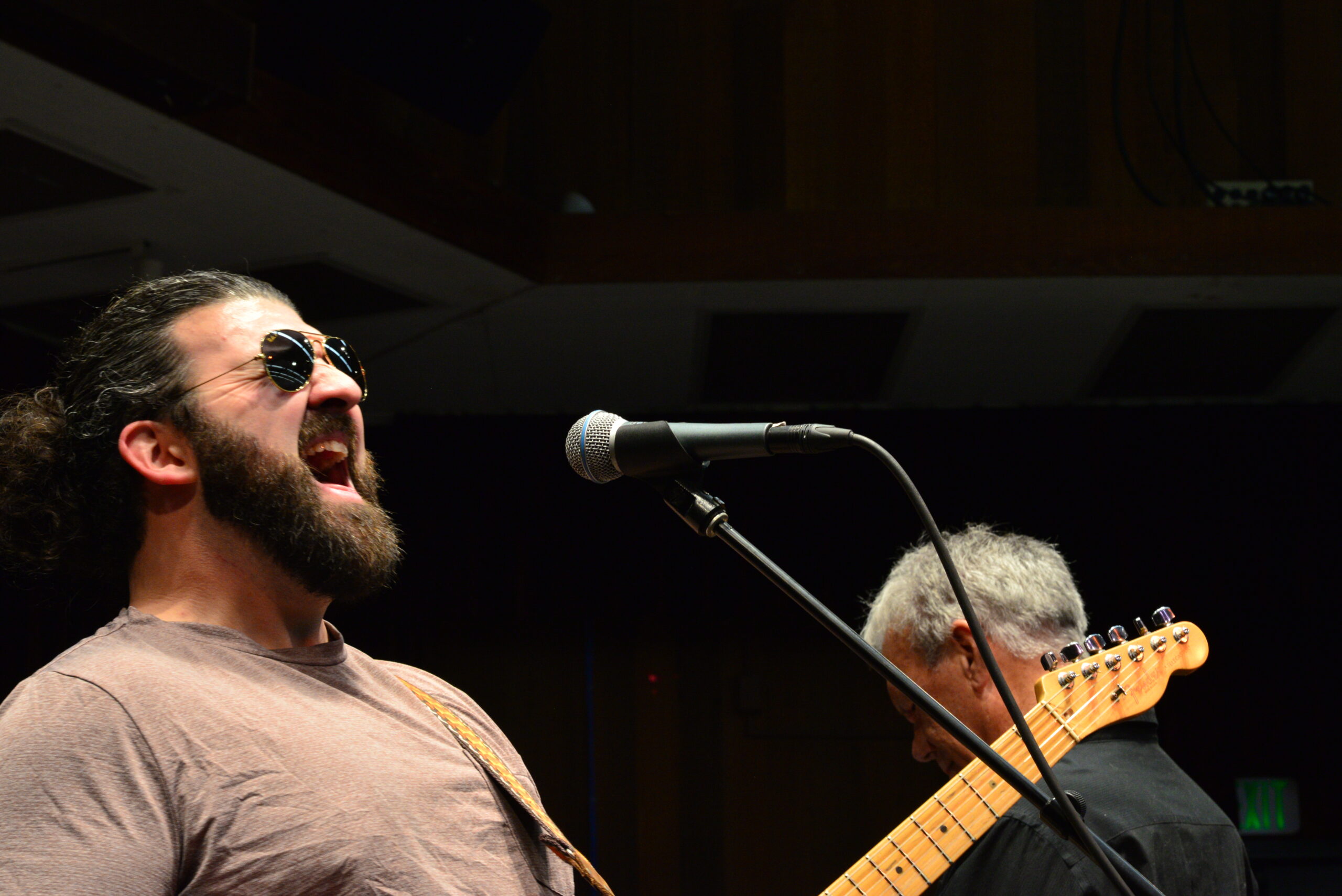
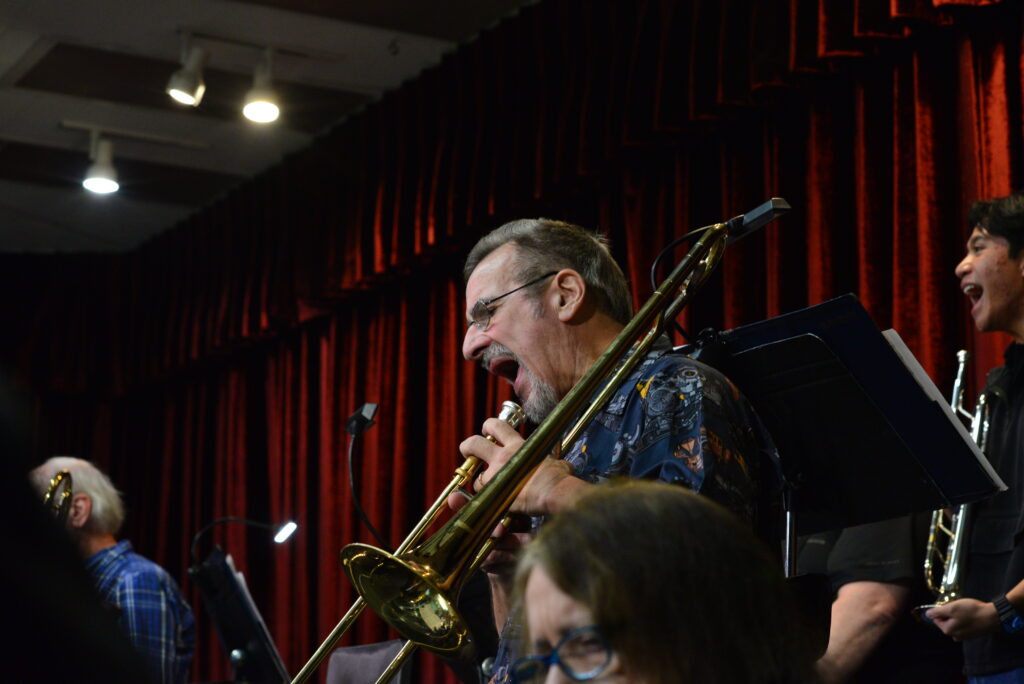
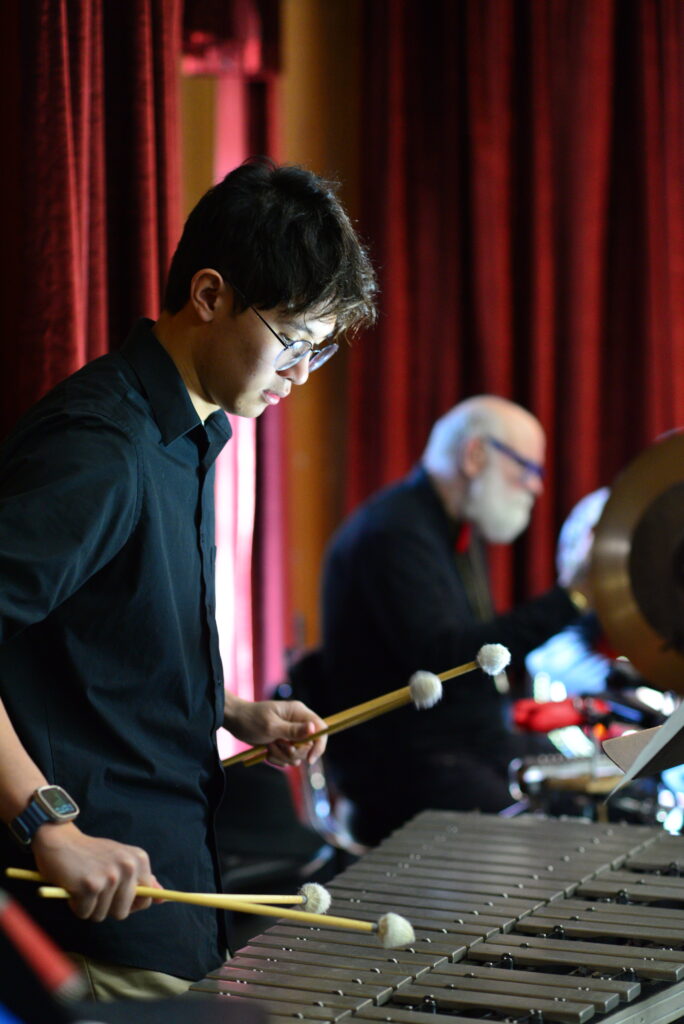
The intersection of high-fidelity visual documentation and the preservation of mid-20th-century musical traditions was prominently displayed on Sunday, February 1, 2026, at the Columbia College Theater in Columbia, California. The event, headlined by the Columbia College 25-piece jazz band, served as both a technical showcase for local musicians and a masterclass in the jazz-rock-funk fusion era that defined American music between 1968 and 1990. Featuring acclaimed guitarist and vocalist Alex Lucero, the performance highlighted the enduring relevance of large-scale horn ensembles in an era increasingly dominated by digital synthesis and minimalist stage productions.
The Revival of the Jazz-Rock-Funk Renaissance
The concert was structured around the repertoire of foundational American "horn bands," including Tower of Power, Blood, Sweat & Tears, Electric Flag, and the Chicago Transit Authority (later known simply as Chicago). These groups are credited with pioneering a sound that integrated the improvisational complexity of jazz with the driving rhythms of rock and soul. For the Northern California region, particularly the San Francisco Bay Area, this genre represents a significant cultural milestone. The era was characterized by a "pulsating" energy that required not only instrumental virtuosity but also a high degree of ensemble synchronization.
Industry analysts note that the period from the late 1960s to the early 1990s was the last time large-scale, multi-member bands were commercially ubiquitous. The decline of these ensembles is largely attributed to the prohibitive costs associated with maintaining a 10- to 25-piece group. Expenses ranging from touring logistics and insurance to the equitable distribution of performance fees have made the "big band" format a rarity in the modern professional landscape. Consequently, many contemporary performers have pivoted toward the use of synthesizers and pre-recorded backing tracks—a trend critics often refer to as "karaoke junk"—to simulate the density of a full horn section without the overhead.
Chronology of the Event: From Rehearsal to Encore
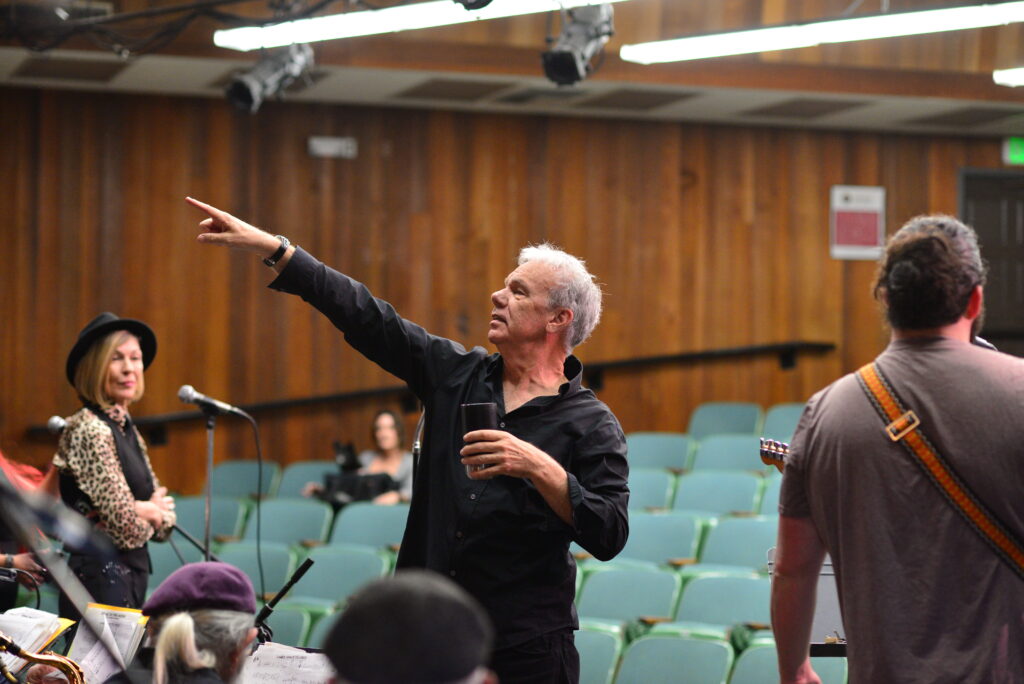
The production on February 1 was a multi-stage effort led by band director Rod Harris. To ensure the highest level of musical integrity, Harris recruited a mix of current college students and seasoned professionals, including former members of Tower of Power. This pedagogical approach provided a rare mentorship opportunity, placing college freshmen alongside veterans of the international touring circuit.
The day’s schedule was rigorous, beginning with a comprehensive two-hour pre-show rehearsal. This session was critical due to the technical demands of the setlist. Tower of Power arrangements, for instance, are famous for their "East Bay Grease" style, which requires every instrumentalist to contribute to backup vocals while maintaining complex rhythmic patterns. The rehearsal allowed the 25-piece ensemble to calibrate their sound within the specific acoustics of the Columbia College Theater, a venue known for its intimate seating but restricted stage space.
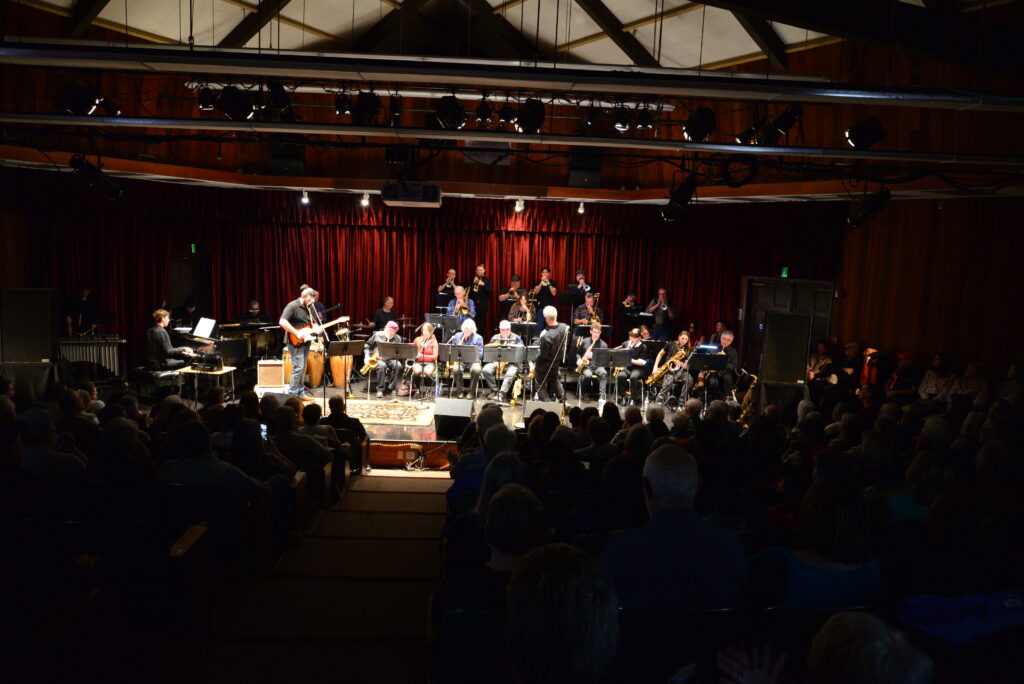
The main performance consisted of two distinct sets. The first set focused on the early blues-rock influences of Electric Flag and the brass-heavy arrangements of Blood, Sweat & Tears. The second set moved into the high-energy funk of Tower of Power, including a rendition of the classic "What is Hip?" The performance was met with significant local acclaim, drawing a crowd that spanned generations, from "Bay Area elders" who experienced the original movement to younger students studying the technicality of the arrangements.
Technical Documentation and Optical Calibration
A significant aspect of the event was its visual documentation, which faced unique challenges due to the venue’s architecture and lighting conditions. The theater on the Columbia campus is sized specifically for the performers, leaving virtually no room for photographers to maneuver on stage. This necessitated a strategy of precision rather than mobility.
The primary photographic equipment utilized for the event was a Nikon D610 full-frame DSLR paired with an 85mm f/1.8 D AF Nikkor lens. This specific combination highlights a common technical hurdle in digital photography: focus shift. For over a decade, the 85mm lens had exhibited a tendency to focus on a plane slightly behind the intended subject—a phenomenon known as "back-focusing."
Prior to this event, the equipment underwent a rigorous recalibration process. Modern DSLRs, such as the D610, feature an "AF Fine-Tune" setting that allows users to adjust the camera’s autofocus processor to compensate for the specific mechanical tolerances of a lens. This recalibration proved successful, allowing for sharp imagery even at the wide apertures required by low-light theater environments. The documentation was captured at ISO 2000 in JPEG format, with the photographer opting for a "straight-out-of-the-camera" approach to preserve the authentic lighting and atmosphere of the theater without post-production alterations.
Supporting Data: The Logistics of the Big Band Format
The survival of groups like the Columbia College 25-piece band is often dependent on institutional support. According to data from the American Federation of Musicians, the cost of touring a 15-member ensemble is approximately four to five times higher than that of a standard four-piece rock band. When factoring in the specialized equipment, such as vibraphones, multiple saxophone variants (alto, tenor, and baritone), and specialized percussion, the logistical footprint becomes massive.
Furthermore, the complexity of the arrangements—often involving five-part horn harmonies—requires a level of rehearsal time that is rarely profitable in the independent music scene. Educational institutions like Columbia College play a vital role in maintaining this art form by providing the infrastructure and the talent pool necessary to execute such demanding works. The inclusion of Alex Lucero, a phenom in the Northern California soul and funk scene, added a layer of professional draw to the collegiate program, bridging the gap between academic study and commercial performance.
Cultural Impact and Institutional Responses
Local arts advocates have pointed to the February 1 concert as a vital sign of cultural health in the Sierra Foothills. By focusing on the jazz-rock-funk era, the college is not only preserving musical history but also challenging students to master a level of "live" performance that is becoming increasingly scarce.
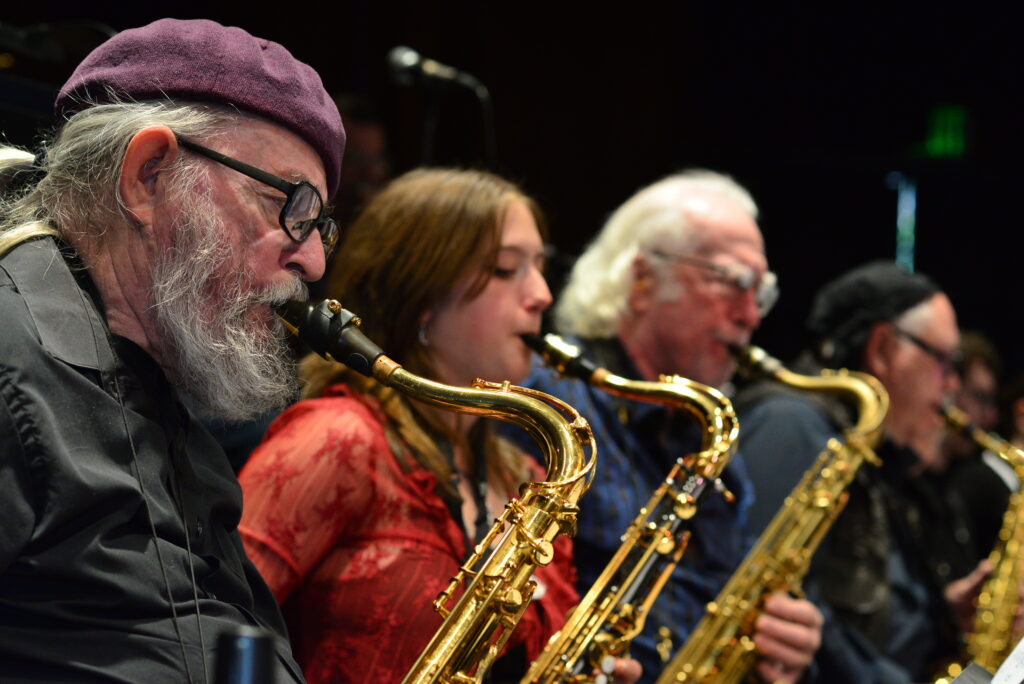
Rod Harris, leading the band, emphasized the importance of the "human element" in music. In discussions regarding the use of pre-recorded tracks in the industry, the sentiment remains that the interaction between 25 live musicians creates a "pulsating" sonic environment that cannot be replicated by digital means. The saxophone section, featuring a mix of ages, served as a visual and auditory metaphor for this continuity of tradition.
Audience reactions gathered post-show indicated a strong desire for more large-ensemble performances. Attendees noted that the physical sensation of a live horn section—the "push" of air from the trumpets and trombones—is a visceral experience that modern digital pop often lacks.
Broader Implications for Live Music and Photography
The Columbia College event serves as a microcosm for two broader trends: the "analog" revival in performance art and the enduring value of specialized technical knowledge in photography.
On the musical front, the success of the concert suggests a market for "authentic" live experiences. Despite the economic barriers, the emotional resonance of hearing Tower of Power or Chicago Transit Authority covers performed by a full-scale band continues to attract diverse audiences. This suggests that while synthesizers offer efficiency, they do not necessarily offer the same cultural or communal value as a 25-piece ensemble.
On the technical front, the successful recalibration of a 13-year-old camera system underscores a shift in the photography community. As the industry moves toward mirrorless systems with eye-tracking autofocus, the mastery of "legacy" DSLR systems remains a critical skill for documenting live arts. The ability to produce high-quality, unedited JPEGs at high ISO settings demonstrates that the limitations of equipment are often surmountable through technical understanding rather than constant hardware upgrades.
In conclusion, the Columbia College jazz concert was more than a tribute to a bygone era of music; it was a demonstration of the rigorous standards required to keep that music alive. Through a combination of academic dedication, professional guest artistry, and precise technical documentation, the event reaffirmed the Bay Area’s legacy as a bastion of the jazz-rock-funk tradition. As the Columbia Big Band continues its season, it remains a focal point for those seeking the raw, unadulterated power of a full-scale live horn section in Northern California.