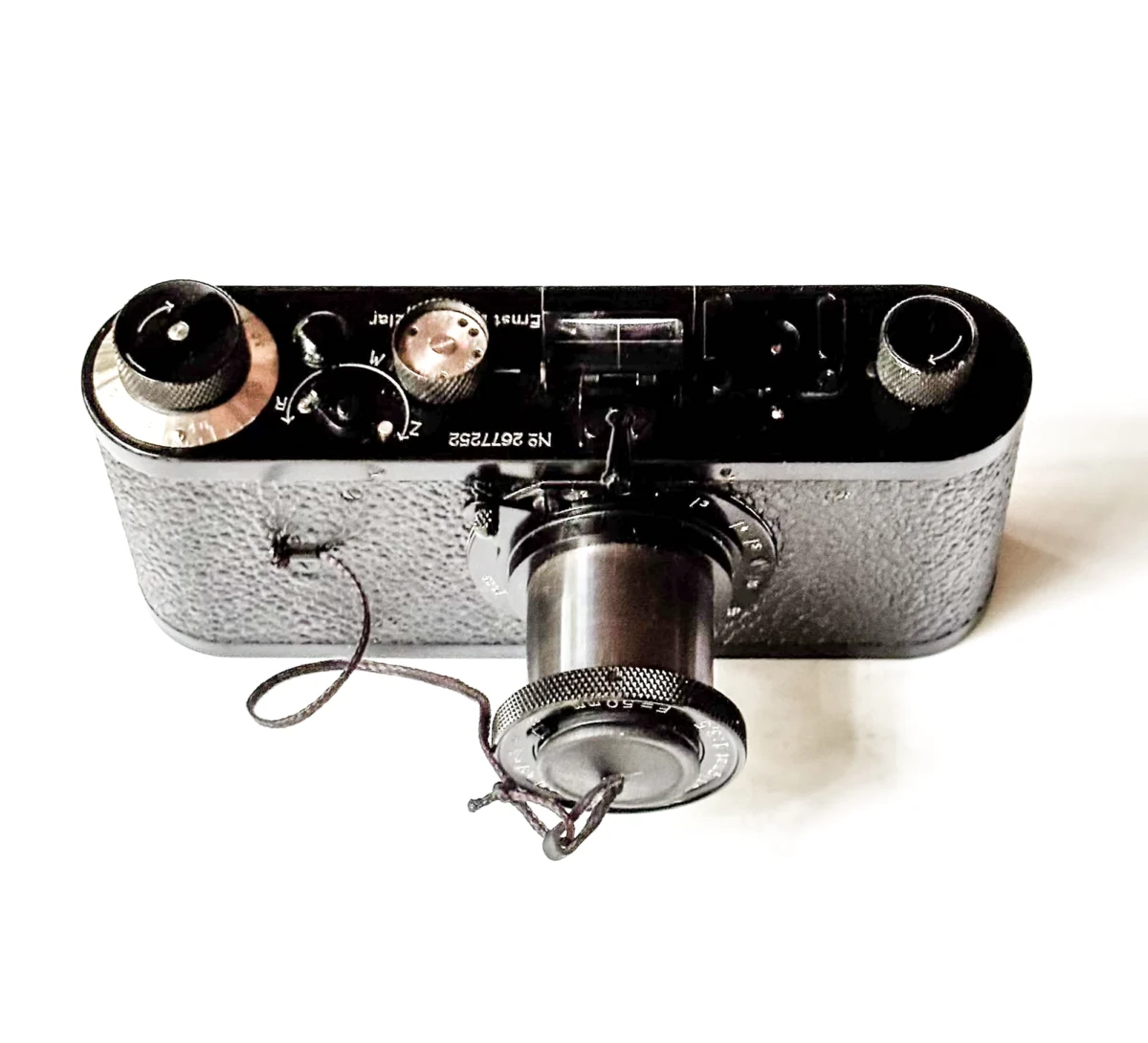
The history of modern photojournalism and personal photography finds its most significant inflection point in 1923, when the German optics firm Leitz introduced the Leica 0 series. Conceived as a "Null-Serie" or zero-series, these cameras served as a critical test bed for employees and professional associates of Ernst Leitz. The feedback garnered from these prototypes directly facilitated the 1925 launch of the Leica I, the world’s first commercially successful 35mm production camera. While the Leica I would go on to see a production run of approximately 57,000 units, the original Leica 0 series was limited to a mere 25 to 31 handcrafted examples. Today, these original prototypes represent the pinnacle of photographic collectability, frequently commanding prices in the multi-million dollar range at international auctions.
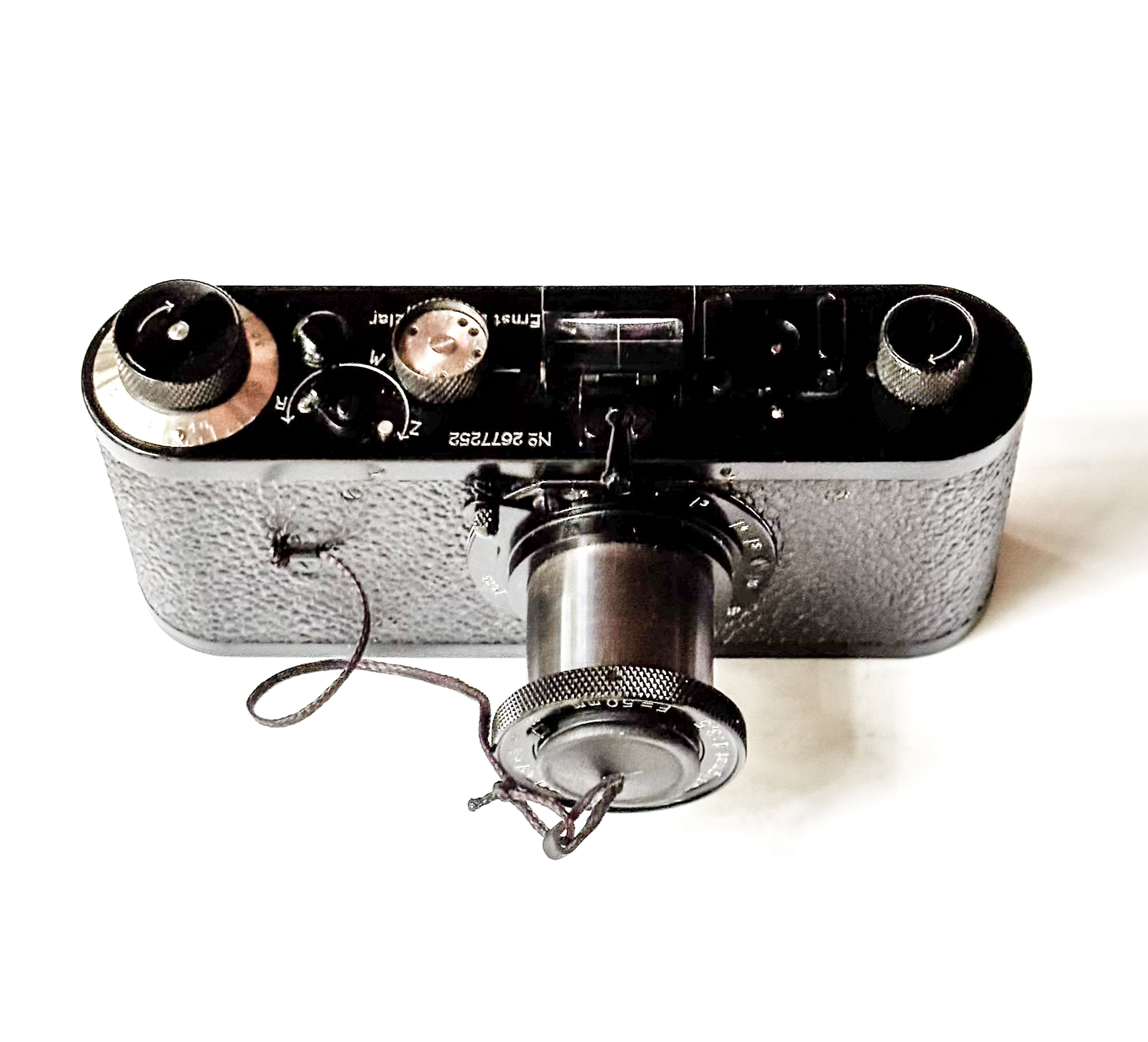
To preserve the legacy of these foundational instruments, Leica Camera AG released a series of highly faithful replicas in 2000 and 2004. These reissues, produced in quantities of a few thousand, allow contemporary enthusiasts and historians to experience the tactile and technical idiosyncrasies of 1920s photography without the prohibitive cost or fragility of a museum-grade original. The Leica 0 series, both in its original and reissue forms, offers a profound look at a period when the standards of 35mm photography were still being negotiated through trial and error.
A Chronology of Innovation: From the Ur-Leica to the Leica I
The development of the Leica 0 series was the culmination of over a decade of experimentation led by Oskar Barnack, a master engineer at Leitz. Barnack, an avid hiker who suffered from asthma, sought to replace the heavy, plate-based cameras of the era with a compact, handheld alternative. In 1913, he developed the "Ur-Leica," a prototype that utilized 35mm cinema film turned 90 degrees to create a 24x36mm frame—a format that remains the "full-frame" standard in the digital age.
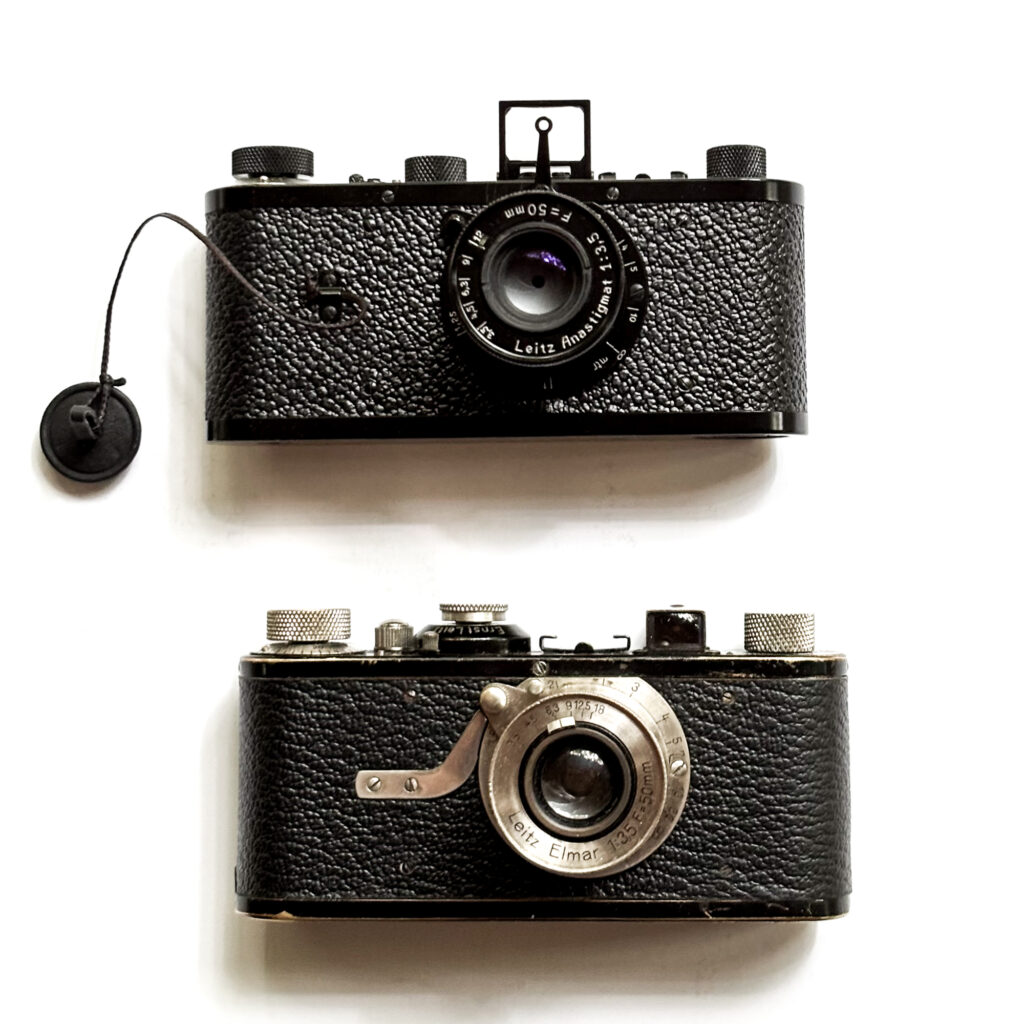
World War I delayed the commercialization of Barnack’s vision, but by 1923, the decision was made to produce the 0 series to gauge the viability of the format. This small batch of cameras was distributed to photographers for field testing. The results were revolutionary; for the first time, high-quality images could be captured with a device that fit into a coat pocket. By 1925, the refined Leica I (Model A) was introduced at the Leipzig Spring Fair, forever altering the landscape of the imaging industry.
Technical Nuances and the Challenge of the Non-Self-Capping Shutter
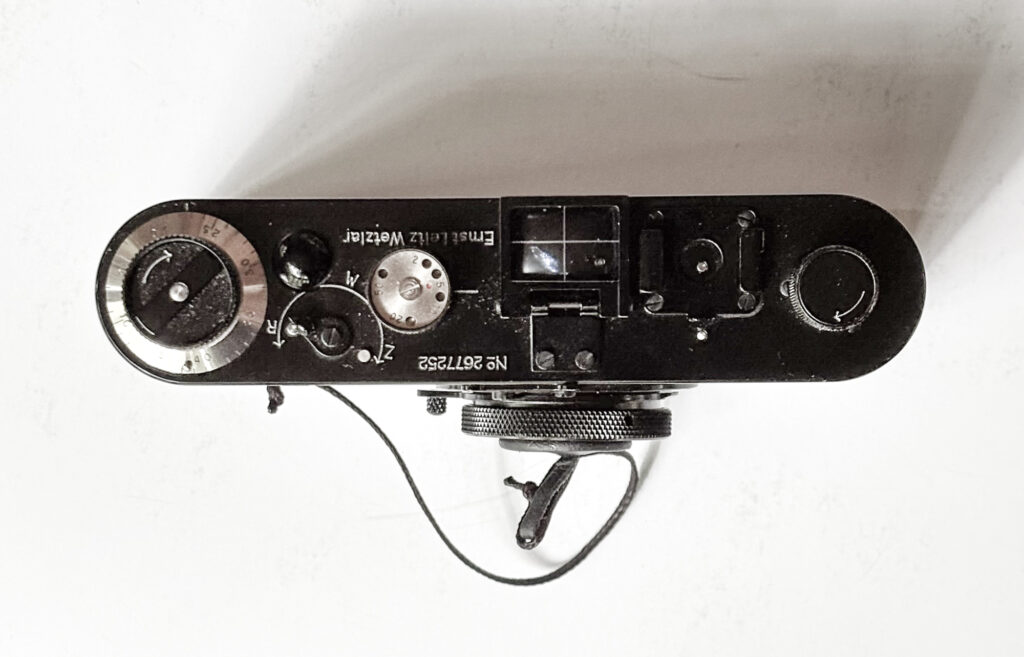
The Leica 0 series is defined by several technical characteristics that distinguish it from the production models that followed. The most significant of these is the focal plane shutter mechanism. Unlike modern shutters, which are "self-capping," the Leica 0 shutter does not automatically block light from hitting the film while the shutter is being reset. In practical terms, this means that if the user winds the film without covering the lens, the movement of the shutter curtains will inadvertently expose the film, ruining the previous or next frame.
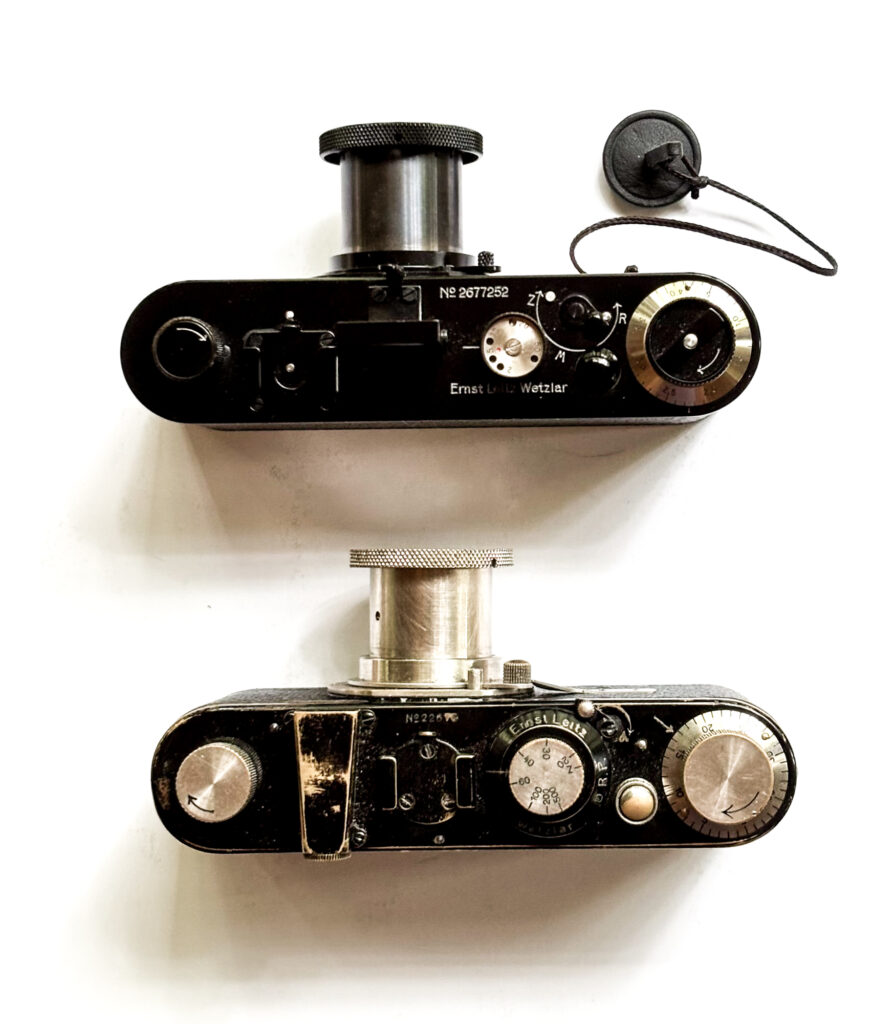
To operate the Leica 0 correctly, the photographer must replace the lens cap before every wind of the film. This manual requirement reflects the early stage of shutter development and serves as a reminder of the mechanical discipline required of early 20th-century photographers. While later models like the Leica I incorporated a second curtain to shield the film during the winding process, the Leica 0 remains a "pure" mechanical experience that demands constant attention to procedure.
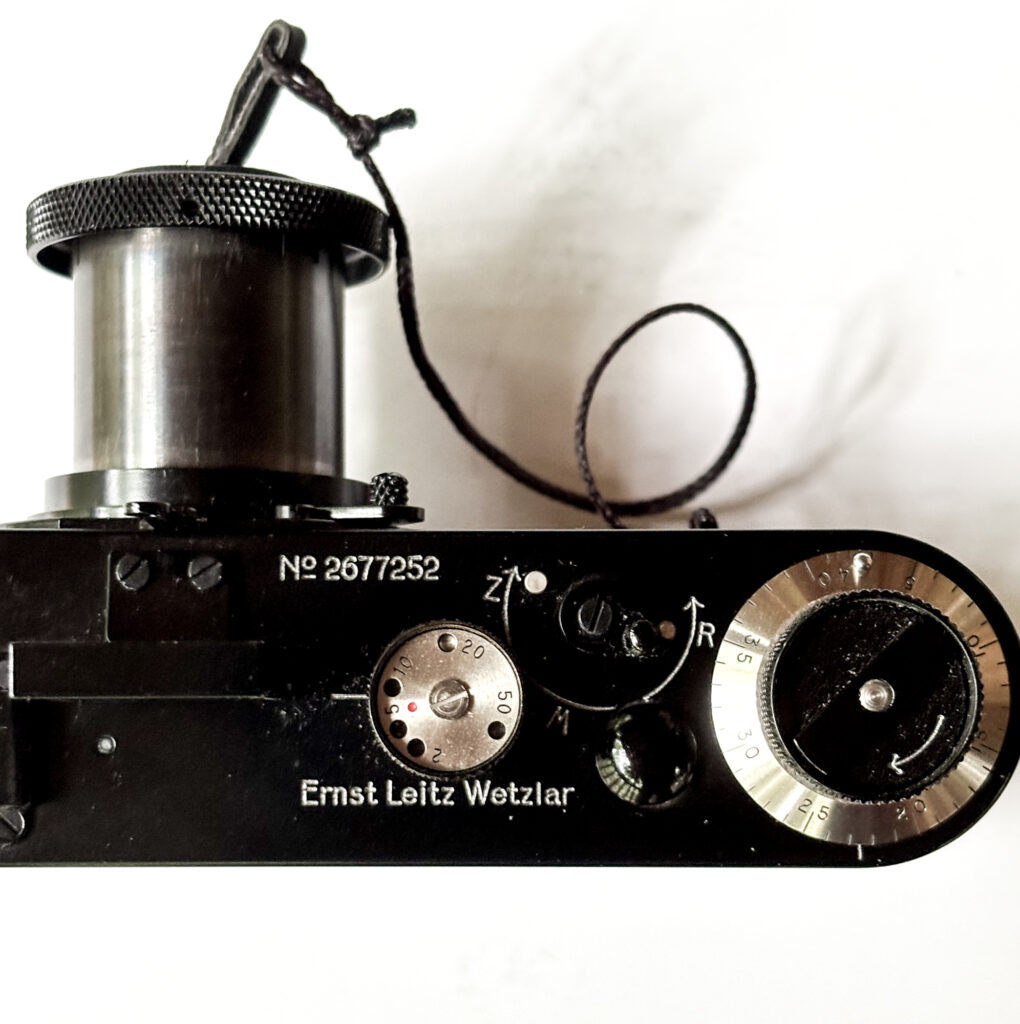
Furthermore, the Leica 0 does not display shutter speeds in the conventional fractions of a second used today. Instead, the dial is marked with shutter slit widths. On the top dial, the numbers correspond to specific exposure times: a "2" represents 1/500th of a second, while "50" represents 1/20th of a second. This system required photographers to understand the physics of the focal plane shutter—specifically, how the width of the gap between two curtains moving across the film plane determines the duration of light exposure.
Viewfinder Mechanics and Ergonomics
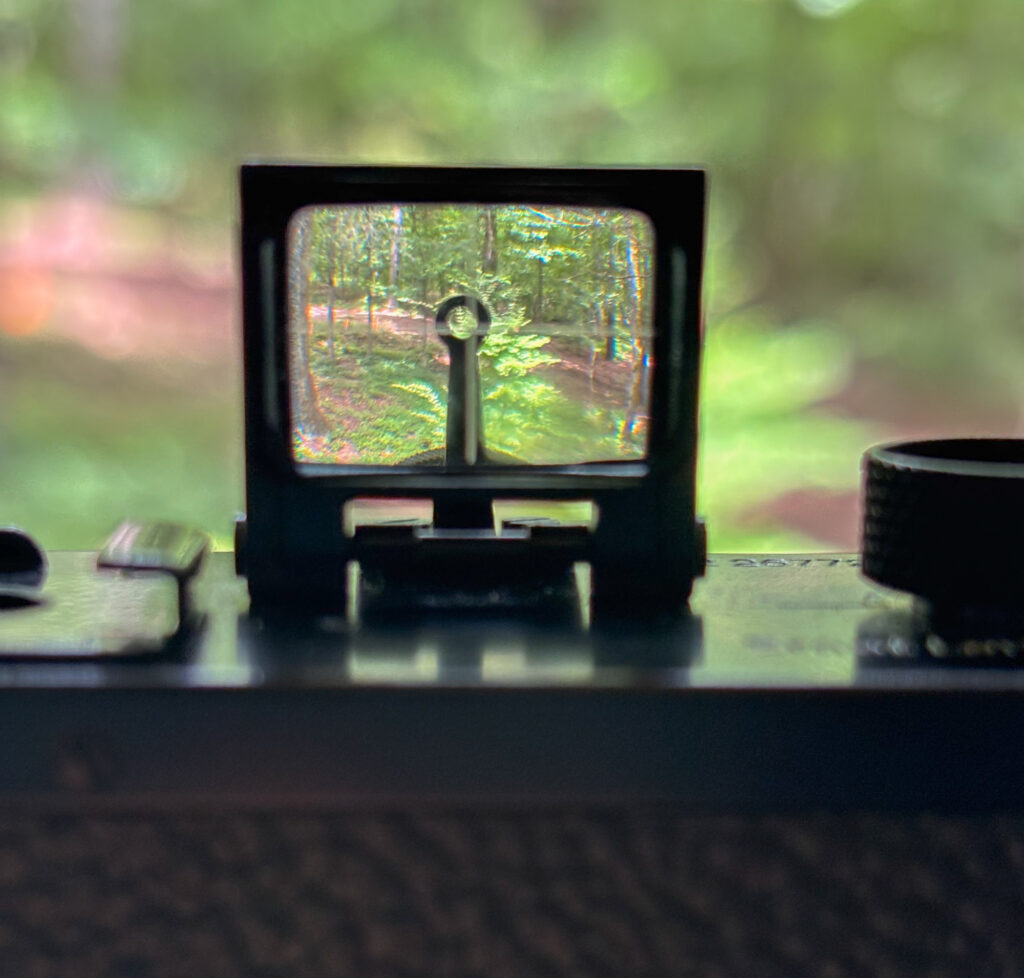
The ergonomics of the Leica 0 series are markedly different from the "eye-level" viewing standards established in the mid-20th century. The original 1923 prototypes featured a folding optical viewfinder that was eventually replaced by a tubular version during the production run. The reissue models often replicate the folding finder, which presents a unique challenge to modern users.
To achieve an accurate sight picture and correct for parallax, the camera must be held approximately 10 inches away from the eye rather than pressed against the face. This "distance viewing" method can lead to framing errors for those accustomed to modern rangefinders or SLRs. Additionally, because the Leica 0 lacks an integrated rangefinder, photographers must rely on "zone focusing," estimating the distance to the subject and setting the lens accordingly. This method, combined with the use of small apertures to maximize depth of field, was the standard operating procedure for the street photographers who pioneered the "decisive moment" style.
The Optical Standard: f/stops and Lens Design
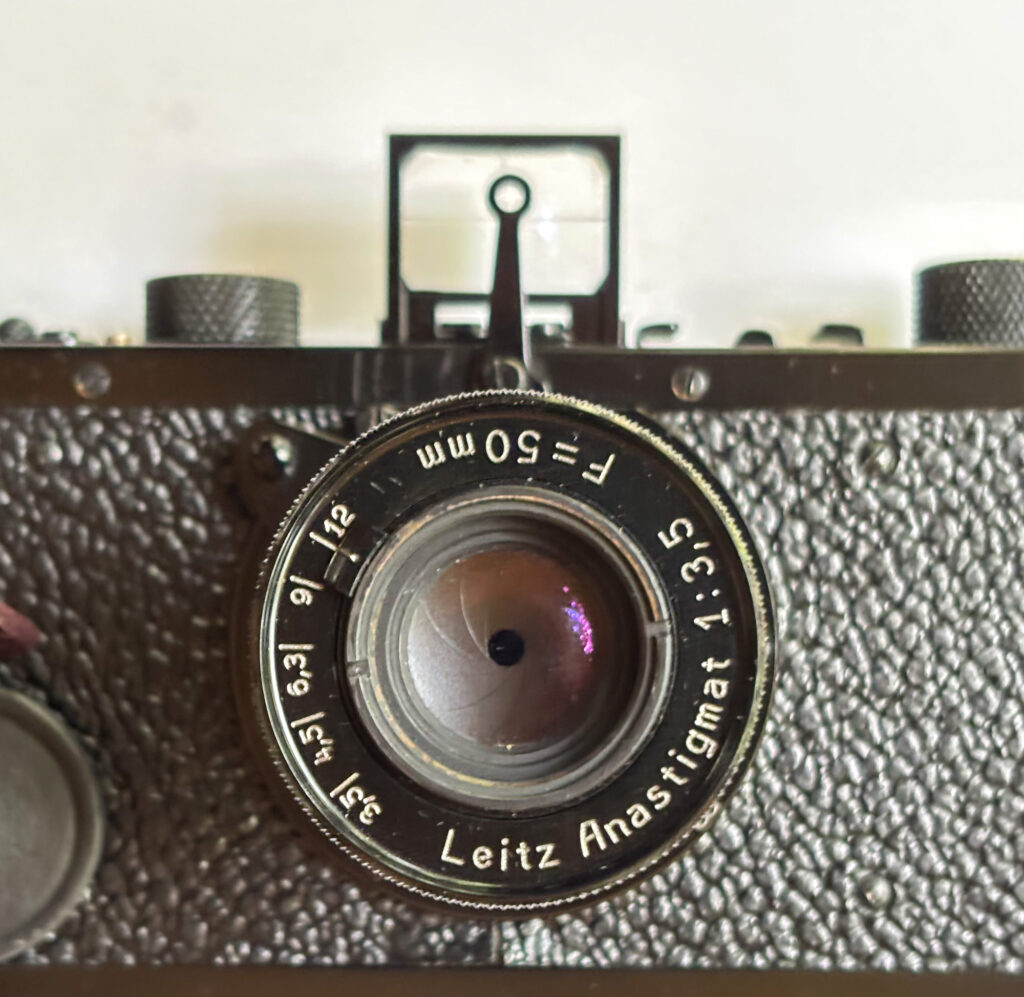
The Leica 0 series typically features a 50mm f/3.5 lens, a design that would eventually evolve into the legendary Elmar. Interestingly, the aperture scales on these early cameras often follow a non-standard progression compared to modern f-stops. Users will find markings such as f/3.5, f/4.5, f/6.3, f/9, and f/12.
These values were derived from the mathematical increments preferred by Leitz optics engineers at the time. While they may seem foreign to a digital photographer used to the f/2.8, f/4, f/5.6 sequence, they provided sufficient control for the orthochromatic and early panchromatic films available in the 1920s. The compactness of the lens is another hallmark; when retracted, the camera becomes slim enough to fit into a pocket, fulfilling Barnack’s original design brief for a truly portable precision instrument.
Recreating the 1923 Aesthetic: Film and Chemistry
To truly understand the performance of the Leica 0, many collectors and historians pair the camera with films that mimic the characteristics of the early 20th century. In 1923, film speeds were incredibly slow by modern standards, often ranging from ISO 1 to ISO 25. Furthermore, most films were orthochromatic, meaning they were sensitive to blue and green light but "blind" to red. This resulted in high-contrast images with dark, dramatic skies and unique skin tone renderings.
Contemporary photographers often use specialty films like Ukrainian Svema ISO 6 or Rollei Ortho 25 to replicate this look. Shooting ISO 6 film requires bright, direct sunlight to achieve handheld shutter speeds. Utilizing the "Sunny 16" rule—a method of estimating exposure without a meter—a photographer might set the Leica 0 to f/5.6 at 1/50th of a second in bright conditions.
The historical immersion often extends to the darkroom. Rodinal, a developer introduced by Agfa in 1892, remains a popular choice for processing these films due to its long history and ability to produce sharp, grainy negatives that suit the vintage aesthetic. Similarly, Sodium Thiosulfate, used as a fixing agent since 1819, represents the enduring chemistry of the film era.
Market Analysis and the Value of Reissues
The market for Leica 0 series cameras is divided into two distinct categories: the ultra-rare originals and the functional reissues. In June 2022, a 1923 Leica 0-series (No. 105), formerly owned by Oskar Barnack himself, sold at the Leitz Photographica Auction for a record-breaking €14.4 million (approximately $15 million). This sale solidified the Leica 0 as the most valuable camera in the world, transcending its status as a tool to become a significant historical artifact.

The 2000 and 2004 reissues, while not multi-million dollar items, have maintained strong value in the secondary market. Originally released to celebrate the 75th and 80th anniversaries of the Leica I, these cameras were marketed to purists. They typically trade for between $2,000 and $4,000, depending on condition. For collectors, these reissues represent a "functional history," allowing for the use of a brand-new mechanical tool that operates exactly like its 100-year-old predecessor.
Broader Impact and Implications for Modern Photography
The Leica 0 series was more than just a camera; it was the catalyst for a shift in visual culture. Before the 35mm revolution, photography was a static, formal affair involving heavy tripods and glass plates. The portability and speed of the Leica system enabled the rise of candid photography, allowing journalists to document conflict, poverty, and daily life with unprecedented intimacy.

The technical constraints of the Leica 0—the lack of a light meter, the manual shutter capping, and the zone focusing—forced photographers to become masters of their craft. In the modern era, where digital automation handles exposure and focus, the Leica 0 serves as an educational tool. It strips photography back to its fundamental elements: light, time, and distance.
In conclusion, the Leica 0 series remains a cornerstone of photographic history. Whether through the lens of a million-dollar 1923 original or a meticulously crafted 21st-century reissue, the camera continues to challenge and inspire. It stands as a testament to Oskar Barnack’s engineering genius and the enduring appeal of mechanical precision in an increasingly digital world. For the dedicated enthusiast, operating a Leica 0 is not merely about taking a picture; it is an act of historical preservation and a tribute to the dawn of the 35mm age.