
For three decades, a profound sense of anticipation has accompanied the author’s every step through the dense wilderness of Vancouver Island, a region renowned for its high cougar population. Despite countless excursions, a definitive sighting of these magnificent felines remained an elusive dream, a testament to their unparalleled stealth and mastery of camouflage. This persistent yearning for connection with nature’s apex predators eventually led the author to the rugged, windswept landscapes of Chilean Patagonia, a journey marked by unexpected challenges and ultimately, a profound encounter with the region’s famed pumas.
The expedition began with a series of logistical hurdles, including a lost passport and an urgent visit to a Brazilian embassy, underscoring the intricate planning often required for international wildlife photography expeditions. Upon finally arriving in Chile, the author found refuge at a converted estancia on the fringes of Torres del Paine National Park. This historic ranch, still equipped with functional farming and livestock apparatus, served as a unique gateway to the wild. The burgeoning ecotourism industry in the region, driven by the park’s iconic granite spires, has fostered a new dynamic, with landowners increasingly embracing coexistence with wildlife previously considered a threat to their livelihoods. The estancia’s staff, embodying the enduring values of gaucho culture—honesty, diligence, and hospitality—provided a warm introduction to the Patagonian way of life.
The Allure of the Puma: Tracking Nature’s Master Hunters
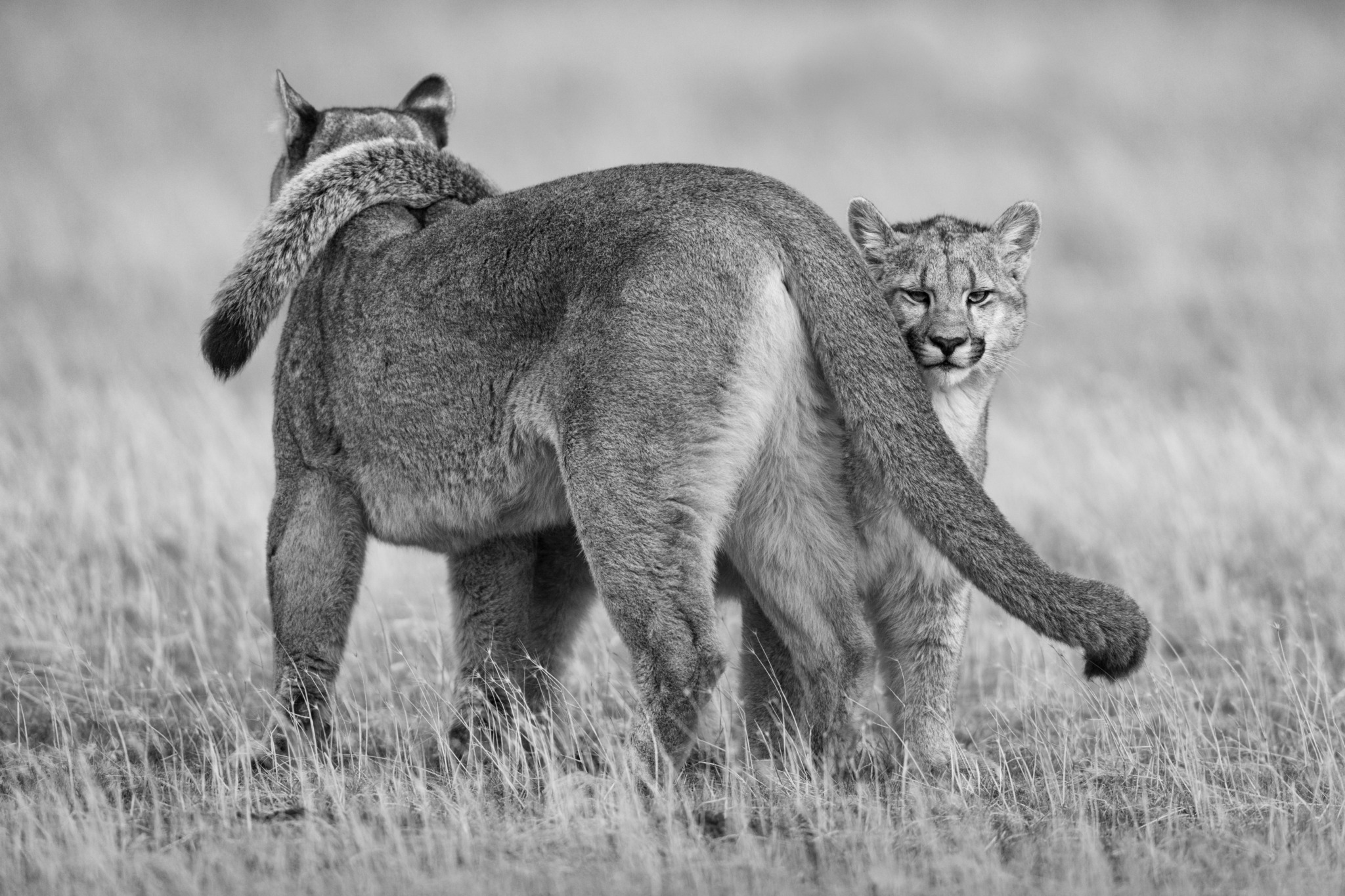
The pursuit of the pumas began in earnest under the guidance of Rodrigo, a local expert with an intimate knowledge of the area’s feline inhabitants, often referred to as "family" by those who know them well. Venturing deep into the heart of puma territory, the landscape transformed from cultivated fields to a dramatic tableau of stark rock formations, pristine glacial lakes, and expansive grasslands known as pampas. Towering granite peaks of the Andes loomed, forming a breathtaking backdrop to this wild expanse. It was within this majestic setting, in the shadow of these formidable mountains, that the first encounter occurred: a female puma, widely recognized as "Petaka," accompanied by her two young kittens.
Petaka’s presence was one of remarkable composure and an almost regal indifference to human observers. This characteristic, coupled with her frequent appearances in the vicinity of Torres del Paine and its surrounding areas, has cemented her legendary status among visitors. Unlike in some neighboring countries where pumas may face significant hunting pressure, in Chile, they are a protected species, with hunting largely prohibited. This conservation status has, in certain areas, allowed some pumas to habituate to human presence, largely ignoring it as they go about their natural routines. For the author, witnessing this serene interaction—a wild animal utterly at ease—was a deeply fulfilling experience, a quiet affirmation of nature’s capacity for balance. The privilege of observing Petaka’s maternal care, as her kittens playfully tumbled in the grass nearby, evoked a profound emotional response, a silent acknowledgment of the powerful bonds within the wild.
A Blizzard’s Embrace: An Unforeseen Encounter
The tranquil observation of Petaka and her family was soon interrupted by the capricious nature of Patagonian weather. The sky darkened, winds intensified, and the first snowflakes began to fall, heralding the arrival of a significant blizzard. Seeking refuge from the rapidly deteriorating conditions, the author found shelter within a mountainside cave. It was within this unexpected sanctuary that a remarkable event unfolded. A large puma, emerging from the swirling snow, appeared and settled mere feet away, also seeking protection from the storm.
The instinct was immediate: to remain still, to control the racing pulse, and to steady the camera, a testament to the overwhelming excitement of the moment. For an extended period, an extraordinary silence prevailed. The two beings, a human and a wild predator, shared the confined space, enveloped by the snow-laden landscape. The puma, an embodiment of wild grace, remained entirely unfazed by the author’s presence, its attention fixed on the surrounding environment, a constant state of awareness. This shared stillness, an unspoken truce dictated by the elements, underscored the profound connection that can exist between humans and the natural world when approached with respect and patience.
As the blizzard finally subsided and the storm clouds parted, revealing a landscape transformed by a fresh blanket of snow, the puma quietly departed, melting back into the pristine canvas. Only then did the author allow the dam of pent-up emotion to break, a release of awe and gratitude for the extraordinary experience. This moment served as a powerful reminder: when nature is afforded the space to heal and flourish, humanity becomes a witness to the full, untamed spectrum of life, experienced in its most authentic and awe-inspiring form. The fleeting camaraderie shared with this wild creature in one of the planet’s most breathtaking ecosystems was, by all accounts, an unparalleled gift.
Conservation and Coexistence: The Future of Patagonia’s Pumas
The encounter with Petaka and the unnamed puma during the blizzard highlights a critical aspect of conservation in Patagonia: the evolving relationship between humans and wildlife. Torres del Paine National Park, established in 1959 and expanded over the years, is a UNESCO Biosphere Reserve, protecting a vast array of flora and fauna. The park and its surrounding buffer zones are crucial habitats for numerous species, including the Andean condor, guanaco, and the endangered huemul deer, alongside the puma.
Puma populations in Patagonia have historically faced challenges, primarily due to perceived threats to livestock. However, a shift in understanding and conservation practices has been instrumental in their recovery. Organizations and local communities are increasingly recognizing the ecological importance of pumas as apex predators that help regulate prey populations, thereby maintaining the health of the ecosystem. This shift is evident in the success of ecotourism initiatives that often directly benefit local communities and incentivize the protection of wildlife.
Supporting Data and Scientific Context:
- Puma Biology: Pumas (Puma concolor), also known as mountain lions or cougars, are solitary and elusive cats with a vast geographical range across the Americas. They are highly adaptable and inhabit diverse environments, from deserts to mountains and forests. Their hunting strategy relies on stealth, patience, and bursts of speed, making them exceptionally difficult to observe in the wild.
- Conservation Status: While the overall species Puma concolor is listed as "Least Concern" by the IUCN, specific regional populations can face localized threats. In areas like Torres del Paine, effective conservation measures, including anti-poaching efforts and habitat protection, have contributed to healthier and more visible populations.
- Ecosystem Role: As apex predators, pumas play a vital role in maintaining ecological balance. By preying on herbivores like guanacos and, historically, domestic livestock, they prevent overgrazing and ensure the health of vegetation, which in turn supports a wider array of species. Studies have shown that the presence of pumas can lead to behavioral changes in prey species, such as altered foraging patterns, which can have cascading effects throughout the ecosystem.
Implications and Broader Impact:
The author’s experience underscores the success of conservation efforts in regions like Patagonia. The ability of pumas to habituate to human presence, particularly in protected areas, is a positive indicator of ecological health and effective management. This coexistence not only benefits the wildlife but also enriches the human experience of these wild places, fostering a deeper appreciation for biodiversity.
The economic implications of successful wildlife tourism are significant. Ecotourism provides sustainable livelihoods for local communities, creating an economic incentive for conservation. The revenue generated from visitors drawn to witness the natural splendor of Patagonia, including its iconic pumas, directly supports park management, research, and community development projects.
Furthermore, such encounters serve as powerful advocacy tools. Personal narratives of respectful observation in the wild can inspire broader public engagement with conservation issues, fostering a sense of responsibility for protecting these vulnerable ecosystems and the magnificent creatures that inhabit them. The future of Patagonia’s pumas, and indeed many wild species globally, hinges on continued dedication to conservation science, community involvement, and a profound respect for the wild.
With enduring gratitude and a renewed sense of hope for the future of wild spaces, the journey continues.