
The release of the Leica D-Lux 8 represents a significant pivot in the premium compact camera sector, signaling a departure from traditional hardware-sharing agreements toward a more distinct brand-centric design philosophy. While historically linked to Panasonic’s LX100 series, the D-Lux 8 arrives at a time when the digital imaging market is increasingly bifurcated between high-end professional systems and luxury lifestyle compacts. As global travel resumes its pre-pandemic trajectory, the demand for high-performance, pocketable optics has surged, placing the D-Lux 8 at the center of a debate regarding value, ergonomics, and the necessity of versatile zoom lenses in documentary photography.

The Technical Foundation and Hardware Heritage
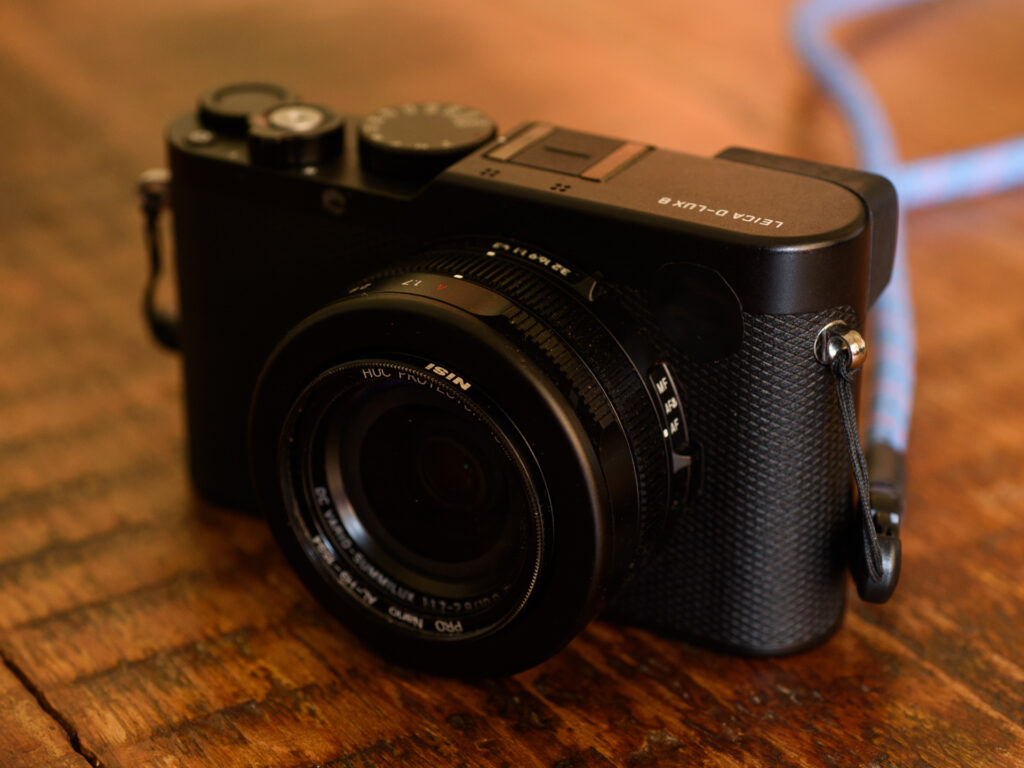
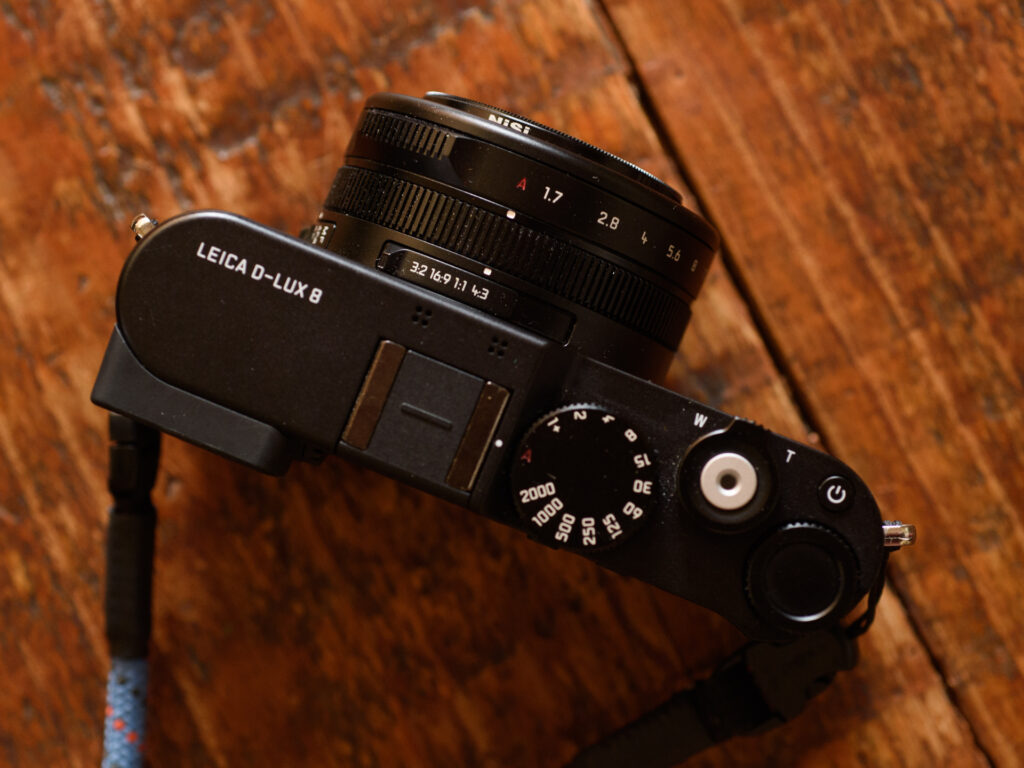
At its core, the Leica D-Lux 8 utilizes a 4/3-inch CMOS sensor paired with a Leica DC Vario-Summilux 10.9–34mm f/1.7–2.8 ASPH lens. This optics package provides a 35mm equivalent focal range of 24–75mm, a versatile span that covers wide-angle landscapes and environmental portraits. A defining characteristic of this sensor is its multi-aspect ratio capability; rather than cropping a standard sensor, the D-Lux 8 utilizes different areas of the sensor to maintain a consistent diagonal angle of view across 4:3, 3:2, and 16:9 formats. This results in an effective resolution of approximately 17 megapixels when shooting in the native 4:3 aspect ratio.
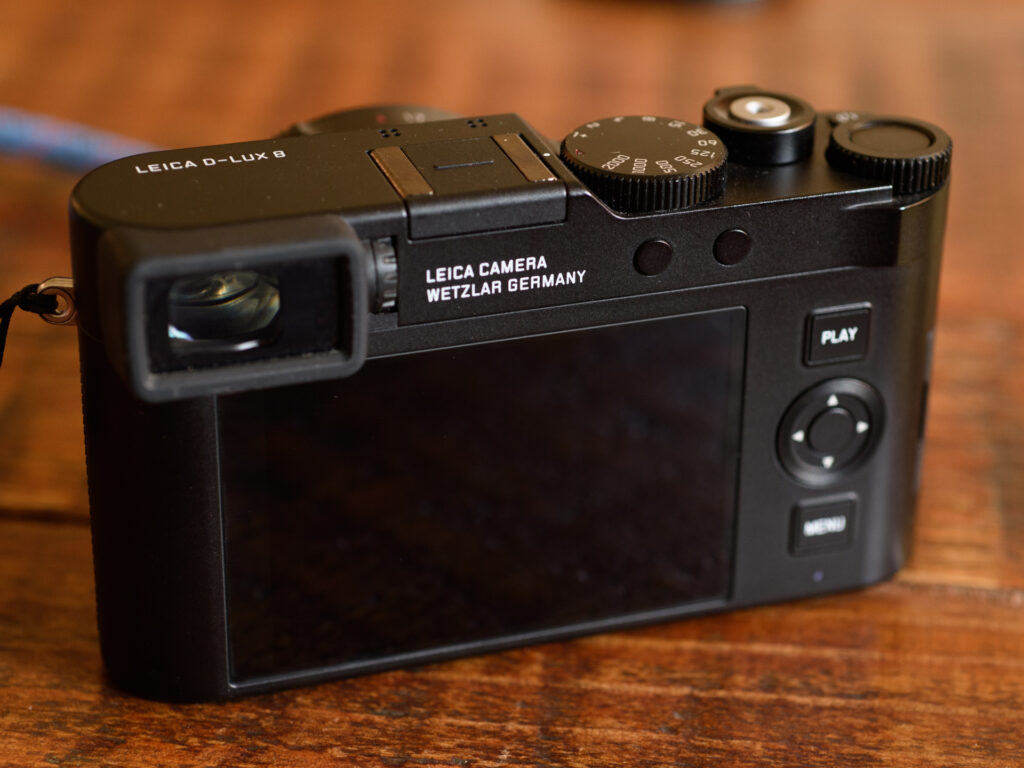
The lens architecture remains unchanged from its predecessor, the D-Lux 7, which was itself a close relative of the Panasonic Lumix LX100 II. However, the D-Lux 8 differentiates itself through a complete overhaul of the external housing and internal software. Leica has implemented a "mini-Q" design language, adopting the sleek, button-minimalist aesthetic of the full-frame Leica Q3. This includes a high-resolution Electronic Viewfinder (EVF) and a rear LCD screen that offers improved clarity over previous iterations. Most notably, the user interface has been unified with Leica’s professional M, SL, and Q systems, providing a streamlined menu structure that prioritizes essential photographic controls over the cluttered digital menus often found in contemporary mirrorless cameras.
Chronology of the D-Lux Series and Market Context
The D-Lux line has long been the entry point for enthusiasts into the Leica ecosystem. The partnership between Leica and Panasonic, established in the early 2000s, allowed Leica to offer compact digital cameras by refining Panasonic’s engineering with superior materials and proprietary image processing.
- 2014: The launch of the original D-Lux (Typ 109) introduced the Micro Four Thirds sensor to the compact zoom category.
- 2018: The D-Lux 7 improved the sensor resolution and added touch-screen capabilities, mirroring the Panasonic LX100 II.
- 2023-2024: As Panasonic pivoted away from the small-sensor compact market to focus on full-frame Lumix S systems, Leica took the lead on the D-Lux 8. Reports within the industry suggest that while the internal sensor and lens assembly remain a collaborative effort, the D-Lux 8 is now a Leica-exclusive product in terms of body construction and firmware.
This chronological shift is crucial. The D-Lux 8 enters a market where its primary competitor, the Fujifilm X100VI, faces chronic supply chain shortages. While the Fujifilm offers a larger APS-C sensor and a fixed 35mm equivalent prime lens, the Leica D-Lux 8’s zoom functionality offers a different utility for travelers who require focal flexibility without the bulk of interchangeable lenses.

Field Performance and Ergonomic Analysis
In rigorous field tests conducted in diverse environments—ranging from the high-humidity urban density of Kolkata, India, to the low-light interiors of religious temples—the D-Lux 8 has demonstrated a specific utility for documentary travel photography. Unlike professional DSLRs or larger mirrorless bodies, the compact form factor of the D-Lux 8 allows for a high degree of discretion.
Ergonomically, the camera relies on physical dials for shutter speed and aperture, a tactile approach that facilitates "pre-visualized" shooting. The inclusion of an unmarked thumbwheel on the top plate, which can be toggled between exposure compensation and ISO sensitivity, reflects a design focus on speed and intuition. However, technical reviewers have noted minor workflow "niggles," such as the lens resetting to its widest focal length (24mm) upon power-up, rather than retaining the last used position.

The image quality, particularly the "Leica Look" rendered in the camera’s JPEG engine, has become a focal point of consumer interest. In an era where post-processing fatigue is common among photographers, the D-Lux 8’s internal processing manages dynamic range with a sophistication that often renders RAW file editing unnecessary for standard travel documentation. By maintaining a clean signal at ISO 400 and utilizing daylight white balance presets, users have reported a consistent color science that handles the complex light of the Indian subcontinent with accuracy.
Supporting Data and Economic Implications
The pricing of the Leica D-Lux 8, positioned at approximately $1,595 USD, has been a subject of significant industry analysis. Critics, including analysts from DPReview, have described the price point as "somewhere between fanciful and absurd" when viewed strictly through the lens of technical specifications. For comparison, a 17MP Micro Four Thirds sensor is technically inferior in terms of low-light noise and depth-of-field control when compared to modern APS-C or full-frame alternatives in the same price bracket.

However, sales data suggests a different narrative. The demand for the D-Lux 8 has remained high, with waitlists extending several months at major retailers. This indicates that the "Leica tax" is being paid not for sensor size, but for:
- Build Quality: The magnesium alloy and leatherette construction offer a durability and tactile feel absent in plastic-bodied competitors.
- The Ecosystem: Integration with the Leica FOTOS app allows for seamless mobile workflows, a critical feature for modern travel influencers and journalists.
- Resale Value: Leica products historically retain a higher percentage of their original MSRP compared to Japanese electronics brands.
Security and Logistics in Global Travel
An often-overlooked factor in the adoption of the D-Lux 8 for international travel is the logistical burden of high-value equipment. In high-security environments, such as Indian airports where multiple screenings are mandatory, the physical footprint of a camera system becomes a liability.
Industry experts refer to this as the "tray stress" factor. Large professional kits (such as the Fujifilm GFX or Hasselblad X2D) require extensive disassembly and individual scanning, increasing the risk of theft, loss, or damage during the chaotic transit process. The D-Lux 8, being small enough to fit into a jacket pocket or a small padded insert, minimizes the profile of the photographer. This "stealth" factor is not only beneficial for security but also for the subject-photographer relationship; a small camera is less intimidating to locals, allowing for more authentic street photography.
Broader Industry Impact and Future Outlook
The success of the D-Lux 8 suggests a viable future for the premium compact zoom, a category many believed would be rendered obsolete by the computational photography found in modern smartphones. While an iPhone 15 Pro or Samsung S24 Ultra can simulate bokeh and offer multiple "lenses," they cannot replicate the physical light-gathering capabilities of a 4/3-inch sensor or the ergonomic precision of a physical aperture ring.
Furthermore, the D-Lux 8 may serve as a "gateway" device for the Leica brand. By introducing users to the simplified menu systems and aesthetic results of the D-Lux, the company builds brand loyalty that can eventually lead to the purchase of the full-frame Q or M systems.
As Leica looks toward the future, including upcoming projects involving long-exposure photography with high-density (ND) filters and documentary fjord studies in Norway, the D-Lux 8 stands as a testament to the idea that a camera’s value is defined by its "competence" in the field rather than its specifications on a spreadsheet. It represents a shift toward "mindful" photography, where the tool’s interface encourages the user to engage with the scene rather than the technology.

In conclusion, while the Leica D-Lux 8 may not satisfy the "spec-per-dollar" requirements of a traditional tech reviewer, its performance in real-world travel scenarios—specifically its ability to produce high-quality JPEGs in a rugged, compact, and ergonomically superior package—confirms its position as a leading choice for the modern traveler. The camera proves that in the current market, the fusion of legacy design and functional simplicity is a commodity as valuable as megapixels.