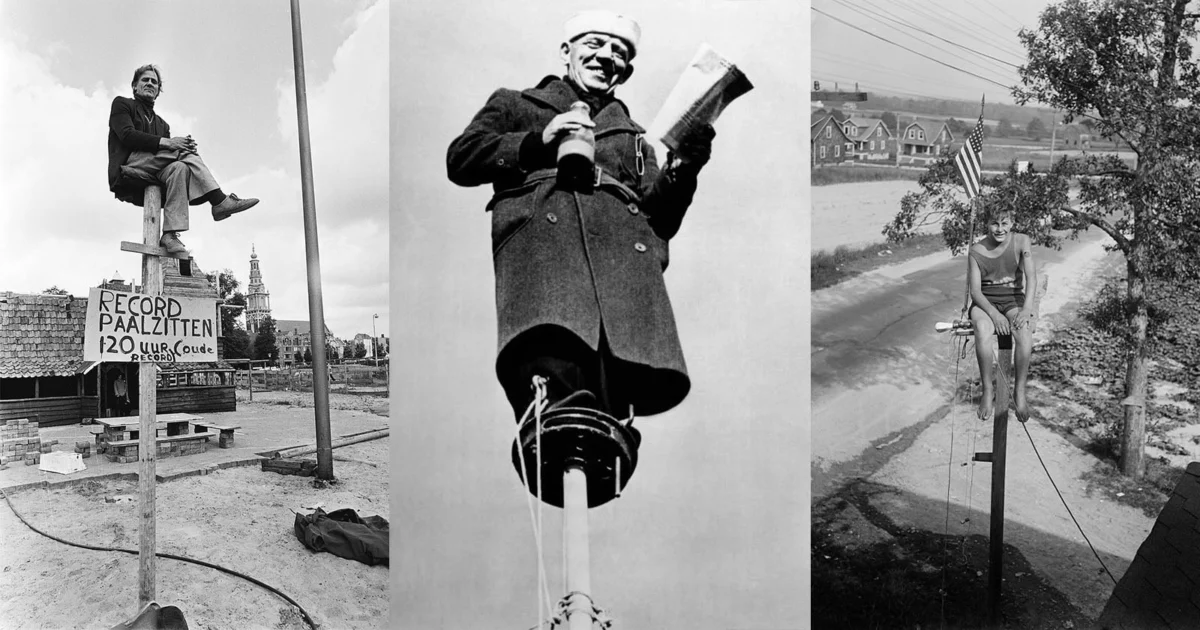
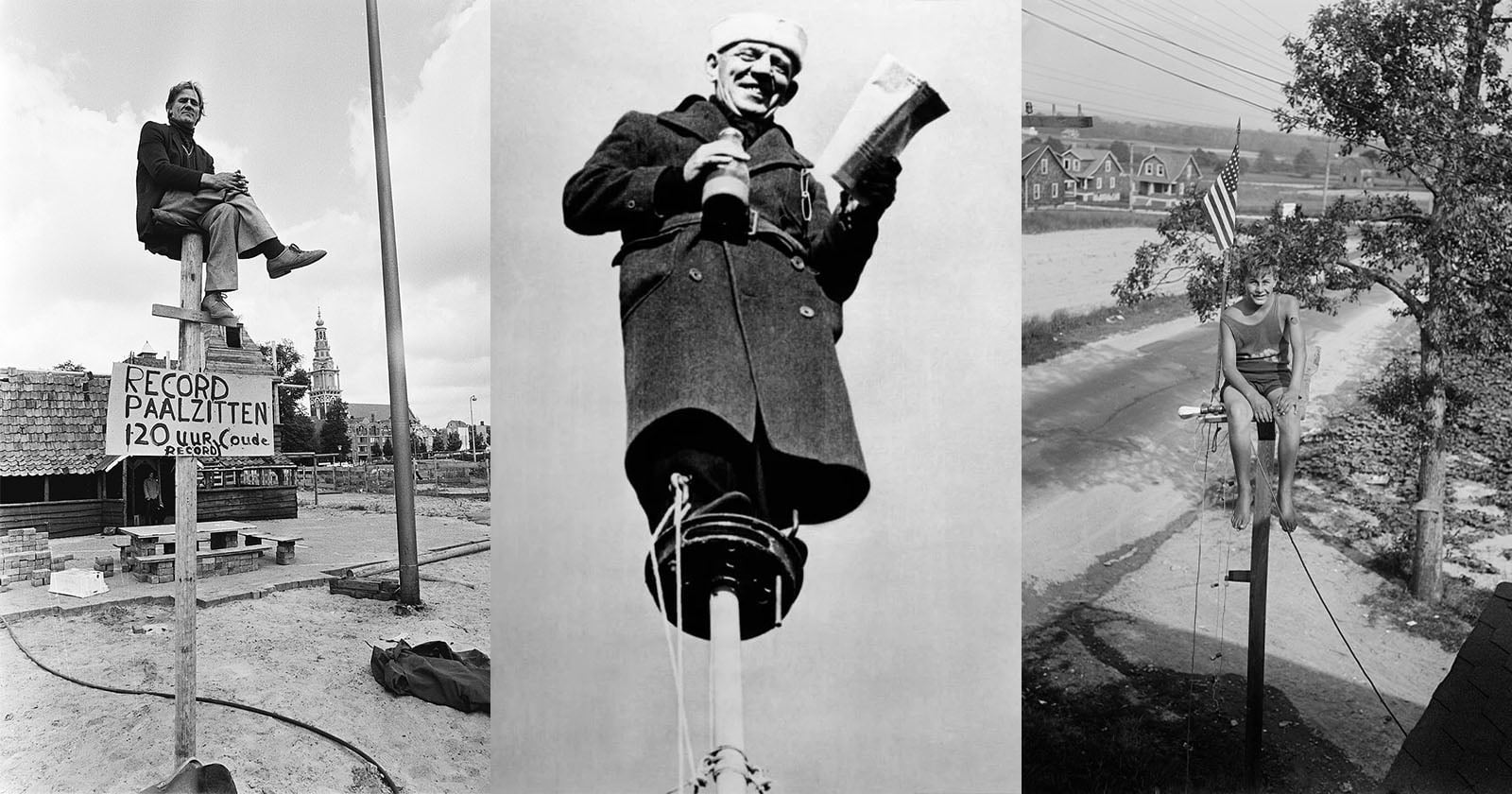
The annals of human eccentricity are replete with fleeting fads that capture the public imagination before fading into obscurity, and few are as vividly emblematic of the Roaring Twenties’ thirst for novelty and spectacle as flagpole sitting. This peculiar test of endurance, where individuals perched precariously atop towering flagpoles for days, weeks, or even months, emerged as a cultural phenomenon, transforming ordinary citizens into daring celebrities and drawing throngs of fascinated onlookers. From its inception in the mid-1920s to its eventual wane and periodic resurfacing, pole sitting offers a fascinating lens through which to examine societal desires for entertainment, fame, and the challenging of human limits.
The Dawn of a Daring Trend: Alvin "Shipwreck" Kelly and the Roaring Twenties Context
The craze for flagpole sitting is widely attributed to Alvin "Shipwreck" Kelly, a charismatic and enigmatic figure whose life story was as tall as the poles he conquered. Kelly, a former sailor with a penchant for self-mythologizing – he famously claimed to have survived five shipwrecks, two airplane accidents, and even the sinking of the Titanic (a claim largely dismissed by historians) – initiated the fad in 1924. His inaugural feat involved perching atop a flagpole for 13 hours and 13 minutes, a relatively modest duration that nonetheless sparked an immediate public fascination. This initial stunt, reportedly undertaken for a dare or a publicity stunt, quickly escalated into a competitive sport and a lucrative profession for Kelly and his imitators.
The timing of pole sitting’s emergence was no coincidence. The 1920s, often dubbed the Jazz Age or the Roaring Twenties, was a period of unprecedented economic prosperity and profound social and cultural transformation in the United States following the end of World War I. With the widespread adoption of new technologies like radio and motion pictures, and the burgeoning influence of mass media through newspapers and newsreels, the public developed an insatiable appetite for entertainment, spectacle, and heroic feats. Dance marathons, endurance flights, and other bizarre challenges proliferated, each vying for headlines and the attention of a populace eager for distraction and amusement after the Great War. Pole sitting fit perfectly into this cultural milieu, offering a thrilling, high-stakes spectacle that combined daring athleticism with a touch of the absurd. The desire for escapism and the celebration of individual achievement contributed significantly to its rapid spread.
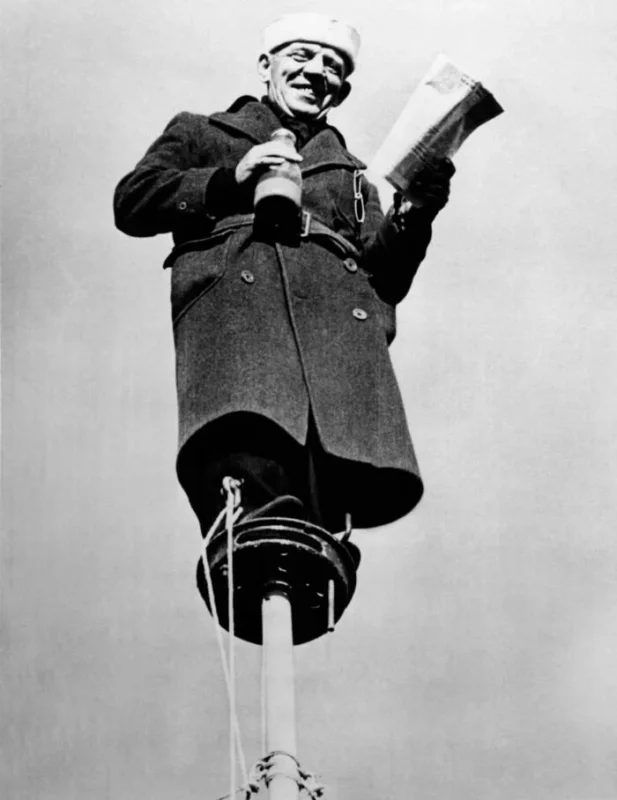
Kelly, recognizing the commercial potential of his unusual talent, began accepting commissions to sit on flagpoles across the nation. His performances were meticulously documented by photographers, capturing him engaged in mundane activities like reading newspapers or brushing his teeth, all while suspended hundreds of feet above the ground. These images, widely circulated in newspapers and magazines, not only amplified his fame but also served to normalize the extraordinary, inviting the public to marvel at the human capacity for endurance and the audacious pursuit of celebrity. His celebrity status was undeniable, with thousands gathering below to watch him, transforming city squares into impromptu arenas of human spectacle. Kelly’s ability to maintain composure and perform routine tasks at such dizzying heights captivated an audience eager for novel forms of entertainment.
Escalation of Endurance: Records, Rivals, and Rigors
As with any competitive endeavor, Kelly’s initial record was soon challenged and surpassed. This spurred him to greater heights, both literally and figuratively. In 1929, seeking to reclaim his title and solidify his position as the undisputed "King of the Pole Sitters," Kelly undertook his most ambitious feat: a staggering 49-day sit in Atlantic City, New Jersey. This resort city, known for its boardwalk and vibrant entertainment scene, provided the perfect backdrop for such a prolonged spectacle. During this marathon perch, Kelly refined his techniques for survival, notably developing a unique method to prevent himself from falling asleep and tumbling to his death. His system involved placing his thumbs into small holes drilled into the pole shaft. The theory was that if he swayed too far in his sleep, the pain in his thumbs would jolt him awake, forcing him upright without full consciousness. This rudimentary yet ingenious safety mechanism underscored the extreme risks involved and the mental fortitude required for such prolonged isolation and physical discomfort.
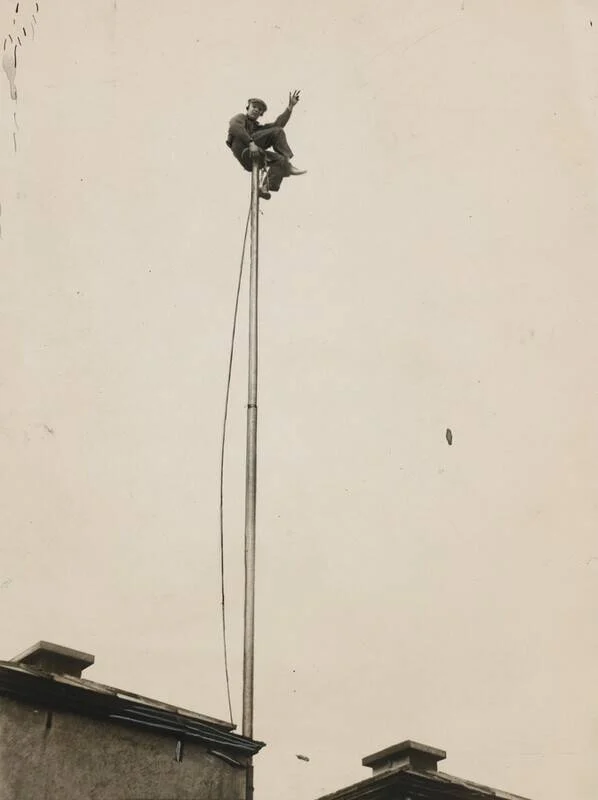
The physical and psychological demands of pole sitting were immense. Participants faced constant exposure to the elements—blistering sun, chilling winds, and often torrential rain—without adequate shelter. Basic necessities like food, water, and sanitation had to be meticulously managed. Supplies were typically hoisted up in buckets or by rope, and waste was discreetly disposed of, often through a tube or by being lowered away from the crowd. The constant vigilance against falling, coupled with the sheer boredom, isolation, and often cramping discomfort, tested the limits of human endurance. Despite these challenges, the allure of fame, prize money, or simply the thrill of defying gravity continued to attract new contenders, eager to etch their names into the record books.
Kelly’s prominence also attracted rivals, most notably Richard "Dixie" Blandy. Blandy epitomized the daredevil spirit of the era, pushing the boundaries of the fad to even more extreme and questionable lengths. His most infamous exploit involved a 125-day sit, during which he reportedly consumed 92 bottles of whiskey and smoked three packs of cigarettes daily, all while perched 200 feet above the ground. Blandy’s recklessness, while sensational, highlighted the darker, more dangerous side of the fad, raising serious questions about the mental and physical toll it exacted on its participants and the potential for severe health consequences. These extreme displays, however, only fueled public fascination, as audiences were drawn to the spectacle of human vulnerability and resilience played out on such a precarious stage.
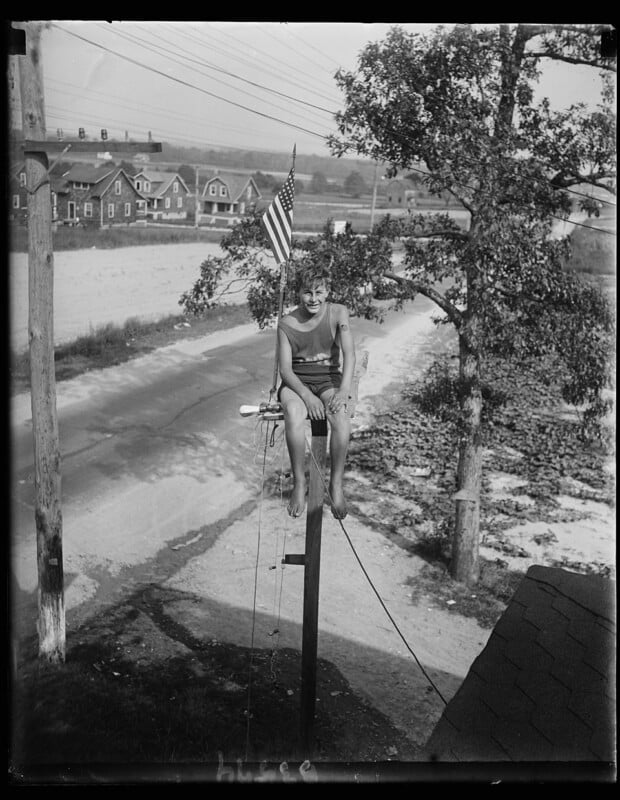
The competitive nature extended to younger participants as well, demonstrating the broad appeal of the fad. In 1929, 14-year-old William Ruppert broke the then-record by sitting for 23 days, showcasing remarkable youthful ambition and endurance. Another juvenile record was reportedly set by Avon Foreman, who managed to sit for 10 days. These youthful endeavors further cemented pole sitting’s place in popular culture, showcasing a generation seemingly unafraid to challenge conventions and push boundaries in pursuit of fleeting fame. The escalating duration and increasing number of participants reflected a society captivated by the sheer audacity of these feats.
The Great Depression’s Shadow and Sporadic Resurfacing
The golden age of flagpole sitting, however, proved to be as fragile as the economic boom that underpinned it. The Wall Street Crash of October 1929 and the subsequent onset of the Great Depression dramatically altered the American cultural landscape. With widespread unemployment, poverty, and uncertainty, public attention shifted away from frivolous entertainment and endurance stunts towards more pressing concerns of survival and economic stability. The financial resources to sponsor such elaborate spectacles dwindled, and the public’s appetite for watching individuals endure discomfort for entertainment waned in the face of widespread real-life hardship. The era of the flamboyant daredevil gave way to a more somber national mood, and pole sitting largely faded from the mainstream. The economic downturn effectively pulled the rug out from under many forms of public entertainment that relied on disposable income and a carefree spirit.
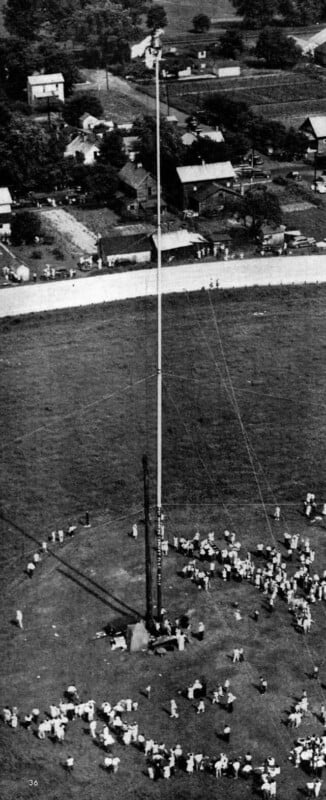
Yet, the peculiar allure of the high perch never entirely vanished, resurfacing periodically in modified forms, often reflecting the changing times. One notable instance occurred in 1946, amidst the post-World War II optimism and renewed desire for lighter fare. A daring couple orchestrated their wedding atop a flagpole, transforming a private ceremony into a public spectacle. This enterprising pair not only invited LIFE magazine to document their nuptials on a 176-foot pole but also sold tickets to an astounding 1,700 spectators, who gathered below to witness the unique ceremony. This event underscored the enduring human fascination with novelties and served as a testament to the commercial viability of extraordinary feats, even years after the fad’s peak. It also represented a shift from pure endurance to a more performative, event-driven spectacle, leveraging media attention for profit.
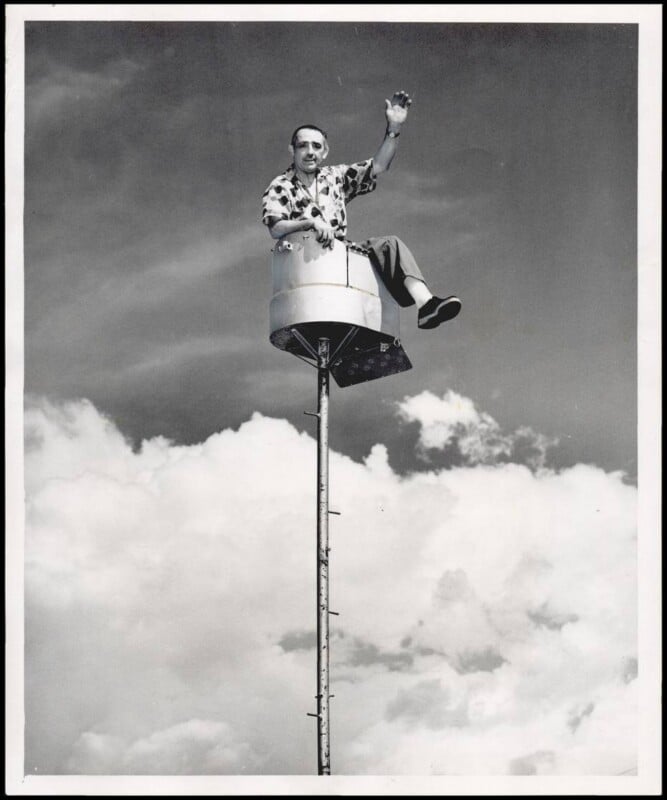
The 1950s saw another intriguing iteration of the fad, this time intertwined with burgeoning consumer culture and product promotion. In 1959, a man named John Roller embarked on an extraordinary 212-day pole sit in Phoenix, Arizona, with the ultimate prize being a Ford Fairlane 500 Skyliner. Roller’s unique setup involved not just a pole, but a specially modified platform that allowed him to essentially live atop a 40-foot pole inside the car itself. This stunt, designed to attract attention to the dealership, became a local sensation. During his prolonged stay aloft, Roller even composed a song titled "Flagpole Rock," further immortalizing his unusual endeavor. Upon his descent, a weary but triumphant Roller told The Arizona Republic, "I feel just like a man who’s been through a war. It’s over, and I don’t especially want to go through it again. I never worked so hard in my whole life as while I was up there." His words offered a rare glimpse into the profound physical and mental toll exacted by such prolonged isolation and exposure, even when granted the comparative luxury of a car.
Beyond American shores, pole sitting found a unique resurgence in the Netherlands during the 1970s. There, it evolved into a competitive sport known as "Paalzitten," or "pole sitting." Unlike the individualistic, often impromptu stunts of the American tradition, Paalzitten was organized, featuring dedicated poles, specific rules, and sometimes even a degree of institutional backing. Competitors in Paalzitten often sat for predetermined durations, focusing more on the communal aspect and the specific skills involved rather than just breaking raw endurance records. This transformation from a spontaneous fad to a structured sport highlights how cultural contexts can shape and reinterpret seemingly universal human impulses for challenge and spectacle. While it never achieved the global notoriety of its 1920s predecessor, its continued practice demonstrated the inherent human attraction to the simple, yet profound, act of defying gravity and enduring the elements from a lofty perch.
The Broader Impact and Legacy of the Perilous Perch
The legacy of pole sitting extends beyond its immediate historical context. It serves as a vivid illustration of the early 20th-century media landscape and the nascent power of celebrity culture. Figures like "Shipwreck" Kelly and "Dixie" Blandy were pioneers in understanding how to leverage the press and public curiosity to achieve fame and financial gain through unconventional means. Their exploits, widely documented and sensationalized, laid some groundwork for later forms of extreme sports, reality television, and viral challenges that continue to captivate audiences today. The public’s willingness to gather in large numbers to witness these feats also speaks to a timeless human desire for shared spectacle, for witnessing individuals push the boundaries of what is thought possible.
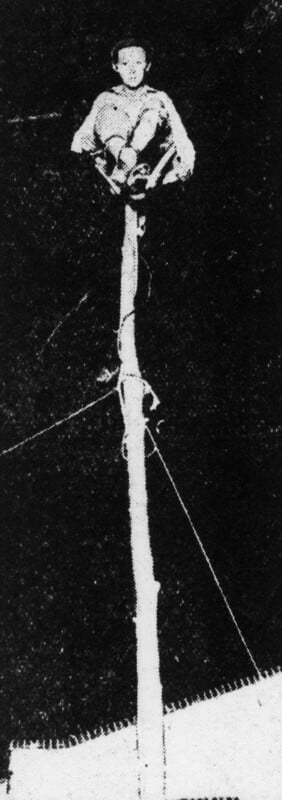
Furthermore, pole sitting, like other endurance fads of its time, reflected deeper societal anxieties and aspirations. In an era of rapid industrialization and urbanization, where individual identity could sometimes feel lost amidst the burgeoning masses, these stunts offered a chance for individuals to stand out, to reclaim a sense of agency and uniqueness through daring acts. For the spectators, it offered a vicarious thrill, a momentary escape from the mundane, and a sense of collective excitement. It also tapped into a fascination with human vulnerability and resilience, as onlookers pondered their own capacity for such trials.
From a sociological perspective, the decline of pole sitting following the Great Depression underscores the intimate connection between cultural trends and socio-economic conditions. Fads, often perceived as frivolous, thrive in times of affluence and stability, when society can afford the luxury of playful distraction. In times of crisis, priorities shift, and the tolerance for perceived extravagance diminishes. The practical concerns of survival overshadow the allure of spectacle.
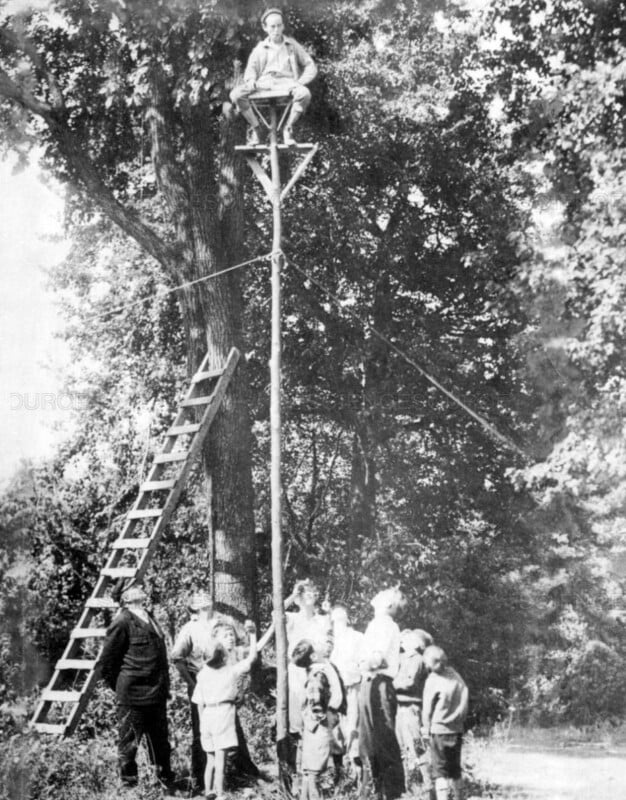
Despite its wane, the image of a lone individual perched high above a bustling city or a serene landscape remains a powerful, almost archetypal, symbol of human resilience, defiance, and the pursuit of the extraordinary. While contemporary fads like "planking" offer a more benign, ground-level form of public performance, they share a common lineage with pole sitting: the desire to momentarily disrupt the ordinary, to challenge perceptions, and to create a shared moment of curiosity and amusement. Modern endurance challenges, though often more structured and safety-conscious, echo the underlying spirit of testing human limits that defined the pole sitters of the past.
In retrospect, flagpole sitting was more than just a bizarre stunt; it was a cultural barometer, reflecting the changing moods, economic realities, and entertainment desires of an evolving society. It was a testament to the human spirit’s capacity for endurance, a quirky chapter in the history of public spectacle, and a reminder that sometimes, the most enduring stories are found in the most unlikely and precarious of places. The figures who dared to climb and stay, like "Shipwreck" Kelly and his rivals, etched their names into the ledger of eccentric history, proving that in the right cultural moment, simply sitting still could be the most extraordinary act of all.