The allure of national parks as wedding venues has surged dramatically over the past five years, with Yellowstone National Park emerging as a particularly sought-after destination. This trend, observed by photographers like Heather Woolery, is fueled by a confluence of factors, including the popular television series "Yellowstone," the park’s 150th anniversary in 2022, and the residual effects of the pandemic, which saw record-breaking visitor numbers once parks reopened. With 63 national parks across the United States offering diverse landscapes, amenities, and accessibility, the appeal of a natural, scenic wedding backdrop is undeniable for couples and photographers alike. This article delves into the burgeoning field of national park wedding and elopement photography, examining the preparation, opportunities, and challenges involved.

The Rise of National Park Elopements
Heather Woolery, a photographer specializing in destination weddings and elopements, recounts her first national park wedding experience in 2018, documenting a micro-wedding in Joshua Tree National Park. Since then, she has photographed events in eleven different national parks, with Yellowstone consistently ranking as the most popular. Woolery’s personal connection to Yellowstone, having visited since childhood, has provided her with an intimate understanding of the park’s vastness and beauty, allowing her to transcend the typical tourist perspective.
"After documenting my first Yellowstone elopement in 2020, I began meticulously collecting data on specific locations within the park," Woolery explains. "This involved noting the time of day, the number of visitors, and the time of year. This granular approach enabled me to understand Yellowstone not just as a tourist destination, but as a viable and enchanting setting for weddings." This detailed knowledge has allowed her to offer a higher level of service to her clients, moving beyond simple photography to become a valuable resource in planning.

The trend is supported by anecdotal evidence and industry observations. Wedding planning platforms and blogs have noted a significant increase in searches for "national park weddings" and "elopements." While official statistics for national park weddings are not centrally aggregated, permit applications for special events within parks, including weddings and elopements, have seen a notable uptick. For instance, Yosemite National Park reported a steady increase in wedding permit applications in the years leading up to 2023, with a particular surge following the easing of pandemic restrictions.
Navigating the Nuances of National Park Photography
Unlike traditional wedding venues that often provide comprehensive planning services, officiants, and vendor lists, national parks operate under a different framework. Photographers specializing in this niche often find themselves filling the roles of informal planners and logistical advisors.

"While we as photographers are typically not the wedding planner or day-of coordinator, in the context of national park weddings, planning assistance becomes indispensable," Woolery states. "National park wedding and elopement photography, though gaining traction, is still a relatively novel concept for many couples. They struggle not only with wedding logistics but also with navigating the intricate requirements of park permits, transportation, and unique experiences to bring their visions to life. This is where elopement photographers can truly elevate their service and support their clients on a profound level."
The process of securing permissions is a critical aspect of national park wedding photography. Yellowstone, for example, has updated its regulations. Previously, photographers were required to obtain a Commercial Use Authorization (CUA), a process that was both extensive and costly. Currently, Yellowstone requires couples to obtain a Special Use Permit (SUP) for elopements, which also serves as the photographer’s permit. This streamlined approach, while a relief, still necessitates careful adherence to park regulations.

The Appeal of the Natural Canvas
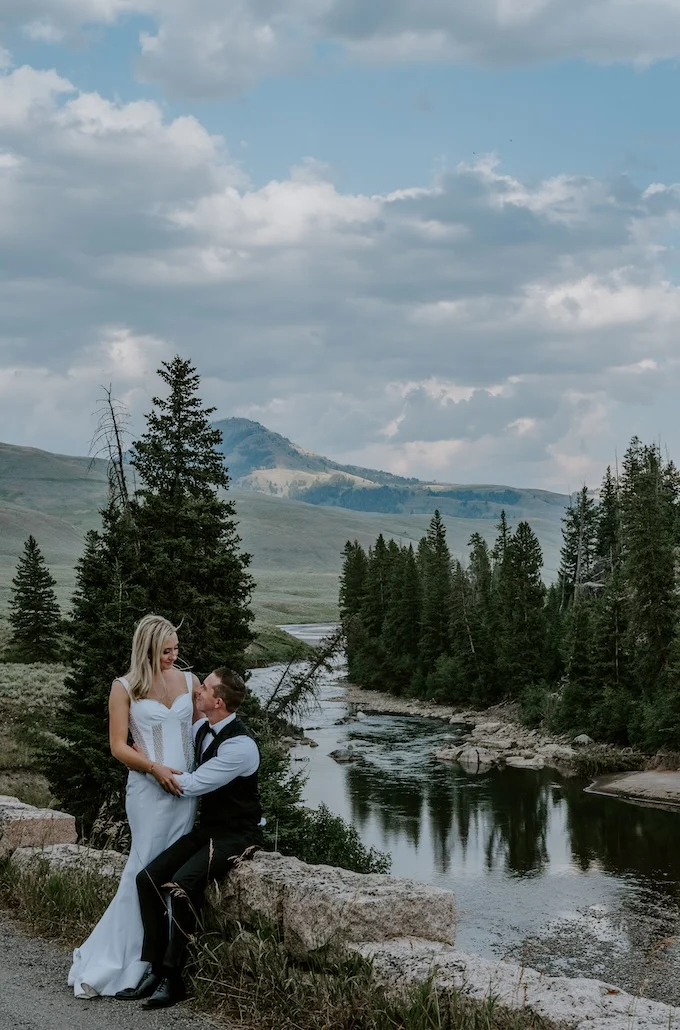
The inherent beauty of national parks offers a unique photographic canvas. The vast landscapes, dramatic geological formations, and diverse wildlife provide unparalleled backdrops that are difficult to replicate in conventional venues.
"Yellowstone is not only a burgeoning hotspot for nuptials but also one of the most visited parks in the United States," Woolery observes. "This means couples and their photographers must be acutely aware of the time of year for their wedding and explore alternative locations within the park for ceremonies and photos. The goal is to avoid the immense crowds that can inundate popular tourist sites like Old Faithful, Grand Prismatic, and Mammoth Hot Springs."

The strategic timing and location scouting are crucial. For instance, photographers might suggest early morning or late afternoon ceremonies to capture softer light and fewer visitors. Exploring less-trafficked areas, such as remote meadows or less accessible viewpoints, can offer a more intimate experience. The National Park Service itself emphasizes responsible tourism and event management, encouraging visitors to "Leave No Trace" principles, which extend to wedding activities.
Weighing the Pros and Cons
For photographers considering expanding their services into national park wedding and elopement photography, a careful assessment of the advantages and disadvantages is essential.

Pros:
- Unique and Breathtaking Backdrops: National parks offer unparalleled natural beauty, providing couples with a stunning and memorable setting for their wedding. From the geysers of Yellowstone to the canyons of Zion and the glaciers of Glacier National Park, the photographic opportunities are endless.
- Growing Market Demand: The increasing popularity of destination elopements and intimate weddings in natural settings creates a growing market for photographers specializing in this niche.
- Enhanced Client Experience: Photographers who possess in-depth knowledge of national parks can offer invaluable planning assistance, contributing significantly to a couple’s overall wedding experience. This goes beyond just capturing images to becoming a trusted advisor.
- Personal Fulfillment: For photographers who appreciate nature and adventure, working in national parks can be personally rewarding, combining their passion with their profession.
Cons:

- Complex Permitting and Regulations: Navigating the permit process, understanding park-specific rules, and adhering to regulations can be time-consuming and challenging. Failure to comply can result in fines or the cancellation of permits.
- Logistical Challenges: National parks often have limited accessibility, remote locations, and unpredictable weather conditions. Photographers must be prepared for potential travel disruptions, weather-related issues, and the need for specialized equipment.
- Crowd Management: Popular parks can be extremely crowded, especially during peak tourist seasons. Managing crowds to create intimate wedding photos requires skill, patience, and strategic planning.
- Limited Amenities: Unlike traditional venues, national parks typically do not offer on-site facilities such as restrooms, changing areas, or reception spaces. Couples and photographers must arrange for these necessities independently.
- Potential for Environmental Impact: Photographers have a responsibility to minimize their environmental footprint. This includes adhering to Leave No Trace principles, avoiding damage to fragile ecosystems, and respecting wildlife.
The Broader Implications for the Wedding Industry
The rise of national park weddings reflects a broader shift in consumer preferences. Couples are increasingly prioritizing experiences over material possessions, seeking authentic and personalized celebrations. This trend has implications for wedding planners, venue owners, and other industry professionals.
Wedding planners are adapting by developing expertise in destination weddings and outdoor events. Venues located near national parks may see an increase in bookings as couples opt for lodging and pre- or post-wedding events in nearby towns. The demand for specialized vendors, such as officiants familiar with park ceremonies or transportation services capable of navigating park roads, is also growing.

The National Park Service, while benefiting from the increased tourism and revenue generated by these events, must also balance the preservation of its natural resources with the growing demand for public use. This often involves careful management of permit applications, visitor access, and environmental impact assessments. The challenge lies in ensuring that these celebrations do not detract from the core mission of the parks: to conserve natural and cultural resources for future generations.
Expert Insights and Future Outlook
Heather Woolery’s extensive experience in national park elopement photography underscores the potential for photographers to build a successful and fulfilling niche. Her approach, which emphasizes deep park knowledge and client support, serves as a model for others entering the field.

"Ultimately, I believe that getting married in a national park is worth the planning effort," Woolery concludes. "It offers couples endless opportunities to create a once-in-a-lifetime experience tailored to their unique personalities, all while being immersed in some of the most stunning and diverse landscapes the United States has to offer."
As the trend continues to grow, it is anticipated that more photographers will specialize in this area, and park services may develop more refined guidelines and support systems for wedding events. The synergy between the desire for unique, nature-infused celebrations and the breathtaking beauty of America’s national parks is poised to shape the future of wedding and elopement photography for years to come. The key for both couples and professionals will be to approach these unique venues with respect, preparedness, and a deep appreciation for the natural world.