The landscape of modern photography has undergone a seismic shift over the last decade, transitioning from the heavy reliance on digital single-lens reflex (DSLR) cameras to the sophisticated computational power of the smartphone. As mobile hardware continues to evolve, the ability to produce professional-grade imagery has become increasingly accessible to the public. Leading this charge is the iPhone, which has integrated advanced sensors and machine-learning algorithms to simplify complex photographic tasks. However, technical hardware is only half of the equation; the creative application of lighting, posing, and styling remains the primary differentiator between a standard snapshot and a compelling portrait. Industry experts and educators, such as those at the iPhone Photography School, emphasize that mastering the art of mobile portraiture requires a blend of traditional photographic principles and an understanding of the iPhone’s unique interface. By focusing on specific environmental factors and subject interactions, photographers can elevate their mobile portfolio significantly.
The Role of High-Contrast Lighting in Dramatic Portraiture
One of the most effective methods for creating visual impact in a portrait is the use of high-contrast lighting. In photographic terms, high contrast refers to a scene characterized by a wide range of tones, from bright highlights to deep, dark shadows. This technique, often referred to in classical art as chiaroscuro, adds a sense of three-dimensionality and drama to a two-dimensional image. On an iPhone, capturing this effect requires the photographer to seek out "harsh" light sources, such as direct sunlight or a single, focused indoor lamp.
To execute this outdoors, subjects should be positioned at the boundary where light meets shadow—for instance, near the edge of a building or under a sharp overhang. The technical execution on the iPhone involves more than just pressing the shutter; the photographer must tap the screen to set the focus on the subject’s face and then manually adjust the exposure slider (the sun icon) downward. This ensures that the shadows are sufficiently "crushed" to create a moody, cinematic atmosphere. This style is particularly effective when converted to black and white during the post-processing phase, as it emphasizes form and texture over color.
Architectural Shadow Play and Light Patterns
Beyond simple contrast, the introduction of light patterns can introduce a layer of complexity and texture to a portrait. Light patterns occur when a light source is partially obstructed by objects, creating a rhythmic interplay of brightness and shadow on the subject. Indoors, this is most easily achieved by positioning a subject near window blinds, lace curtains, or beveled glass. Outdoors, natural elements like tree leaves, lattice fences, or even industrial structures can serve as organic light modifiers.
Innovation in this area often involves the use of household items. Professional mobile photographers frequently utilize strainers, hats with woven patterns, or specialized "gobos" (go-betweens) to project specific shapes onto a model’s face. When the light pattern is cast directly onto the skin, it can highlight specific features, such as the eyes, while obscuring others, creating a sense of mystery. The key to success with this technique is minimizing "noise" in the image by ensuring the exposure is low enough to maintain the integrity of the shadows, a task made easier by the iPhone’s advanced HDR (High Dynamic Range) capabilities which manage detail in both bright and dark areas.
The Evolution of Posing: Psychological and Physical Dynamics
A common pitfall in amateur portraiture is the reliance on static, uninspired poses. Journalistic analysis of successful portrait photography suggests that the most engaging images are those that evoke an emotional response or suggest movement. Three specific posing techniques have emerged as staples for creative iPhone photography: framing with hands, the "sensual" tilt, and the low-angle perspective.
Using the subject’s hands to frame the face provides a natural focal point for the viewer’s eye. By placing one hand near the forehead and another near the jawline, the photographer creates a visual bracket that isolates the subject’s expression. This also serves a secondary purpose: it gives the subject a physical task, which often reduces the "camera-shyness" that can lead to stiff, unnatural portraits.
For a more evocative or confident vibe, photographers often direct subjects to tilt their heads back slightly while placing a hand on the neck. This elongates the lines of the body and creates a more sophisticated silhouette. Conversely, changing the physical relationship between the camera and the subject—such as shooting from a very low angle—can transform the power dynamics of the image. A low-angle shot using the iPhone’s wide-angle lens can make a subject appear more heroic or imposing, a technique frequently used in editorial and fashion photography.
Atmospheric Mastery: Evoking Dreamy Moods and Motion
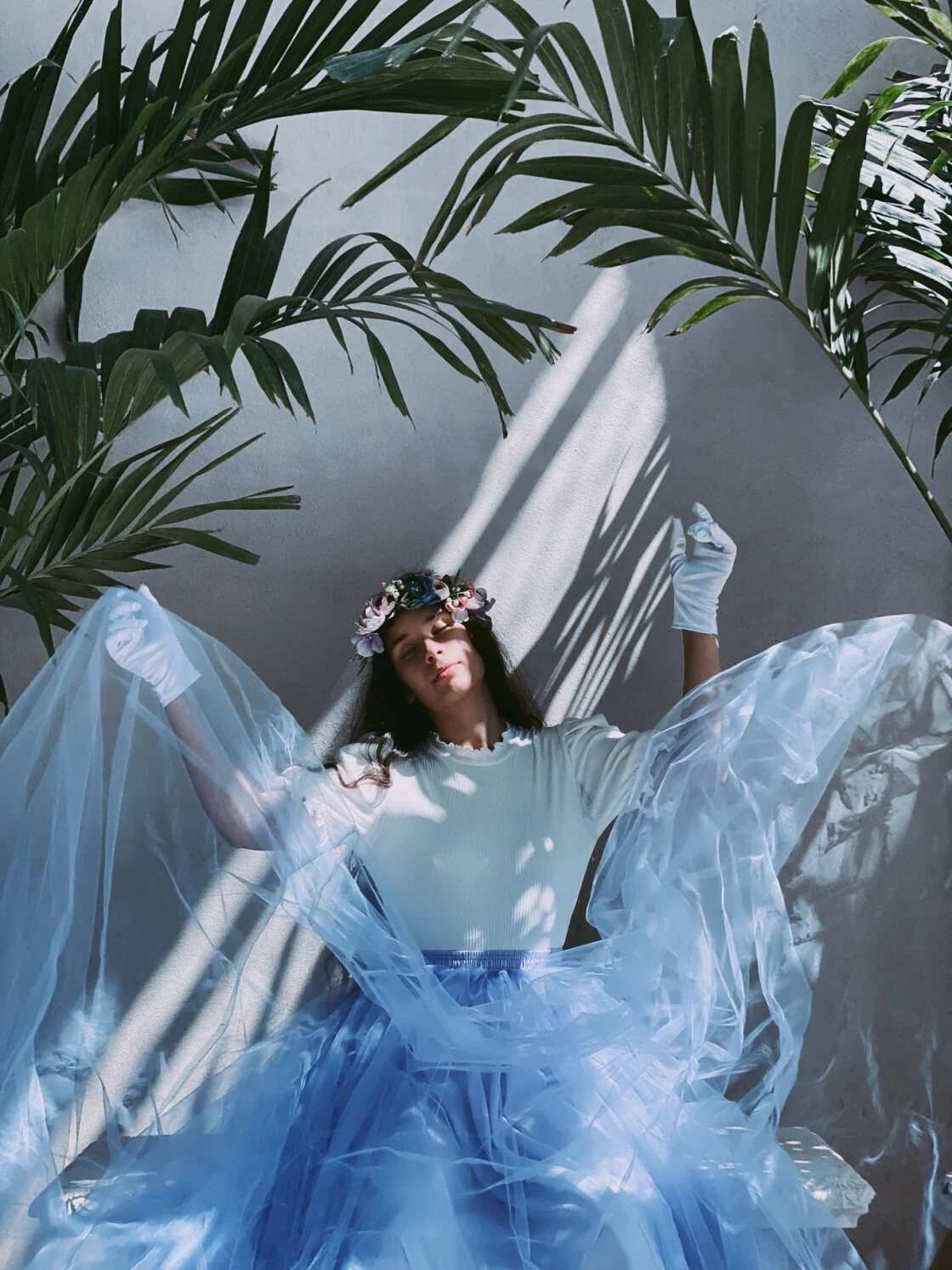
While high contrast creates drama, other creative avenues focus on "dreamy" or ethereal aesthetics. Achieving this look requires a focus on fluid movement and relaxed expressions. The iPhone’s "Burst Mode" is an essential tool in this context. By capturing a rapid succession of images—achieved by dragging the shutter button to the left on newer models or holding it down on older ones—the photographer can select the exact millisecond where a falling dress or a strand of hair is perfectly positioned.
Movement is often enhanced through the use of "flowy" fabrics, such as silk scarves or long dresses. When a subject tosses the fabric and lets it fall, the resulting randomness provides a sense of grace that is impossible to pose manually. Coupled with a peaceful facial expression—often with eyes closed—this technique leans into the "fine art" side of mobile photography. Data from social media platforms indicates that images with these soft, movement-based qualities often see higher engagement rates due to their calming and aesthetic appeal.
Posing for Connection: The Complexity of Multi-Subject Portraits
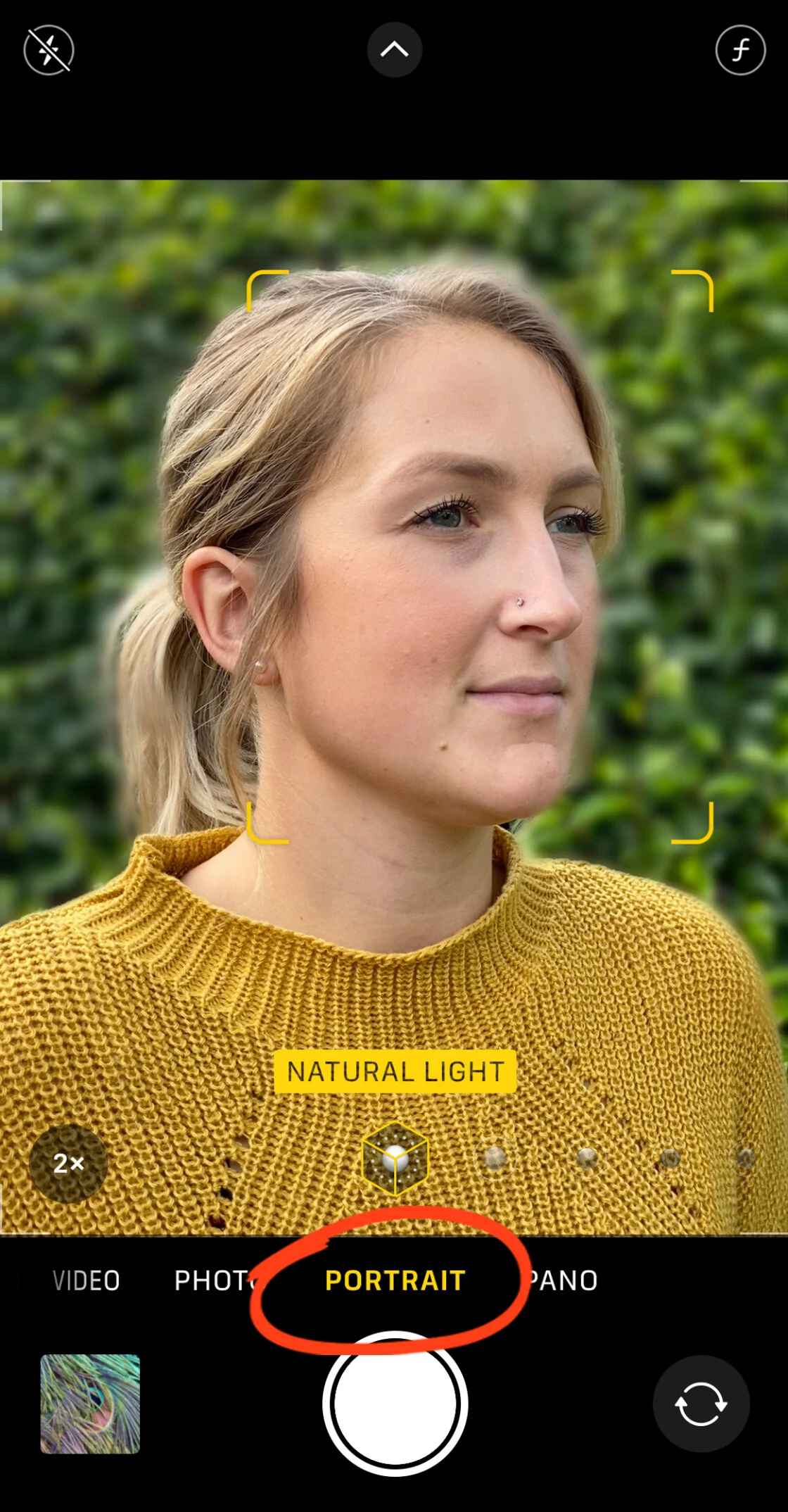
Photographing two people presents a unique set of challenges regarding focal planes and emotional chemistry. To avoid the cliché of two people simply standing side-by-side, photographers are encouraged to experiment with depth. By placing one subject closer to the lens and the other slightly behind, the photographer can utilize the iPhone’s "Portrait Mode" to create a shallow depth of field. This blurs the background (or foreground) subject, adding a professional "bokeh" effect that mimics high-end prime lenses.
For couples or siblings, the goal is often to emphasize the bond between the subjects. This can be achieved through "intimate framing," where the photographer crops in closely so that only a portion of each person’s face is visible. Directing subjects to look away from the camera or at each other, rather than directly into the lens, shifts the narrative from a "posed photo" to a "captured moment." This candid approach is highly valued in modern lifestyle photography.
Narrative Photography: The Strategic Use of Props
The most profound portraits are those that tell a story. Props serve as the primary vehicle for this narrative. Whether it is a bouquet of flowers suggesting romance or loss, a vintage car implying a specific era, or a simple coffee cup evoking a sense of "hygge" (coziness), props provide context that a face alone cannot always convey.
A more avant-garde approach involves using props to obscure or transform the subject. For example, using a blindfold adorned with flowers can symbolize themes of internal beauty or the "blindness" of emotion. From a technical standpoint, props also provide an opportunity to play with color and texture, allowing the iPhone’s sensor to capture intricate details that add richness to the final composition.
Thematic Styling and the Impact of Wardrobe
Finally, the aesthetic success of a portrait is heavily dependent on the subject’s attire. The wardrobe acts as a bridge between the subject and their environment. In a natural, rural setting, neutral tones and organic patterns (like florals) create a harmonious, unified image. In an urban environment, "grungy" or high-fashion outfits provide a necessary contrast to the concrete and steel surroundings.
Color theory plays a vital role here. A subject wearing a vibrant red dress against a muted green forest creates a "complementary color" contrast that immediately draws the eye. Conversely, "analogous" styling—where the clothes match the environment’s hues—creates a soothing, monochromatic look. Professional stylists suggest that even a single accessory, such as a hat or a shawl, can be enough to redefine the theme of an entire shoot.
Chronology and Technological Context: The Rise of the iPhone Camera
The ability to implement these seven techniques is a direct result of a decade of technological milestones. In 2016, the introduction of the iPhone 7 Plus and its dual-camera system marked the debut of "Portrait Mode," which used software to simulate background blur. By 2020, the inclusion of LiDAR (Light Detection and Ranging) on Pro models allowed for faster autofocus and better depth mapping in low-light conditions.
Current models, such as the iPhone 15 and 16 series, utilize "Photonic Engine" technology, which applies computational photography earlier in the imaging process to preserve more detail and provide better color accuracy. This timeline of innovation has effectively turned the smartphone into a tool capable of executing high-level artistic concepts that were once the exclusive domain of studio photographers.
Broader Impact and Industry Implications
The democratization of high-quality portraiture has significant implications for the creative economy. As mobile photography continues to bridge the gap with professional gear, the "barrier to entry" for aspiring artists has lowered. Marketing agencies and editorial boards are increasingly accepting iPhone-shot content for major campaigns, recognizing that the "story" and "creativity" behind the lens are more important than the size of the sensor.
Furthermore, the rise of specialized education, like the iPhone Photography School, reflects a growing global community of millions who view mobile photography not just as a hobby, but as a legitimate medium of artistic expression. As AI-driven editing and better optical hardware continue to merge, the future of the "interesting and compelling portrait" will likely depend less on the device itself and more on the photographer’s ability to manipulate light, shadow, and human emotion. In this new era, the iPhone is no longer just a phone; it is a portable darkroom and a versatile studio, limited only by the imagination of the user.