By Michiel van Mens
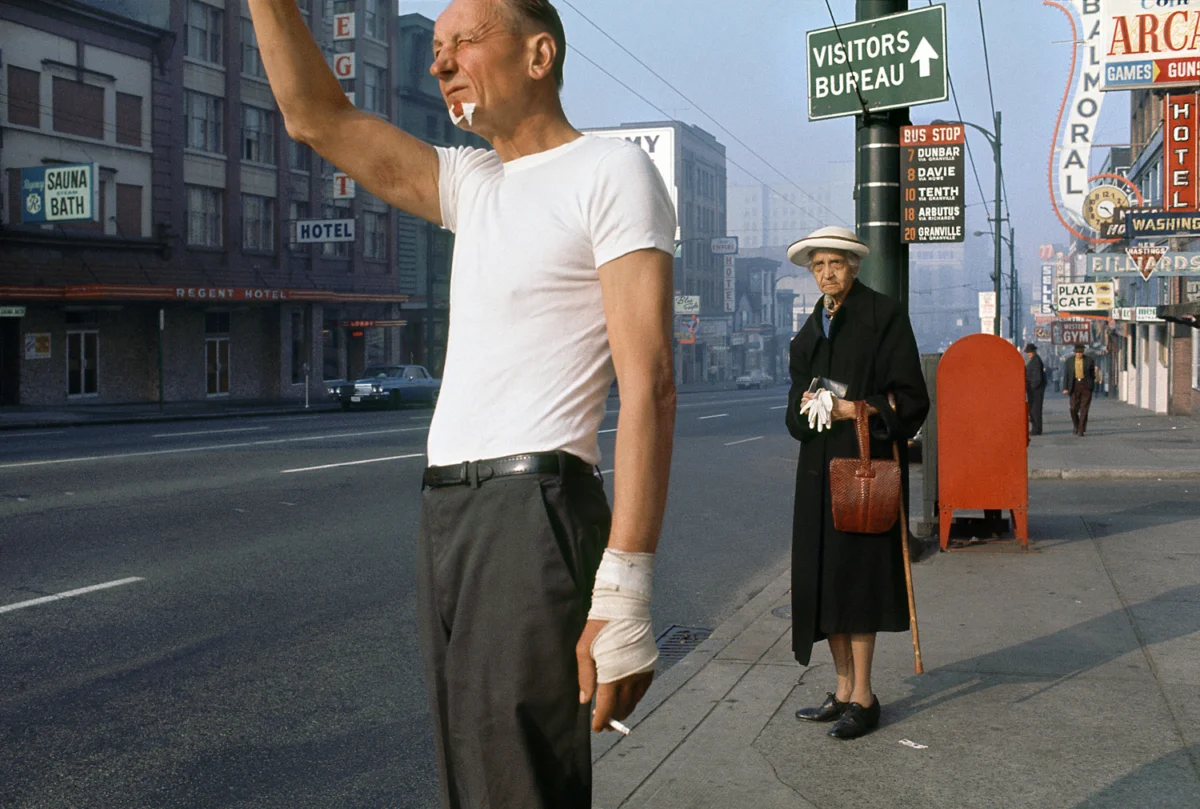
The question of what constitutes a "good" street photograph has long been a subject of contemplation and rigorous inquiry within photographic circles. For years, this pursuit has occupied my research, culminating in a deeper understanding of the intrinsic qualities that elevate an image from the mundane to the memorable. My investigations have consistently pointed towards visual contrast as a significant, though not exclusive, determinant of a photograph’s perceived success. However, the existence of impactful street photographs that eschew overt visual contrast, such as Fred Herzog’s seminal "Man with Bandage," necessitates a broader exploration of the elements at play. This article delves into the multifaceted nature of compelling street photography, seeking to unravel the "what" and "why" behind its enduring appeal.
The Foundation of Visual Contrast in Street Photography
My earlier research, detailed in "The Photographic Signature of the Street Photographer," explored the stylistic characteristics prevalent among renowned street photographers. A consistent finding was the crucial role of visual contrast in crafting effective street imagery. This contrast is not monolithic; it manifests in various forms, including thematic dichotomies (e.g., social disparity), chromatic juxtapositions, temporal discrepancies, dynamic action, or the interplay between the extraordinary and the everyday.
Further substantiating this hypothesis, a comparative study conducted among visitors to the "American Photography" exhibition at the Rijksmuseum in Amsterdam (scheduled for 2025) provided compelling data. Of the ten photographs that elicited the strongest recall among attendees, a striking eight featured a discernible visual contrast. This observation led to the tentative conclusion, further elaborated in "The ‘Good’ Photographs of American Photography," that visual contrast is not merely an aesthetic choice but a significant criterion influencing a photograph’s reception and its classification as "good."
Distinguishing Photographic Genres: Purpose and Perception
While visual contrast serves as a potent stylistic tool across various photographic genres – including journalistic, documentary, and street photography – the criteria for evaluating success differ significantly. The fundamental divergence lies in the intended purpose of each genre.
Journalistic news photography operates under the imperative of factual accuracy and immediate clarity. Its primary function is to inform, explain the news, and ensure the subject is comprehensible at a glance, often serving as a visual anchor for accompanying written articles. Iconic news photographs, such as Robert Capa’s "The Falling Soldier" from the Spanish Civil War or Eddie Adams’ "Saigon Execution" (1968), achieve enduring significance by symbolizing pivotal historical events. These images do not necessarily narrate a complete story independently but rather visualize a moment of consequence. Aesthetic considerations, such as beauty or ugliness, are secondary to their informational and symbolic value.
Documentary photography, conversely, is inherently a serial endeavor. Photographers commit to constructing a narrative across a series of images, where the meaning of an individual photograph is amplified and contextualized by its companions within the sequence. The overall impact of the series becomes the primary measure of success, diminishing the relative importance of individual images being deemed "good" or "bad" in isolation.
Street photography, however, occupies a distinct space. Each street photograph, even when presented within a series, generally aims to stand as a self-contained entity. The objective is to imbue everyday street life with a sense of distinctiveness and meaning. Lacking a supporting article or the built-in context of a photographic series, a successful street photograph must possess sufficient intrinsic qualities to engage and resonate with the viewer on its own merit.
The Power of Suggestion: Beyond Overt Contrast
The aforementioned comparative study at the Rijksmuseum also highlighted two photographs that defied the overt visual contrast paradigm yet achieved considerable impact: Bryan Schutmaat’s "Paul" from the series "Grays the Mountain Sends," and Amanda Lopez’s "Homegirls." "Paul" depicts a man in a light blue shirt, holding a beer at a bar, while "Homegirls" offers another evocative scene. The common thread weaving through these impactful images is their inherent ambiguity. They do not provide definitive answers; instead, they pose questions, acting as narrative springboards that invite the viewer to actively participate in completing the story.
This power of suggestion is a recurring theme observed throughout my research into street photography’s stylistic signatures. The strength of a street photograph often resides not in explicit statements but in what is left unsaid and unseen. Through suggestion rather than literal depiction, street photographers can achieve a more profound and lasting connection with their audience.
This concept echoes the sentiment of French philosopher Gilles A. Tiberghien, who, in his wall text for an exhibition of anonymous photographs collected by Marion and Philippe Jacquier at the Rencontres d’Arles in 2025, articulated: "Each image could be the beginning of a story, a poem, a film, the starting point of a series of other images which, by crossing and re-crossing one another, would form a gigantic interchange of dreams and fictions." Tiberghien’s perspective underscores how a single image can serve as a catalyst for a vast network of imagination, dreams, and narrative possibilities.
The cinematic realm offers potent examples of this principle in practice. Alfred Hitchcock, a master of suspense, demonstrated its efficacy in "Psycho" (1960). By withholding explicit depictions of violence and instead showing fleeting glimpses – the tip of a knife, a shower curtain, darkened water – he evoked terror more effectively than a graphic portrayal ever could. Similarly, Stanley Kubrick’s iconic scene in "The Shining" where Jack Torrance breaches a bathroom door with an axe relies on suggestion rather than literal depiction, creating a more suspenseful and impactful experience for the viewer.
Even in the absence of overt visual contrast, a street photograph can achieve compelling power by activating the viewer’s imagination. When an image prompts introspection and encourages personal interpretation, it effectively commandeers the viewer’s imaginative faculties. Street photographer Robert Doisneau eloquently captured this essence: "The photographs that interest me, that I consider successful, are those that do not close the story, that do not tell it completely, but remain open—photographs that form a stepping stone toward a dream."
Fred Herzog’s "Man with Bandage": A Case Study in Suggestion
Fred Herzog’s "Man with Bandage" stands as a profound illustration of a street photograph that transcends the need for overt visual contrast through its sheer suggestive power. Few images manage to elicit such a wealth of questions while offering so few answers. The photograph presents a tableau that is both ordinary and intriguing: a woman looking off-frame, a man with a bandage on his chin, and a sign for the "Visitors Bureau." The viewer is left to ponder the context, the narrative, and the unspoken events that led to this moment. The photograph offers no definitive explanations, thereby granting the viewer the freedom to explore their own imaginative interpretations. This deliberate withholding of information transforms the act of viewing into an active engagement, prompting careful observation and personal speculation.
From Theory to Practice: Cultivating Suggestion in Street Photography
The principles of visual contrast and suggestion are not merely theoretical constructs but practical tools for the aspiring street photographer. Actively seeking out and employing these elements can significantly elevate the caliber of one’s work. My analysis of numerous street photography books has identified eight recurring forms of suggestion that photographers can leverage:

-
Omission: The art of suggestion often begins with what is deliberately left out. In Steven Spielberg’s "Jaws," the infrequent appearance of the shark, coupled with ominous music and fearful reactions, created a profound sense of dread. In street photography, this translates to strategically framing a scene to imply rather than explicitly show.
-
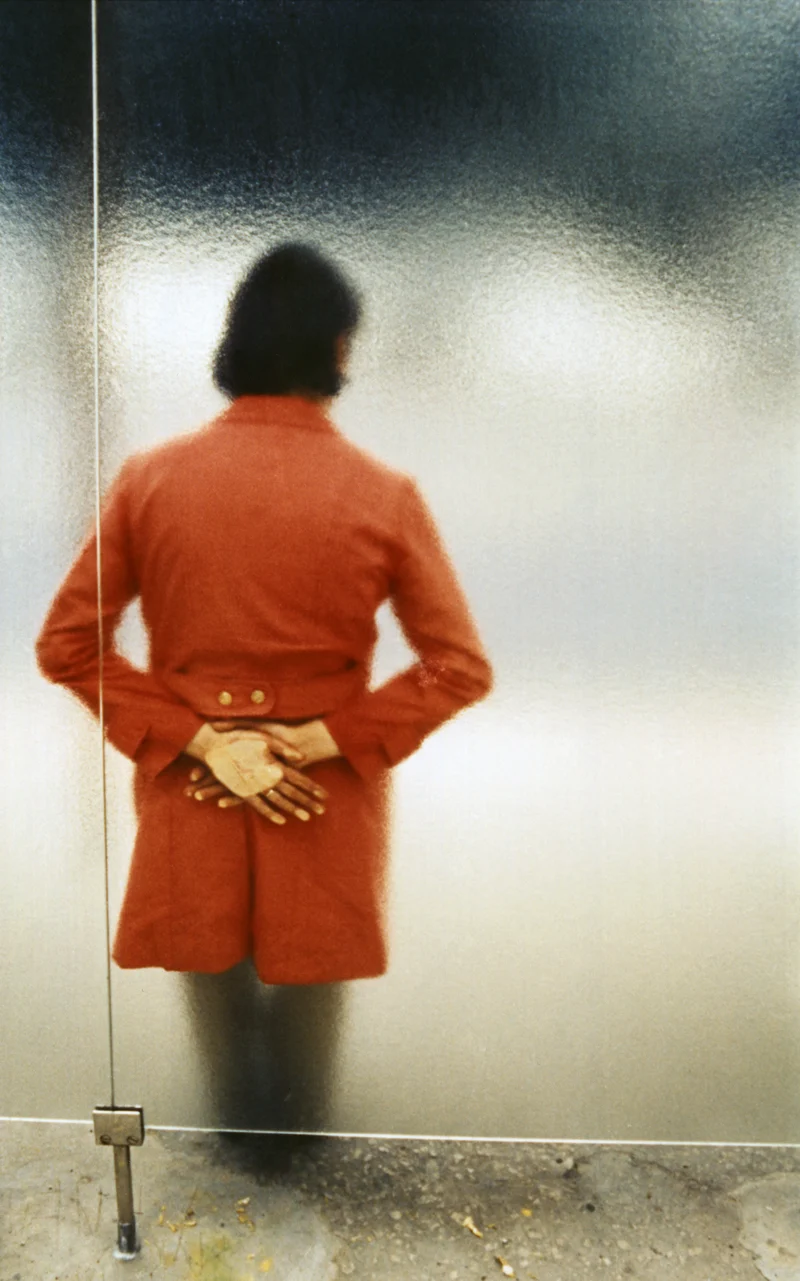
Blur: Employing blur, whether through out-of-focus backgrounds or motion blur, can intentionally conceal information, prompting the viewer to infer details.
-
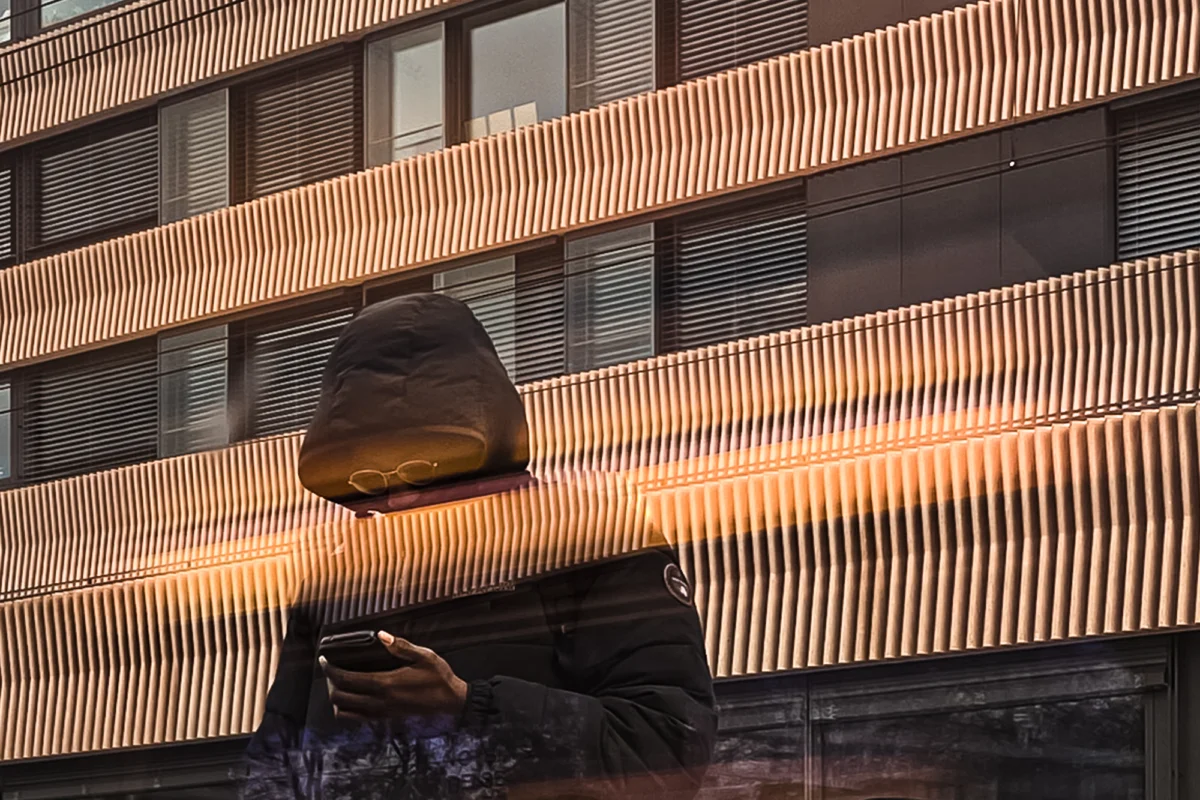
Interior/Exterior Juxtaposition: Presenting contrasting spaces within a single frame, such as the interplay between an interior and an exterior view (often achieved through windows or shopfronts), can create visual intrigue and narrative ambiguity.
-
The Anomaly: Introducing an element that seems out of place within the scene can immediately provoke questions and draw the viewer into deciphering the incongruity.
-
Strategic Distance: Depicting an event at a distance, just beyond clear visibility, can imbue the image with mystery and encourage speculation about the unfolding action.
-
Proportional Play: The interplay of large and small elements within a frame can generate visual tension and suggest power dynamics or hierarchical relationships.
-
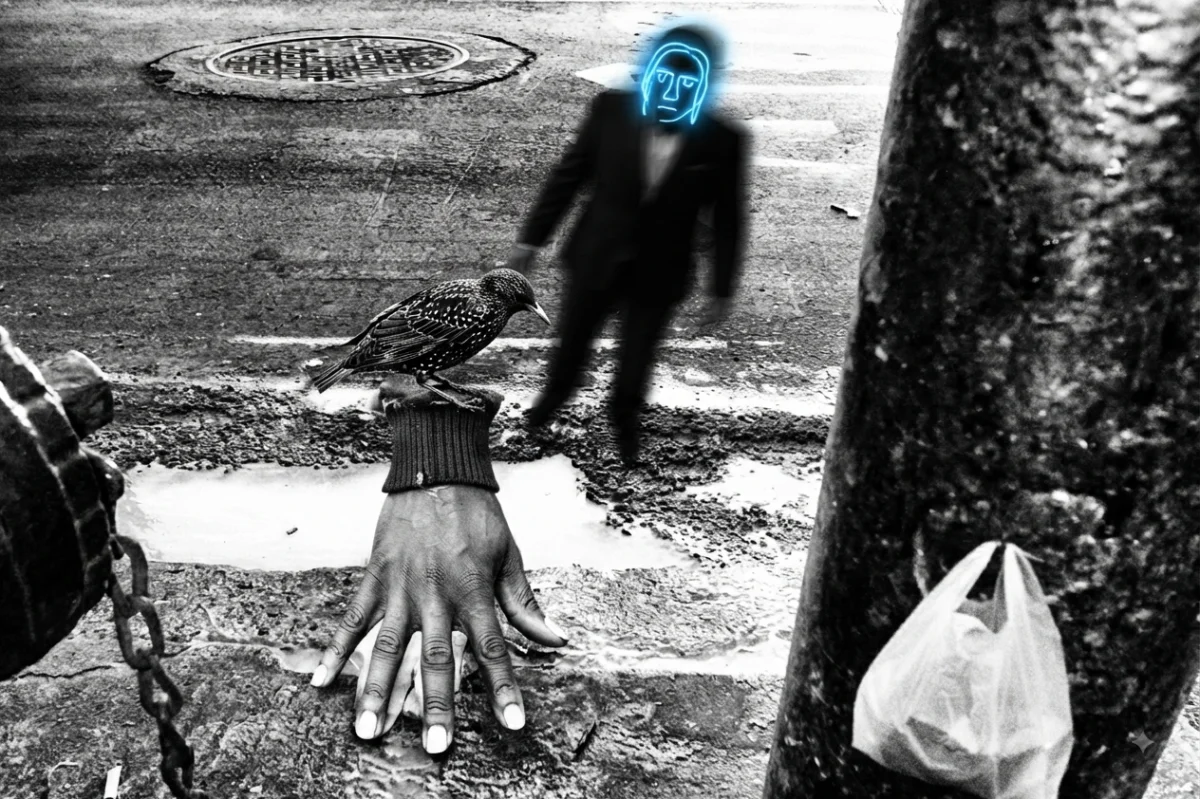
Estrangement and Surrealism: Presenting reality in a slightly illogical or dreamlike manner can create a sense of wonder and encourage deeper contemplation of the depicted scene.
-
Facial Expression: The nuanced conveyance of emotion through facial expressions can serve as a powerful trigger for questions and emotional connection with the subject.
Conclusion: The Confluence of Contrast and Suggestion
The pursuit of a "good" street photograph is not a matter of serendipity but a deliberate practice informed by an understanding of its core components. While overt visual contrast offers a reliable pathway to creating impactful images, the cultivation of suggestion opens another vital avenue for engaging viewers. By posing questions rather than providing definitive answers, street photographers can foster a deeper, more sustained connection with their audience, transforming passive observation into active interpretation.
The ultimate synergy is achieved when visual contrast and suggestion are combined. This confluence creates a potent formula for producing images that are not only aesthetically compelling but also intellectually and emotionally resonant, possessing the potential to become truly iconic. Furthermore, the street photographer can adopt the role of a "dramaturge," actively staging scenes and directing the "street theater" to elicit desired narrative and emotional responses. The evocative work of American photographer Gregory Crewdson, particularly his series "Eveningside," stands as a testament to the profound artistic possibilities of this approach.
About The Author:
Michiel van Mens is a seasoned photographer and former corporate journalist whose career has been shaped by extensive travel and a deep engagement with the art of visual storytelling. His military service provided foundational training in photography and journalism, offering invaluable opportunities to collaborate with professional photographers across Europe, producing photo essays and crafting compelling narratives for magazines. Post-service, his photographic journeys have taken him through Eastern Europe and the Baltic States, including extensive exploration of Crimea and Ukraine. Inspired by the work of Ed van der Elsken, van Mens embarked on a long-term project documenting Amsterdam Oud-West in 1993, which led to multiple exhibitions and further honed his skills at the Photo Academy in Amsterdam.
Van Mens has been a dedicated researcher of street photography, with prior publications including "The Photographic Signature of the Street Photographer in Six Stylistic Characteristics," a summary of his forthcoming book slated for release in fall 2025. This book distills his extensive research into the visual styles of prominent street photographers, identifying six common stylistic traits that define their unique signatures. His subsequent article, "The ‘Good’ Photographs of American Photography," builds upon this research, revealing how one of these key traits is also a significant factor in photographs that resonate most strongly with audiences.
With Thanks & Gratitude To Michiel Van Mens. To see and learn More, visit his Street Photography & follow him on Instagram.
Images Courtesy of The Estate of Fred Herzog at Equinox Gallery.