The landscape of digital imaging has undergone a seismic shift over the past decade, moving from the heavy reliance on Digital Single-Lens Reflex (DSLR) cameras to the sophisticated, AI-driven systems found within modern smartphones. At the forefront of this revolution is the iPhone, a device that has effectively democratized high-quality portraiture. As mobile sensor technology and computational photography continue to advance, the distinction between professional studio equipment and the device in a user’s pocket becomes increasingly blurred. Mastering the art of the iPhone portrait requires more than just high-end hardware; it demands an understanding of light physics, compositional psychology, and narrative styling. By leveraging specific technical maneuvers—ranging from high-contrast lighting to intentional prop integration—photographers can elevate standard snapshots into compelling visual stories.
The Evolution of Mobile Portraiture and Computational Photography
The journey of the iPhone as a serious photographic tool reached a critical milestone in 2016 with the introduction of the iPhone 7 Plus and its "Portrait Mode." This feature used dual-lens technology to create a "bokeh" effect, or background blur, which was previously only achievable with wide-aperture lenses on professional cameras. Since then, Apple’s A-series chips have introduced sophisticated Neural Engines capable of performing trillions of operations per second to map depth, recognize facial features, and adjust lighting in real-time.
Current industry data suggests that over 90% of consumers now use their smartphones as their primary camera. This shift has forced professional photographers and hobbyists alike to adapt. The following seven techniques represent the intersection of traditional photographic principles and modern mobile convenience, providing a framework for creating professional-grade imagery.
1. Leveraging High-Contrast Light for Cinematic Drama
In professional cinematography, light is categorized by its "quality"—ranging from hard to soft. High-contrast light, characterized by sharp transitions between highlights and shadows, is a powerful tool for creating "Chiaroscuro," a technique used by Renaissance painters to create a sense of volume and drama.
To achieve this on an iPhone, photographers must seek environments where light is obstructed or directed. A sunny day provides the most accessible high-contrast light; the harsh sun creates deep, defined shadows against architectural elements. By positioning a subject at the intersection of a bright light source and a dark shadow, the photographer can create a "split-lighting" effect.
Technical execution is vital here. Users should tap the screen to set the focus on the subject’s face, then utilize the exposure slider (the sun icon) to swipe downward. This reduces the overall exposure, deepening the shadows into true blacks while maintaining detail in the highlights. This technique is particularly effective when converted to black and white during post-processing, as it emphasizes form and texture over color.
2. Geometric Complexity through Light Patterns
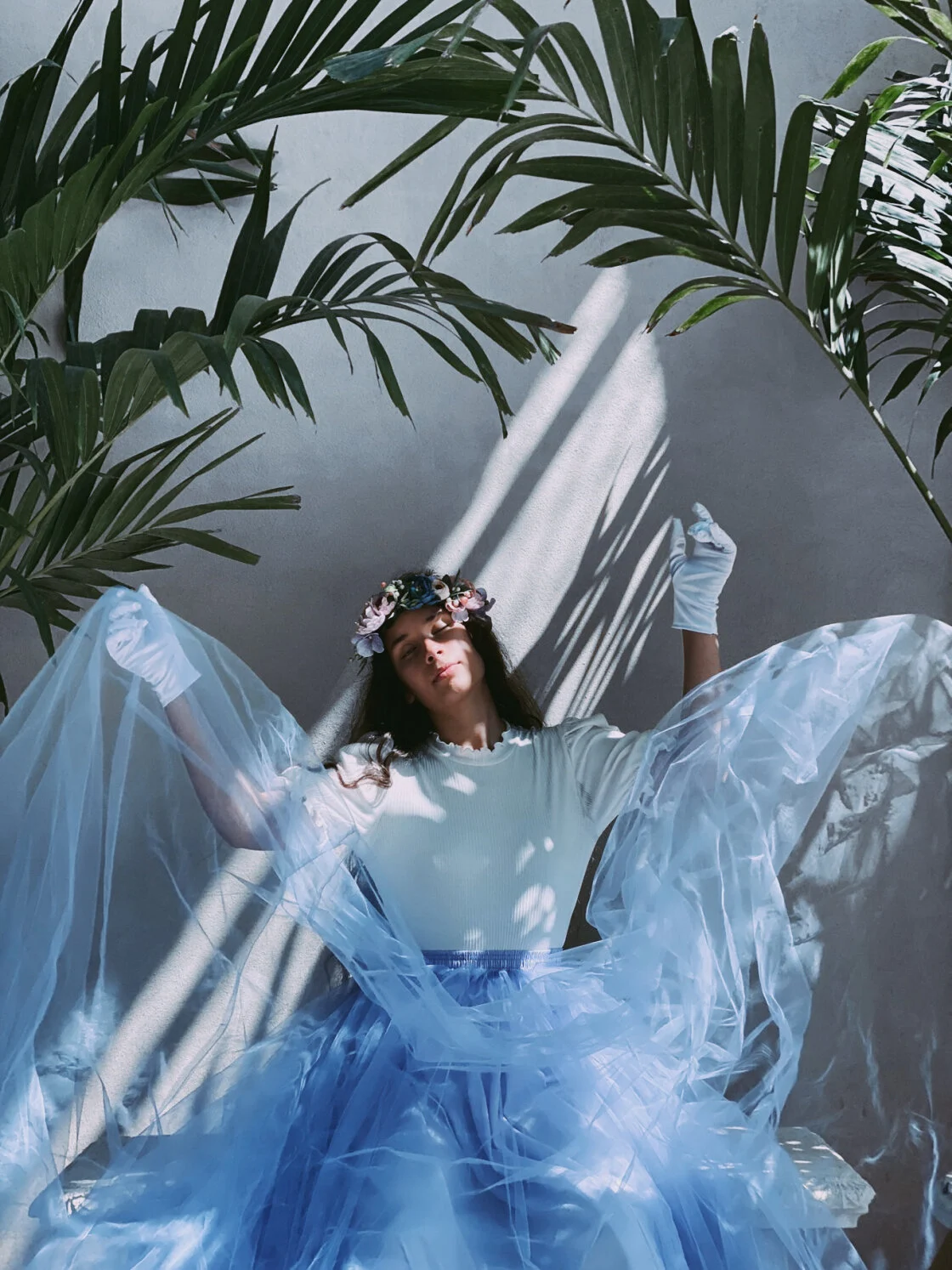
Beyond simple contrast, the use of patterns adds a layer of sophistication to a portrait. In professional studios, "gobos" (go-betweens) are placed in front of lights to project shapes. On the iPhone, the world serves as a natural gallery of gobos. Sunlight filtering through window blinds, the intricate lattice of a fence, or the dappled shade of tree leaves can transform a flat image into a textured masterpiece.
The psychological impact of patterned light is significant. It can suggest a sense of entrapment, mystery, or organic beauty depending on the source. For those seeking more control, everyday household objects like kitchen strainers or lace curtains can be held between the light source and the subject to project unique, repeatable patterns. When shooting, it is essential to ensure the pattern aligns with the subject’s facial features, such as the eyes, to maintain a clear focal point amidst the visual complexity.
3. Structural Innovation in Subject Posing
A common pitfall in amateur portraiture is static, "passport-style" posing. Professional-grade portraits often utilize the subject’s body to create "leading lines" or "frames" within the frame.
One highly effective method is the use of hands to frame the face. By placing hands at asymmetrical heights—one near the jawline and another higher near the temple—the photographer creates a diamond shape that naturally guides the viewer’s eye toward the subject’s gaze. Furthermore, changing the camera’s physical perspective can alter the subject’s perceived persona. Shooting from a low angle, for instance, can make a subject appear more powerful or heroic. When combined with the iPhone’s wide-angle lens, this perspective can create a sense of dynamic movement, especially if the subject is encouraged to interact with the space, such as stepping toward the lens.
4. Evoking Emotional Resonance through Movement and Burst Mode
Photography is the art of freezing time, but the most "dreamy" or ethereal portraits often involve the suggestion of motion. The challenge with mobile photography has historically been shutter lag, but modern iPhones have mitigated this through "Burst Mode."
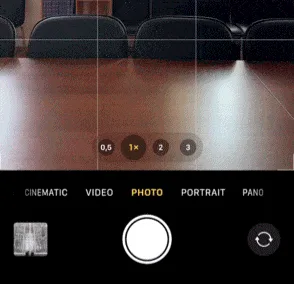
To create a dreamy atmosphere, photographers often utilize flowing elements—long dresses, silk scarves, or loose hair. By instructing the subject to move or throw the fabric, the photographer can capture the exact moment of peak aesthetic flow. To activate Burst Mode on newer iPhone models, the user drags the shutter button to the left (in portrait orientation); the device then captures a rapid succession of images.
In the analysis of "dreamy" aesthetics, the subject’s expression is as important as the movement. A relaxed face with closed eyes shifts the narrative from an external interaction to an internal, peaceful moment. This technique is frequently seen in high-fashion editorial work, where the goal is to sell a mood rather than just a clear image of a face.
5. Group Dynamics: The Art of the Multi-Subject Portrait
Photographing two or more people introduces the challenge of visual balance. Traditional "side-by-side" posing often lacks depth. To create a more compelling narrative, photographers are encouraged to vary the distance of the subjects from the lens.
Placing one subject in the foreground and another slightly behind creates a multi-dimensional scene. This allows the iPhone’s "Portrait Mode" to work more effectively, as the software can more easily distinguish between different planes of depth. For couples or siblings, close-up "partial" framing—where only half of each person’s face is visible—can symbolize a deep connection or shared identity. This technique relies heavily on the "rule of thirds," ensuring that the eyes of both subjects remain on a horizontal grid line to maintain compositional harmony.
6. Storytelling through Strategic Prop Integration
The most successful portraits are those that tell a story without words. Props serve as the "semiotics" of photography—symbols that convey meaning. A book and a cup of coffee suggest introversion and coziness; a vintage car suggests a nostalgic or "period" theme; flowers can represent growth, romance, or even mourning.
The key to professional prop use is integration rather than distraction. The prop should never overshadow the subject. Instead, it should complement the subject’s pose. For example, a blindfold adorned with flowers can serve as a powerful metaphor for "inner beauty" or "blinded by nature." By using props, the photographer moves away from mere documentation and into the realm of conceptual art.
7. Wardrobe Styling and Environmental Harmony
The final pillar of a compelling iPhone portrait is styling. The color and texture of a subject’s clothing must interact intentionally with the environment. There are two primary approaches to this: harmony and contrast.
- Harmonious Styling: This involves matching the clothing to the environment’s color palette. For instance, wearing neutral tones in a desert setting or floral patterns in a garden. This creates a soothing, unified aesthetic.
- Contrasting Styling: This involves using a "pop" of color to make the subject stand out. A bright red dress in a grey, industrial city setting immediately draws the eye and creates a sense of "the individual against the machine."
Data from social media engagement studies suggests that images with a clear, intentional color palette perform significantly better than those with cluttered or clashing colors. Therefore, the "pre-production" phase of a shoot—selecting the outfit and the location—is just as important as the act of pressing the shutter.
Broader Impact and the Future of Mobile Art
The rise of high-level iPhone photography has significant implications for the creative economy. We are seeing a "democratization of the gaze," where individuals from all socio-economic backgrounds can produce museum-quality work without a $10,000 equipment investment. This has led to a surge in mobile-only photography exhibitions and the rise of "iPhoneographers" who are hired by major brands for global campaigns.
Furthermore, the psychological impact of accessible portraiture cannot be understated. As people become more adept at capturing beautiful, high-quality images of themselves and their loved ones, the way we document human history is changing. We are moving toward a more visual-centric form of communication where the nuances of light, shadow, and pose become a universal language.
In conclusion, mastering the iPhone for portraiture is a blend of technical proficiency and creative intuition. By understanding how to manipulate high-contrast light, experiment with posing, and utilize the device’s computational power like Burst Mode, any user can transition from taking "pictures" to creating "photographs." As Apple continues to push the boundaries of sensor size and AI integration, the potential for mobile portraiture is virtually limitless, bounded only by the imagination of the person holding the phone.