The modern commercial landscape is increasingly defined by the mobility of services, making the visual representation of a business on the road a critical component of its marketing strategy. As urban density increases and digital advertising space becomes more saturated and expensive, the physical presence of a vehicle fleet has transformed from a logistical necessity into a high-value branding asset. Every mile traveled by a service van, delivery truck, or corporate sedan represents a distinct opportunity to reinforce brand awareness and project an image of established professionalism. Today, the transition from plain, unmarked vehicles to high-impact mobile billboards is facilitated by sophisticated design resources and high-resolution templates, allowing businesses to turn their fleets into powerful engines of consumer trust.
The Economic Logic of Mobile Billboards
The shift toward vehicle wraps is driven by a compelling economic reality: the cost-per-impression (CPM) of vehicle graphics is significantly lower than almost any other form of traditional or digital advertising. According to data from the Outdoor Advertising Association of America (OAAA), a single vehicle wrap can generate between 30,000 and 70,000 impressions daily, depending on the route and population density. When analyzed over the typical five-to-seven-year lifespan of a high-quality vinyl wrap, the cost breaks down to mere cents per thousand views.
In comparison to digital advertising, where costs fluctuate based on bidding wars and algorithm changes, a vehicle wrap is a one-time investment that provides continuous exposure. For small to medium-sized enterprises (SMEs), this represents a leveling of the playing field, allowing local service providers to achieve a level of visual saturation previously reserved for national corporations with multi-million dollar advertising budgets.
The Role of SignSilo in Professionalizing Fleet Design
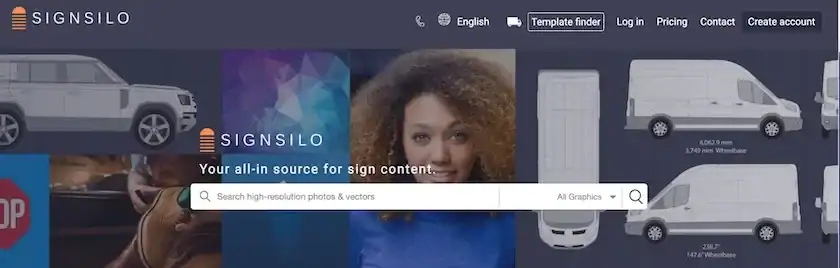
Central to the success of any fleet branding initiative is the precision of the design and the quality of the assets used. This is the niche occupied by SignSilo, a comprehensive visual resource hub tailored specifically for the vehicle graphics and sign-making industry. For a wrap to be effective, it must be more than just aesthetically pleasing; it must be technically perfect.
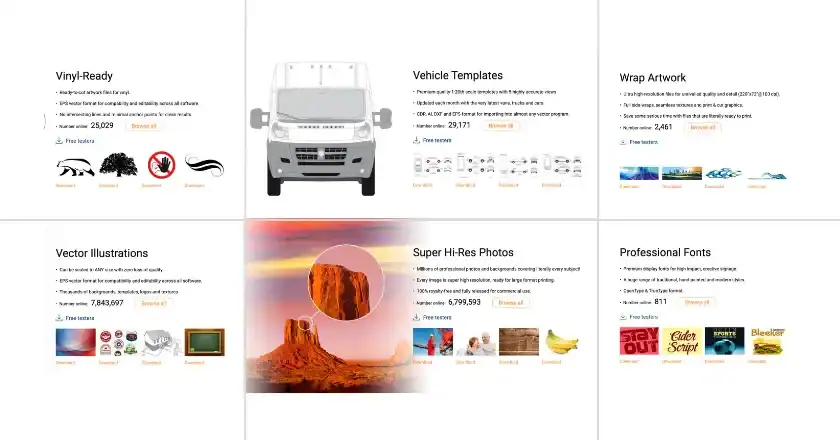
SignSilo addresses the technical challenges of the industry by providing a massive library of professional-grade resources. Their offerings include:

- Precision Vehicle Templates: Over 23,000 high-accuracy templates that allow designers to plan graphics around door handles, fuel caps, and complex body curves.
- High-Resolution Photography: A vast collection of images optimized for large-scale printing, ensuring that graphics remain sharp even when scaled to the size of a semi-trailer.
- Vector Graphics and Illustrations: Clean, scalable assets that maintain integrity at any size, essential for logos and branding elements.
- Wrap-Specific Textures: Specialized backgrounds and effects designed to complement the unique contours of automotive surfaces.
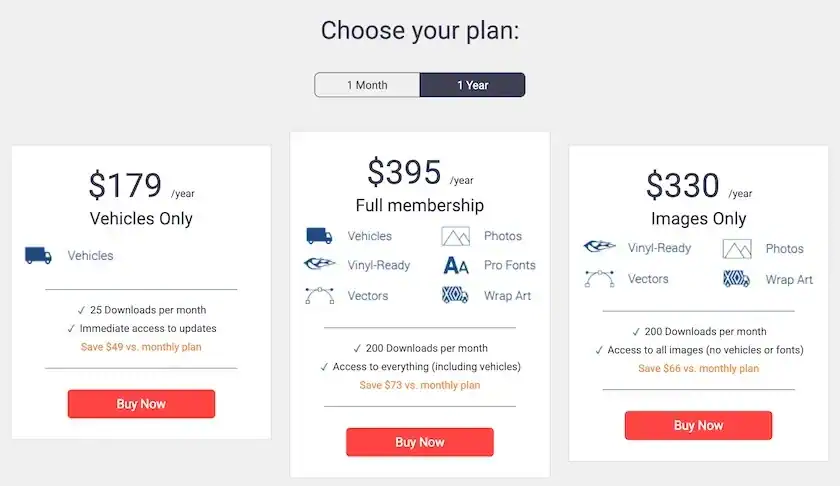
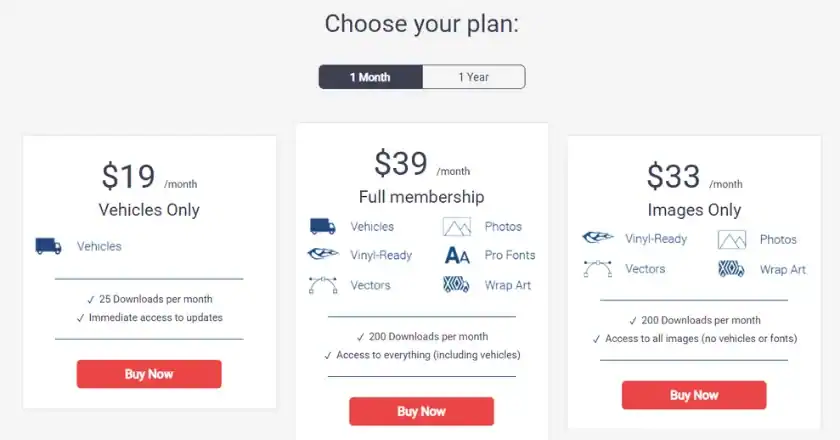
By providing these resources at an affordable subscription price, SignSilo enables independent wrap shops and in-house marketing teams to produce work that rivals top-tier agencies. This democratization of high-quality design assets is a primary driver behind the professionalization of the "white van" fleets that once dominated the service industry.
A Chronology of Vehicle Branding Evolution
The journey of vehicle branding has moved through several distinct eras, each marked by technological advancements in materials and printing.
- The Hand-Painted Era (Pre-1980s): Before the advent of digital technology, vehicle branding was the domain of master sign painters. While artisanal, this method was time-consuming, expensive, and difficult to replicate across a fleet with perfect consistency.
- The Vinyl Lettering Phase (1980s – 1990s): The introduction of computer-aided design (CAD) and vinyl cutters allowed for "plotter-cut" lettering. This was the era of the "logo-on-the-door" approach, which was functional but lacked the visual impact of modern full wraps.
- The Digital Printing Revolution (Early 2000s): The development of large-format inkjet printers and conformable "cast" vinyl changed the industry. For the first time, full-color photographic images could be applied to the complex curves of a vehicle.
- The Era of High-Fidelity Design (Present): Today, the industry focuses on "Total Brand Integration." With resources like SignSilo, designers can create cohesive identities that wrap seamlessly around 3D objects, utilizing AI-assisted design and ultra-high-resolution assets to create a "factory-finish" look.
The Psychology of Trust and Consumer Perception
The impact of a professional vehicle wrap extends beyond mere visibility; it deeply influences consumer psychology. For service industries—such as plumbing, electrical work, or home security—the vehicle is often the first physical touchpoint between the brand and the customer.
Industry surveys consistently indicate that consumers harbor a higher level of trust for service providers who arrive in branded vehicles. An unmarked van can evoke a sense of unease or amateurism, whereas a cleanly wrapped vehicle signals that the company is a legitimate, tax-paying entity that invests in its own reputation. This "trust-at-a-glance" is a vital component of the conversion funnel. When a neighbor sees a professionally branded vehicle parked in a driveway, the vehicle acts as a silent referral, building "top-of-mind" awareness that often leads to future service calls.
Maintaining Consistency Across Diverse Fleets
One of the most significant challenges for growing businesses is maintaining brand consistency as they add different types of vehicles to their fleet. A design that looks balanced on a compact transit van may look sparse on a 24-foot box truck or cluttered on a sedan.
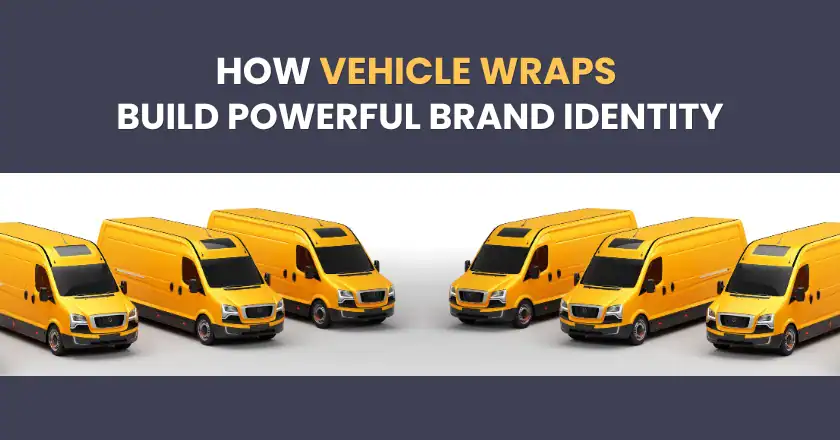
This is where the utility of standardized templates and vector assets becomes apparent. By utilizing a unified library of assets from a source like SignSilo, designers can adapt the core branding elements—the logo, color palette, and key messaging—to various vehicle silhouettes while maintaining a "family look." This consistency is what builds a "powerful brand identity." When a consumer sees three different types of vehicles from the same company over a week, the repetition reinforces the brand’s market dominance and reliability.

Technical Implications and Production Efficiency
From a production standpoint, the use of high-quality templates and "testers" is a matter of operational efficiency. Wrap shops operate on tight margins where mistakes in measurements can lead to hundreds of dollars in wasted vinyl and hours of lost labor.
SignSilo’s offering of "free testers" allows professionals to verify the scale and resolution of a template before committing to a full purchase or production run. This level of technical due diligence ensures that the final product aligns perfectly with the vehicle’s physical attributes. Furthermore, the use of professional vector graphics ensures that there is no "pixelation" or blurring, which is a common hallmark of low-quality, "budget" wraps that can actually damage a brand’s reputation rather than help it.
The Future of the Moving Brand
As we look toward the future, the vehicle wrap industry is poised for further integration with digital technology. We are already seeing the rise of "Smart Wraps" that incorporate large-scale QR codes, allowing pedestrians and passengers in ride-share vehicles to instantly engage with a brand’s digital storefront.
Additionally, as electric vehicle (EV) fleets become more common, the design language of wraps is shifting toward "cleaner," more futuristic aesthetics that reflect environmental responsibility. The demand for high-quality, professional imagery and templates will only grow as these new vehicle forms enter the market.
The conclusion for any business owner is clear: a vehicle is no longer just a way to get from point A to point B. It is a 24/7 brand ambassador. By leveraging professional resources and focusing on visual consistency, companies can transform their daily commutes into a strategy for building long-term consumer trust. In an era where attention is the most valuable commodity, the goal is to not just wrap a vehicle, but to build a brand that moves. Through the use of affordable, high-tier resources like those provided by SignSilo, that goal is now within reach for businesses of every size.