The profound beauty of the earth reveals reserves of strength that endure throughout life. When the author’s parents, hailing from the agricultural heartland of Saskatchewan, made the audacious decision to relocate their young family to the remote Arctic, it marked the beginning of an unparalleled adventure. This significant life shift necessitated a relinquishing of certain familiar comforts. The family, accustomed to the ease of close proximity to relatives, the gentle warmth of summer evenings, and the predictable rhythms of the seasons, embarked on a journey into the unknown. However, as the author quickly discovered, the embrace of nature in this wild new environment offered rewards that far surpassed what was left behind. This transformative experience laid the foundation for a lifelong passion for capturing the essence of the planet’s wild inhabitants through photography.
From Saskatchewan Farmlands to Arctic Wilderness: A Life-Altering Move
The author’s formative years were shaped by a stark contrast between the cultivated landscapes of Saskatchewan and the untamed beauty of the Arctic. This duality instilled a deep appreciation for both the resilience of agricultural communities and the raw power of nature. The move, driven by an unyielding work ethic inherited from farming stock, was not merely a geographical relocation but a fundamental shift in perspective. It was a deliberate choice to trade the predictable for the extraordinary, a decision that profoundly influenced the author’s future trajectory and artistic vision. The initial adjustment involved adapting to a vastly different environment, one where human settlements were sparse and the natural world reigned supreme. This immersion in the wild, however, proved to be a fertile ground for developing a profound connection with the planet’s diverse ecosystems.
The Lens as a Gateway to the Wild
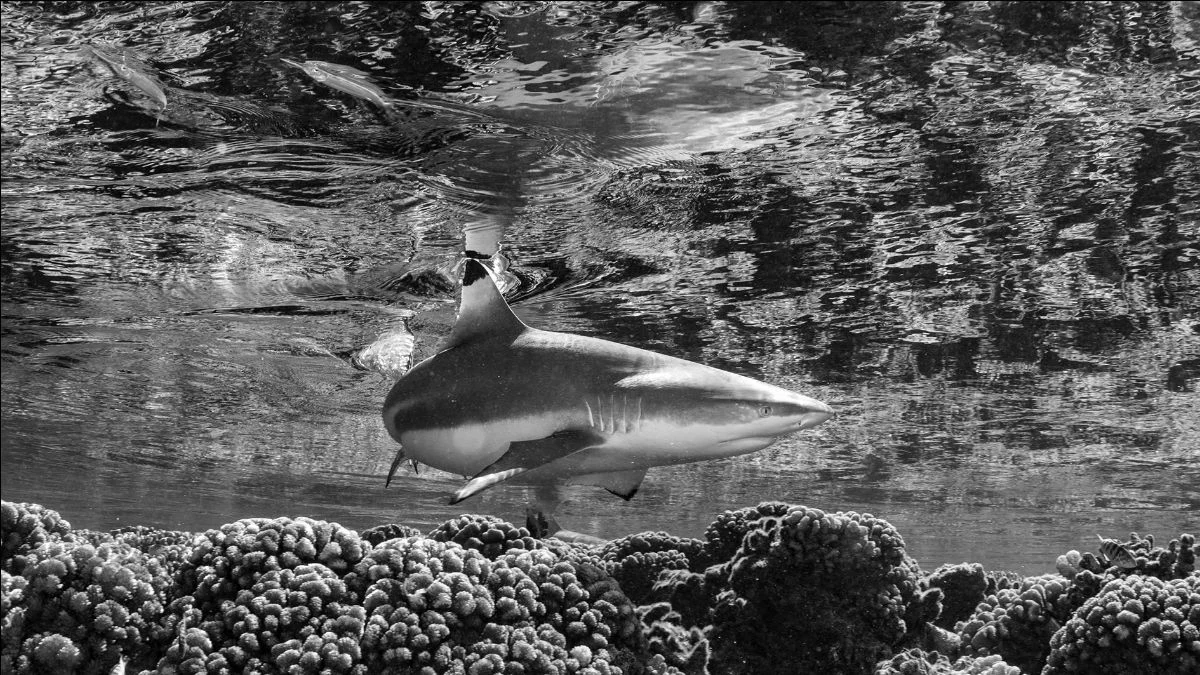
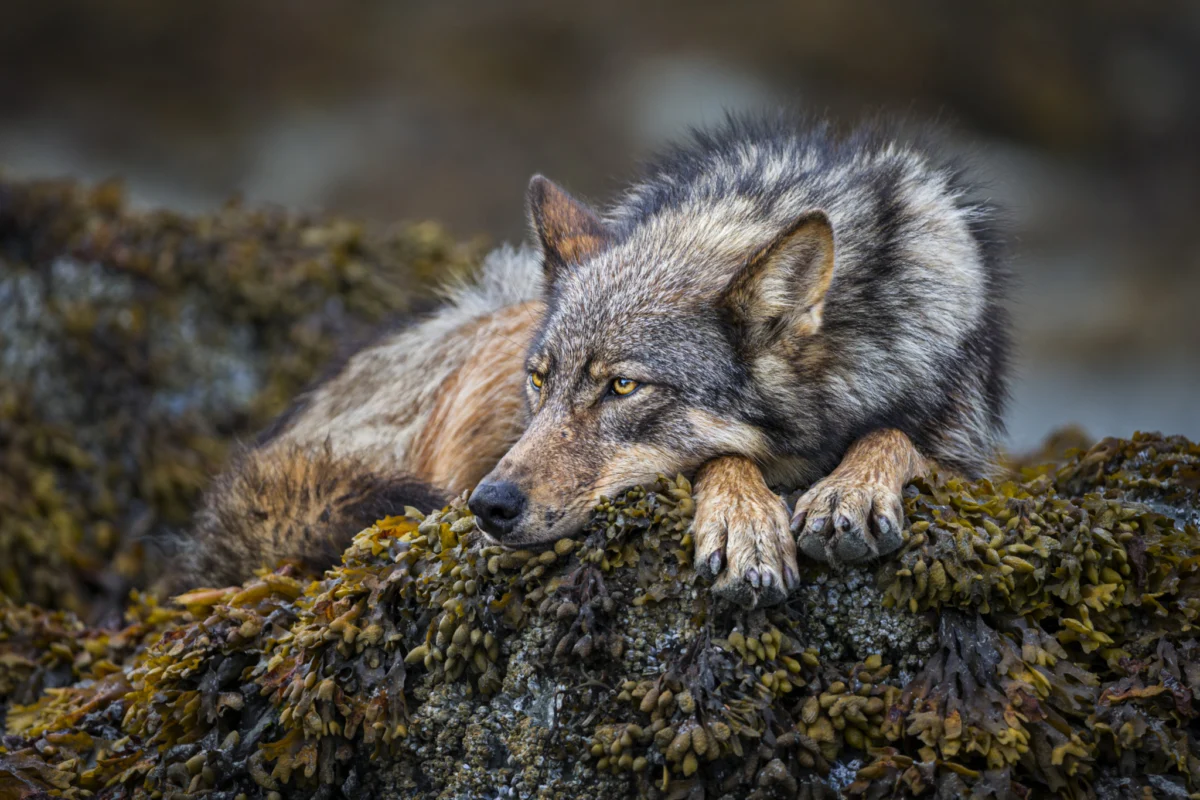
Upon embarking on a career in photography, the author found a powerful medium through which to explore and document the natural world. The camera became an extension of their senses, a tool for forging intimate connections with a vast array of wildlife. From the familiar yet formidable presence of wolves and polar bears in the Arctic to the charismatic penguins of the Antarctic, the elusive lynx of the boreal forests, and the formidable sharks that patrol the ocean’s depths, each subject offered a unique challenge and reward. Even the spectral beauty of the spirit bear, a rare and revered creature, became a focus of the lens. This pursuit transcended mere documentation; it became a philosophical endeavor, a recognition of the immense privilege of living on a planet teeming with an almost incomprehensible diversity of species and an inexhaustible wellspring of beauty. The author articulates this sentiment with profound clarity: "In my eyes, there is no greater privilege than living each day on a planet overflowing with more species and beauty than we could ever fully grasp." This perspective underscores the intrinsic value of biodiversity and the profound impact of experiencing it firsthand.
Encounters with Giants: The Majestic Whales
Among the myriad of wildlife encounters that have shaped the author’s life and career, those with whales, the true titans of Earth, stand out as particularly significant and transformative. These encounters, often characterized by a potent blend of awe and a primal respect for their sheer power, have provided some of the most profound moments of connection with the natural world. The author notes that, much like the Arctic wildlife of their youth, creatures such as orcas and sperm whales evoke a dual reaction of fear and wonder in observers. This response is understandable, given their formidable size and their apex predator status in marine ecosystems.
However, a closer examination, particularly through the author’s extensive fieldwork, reveals a more nuanced reality. Contrary to popular mythologies and fictional portrayals, there are no definitive records of orcas or sperm whales intentionally causing harm to humans. Instead, the author’s direct experiences have consistently showcased their inherent gentleness and remarkable intelligence—qualities often overshadowed by sensationalized narratives. This discrepancy between perception and reality highlights the importance of empirical observation and direct engagement in understanding the natural world.
Demystifying the Sperm Whale: Beyond Myth and Misconception
Sperm whales, in particular, have long been subject to a mystique fueled by literature, folklore, and cautionary tales. Their imposing stature and deep-sea habitat have contributed to an aura of mystery and, at times, apprehension. However, the author’s personal encounters have consistently challenged these preconceived notions, revealing a more complex and endearing aspect of these magnificent marine mammals.
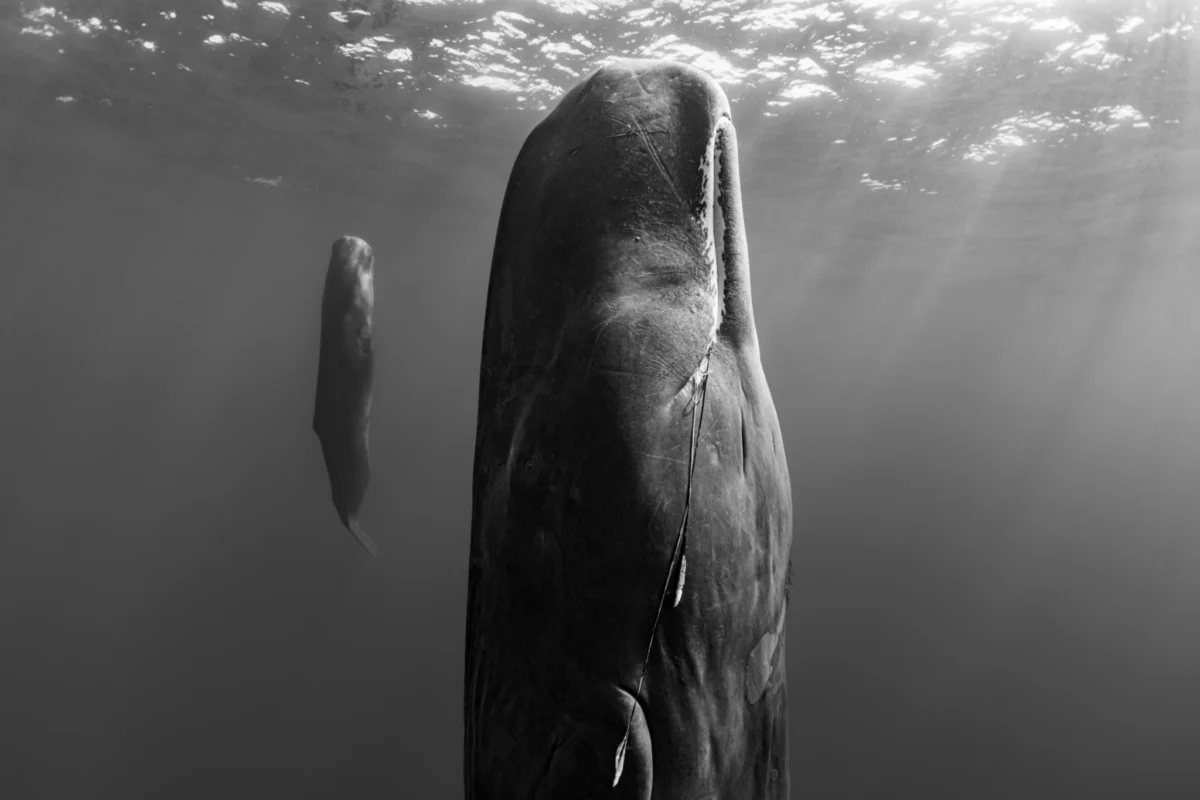
One particularly illuminating experience occurred off the coast of Dominica, where the author had the opportunity to free-dive with a pod of sperm whales. This encounter, described as one of the most "wholesome and eye-opening," provided an intimate glimpse into their behavior. Sperm whales are known to spend the majority of their time in the profound depths of the ocean, surfacing primarily for respiration and rest. During these moments, they often adopt a vertical posture, suspended in the water column with their heads pointed towards the surface, a behavior that can appear almost contemplative.
Ariel’s Playful Approach: A Young Whale’s Curiosity
The photography session off Dominica was proceeding with a sense of mutual respect and comfort. The matriarch of the pod and her companions seemed entirely at ease with the photographer’s presence, a testament to the patient and non-intrusive approach employed. However, as the author ascended to catch a breath, the dynamic shifted dramatically with the unexpected attention of a young member of the group. This calf, affectionately nicknamed "Ariel" by local residents, had apparently grown bored with napping alongside its mother and decided to investigate the unusual visitor.

What followed was a moment of exhilarating surprise. Ariel, described as a "baby whale," made a direct and swift approach towards the author. While the initial charge might have been perceived as potentially alarming, the author, drawing upon years of experience with large and unpredictable wildlife, remained calm. The calf, opening its mouth, which fortunately lacked teeth at this stage, proceeded to playfully "gum" the camera housing. This behavior, likened to that of an "overgrown toddler," was not aggressive but rather an expression of pure, unadulterated curiosity. The author was able to calmly maneuver away, allowing Ariel’s playful interaction to unfold without incident. This remarkable encounter served as a powerful refutation of the monstrous image often associated with large marine animals, showcasing Ariel’s "bubbly, curious, and surprisingly gentle" nature.
The Lasting Impact of Immersion in Nature
Reflecting on a lifetime dedicated to documenting the natural world, the author recognizes that the foundational experiences of their childhood, the early days of following in the footsteps of Arctic wildlife, were instrumental in fostering a deeper connection with Earth’s most untamed creatures. These early immersions, characterized by an intimate engagement with animals like bears and foxes, provided a crucial apprenticeship in understanding and respecting the wild. This childhood foundation paved the way for later, more ambitious explorations, including the profound encounters with marine giants like Ariel and her pod.
The author posits that the more time individuals spend immersed in nature, the more the world reveals itself, unfolding with new experiences and profound insights. This perspective challenges the modern emphasis on material comforts and the relentless pace of contemporary society. Instead, the author champions the unparalleled richness that nature offers: "Beyond any luxury or comfort that the fast pace of modern society can provide, nature offers us true connection." This connection, a deep and authentic bond with the living world, is presented not as a mere aesthetic appreciation but as a fundamental aspect of human well-being and a source of enduring strength.
The Unifying Power of the Natural World
The author’s journey, from the vast plains of Saskatchewan to the icy expanses of the Arctic and the deep blue waters of the ocean, underscores a universal truth: our connection to the natural world is an intrinsic and vital part of the human experience. The encounters with diverse species, from the terrestrial to the marine, have consistently demonstrated the resilience, intelligence, and often misunderstood gentleness of wildlife. These experiences serve as powerful counterpoints to the prevailing narratives that often depict nature as solely dangerous or indifferent.
The story of Ariel, the curious baby sperm whale, exemplifies this. Her playful interaction with the photographer dismantles the archetypal image of a fearsome sea monster, replacing it with a depiction of innocent curiosity and a capacity for gentle engagement. This, the author argues, is not an isolated incident but a reflection of a broader truth about the natural world: that given space, respect, and a genuine effort to understand, the planet’s inhabitants reveal a depth of character and a capacity for interaction that enriches our lives immeasurably.
The implications of this perspective are far-reaching. In an era increasingly defined by urbanization, technological detachment, and environmental degradation, the author’s narrative serves as a potent reminder of what we stand to lose and what we can gain by re-establishing a profound connection with nature. The data on biodiversity loss, for instance, paints a stark picture: the International Union for Conservation of Nature (IUCN) Red List continues to grow, with an increasing number of species facing extinction due to habitat destruction, climate change, and human activities. Whale populations, while showing signs of recovery in some areas due to conservation efforts, still face threats from pollution, bycatch in fishing gear, and noise pollution.
The author’s work, through its captivating imagery and personal narrative, contributes to a broader understanding of these magnificent creatures and the ecosystems they inhabit. By humanizing their experiences and highlighting their intelligence and social behaviors, such as the pod dynamics observed with sperm whales, the narrative fosters empathy and a sense of shared responsibility for their well-being. This resonates with conservation organizations that advocate for greater protection of marine environments and the species within them. For example, initiatives focused on reducing plastic pollution in oceans, establishing marine protected areas, and promoting sustainable fishing practices directly address the threats faced by whales and other marine life.
The author’s concluding thought, that nature offers "true connection" beyond material possessions, is a powerful call to action. It suggests that the pursuit of external comforts, while understandable, can often detract from the deeper fulfillment found in experiencing and contributing to the natural world. This philosophy aligns with growing movements advocating for ecotourism that prioritizes ethical wildlife viewing and community engagement, as well as a greater emphasis on outdoor education and nature-based therapies.
The legacy of this journey is not merely in the stunning photographs captured, but in the profound shift in perspective it represents—a testament to the enduring power of nature to inspire, to teach, and ultimately, to provide the greatest gifts of all: understanding, connection, and a deep, abiding sense of belonging to the intricate tapestry of life on Earth. The author’s life work serves as a compelling argument for prioritizing the preservation of our planet’s wild spaces and the incredible biodiversity they sustain, recognizing that our own well-being is inextricably linked to theirs.