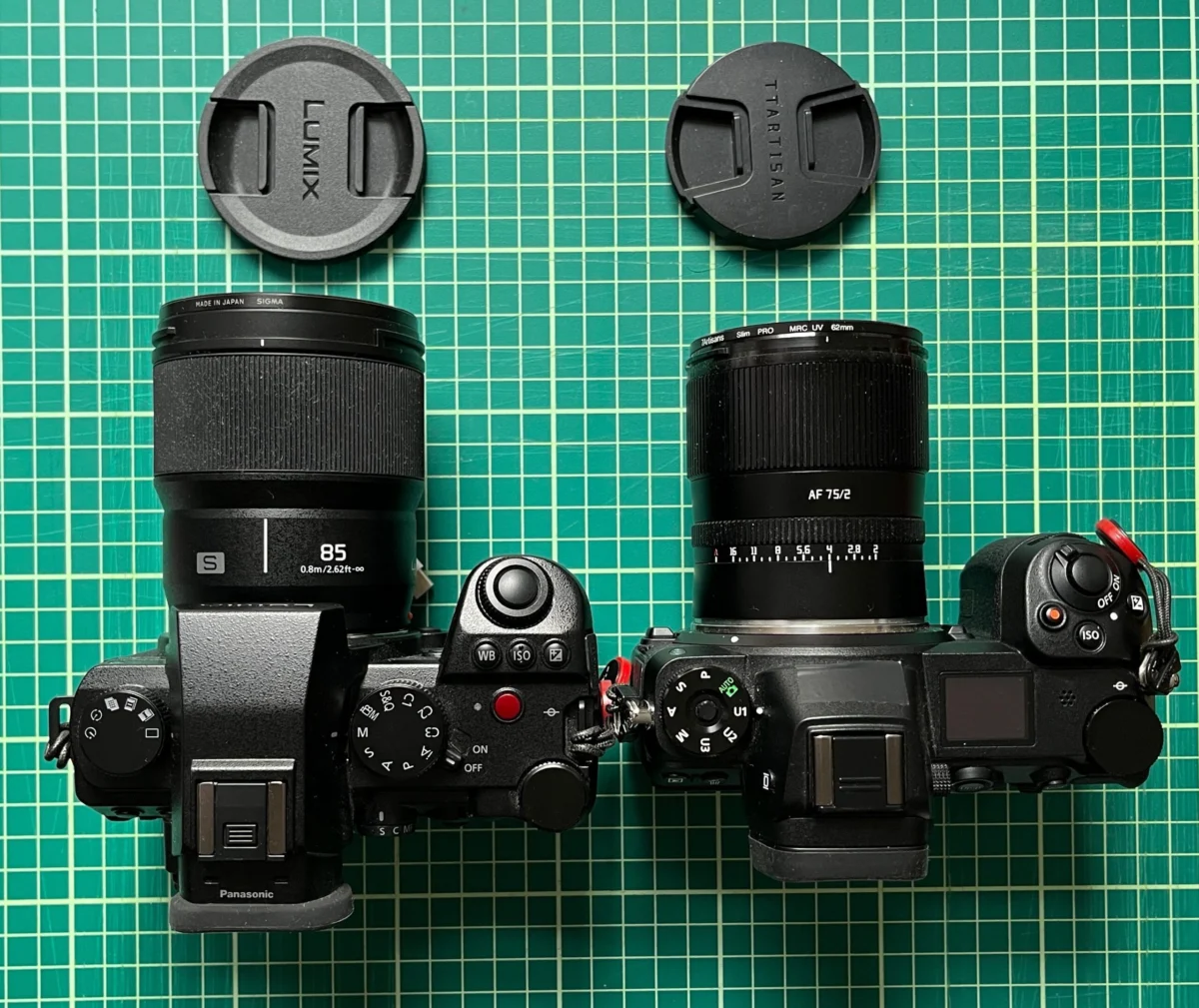
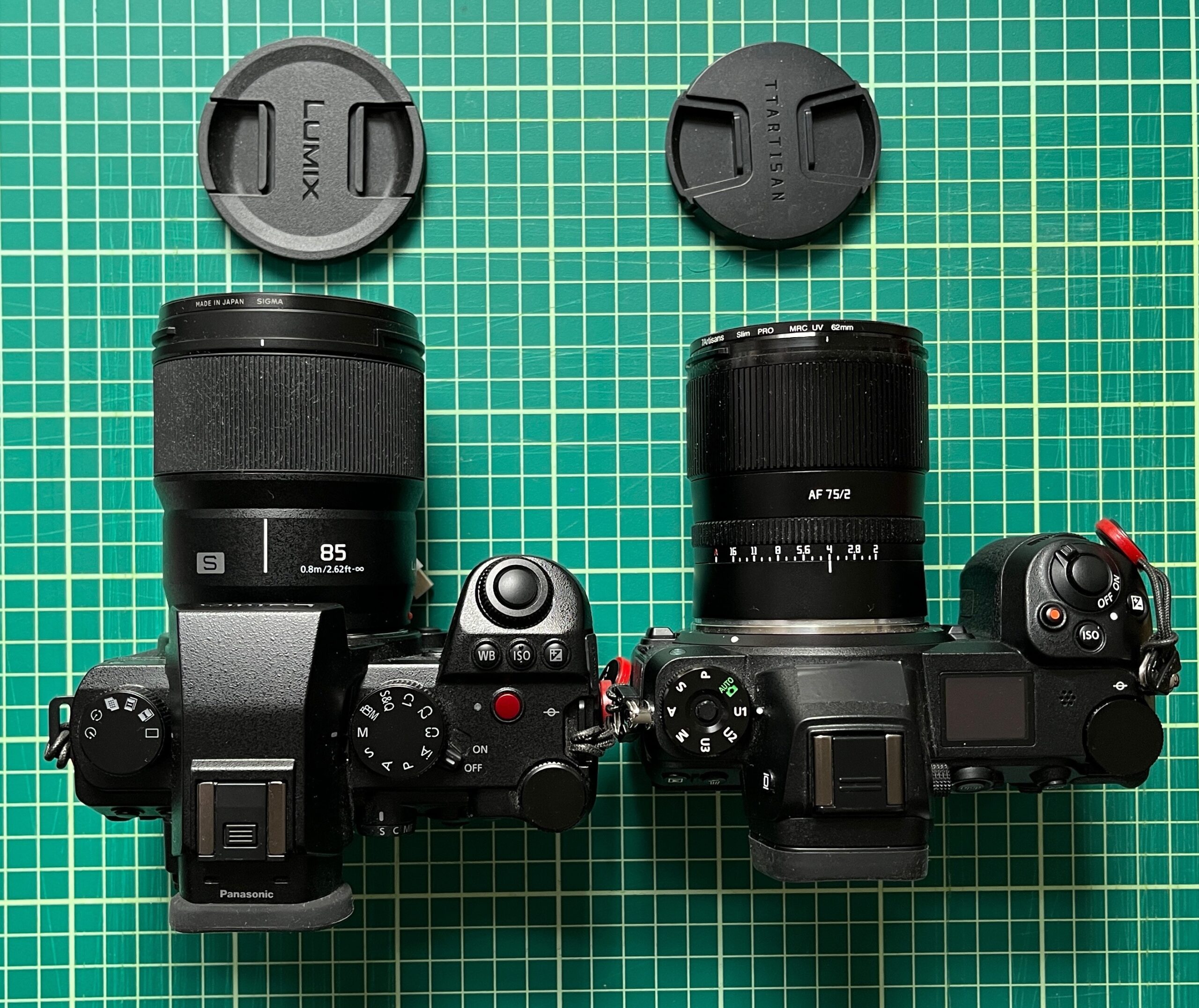
The optical industry has recently observed a significant shift in the short telephoto lens market, characterized by an influx of 75mm focal length primes designed for full-frame digital systems. For decades, the 85mm focal length served as the industry standard for portraiture and short telephoto work, while the 75mm focal length remained a niche choice, primarily associated with rangefinder systems like the Leica M-mount. However, the emergence of competitive offerings from Chinese lens manufacturers, such as TTArtisan, Viltrox, and 7Artisans, alongside renewed interest from established brands like Voigtländer and Zeiss, has catalyzed a re-evaluation of this intermediate focal length. This development challenges the long-standing dominance of the 85mm lens and offers photographers a distinct alternative that bridges the gap between the "standard" 50mm view and the tighter compression of traditional portrait optics.
Historical Context and the Evolution of the 75mm Lens
The 75mm focal length has a storied but limited history in 20th-century photography. One of its most famous early iterations was the Zeiss Biotar 75mm f/1.5, originally designed in the 1930s, which became renowned for its unique "swirly" bokeh and painterly rendering. Despite its optical charms, the 75mm length did not see widespread adoption in the SLR (Single Lens Reflex) era. Major manufacturers like Canon and Nikon focused their efforts on 85mm designs, which were easier to differentiate from the ubiquitous 50mm "nifty fifty" kit lenses.
The 75mm focal length found its primary sanctuary in the rangefinder community. Leica introduced the 75mm Summilux-M f/1.4 in 1980, designed by the legendary Walter Mandler. It was intended to offer a tighter perspective than the 50mm lens while remaining manageable within the constraints of a rangefinder’s optical viewfinder. Interestingly, Leica never produced a 75mm lens for its R-mount SLR system, maintaining the 80mm and 90mm standards for that platform. In the contemporary era, the 75mm has seen a resurgence through the L-mount alliance (Leica, Panasonic, and Sigma) and the aggressive expansion of third-party manual and autofocus lenses for Sony E, Nikon Z, and Fujifilm X mounts.
Technical Analysis: 75mm vs. 85mm Field of View
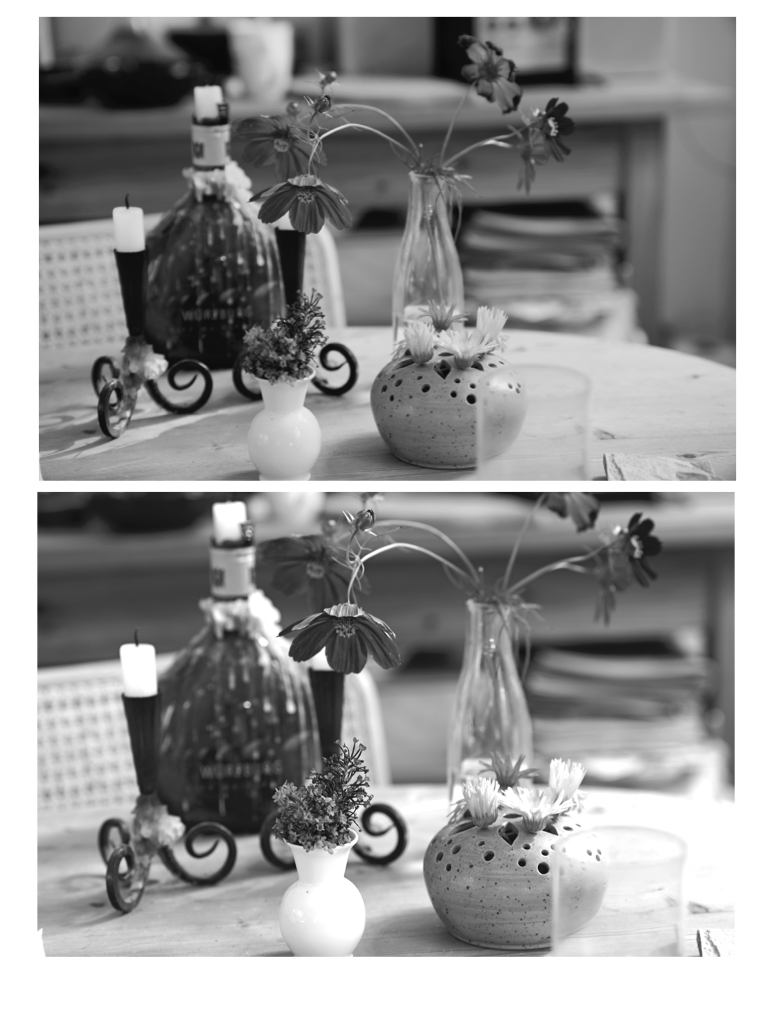
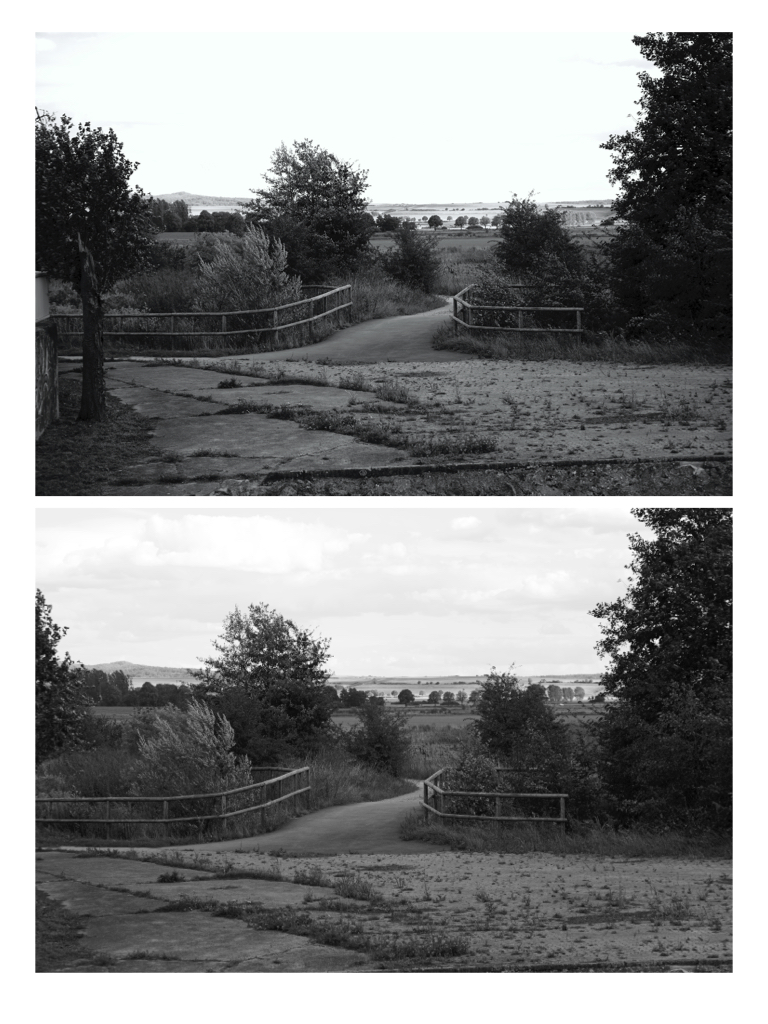
The primary distinction between a 75mm and an 85mm lens lies in the diagonal field of view (FOV). On a full-frame sensor, a 75mm lens typically provides a diagonal FOV of approximately 32 degrees. In contrast, an 85mm lens offers a narrower 29-degree FOV. While a difference of three degrees may appear negligible on paper, it translates to a meaningful difference in spatial composition and subject-to-background relationship.
In portrait photography, the 85mm lens is favored for its ability to provide flattering compression of facial features and a tighter crop that isolates the subject from the background. However, the 75mm lens offers a "relaxed" telephoto perspective. It allows the photographer to include more of the environment—a crucial factor in environmental portraiture, street photography, and landscape work. For photographers operating in confined indoor spaces, the 10mm wider FOV of a 75mm lens can be the difference between capturing a full torso shot and being forced to crop at the shoulders.
Market Dynamics and the Influence of Chinese Manufacturers
The recent proliferation of 75mm lenses is largely driven by the manufacturing strategies of Chinese firms. Brands such as TTArtisan have successfully disrupted the market by producing high-quality, affordable optics that fill gaps left by major manufacturers. For example, the TTArtisan 75mm f/2 AF lens has gained traction for its compact form factor and aggressive pricing, often retailing for under €200.
Market analysts suggest that the move toward 75mm is both a stylistic and an economic decision. From a design perspective, 75mm lenses can often be made smaller and lighter than 85mm lenses of the same aperture. This appeals to the modern mirrorless user who prioritizes portability. Furthermore, by producing a 75mm lens, these manufacturers differentiate themselves from the crowded 85mm market, offering a "boutique" focal length at a mass-market price point. This strategy has proven successful in attracting enthusiasts who seek a specific aesthetic without the premium cost associated with Leica or Zeiss optics.
Adaptation and Compatibility Challenges Across Systems
The integration of 75mm lenses into modern digital workflows often involves cross-platform adaptation, which presents unique technical challenges. Rangefinder lenses, such as the Voigtländer 75mm f/2.5 Color Heliar, are frequently adapted to mirrorless bodies like the Nikon Z6 or Sony A7 series.
One critical factor in lens performance is the "sensor stack" thickness. Digital sensors are covered by a stack of glass (including infrared filters and low-pass filters) that varies in thickness between manufacturers. Lenses designed for Leica M-mount cameras expect a very thin sensor stack. When these lenses are adapted to Nikon Z or Sony E-mount cameras, which have thicker stacks, peripheral sharpness can suffer, and chromatic aberration may increase. While some lenses, like the Zeiss ZM 85mm f/4, exhibit high cross-platform compatibility, others, like the older Voigtländer 75mm designs, may perform optimally on one system while showing reduced contrast or "smearing" on another.
Furthermore, rangefinder users face specific framing issues. Many rangefinder cameras, including the Zeiss Ikon ZM, lack dedicated 75mm frame lines in the viewfinder. Photographers often circumvent this by using 85mm or 90mm adapters to trigger the closest available frame lines, using the outer edges of the frame to approximate the 75mm field of view.
Digital Post-Processing and Color Rendering
The use of third-party 75mm lenses also necessitates a refined approach to digital post-processing. Unlike native lenses from Nikon, Canon, or Sony, these lenses often lack built-in electronic profiles for automatic correction of distortion, vignetting, and lateral chromatic aberration.
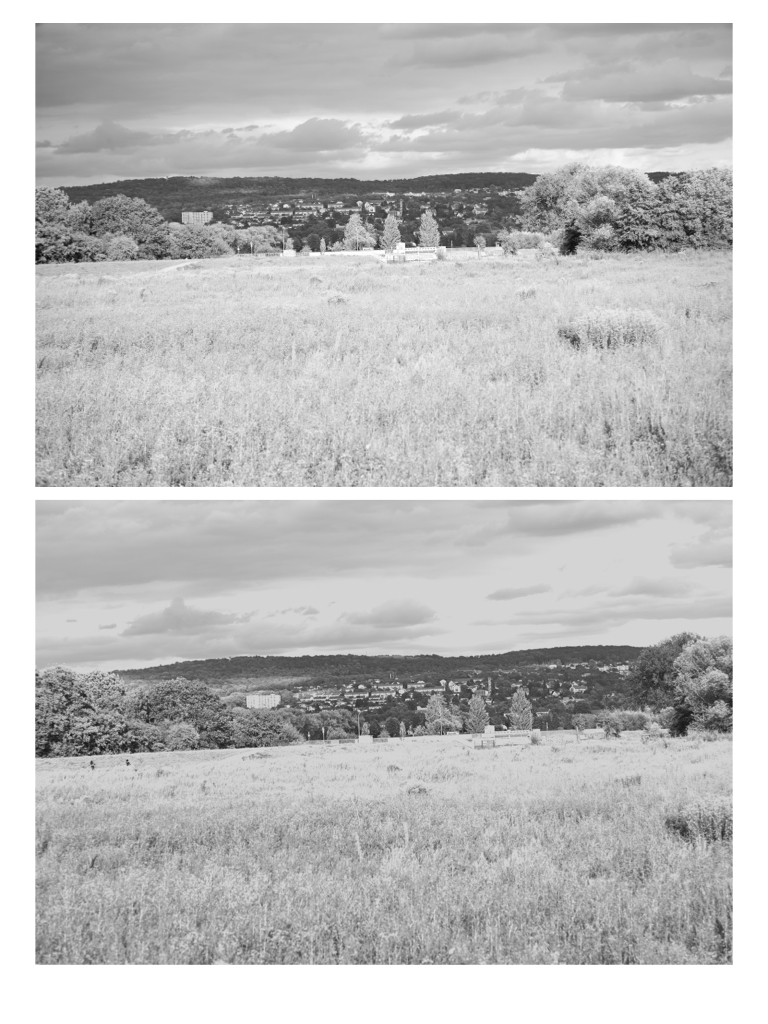
Professional workflows, particularly those utilizing Capture One or Adobe Lightroom, require manual intervention to achieve color accuracy. For instance, photographers using the TTArtisan 75mm on Nikon Z systems have noted that standard ICC profiles can result in aggressive contrast and oversaturated yellows with a green tint. Industry experts recommend using "Linear Response" or "Generic" film profiles to maintain a flatter base for color grading. Adjustments in the RGB green channel are often necessary to neutralize the specific color casts inherent in the coatings used by some budget-friendly manufacturers.
Implications for the Photography Industry
The expansion of the 75mm focal length signifies a broader trend toward specialization in the camera industry. As the market for entry-level cameras declines due to smartphone competition, the remaining enthusiast and professional segments are demanding more diverse toolsets.
- Increased Consumer Choice: Photographers are no longer tethered to the 35mm-50mm-85mm trinity. The 75mm offers a middle ground that serves as a versatile "long-normal" lens.
- Pressure on Legacy Brands: The success of affordable Chinese 75mm lenses is forcing legacy brands to reconsider their pricing and innovation cycles. The L-mount alliance’s adoption of 75mm indicates that even high-end manufacturers recognize the focal length’s utility.
- The Rise of "Character" Optics: Many of the new 75mm entries prioritize "rendering" and "character" over clinical sharpness. This caters to a growing demographic of photographers who value a vintage or film-like aesthetic in their digital files.
Future Outlook
Looking ahead, the 75mm focal length is poised to become a permanent fixture in the mirrorless era. As autofocus technology continues to improve in third-party lenses, the barrier to entry for these "alternative" focal lengths will continue to drop. We can expect to see more manufacturers exploring the 70mm to 75mm range as they seek to provide compact, high-performance primes that complement the high-resolution sensors of modern cameras.
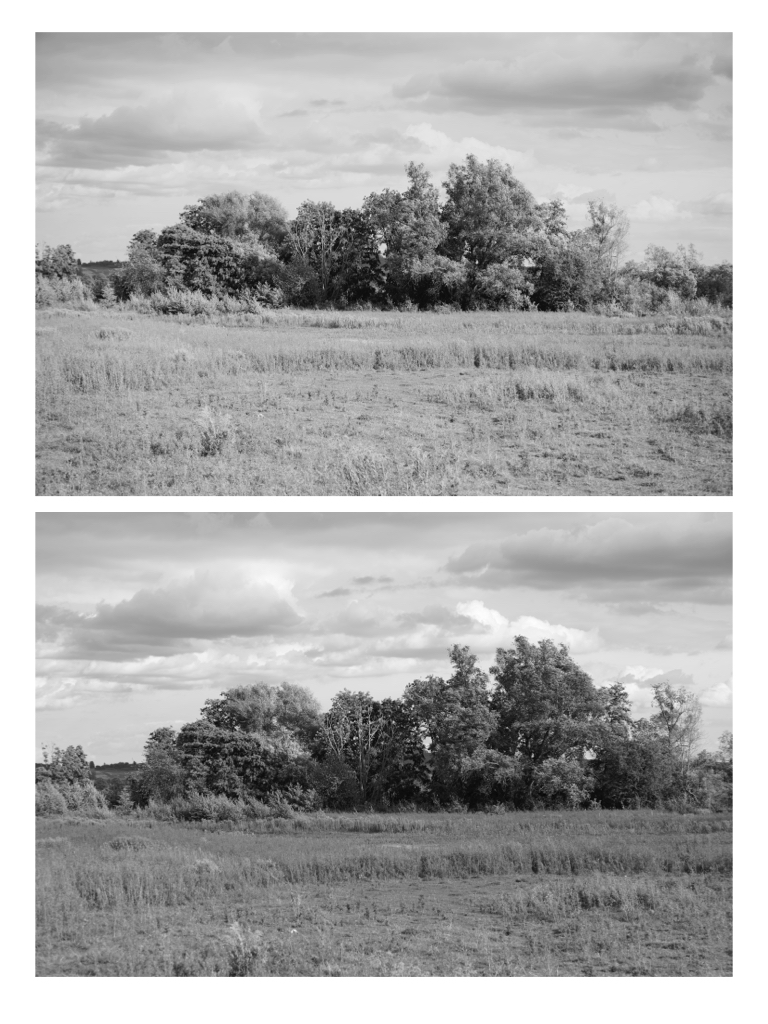
While the 85mm lens will likely remain the gold standard for traditional studio portraiture due to its superior compression and subject isolation, the 75mm lens has carved out a significant niche. It offers a more immersive perspective, making it an ideal tool for storytellers who wish to capture their subjects within the context of their surroundings. The ongoing competition between 75mm and 85mm optics ultimately benefits the end-user, providing a wider array of creative tools to suit diverse photographic styles and technical requirements.