The commune of Montrichard Val de Cher, situated in the Loir-et-Cher department of central France, has recently become a focal point for a unique intersection of historical commemoration, grassroots musical performance, and the technical complexities of analog film photography. As the town continues to navigate its identity as a site of significant World War II history, local residents and visiting documentarians are utilizing traditional media to capture the evolving cultural landscape of the region. This convergence was highlighted by recent efforts to document the local street band culture using vintage photographic equipment, a process that underscored both the durability of analog techniques and the challenges of chemical film development in non-laboratory environments.
Historical Context: The Divided City of Montrichard
To understand the contemporary cultural climate of Montrichard, one must examine its strategic and tragic significance during the German occupation of France. Between 1940 and 1943, Montrichard was a town physically and politically bifurcated by the Demarcation Line (ligne de démarcation). The river Cher, which flows through the heart of the commune, served as the literal border between the occupied North and the "Zone Libre" (Free Zone) to the South.
Historians note that this period transformed the town into a hub of clandestine activity. The northern bank was heavily patrolled by German forces, while the southern bank remained under the nominal control of the Vichy regime until the total occupation of France in November 1942. Local records and oral histories frequently cite the heroism of members of the French Resistance who utilized the river’s geography to smuggle refugees, escaped prisoners of war, and intelligence officers across the water. This legacy of division and subsequent reunification remains a core component of the town’s collective memory, influencing its modern-day community gatherings and architectural preservation efforts.
Urban Transformation and the Role of Communal Music
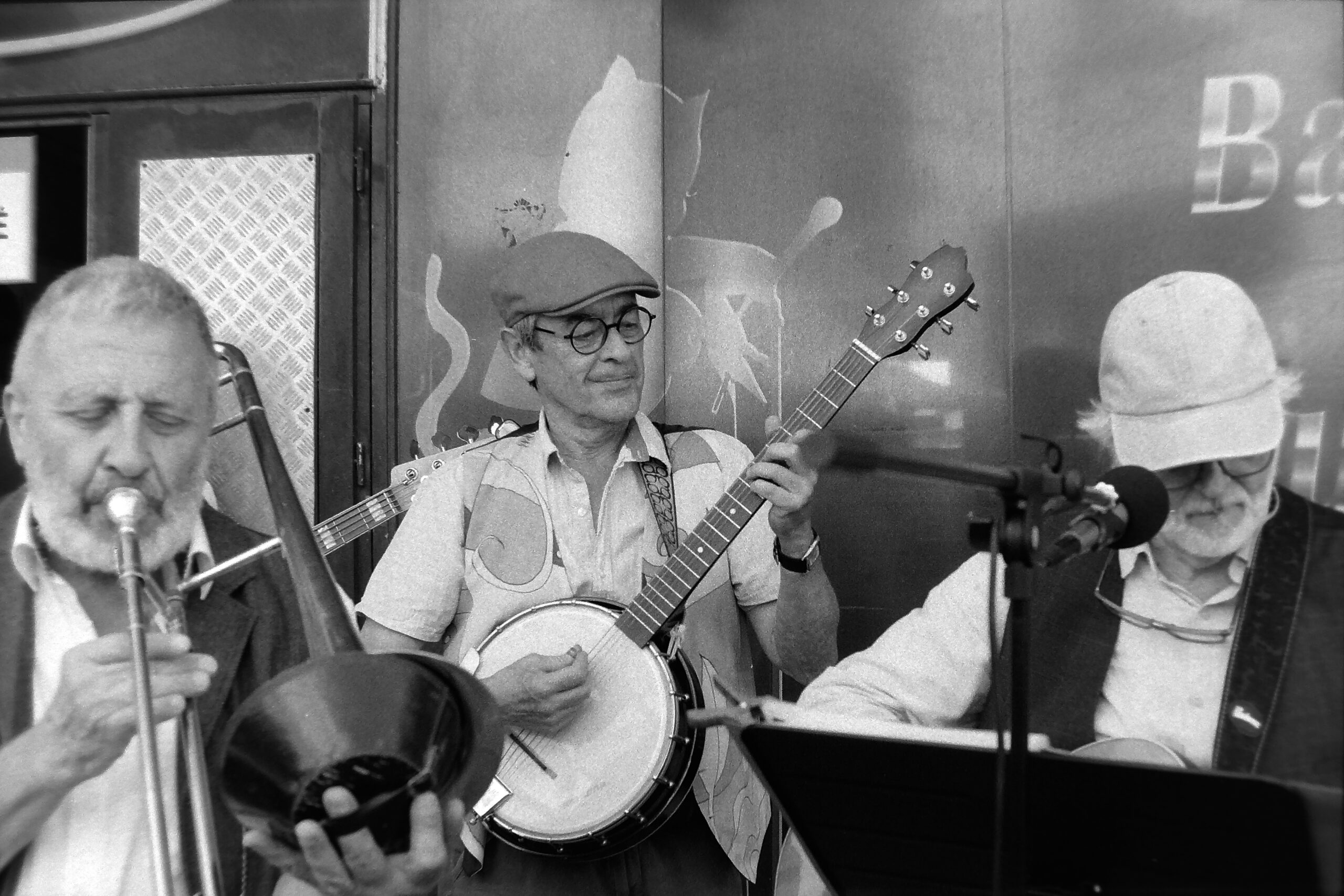
In the contemporary era, Montrichard has seen a shift in the usage of its historic town center. A notable trend involves the repurposing of defunct commercial spaces into multifunctional residential and cultural hubs. A primary example of this is the recent acquisition and conversion of a traditional bar in the city center by local residents. Rather than maintaining the space for commercial hospitality, owners are increasingly transforming these sites into private apartments that double as "headquarters" for local artistic endeavors, such as street bands and musical collectives.
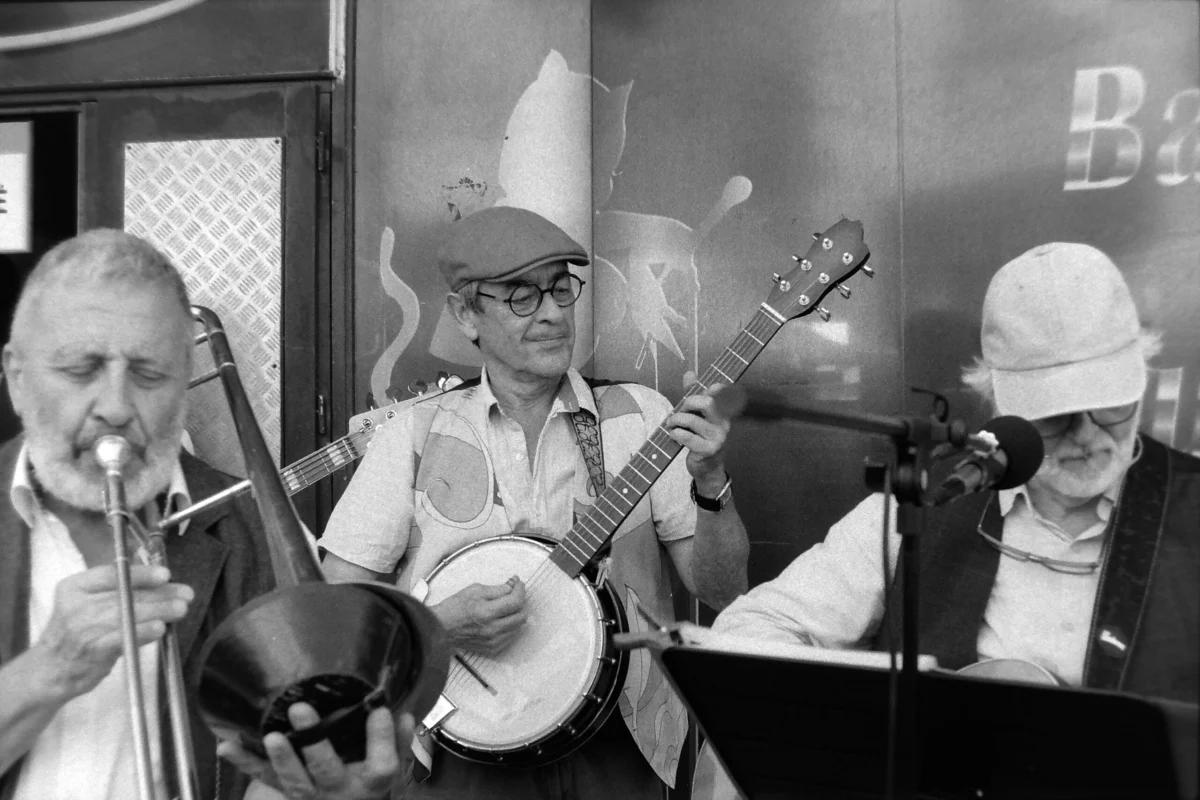
The local street band scene in Montrichard is characterized by its use of eclectic instrumentation and its focus on "roots" music. These ensembles often perform in public squares, bridging the gap between the town’s historical gravity and a festive, community-oriented future. Observers note that these musical operations serve as a form of social glue, revitalizing the town center and providing a platform for intergenerational interaction.
The Washboard: A Technical and Cultural Study of Instrumentation
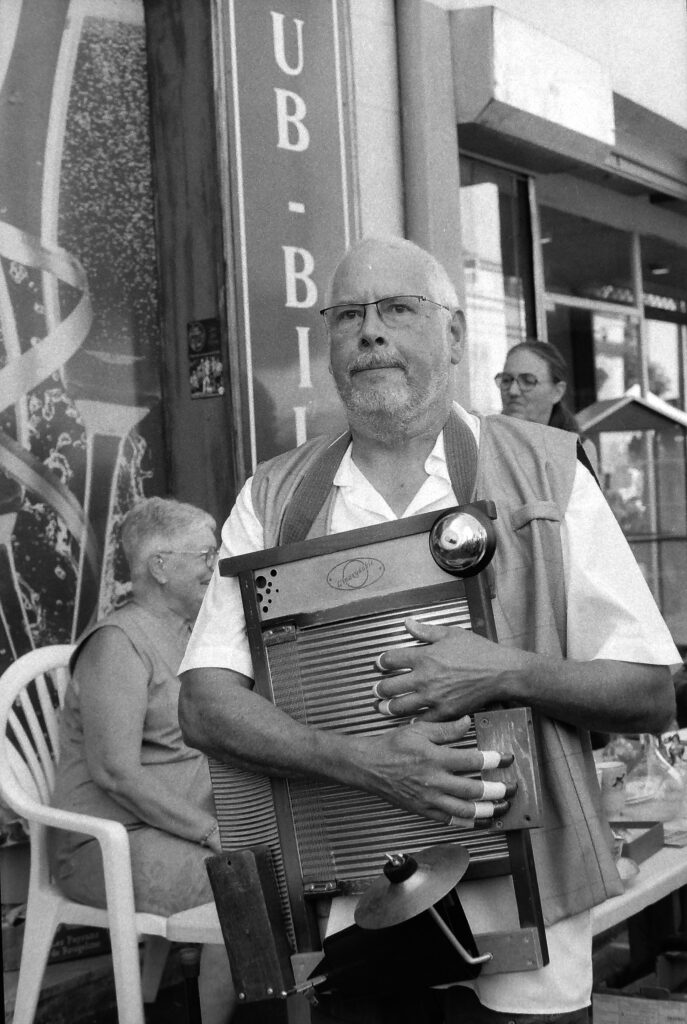
A centerpiece of the Montrichard musical landscape is the inclusion of the washboard, an instrument with deep roots in the American South that has found a surprising home in French street music. The washboard, or "frottoir," transitioned from a domestic cleaning tool to a percussion instrument in the early 20th century, primarily within the New Orleans jazz, blues, and zydeco traditions.
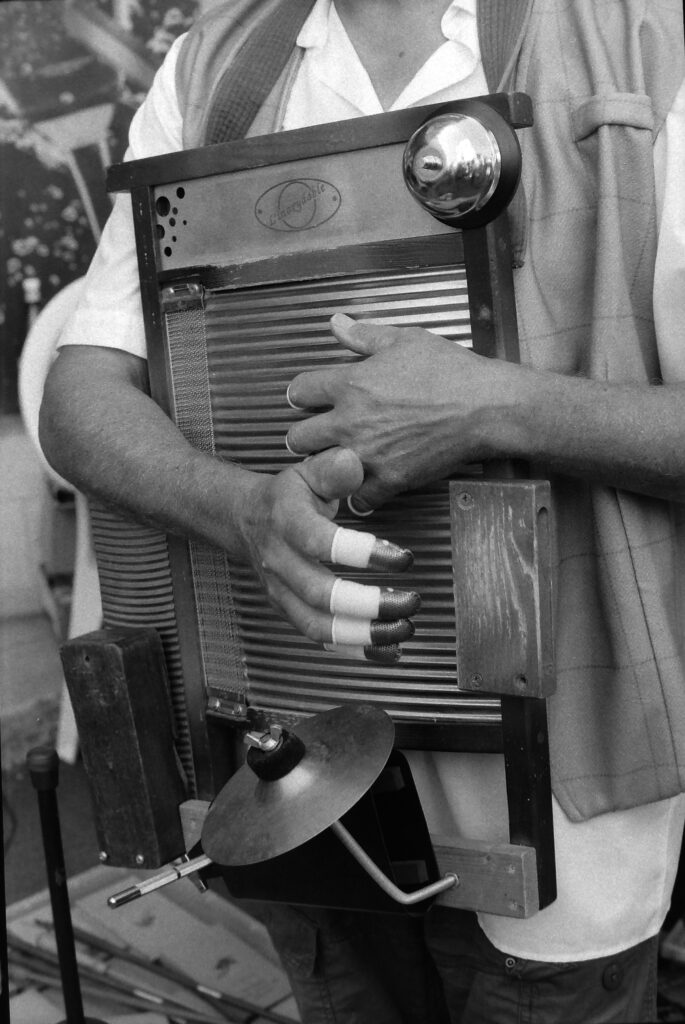
The technical utility of the washboard lies in its ability to provide a complex rhythmic foundation using everyday objects. Musicians in the Montrichard scene utilize thimbles or metal picks to strike the corrugated surface, simulating the sounds of drums, cymbals, and bells. This "found object" philosophy resonates with the historical necessity of early jazz musicians who, often facing economic disenfranchisement, repurposed industrial materials into sophisticated musical tools. The presence of such instruments in central France highlights the global migration of jazz culture and its adaptation into European street performance.
Technical Analysis of Analog Documentation: The Pentax P30 and Agfa APX400
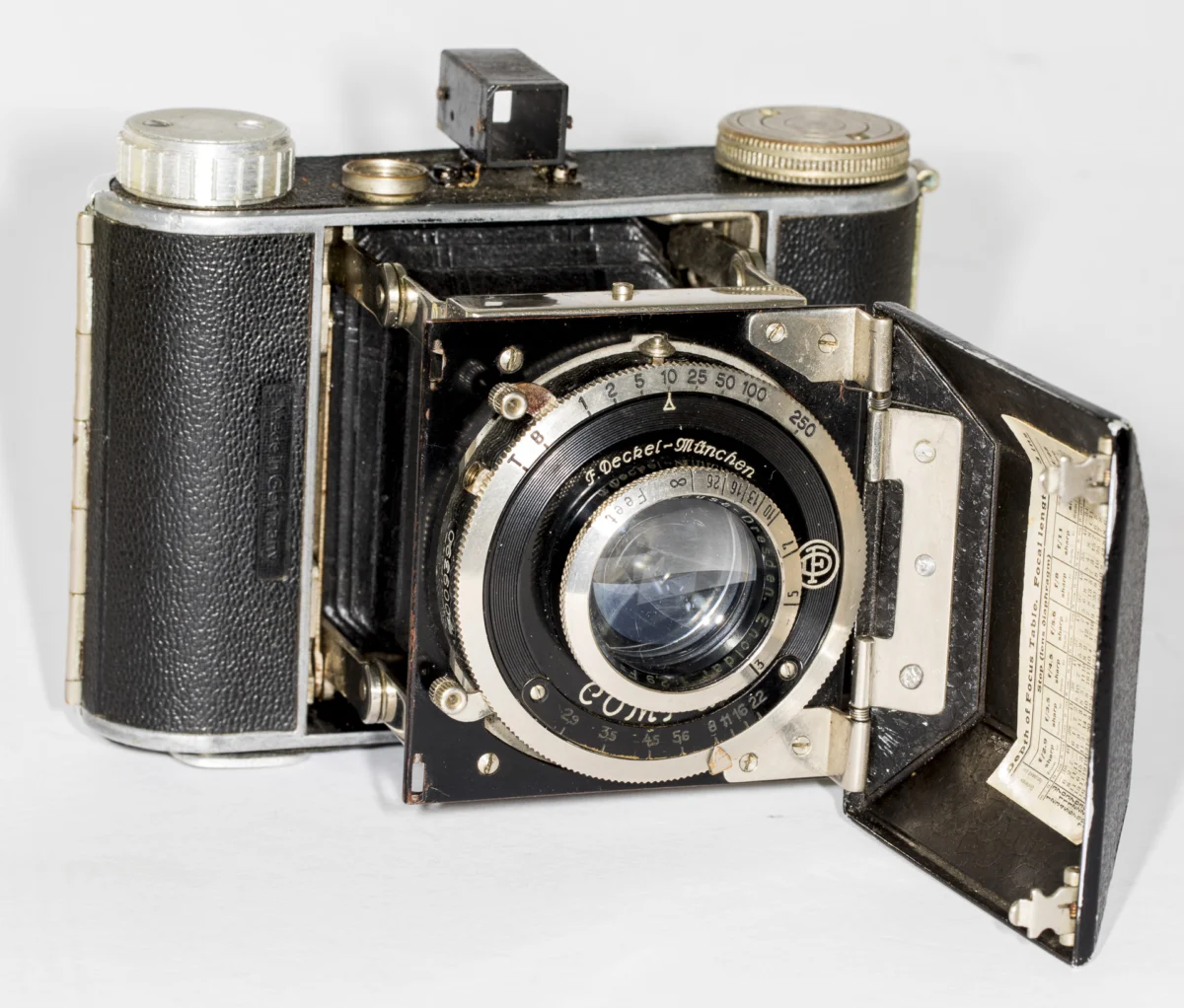
The effort to document these cultural moments recently utilized the Pentax P30, a 35mm SLR camera introduced in the mid-1980s. The P30 is recognized by enthusiasts for its "Programmed AE" (Auto-Exposure) mode and its rugged, utilitarian design, making it a preferred choice for street photography where lighting conditions can be unpredictable. Paired with a 50mm f/1.7 lens, the setup provides a perspective close to human vision with a shallow depth-of-field capability suitable for portraiture in crowded environments.
The choice of film for this documentation—Agfa APX400—is significant. Agfa APX400 is a traditional black-and-white film known for its high speed and distinctive grain structure. Unlike modern T-grain films, APX400 offers a classic aesthetic that aligns with the historical themes of the Montrichard region. However, the film’s versatility also makes it sensitive to variances in chemical processing, as evidenced by recent technical reports from the field.
Chronology of the Development Error and Chemical Reaction
The process of developing analog film is a delicate balance of chemistry, temperature, and time. A recent case study in Montrichard revealed the impact of procedural deviations during the use of Rodinal (p-aminophenol), one of the oldest and most respected film developers in existence.
The standard protocol for Agfa APX400 in Rodinal at a 1:25 dilution typically requires 10 minutes of immersion at a stable temperature of 20°C. In the documented instance in Montrichard, several environmental and human factors led to a significant overdevelopment of the negative:
- Temperature Elevation: The water used for the chemical bath reached 25°C, a 25% increase over the standard operating temperature. In chemical kinetics, higher temperatures accelerate the rate at which the developer reduces silver halide crystals to metallic silver.
- Temporal Deviation: Due to external distractions during the agitation cycle, the film remained in the developer for 12 minutes.
- Compounding Effects: While the photographer initially intended to compensate for the heat by reducing the time to 8 minutes and 30 seconds, the eventual 12-minute soak at 25°C resulted in extreme overdevelopment.
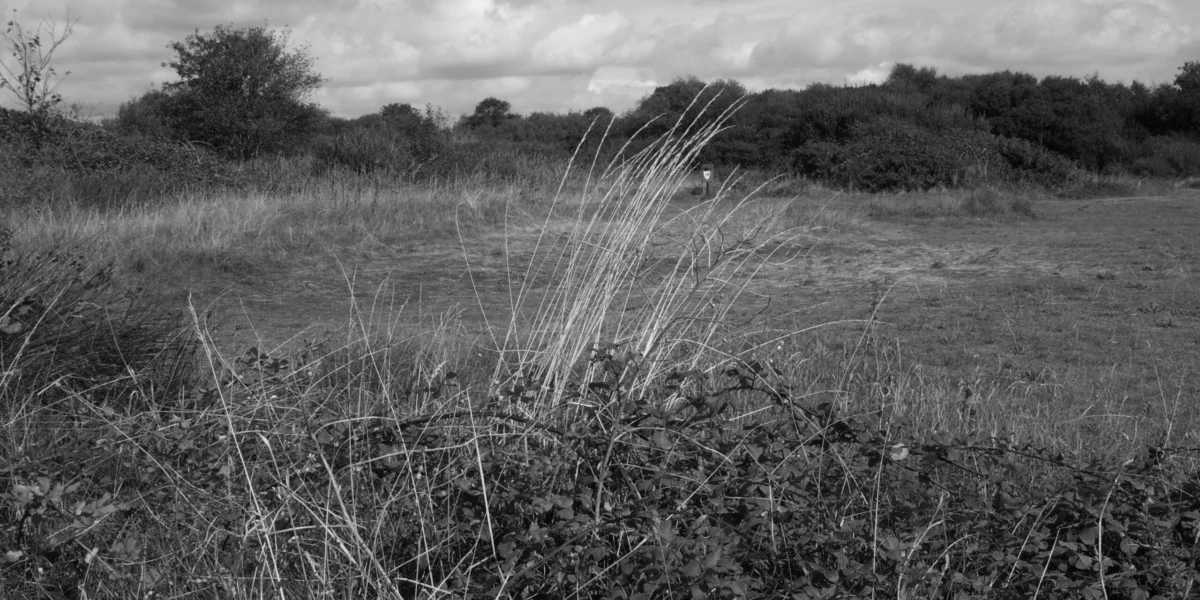
The resulting negatives exhibited "burned" or "blown" highlights, where the densest parts of the negative became nearly opaque, and a significantly enlarged grain structure. This technical "accident" serves as a primary example of how thermal energy and prolonged chemical exposure can alter the archival quality of a photograph.
Digital Recovery and Post-Processing Implications
Despite the technical failures in the darkroom, the application of modern digital recovery tools has allowed for the preservation of these images. Software such as Darktable—an open-source photography workflow application and raw developer—was utilized to "rescue" the overdeveloped frames.
Technicians employed highlight reconstruction algorithms and local contrast adjustments to pull detail back from the dense silver deposits. While the "strong grain" remains a permanent characteristic of the overdeveloped Agfa film, the ability to digitalize and manipulate the histogram allowed for a legible, if aesthetically gritty, record of the event. This hybrid workflow—analog capture followed by digital salvage—is becoming increasingly common among hobbyists and professionals who operate outside of controlled laboratory settings.
Broader Cultural and Social Implications
The activities in Montrichard reflect a broader global trend: the "Analog Renaissance." The resurgence of film photography and acoustic street music suggests a collective desire for tactile, tangible experiences in an increasingly digitized society.
From a sociological perspective, the transformation of a historic bar into a musical headquarters illustrates a shift in how small-town heritage is preserved. Rather than relying solely on state-funded museums, the residents of Montrichard are engaging in "living history," where the artifacts of the past (the buildings, the instruments, and the cameras) are integrated into daily life.
The technical errors in the photography process also offer a commentary on the nature of modern expertise. In an era of "perfect" smartphone imagery, the "grainy" and "burned" images of the Montrichard street band provide a sense of authenticity and "at-the-moment" realism that polished digital photos often lack. The mistakes become part of the narrative of the town—imperfect, resilient, and deeply human.
Conclusion
The commune of Montrichard Val de Cher continues to serve as a microcosm of French history and modern cultural adaptation. Through the lens of a Pentax P30 and the sounds of a New Orleans-style washboard, the town’s legacy of wartime division is being overwritten by a present-day narrative of artistic collaboration. While the technical challenges of analog film processing highlight the difficulties of traditional documentation, the successful recovery of these images ensures that the spirit of Montrichard’s street music and its unique historical identity remain accessible to a wider audience. As the town moves toward 2027 and beyond, the integration of history, music, and chemistry will likely remain a defining feature of its local character.