The west side of Oahu, a region often shrouded in warnings and whispered cautions for outsiders, has become a testament to the enduring power of Hawaiian culture and the profound meaning of the proverb, "E hele me ka puʻolo." This ancient Hawaiian wisdom, translating to "Make every person, place, or condition better than before, always," encapsulates the spirit of generosity, resilience, and deep connection to heritage that photographer and storyteller Paul Nicklen and his partner Cristina Mittermeier discovered, challenging preconceived notions and forging lifelong bonds. Their recent return to the island, a decade after their initial, eye-opening visit, underscores the unwavering strength of this community and its commitment to the aloha spirit, even in the face of persistent challenges.
Challenging the Forbidden Path: An Unexpected Encounter with Generosity
Initial directives from locals and travelers alike painted a stark picture of Oahu’s west side, advising against venturing "to the end of the road." These warnings, often rooted in a desire to protect a way of life increasingly encroached upon by external influences, typically fueled Nicklen’s journalistic instinct. "As a photographer and storyteller, almost always, the gold lies at the end of forbidden locations," he reflected. Armed with expensive camera gear and a looming National Geographic deadline, Nicklen and Mittermeier embarked on a mission to document what they believed to be one of the last bastions of authentic Hawaiian culture. They braced themselves for the "due and deserved suspicion, wariness, and even hostility" they had been forewarned about. However, what they encountered was the antithesis of their expectations: "the generosity, warmth, and unrivalled hospitality from what would become our lifelong ohana." This initial immersion laid the foundation for a decade-long relationship with the community.
Makaha: A Crucible of Tradition and Resilience
The heart of their experience lay in Makaha, a community on Oahu’s westernmost tip. Mornings here begin before dawn, with surfers converging on the shores, their passion a prelude to the island’s awakening. As the sun begins its ascent, the rhythm of local life picks up: coffee brews, music fills the air, and residents navigate the island’s single, often poorly maintained, road. Makeshift tent communities come alive, and the distinct crowing of roosters echoes along the beach. It was in this setting that Nicklen and Mittermeier found themselves, shaded and engaged in conversation with Brian Keaulana, a figure of celebrity status in the surfing world, a seasoned stuntman, and a scion of one of Hawaii’s most esteemed families.

Makaha is more than just a picturesque coastline; it is a vibrant center for the preservation of Hawaiian traditions. Here, surfboard shapers meticulously continue their craft, a deliberate stand against the impersonal efficiency of mass production. Wayfinders are being trained to navigate by the stars, echoing the ancestral voyages that shaped Polynesian civilization. For the community, surfing transcends being merely a sport or a lifestyle; it is deeply ingrained in their identity, flowing through their veins. The majority of Makaha’s residents are descendants of Polynesian voyagers and highly respected watermen and women whose connection to the land and sea is profound and immeasurable.
Guardians of Heritage: Encounters with Cultural Icons
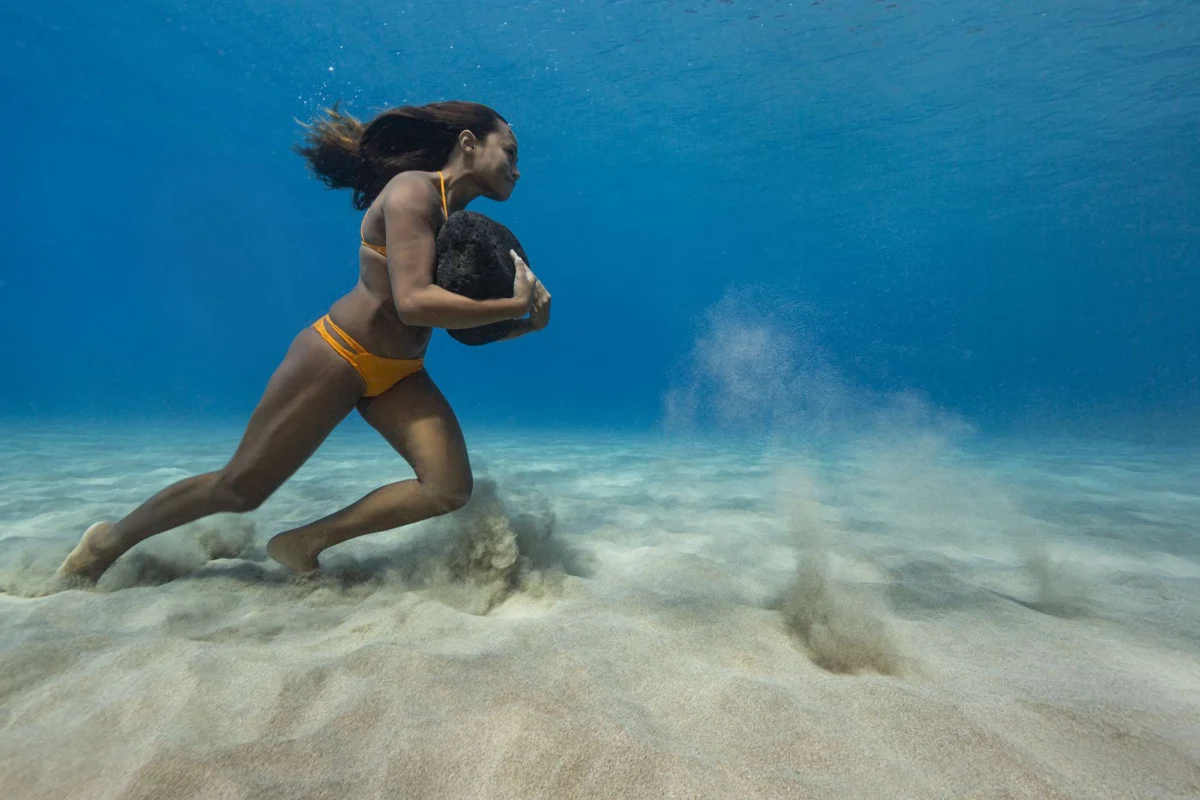
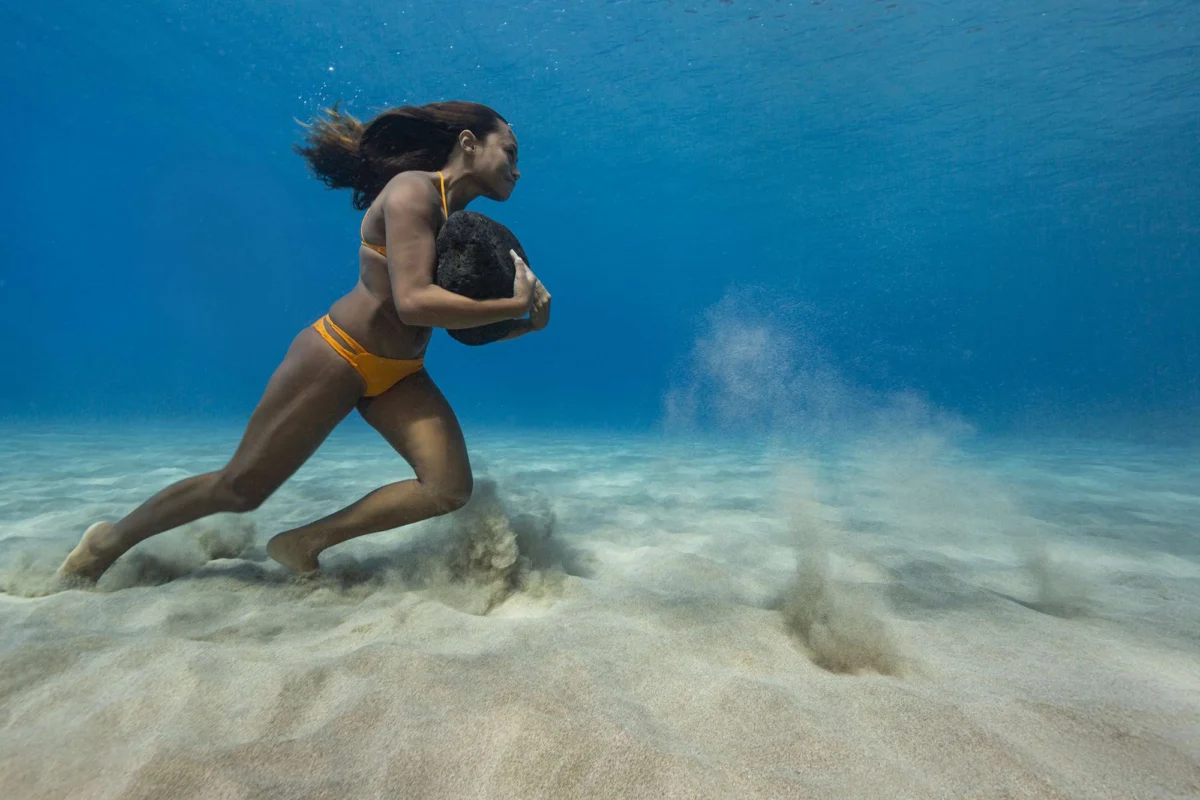
With the invaluable assistance of Brian Keaulana, Nicklen and Mittermeier were afforded the privilege of meeting some of the island’s most influential cultural figures. Among them was Haʻa Keaulana, Brian’s daughter, a surfing prodigy and the granddaughter of the legendary Buffalo Keaulana. Her rigorous training regimen, a testament to her dedication and the community’s values, involved carrying a fifty-pound boulder underwater for an entire minute, with her fellow surfers clinging to her waist in a train formation. This practice, while seemingly extreme, highlights the physical and mental discipline instilled from a young age, fostering strength and resilience.
They also spent time with Suluʻape Keone Nunes, a traditional tattoo artist of immense repute. Nunes shared the profound meanings embedded within each intricate design, illustrating how Hawaiians proudly wear their ancestral stories and cultural narratives etched onto their skin. These encounters provided a deeper understanding of the cultural richness and the fierce pride with which these traditions are guarded. As the article notes, "The more we uncovered about the community’s history, the more we understood why it was guarded with such ferocity against outsiders."
Historical Context: The Shadow of Annexation and the Struggle for Survival
The historical backdrop of Hawaii’s annexation by the United States in 1898 casts a long shadow over the present-day realities of indigenous Hawaiian communities. At the time of annexation, the native Hawaiian population had dwindled to a mere 40,000, a devastating decline attributed to introduced diseases and violent conflicts. For over a century, these communities have meticulously maintained fragile connections to their ancestors and ancestral lands, a heritage carefully passed down through each subsequent generation.

The Makaha communities, in particular, have faced significant adversity. The pervasive issues of addiction, violence, and homelessness have continued to fragment families and challenge the social fabric. Despite these persistent struggles, the core of the community remains deeply intertwined with the natural rhythms of the ocean. Their guarded demeanor, while perhaps misinterpreted by some, stems from a profound understanding of the value and vulnerability of what they possess. This deep-seated connection to their heritage and environment fuels their determination to protect it.
A Decade of Connection: Fulfilling a Promise
The initial visit concluded with Nicklen and Mittermeier departing Hawaii with tear-filled eyes and a solemn promise to their newfound family to return. Ten years later, they had the opportunity to honor that commitment. As they crossed the bridge and approached the familiar coastline, it felt like stepping back in time. The beach was alive with local surfers and beachgoers, the air alive with the sounds of music carried on the golden shores. Nicklen’s reflection on the past – how locals would intuitively reserve parking spots for them – was met with an immediate affirmation of the enduring spirit of welcome.
As if orchestrated by a familiar unseen hand, Moki, a dear friend and local resident, emerged from the roadside, his baby stroller strategically placed to guard a parking space for their car. This simple yet profound gesture, a decade later, spoke volumes about the lasting impact of their initial connection and the unwavering commitment to hospitality. The greeting they received upon exiting their car was a cascade of "Alohas," warm hugs, infectious laughter, and genuine smiles, all under the familiar landmark of lifeguard station 47B. This experience reinforced the profound sense of belonging and acceptance they had found.
The Unwavering Aloha Spirit: Generosity Amidst Hardship
The enduring generosity of the Makaha community, even in the face of ongoing socioeconomic challenges, is a powerful testament to the aloha spirit. This spirit, deeply rooted in Hawaiian culture, embodies a philosophy of unconditional love, compassion, and mutual respect. The article eloquently captures this essence: "You will never find more caring and compassionate people in all the Pacific. To have the courage and strength of heart to remain generous even through hardship, to ensure everyone has a parking spot and shady place to sit – that is the aloha spirit."

This capacity for boundless giving, particularly in communities that have faced historical trauma and persistent struggles, is a significant aspect of their cultural strength. It highlights a community that prioritizes connection and well-being, ensuring that visitors, and especially those who have shown genuine respect and interest, feel welcomed and cared for. This resilience in maintaining such a profound sense of generosity, even amidst the complexities of modern life and historical injustices, is a powerful force.
Data and Implications: The Cultural Significance of Preserving Traditional Practices
The preservation of traditional Hawaiian practices in Makaha, as exemplified by the surfboard shapers and wayfinders, holds significant cultural and economic implications. While specific economic data for Makaha’s traditional crafts is not readily available in public domains, broader trends in cultural tourism and heritage preservation offer insight. According to the Hawaii Tourism Authority, cultural tourism, which emphasizes authentic experiences and engagement with local traditions, is a growing sector. Visitors seeking genuine cultural immersion contribute significantly to local economies, providing sustainable income streams for artisans and practitioners.
The continued practice of these crafts is not merely about economic survival; it is about maintaining cultural identity and continuity. Each surfboard shaped by hand, each star navigated by ancient knowledge, represents a tangible link to ancestral wisdom and a rejection of cultural homogenization. The "E ʻe hele me ka puʻolo" principle is actively demonstrated by the community’s efforts to uplift and support one another, creating a strong social safety net that can buffer against the adverse effects of poverty and external pressures. The dedication of individuals like Brian Keaulana and his family in fostering the next generation of cultural practitioners underscores the long-term vision for community well-being.
The implied analysis of this situation is that the west side of Oahu, and specifically communities like Makaha, serve as vital cultural anchors. Their resilience in the face of historical adversity and contemporary challenges is not only a testament to their strength but also a valuable lesson for broader society on the importance of cultural preservation, community solidarity, and the profound impact of living by principles of generosity and respect. The continued success of these communities hinges on a delicate balance between preserving their unique heritage and navigating the realities of a globalized world. The story of Paul Nicklen and Cristina Mittermeier’s experience is a powerful reminder that understanding and appreciating these cultural nuances are paramount to fostering genuine connections and supporting the enduring spirit of places like Makaha.