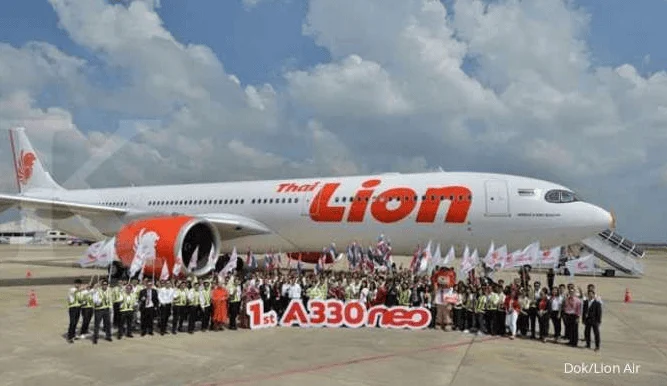
The arrival of two Airbus A330neo aircraft at Don Mueang International Airport on October 7, 2021, marked a transformative era for Thai Lion Air, signaling a strategic pivot toward long-haul international service and enhanced cargo capabilities. These aircraft, delivered directly from the Airbus final assembly line in Toulouse, France, represent the pinnacle of modern wide-body efficiency, specifically tailored to meet the demands of the competitive low-cost carrier (LCC) market in Southeast Asia. The delivery ceremony was characterized by traditional Thai blessing rituals and attended by high-ranking officials, including the French Ambassador to Thailand and the Head of Airbus Thailand, underscoring the diplomatic and economic significance of the fleet renewal.
A Strategic Milestone in Mid-Pandemic Aviation
The timing of the delivery was particularly noteworthy, occurring during a period when the global aviation industry was still grappling with the profound disruptions caused by the COVID-19 pandemic. While many airlines were deferring deliveries or retiring wide-body jets, Thai Lion Air’s decision to proceed with the acquisition of the A330-900 (the "neo" or New Engine Option variant) demonstrated a long-term confidence in the recovery of the Thai tourism sector. The airline’s leadership recognized that the post-pandemic landscape would reward operators who could offer lower seat-mile costs and higher environmental standards.
For Thai Lion Air, a subsidiary of the Indonesian Lion Air Group, the A330neo is not merely an addition to the fleet but a specialized tool designed to bridge the gap between regional narrow-body operations and high-capacity international routes. Prior to this, the airline primarily relied on Boeing 737 aircraft for its domestic and short-haul international network. The introduction of the A330neo allows the carrier to compete directly on high-density routes to North Asia and potentially the Middle East or Oceania, providing a low-cost alternative to full-service legacy carriers.
Technical Superiority: The A330-900 Specifications
The Airbus A330neo is engineered to deliver a 14% increase in fuel efficiency per seat compared to previous-generation aircraft. This is achieved through a combination of advanced aerodynamics and cutting-edge propulsion technology. At the heart of the aircraft are the Rolls-Royce Trent 7000 engines, which utilize a high bypass ratio and advanced materials to reduce fuel consumption and noise signatures.
The aircraft features a modified wing design with an increased span of 64 meters, up from the 60.3 meters of the A330ceo (Current Engine Option). These wings are equipped with composite "Sharklets"—curved wingtip extensions that reduce drag by managing the pressure vortexes at the wingtips. For an airline like Thai Lion Air, these incremental gains in efficiency translate into millions of dollars in annual savings on fuel, which remains the single largest operating expense for any LCC.
Furthermore, the A330neo boasts a maximum take-off weight (MTOW) of 251 tonnes, allowing it to carry significant payloads over distances of up to 7,200 nautical miles (13,334 km). This range capability opens up a vast array of destination possibilities from Bangkok, including non-stop flights to major European hubs or deep into the Australian continent, although the airline’s initial focus remains firmly on the Asian market.
The "Airspace by Airbus" Cabin Experience
While efficiency drives the bottom line, passenger experience remains a critical factor in maintaining brand loyalty. Thai Lion Air’s A330neo fleet is configured in a high-density, single-class layout capable of accommodating up to 436 passengers. While this configuration maximizes revenue potential, the "Airspace by Airbus" cabin philosophy ensures that the passenger experience is not compromised.
The Airspace cabin includes several key innovations:
- Enhanced Personal Space: Re-contoured side panels provide more shoulder room at the window seats.
- Modern Lighting: Full LED ambient lighting systems are utilized to reduce jet lag by simulating natural transitions between day and night.
- Quiet Environment: The A330neo is significantly quieter than its predecessors, thanks to the Trent 7000 engines and improved sound insulation, making it one of the quietest cabins in its class.
- Updated Overhead Bins: The "Airspace" bins are larger than standard wide-body bins, allowing for more carry-on luggage and reducing boarding congestion.
- Advanced Air Filtration: The cabin air is refreshed every two to three minutes using HEPA (High-Efficiency Particulate Air) filters, a feature that became a primary concern for travelers during the health crisis.
Operational Strategy: Routes and Cargo Diversification
Following the formal blessing and induction of the two aircraft, Thai Lion Air outlined a dual-purpose operational strategy. The primary objective is to deploy the A330neo on routes with high passenger demand that were previously served by multiple narrow-body frequencies. By upgauging to a wide-body aircraft, the airline can reduce the number of flight slots used while increasing the total number of seats available, an essential strategy at slot-constrained airports like Bangkok Don Mueang (DMK) and Tokyo Narita (NRT).
Beyond passenger transport, the A330neo is a formidable asset for the air cargo market. The aircraft’s underfloor hold provides substantial volume for palletized freight. During the pandemic, when passenger numbers were low, air cargo became a vital lifeline for airlines. Thai Lion Air intends to leverage the A330neo’s belly-hold capacity to transport e-commerce goods, perishables, and electronics across Asia. The ability to carry heavy cargo over long distances without sacrificing passenger capacity gives Thai Lion Air a competitive edge in the burgeoning logistics sector of Southeast Asia.
Impact on the Thai Aviation Landscape
The introduction of the A330neo into the Thai register has broader implications for the national economy. Thailand’s aviation industry is a cornerstone of its GDP, largely due to the country’s reliance on international tourism. The presence of modern, efficient aircraft like the A330neo lowers the barrier to entry for international tourists, as LCCs can offer more affordable fares compared to traditional carriers.
Moreover, the A330neo supports Thailand’s commitment to environmental sustainability. The aviation sector is under increasing pressure to reduce its carbon footprint. By operating aircraft that emit significantly less CO2 per passenger than older models, Thai Lion Air aligns itself with global "green aviation" initiatives and the Civil Aviation Authority of Thailand’s (CAAT) long-term sustainability goals.
The arrival of these aircraft also signals a competitive challenge to other long-haul low-cost operators in the region, such as AirAsia X and Scoot. The "war for the skies" in the long-haul LCC segment depends heavily on who can operate the most efficient fleet. With the A330neo, Thai Lion Air has positioned itself at the forefront of this technological race.
Chronology of Fleet Development
The delivery of these two units is part of a broader fleet renewal program. The history of Thai Lion Air, established in 2013 as a joint venture, has been characterized by rapid growth. Starting with just two Boeing 737-900ERs, the airline quickly expanded its domestic footprint before looking toward international horizons.
The transition to Airbus wide-body aircraft represents a significant departure from the Group’s traditional reliance on Boeing. However, the move was driven by the specific performance metrics of the A330neo in the tropical climate and high-utilization environment of Southeast Asia. The logistics of the delivery involved a multi-day journey from Toulouse, involving ferry flights across continents, highlighting the global nature of aircraft procurement and the complex supply chains involved in modern aerospace.
Conclusion: Preparing for the Future of Flight
The induction of the first two Airbus A330neo aircraft is a defining moment for Thai Lion Air. It represents the intersection of technological innovation, strategic foresight, and economic resilience. As international borders continue to stabilize and travel demand returns to pre-pandemic levels, these "game-changing" aircraft will be the workhorses of Thai Lion Air’s international network.
With the A330neo, the airline is better equipped to offer passengers a blend of affordability and modern comfort, while providing the company with the operational flexibility needed to navigate a volatile global market. The blessing ceremony at Don Mueang was not just a welcome for two new planes; it was a celebration of the airline’s readiness to take its place as a major player in the international long-haul arena, supporting Thailand’s status as a premier global aviation hub. The industry will be watching closely as Thai Lion Air utilizes these assets to redefine the possibilities of low-cost, long-distance travel in the years to come.