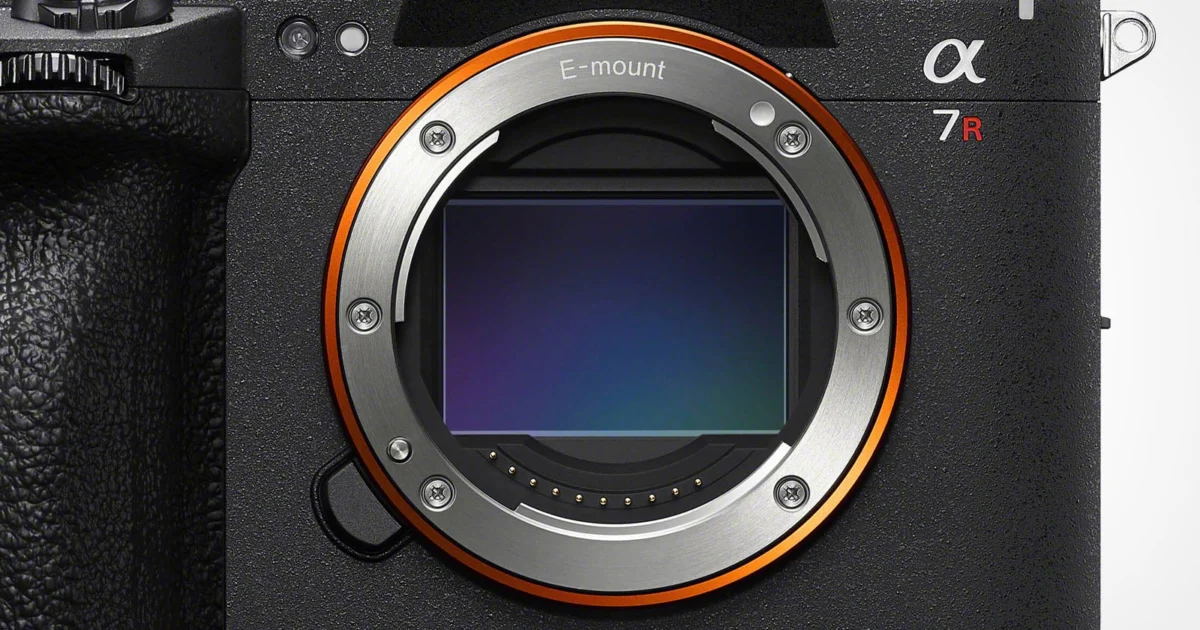
Sony has officially unveiled a list of its E-Mount License Partners, marking a significant development in the company’s approach to its widely adopted mirrorless camera system. This new public disclosure signifies a formalized tier system within the E-mount ecosystem, where basic specifications of the mount are made available to companies that meet specific, though currently undisclosed, qualification criteria predefined by Sony. While the E-mount has long been celebrated for its "open" nature, this move indicates a strategic shift towards a more structured collaboration with third-party lens manufacturers, potentially influencing the future landscape of the mirrorless photography market.
The E-Mount’s "Open" Philosophy: A Decade of Growth and Innovation
The Sony E-mount was first introduced in 2010 with the NEX-3 and NEX-5 APS-C mirrorless cameras, signaling Sony’s ambitious entry into the burgeoning mirrorless market. Its defining characteristic, a remarkably short flange focal distance, offered considerable flexibility for lens design and adapter compatibility, quickly making it a favorite among enthusiasts and professionals alike. The platform gained significant traction with the launch of the full-frame Alpha 7 and Alpha 7R series in 2013, which rapidly established Sony as a dominant force in the professional mirrorless segment.
From its inception, Sony has consistently championed the E-mount as an "open" system, a stark contrast to the more tightly controlled ecosystems typically associated with traditional DSLR manufacturers. This philosophy was not merely rhetorical; it actively encouraged third-party manufacturers to develop lenses for its cameras without the stringent licensing requirements seen elsewhere. Sony executives have frequently articulated to publications like PetaPixel that this openness fostered healthy competition, which ultimately benefited visual creators by expanding lens choices and driving innovation. The company has often framed this approach as a "strong point" for the Alpha system, contributing significantly to its rapid market penetration and robust ecosystem.
This strategy proved highly successful, attracting a diverse range of lens manufacturers from established optical giants like Zeiss and Sigma to newer, more agile companies specializing in niche or budget-friendly options. The sheer breadth of E-mount lenses, encompassing everything from high-end cinema glass to affordable manual focus primes, became a key selling point for Sony’s mirrorless cameras, offering users unparalleled flexibility and choice. This organic growth, fueled by both Sony’s native lens development and a vibrant third-party market, solidified the E-mount’s position as one of the most dynamic and comprehensive lens mounts in modern photography.
Formalizing Collaboration: The E-Mount License Partner Program
The publication of the E-Mount License Partners list, however, introduces a new layer of formalization to this previously informal "open" environment. While Sony does not explicitly prevent any manufacturer from producing E-mount lenses, the establishment of this official partnership program clearly delineates between companies that engage directly with Sony and those that operate independently. The core benefit for these official partners is the disclosure of "basic specifications" of the E-mount, presumably including critical electronic communication protocols and mechanical tolerances, which are essential for seamless lens-camera interaction.
This direct access to proprietary information is a substantial advantage, potentially enabling licensed manufacturers to integrate their lenses more deeply with Sony’s camera bodies. It suggests a collaborative environment where technical issues can be resolved more efficiently, and future camera advancements can be incorporated into lens designs proactively rather than reactively. While the specific "qualification criteria predefined by Sony" remain undisclosed, it is reasonable to infer that these criteria likely encompass factors such as manufacturing capabilities, quality control standards, market presence, and potentially a commitment to ongoing technical collaboration.
The introduction of this formal licensing structure positions Sony in an interesting middle ground compared to its primary competitors. Canon’s RF mount has been notably closed, with very limited official third-party support, leading to a largely proprietary lens ecosystem. Nikon’s Z mount, while initially cautious, has recently begun to open up more to select third-party manufacturers. Sony’s E-mount, having always been more accessible, now introduces a tiered system that acknowledges and formalizes its most crucial partnerships, while still allowing for broader, albeit less integrated, third-party participation.
Who’s In and Who’s Out: Analyzing the Partner List
The list of official E-Mount License Partners offers both expected inclusions and some intriguing surprises, while also highlighting notable absences that underscore the implications of this new structure.
Expected Allies:
Many of the names on the list are long-standing collaborators or prominent players in the lens manufacturing industry, whose inclusion was widely anticipated.
- Tamron and Sigma: These two Japanese optical powerhouses have been instrumental in expanding the E-mount lens lineup, offering a wide array of high-quality, often more affordable alternatives to Sony’s native glass. Their strong engineering capabilities and extensive product catalogs make them natural fits for official partnership, allowing for deeper integration and faster development cycles.
- Zeiss and Cooke: Renowned for their premium optics, particularly in the cinema and high-end photography segments, Zeiss and Cooke (under the Cooke Optics banner) bring prestige and specialized solutions to the E-mount. Their partnership likely focuses on maintaining the highest optical standards and ensuring compatibility with Sony’s professional cinema cameras and high-resolution Alpha bodies.
- Kenko Tokina, Cosina, and LK Samyang (Rokinon/Samyang): These companies represent a diverse range of lens offerings, from adapters and accessories (Kenko Tokina) to classic manual focus lenses (Cosina’s Voigtländer and Zeiss Classic lines) and increasingly sophisticated autofocus options (Samyang). Their inclusion signifies Sony’s commitment to a broad and varied lens ecosystem that caters to different photographic needs and budgets.
Surprising Entrants:
Two names on the list stand out as particularly noteworthy and unexpected for many in the photographic community:
- Fujifilm: While primarily known for its competing X-mount and GFX systems, Fujifilm’s inclusion is specifically tied to its Fujinon cinema lenses for E-mount. These high-performance, specialized optics, often available through special order, cater to the professional video production market where Sony’s Venice and Alpha series cameras are widely used. This partnership highlights the cross-pollination that can occur even between direct camera competitors when it comes to specialized equipment and market demand.
- Thales (Angenieux): Thales, the parent company of the legendary Angenieux brand, is synonymous with ultra-premium cinema lenses. Angenieux lenses are known for their exceptional optical quality, robust build, and distinctive "Angenieux look," making them a favorite among cinematographers. Their presence on the list underscores the E-mount’s strong foothold in the professional video production sector and Sony’s commitment to supporting high-end filmmaking tools.
Notable Absentees:
Perhaps the most significant aspect of the list is the absence of several prominent Chinese lens manufacturers who have rapidly gained market share with their innovative and often budget-friendly E-mount lenses. Brands such as Viltrox, Venus Optics (Laowa), 7Artisans, and TTArtisan are conspicuously missing. These companies have largely relied on reverse engineering the E-mount specifications to produce their lenses, a common practice in the industry. Their exclusion from the official partner list implies that they do not currently meet Sony’s undisclosed qualification criteria or have not sought formal partnership, electing instead to continue their independent development path. This distinction is crucial, as it suggests a different level of technical support and integration compared to the licensed partners.
The Unlicensed Path: Challenges and Historical Precedents
For manufacturers not on Sony’s official list, the path to E-mount lens development remains open, but it continues to be characterized by reliance on reverse engineering. This process involves meticulously analyzing existing E-mount lenses and cameras to deduce the communication protocols and mechanical interface specifications. While often successful, this method inherently carries greater risks and limitations compared to having direct access to official data.
Case Study: The a7 V and Viltrox Compatibility Incident
A recent incident in late 2025 vividly illustrated some of the challenges faced by unlicensed third-party manufacturers. Reports emerged from content creators experiencing compatibility issues with the then-new Sony a7 V camera when used with certain Viltrox lenses. Users reported erratic autofocus behavior, aperture control problems, and even camera freezes, leading to speculation that Sony might have intentionally introduced changes to block unauthorized third-party lenses.
However, PetaPixel investigated these claims and initially posited that such issues were more likely unintended consequences of new camera technology rather than a deliberate move by Sony. This assessment was subsequently confirmed by both Sony and Viltrox. Sony clarified that it had not intentionally "bricked" third-party lenses, and Viltrox acknowledged the issues, attributing them to compatibility challenges with the a7 V’s advanced processing and communication systems. Within weeks, Viltrox released firmware updates for its affected lenses, successfully resolving the compatibility problems with the high-resolution camera. This incident served as a powerful example of how the lack of direct engineering access can lead to reactive rather than proactive problem-solving for unlicensed brands, potentially causing temporary inconvenience for consumers.
The Nikon-Viltrox Patent Spat
Beyond technical compatibility, the independent development path can also carry legal risks. The recent patent lawsuit filed by Nikon against Viltrox in 2026, which Nikon ultimately lost, serves as a pertinent example. While unrelated to Sony’s E-mount, this case highlights the intellectual property complexities involved when manufacturers develop products without formal licensing agreements. Although Sony has historically maintained a more permissive stance than Nikon in this regard, the potential for such disputes underscores the strategic value of formal partnerships.
Strategic Implications for Sony and the Broader Market
The establishment of the E-Mount License Partner program carries significant strategic implications for Sony, the broader lens market, and ultimately, for consumers.
Sony’s Vision for E-Mount: By formalizing partnerships, Sony can better guide the evolution of its E-mount ecosystem. This move allows Sony to ensure a baseline level of quality and compatibility for a significant portion of third-party lenses, which directly reflects on the overall user experience of its Alpha system. It provides a mechanism for deeper collaboration on future technologies, such as advanced autofocus systems, in-body image stabilization, or new video features, ensuring that licensed partners’ lenses can fully leverage Sony’s latest camera innovations from day one. This proactive collaboration can strengthen the E-mount’s reputation for seamless performance and innovation.
Market Dynamics and Competition: This tiered approach could lead to a differentiation in the market. Licensed partners, with their direct access to Sony’s specifications and engineers, might be able to offer more robust, fully integrated, and rapidly updated lenses. This could position them as premium third-party alternatives. Unlicensed brands, while potentially continuing to offer highly competitive pricing, might face ongoing challenges in ensuring day-one compatibility with new Sony camera bodies or firmware updates, and their development cycles for new features might be slower as they rely on reverse engineering. This creates a more structured competitive landscape, where "official" backing could become a significant marketing advantage.
Consumer Impact: For consumers, the official partner list offers increased clarity. While the E-mount remains "open," users now have a clearer understanding of which third-party lenses benefit from direct manufacturer collaboration. This could influence purchasing decisions, with some users prioritizing the assured compatibility and potential future-proofing offered by licensed partners, even if it comes at a slightly higher price point. Conversely, the market for more affordable, independently developed lenses will likely continue to thrive, catering to budget-conscious photographers willing to accept potential, albeit usually solvable, compatibility quirks. The disclaimer from Sony, "It does not guarantee the compatibility or quality of all functions. For quality assurance, please contact the license partner," is a critical piece of information for consumers, emphasizing that even with licensed partners, the ultimate responsibility for lens performance rests with the lens manufacturer.
Future Outlook and Unanswered Questions
The announcement of Sony’s E-Mount License Partner program marks a pivotal moment in the E-mount’s history, signaling a shift from a purely informal "open" policy to a more structured, collaborative ecosystem. While the core promise of E-mount’s accessibility remains, the formalization introduces a nuanced layer of partnership that could redefine relationships within the industry.
Several key questions remain unanswered, and their eventual clarification will further shape the understanding of this initiative. PetaPixel has reached out to Sony for more detailed information regarding the specific benefits of being an official license partner beyond direct access to specifications, as well as the "qualification criteria" that companies must satisfy to join the program. Understanding whether there are any associated costs, such as administrative fees or licensing royalties, would also provide crucial insight into the economic mechanics of this new system.
The long-term impact on the E-mount ecosystem will be fascinating to observe. Will more independent manufacturers seek official partnership? Will the distinction between licensed and unlicensed lenses become a major factor in consumer choice? How will this move influence the innovation cycles of both Sony and its third-party collaborators?
Ultimately, Sony’s move appears to be a strategic effort to maintain the E-mount’s robust and diverse ecosystem while simultaneously exerting a degree of quality control and fostering deeper technical collaboration with key partners. In a rapidly evolving mirrorless market, this formalized approach could solidify the E-mount’s position as a benchmark for versatility, innovation, and comprehensive lens support, ensuring its continued relevance and appeal to visual creators worldwide.