In a recent expedition to India’s premier wildlife sanctuaries, professional nature photographer Keenan Hursh conducted a rigorous field comparison of Canon’s two leading full-frame mirrorless cameras, the EOS R5 and its successor, the EOS R5 Mark II. The intensive workshop, which saw Hursh guiding photographers through the challenging and rewarding landscapes of Bandhavgarh and Kanha National Parks, provided an unparalleled real-world testing ground for these advanced imaging systems, particularly in the demanding discipline of wildlife photography. This direct, side-by-side evaluation highlights the accelerating pace of camera technology and its profound impact on capturing fleeting moments in the natural world.
The Evolving Landscape of Wildlife Photography Technology
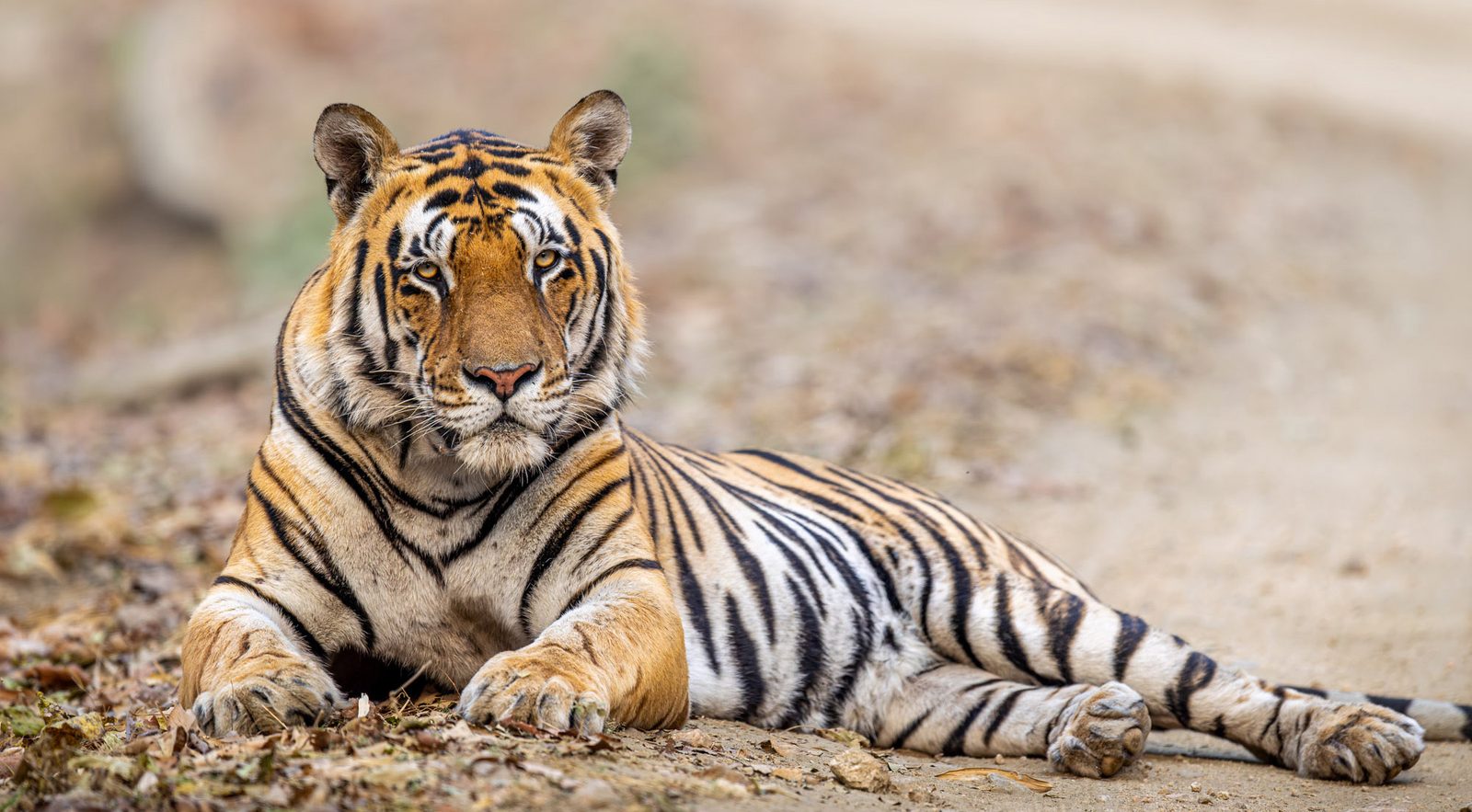
Wildlife photography, an art form that demands immense patience, skill, and often, a degree of fortune, has been radically transformed by advancements in camera technology over the past two decades. The shift from traditional DSLRs to mirrorless systems has ushered in an era of unprecedented capabilities, making it possible for photographers to achieve shots that were once considered technically unfeasible. Key innovations driving this revolution include sophisticated autofocusing systems, superior low-light performance, dramatically increased burst speeds, the introduction of pre-capture functions, high-resolution electronic viewfinders (EVFs), and the integration of stacked sensors. These features collectively enable photographers to react faster, capture more detail in adverse conditions, and secure decisive moments with greater consistency.
Keenan Hursh, a seasoned professional who regularly experiences these technological leaps, noted the staggering difference between his current setup and the gear he started with. While general photography has benefited, wildlife photography, with its unpredictable subjects and often rapidly changing environments, has seen perhaps the most significant gains. The ability to track fast-moving animals with precision, shoot silently at high frame rates, and capture frames even before the shutter button is fully pressed has fundamentally altered what is achievable in the field.
The Indian Expedition: A Premier Testing Ground
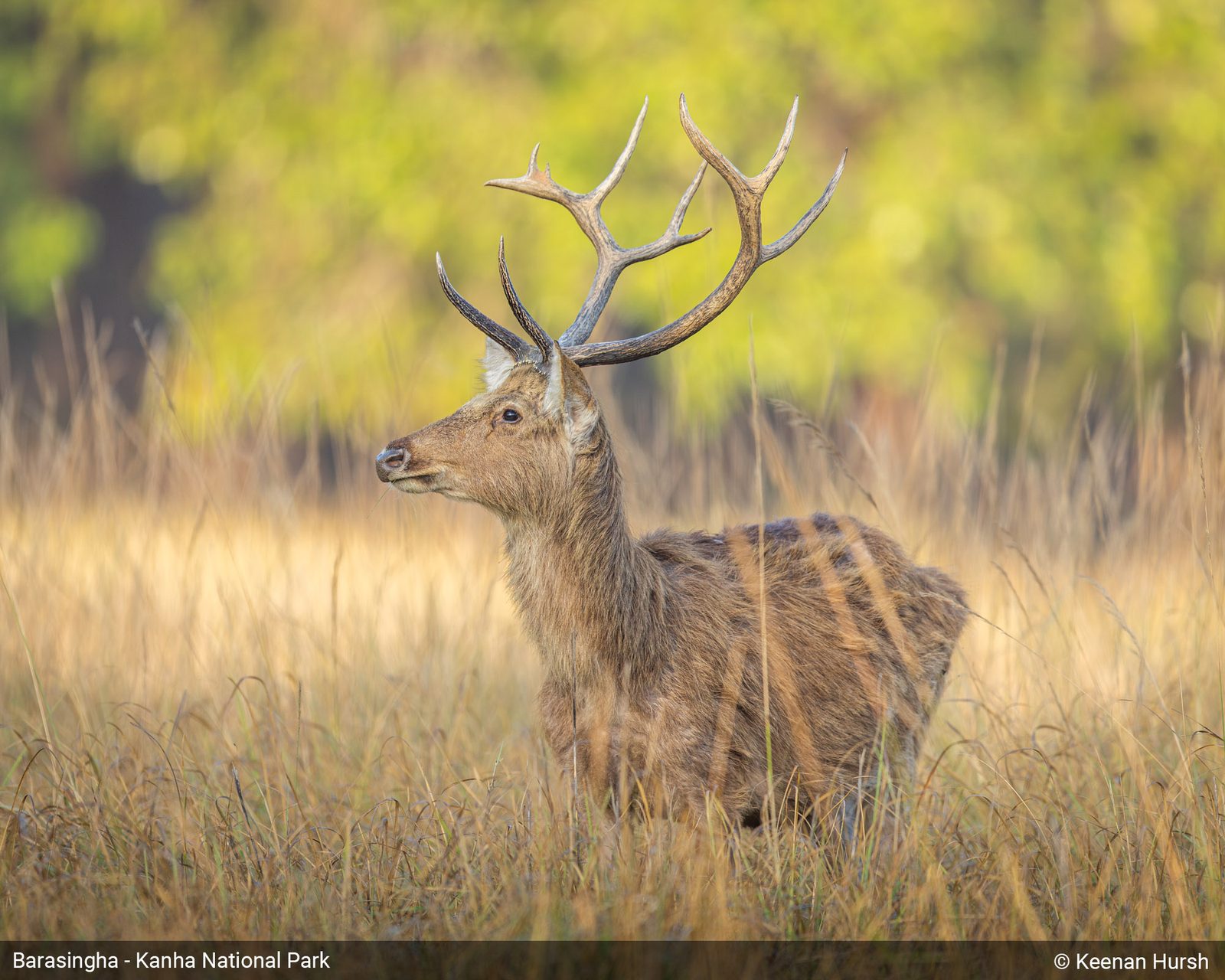
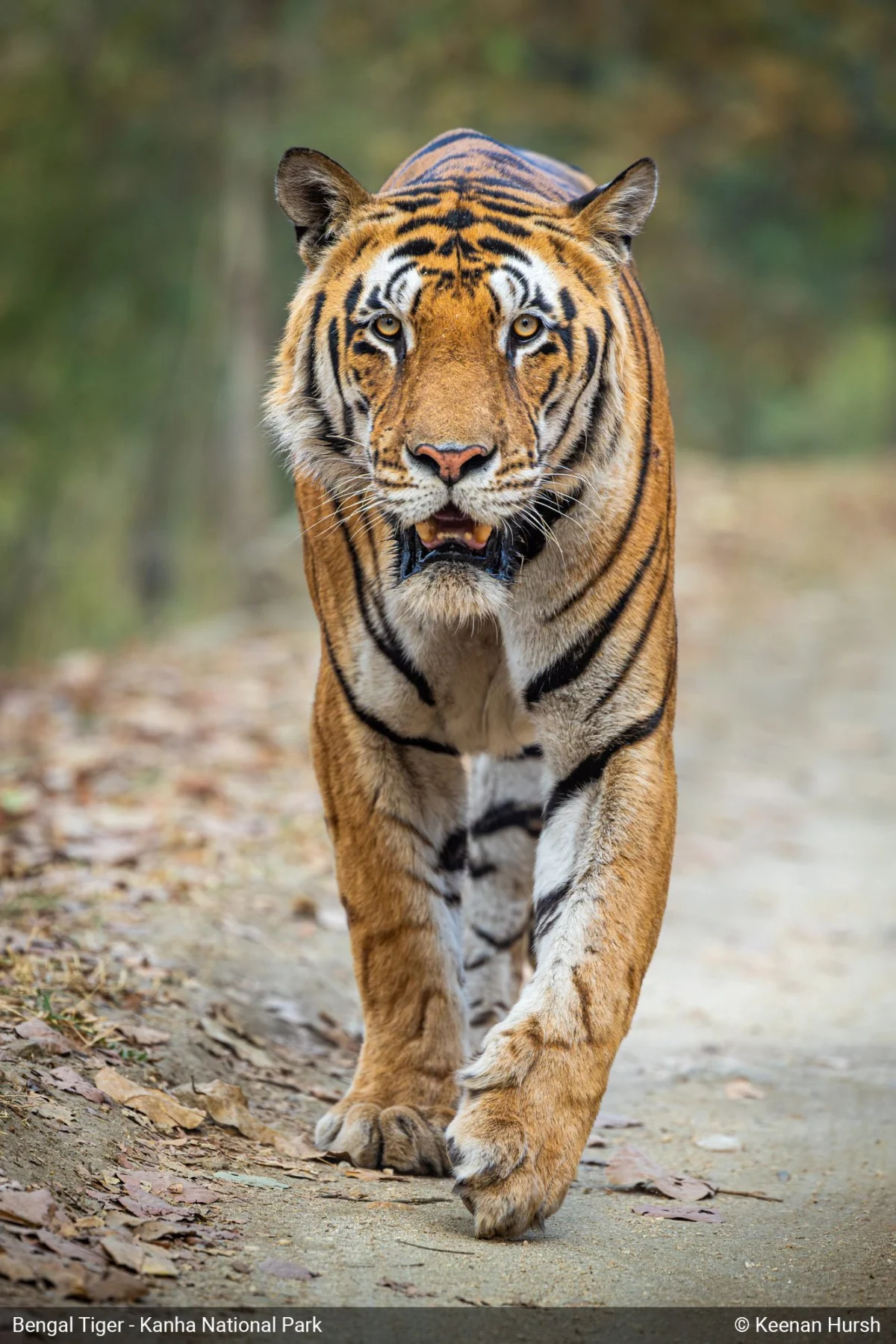
As a photography trip leader for Backcountry Journeys, Hursh frequently travels to some of the planet’s most iconic natural photography destinations. His recent "Tiger Safari" workshop in India represented a deeply personal and professional milestone. The expedition focused on Bandhavgarh and Kanha National Parks, situated in Madhya Pradesh, renowned globally as some of the finest locations for observing and photographing Bengal tigers in their wild habitat.
The 10-day itinerary involved daily safari drives through these ecologically rich parks. Bandhavgarh, known for its high tiger density and historical significance, offers diverse photographic opportunities, from dense forests to ancient ruins. Kanha, with its sprawling meadows and sal forests, provides a different character, often allowing for broader landscape shots alongside wildlife. This dual-park approach offered a comprehensive range of lighting conditions, vegetation types, and animal behaviors, making it an ideal environment for evaluating camera performance under varied real-world scenarios.
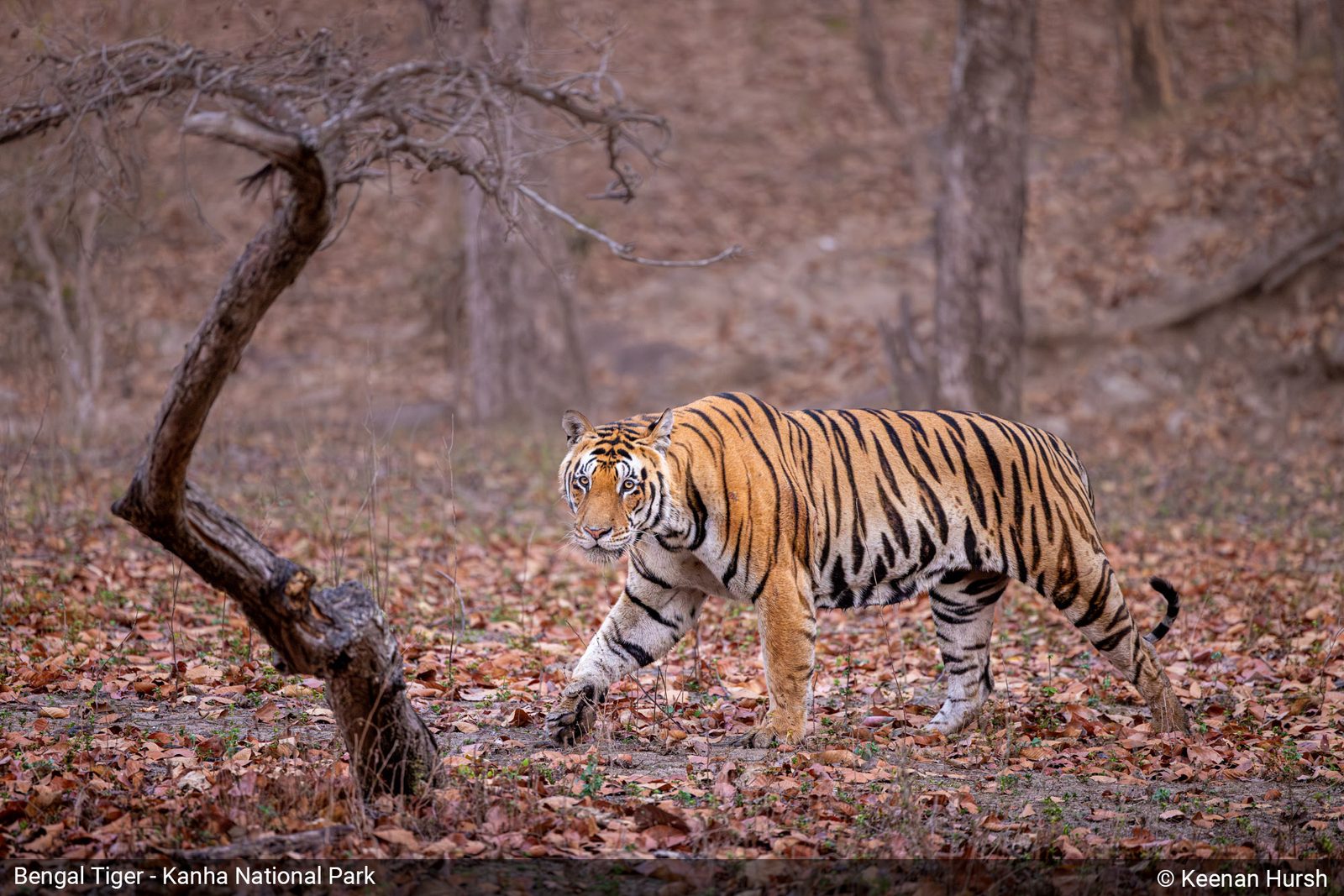
During the workshop, participants, including Hursh, were rewarded with an impressive 15 individual tiger sightings, exceeding initial expectations. Beyond the majestic tigers, the group successfully photographed numerous other mammal species and a wide array of birds, underscoring the parks’ rich biodiversity. For Hursh, who expressed a long-held dream of photographing tigers, the trip was a "version of heaven on earth," leading to the capture of many "new species" within the first day alone. The demanding nature of tracking elusive wildlife, often in low light or through challenging foliage, highlighted the critical role of advanced camera equipment. The logistical considerations of international travel and local flight weight restrictions also necessitated a strategic selection of a comprehensive photography kit, including various telephoto lenses and essential accessories designed to maximize photographic success.
Canon EOS R5: A Benchmark of Mirrorless Excellence
Upon its release in July 2020, the Canon EOS R5 rapidly established itself as a groundbreaking camera, defining new standards for full-frame mirrorless systems. Hursh, having owned two R5 bodies for several years, has extensively used them across diverse photographic genres and extreme conditions, from high-speed action to long-exposure astrophotography, and in temperatures ranging from scorching deserts to sub-freezing environments.
Technical Specifications and Observed Strengths:
The EOS R5 features a 45-megapixel full-frame CMOS sensor paired with Canon’s powerful DIGIC X image processor. It boasts a sophisticated Dual Pixel CMOS AF II system, incorporating Deep Learning technology for highly effective subject and eye detection, particularly for animals. The camera offers a maximum burst rate of 12 frames per second (fps) with its mechanical shutter and an impressive 20 fps with its electronic shutter. Its in-body image stabilization (IBIS) system provides up to 8 stops of correction, a critical feature for sharp images with long telephoto lenses or in low light. Video capabilities include uncropped 8K RAW recording.
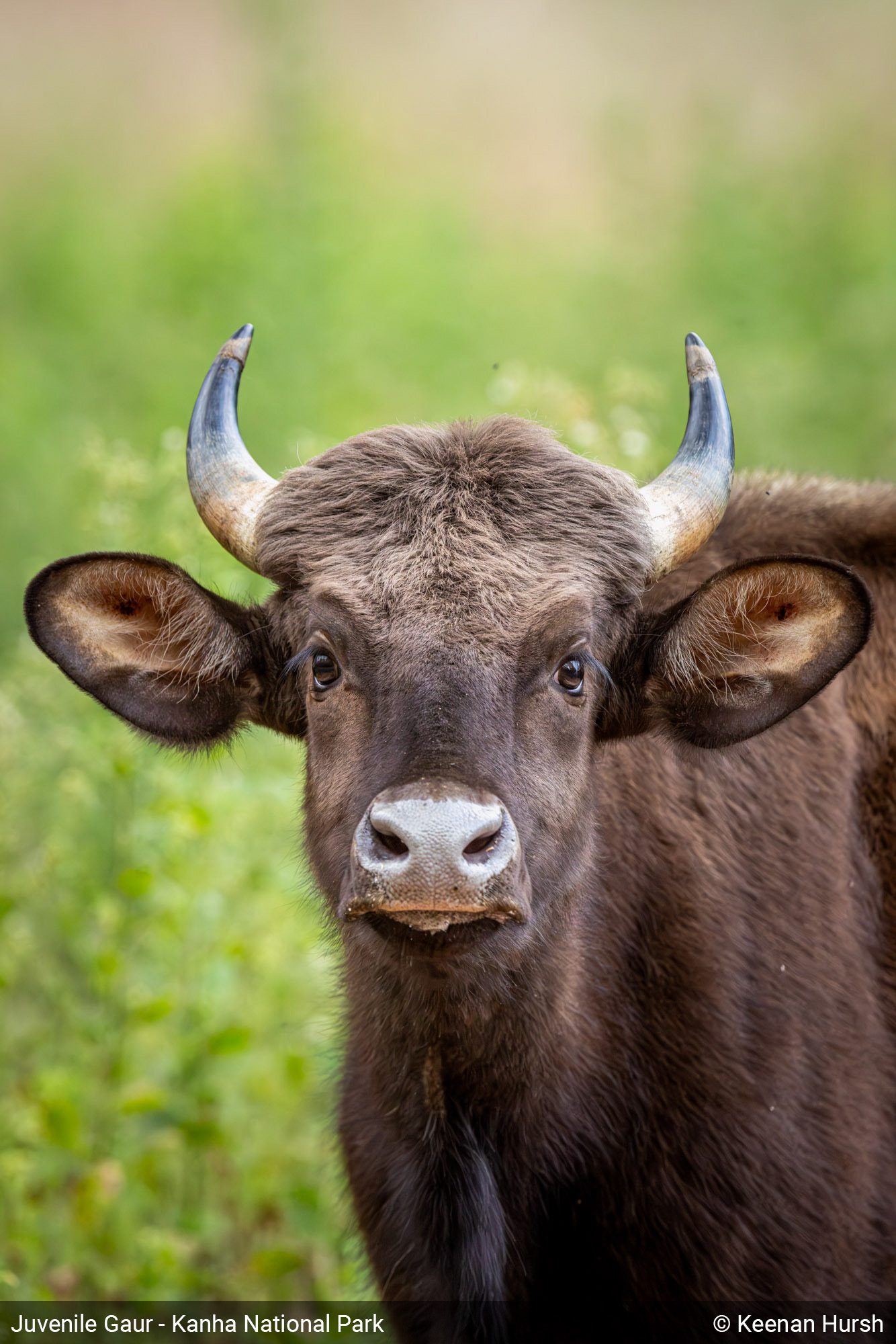
In the context of wildlife photography, Hursh consistently found the R5 to be a highly capable instrument. Its AI-assisted autofocus proved robust, offering reliable and accurate subject and eye detection. The 45MP sensor delivered high-resolution images, providing ample detail for cropping and large prints, while its low-light performance allowed for the use of higher ISO values with manageable noise. The IBIS further contributed to image sharpness, even when hand-holding telephoto lenses. For years, the R5 has been a cornerstone of professional wildlife setups, enabling the capture of numerous exceptional images.
Identified Areas for Improvement:
Despite its numerous strengths, Hursh, after extensive field use, noted several aspects where the R5 could be refined. The default method for switching between photo and video modes was identified as cumbersome, potentially causing missed opportunities in fast-paced wildlife encounters. Furthermore, when utilizing the electronic shutter – a common practice in wildlife photography for its silence and speed – the R5 provides no auditory feedback, making it difficult for photographers to confirm image capture without constant visual checks. The presence of brief "blackout moments" in the electronic viewfinder during continuous shooting was another point of observation, interrupting the continuous view of the subject. While the autofocus system was generally strong, Hursh reported instances where it could be "jumpy" or occasionally struggled to consistently identify and lock onto subjects or their eyes, suggesting room for enhanced precision and stickiness. These minor complaints, though not deal-breakers, collectively represented opportunities for future iterations.
Canon EOS R5 Mark II: Iterative Innovation and Enhanced Capabilities
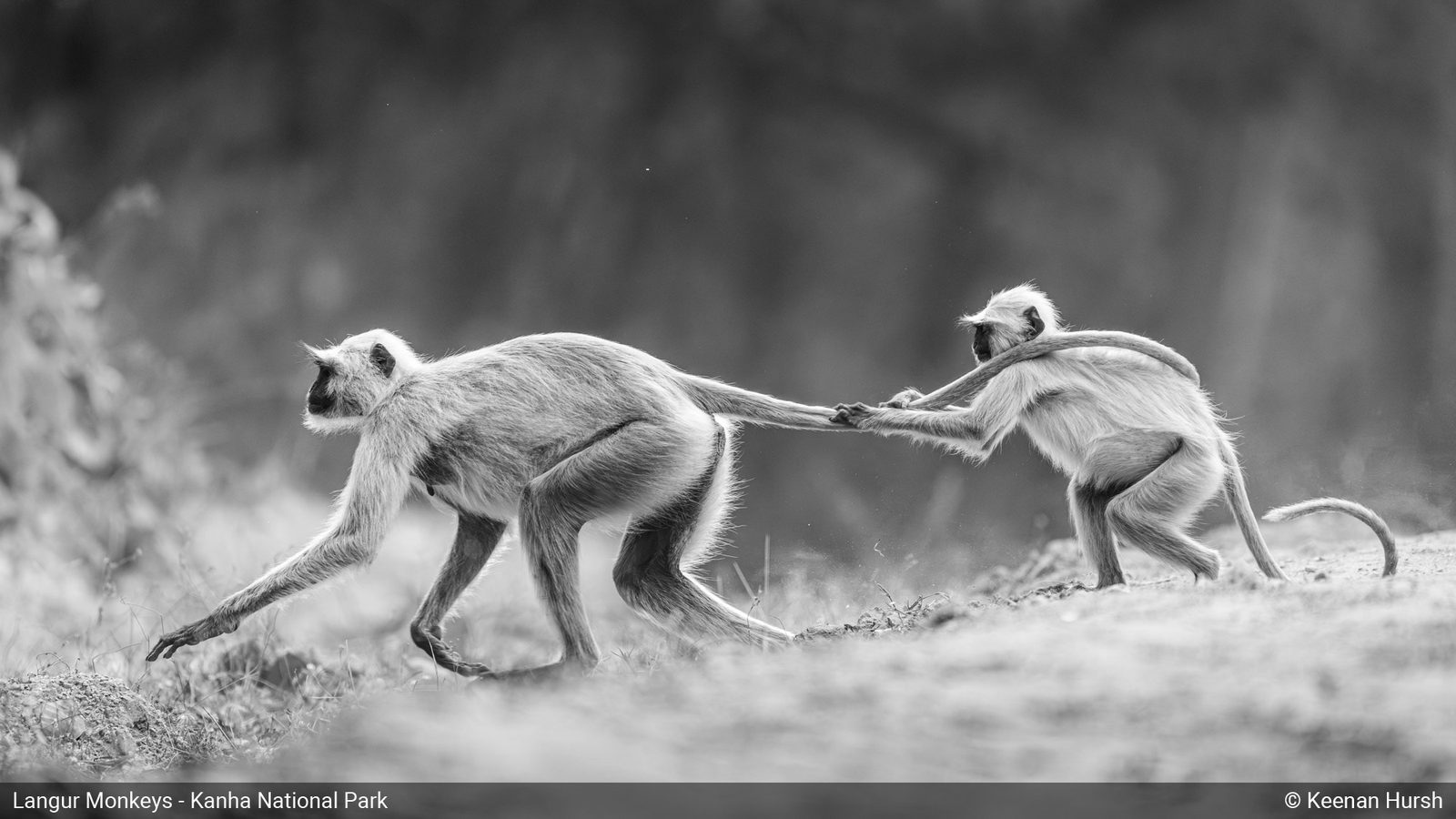
The Canon EOS R5 Mark II, while maintaining the core philosophy of its predecessor, introduces a suite of targeted enhancements, particularly beneficial for dynamic shooting environments like wildlife photography. Hursh’s initial skepticism, based on preliminary specifications, was notably overturned by his hands-on experience in India, where the camera consistently delivered a "superior experience."
Key Technical Advancements and Field Performance:
The R5 Mark II retains the 45-megapixel resolution but integrates a brand-new stacked CMOS sensor. This fundamental change, combined with an updated DIGIC X processor, unlocks significant performance gains. The electronic shutter now achieves a blistering 30 frames per second, a 50% increase over the R5, while maintaining 14-bit RAW file output (the R5 compresses to 12-bit RAW with electronic shutter). The Dual Pixel CMOS AF II system has been refined with improved Deep Learning algorithms, resulting in faster, more accurate, and remarkably "stickier" subject tracking.
Hursh highlighted the autofocus as the "biggest, most noticeable, and most appreciated upgrade." The R5 Mark II demonstrated superior speed, accuracy, and reliability in acquiring and tracking subjects, exhibiting significantly less "jumpiness" than the original R5. The ability to seamlessly switch between multiple identified subjects further enhanced its utility in complex scenes.
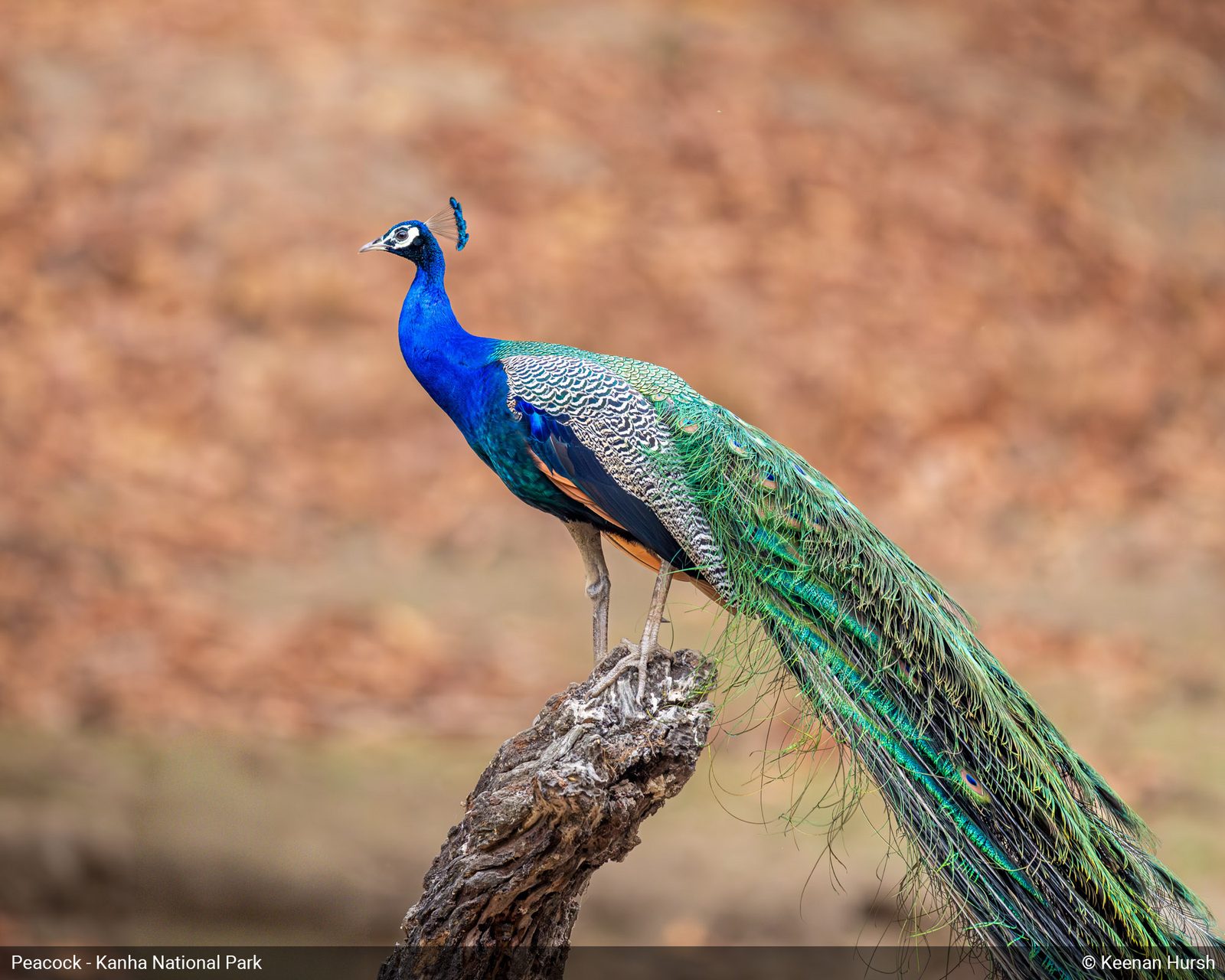
Another transformative feature is "pre-capture." This allows the camera to buffer images before the shutter button is fully pressed, enabling the capture of moments that are physically impossible to react to in real-time. Hursh cited capturing action shots of small birds taking flight as a direct beneficiary of this technology, achieving images that were previously "impossible."
User experience improvements also featured prominently. The R5 Mark II includes a dedicated photo/video mode switch, a more intuitive design choice that addresses the R5’s cumbersome default method. The new stacked sensor also eliminates EVF blackouts during continuous shooting, providing a truly uninterrupted, immersive view of the action. Additionally, the option to enable an audible shutter sound for the electronic shutter addresses Hursh’s prior annoyance with the R5’s complete silence.
Identified Trade-offs and Considerations:
Despite the significant advancements, Hursh identified a few minor drawbacks. The most notable is the R5 Mark II’s requirement for new, higher-capacity batteries (LP-E6NH or equivalent) to access its full capabilities. For existing R5 users with a substantial investment in LP-E6N batteries, this necessitates an additional purchase to maximize the new camera’s performance.
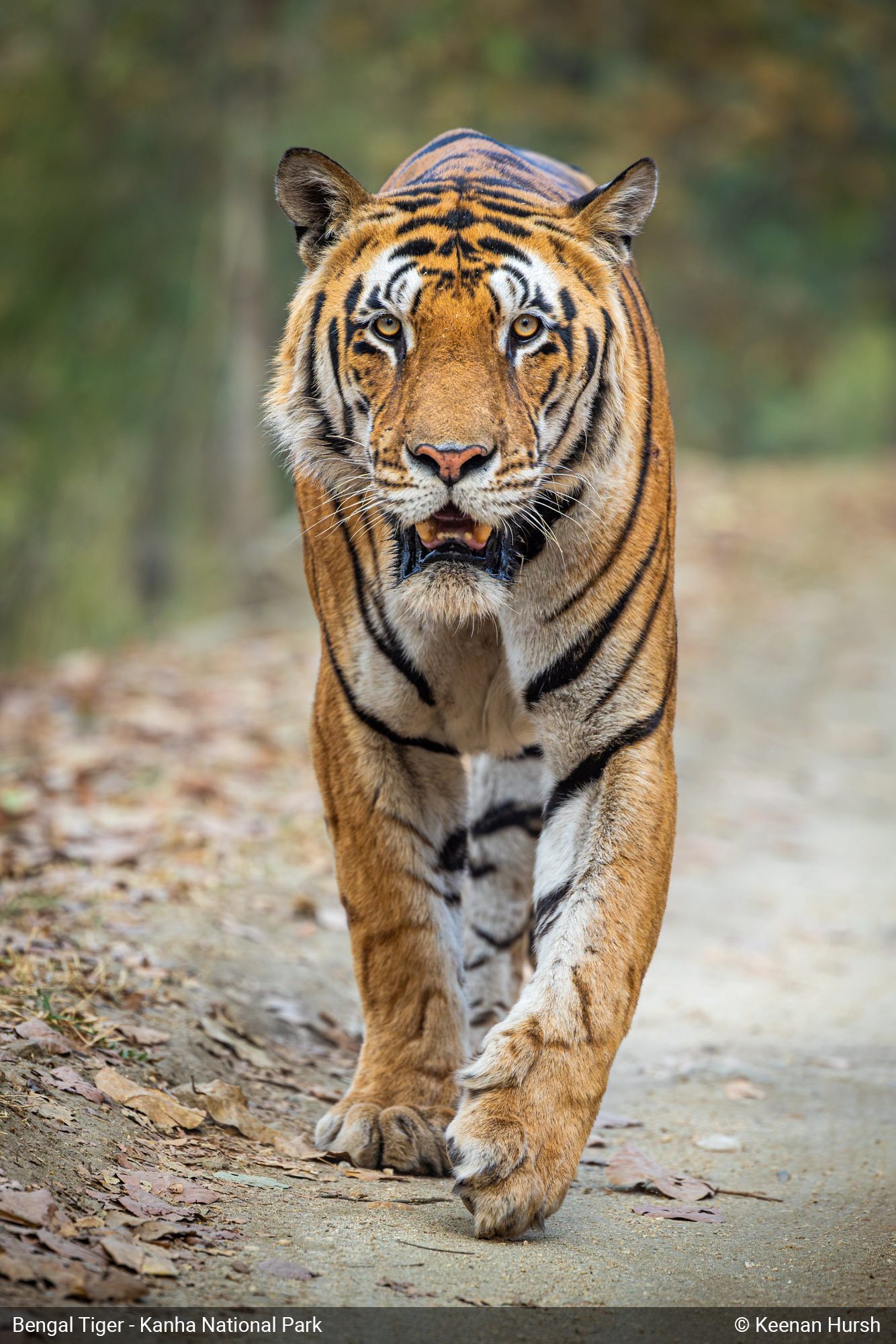
Furthermore, a marginal decrease in low-light performance was observed. The R5 Mark II, owing to its stacked sensor architecture, introduces slightly more noise at equivalent ISO values compared to the R5. While "incredibly marginal and hardly noticeable" in most practical scenarios, a direct side-by-side comparison reveals this subtle difference. Hursh, however, deemed this a small, justifiable price for the substantial benefits offered by the stacked sensor.
Finally, Hursh questioned whether the Mark II represented a sufficiently large upgrade for all photographers, suggesting that for many, the incremental improvements might not justify the additional cost, particularly given the R5’s continued strong performance.
Strategic Upgrade Considerations and Market Impact
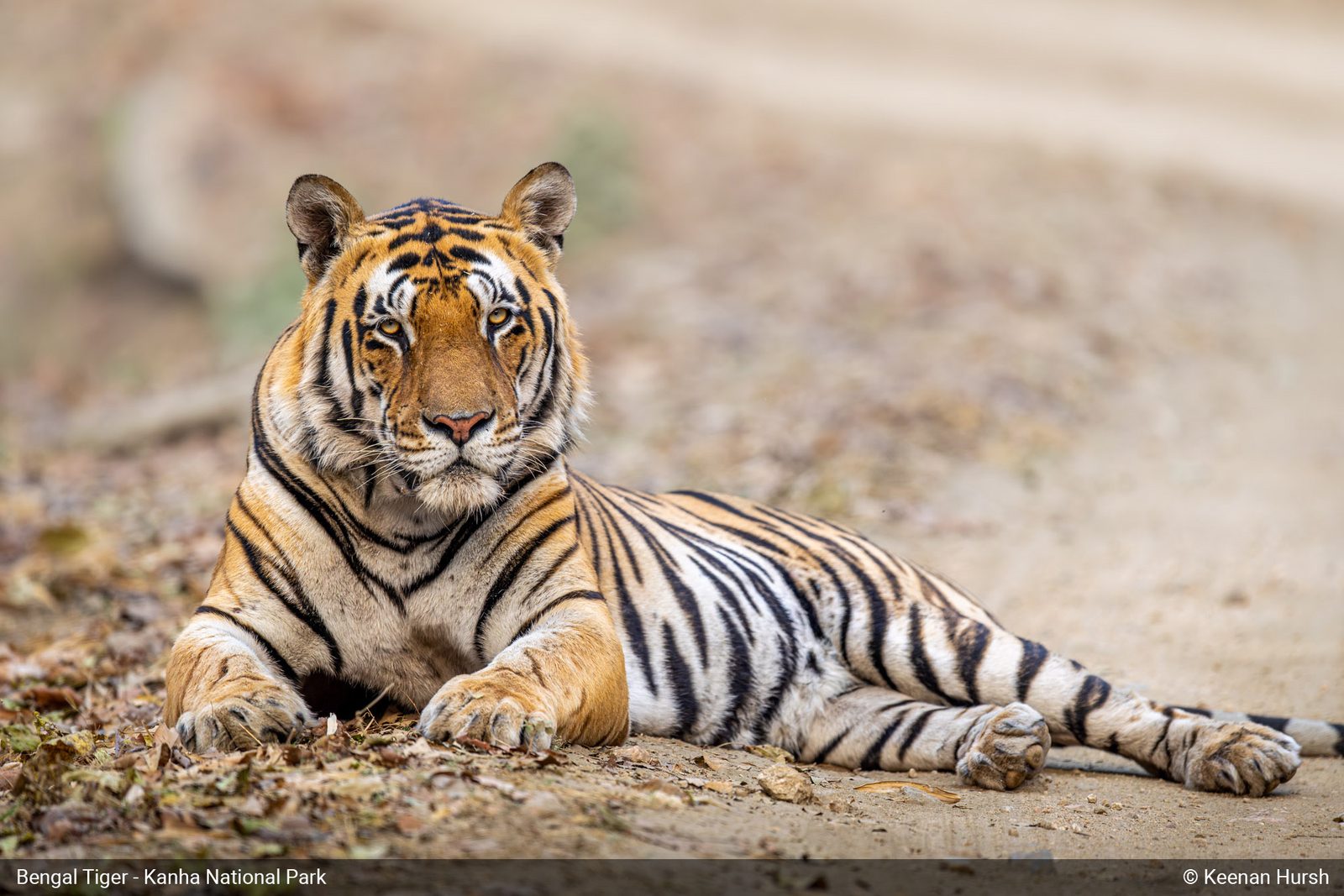
The field test in India provides clear insights into the positioning of the Canon EOS R5 and R5 Mark II in today’s competitive mirrorless market. The R5 Mark II undeniably stands as a superior camera, particularly for demanding applications.
For Whom is the Upgrade Justified?
Keenan Hursh’s analysis indicates that the Canon EOS R5 Mark II is an exceptional choice for professional and serious amateur photographers primarily engaged in wildlife, sports, or fast-action photography, especially those not constrained by budget. The significant improvements in autofocus capabilities—its speed, accuracy, reliability, and ability to track subjects without erratic movements—are game-changers for these genres. The higher burst rate of 30 fps, coupled with 14-bit RAW capture and a blackout-free EVF, dramatically increases the odds of capturing critical, once-in-a-lifetime moments. The pre-capture feature further solidifies its position as a top-tier tool for unpredictable subjects. For these users, the R5 Mark II’s performance gains are substantial enough to warrant the investment.
Conversely, for photographers whose primary focus is landscape, portraiture, or other genres where extreme speed and cutting-edge autofocus are less critical, the original Canon EOS R5 remains an outstanding and more economical choice. At approximately $1,000 less than its successor at the time of Hursh’s evaluation, the R5 still offers a 45MP sensor, excellent image quality, capable autofocus, and robust build quality. Its slightly better low-light performance, while marginal, could also be a minor advantage for specific landscape or astrophotography scenarios.
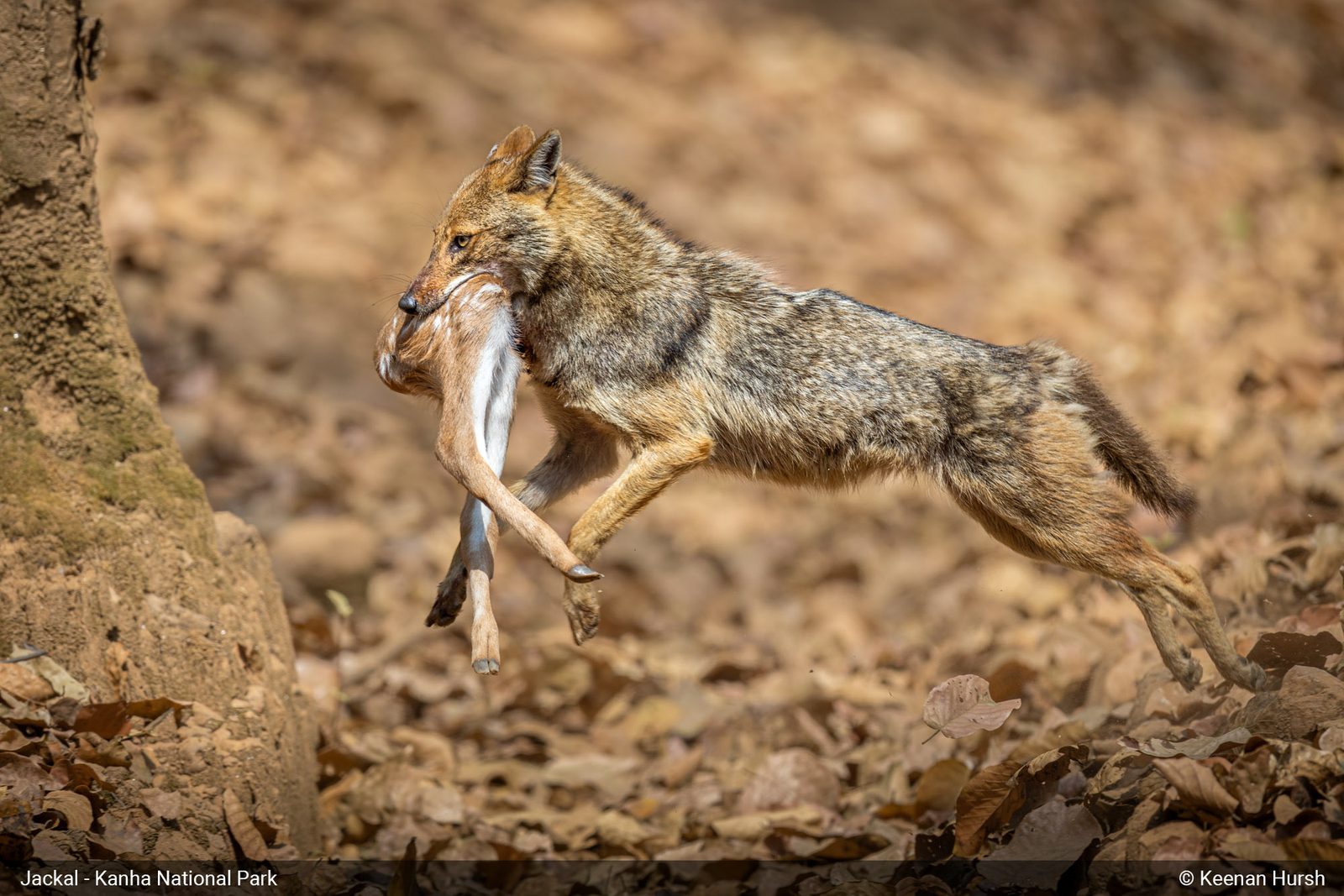
Broader Implications for Photography and Conservation:
The continuous evolution of camera technology, exemplified by the R5 Mark II, has broader implications. Enhanced capabilities mean photographers can achieve higher quality results in challenging conditions, leading to more compelling images. These images, in turn, play a crucial role in conservation efforts by raising awareness and fostering appreciation for wildlife and natural habitats. The ability to capture detailed and dynamic photographs of endangered species, such as the Bengal tiger, provides invaluable visual documentation and advocacy tools.
The iterative nature of these technological advancements also influences the market. Manufacturers continually push boundaries, offering increasingly specialized tools for niche photography segments. This rapid innovation underscores the value of short-term gear rentals, as highlighted by Hursh, allowing photographers to test new models in their specific shooting environments before committing to a significant purchase.
Final Thoughts
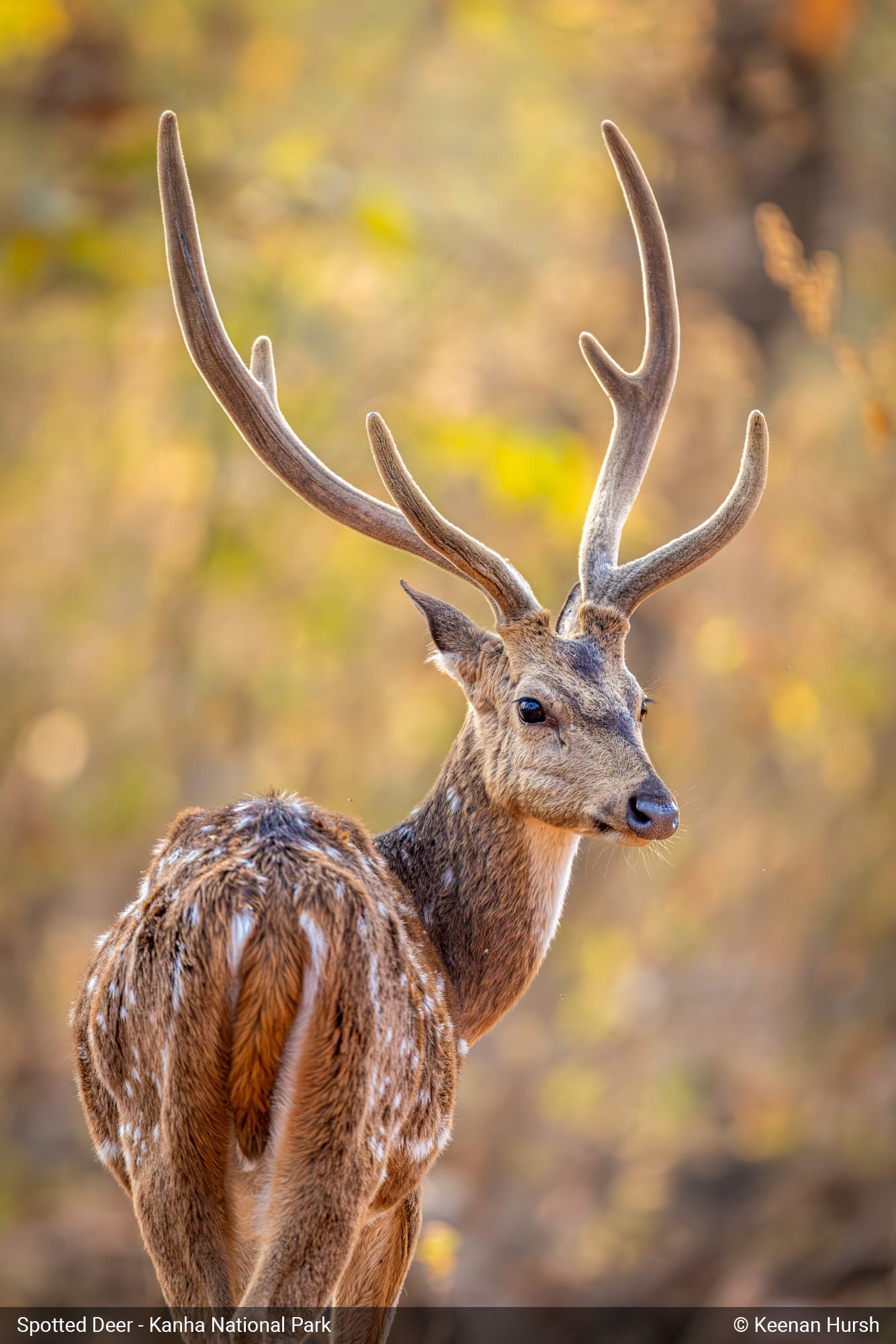
Keenan Hursh’s wildlife photography adventure through Bandhavgarh and Kanha National Parks was not only a personal triumph in capturing stunning images of India’s iconic wildlife but also a highly valuable exercise in real-world camera evaluation. The head-to-head comparison of the Canon EOS R5 and EOS R5 Mark II revealed that while both cameras are formidable tools, the Mark II offers distinct advantages for photographers whose work demands the utmost in speed, autofocus precision, and responsiveness.
Ultimately, the decision between these two exceptional cameras hinges on individual photographic needs, budget considerations, and primary shooting genres. For the dedicated wildlife photographer seeking every possible edge in capturing the most challenging and dynamic subjects, the Canon EOS R5 Mark II represents a compelling and worthwhile upgrade, pushing the boundaries of what is achievable in the field. For others, the enduring capabilities and value proposition of the original EOS R5 continue to make it an excellent choice. The ongoing evolution of mirrorless technology promises to further empower photographers, ensuring that the pursuit of that "dream shot" remains both challenging and incredibly rewarding.