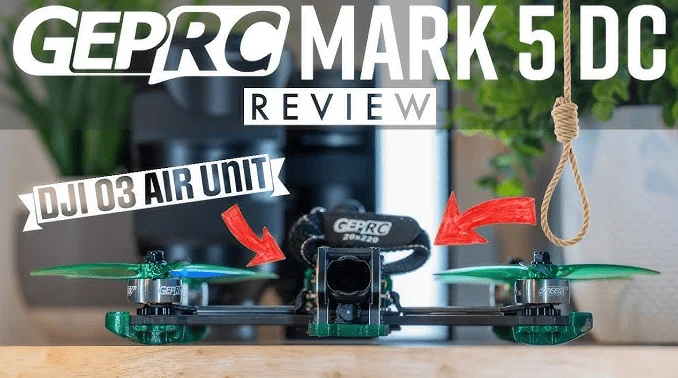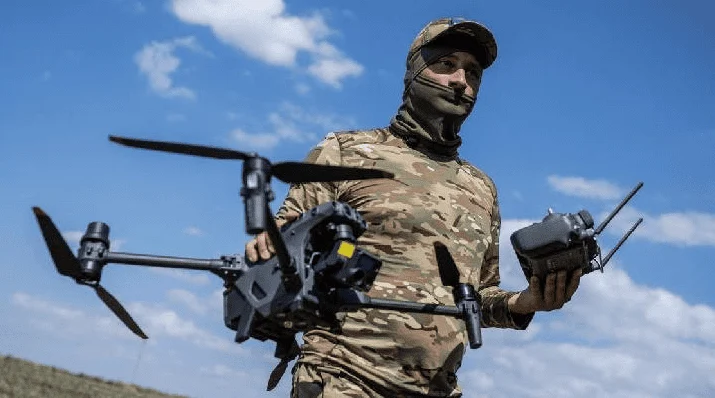
The surge in production is not merely a response to equipment shortages but a calculated move to exploit the asymmetric advantages of low-cost, high-precision technology. FPV drones, which are typically piloted via virtual reality goggles providing a live feed from the drone’s perspective, have redefined the tactical landscape. These systems allow operators to navigate complex environments with extreme maneuverability, enabling them to fly into open hatches of armored vehicles or through the doorways of fortified bunkers. By transitioning from conventional artillery-heavy tactics to drone-integrated operations, Ukraine is attempting to offset the numerical advantages of its adversary through technological precision and cost-efficiency.
The Evolution of Ukraine’s Drone Ecosystem: A Chronological Overview
The trajectory of Ukraine’s drone industry began in the early months of the 2022 invasion, when volunteer groups and hobbyists started weaponizing commercial off-the-shelf (COTS) drones. By mid-2022, the "Army of Drones" initiative was launched by the Ministry of Digital Transformation in collaboration with the United Armed Forces. This project initially focused on fundraising and procurement but quickly pivoted toward fostering a domestic manufacturing base. In 2023, the government streamlined the bureaucratic processes for defense procurement, removing import duties on drone components and simplifying the certification of new models. This deregulation sparked an explosion of local startups, growing from a handful of companies to over 200 entities involved in various stages of drone production by 2024.
As of early 2025, the industry has entered a phase of mass industrialization. The decentralized nature of this production—where components are often manufactured in small, covert workshops across the country—serves as a defense mechanism against long-range missile strikes. This "micro-factory" model has proven resilient, ensuring that the destruction of a single facility does not paralyze the entire supply chain. Recent data indicates that this decentralized approach is yielding significant results; in February 2025 alone, the frequency of Ukrainian FPV drone strikes increased by 22% compared to the previous month, signaling that the supply chain is successfully meeting the high-tempo demands of the frontline.
Strategic Objectives and the $2.6 Billion Investment
The allocation of $2.6 billion specifically for drone technology represents one of the largest sectoral investments in Ukraine’s wartime budget. This funding is directed toward several key areas: research and development, the scaling of assembly lines, and the establishment of pilot training centers. A significant portion of this capital is channeled through the "Brave1" defense-tech cluster, a government-led platform designed to bridge the gap between private innovators and military end-users. Brave1 provides grants and technical support to developers who can demonstrate effective solutions for electronic warfare (EW) resistance, autonomous targeting, and long-range flight.
The government’s target of 4.5 million FPV drones by 2025 is predicated on the belief that quantity possesses a quality of its own in drone warfare. At a unit cost ranging from $400 to $600, an FPV drone is a highly cost-effective alternative to traditional anti-tank guided missiles (ATGMs) or precision-guided artillery shells, which can cost tens of thousands of dollars per round. By flooding the battlefield with these expendable assets, Ukraine aims to create a "no-go zone" for enemy armor and logistics, effectively paralyzing the movement of ground forces within a 10-to-15-kilometer radius of the contact line.
Technical Advantages and Tactical Innovations
The effectiveness of FPV drones in the Ukrainian theater is rooted in their unique technical specifications. Unlike traditional reconnaissance drones that hover at high altitudes, FPV drones are designed for high-speed, low-altitude flight. They carry a variety of payloads, most commonly PG-7VM rocket-propelled grenade warheads or custom-made thermobaric explosives. The ability to pilot these drones with high precision allows for "surgical" strikes against the weakest points of enemy hardware, such as the thin top armor of tanks or the engine compartments of infantry fighting vehicles.
Furthermore, Ukrainian engineers are increasingly integrating Artificial Intelligence (AI) into these systems. The introduction of "terminal guidance" algorithms allows drones to lock onto a target in the final seconds of their flight. This is a critical development in countering electronic warfare; even if the pilot’s signal is jammed by enemy EW systems near the target, the drone’s onboard AI can complete the strike autonomously. This cat-and-mouse game between drone manufacturers and EW developers has turned the Ukrainian frontline into the world’s most active laboratory for electronic combat.
Key Players and the Role of Local Industry
The domestic production landscape is characterized by a mix of state-owned enterprises and agile private startups. Organizations such as "Wild Hornets," "Escadrone," and "SocialDrone" have become household names within the defense community. These entities often operate on a non-profit or low-margin basis, relying on a combination of state contracts and international donations. Their proximity to the frontline allows for an incredibly tight feedback loop; a pilot’s suggestion for a technical modification can be implemented in the production line within days, a pace that traditional defense contractors in the West often struggle to match.
The government has also encouraged "people’s drones" initiatives, where citizens are trained to assemble FPV drones at home using standardized kits. While the majority of the 4.5 million units will come from professional factories, these community-led efforts contribute to the overall resilience and volume of the supply. Additionally, international partnerships with European and North American tech firms are expanding, focusing on the supply of high-end components like flight controllers, brushless motors, and specialized optical sensors that are not yet produced at scale within Ukraine.
Addressing the Challenges: Supply Chains and Cybersecurity
Despite the rapid growth, the Ukrainian drone industry faces formidable challenges. The most pressing is the reliance on imported components, particularly from China, which remains the primary source for microchips, motors, and batteries. Any disruption in these global supply chains or the imposition of export restrictions could severely hamper production schedules. To mitigate this, the Ukrainian government is incentivizing the domestic production of critical components, aiming to achieve "technological sovereignty" in the drone sector by late 2025.
Security is another significant concern. As drone production becomes more centralized and industrial, facilities become high-priority targets for intelligence and kinetic strikes. Cybersecurity also plays a vital role; as drones become more reliant on software and AI, the risk of hacking or signal interception increases. Ukrainian defense officials have emphasized the need for encrypted communication protocols and robust data links to ensure that the drones remain effective in highly contested electromagnetic environments.
The Broader Impact on Modern Warfare and Global Defense
The Ukrainian experience with FPV drones is being closely watched by military analysts and defense ministries worldwide. The success of these systems has prompted a re-evaluation of traditional military doctrines. For decades, air superiority was defined by multi-million-dollar fighter jets and bombers. Today, Ukraine is demonstrating that a "low-cost, high-volume" approach to air power can achieve significant strategic effects, challenging the dominance of traditional platforms.
NATO members and other global powers are already integrating lessons from the Ukrainian theater into their own procurement strategies. The shift toward "democratized" air power—where individual platoons have their own organic aerial strike capabilities—is likely to become a standard feature of modern armies. Furthermore, the economic impact of this industry in Ukraine cannot be overlooked. The drone sector is becoming a major driver of technological innovation and job creation, potentially forming the backbone of a high-tech export economy in the post-war era.
Future Outlook and Conclusion
Looking toward the remainder of 2025 and beyond, the trajectory of Ukrainian FPV drone production points toward increased autonomy and networked capabilities. The development of "drone swarms," where multiple units communicate with each other to overwhelm defenses, is the next frontier. If Ukraine can successfully scale these advanced technologies while maintaining its production volume, it will continue to hold a significant tactical advantage.
The production of FPV drones in Ukraine has transcended its initial role as a stopgap measure and has become a defining element of the nation’s identity and defense strategy. With $2.6 billion in funding and a target of 4.5 million units, the country is setting a precedent for how a modern nation can mobilize its industrial and intellectual resources in the face of an existential threat. While challenges in supply chains and electronic warfare remain, the relentless pace of innovation and the support of the global community suggest that Ukraine will remain at the forefront of the unmanned systems revolution for years to come. This industrial feat not only serves the immediate needs of the battlefield but also provides a blueprint for the future of global defense technology.