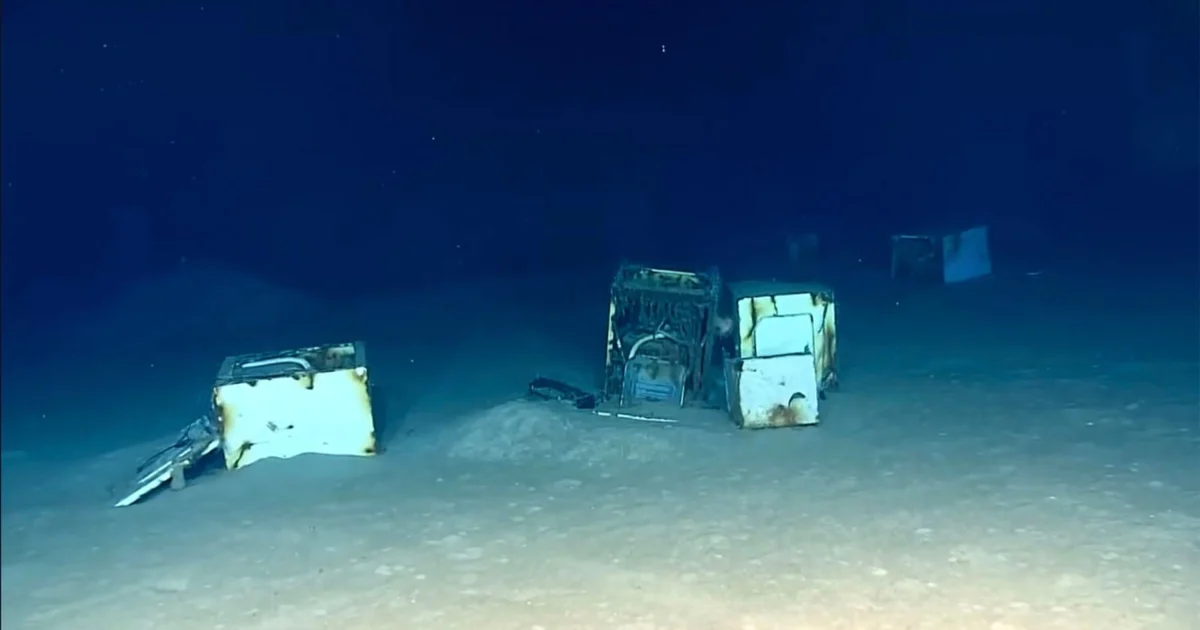
In a compelling illustration of humanity’s pervasive impact on even the most remote corners of our planet, the U.S. National Oceanic and Atmospheric Administration (NOAA) recently shared remarkable footage from a 2017 deep-sea expedition in the Gulf of Mexico. What began as an eagerly anticipated search for a historic shipwreck, detected by sonar nearly a mile beneath the surface, culminated in the unexpected discovery of an expansive field of modern household appliances—specifically, washing machines—strewn across the abyssal plain. This unforeseen encounter serves as a stark reminder of the vast quantities of anthropogenic debris accumulating in the deep ocean, transforming pristine environments into inadvertent dumpsites.
The Quest for a Sunken Relic Turns into a Modern Revelation
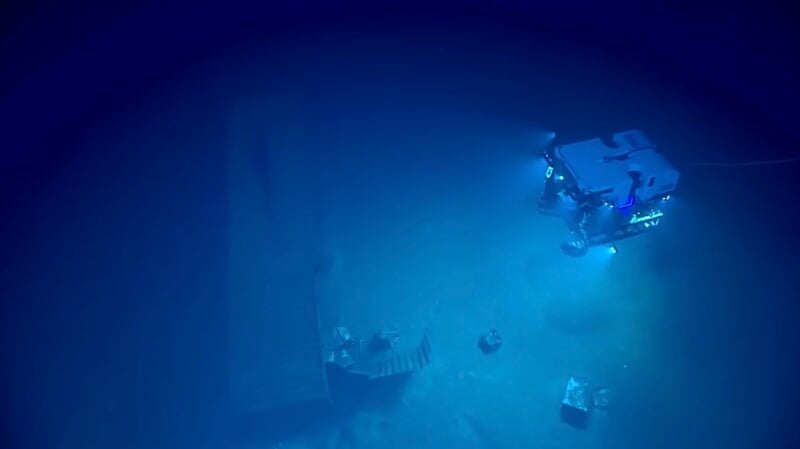
The expedition, part of NOAA’s ongoing efforts to map and explore the deep ocean, utilized a highly advanced remotely operated vehicle (ROV). These tethered submersibles, equipped with high-definition cameras and sophisticated sensors, are instrumental in penetrating the crushing pressures and perpetual darkness of the deep sea. On this particular mission, the crew was guided by intriguing sonar readings that suggested the presence of a substantial structure, indicative of a sunken vessel. The sonar profile showed a large central object surrounded by smaller, scattered anomalies—a classic signature often associated with a shipwreck and its dispersed cargo or remnants.
Anticipation aboard the research vessel was palpable as the ROV began its slow, deliberate descent into the abyss. A crew member’s voice, imbued with excitement, echoed through the control room: "Today is truly a day of exploration as we send the ROV over to this unknown sonar target." The prospect of uncovering a piece of maritime history, perhaps a merchant vessel or even a warship, offered the allure of historical discovery and a deeper understanding of past human endeavors. However, as the ROV’s powerful lights pierced the gloom and the live feed began to resolve the indistinct shapes into clearer forms, the initial excitement gradually gave way to bewilderment, then a shared sense of irony.
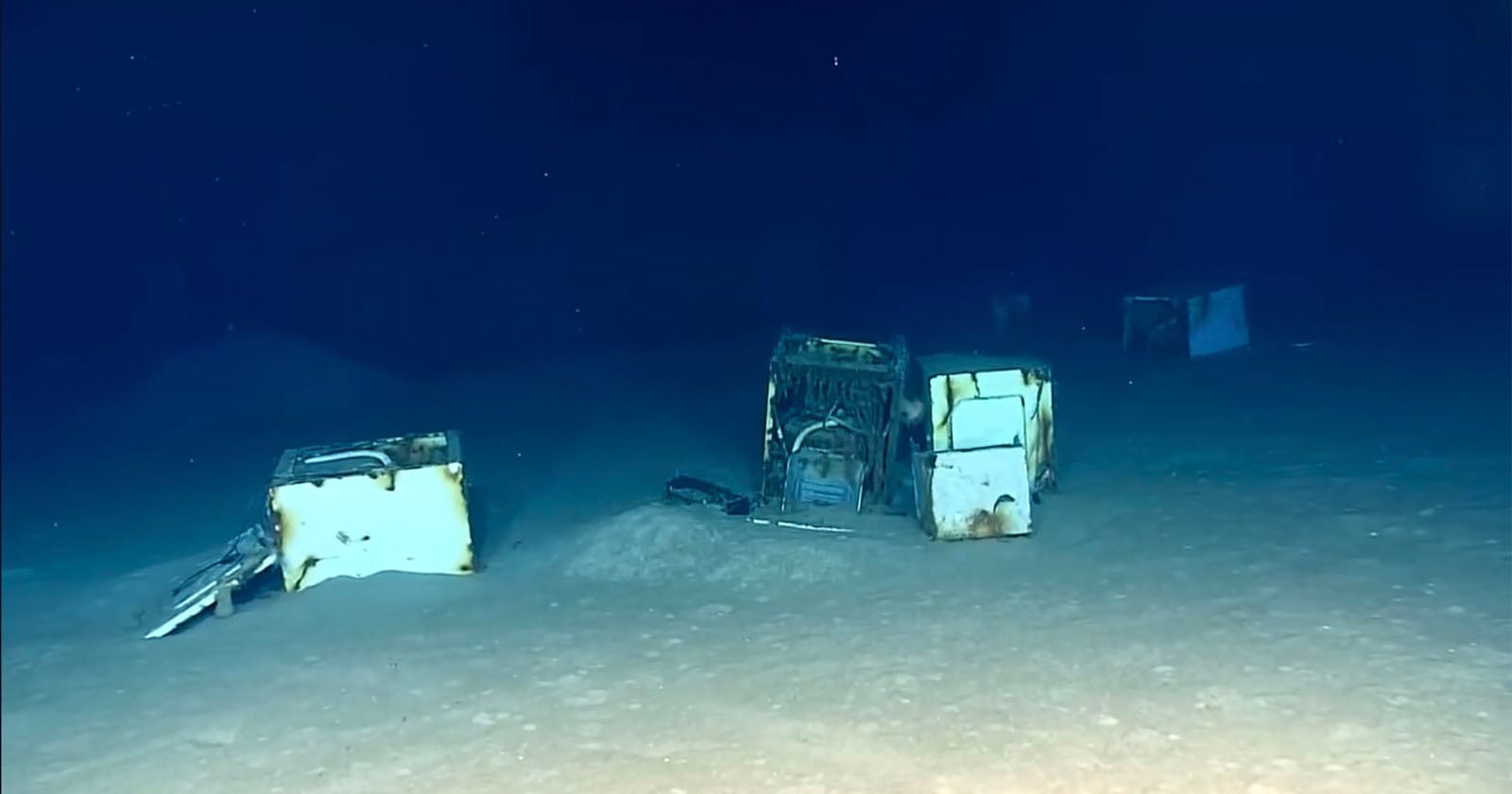
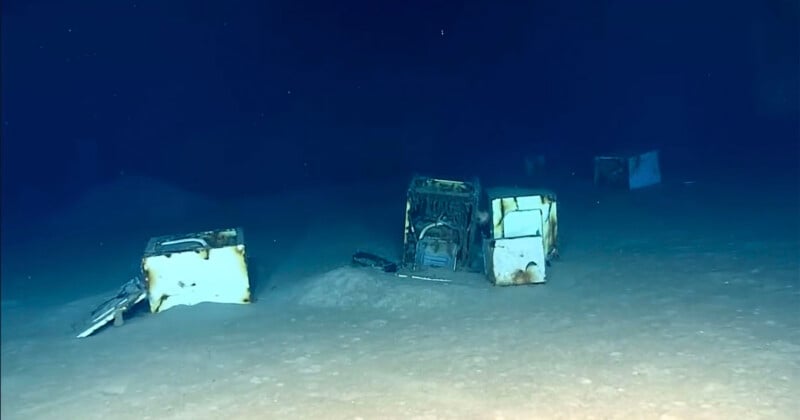
Instead of the barnacle-encrusted timbers of an ancient hull or artifacts hinting at a bygone era, the ROV’s cameras revealed an altogether different kind of cargo. The initial shapes, which some crew members tentatively identified as "freezers or refrigerators," soon became unmistakably clear: dozens, if not hundreds, of washing machines lay partially buried in the sandy sediment. The realization dawned that the "large structure" initially interpreted as a ship’s hull was, in fact, a massive shipping container, ruptured and disgorging its contents onto the seafloor. The scene was punctuated by the wry humor of a crew member quipping, "I don’t think the spin cycle is going to be working on them," eliciting laughter that belied the underlying gravity of the discovery.
Chronology of an Unforeseen Encounter
The timeline of this specific discovery, while occurring in 2017, sheds light on the broader issue of marine debris and the scientific process of deep-sea exploration:
- Pre-2017: Routine sonar surveys of the Gulf of Mexico, part of NOAA’s broader mapping initiatives, likely detected the large anomaly. The Gulf is a heavily trafficked region for commercial shipping and oil and gas exploration, making it a frequent site for both natural and anthropogenic features.
- 2017 Expedition Planning: Based on the sonar data, the NOAA team prioritized the unidentified target for visual inspection during a planned ROV deployment, believing it held the promise of a significant shipwreck discovery.
- ROV Deployment and Initial Approach: The ROV was meticulously prepared and deployed, connected to the mothership by a robust umbilical cable that transmits power, data, and video. As it neared the target depth of just under a mile (approximately 1,600 meters), the anticipation among the scientific and technical crew was high.
- Visual Confirmation and Identification: Upon reaching the target, the ROV’s cameras provided live high-definition footage, rapidly dispelling the shipwreck hypothesis. The distinctive forms of washing machines became apparent, alongside the remains of the shipping container that had housed them.
- Data Collection: Despite the unexpected nature of the cargo, the NOAA team swiftly adapted their mission. They meticulously maneuvered the ROV to capture detailed imagery, focusing on serial numbers, brand names, and any other identifying marks on the appliances and the container. This data is crucial for understanding the origin, age, and potential trajectory of the lost cargo.
- Dating the Debris: By analyzing the serial numbers and manufacturing details observed on the washing machines, the crew determined that these specific units were last produced around 2002. This indicated that the shipping container had likely plunged into the ocean sometime in the early 2000s, remaining undisturbed on the seafloor for over a decade before its discovery.
- Post-Expedition Analysis and Footage Release: The data and footage collected in 2017 were subsequently analyzed by NOAA scientists. The decision to release the fascinating, albeit sobering, footage to the public years later underscores NOAA’s commitment to transparency and raising awareness about the multifaceted challenges facing our oceans.
The Silent Scourge: Thousands of Containers Lost Annually
The discovery of a shipping container filled with washing machines is not an isolated incident but rather a visible symptom of a much larger, often unseen, problem: the thousands of shipping containers lost at sea each year. The World Shipping Council, an industry trade group, estimates that an average of 1,382 containers were lost at sea annually between 2008 and 2019. However, this figure can fluctuate wildly due to catastrophic events. For instance, in 2020-2021, a series of severe weather events led to an unprecedented surge, with an estimated 3,000 containers lost in just a few months, including over 1,800 from a single incident involving the ONE Apus vessel in the Pacific.
These losses are primarily attributed to severe weather conditions, including powerful storms, unusually rough seas, and increasingly, the impacts of a warming climate. Hotter ocean temperatures contribute to the intensification of tropical storms and hurricanes, generating larger and more unpredictable waves that can overwhelm even the largest container ships. Poor stowage, inadequate lashing, and structural failures of containers or ships can also contribute to cargo loss. When a container breaks free, it often sinks rapidly due to its dense contents, vanishing into the deep ocean where it can remain for centuries.
The contents of these lost containers are incredibly diverse, ranging from consumer electronics and clothing to hazardous chemicals and, as this expedition dramatically showed, household appliances. This widespread loss contributes significantly to marine pollution, creating a complex challenge for ocean ecosystems and human activities alike.
Ecological and Environmental Ramifications of Deep-Sea Debris
The presence of a substantial volume of washing machines and their shipping container at such depths raises significant ecological and environmental concerns. The deep sea, once considered an "untouched place," is increasingly revealed to be a recipient of human waste, profoundly altering its delicate ecosystems.
- Habitat Disruption and Creation of Artificial Reefs: Large debris items, such as shipping containers and appliances, can directly impact benthic habitats. They crush existing fauna, smother sediment-dwelling organisms, and alter the physical landscape of the seafloor. However, in some cases, these structures can also act as artificial reefs, providing new substrates for colonization by deep-sea organisms. As one NOAA crew member noted, "For biology, one of the things that’s very instructive about wrecks is that it gives us some sense of how old the fauna is that’s living on it and how quickly they can grow." While this can offer scientific insights, it’s a double-edged sword; these "reefs" are composed of unnatural materials that can leach chemicals and eventually break down into harmful microplastics.
- Chemical Leaching and Contamination: Washing machines contain a variety of materials, including plastics, metals (steel, copper, aluminum), electronic components, and residual chemicals. Over time, in the cold, dark, and high-pressure environment of the deep sea, these materials will degrade. Metals can rust and corrode, releasing heavy metals into the surrounding water and sediment. Plastics, while incredibly slow to break down, will gradually fragment into microplastics and nanoplastics, which can be ingested by marine organisms at all trophic levels, potentially entering the food web.
- Long-Term Degradation and Microplastic Formation: The degradation process in the deep ocean is significantly slower than in shallower, warmer, and more oxygenated waters. As a NOAA crew member emphasized, "The research has suggested that lost containers could take hundreds of years to fully degrade in the deep ocean if not more." This means that the washing machines discovered in 2017 could persist for many generations, continually contributing to pollution. The long-term implications of microplastic accumulation in the deep sea, a relatively unexplored frontier, are still being understood but are presumed to be detrimental to deep-sea biodiversity and ecosystem function.
- Impact on Deep-Sea Fauna: The deep ocean is home to unique and specialized species, many of which are highly sensitive to environmental changes. The introduction of large, foreign objects can disrupt their foraging patterns, reproductive cycles, and overall survival. While some organisms might colonize the debris, the overall shift in habitat composition can lead to a reduction in native biodiversity.
Navigational Hazards and Economic Implications
Beyond the environmental impact, lost shipping containers pose direct risks to maritime safety and significant economic costs.
- Navigational Hazards: While most containers sink rapidly, some can float for extended periods, especially if they contain buoyant cargo or are only partially submerged. These "semi-submerged" containers are incredibly difficult to detect, posing a severe collision risk to smaller vessels, fishing boats, and even larger ships, potentially leading to catastrophic accidents, cargo loss, and loss of life.
- Economic Costs: The loss of cargo represents substantial financial losses for shippers, manufacturers, and retailers. Insurance companies bear the brunt of these costs, which are ultimately passed on to consumers through higher premiums and product prices. Estimating the total economic impact of lost containers is challenging, but it runs into billions of dollars annually when considering the value of the goods, potential environmental cleanup costs, and indirect damages.
- Challenges in Tracking and Recovery: The vastness of the ocean and the depths at which containers typically sink make tracking and recovery efforts incredibly difficult and prohibitively expensive. Once a container is lost in the deep sea, it is generally considered unrecoverable, underscoring the importance of prevention.
Official Responses and the Call for Action
The NOAA expedition’s unexpected discovery highlights the critical role of scientific exploration in revealing the scale of human impact on the global ocean. While the initial goal was historical, the pivot to meticulously documenting the modern debris underscores NOAA’s broader mandate for ocean conservation and understanding.
- NOAA’s Documentation Efforts: By capturing detailed cargo information, including serial numbers and manufacturing dates, NOAA contributes vital data to the understanding of marine debris sources and pathways. This information can potentially be used to identify responsible parties, inform policy decisions, and encourage industry accountability. The willingness to share such footage also serves an educational purpose, raising public awareness about the pervasive nature of ocean pollution.
- Industry and Regulatory Responses: The shipping industry, through organizations like the World Shipping Council, acknowledges the problem of lost containers and is actively engaged in efforts to mitigate it. These efforts include developing stricter international standards for container lashing and stowage, improving vessel stability calculations, and enhancing weather forecasting capabilities to help ships avoid severe conditions. There is also growing pressure for better tracking technologies for containers at sea.
- Environmental Advocacy: Environmental organizations have long championed the issue of marine debris, advocating for stronger regulations, improved waste management practices on land, and international cooperation to prevent ocean pollution. Discoveries like the "washing machine graveyard" provide tangible evidence that reinforces the urgency of these calls to action. They underscore that even the "alien" ecosystems of the deep sea are not immune to the consequences of human industrial activity.
The Future of Deep-Sea Exploration and Conservation
The discovery in the Gulf of Mexico serves as a powerful testament to the fact that deep-sea exploration, while often focused on uncovering natural wonders and historical mysteries, increasingly unearths the indelible footprint of humanity. The deep ocean, once perceived as too vast and remote to be significantly affected by human activity, is now recognized as a critical sink for our waste.
This unexpected encounter reinforces the indispensable role of advanced technologies like ROVs and sophisticated sonar in unraveling the complexities of our oceans. They not only help us understand the natural world but also confront the environmental challenges we have created. The ongoing scientific endeavors by organizations like NOAA are crucial for monitoring the health of our oceans, identifying sources of pollution, and informing strategies for conservation and remediation.
As human populations continue to grow and global trade expands, the issue of marine debris, including lost shipping containers, is likely to intensify. The washing machines lying silently on the seafloor of the Gulf of Mexico are more than just discarded appliances; they are poignant symbols of our interconnectedness with the natural world and a stark reminder that our actions, however distant or seemingly inconsequential, reverberate throughout every ecosystem on Earth. The challenge ahead lies in fostering greater responsibility, innovation, and international cooperation to protect these vital, yet vulnerable, deep-sea environments from becoming permanent repositories for the artifacts of our modern lives.