In an increasingly saturated and competitive visual media landscape, the acquisition of diverse skills has become a critical differentiator for professionals seeking to expand their market reach and creative capabilities. Megan Zabel Holmes, a distinguished photographer and filmmaker, exemplifies this strategic evolution, having successfully integrated commercial drone piloting into her extensive creative toolkit. Through this innovative approach, Holmes has not only carved out a unique niche but has also significantly enhanced her ability to attract a broad spectrum of clients and deliver comprehensive visual narratives. Her journey, as detailed in an exclusive PetaPixel interview, underscores the transformative potential of aerial technology in contemporary visual storytelling, making it a valuable and indispensable component of her commercial enterprise.
Holmes’ professional trajectory did not begin with the intent of becoming a multi-hyphenate visual artist specializing in aerial capture. Her foundational career was rooted in writing, a discipline that intrinsically honed her storytelling prowess and meticulous attention to detail. This strong journalistic background provided a robust framework for her subsequent ventures into photography and filmmaking, ultimately shaping an approach to visual media that prioritizes authentic representation. She possesses a keen eye for the subtle nuances, distinctive quirks, and inherent imperfections that imbue a location, event, or subject with its true character and emotional resonance. This commitment to genuine storytelling has become a hallmark of her work, distinguishing it from more conventional, often sanitized, commercial aesthetics.
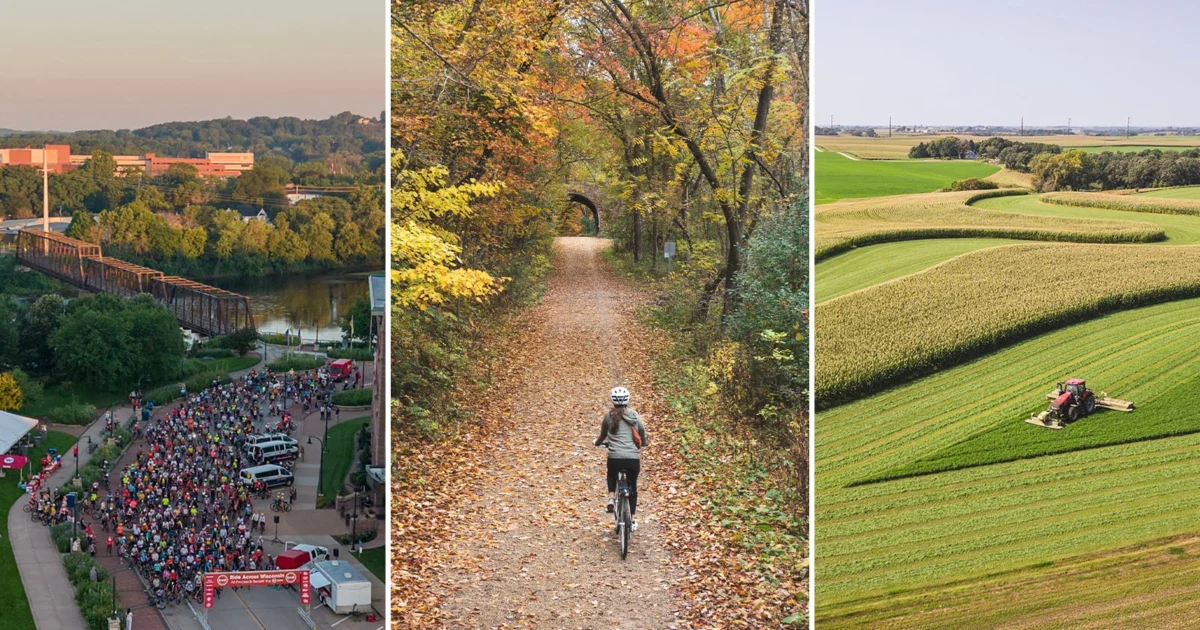
Her diverse skill set has propelled her across a wide array of assignments, from capturing the dynamic energy of large-scale outdoor events to executing intricate commercial projects for high-profile clients. Her portfolio boasts collaborations with entities such as Travel Wisconsin, Zoom, the American Birkebeiner, and the Wisconsin Bike Federation, among others. A significant advantage of Holmes’ multifaceted expertise is her capacity to operate independently, offering a seamless blend of photography, videography, and aerial services. This integrated approach often eliminates the necessity for clients to engage multiple creative teams, streamlining production and ensuring a cohesive visual output that speaks with a singular, authoritative voice.
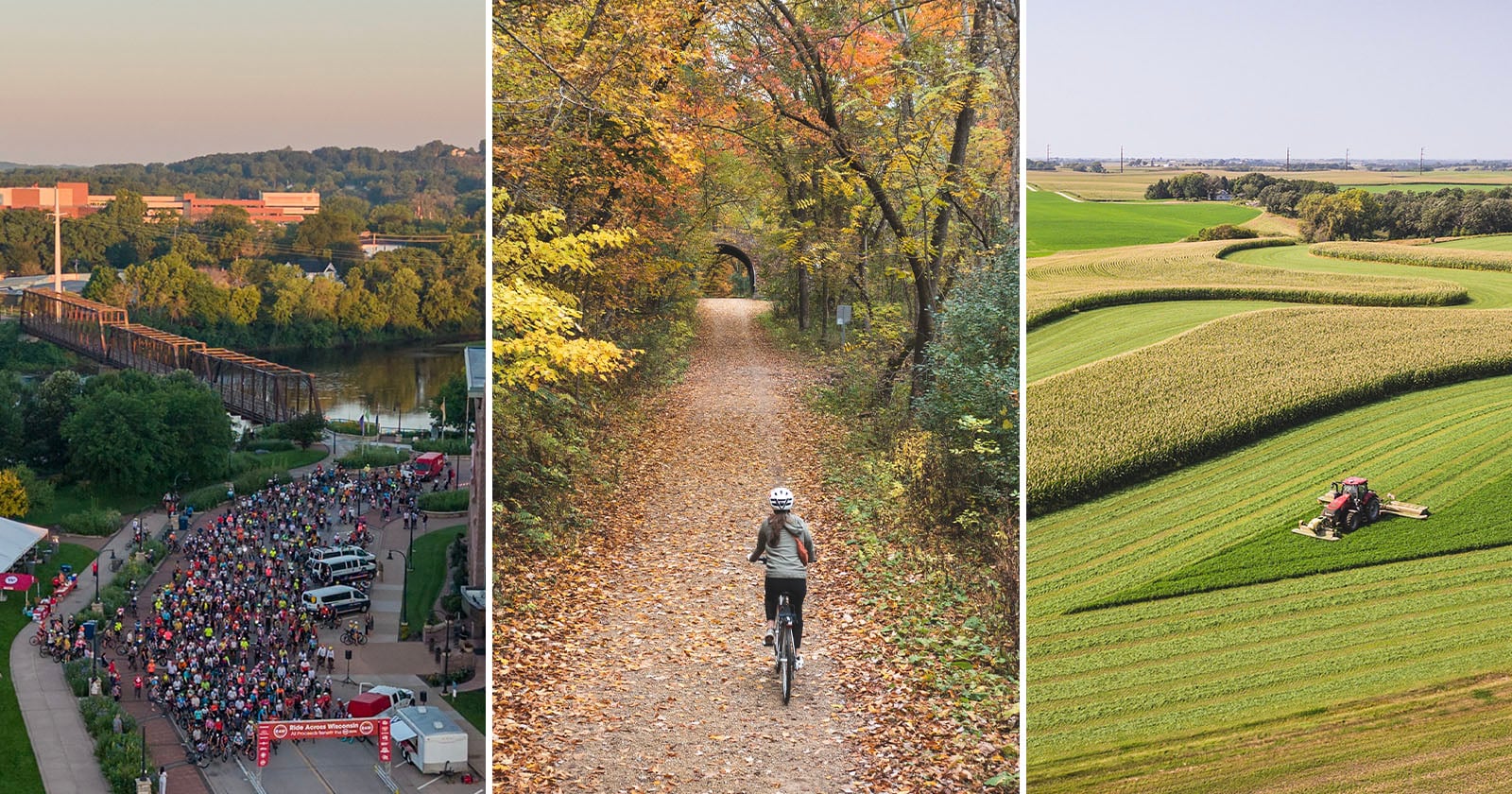
For Holmes, the drone is not merely a gadget but an advanced camera, offering an unparalleled perspective that fundamentally alters how a story can be perceived and conveyed. She strategically deploys this aerial vantage point in conjunction with her ground-based work, meticulously evaluating environmental factors such as landscape scale, event dynamics, prevailing weather conditions, optimal timing, and critical flight restrictions. This holistic planning ensures that the aerial component is not an afterthought but an integral part of the overarching visual strategy. Her narrative delves into the origins of her drone piloting journey, the commercial benefits it has yielded, her methodology for harmonizing drone and ground coverage at live events, her preferred equipment, and her ardent advocacy for greater female representation within the commercial drone industry.
A Career Forged Through Iterative Skill Acquisition
Megan Zabel Holmes’ career path is a testament to continuous learning and strategic skill layering, rather than a predetermined vocational blueprint. Her evolution from a writer to a photographer, then filmmaker, and finally a commercial drone pilot, reflects a deliberate pursuit of additional avenues for narrative expression. Each new discipline was not an isolated pursuit but an additive layer, enriching her capacity to interpret and present subjects while concurrently granting her greater creative autonomy over the final output. "I’m a person who is addicted to learning new skills and perhaps a bit of a control freak who wants to own all of the aspects of my work," Holmes candidly shares. This drive for mastery and comprehensive control has been a consistent thread throughout her professional development.
The progression from writing to photography, then video, and eventually drone operation, was driven by a pragmatic desire to acquire the most effective tools for a given narrative. This approach has allowed her to fluidly transition between various forms of visual storytelling while maintaining an unwavering commitment to her core journalistic principles. "I’m always working to convey the truest, most authentic representation of any place or event and I’ll use all the tools I can get my hands on to do this well," she emphasizes.
Her journalism background remains an indelible influence, guiding her beyond superficial aesthetics to unearth the genuine character of her subjects. Rather than solely capturing the overtly polished or idealized facets, Holmes actively seeks out the granular details that imbue a subject with personality and make an experience feel genuinely lived. These often include subtle imperfections, spontaneous moments, or minute visual elements that might be overlooked in a more conventional commercial brief. "I love the small details that make a place or event unique, and the quirks or imperfections that give it character," she states. "I know that I am always drawn to what’s real vs. manufactured and can’t imagine approaching my work in any other way." This philosophy underscores her commitment to visual authenticity, a quality increasingly valued in an age of pervasive digital manipulation.
Unlocking the Potential of Commercial Drone Operations
The integration of drone photography into Holmes’ professional repertoire was not an initial career ambition. Her foray into aerial imaging began when her then-employer, a destination marketing organization, sponsored her pursuit of an FAA Part 107 Remote Pilot Certificate. This certification is a mandatory requirement for anyone operating a drone commercially in the United States, signifying proficiency in aeronautical knowledge and adherence to federal aviation regulations. The preparation for the Part 107 exam proved to be more rigorous than she anticipated, encompassing complex topics such as airspace classifications, weather theory, loading and performance, and emergency procedures.
A significant revelation during this period provided an additional impetus: women constituted less than 10 percent of licensed commercial drone pilots at the time. This stark gender disparity within a rapidly expanding technological field resonated deeply with Holmes, transforming a professional requirement into a personal mission. As she gained proficiency and confidence as a pilot, the immense creative potential of an aerial perspective became increasingly evident, particularly in augmenting her existing body of work. "I’ve really embraced the drone and I value the perspective it adds to my projects," Holmes affirms.
This newly acquired aerial capability has proven instrumental in differentiating Holmes within a crowded market of visual storytellers. Rather than offering discrete services such as photography or filmmaking, she can now provide a comprehensive, multi-dimensional coverage package. This "one-stop-shop" model presents a compelling value proposition for clients, particularly smaller brands and non-profit organizations, who can secure a broader array of visual content without the logistical complexities and increased costs associated with engaging multiple specialized vendors. "It’s helped differentiate me in a crowded field of visual storytellers," she explains. "I take pride in being a one-stop-shop for photo, video and drone coverage." This integrated approach allows her to conceive and execute assignments as complete visual narratives, transcending the traditional compartmentalization of media services.
The Strategic Application of Aerial Perspectives in Storytelling
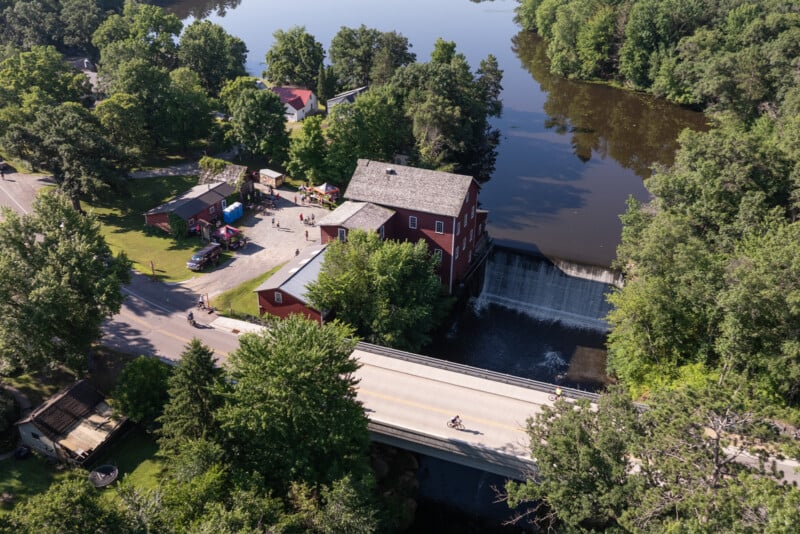
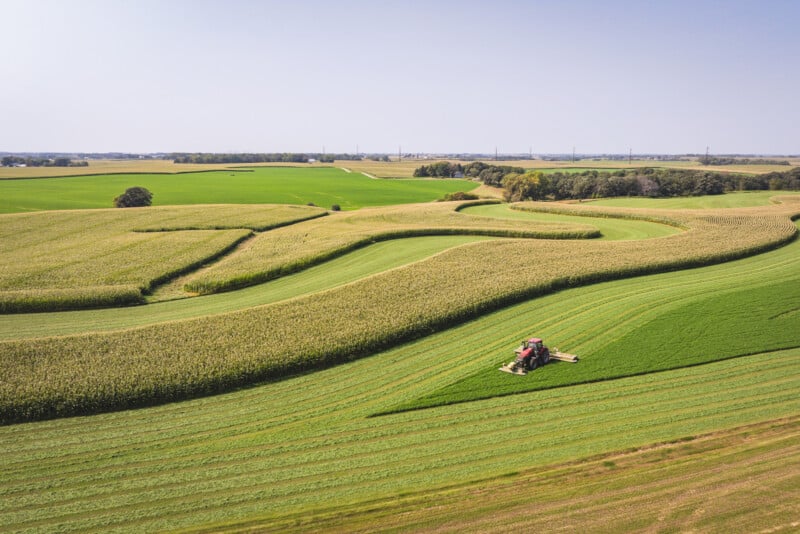
For Megan Zabel Holmes, the intrinsic value of drone photography extends far beyond merely capturing a visually striking image from an elevated position. The aerial perspective must actively contribute meaningful context and depth to the narrative. This could manifest as illustrating the vast scale of an event, establishing a profound sense of place, or elucidating the intricate interplay between human activities and their surrounding environment. "I think an aerial perspective almost always adds value when you’re thinking about photo and video work from a storytelling perspective," she asserts. "And I’d argue that you always should be!" This statement encapsulates her journalistic ethos, emphasizing purpose-driven image creation.
This principle becomes particularly salient when Holmes is tasked with covering outdoor events, where the natural or built environment often functions as a crucial "character" defining the overall experience. While a ground-level photograph might effectively capture the individual participants in an event, an aerial image possesses the unique ability to contextualize these individuals within the broader landscape, illuminating the symbiotic relationship between the activity and its setting. "If I’m covering a bike race, the landscape and terrain are main characters," Holmes elaborates. "It’s vital when selling the merits of a destination or the essence of a brand."

Consequently, an aerial perspective frequently furnishes contextual information that is simply unattainable from a terrestrial viewpoint. Holmes leverages the drone most effectively when it augments the visual narrative with additional layers of information, rather than merely offering an alternative aesthetic. This analytical approach is consistently applied across her commercial assignments, where the ability to showcase the environment from above is critical in conveying the distinctiveness of a destination, event, or brand identity. The drone, in her hands, becomes an instrument for revealing connections and scale that ground-level photography cannot achieve, making the narrative more immersive and comprehensive.
Building a Versatile Commercial Kit for Diverse Perspectives
Holmes’ equipment arsenal meticulously reflects the expansive range and variety of projects she undertakes. Her drone kit is robust and adaptable, featuring a DJI Mavic 3 Pro, a DJI Mini 5 Pro, and a DJI Avata 2. This selection provides her with a spectrum of options, allowing her to choose the most appropriate drone based on the specific requirements of an assignment, including factors like desired image quality, portability, and flight characteristics (e.g., cinematic shots vs. FPV agility).
For her ground-based photography and videography, she relies on the high-performance Canon R5 II and Canon R6 II camera bodies. Her lens selection heavily favors versatile workhorses such as the 24-70mm f/2.8 and 70-200mm f/2.8, which offer excellent flexibility for capturing a wide array of scenes, from expansive landscapes to detailed telephoto shots. Beyond her primary professional setup, Holmes actively cultivates opportunities for creative experimentation. This includes unconventional methods such as attaching a GoPro to a bicycle for unique action perspectives. More recently, she has delved into the nostalgic realm of film photography and explored the expressive possibilities offered by creative lenses and filters, citing the Lensbaby Velvet and Prism Lens FX as examples.
This inherent willingness to experiment and transcend conventional boundaries mirrors the same intellectual curiosity that has consistently driven Holmes to broaden her creative toolkit. Her strategy is not to rigidly adhere to a single camera or drone for every assignment, but rather to curate a diverse collection of instruments. This enables her to select the most fitting approach for each unique narrative, whether it necessitates an aerial viewpoint, traditional ground-based capture, or a more experimental format. This adaptability ensures her work remains fresh, innovative, and perfectly tailored to the story at hand.
Mastering the Balance: Aerial and Ground Coverage at Live Events
The intricate challenge of covering an event single-handedly, while simultaneously managing multiple cameras and perspectives, necessitates highly strategic decision-making. Holmes must constantly evaluate the trade-offs involved in transitioning from her ground-based camera to deploying the drone, acutely aware that time spent airborne could mean missing critical moments unfolding on the ground.
A bicycle race serves as an illustrative example of her tactical approach. During the initial phases of the race, particularly the rollout when riders are typically grouped closely together, Holmes prioritizes drone deployment. From this elevated vantage point, she can effectively convey the immense scale of the peloton and its dynamic relationship with the surrounding landscape. As the race progresses and riders begin to disperse, her focus shifts back to ground-based cameras, allowing her to capture more intimate, detailed shots of individual competitors and the raw emotion associated with the race’s climax. "At the end I’ll get tighter shots of individuals’ faces when they’re exhausted, emotional or covered in dirt," she describes, highlighting the narrative power of close-up human emotion.
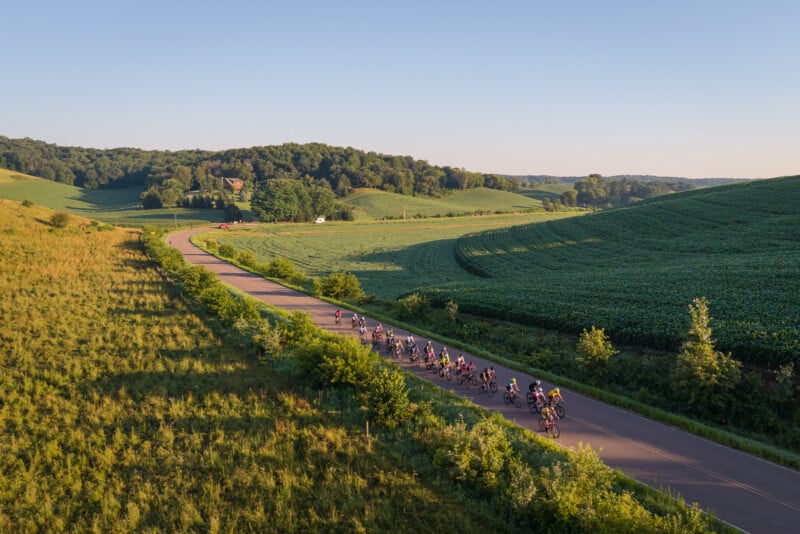
These tactical decisions are influenced by a myriad of factors beyond mere visual potential. Environmental conditions, such as dense tree cover, adverse weather, or existing flight restrictions, can significantly impact the feasibility of an aerial shot. Moreover, the precise timing of event segments often dictates when and where a drone can be most effectively utilized. Consequently, covering an event solo demands a continuous, real-time reassessment of the unfolding environment, rather than a rigid adherence to a pre-established shot list. "I make a plan but am prepared to pivot at any moment," Holmes emphasizes. This inherent flexibility is paramount in outdoor environments, where conditions can change instantaneously, and fleeting opportunities for an ideal shot may arise and vanish within moments. Recognizing and adapting to these shifts is fundamental to her ability to seamlessly integrate aerial and ground-based coverage, transforming them into a cohesive narrative rather than disparate segments.
Rigorous Preparation: The Imperative for Aerial Operations
Drone operations demand a distinct and rigorous level of preparation that often surpasses the requirements of traditional ground photography. Holmes has assimilated these critical lessons through practical experience, including a candid acknowledgement of past mistakes she is determined not to repeat. Before embarking on any aerial assignment, she meticulously verifies that she remains logged into her drone account, a crucial step if she anticipates operating in areas with unreliable Wi-Fi connectivity. Furthermore, she diligently cross-references flight restrictions and consults airspace maps to ensure full compliance with regulatory mandates, a non-negotiable aspect of commercial drone piloting.
Weather presents another significant, often unpredictable, challenge, particularly during the harsh Midwest winters. Practical considerations become paramount: drone batteries require careful temperature management to maintain optimal performance in cold conditions, while Holmes herself must contend with the physical discomfort of freezing temperatures. "During Midwest winters I need to think about how I’ll keep my batteries warm before flights and how to keep my hands from freezing," she notes, humorously adding, "Still working on troubleshooting the hands part." These logistical factors can be as decisive as creative concepts in determining the feasibility of a planned flight.
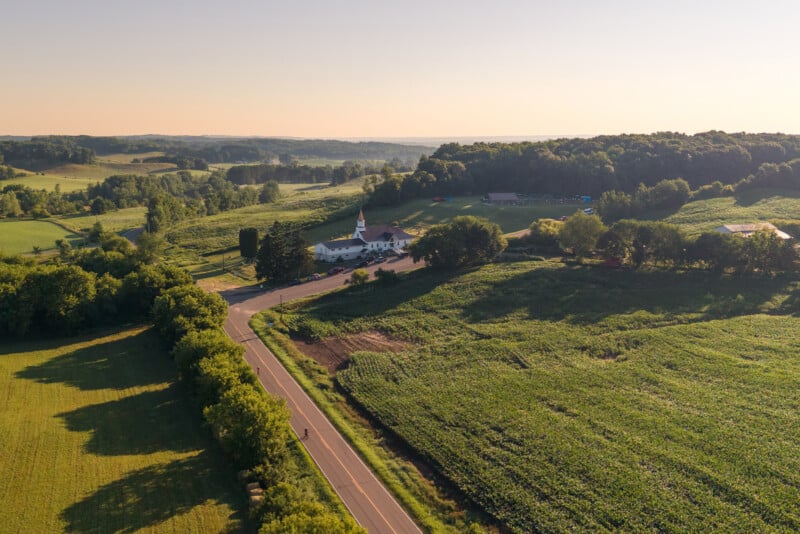
However, even the most meticulous preparation cannot entirely mitigate the inherent unpredictability of outdoor assignments. Holmes has cultivated the ability to instinctively recognize rapidly changing conditions and seize fleeting opportunities. A sudden shift in weather, which might initially disrupt a planned shot, can often unexpectedly give rise to an entirely new and compelling photographic possibility. "You have to be ready to roll with the punches and or pounce when an optimal weather window opens up," Holmes advises. This agility and responsiveness are central to her success in capturing dynamic and authentic aerial imagery, transforming potential obstacles into creative advantages.
The Inherent Advantage of Photographers in Drone Piloting
For photographers and filmmakers contemplating the integration of commercial drone services into their offerings, Holmes posits that their existing creative experience provides a significant, often underestimated, advantage. While mastering drone operation undeniably introduces a new set of technical skills related to aircraft control, once the fundamentals of flying become second nature, many of the creative decisions involved in crafting a compelling aerial image are already deeply familiar to an individual proficient in photography. "If you are already a photographer or filmmaker, you have an advantage out of the gate," Holmes declares.
This advantage stems from a fundamental understanding that simply getting a drone airborne is merely the initial step. A truly captivating aerial photograph still necessitates a profound grasp of principles such as composition, exposure, effective use of light, perspective manipulation, and precise timing. The pilot must possess the discerning eye to recognize what constitutes a visually impactful scene and subsequently know how to optimally position the camera to communicate that vision effectively. Holmes observes a prevalent trend: "A large portion of drone pilots were drawn to the ‘cool toy’ aspect of the work, but have zero experience composing a good shot or nailing the exposure." This distinction highlights the critical gap between technical operation and artistic execution.
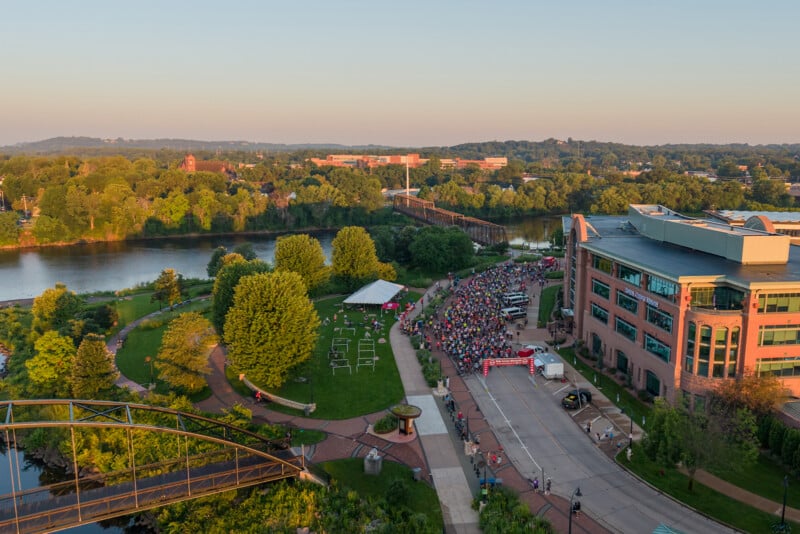
For an established photographer, these creative considerations are already intrinsically woven into their artistic process. The drone, in this context, alters the vantage point and introduces the additional challenge of controlling an unmanned aircraft, but the core fundamentals of image creation remain immutable. A photographer instinctively considers the interplay of lines and shapes within the frame, how available light influences the subject, where the viewer’s gaze will naturally gravitate, and whether the chosen perspective genuinely conveys meaningful information. Once the mechanical aspects of drone flying become comfortable, these deeply ingrained creative instincts can be seamlessly translated and applied to aerial perspectives. "Once you’re comfortable flying a drone you can apply the same creative decision making that you use when operating any other camera," Holmes explains.
This crucial distinction offers a powerful competitive edge for photographers aiming to establish commercial drone services. Instead of solely competing with other drone operators on technical piloting prowess, photographers can effectively fuse their piloting skills with years of developed visual storytelling acumen and technical photographic knowledge. The resultant output transcends mere aerial footage; it becomes purposeful imagery, strategically integrated within a larger marketing campaign, event coverage, or comprehensive visual narrative, offering a richer, more impactful solution to clients.
Beyond the Standard Shot: Future Horizons and Advocacy
Megan Zabel Holmes’ journey of expanding her aerial capabilities is far from complete. She expresses a strong desire to dedicate more time to mastering her FPV (First Person View) drone, with the ultimate goal of confidently offering this specialized service to clients. FPV drones, known for their immersive, dynamic flight characteristics, open up new frontiers in cinematic aerial capture, promising even more engaging visual content. Beyond technical mastery, Holmes harbors aspirations for more profound documentary work, envisioning opportunities to synergize her photography, filmmaking, and aerial skills on projects imbued with a deeper social or environmental purpose.
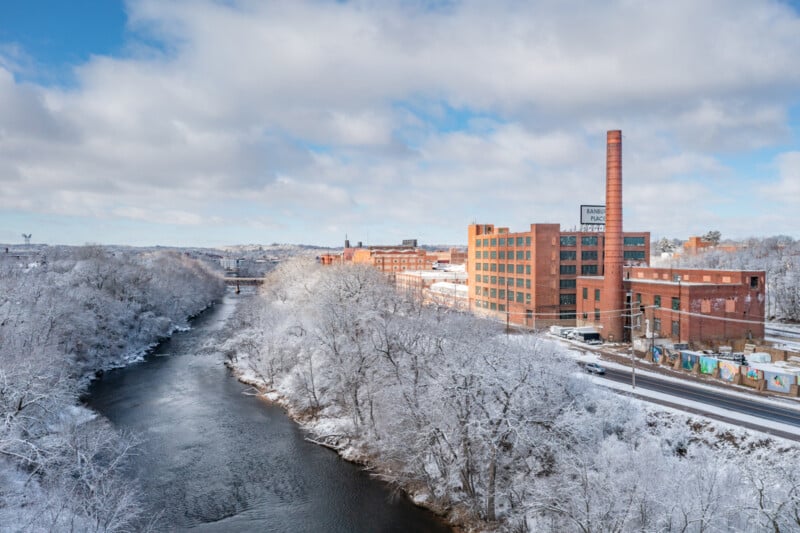
"My #1 dream gig would be using my skills in support of conservation organizations working to protect sacred, wild places," Holmes shares. This ambition points towards a future where her diverse creative background can serve a larger, altruistic purpose, transcending purely commercial assignments to document places and subjects that critically benefit from heightened attention and advocacy.
Furthermore, Holmes is deeply committed to addressing the stark gender imbalance within the commercial drone industry. Recognizing that women remain significantly underrepresented among licensed commercial drone pilots, she is driven to make entry into this technical field feel more accessible and less intimidating for women. "I want to make drone work feel less intimidating to women because there is NO REASON that men should make up 90% of the field," she asserts with conviction. As an active advocate, Holmes consistently offers her guidance and practical support to other women navigating the complex FAA Part 107 certification process. This mentorship reflects her own ethos of continuous learning and growth, from her origins in writing to her current mastery of aerial visual storytelling. As Megan Zabel Holmes continues to look towards the innovative possibilities of FPV technology, documentary filmmaking, and conservation initiatives, she steadfastly expands the methodologies through which she harnesses her multifaceted skills to craft compelling narratives. For her, the drone is not an end in itself but a potent instrument, continuously unlocking new creative and professional horizons.