The Functional Evolution of Vehicle Wrap Design
The primary driver behind the adoption of hybrid surfaces is the mitigation of sunlight glare, a persistent issue for commercial vehicles operating in high-UV environments. In traditional high-gloss wraps, direct sunlight can create "hot spots" of reflection that obscure critical branding elements, such as company names, contact information, and regulatory decals. By 2026, designers are increasingly utilizing matte-finished backgrounds to absorb light, providing a non-reflective canvas that ensures the vehicle’s primary color remains consistent regardless of the sun’s angle.
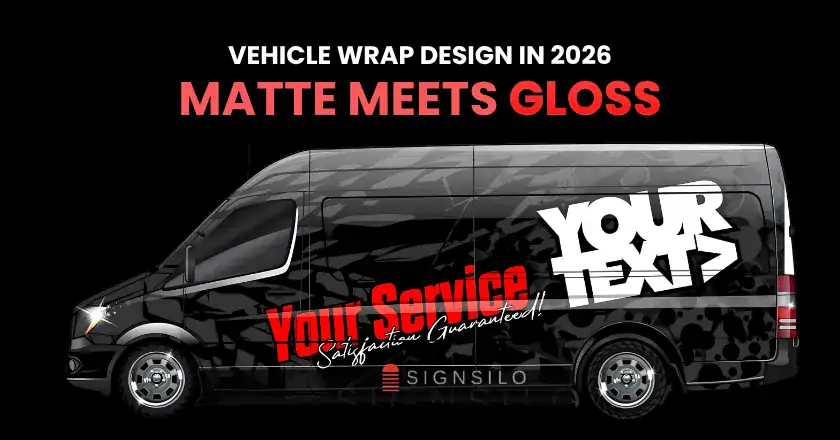
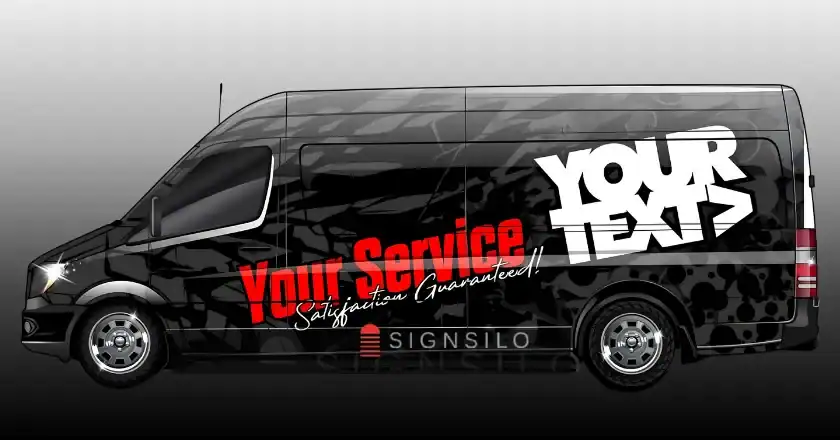
Conversely, glossy finishes are being repurposed as "accent textures." When logos or specific typography are applied in a high-gloss finish over a matte base, they create a visual "pop" that mimics three-dimensional depth. This technique, often referred to as "selective glossing," directs the viewer’s eye specifically toward the most important information. The science behind this is rooted in contrast ratios; the human eye is naturally drawn to changes in light reflection rather than just color changes. By varying the texture, brands can maintain a high level of legibility even in challenging lighting conditions, such as sunset or under bright highway LED illumination.
A Chronology of Vehicle Wrap Technology
To understand the rise of hybrid surfaces in 2026, it is necessary to examine the technological trajectory of the industry over the last two decades.
- 2000–2010: The Era of Cut Vinyl. During this period, vehicle branding was largely limited to computer-cut vinyl lettering. Multi-colored designs were expensive and difficult to maintain, and the concept of "wrapping" an entire vehicle was a niche service for high-end advertising.
- 2010–2020: The Digital Print Revolution. The introduction of wide-format eco-solvent and latex printers allowed for full-color photographic wraps. High-gloss finishes became the default as they most closely mimicked factory automotive paint.
- 2020–2024: The Rise of Matte and Satin. Influenced by luxury automotive trends, matte and satin finishes gained popularity. However, businesses soon discovered that full-matte wraps often looked "flat" in low light, reducing the impact of their marketing message at a distance.
- 2025–2026: The Hybrid Synthesis. The current era is defined by the marriage of these two technologies. Advancements in precision plotter cutting and layering software have made it economically viable for wrap shops to offer multi-texture designs that combine the durability of matte laminates with the high-visibility of gloss accents.
Supporting Data: Market Growth and Brand Recall
Market analysis from the first half of the 2020s suggests that the vehicle wrap market is expanding at a Compound Annual Growth Rate (CAGR) of approximately 22.4%. By 2026, the global market for automotive wrap films is expected to exceed $17 billion. Within this growth, the "specialty finish" segment—which includes hybrid textures—is the fastest-growing sub-sector.
A 2025 study on consumer perception in transit advertising found that hybrid-textured wraps achieved a 35% higher brand recall rate compared to uniform gloss wraps. Participants in the study noted that the "tactile" appearance of the graphics made the information feel more premium and professional. Furthermore, from a maintenance perspective, fleet managers have reported that matte-based hybrid wraps show 15% fewer visible scratches and swirl marks over a three-year lifecycle compared to full-gloss wraps, potentially increasing the resale value of fleet vehicles when the wraps are eventually removed.

Professional Design Infrastructure: The Role of SignSilo
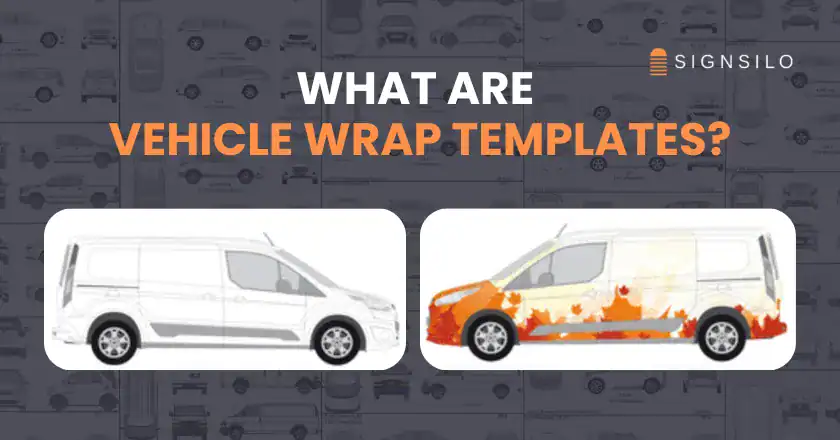
The execution of these sophisticated hybrid designs requires more than just high-quality vinyl; it demands precision-engineered digital assets. In the professional wrap industry, SignSilo has emerged as a critical resource for designers tasked with implementing these trends. As vehicle geometries become more complex with the rise of electric vehicles (EVs) and aerodynamic van designs, the margin for error in wrap templating has narrowed.
SignSilo provides a comprehensive library of vehicle templates that are essential for the planning phase of a hybrid wrap. These templates allow designers to map out exactly where a matte finish will end and a gloss accent will begin, ensuring that logos do not "break" across door handles or complex body curves. The service offers several subscription tiers to accommodate different business scales:
- Single Yearly Plan ($119/year): Aimed at independent designers, providing 25 downloads of templates or high-resolution graphics.
- Professional Yearly Plan ($249/year): Designed for active wrap shops, offering 100 downloads.
- Premium Yearly Plan ($499/year): A high-volume solution providing 300 downloads, catering to large-scale fleet branding agencies.
The availability of "Free Testers" from SignSilo has also been cited by industry professionals as a key factor in the rapid adoption of hybrid designs. These testers allow installers to verify the accuracy of their print-and-cut workflows before committing to expensive rolls of specialty laminate.
Technical Analysis of Material Durability
One of the primary concerns for fleet operators adopting hybrid surfaces is the longevity of the materials. In 2026, the industry has largely moved toward cast vinyl films for these applications. Cast vinyl is manufactured by pouring a liquid mixture onto a moving web, resulting in a thin, stable film that does not have the "memory" of cheaper calendered vinyl. This stability is crucial for hybrid wraps, where multiple layers of film are often stacked.
The UV-resistance of modern matte laminates has also seen significant improvement. Historically, matte finishes were prone to "polishing"—a phenomenon where friction from car washes or road debris would create shiny spots on the dull surface. New micro-textured coatings used in 2026 wraps are engineered to resist this mechanical polishing, ensuring that the contrast between the matte base and gloss accents remains sharp for the duration of the wrap’s 5-to-7-year expected lifespan.
Industry Responses and Economic Implications
The reaction from wrap installers to the hybrid trend has been largely positive, though it requires a higher level of technical skill. "The hybrid approach allows us to charge a premium for design services," says one industry veteran. "It’s no longer just about sticking a logo on a door; it’s about creating a visual hierarchy through texture. It turns a van into a piece of engineered marketing."

From a brand management perspective, the move toward hybrid surfaces is seen as a way to "future-proof" corporate identity. As urban environments become more saturated with digital screens and bright advertisements, the subtle, sophisticated contrast of matte and gloss provides a "quiet" form of dominance that stands out without being visually abrasive.
Economically, while a hybrid wrap may cost 10% to 20% more than a standard gloss wrap due to the additional labor of layering and the cost of two different laminates, the return on investment (ROI) is justified by the increased durability and superior legibility. For a fleet of 500 vehicles, a 15% reduction in maintenance-related wrap repairs can result in significant annual savings.
Future Projections and Sustainability
Looking beyond 2026, the trend toward hybrid surfaces is expected to integrate with sustainable manufacturing practices. Several major vinyl manufacturers have begun testing PVC-free films that can support both matte and gloss finishes. These polyolefin-based films are more easily recyclable and have a lower carbon footprint, aligning vehicle wrap trends with broader corporate ESG (Environmental, Social, and Governance) goals.

Furthermore, the integration of AI-assisted design tools—as noted in the production of contemporary industry imagery—is streamlining the creation of hybrid wraps. AI algorithms can now analyze a vehicle’s 3D model to suggest the optimal placement of gloss accents based on how light typically hits that specific car or truck model. This data-driven approach to design ensures that the functional benefits of hybrid surfaces are maximized for every vehicle in a fleet, regardless of its shape or size.
In conclusion, the shift toward hybrid matte and gloss surfaces in 2026 represents a maturation of the vehicle wrap industry. It is a move from purely aesthetic customization to a science-based approach to branding that prioritizes legibility, durability, and visual impact. With the support of robust design platforms like SignSilo and advancements in material science, hybrid surfaces are set to define the next decade of mobile advertising.