The art and science of illumination stand as an undeniable cornerstone in both photography and videography, serving as the primary conduit through which visual narratives are shaped, emotions evoked, and subjects rendered with depth and clarity. Far from being a mere technicality, lighting is a profound creative tool, yet its mastery hinges on a foundational understanding of three universal principles: Intensity, Quality, and Direction. These tenets are not exclusive to professional studios equipped with advanced strobes and LEDs; they are equally crucial when navigating the subtle, ever-shifting nuances of natural light, offering a framework for artists to transcend mere documentation and achieve deliberate visual crafting.
The Historical Evolution of Illumination in Visual Storytelling
The journey of manipulating light for artistic expression is as old as art itself, from the dramatic chiaroscuro of Renaissance painters to the pioneering efforts of early photographers. Initially, visual artists were entirely at the mercy of natural light, painstakingly arranging subjects and scenes to capitalize on ambient conditions. The advent of artificial light sources, from magnesium flashes in the late 19th century to incandescent bulbs and eventually sophisticated electronic strobes and continuous LEDs, revolutionized the field. This technological progression empowered creators with unprecedented control, allowing them to sculpt light independently of the sun’s position or the time of day. However, regardless of the technological era or specific equipment, the underlying principles governing how light interacts with a scene have remained constant, forming the bedrock of visual literacy for generations of photographers and cinematographers.
Intensity of Light: The Foundational "Volume Control"
At its most basic, the intensity of light refers to the sheer quantity of light emitted by a source and consequently, the amount reaching the subject. Often likened to a "volume knob," intensity directly impacts the exposure of an image, determining its overall brightness or darkness. In a studio setting, this is typically controlled via power dials on strobes or continuous lights, allowing for precise adjustments in light output. For photographers working with natural light, manipulating intensity involves techniques such as using Neutral Density (ND) filters to reduce light, adjusting ISO sensitivity to increase sensor responsiveness, or altering aperture and shutter speed.
While fundamental for achieving correct exposure, the intensity of light is often considered the most straightforward principle to grasp. Its objective measurement is crucial, with incident light meters providing accurate readings of light falling on a subject, distinct from reflective meters that measure light bouncing off a subject. A key physical law governing intensity is the inverse square law, which states that the intensity of light is inversely proportional to the square of the distance from the source. This means that doubling the distance between a light source and a subject reduces the light intensity to one-quarter of its original value. Understanding this principle is vital for predictable light control, allowing photographers to anticipate changes in exposure simply by repositioning their light sources. Despite its simplicity, precise intensity control forms the bedrock upon which more nuanced lighting decisions are built, ensuring that a scene is neither underexposed into murky shadows nor overexposed into blown-out highlights.
Quality of Light: Shaping Mood and Detail
The quality of light delves into the characteristics that define its aesthetic and expressive potential, encompassing a multitude of variables that profoundly influence the mood, texture, and detail rendered in an image. This multifaceted principle is frequently the most discussed and debated among professionals due to its intricate nature.
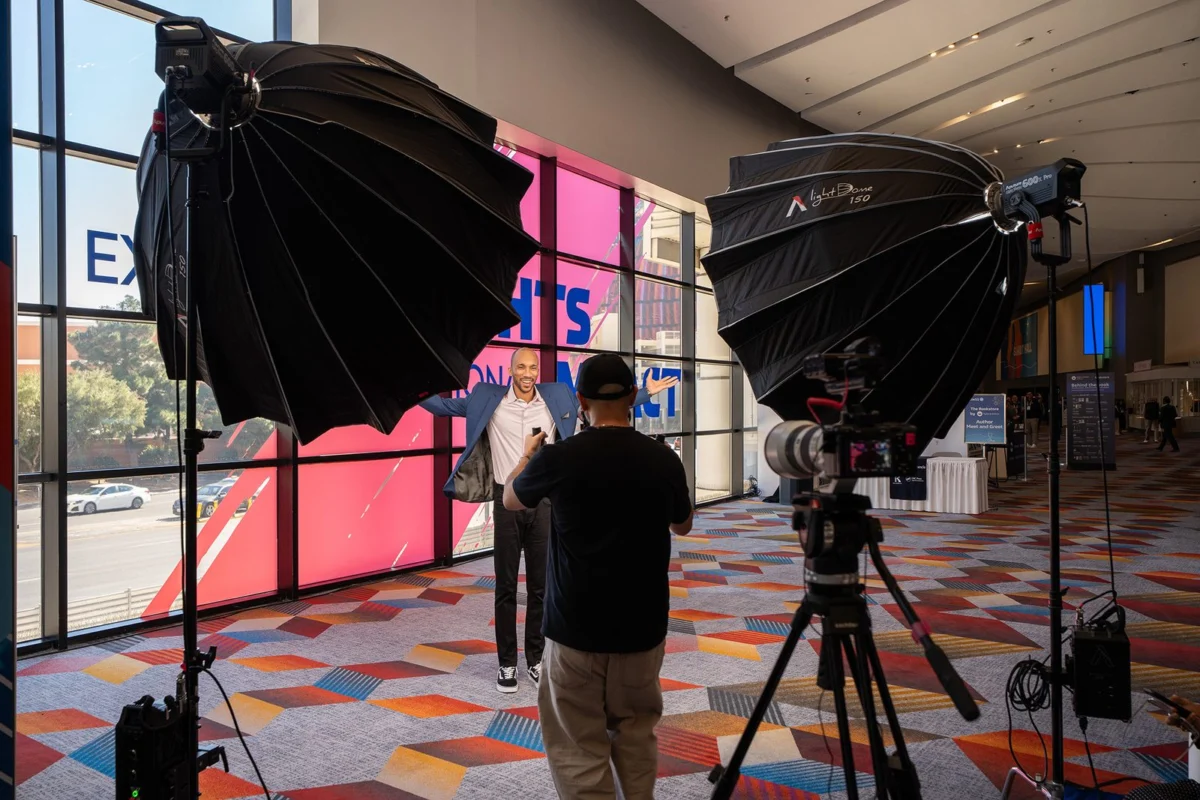
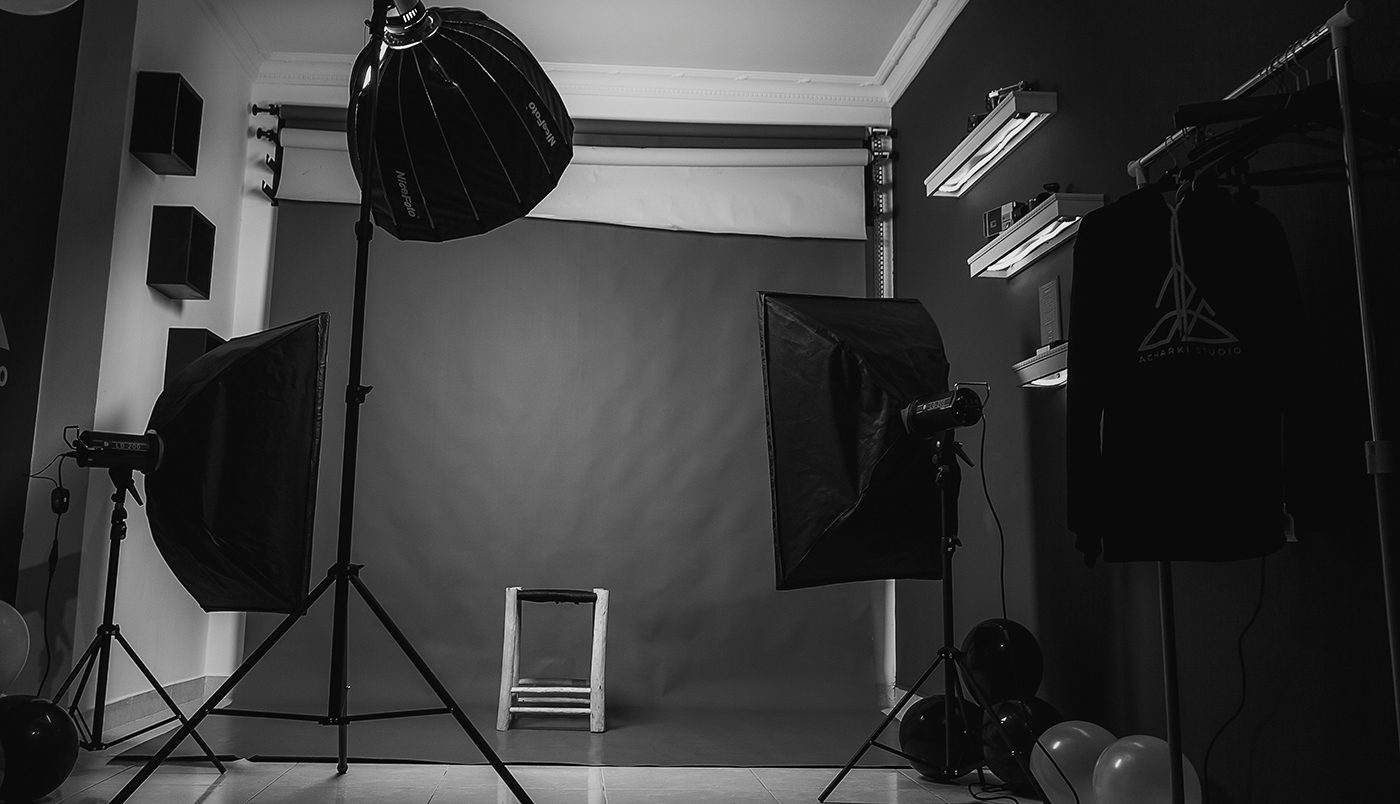
One of the primary distinctions within light quality is between hard light and soft light. Hard light originates from a relatively small light source in relation to the subject. It produces sharply defined shadows, high contrast, and accentuates texture and detail. Examples include direct sunlight on a clear day, a bare flash, or a focused spotlight. Hard light is often employed to create dramatic effects, emphasize strong lines, or highlight specific facial features in portraiture. Conversely, soft light emanates from a large light source relative to the subject. It generates gradual transitions from light to shadow, lower contrast, and a more flattering, diffused illumination. Overcast skies, large softboxes, octaboxes, or light bounced off a broad white surface are classic examples. Soft light is widely favored in fashion, beauty, and portrait photography for its ability to smooth skin tones and create a gentle, ethereal quality. The apparent size of the light source, not its absolute size, is the critical factor here; a small light placed very close to a subject can act as a relatively large source and thus produce softer light.
Beyond the hard/soft dichotomy, color temperature is another critical aspect of light quality. Measured in Kelvin (K), color temperature describes the warmth or coolness of a light source. Daylight typically ranges from 5500K to 6500K (cool blue), while tungsten bulbs are around 3200K (warm orange). Modern RGB LEDs offer an even broader spectrum, allowing for highly creative and specific color casts. Correctly managing color temperature through white balance settings ensures accurate color rendition, but intentionally manipulating it can also evoke specific moods or convey information (e.g., warm light for coziness, cool light for sterility).
Furthermore, the specularity of light, referring to how light reflects off surfaces, contributes significantly to light quality. A highly reflective silver umbrella, for instance, produces more specular highlights and increased contrast compared to a diffused white umbrella or a translucent softbox, which scatters light more broadly and reduces specularity. Modifiers such as grids, snoots, and reflectors are employed to control the spread and character of light, shaping its quality to achieve desired effects, from focused beams to broad, even washes. The nuanced variations introduced by different modifiers – from parabolic reflectors that offer a unique blend of softness and punch, to beauty dishes known for their distinct catchlights and contrast – illustrate why professionals often develop strong preferences for specific tools. The continuous innovation and occasional discontinuation of lighting modifiers underscore the dynamic nature of this field, where subtle design changes can significantly alter a light’s qualitative output.
Direction of Light: Sculpting Form and Emotion
The direction of light, arguably the most powerful tool for creating a sense of depth, dimension, and emotional resonance in an image, refers to the spatial relationship between the light source, the subject, and the camera. It dictates where shadows fall, how textures are emphasized, and how the three-dimensional form of a subject is translated onto a two-dimensional plane.

Human perception is inherently biased towards light coming from above, mirroring the most common natural light source – the sun. Consequently, top-down lighting is often perceived as natural and flattering, sculpting features in a way that aligns with our everyday experience. Deviating from this natural convention, for instance, by lighting a face from directly below, can produce an "uncanny valley" effect, creating unsettling or dramatic shadows that are highly effective when used with deliberate artistic intent.
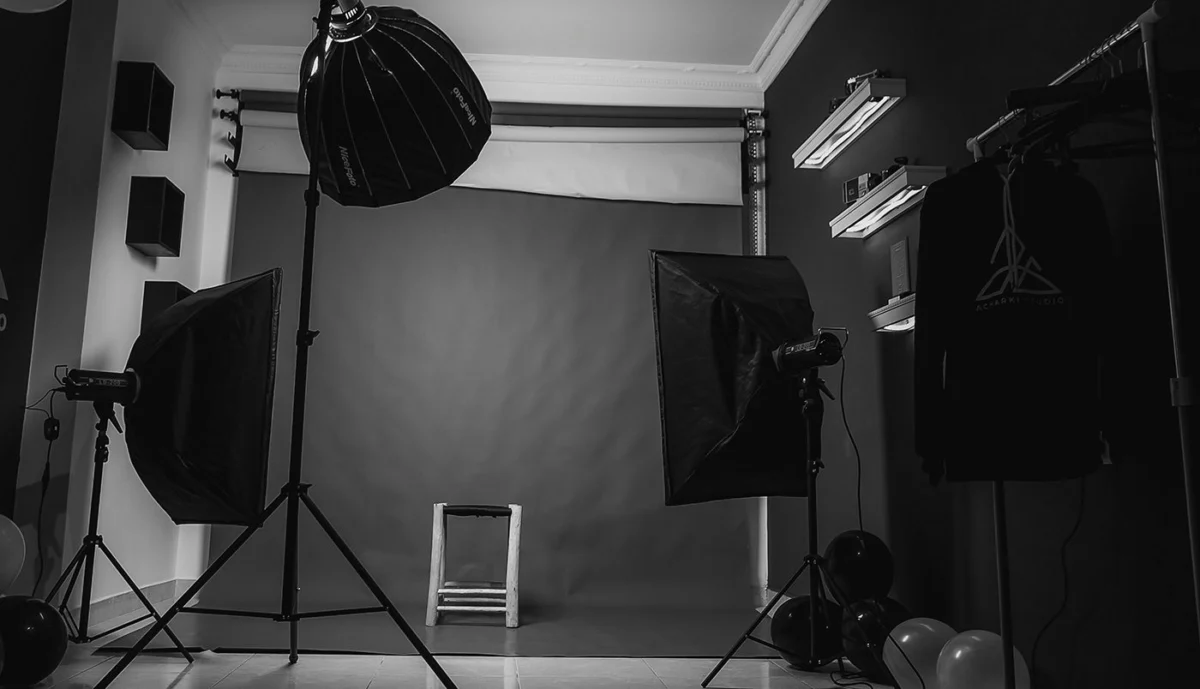
The fundamental setup often taught to aspiring visual artists is the three-point lighting system, comprising a key light, a fill light, and a backlight:
- Key Light: The primary and brightest light source, positioned to illuminate the main features of the subject and establish the dominant direction of light.
- Fill Light: A softer, less intense light positioned to reduce the harshness of shadows created by the key light, providing detail in darker areas without eliminating depth.
- Backlight (or Hairlight/Rim Light): Placed behind the subject, it separates the subject from the background, creating a luminous outline and enhancing three-dimensionality.
Beyond this standard setup, numerous established lighting patterns are defined by the angle of the key light relative to the subject and camera:
- Butterfly Lighting (or Paramount Lighting): Light placed directly in front of and slightly above the subject, creating a butterfly-shaped shadow under the nose. Favored for glamorous portraits.
- Rembrandt Lighting: Characterized by a small triangle of light on the shadowed side of the face, achieved by placing the key light high and to the side, allowing the nose shadow to meet the cheek shadow. Creates a dramatic, moody effect.
- Split Lighting: The subject’s face is evenly divided, with one side fully lit and the other in shadow. The key light is placed at 90 degrees to the subject. Often used for dramatic or masculine portraits.
- Loop Lighting: A small shadow from the nose appears on the cheek, but does not connect to the cheek shadow. The key light is positioned slightly to the side and above the subject. A subtle, versatile pattern.
These patterns, often described in terms of degrees from the subject’s face, offer a precise vocabulary for discussing and replicating lighting setups. Visual diagrams are frequently employed in lighting breakdowns to illustrate these principles, demonstrating how horizontal and vertical light placement fundamentally alters a subject’s appearance. The judicious placement of light sources allows a creator to emphasize contours, reveal textures, and guide the viewer’s eye, making direction an indispensable tool for visual storytelling.
The Interplay of Principles: Crafting a Cohesive Vision
While each principle—Intensity, Quality, and Direction—can be analyzed in isolation, their true power emerges from their synergistic application. A masterful visual artist doesn’t merely adjust the "volume" of light (intensity), choose between "hard" or "soft" (quality), or decide "where" to place it (direction); they orchestrate these elements concurrently to achieve a cohesive and impactful vision. For example, a dramatic portrait might employ a low-intensity, hard light from a side direction (Rembrandt style) to sculpt the face and create deep shadows, while a commercial product shot might utilize high-intensity, soft light from multiple directions to eliminate harsh shadows and reveal every detail. The interplay is dynamic: altering the distance of a light (impacting intensity) also changes its apparent size (impacting quality). Shifting a light’s position (direction) will necessitate adjustments in intensity to maintain proper exposure. This intricate dance between the three pillars is what elevates an image from a snapshot to a carefully constructed piece of art.
Technological Advancements and Enduring Principles
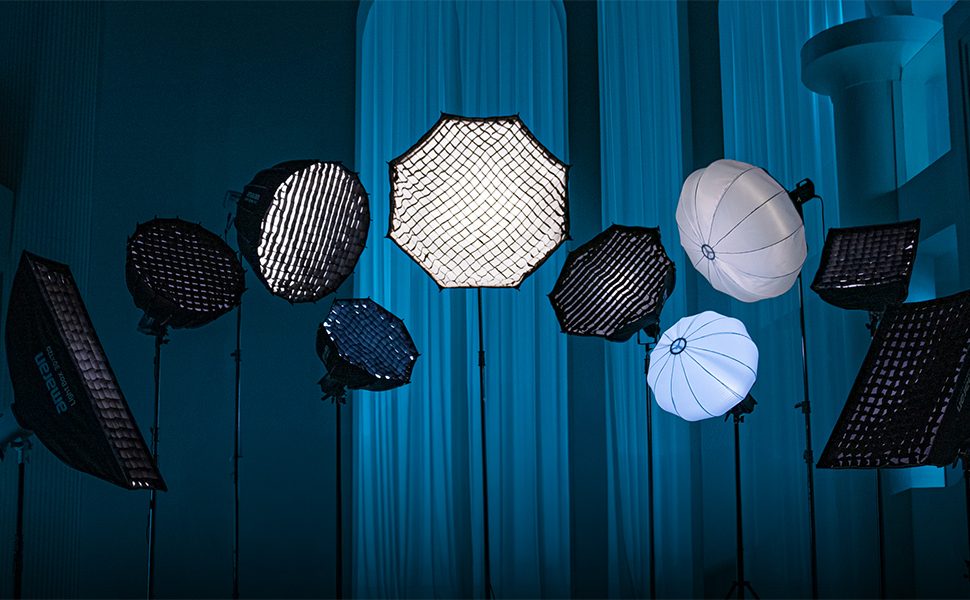
The lighting industry has witnessed continuous innovation, from the development of high-output HMI lights for film to the proliferation of compact, energy-efficient LED panels for both photography and videography. Modern lights often boast features like precise color temperature control, wireless connectivity, and customizable effects. However, these technological leaps primarily offer more convenient, versatile, or powerful means to apply the core principles. A high-powered LED panel, for instance, still functions as either a hard or soft light source depending on its size and modifiers, and its intensity still adheres to the inverse square law. The ability to dial in specific color temperatures or remotely adjust power simply refines the control over light quality and intensity; it does not alter the fundamental principles themselves. This enduring relevance underscores why understanding these basics remains paramount for professionals and aspiring visual artists alike, serving as a constant guide amidst evolving gear.
Educational Imperative and Industry Impact
The mastery of lighting principles is not merely a technical skill but a critical component of visual literacy. Educational institutions and workshops across the globe dedicate significant curricula to these concepts, emphasizing their foundational role in everything from basic studio photography to advanced cinematography. Industry professionals, from commercial photographers to Hollywood gaffers, consistently cite a deep understanding of intensity, quality, and direction as essential for their craft. This knowledge allows them to diagnose lighting issues, adapt to challenging environments, and communicate effectively with their teams. The economic impact is also substantial, driving innovation and sales in the multi-billion dollar lighting equipment market, as creators continually seek tools that offer finer control over these fundamental elements.
As visual media continues its pervasive expansion across digital platforms, the ability to consciously shape light becomes an increasingly valuable skill. The next frontier in this educational journey involves dissecting and reverse-engineering the lighting in popular culture – from the cinematic grandeur of blockbuster films to the artful compositions found in advertising and fine art photography. By applying the lens of intensity, quality, and direction, observers can decode the visual language crafted by master storytellers, further deepening their own practical understanding and creative potential. This analytical approach transforms passive consumption into active learning, offering an endless wellspring of inspiration and practical lessons for those committed to illuminating their vision.