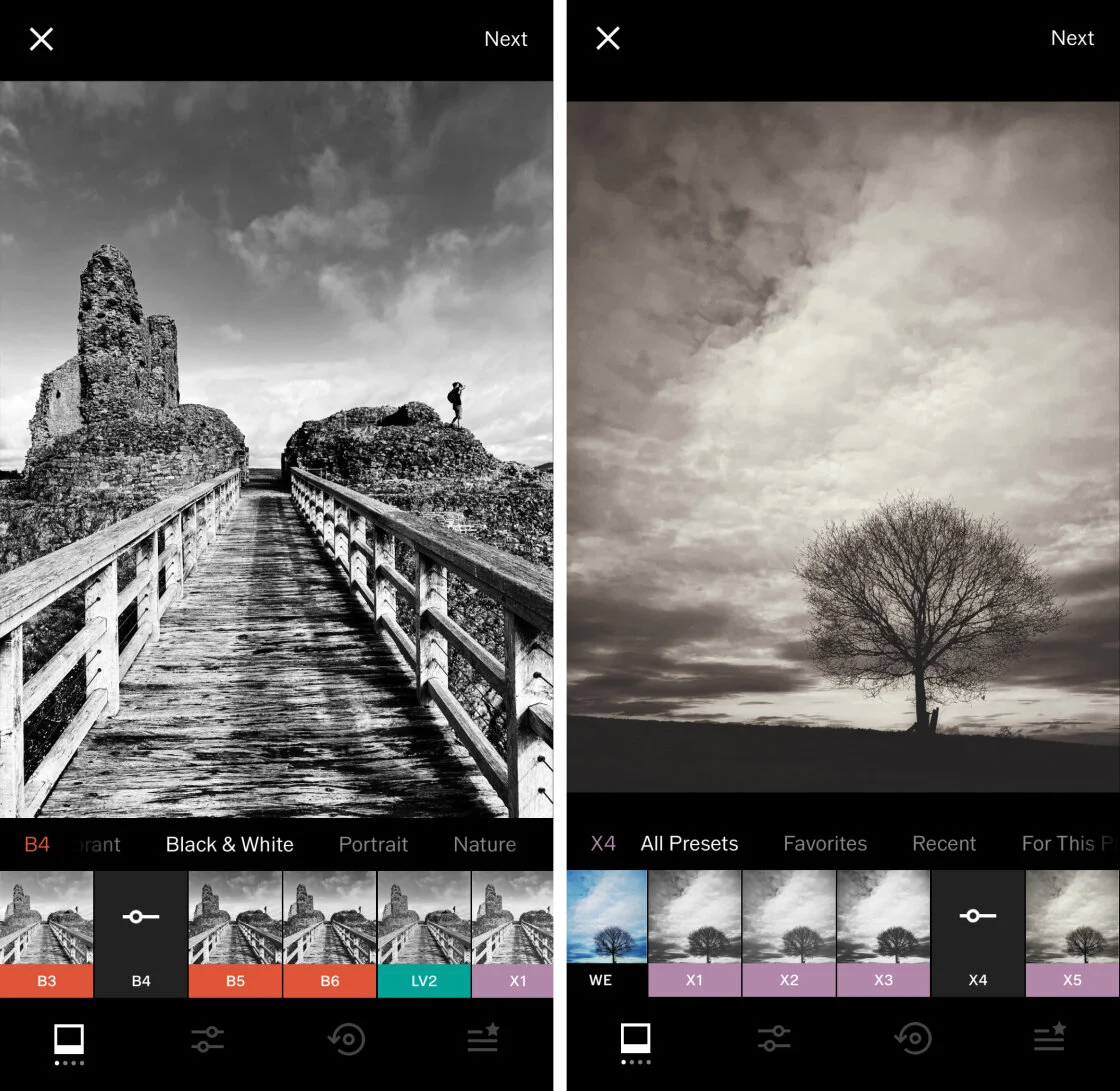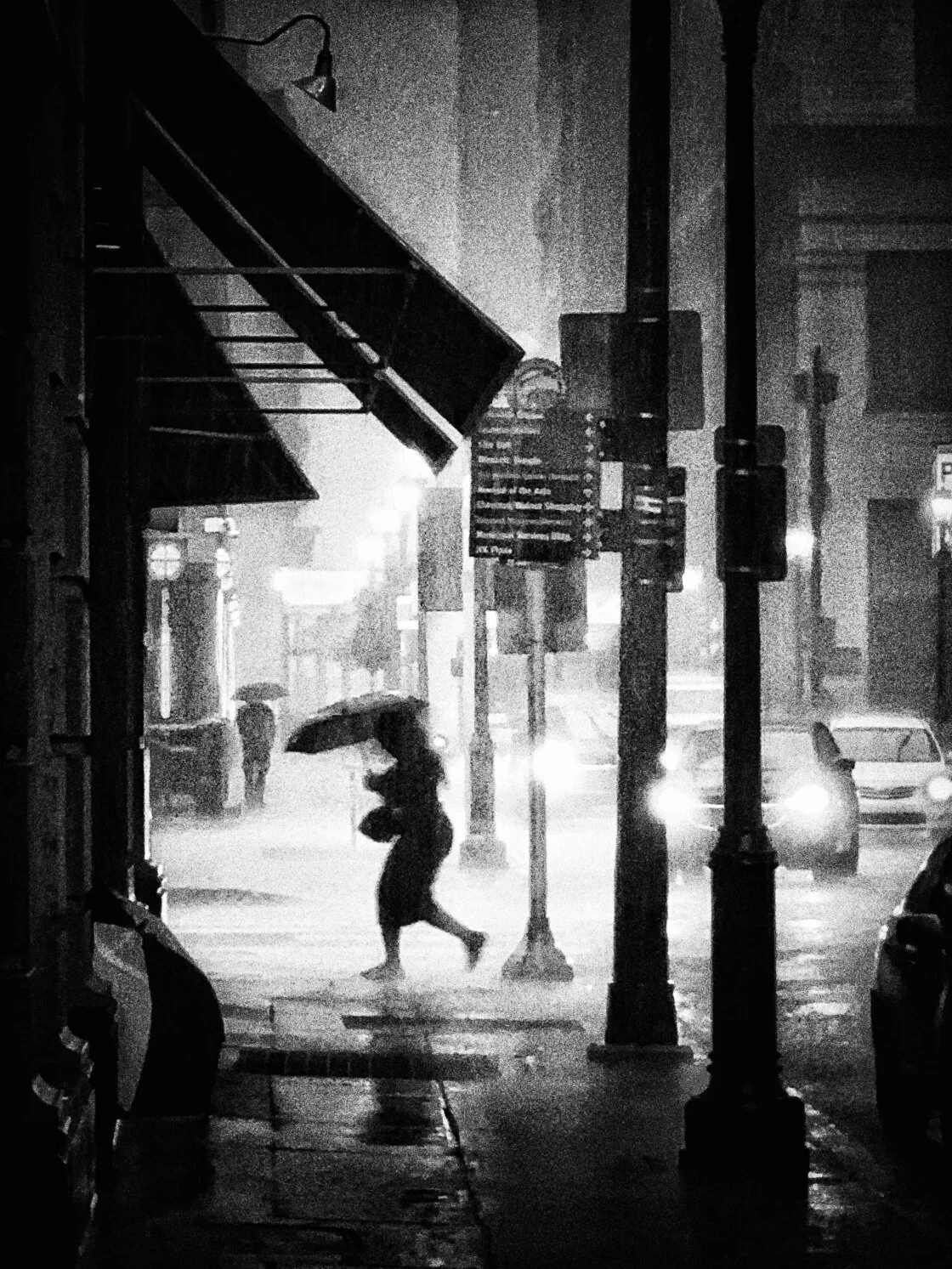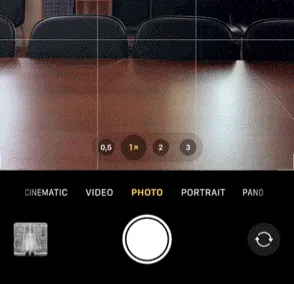
The evolution of mobile technology has fundamentally altered the landscape of contemporary photojournalism and street photography, transitioning the medium from heavy, specialized equipment to the high-powered sensors found in modern smartphones. As the "iPhoneography" movement continues to gain momentum among both enthusiasts and professional artists, the focus has increasingly shifted toward the timeless aesthetic of monochrome. Black and white street photography, a genre defined by its reliance on contrast, texture, and light, has found a new home in the pocket of the everyday observer. By leveraging specific technical settings and compositional frameworks, photographers are now able to replicate the depth and grit of traditional film using digital tools that offer unprecedented portability and discretion.
The Technological Shift Toward Mobile Street Photography
The rise of the iPhone as a primary tool for street photography is not merely a matter of convenience; it is a response to the changing dynamics of the urban environment. Historically, street photography was pioneered by figures such as Henri Cartier-Bresson and Vivian Maier, who utilized compact 35mm cameras to capture candid moments. Today, the iPhone serves as the modern equivalent of the Leica, allowing photographers to remain inconspicuous while navigating crowded city centers.
According to market data from the Camera & Imaging Products Association (CIPA), traditional camera shipments have seen a significant decline over the last decade, while the quality of smartphone optics has improved exponentially. Modern iPhones now feature advanced computational photography engines, multiple lens arrays, and sophisticated image signal processors that allow for high-dynamic-range (HDR) processing, which is particularly beneficial for the high-contrast demands of black and white imagery.
The Strategic Implementation of Native Monochrome Filters
One of the most critical technical strategies for mastering this genre is the decision to shoot in a native black and white mode rather than converting color images during post-processing. Within the iOS Camera application, the "Noir" filter provides a high-contrast preview that allows the photographer to visualize the world in grayscale before the shutter is even pressed.
Aesthetic analysis suggests that by removing the distraction of color, a photographer can more easily identify the essential elements of a scene: light, shadow, pattern, and form. While the iPhone’s filters are non-destructive—meaning the original color data is preserved and can be restored in the Photos app—shooting with a monochrome viewfinder forces the artist to compose based on luminance values rather than hues. This approach aligns with the "pre-visualization" technique championed by Ansel Adams, adapted for the digital age.
Minimalist Composition and the Use of Negative Space
In the chaotic environment of a metropolis, the most impactful photographs are often those that employ minimalism. Professional street photographers emphasize the importance of "negative space"—the empty areas surrounding a subject—to direct the viewer’s eye and create a sense of isolation or scale.
To achieve this in an urban setting, experts recommend scouting open locations such as public squares, parks, or modern architectural sites. Using tools like Google Maps or Instagram to identify minimalist locations before arriving on-site has become a standard practice for contemporary urban explorers. By positioning a single human subject against a vast, uncluttered background, the photographer creates a narrative of the individual versus the environment. Low-angle shots are particularly effective in these scenarios, as they allow the photographer to replace a distracting foreground with the clean, expansive canvas of the sky.
Harnessing Urban Geometry: Leading Lines and Patterns
The city is a structural grid of geometric opportunities. Leading lines—paths, bridges, architectural beams, or road markings—serve as visual guides that pull the viewer’s attention toward a specific focal point. In black and white photography, these lines become even more pronounced because the eye is not distracted by varying color temperatures.
Chronological studies of urban design show that modern architecture increasingly favors repetitive patterns and symmetry. Facades with rows of windows, pillars, or arches provide a rhythmic backdrop that, when captured in monochrome, creates a hypnotic visual texture. Industry experts suggest that the most powerful compositions often feature a "disruptor"—a human element that breaks the repetition of a pattern, thereby providing a focal point and a sense of human scale to the cold geometry of the city.
Advanced Light Manipulation: Silhouettes and Shadows
The physics of light plays a more significant role in monochrome photography than in any other style. Silhouettes and shadows are not merely byproducts of lighting; they are the primary subjects themselves. A silhouette, created by shooting toward a bright light source with the subject positioned in the foreground, adds an element of mystery and anonymity to the work.
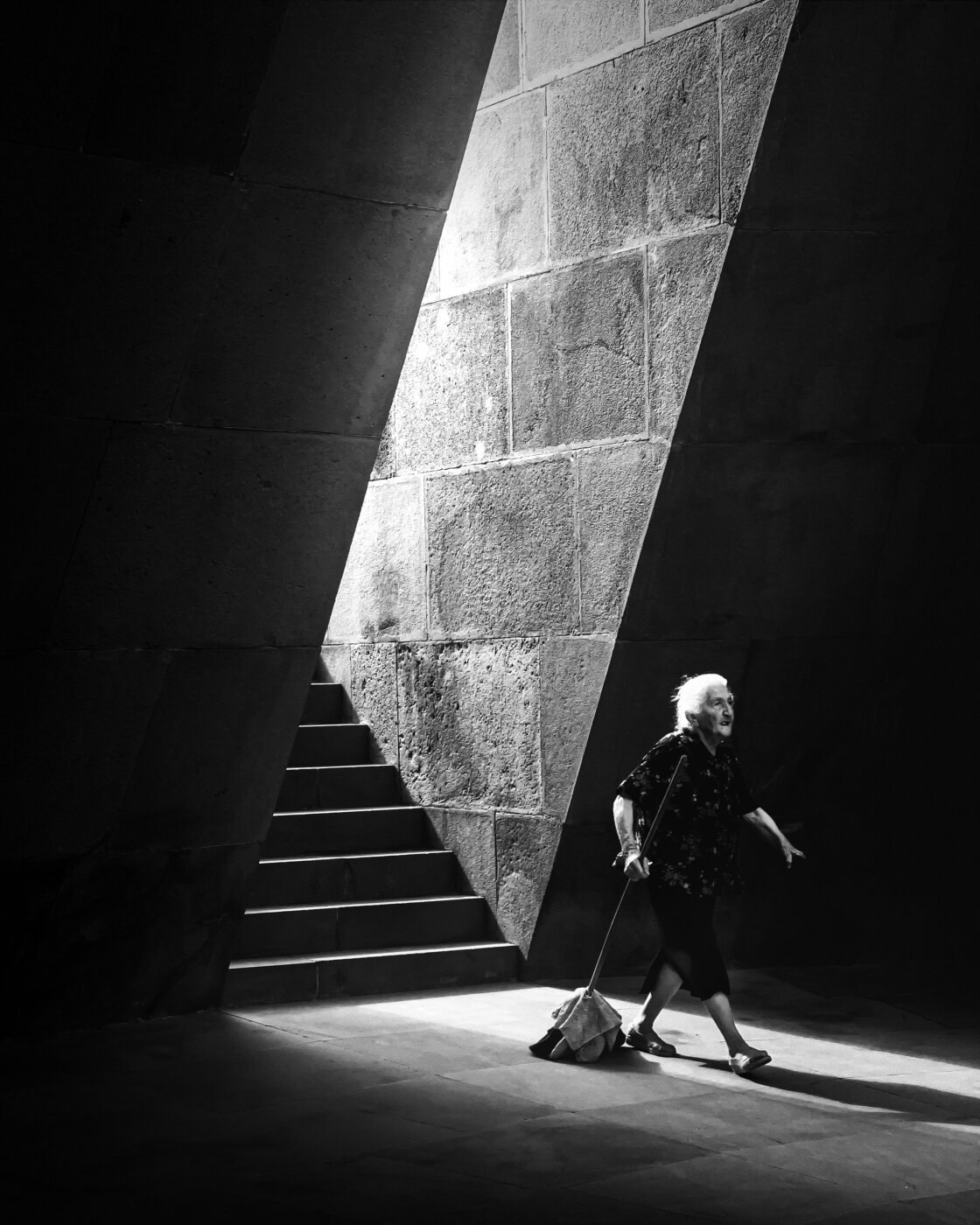
To execute this effectively on an iPhone, photographers must master the exposure compensation tool. By tapping the screen to set focus and then sliding the exposure value downward, the photographer can intentionally "crush" the shadows, turning a subject into a stark black outline against a bright background. This technique is most effective during the "Golden Hour"—the period shortly after sunrise or before sunset—when the sun is low on the horizon, creating elongated shadows that can be used as leading lines or abstract shapes in their own right.
The Role of Burst Mode in Candid Capture
Street photography is often a game of milliseconds. The "Decisive Moment," a term coined by Cartier-Bresson, refers to the exact instant when all visual elements in a scene align perfectly. To capture this on a mobile device, the use of "Burst Mode" is essential. By dragging the shutter button to the left or holding the volume-up button, the iPhone captures a rapid sequence of images.
This technical feature is vital when a subject is moving through a "frame" within the environment, such as an archway or a doorway. It allows the photographer to select the frame where the subject’s gait, posture, and position relative to the architecture are most aesthetically pleasing. This shift from single-shot precision to sequence-based selection is a hallmark of the digital transition in street photography.
Post-Processing and the Digital Darkroom
While the initial capture is paramount, the final image is often refined in the "digital darkroom." Applications such as Adobe Lightroom Mobile and the native iOS Photos app provide tools that allow for the fine-tuning of contrast, highlights, and shadows.
In black and white photography, the "Contrast" and "Clarity" sliders are particularly powerful. Increasing contrast can add a dramatic, noir-like quality to a street scene, while adjusting highlights can ensure that detail is preserved in bright areas like clouds or illuminated signage. Furthermore, modern AI-powered retouching tools, such as the "Healing" brush in Lightroom or specialized apps like TouchRetouch, allow photographers to remove distracting elements—such as trash, stray wires, or unwanted signs—thereby cleaning up the composition to meet minimalist standards.
Analysis of the Broader Impact and Implications
The democratization of street photography through the iPhone has significant implications for the art world and the preservation of history. As more individuals capture high-quality monochrome images of their daily lives, the collective visual record of urban life becomes more diverse and comprehensive.
However, this accessibility also raises questions regarding privacy and the ethics of candid photography in the digital age. Most professional organizations, such as the National Press Photographers Association (NPPA), emphasize that while photographing in public spaces is generally a protected right, the artist must balance their creative pursuits with respect for their subjects.
From an industry perspective, the success of iPhone-based street photography has forced traditional camera manufacturers to pivot toward the "prosumer" market, focusing on features that smartphones cannot yet replicate, such as large-format sensors and physical tactile controls. Meanwhile, the mobile photography ecosystem continues to expand, with specialized accessories like anamorphic lenses and portable lighting rigs further closing the gap between the smartphone and the professional rig.
Conclusion: The Future of the Monochrome Lens
The journey of the mobile street photographer is one of constant observation and technical adaptation. As practitioners like Maksim Kyshtymov have demonstrated, the transition from heavy DSLR equipment to the iPhone represents a liberation of the creative process. The ability to walk for hours through a city, unencumbered by gear, allows for a more intimate connection with the environment.
As iPhone hardware continues to evolve—with rumors of larger sensors and even more sophisticated AI integration on the horizon—the potential for professional-grade black and white street photography will only grow. The core principles, however, remain unchanged. Whether using a vintage film camera or the latest smartphone, the goal of the street photographer is to find beauty in the mundane, structure in the chaos, and a timeless story in a fleeting moment of light and shadow. By mastering these eight strategies, the modern photographer ensures that the legacy of monochrome street photography continues to thrive in the digital era.