
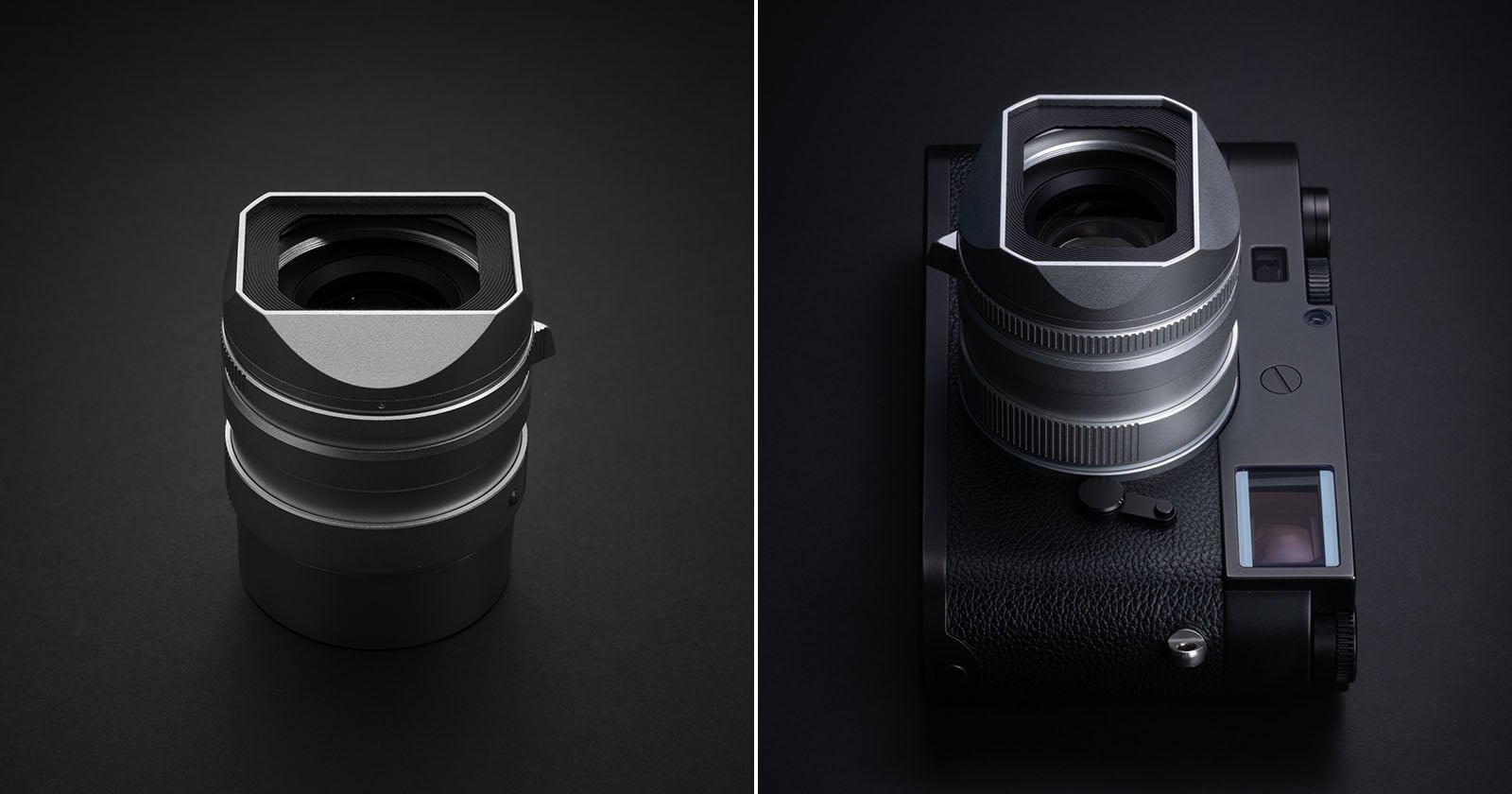
Light Lens Lab, a company previously celebrated for its meticulous re-creations of classic photographic lenses, has announced a significant evolution in its product development strategy with the introduction of the 35mm f/2 "Apochromatic" lens. This new optic represents a landmark achievement for the Chinese manufacturer, being the inaugural release from its ambitious High-Performance Optical Research Project and the first lens in its new High Performance Series. The announcement signals a clear pivot from historical homage to contemporary optical innovation, positioning Light Lens Lab as a formidable player in the high-end manual-focus lens market.
A New Chapter in Optical Design: The Apochromatic Advantage
At the core of this groundbreaking release is the lens’s apochromatic design, a term of considerable significance in optical engineering. An apochromatic lens is engineered to bring three different wavelengths of light (typically red, green, and blue) to focus in the same plane, thereby minimizing chromatic aberration – the phenomenon where different colors of light are focused at slightly different points, leading to color fringing, particularly in high-contrast areas. This meticulous correction results in images with superior clarity, enhanced color fidelity, and sharper detail, even at wide apertures. Light Lens Lab proudly states that the 35mm f/2 "Apochromatic" embodies an "independently developed optical design combining advanced chromatic-aberration correction, high-precision optical manufacturing, and compact mechanical construction." This commitment to apochromatic correction suggests a lens designed for discerning photographers who demand absolute purity in color and exceptional resolution across the frame.
The technical specifications underscore this dedication to optical excellence. The lens comprises 11 elements arranged across six groups, a complex configuration designed to manage various optical aberrations comprehensively. Among these elements are four aspherical components, critical for correcting spherical aberration and coma, especially at wide apertures, while also helping to keep the overall lens size compact. Furthermore, the inclusion of ultra-low-dispersion (ULD) and anomalous partial-dispersion glass elements plays a pivotal role in achieving the advanced apochromatic correction, precisely controlling how different wavelengths of light travel through the lens. To further enhance image quality, a new multilayer coating has been applied, engineered to reduce internal reflections, minimize flare, and improve overall contrast and color saturation. An 11-bladed aperture mechanism ensures that out-of-focus areas (bokeh) are rendered smoothly and pleasingly, contributing to a natural aesthetic.
Light Lens Lab’s Evolution: From Homage to Innovation
Light Lens Lab has historically garnered a loyal following for its exceptional ability to reverse-engineer and meticulously reproduce classic lenses, particularly those from the esteemed Leica M-mount lineage. Their previous offerings, often lauded for their faithful optical characteristics and robust mechanical construction reminiscent of vintage optics, provided photographers with access to classic "looks" that were otherwise prohibitively expensive or difficult to acquire. This established reputation for precision manufacturing and optical understanding now serves as a strong foundation for their foray into entirely new designs.
The launch of the 35mm f/2 "Apochromatic" represents a definitive departure from this established pattern. It is not a re-imagining of a past masterwork but an entirely new optical formula, conceived from the ground up. This strategic shift is indicative of Light Lens Lab’s ambition to transcend its role as a purveyor of historical optics and emerge as a significant innovator in its own right. The "High-Performance Optical Research Project" is explicitly defined as the framework for this new direction, emphasizing a commitment to pushing the boundaries of contemporary lens design. This move allows the company to leverage its manufacturing capabilities and optical expertise to address modern photographic demands for sharpness, aberration control, and consistent performance across diverse shooting conditions, rather than being limited by the constraints of historical designs.
Performance and Image Characteristics
Beyond its sophisticated optical design, Light Lens Lab has made strong claims regarding the lens’s overall performance. The company asserts that the 35mm f/2 "Apochromatic" delivers "excellent sharpness" from edge to edge, a critical attribute for high-resolution digital sensors and large-format film. This is coupled with "strong distortion control," ensuring straight lines remain straight and compositions are rendered faithfully. A key aspect of any fast prime lens is its ability to render out-of-focus areas, and Light Lens Lab promises "smooth out-of-focus rendering and natural transitions from in-focus to out-of-focus areas," often referred to as bokeh. This characteristic is paramount for portraiture, street photography, and any scenario where subject isolation is desired.
The Chinese lens maker further elaborates on the aesthetic qualities of the images produced, stating that they are "rendered with fine tonal gradation, delicate detail, and warm, natural color." Such qualities are highly sought after by photographers who value not just technical perfection but also the subjective "look" and emotional impact of their images. The close-focusing distance of 0.3 meters (0.98 feet) to infinity offers significant versatility, allowing photographers to capture intimate details as well as expansive scenes. While rangefinder cameras typically have a closer focusing limit of around 0.7 meters, the lens’s design accommodates even closer focusing when used with mirrorless cameras via an adapter, or with specialized rangefinder-coupled close-focus adapters, expanding its utility for detailed close-up work.
Ergonomics and Build Quality
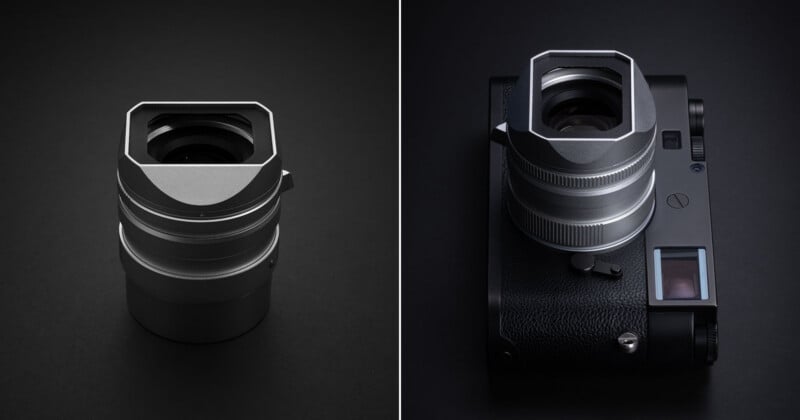
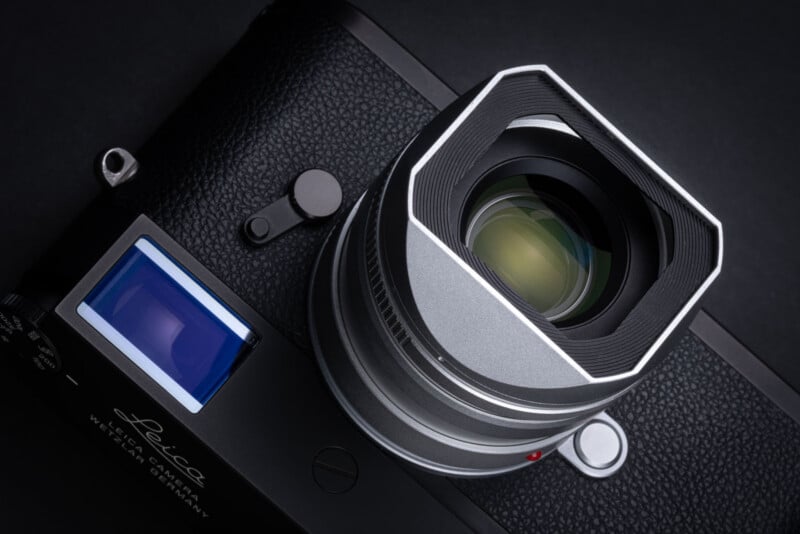
True to its heritage of crafting robust and tactile lenses, Light Lens Lab has paid considerable attention to the physical construction and ergonomics of the 35mm f/2 "Apochromatic." The lens is designed for the Leica M-Mount, featuring a quick-change bayonet system that ensures secure and swift attachment to compatible camera bodies. It incorporates an E39 filter thread, a common size that provides easy access to a wide range of filters for various creative effects or protection.
Physical dimensions indicate a compact form factor: approximately 40.9 millimeters (1.6 inches) long without the lens hood, with the square lens hood adding about nine millimeters (0.35 inches) to the total length. The maximum diameter is approximately 53 millimeters (2.1 inches), making it a relatively unobtrusive lens that balances well on M-mount bodies.
In a thoughtful nod to user preference, Light Lens Lab will offer the lens in two distinct barrel configurations. The "smooth barrel" version caters to photographers who appreciate an uninterrupted, minimalist exterior design, often favored for its sleek aesthetic and ease of sliding into camera bags. A second version, featuring "close-focus knurling," provides enhanced grip and tactile control, particularly beneficial when operating the lens at its closest focusing distances, where precise adjustments are critical. The company has clarified that the internal optical construction remains identical across both barrel types, ensuring consistent image quality regardless of the chosen exterior. The smooth barrel design will be available first, with the knurled version following later.
Furthermore, the lens will be produced in two primary material variants: aluminum and a limited-edition titanium. The aluminum version, available in classic Black Paint and Silver Chrome finishes, weighs approximately 327 grams (11.5 ounces) with its lens hood installed. For those seeking a premium feel and slightly enhanced durability, the limited-edition Titanium Gray version comes in at 360 grams (12.7 ounces) with the hood. The choice of materials underscores the lens’s positioning as a high-quality instrument, with the titanium option appealing to collectors and those desiring a unique aesthetic and feel.
Market Context and Competition
The introduction of the Light Lens Lab 35mm f/2 "Apochromatic" enters a competitive but highly specialized market segment dominated by premium manual-focus lenses for the Leica M-mount. This niche is characterized by discerning photographers who prioritize optical quality, mechanical precision, and the unique shooting experience offered by rangefinder systems.
Key competitors include Leica’s own Summicron-M 35mm f/2 ASPH, a benchmark for optical excellence, albeit at a significantly higher price point. Other notable alternatives come from Zeiss (such as the Biogon T* 35mm f/2 ZM) and Voigtländer (like the Ultron Vintage Line 35mm f/2 ASPH). Light Lens Lab’s offering, with its advanced apochromatic design, positions itself as a strong contender that promises comparable, if not superior, aberration control to some of these established lenses, particularly in terms of color fringing. Its price point of $2,049 for the aluminum versions, and $2,349 for the titanium limited edition, places it firmly in the premium segment, offering an enticing alternative to Leica’s offerings while being more expensive than most Zeiss and Voigtländer options. This pricing strategy reflects the advanced optical engineering and high-quality materials employed, aiming to justify its value proposition through exceptional performance and build. The choice of two barrel designs and two materials also caters to a broader spectrum of user preferences within this high-end market.
Broader Strategic Vision: Beyond Lenses
The unveiling of the 35mm f/2 "Apochromatic" is not an isolated event but part of a larger, more ambitious strategic vision for Light Lens Lab. The company is simultaneously engaged in the development of a brand-new black-and-white film emulsion, which it promises will possess a "unique character," and is in the early stages of designing an entirely new film camera.
This multifaceted approach suggests that Light Lens Lab aims to become a more holistic player in the analog photography ecosystem, moving beyond just lens manufacturing. By developing lenses, film, and cameras, the company is positioning itself to offer an integrated photographic experience, potentially appealing to a growing community of photographers interested in traditional processes. This strategic expansion could create synergy across its product lines, allowing for optimized performance between its lenses and film, and further solidifying its brand identity as a comprehensive provider for analog enthusiasts. It also demonstrates a long-term commitment to the resurgence of film photography, signaling confidence in the sustained demand for high-quality analog tools.

Availability and Pricing Details
The Light Lens Lab 35mm f/2 "Apochromatic" lens will be available for preorder starting on August 10. Initial shipments for the Aluminum Black Paint and Aluminum Chrome versions, specifically those with the smooth barrel design, are anticipated to commence on September 30. These standard aluminum variants will be priced at $2,049.
For collectors and enthusiasts, the limited-edition Titanium Gray version will also be available for preorder from August 10, but with a restricted preorder window concluding on September 10. This exclusive variant will carry a price tag of $2,349, and Light Lens Lab has stated that production quantity will be sufficient to satisfy all preorders placed within this specified period.
Photographers who prefer the tactile control offered by the close-focus knurling barrel design will also be able to place their orders next week, though shipments for this version are expected to begin later, in December. This phased rollout ensures that the initial demand for the smooth barrel design can be met promptly while production for the knurled variant proceeds.
The Future of the High Performance Series
The 35mm f/2 "Apochromatic" is merely the vanguard of Light Lens Lab’s ambitious High Performance Series. The company has articulated a clear roadmap for this new line, indicating a sustained commitment to developing advanced apochromatic lenses across various focal lengths. Following the 35mm, a 50mm lens is slated for release in 2027, with "additional focal lengths" to follow thereafter.
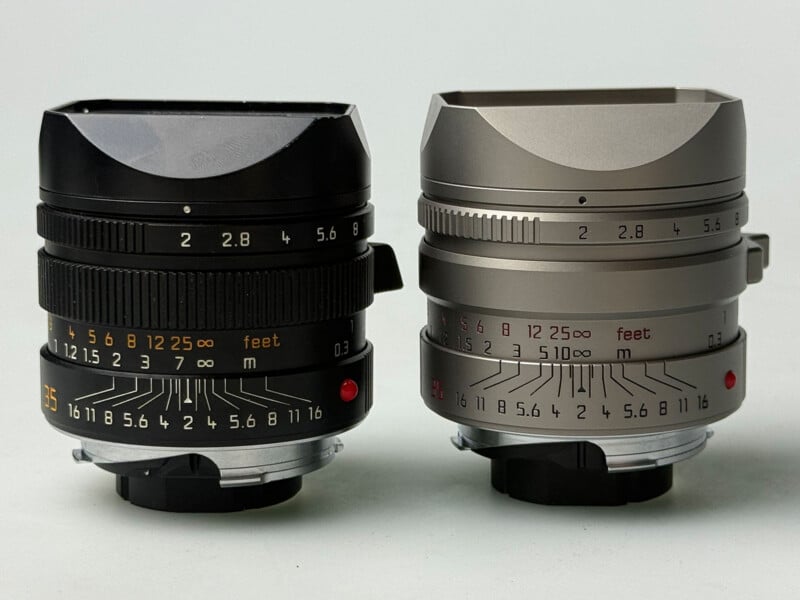
Light Lens Lab emphasizes that while each subsequent lens will receive its own unique optical design tailored to its specific focal length, they will all adhere to the stringent performance and manufacturing principles established by the 35mm f/2 "Apochromatic." This ensures a consistent standard of optical quality, build precision, and user experience across the entire High Performance Series, building a cohesive system of modern, high-fidelity manual-focus lenses for the discerning photographer.
Sample Images: A Glimpse of Performance
To provide photographers with an early indication of the lens’s capabilities, Light Lens Lab has shared a selection of sample images captured by acclaimed photographer Jonas Rask. These images were taken using a prototype version of the 35mm f/2 "Apochromatic" and showcase the lens’s ability to render fine detail, control aberrations, and produce characteristic bokeh. The company’s decision to release prototype images, particularly through a respected photographer like Rask, underscores its confidence in the optical performance and the quality achieved even at this developmental stage. Such previews are crucial for photographers to assess the lens’s potential before its official release and provide tangible evidence of its promised image characteristics.
In conclusion, the launch of the Light Lens Lab 35mm f/2 "Apochromatic" marks a pivotal moment for the company, signifying its transition from revered re-creator to innovative optical designer. With its advanced apochromatic design, robust build, and strategic positioning within a broader ecosystem of analog photographic tools, this new lens is poised to make a significant impact on the high-end M-mount lens market, offering a compelling blend of cutting-edge performance and timeless craftsmanship.