The realm of high-speed action photography, particularly in motorsports, has traditionally been dominated by cameras engineered for rapid-fire performance, boasting high frames per second, tenacious autofocus, and robust buffering capabilities. Yet, a recent endeavor at the Circuit of the Americas (COTA) MotoGP weekend saw a professional photojournalist embark on an unconventional challenge: deploying the Fujifilm GFX100S II, a medium-format camera renowned for its unparalleled image fidelity rather than its speed. This deliberate choice to utilize a tool seemingly ill-suited for the task aimed to explore the boundaries of photographic technology and the adaptability of a seasoned professional, pushing the limits of what a "maximum image fidelity" camera could achieve in a "maximum frames per second" environment.
The Unconventional Choice: Fujifilm GFX100S II at COTA
On paper, introducing a large-format camera like the Fujifilm GFX100S II to the frantic pace of a MotoGP race weekend appears counterintuitive, bordering on a fool’s errand. The GFX system, with its expansive 43.8×32.9mm, 102-megapixel sensor, is meticulously crafted for delivering exquisite detail, vast dynamic range, and superior tonal gradation – attributes typically prioritized in genres such as landscape, portraiture, and studio photography. Fujifilm itself positions the GFX series as a benchmark for image quality, acknowledging its capabilities while not primarily marketing it for high-speed action. This inherent design philosophy contrasts sharply with the demands of motorsports, where motorcycles hurtle around tracks at speeds exceeding 200 mph, requiring photographers to capture fleeting moments with precision and rapid succession.
The GFX100S II, however, represents Fujifilm’s commitment to evolving its medium-format platform. While retaining the core large-sensor advantages, it incorporates advancements designed to enhance usability and responsiveness. It houses a new 102-megapixel sensor featuring redesigned microlenses for improved light gathering and color separation, paired with the powerful X-Processor 5 engine. This combination promises not only breathtaking resolution but also a more responsive user experience than its predecessors. The camera’s compact and relatively lightweight body, weighing 883g with battery and card, makes it the lightest 102-megapixel camera Fujifilm has produced, a factor that contributes significantly to its practicality for prolonged handheld shooting, even in dynamic environments. The question remained: could these advancements bridge the gap between high-fidelity and high-speed, or would the fundamental differences prove insurmountable?
Setting the Stage: Circuit of the Americas and the X-H2S Benchmark
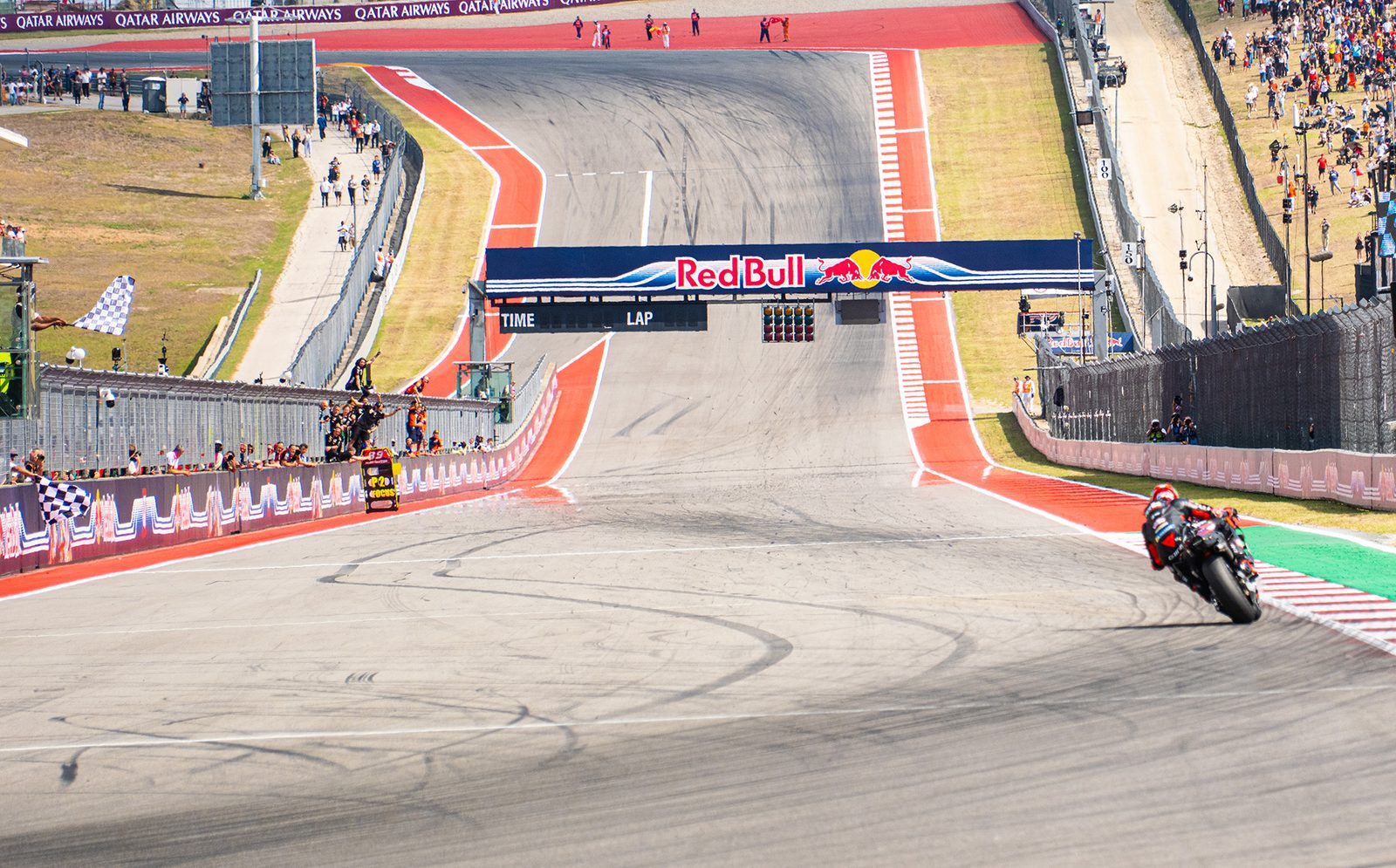
The proving ground for this ambitious experiment was the iconic Circuit of the Americas in Austin, Texas. COTA is not merely a racetrack; it is a globally recognized venue, hosting premier motorsports events like Formula 1 and MotoGP. Its challenging 3.41-mile, 20-turn layout, featuring dramatic elevation changes (including a formidable 133-foot climb to Turn 1), tight hairpins, and long straights, makes it a rigorous test for both riders and photographers. For a photographer intimately familiar with COTA – knowing every corner, marshal post, and optimal shooting angle from years of covering various events – this "home court advantage" was critical. Such familiarity allows for deliberate, pre-visualized shots, a necessity when working with a camera that demands a more considered approach.
To provide a clear performance benchmark, the GFX100S II was directly compared against Fujifilm’s flagship APS-C sports camera, the X-H2S. The X-H2S is purpose-built for speed: it features a 26.1-megapixel stacked BSI CMOS sensor and the same X-Processor 5, enabling blackout-free continuous shooting at up to 40 frames per second (fps) with the electronic shutter and 15 fps with the mechanical shutter. Its advanced subject-detection autofocus, powered by deep-learning AI, is exceptionally adept at locking onto fast-moving subjects like motorcycles and riders, maintaining focus with impressive tenacity. The X-H2S represents the epitome of what a modern, high-speed sports camera offers, making it the ideal foil for evaluating the GFX100S II’s capabilities in a demanding environment.

A Familiar Workflow: Bridging Fujifilm Systems
One significant advantage for a photographer already embedded in the Fujifilm ecosystem is the shared operational logic and ergonomic philosophy across its camera lines. Setting up the GFX100S II to mirror the X-H2S’s configuration was remarkably straightforward, minimizing the learning curve and allowing the photographer to focus on the unique challenges posed by the medium format sensor. Custom settings, such as shutter priority for trackside action and aperture priority for paddock and grid work, could be replicated. The GFX100S II’s mode dial accommodates six custom positions, facilitating quick transitions between shooting modes. While slight differences in FN button layout were noted – the GFX having two on top compared to the X-H2S’s additional body-side button often mapped to subject-detection AF – the overall user experience remained intuitive.
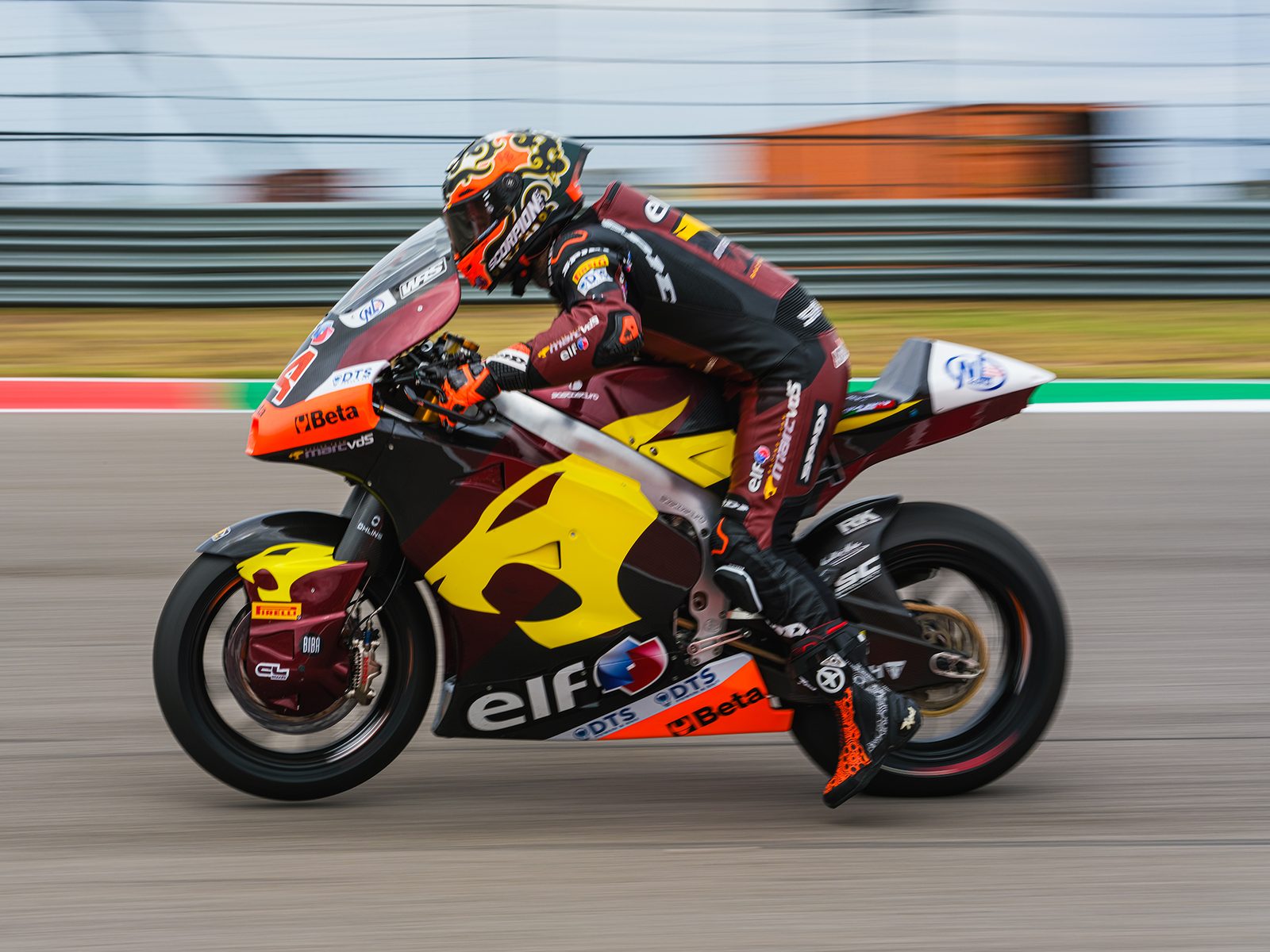
For lens selection, a pragmatic decision was made to commit to a single, versatile optic for the test: the Fujifilm GF 100-200mm F5.6 R LM OIS WR. Given the GFX system’s 0.79x crop factor relative to a 35mm full-frame sensor, this lens provided an effective field of view of approximately 79-158mm. This range proved remarkably similar in feel and utility to the Fujifilm XF 50-140mm F2.8 lens commonly used on the APS-C X-H2S, offering sufficient reach for various trackside vantage points and flexibility for intimate paddock shots. The optical image stabilization (OIS) integrated into the lens, combined with the GFX100S II’s powerful 5-axis in-body image stabilization (IBIS) rated at up to 8.0 stops, further enhanced handheld shooting stability, crucial for achieving sharp images in less-than-ideal conditions or with slower shutter speeds.
Autofocus Performance: A Surprising Contender, Yet Not a Champion
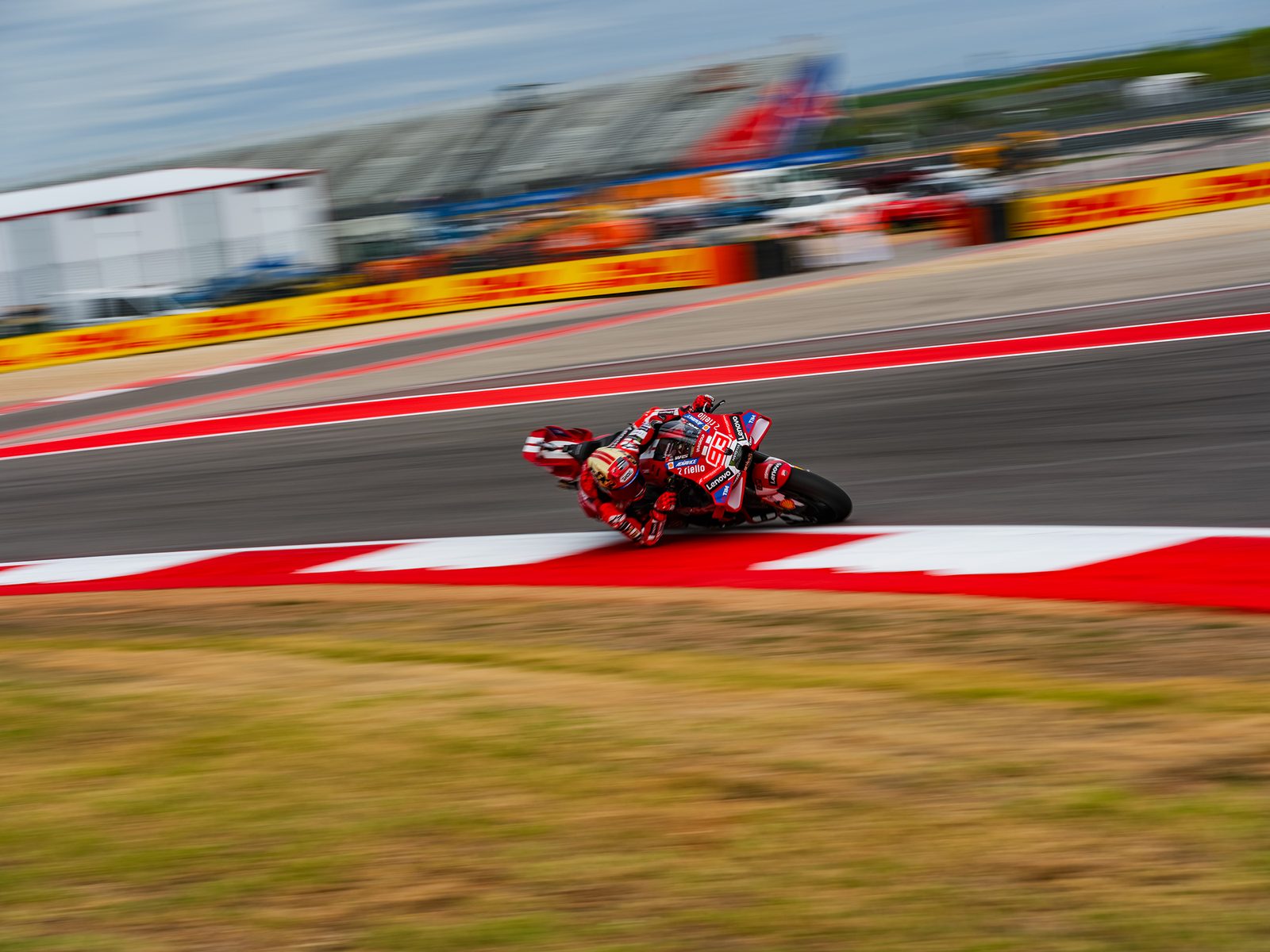
The primary technical hurdle for the GFX100S II in a MotoGP environment was its autofocus (AF) performance. Medium format systems have historically lagged behind their smaller-sensor counterparts in AF speed and tracking capabilities. However, the GFX100S II has received a significantly improved AF algorithm compared to its predecessors, bolstered by deep-learning AI for subject detection, which officially includes motorcycles and bikes.
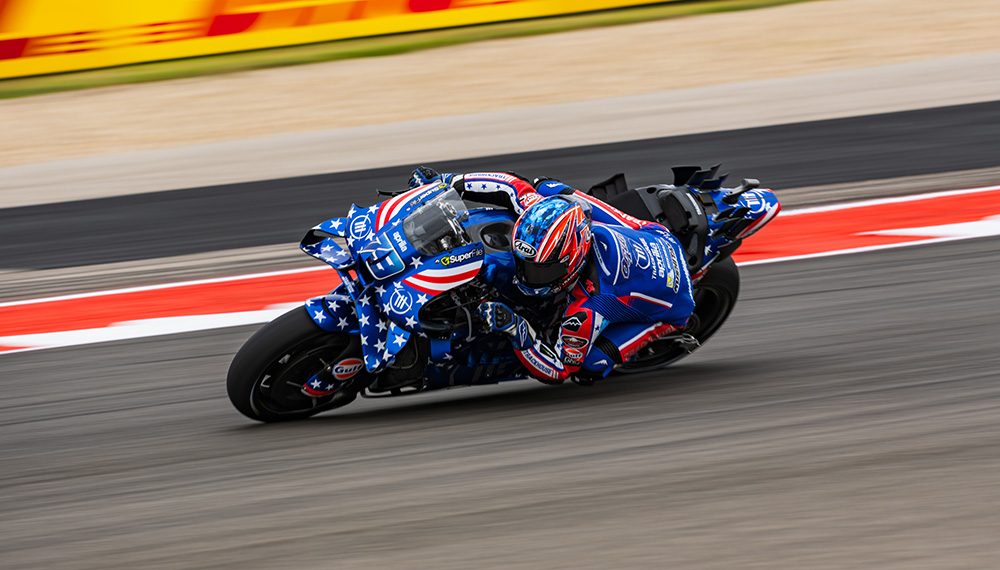
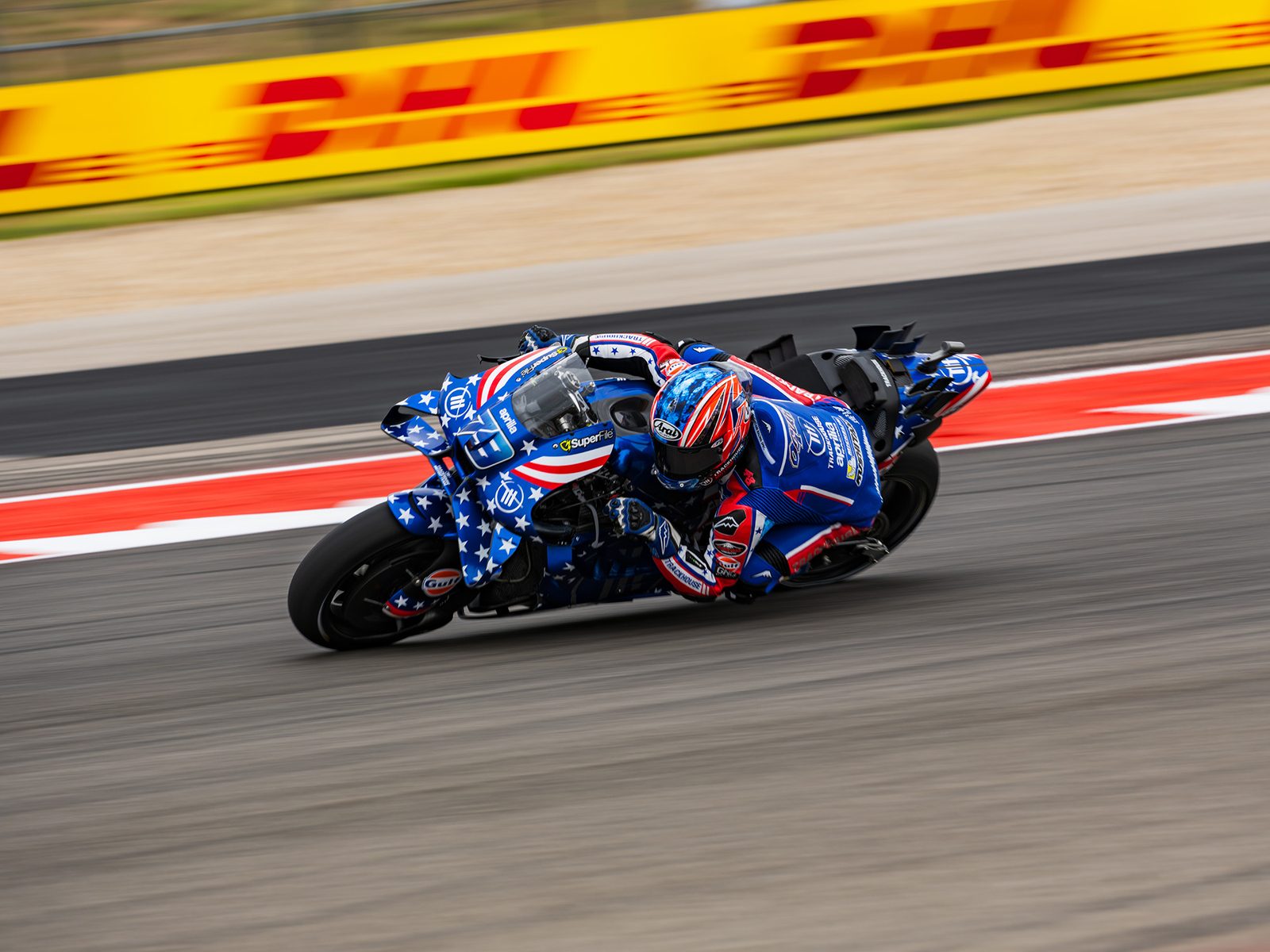
In practical application during the MotoGP weekend, the GFX100S II’s AF system performed better than initial expectations. It demonstrated reasonable reliability in tracking riders through sweeping corners and across complex, changing backgrounds. The subject detection was able to identify and maintain focus on the motorcycles, a testament to the advancements in its processing capabilities. This level of performance allowed for a surprisingly high number of usable images, challenging the long-held perception that medium format cameras are exclusively for static subjects.

Despite these improvements, a direct comparison to the X-H2S revealed a discernible gap. Even with identical AF-C (continuous autofocus) settings, the GFX100S II’s subject tracking was not as "sticky" or tenacious as that of the X-H2S. Hit rates in the most demanding scenarios – such as high-speed braking zones where bikes decelerate rapidly, or when riders suddenly entered the frame from the side at extreme angles – were noticeably lower. While both cameras share the X-Processor 5 engine, the GFX system, with its larger sensor and associated data processing requirements, felt a step behind in overall response time and its ability to maintain unwavering subject retention. It was not disqualifyingly slow for a medium format camera, but the difference in responsiveness is a real operational constraint in a high-volume, high-speed environment where fractions of a second determine a successful shot.
Navigating the Buffer Barrier: The Demands of 102 Megapixels
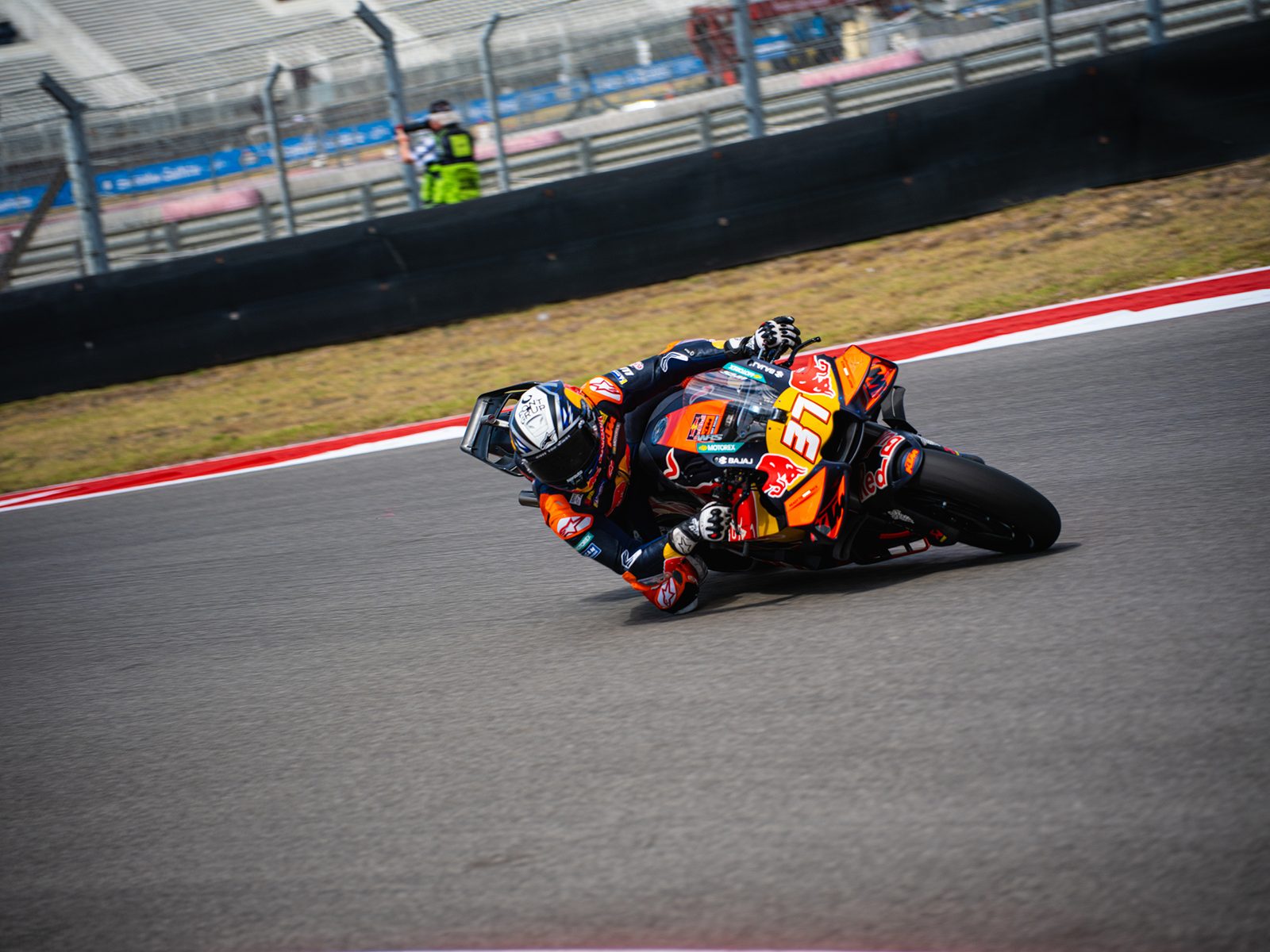
The most concrete practical limitation of the GFX100S II in a rapid-action setting manifested in its buffer performance. At its maximum mechanical shutter speed of 7 fps, the camera generates colossal RAW files – either 14-bit or 16-bit from its 102-megapixel sensor. These files are significantly larger than those produced by the X-H2S, which, despite its higher frame rates, produces smaller 26.1-megapixel APS-C files.
Even when utilizing fast UHS-II memory cards, the GFX100S II’s buffer fills quickly. Shooting lossless-compressed RAW files, photographers could expect approximately 19 frames before a noticeable slowdown in shooting speed. Opting for uncompressed RAW, which maximizes image data, reduced this capacity to around 16 frames. While compressed RAW offered a more generous buffer of roughly 30 frames, this still translates to under five seconds of sustained burst shooting before the camera requires a significant pause to write data to the card.
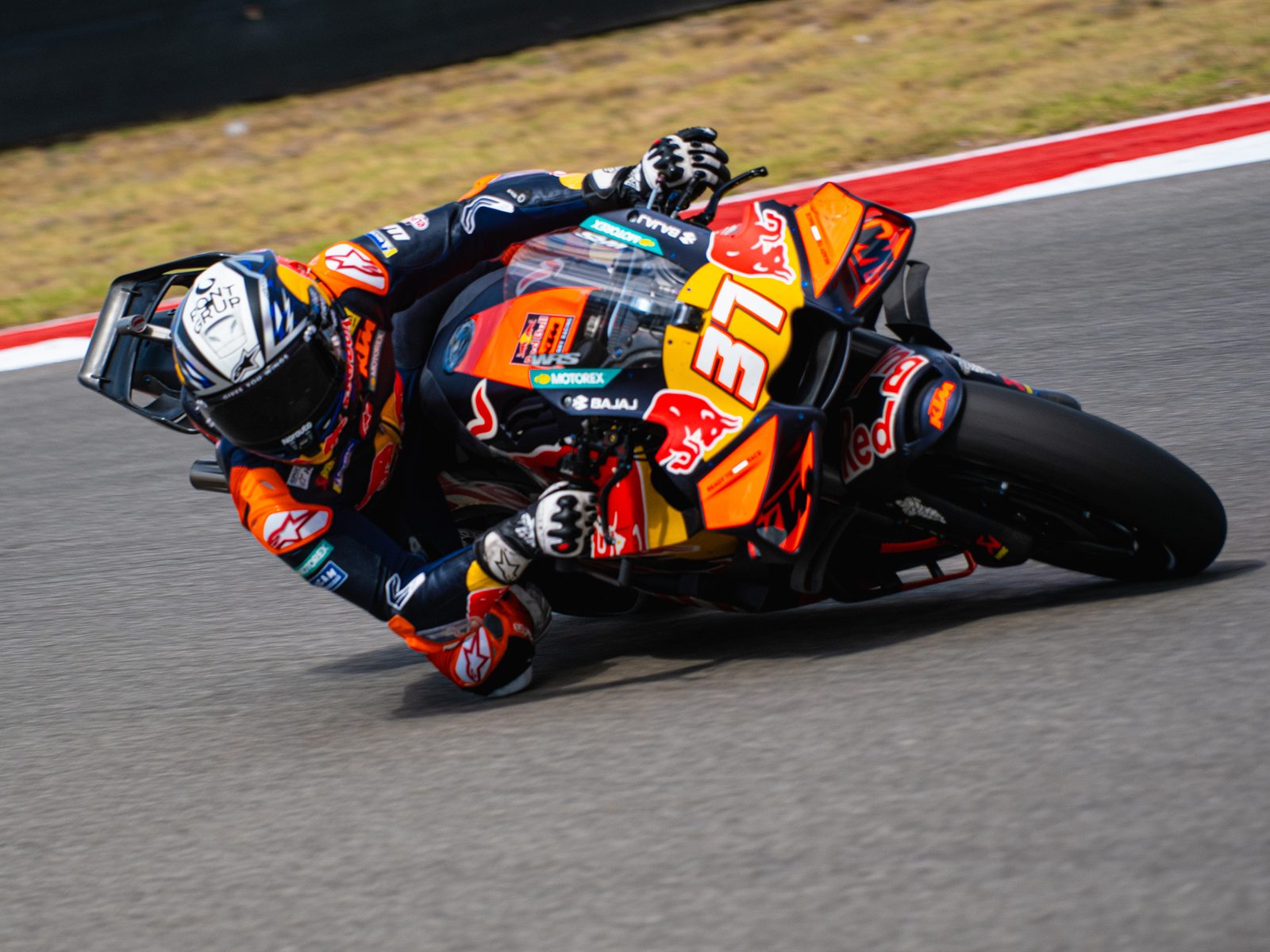
This buffer limitation fundamentally alters the photographic approach. Unlike the "spray and pray" methodology sometimes employed with high-speed cameras, the GFX100S II demands a disciplined, anticipatory style. Photographers must meticulously read the race, predict the decisive moment, and commit to a precise burst of frames rather than relying on sheer volume. This shift in methodology is not necessarily a flaw but rather a characteristic that defines the camera’s suitability for certain tasks. In an environment where a rider’s perfect apex or a dramatic lean angle might last only a fraction of a second, the operational constraint of a limited buffer capacity becomes a critical factor in maximizing the keeper rate.
The Unrivaled Image Quality: Where Medium Format Shines

Despite the operational challenges associated with speed, the GFX100S II’s true prowess emerged unequivocally in its image quality. The output from its 102-megapixel sensor, enhanced by the redesigned microlenses, delivers a level of depth, tonal richness, and color gradation that is genuinely in a different category. The sheer resolving power of the sensor captures an astonishing amount of detail, surpassing the capabilities of even high-end full-frame or APS-C systems. The physical size of the medium format sensor (55mm diagonally) inherently contributes to a unique tonality and three-dimensional quality in images that smaller formats simply cannot replicate.
A striking observation was how understated the images appeared on the camera’s rear screen. A quick review might suggest a "fine" shot. However, the true magic unfolds when these files are loaded into professional editing software and viewed on a high-resolution display. The images "open up" entirely, revealing intricate textures in rider leathers, the shimmering heat emanating from exhaust pipes, and individual crowd members in backgrounds that were previously assumed to be undifferentiated blur. This capacity for detail and nuance is transformative. Furthermore, the sensor’s standard minimum sensitivity of ISO 80 allows for the capture of 16-bit images with an exceptionally wide dynamic range, proving invaluable in the high-contrast lighting conditions often encountered on a bright racetrack. The camera’s powerful 5-axis IBIS, rated at 8.0 stops, also contributed significantly to sharp handheld shots, even at longer focal lengths and slower shutter speeds, ensuring that the incredible detail was not compromised by motion blur.

Beyond the Track: Dominating the Paddock and Grid
While trackside action demanded a more measured and strategic approach, the Fujifilm GFX100S II truly excelled in the less frenetic environments of the MotoGP weekend: the paddock, the starting grid, and post-race podium celebrations. In these settings, where speed is secondary to meticulous composition and capturing fine details, the camera was an absolute joy to operate.

The ability to frame deliberately, coupled with reliable autofocus on static or slow-moving subjects, allowed the photographer to leverage the GFX100S II’s core strengths. The immense resolution of the 102-megapixel sensor provided unparalleled post-production flexibility. A tightly framed portrait of a rider on the grid, for instance, could be dramatically cropped to focus solely on their eyes above the visor, yet retain sufficient resolution and detail for large prints or extensive digital manipulation without any discernible loss in quality. This freedom to recompose and refine in post-production is a significant advantage, empowering photographers to extract multiple compelling images from a single frame. The camera’s ergonomic design, combined with its class-leading IBIS, made handheld shooting in these environments fluid and confident, even with the relatively heavy GF 100-200mm lens.
Strategic Integration: A Complementary Tool in the Professional Kit

The experience of deploying the Fujifilm GFX100S II at COTA confirmed that it is indeed a special camera, capable of delivering results that are in a class of their own. The experiment did not suggest it as a direct replacement for high-speed sports workhorses like the X-H2S, but rather solidified its role as a deliberate and powerful complement within a professional photographer’s kit.
For genres such as landscape, portraiture, studio work, fashion, and editorial photography, the GFX100S II stands as an almost unrivaled tool, offering an extraordinary blend of resolution, dynamic range, and tonal depth in a surprisingly portable form factor. Its 883g weight, including battery and card, makes it practical for photographers who need to carry their gear throughout long days.

At the racetrack, the GFX100S II carved out a very specific, yet incredibly valuable, niche: it serves as a "secret weapon" third body, deployed for those critical moments where outright speed is secondary to the absolute paramountcy of image quality. These are the grid walk, the intimate moments in the paddock, the emotional celebrations on the podium, or that quiet corner of the track where a photographer waits patiently for a single, perfectly timed, and exquisitely rendered shot. For these specific applications, nothing else in the Fujifilm system, or indeed many other camera systems, comes close to the breathtaking output of this medium format sensor. However, when the starting lights extinguish and the thunder of engines signals the field accelerating through Turn 1, the rapid-fire capabilities and unwavering autofocus of the Fujifilm X-H2S will remain the indispensable choice for capturing the heart of the race. The GFX100S II, therefore, represents a strategic investment for professionals seeking to elevate their imagery with unparalleled detail and artistic depth, meticulously chosen for moments where its unique strengths can truly shine.