Every journey, particularly those undertaken by intrepid photojournalists and storytellers, often leads to the places whispered about in caution. For Paul Nicklen and his partner Cristina Mittermeier, this instinct proved prescient when they received consistent warnings against venturing to the "end of the road" on the western side of Oahu, Hawaii. Despite the foreboding advice, the allure of the forbidden, the potential for uncovering authentic narratives, and a looming National Geographic deadline propelled them toward this ostensibly off-limits territory. Their expedition, laden with expensive camera equipment and a mission to document a bastion of Hawaiian culture, was met not with the anticipated suspicion or hostility, but with an unexpected outpouring of generosity, warmth, and a hospitality that would forge lifelong bonds.
The Hawaiian proverb, "E hele me ka puʻolo," meaning "Make every person, place, or condition better than before, always," encapsulates the ethos that Nicklen and Mittermeier ultimately discovered. This philosophy, deeply ingrained in the fabric of the communities they encountered, stood in stark contrast to the guarded reputation of the region. Their initial expectations, shaped by the warnings, were of a community inherently wary of outsiders, a natural defense mechanism born from historical marginalization and the imperative to protect a precious cultural heritage. What unfolded, however, was a testament to the resilience and enduring spirit of the Hawaiian people, particularly those who maintain a profound connection to the land and sea.
The Unseen Coast: A Cultural Stronghold
The western shores of Oahu, often overlooked by the typical tourist itineraries that favor the bustling south and east coasts, serve as a vital sanctuary for traditional Hawaiian practices. Mornings here commence long before the dawn’s first light, with surfers congregating on the beaches, preparing to greet the ocean’s formidable power. As the island awakens, so too does the rhythm of these communities. Coffee brews, music fills the air, and the singular, often poorly maintained road becomes a lifeline, carrying residents to their jobs and children to school. Amidst this daily cadence, makeshift tent communities come alive, and the unmistakable call of roosters punctuates the coastal soundscape.

It was in this setting that Nicklen and Mittermeier found themselves, seated in the shade with Brian Keaulana, a figure of considerable renown in Hawaii. Keaulana is not only a celebrated surfer and stuntman but also a scion of one of Hawaii’s most esteemed families, deeply interwoven with the island’s cultural heritage. His presence served as a crucial bridge, granting the photographers access to a world that remained largely hidden from the outside gaze.
Makaha: A Legacy of Tradition and Resilience
The community of Makaha, situated at the westernmost tip of Oahu, has long been a focal point for the preservation of Hawaiian culture. Here, surfboard shapers diligently pass down the intricate art of their craft, a deliberate act of defiance against the impersonal efficiency of mass production. Wayfinders, guided by the celestial patterns their ancestors navigated by, continue to hone their ancient skills, demonstrating that the connection to the sea transcends mere sport or lifestyle; it is an intrinsic part of their identity.
The demographic of Makaha is predominantly comprised of Polynesian descendants, individuals recognized as highly respected watermen and women whose ancestral ties to the land and ocean run profound and immeasurable. These are people who understand the nuances of the tides, the whispers of the wind, and the deep, spiritual connection that binds them to their environment.
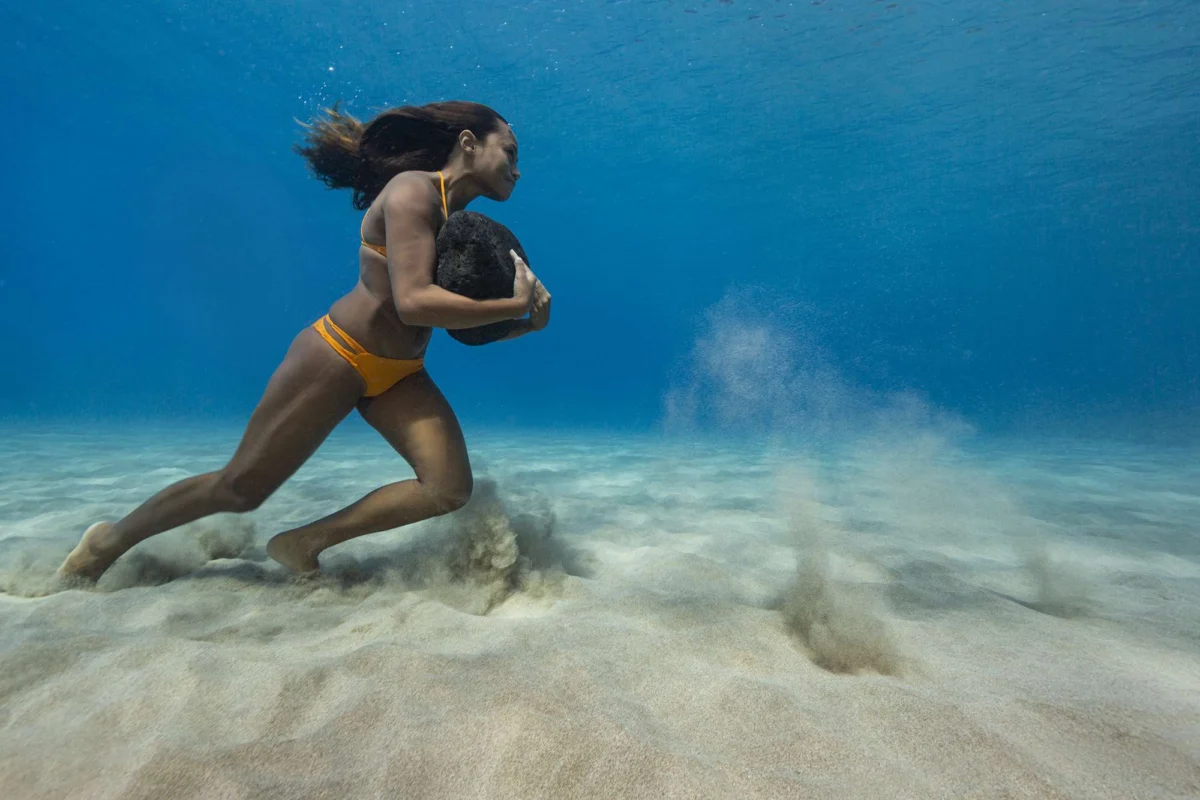
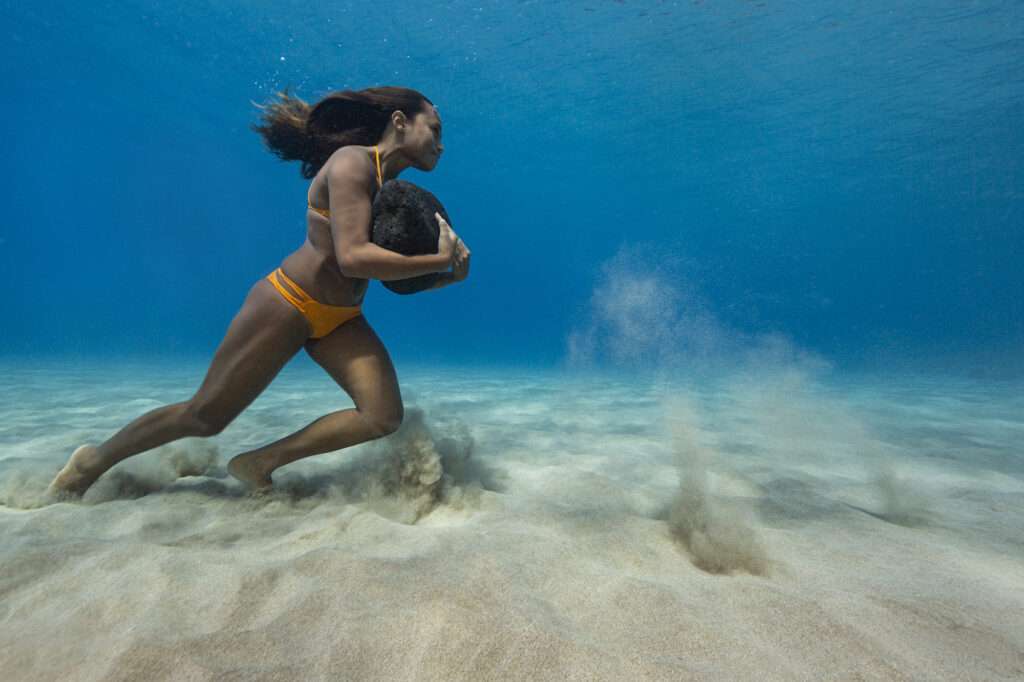
Through Brian Keaulana’s esteemed connections, Nicklen and Mittermeier were afforded the privilege of meeting some of the island’s most influential figures. Among them was Haʻa Keaulana, Brian’s daughter and a prodigious surfing talent in her own right, granddaughter to the legendary Buffalo Keaulana. Her rigorous training regimen offered a vivid illustration of the dedication and physical prowess required to excel in this demanding environment. Haʻa would routinely engage in the challenging practice of carrying a 50-pound boulder underwater, with fellow surfers clinging to her for a sustained period, a remarkable display of strength and endurance that underscores the deep-rooted commitment to mastering the ocean’s forces.

The encounter with Suluʻape Keone Nunes, a master of traditional Hawaiian tattooing, provided another layer of cultural immersion. Nunes shared the profound significance embedded within each intricate design, illuminating how Hawaiians historically and presently wear their ancestral stories, their lineage, and their spiritual beliefs on their skin, a living testament to their heritage.
The Weight of History: Protecting a Fragile Legacy
The historical context of Hawaii’s relationship with external powers sheds light on the guarded nature of its indigenous communities. Following the official annexation of Hawaii in 1898, the native Hawaiian population had dwindled dramatically to approximately 40,000, a devastating decline attributed to introduced diseases and periods of violent conflict. For over a century, the remaining Hawaiians have meticulously nurtured and protected the fragile connections to their ancestors and ancestral lands, ensuring that these vital links are passed down through each succeeding generation.
The communities in Makaha, in particular, have faced considerable adversies. They have grappled with the persistent challenges of addiction, violence, and homelessness, social issues that have strained families and communities. Yet, at the core of their narrative lies an unwavering resilience and a profound connection to the natural rhythms of the sea. While their guardedness may appear as aloofness to outsiders, it is, in fact, a protective instinct born from a deep understanding of the immense value of what they possess and are striving to preserve.
A Decade of Aloha: The Enduring Embrace
The initial visit concluded many weeks later, with Nicklen and Mittermeier departing the island with a profound sense of connection and a solemn promise to their newfound "ohana" to return. This promise was finally fulfilled a decade later. As they crossed the bridge towards the familiar coastline, it was as if they were stepping back into a cherished memory. The beach remained vibrant, alive with local surfers and beachgoers, the sounds of music carried on the gentle breeze.
Nicklen recalled a poignant observation he made to Mittermeier about how, in their previous visit, the locals seemed to anticipate their arrival, consistently reserving a parking spot. As if summoned by his words, Moki, a dear friend and a resident of the community, emerged onto the road, his baby stroller strategically placed to signify a reserved space for their vehicle. This simple yet profound gesture, ten years after their first encounter, underscored the enduring warmth and the genuine spirit of aloha that defined their experience. The welcome they received upon their return was an overwhelming cascade of "Alohas," heartfelt hugs, laughter, and genuine smiles, all unfolding beneath the iconic lifeguard station at 47B.
The depth of compassion and care exhibited by the people of Oahu’s west side is, by Nicklen’s account, unparalleled in the Pacific. The courage and fortitude required to maintain such generosity, even amidst adversity, and to ensure that every visitor feels welcomed and accommodated, epitomizes the true essence of the aloha spirit. It is a spirit that not only preserves cultural heritage but also extends a profound sense of belonging to those who approach with respect and an open heart.
This enduring spirit, nurtured by generations and tested by time, serves as a powerful reminder of the importance of cultural preservation and the transformative power of human connection. The "end of the road", once perceived as a boundary, became a gateway to understanding, a place where the "E hele me ka puʻolo" philosophy thrives, ensuring that each person, each place, and each moment is indeed made better than before. The photographs captured during these visits are not merely images; they are visual narratives that speak to the strength of community, the beauty of tradition, and the enduring legacy of the Hawaiian people.