Following recent analyses into the camera technologies employed in critically acclaimed and Oscar-nominated films, a deeper dive into the equally crucial, yet often less discussed, discipline of cinematic lighting is warranted. While the choice of camera body and lens receives considerable attention, it represents only one facet of the intricate visual tapestry that defines world-class filmmaking. The true magic, the emotional resonance, and the stylistic coherence of a scene frequently stem from the masterful manipulation of light and shadow—a skill central to the art of cinematography. This exploration aims to demystify the complex lighting techniques that elevate contemporary film and television productions, providing a framework for understanding how these visual elements contribute to storytelling.
The Indispensable Role of Lighting in Visual Storytelling
Cinematography, at its core, is the art and science of visual storytelling through motion picture photography. Within this discipline, lighting stands as a paramount element, shaping mood, directing audience focus, revealing character, and establishing narrative tone. Unlike the readily identifiable cameras, the elaborate setups of professional lighting are rarely visible to the casual observer, operating behind the scenes to craft the visual experience. This inherent complexity explains why comprehensive lighting breakdowns for specific scenes are exceedingly rare in public discourse, underscor solidifying the reputation and remuneration of top-tier cinematographers (Directors of Photography or DPs) whose expertise lies in this subtle yet profound craft. These professionals leverage a vast array of tools and techniques—from the intensity and color temperature of light sources to their placement and diffusion—to sculpt the visual reality of a scene, translating a director’s vision into tangible, impactful imagery. The strategic use of light can evoke joy, terror, intimacy, or isolation, becoming an unspoken language that guides the viewer’s emotional journey.
Methodology for Deconstructing Cinematic Illumination
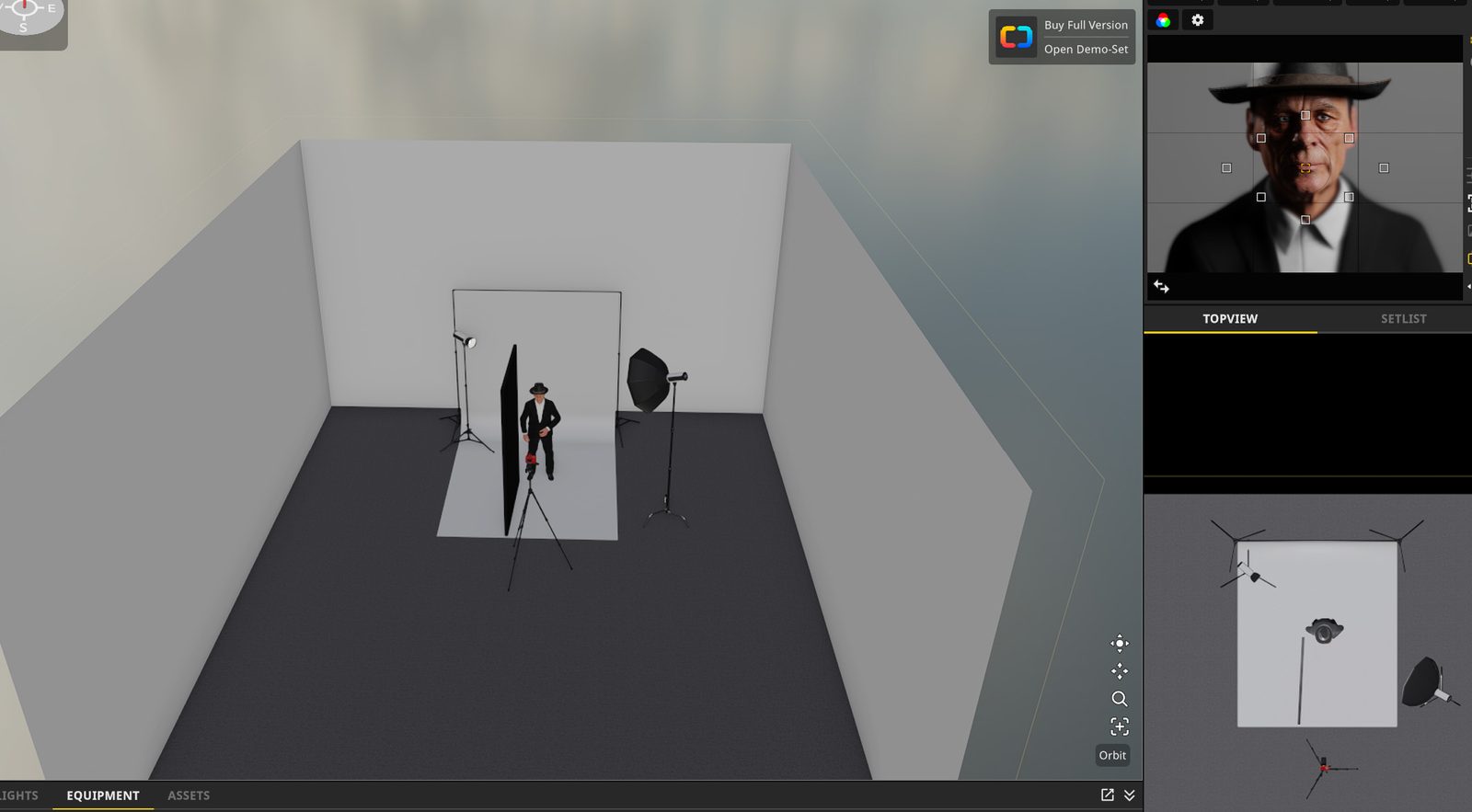
To illuminate these often-hidden techniques, an analytical exercise was undertaken, focusing on still images from recent high-profile films and television series. The objective was to reverse-engineer the probable lighting schemes employed, providing an educational perspective on how such scenes are constructed. This process involved meticulous observation of specular highlights, shadow quality, fall-off, and color temperature within selected frames. The reconstruction of these lighting diagrams was facilitated by specialized software, set.a.light 3d. This intuitive 3D modeling application is designed specifically for simulating lighting environments, allowing users to build virtual sets, place subjects, and experiment with various light sources and modifiers. Its utility lies in its ability to translate theoretical lighting concepts into practical, visual representations, offering a powerful tool for both learning and pre-visualization in photography and cinematography. The following breakdowns are presented as an interpretative exercise, aiming to illustrate the principles and potential configurations rather than claiming definitive accuracy regarding the specific equipment used on set. The intent is to encourage a more discerning eye among enthusiasts and aspiring filmmakers, fostering a deeper appreciation for the intricate craft of cinematic lighting.
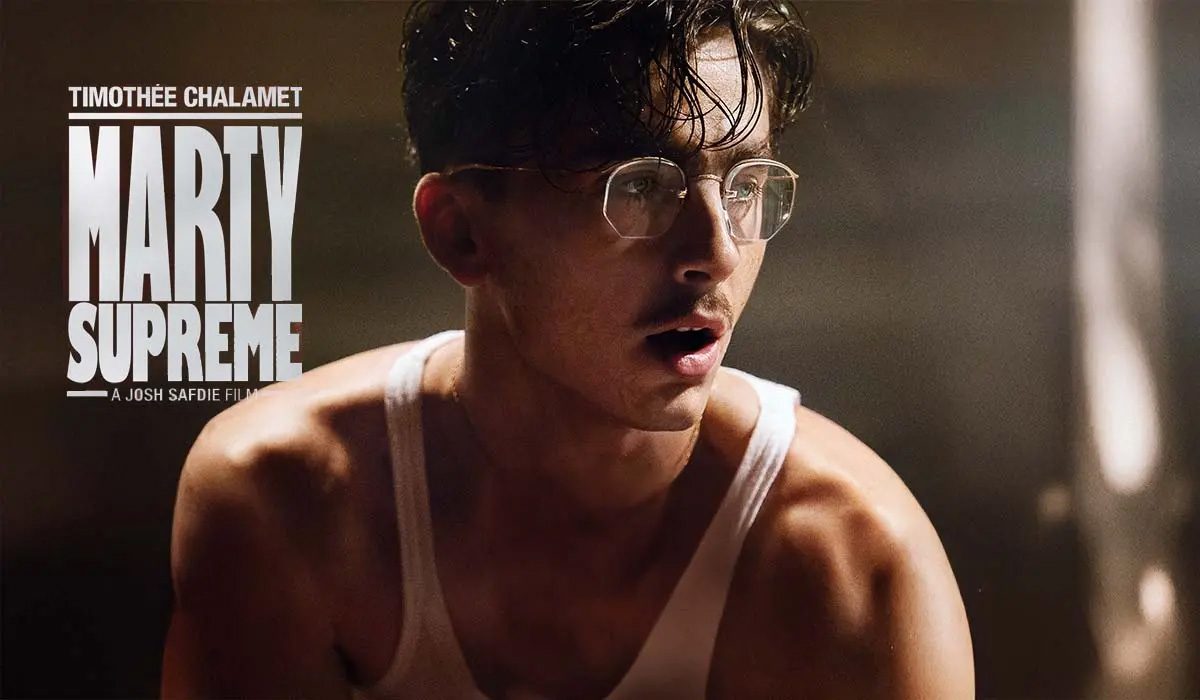
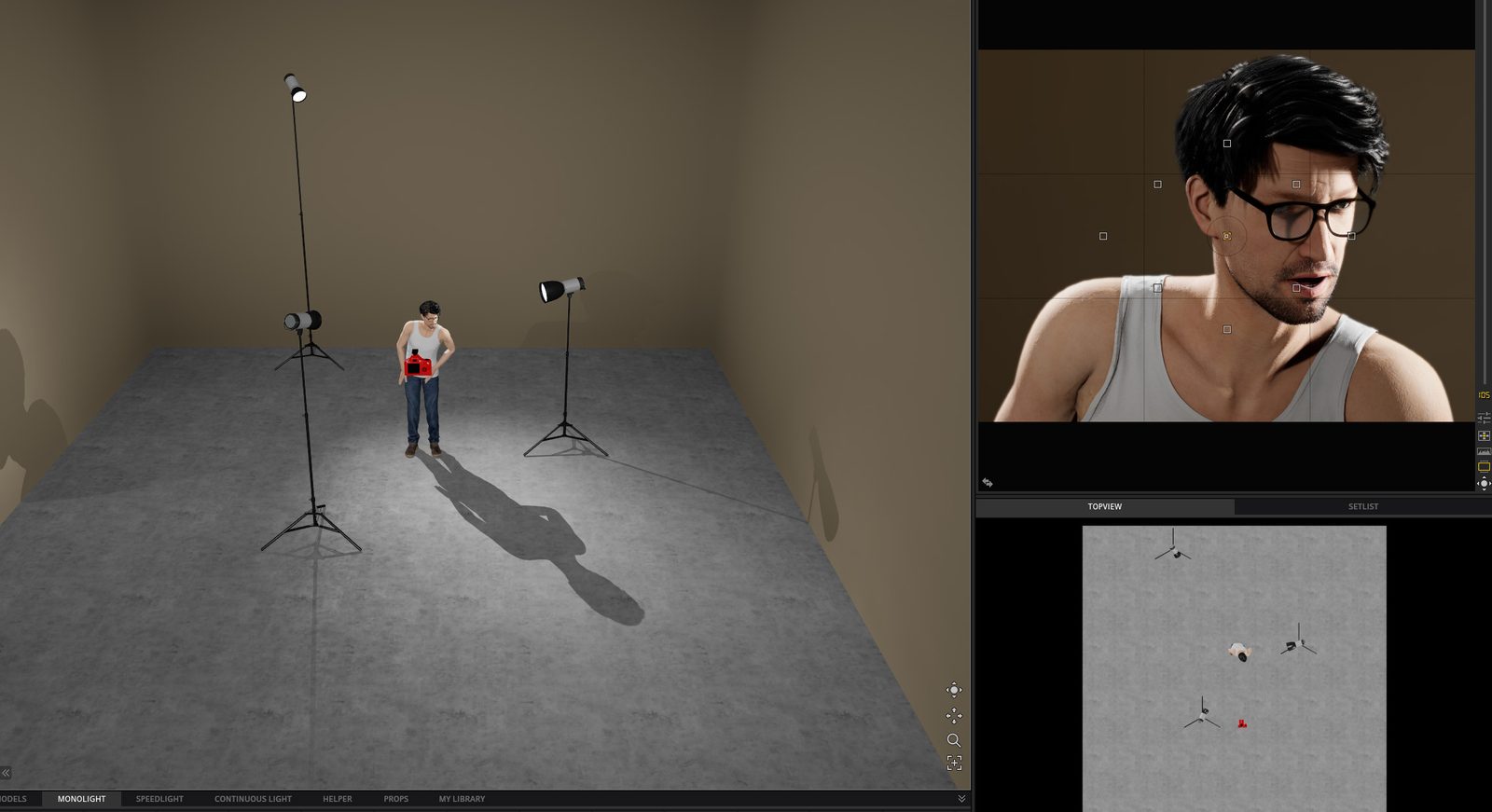
Case Study 1: "Marty Supreme" – The Striking Key Advert Image
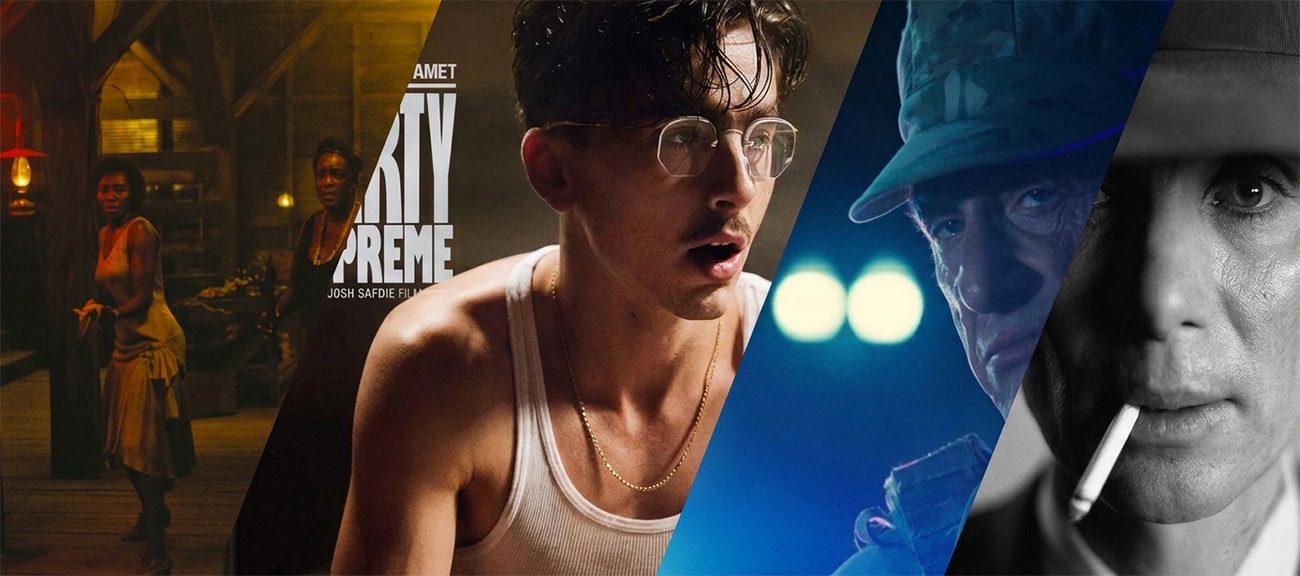
The promotional image for "Marty Supreme" presents a character study marked by dramatic contrast and sharp definition. The visual evidence, particularly the crisp edges of shadows cast by the character’s glasses and the distinct transition from highlight to shadow on his nose, strongly indicates the predominant use of hard light sources. Hard light, characterized by its undiffused, direct nature, creates strong shadows and enhances textural detail, often employed to convey intensity, starkness, or a heightened sense of realism.
In replicating this aesthetic, a three-light setup without diffusion appears to be the most plausible configuration. A primary hard light positioned as a key light would define the primary illumination. For the pronounced rim light visible on the character’s right side, a gridded light source would be optimal. Grids, or eggcrates, restrict the spread of light, creating a more controlled beam that highlights specific areas—in this case, accentuating the shoulders and the contour of the face without spilling onto the background. A similar hard light positioned on the opposing side would provide the characteristic stark backlighting that permeates the film’s visual language, separating the subject from the background and adding depth. Finally, a subtle fill light, positioned camera left, would serve to slightly lift the shadows on the darker side of the face, ensuring sufficient exposure and revealing detail without diminishing the overall dramatic impact created by the hard lighting. This combination meticulously sculpts the subject, emphasizing form and texture through a deliberate interplay of light and shadow, characteristic of high-impact advertising imagery.
Case Study 2: "Sinners" – The Atmospheric Key Group Scene
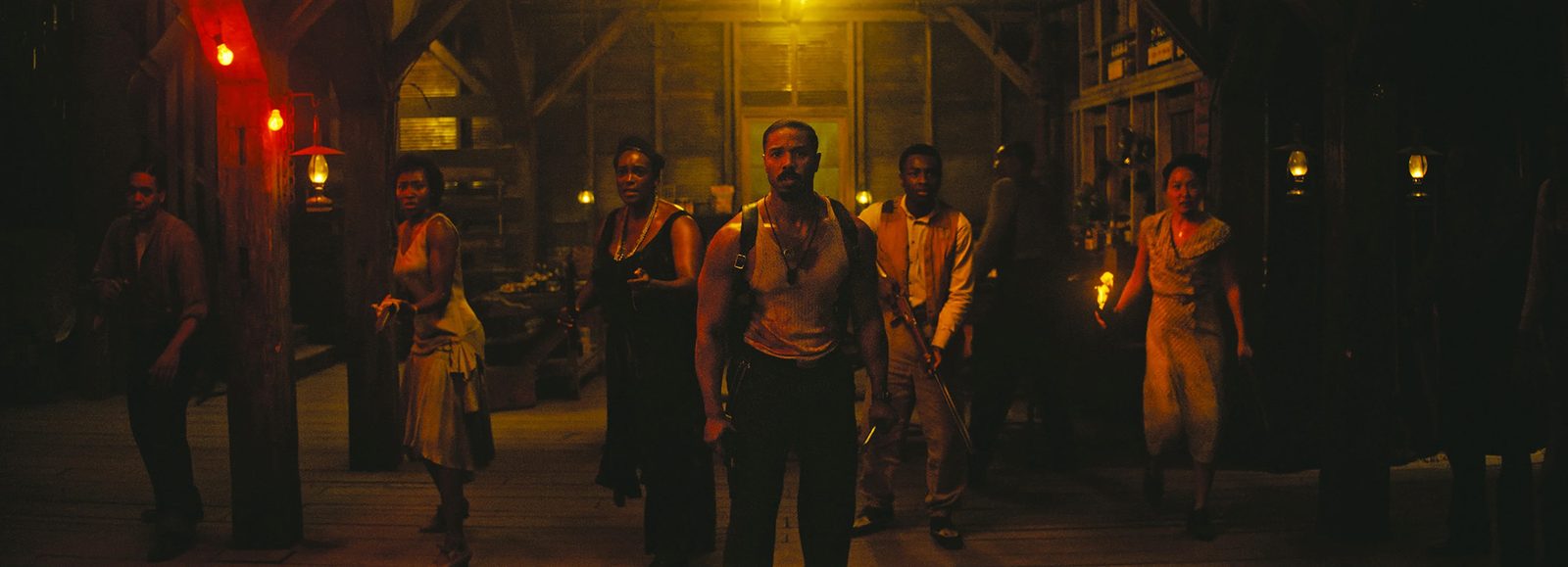
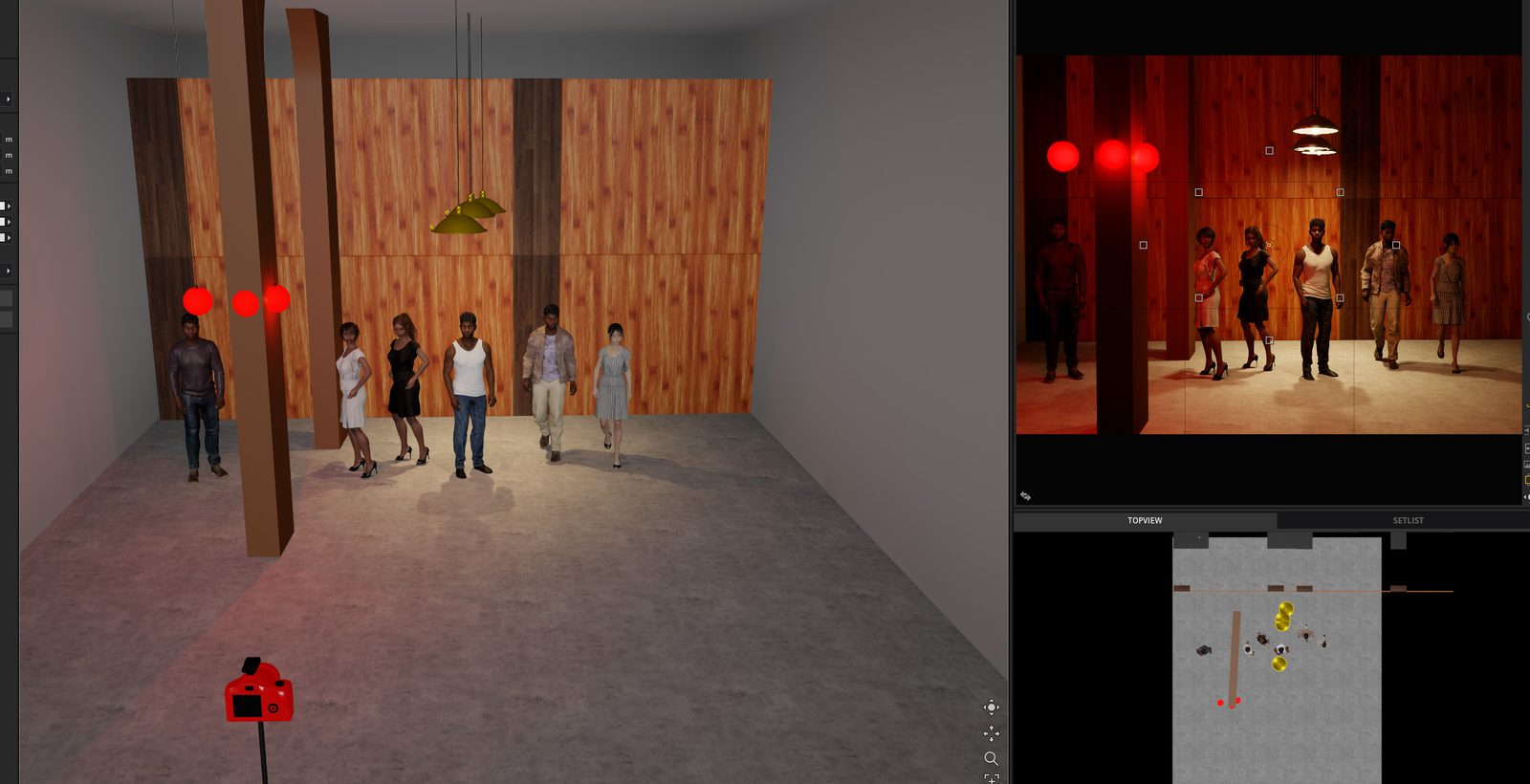
The "Sinners" key group scene is a masterclass in mood creation through colored and practical lighting, central to a pivotal narrative moment within the film. The visual ambiance is saturated with reds and oranges, emanating from what appear to be both controlled fire sources and dedicated colored light fixtures, expertly crafting a sense of tension and foreboding within an enclosed space. This scene exemplifies how color can be leveraged not just for aesthetic appeal but as a potent emotional trigger, immersing the audience in the narrative’s emotional core.
The analytical process began with the architectural environment, as the structure of the interior plays a crucial role in framing the subjects and influencing light distribution, thereby adding layers of depth to the composition. The placement of subjects in a staggered arrangement further enhances visual interest, creating dynamic interplay of light and shadow across their forms. To replicate the scene’s distinctive lighting, various practical elements, such as simulated fire sources, would be positioned according to their apparent presence within the frame. Complementing these, RGBWW (Red, Green, Blue, Warm White, Cold White) LED fixtures, such as the Aputure Accent B7c units or comparable professional-grade bulbs, would be strategically placed to mimic the specific color temperatures and intensities observed. These versatile units allow for precise color tuning, essential for matching the scene’s complex palette. Adjustments to the power output of each light source would then be fine-tuned to achieve the desired balance, ensuring that the multicolored illumination effectively sculpts the faces and bodies of the characters, creating a cinematic, almost painterly, quality that deeply impacts the scene’s emotional resonance and narrative significance. The careful integration of practical and artificial light sources demonstrates a sophisticated approach to environmental storytelling through illumination.
Case Study 3: "Oppenheimer" – The Iconic Hero Shot
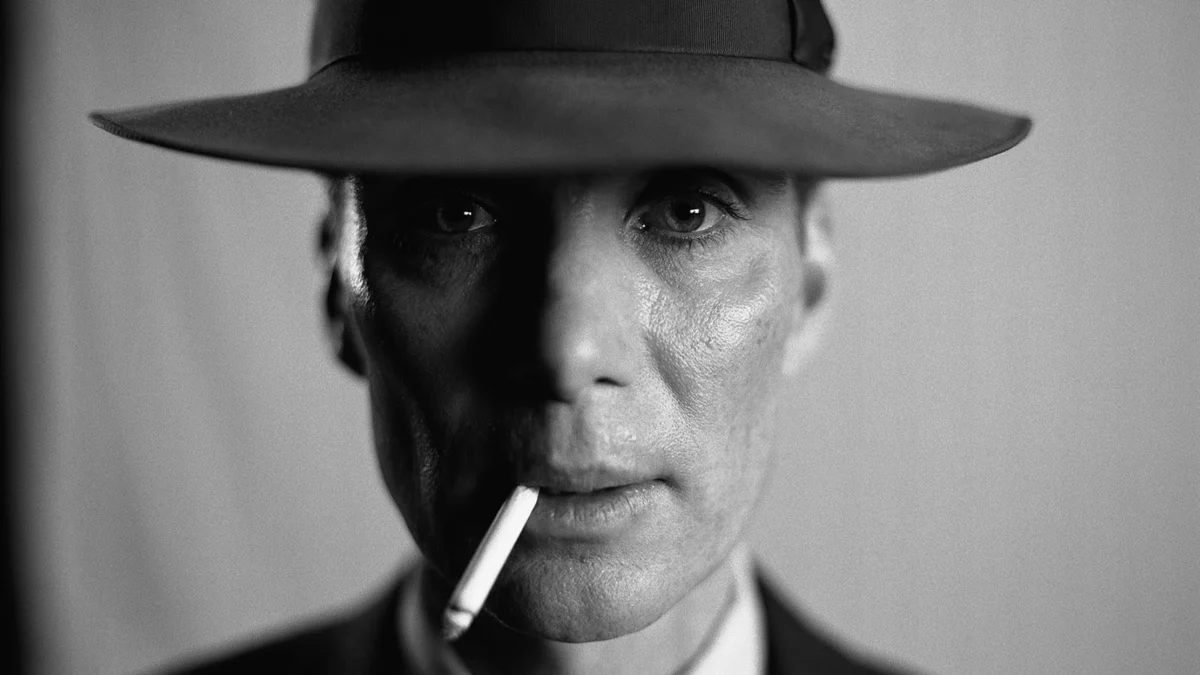
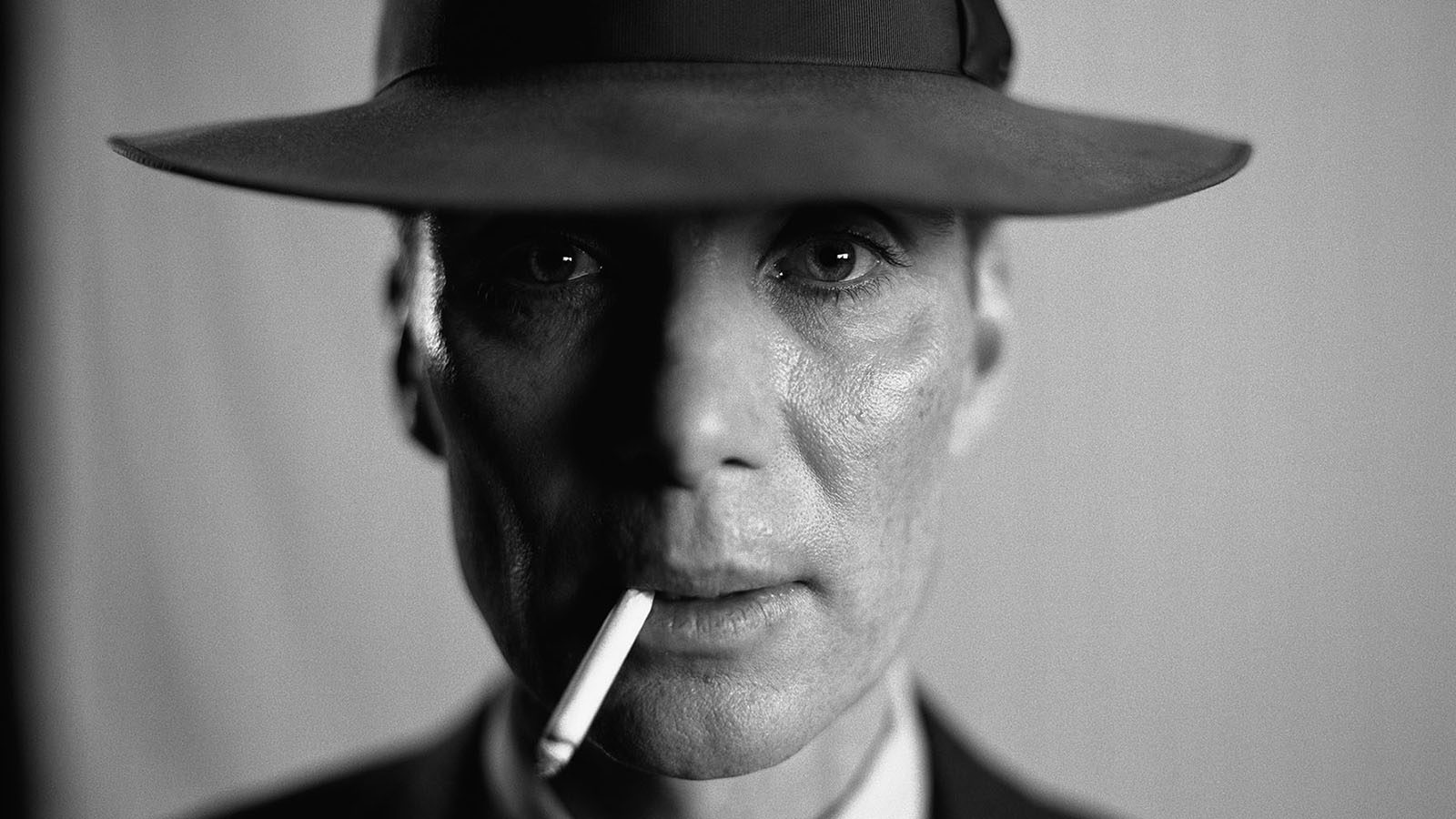
The promotional "hero shot" of Cillian Murphy as J. Robert Oppenheimer is instantly recognizable and became a cornerstone of the film’s marketing campaign. This image is defined by its striking high contrast, achieved through a sophisticated combination of rim and split lighting, which imbues the subject with profound drama and intellectual intensity. The catchlights, the small reflections of light visible in the subject’s eyes, are meticulously crafted to add depth, emotion, and a sense of introspective character.
To recreate this powerful visual, the primary light source would likely be a relatively small, gridded Octobox positioned camera right. The Octobox, a softbox with an octagonal shape, provides a slightly larger, more flattering catchlight compared to a smaller source, which is crucial for conveying emotion in the eyes. The addition of a grid to this modifier is essential for controlling light spill, directing the light precisely onto the subject and maintaining the high contrast by preventing it from scattering into shadow areas. To further enhance this contrast between highlights and deep shadows, a black blocking board, or "negative fill," would be placed close to the subject on camera left. This board absorbs ambient light and prevents light from bouncing back onto the shadow side of the face, thereby intensifying the darkness and accentuating the dramatic split lighting effect. Finally, a bare light source, positioned behind and to the left of the subject, would create the prominent rim light. This back light separates Oppenheimer from the dark background, adding dimensionality and a halo-like effect that subtly emphasizes his enigmatic presence. The combined effect of these carefully orchestrated lighting elements is an image that is not only visually striking but also deeply resonant with the film’s themes of moral ambiguity and intellectual isolation.
Case Study 4: "One Battle After Another" – The Gritty Lockjaw Scene
"One Battle After Another," lauded as a masterclass in cinematic storytelling and a recipient of the Best Picture accolade, captivated audiences with its visceral narrative and compelling visuals. While much of the film embraced natural light for its on-location shoots, certain pivotal night scenes, particularly those featuring Sean Penn’s antagonist, Lockjaw, demanded a more controlled and dramatically stylized lighting approach. These scenes often utilized hard light, a technique chosen to underscore the character’s ruggedness and the harsh realities of the narrative.
The analysis of Lockjaw’s iconic scene reveals a deliberate application of hard lighting, evident in the sharp, well-defined shadows cast across his face. To replicate this, the lighting setup would commence with prominent hard rim lights on both sides of the subject. One of these rim lights would be imbued with a blue hue, skillfully mimicking the flashing lights of a police car or emergency vehicle in the background, a common visual motif used to signify authority, danger, or a critical juncture in the narrative. After establishing these crucial rim lights that define the character’s silhouette and separate him from the background, a third bare light, positioned directly in front of the subject but significantly powered down, would be introduced. This front light functions as a subtle fill, softening the deepest shadows on Lockjaw’s face just enough to reveal crucial facial expressions and details without compromising the overall high-contrast, gritty aesthetic. Furthermore, the distinctive horizontal lens flare visible on the right side of the frame strongly suggests the use of an anamorphic lens. Anamorphic lenses compress a wider field of view onto a standard sensor, and when de-squeezed, they produce characteristic oval bokeh and elongated flares, adding a unique cinematic quality and a heightened sense of realism or dramatic tension to the image. This meticulous combination of hard lighting, colored practical effects, and specific lens choices culminates in a scene that is both visually arresting and deeply congruent with the film’s thematic intensity.
The Broader Implications for Cinematography and Audience Engagement
The foregoing analysis underscores that while camera technology continues to advance at a rapid pace, the fundamental principles of lighting remain timeless and indispensable to the art of filmmaking. The ability to manipulate light—to shape, color, and direct it—is what transforms raw footage into compelling visual narratives. For aspiring cinematographers and filmmakers, understanding these foundational techniques, coupled with practical tools like set.a.light 3d, offers an invaluable pathway to mastering the craft. It encourages a shift from merely observing to actively deconstructing and understanding the why behind the visual choices made by industry veterans.
The implications of expertly executed lighting extend beyond technical mastery; they profoundly impact audience engagement. Subtly or overtly, lighting cues guide our emotions, signify shifts in narrative, and deepen our connection to characters. The dramatic contrast in "Oppenheimer" mirrors the internal conflict of its protagonist, while the fiery hues of "Sinners" immerse us in a moment of intense drama. The hard, unforgiving lights in "Marty Supreme" and "One Battle After Another" reflect the harsh realities or deliberate styling of their respective worlds.
As the industry continues to evolve, with innovations in LED technology, virtual production, and AI-assisted lighting design, the core artistry of the Director of Photography remains paramount. These technologies serve as enhanced tools for realizing a creative vision, not substitutes for the artistic eye and technical acumen required to sculpt light. The continuous pursuit of innovative lighting techniques ensures that cinematic visuals remain fresh, impactful, and deeply resonant, perpetually enriching the storytelling capabilities of film and television for generations to come. This ongoing dialogue between art and technology affirms lighting’s status as an enduring cornerstone of visual communication in the moving image.