The history of the single-lens reflex (SLR) camera is inextricably linked to the trajectory of the Asahi Optical Company, the firm behind the Pentax brand, which democratized high-quality photography in a manner comparable to the Volkswagen Beetle’s impact on the automotive industry. For over six decades, the "Asahi" name, etched into the pentaprisms of millions of cameras, has represented a standard of reliability and accessibility for amateur and professional photographers alike. Recent developments in the secondary market and international electronic waste (e-waste) management have brought these vintage instruments back into the spotlight, particularly as significant quantities of classic Japanese photography equipment are being rediscovered in sorting facilities across Southeast Asia. This phenomenon highlights not only the enduring engineering of mid-century mechanical devices but also the complex geopolitical and environmental pathways of retired consumer electronics.
Historical Chronology: The Rise of the Asahi Pentax
The evolution of Pentax as the "people’s SLR" began in earnest during the post-war era. While German manufacturers like Leica and Zeiss Ikon set the early standards for 35mm photography, the Japanese industry, led by Asahi Optical, innovated the SLR format to be more user-friendly and affordable.
In 1957, the company released the original Asahi Pentax, which introduced the fixed pentaprism and right-handed thumb-lever film advance—features that would become industry standards. However, it was the 1964 introduction of the Pentax Spotmatic that solidified the brand’s legacy. The Spotmatic was one of the first SLRs to offer through-the-lens (TTL) metering, allowing photographers to measure light directly through the taking lens. This innovation removed much of the guesswork from exposure, making high-level photography accessible to the masses.
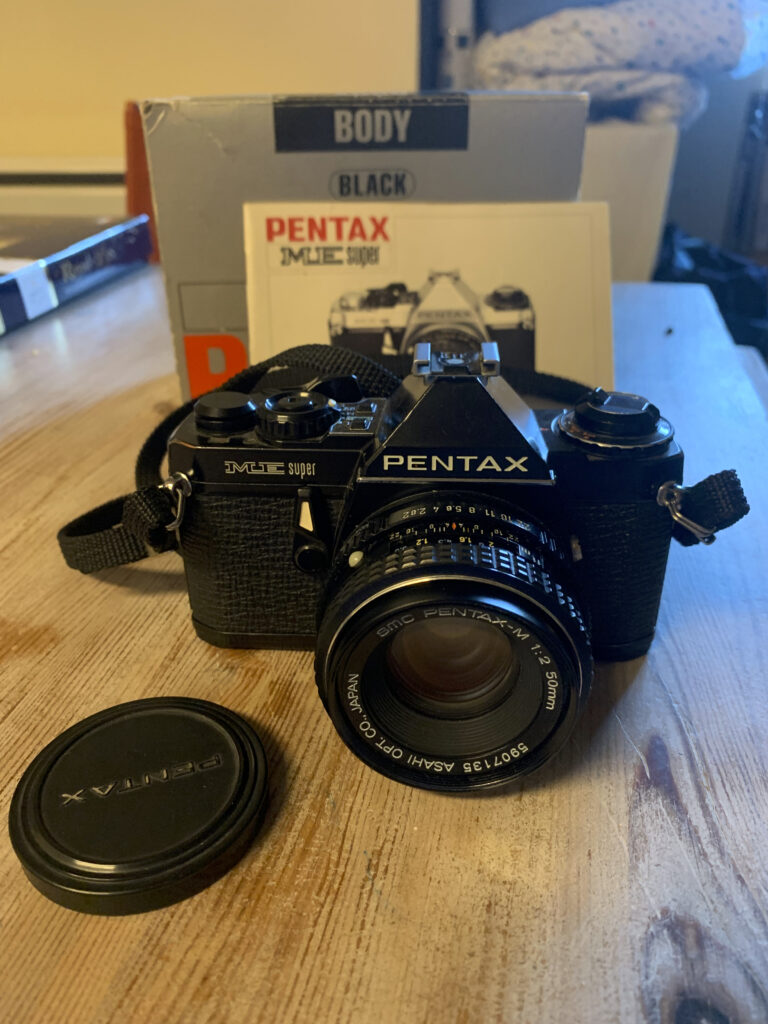
By the mid-1970s, the company transitioned from the M42 screw mount to the K-mount, a bayonet system that remains in use today. This era produced the K-series, including the legendary K1000, and the subsequent M-series, which focused on miniaturization. The Pentax MX and ME Super, released in the late 1970s, represented the pinnacle of this compact design philosophy, competing directly with the Olympus OM system. These cameras were built with a level of mechanical precision that has allowed them to remain functional for over 40 years, provided they receive periodic maintenance.
The Trans-Pacific E-Waste Pipeline
The recent influx of vintage Pentax equipment into markets like Cambodia is the result of a specific intersection of Japanese domestic policy, demographics, and international environmental agreements. Japan currently faces a significant demographic crisis characterized by an aging population and a high rate of "kodokushi," or lonely deaths. When elderly citizens pass away without immediate heirs, their estates—often containing decades of accumulated consumer goods—frequently become the property of the state or are cleared by specialized "clean-up" companies.
Under Japanese waste management protocols, these household items are often categorized as electronic waste. To meet carbon footprint reduction goals and international recycling obligations, Japan exports a significant volume of this e-waste to developing nations, including Cambodia. While the primary intent of these shipments is the recovery of raw materials such as copper, gold, and plastic, a subset of the cargo consists of "usable" waste.
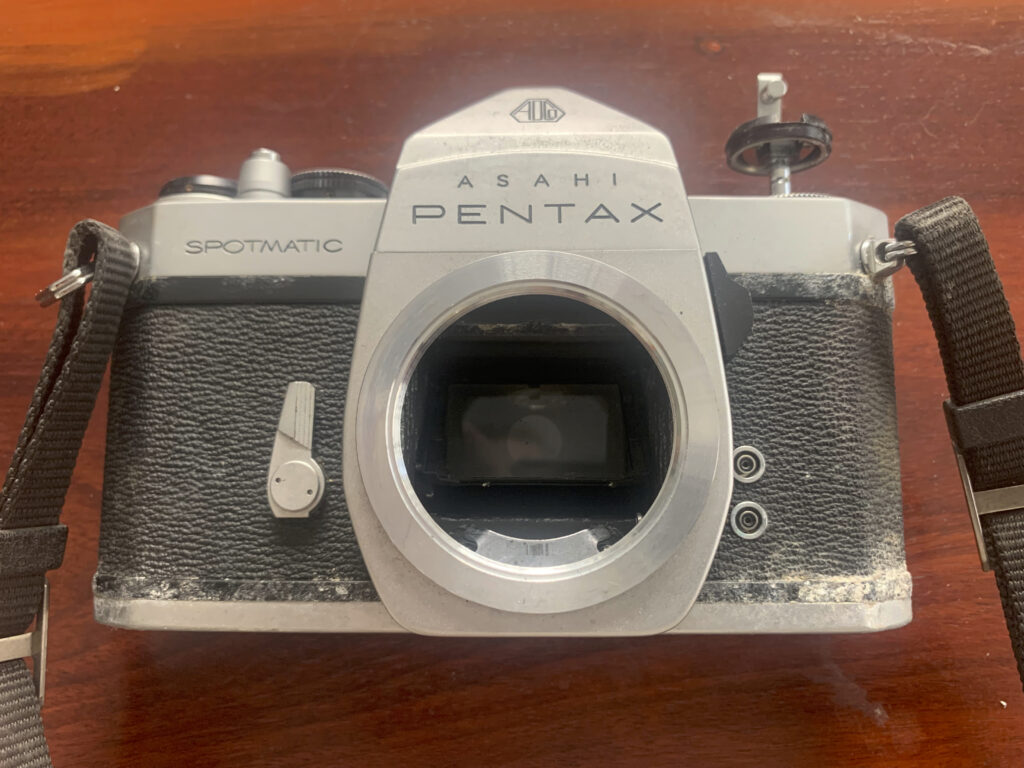
In Cambodia, specialized recycling centers process this Japanese influx. Items are sorted into three primary categories: immediate scrap, repairable goods for local thrift shops, and high-value collectibles. Observers at these facilities have noted that classic mechanical cameras, once considered obsolete, are increasingly being intercepted by collectors and technicians before they are dismantled. These "modern-day mud-larking" efforts have revealed that even after months in maritime transit and storage in humid dockside containers, the robust mechanical architecture of 1960s and 70s Pentax cameras often remains salvageable.
Technical Analysis of Recovered Models
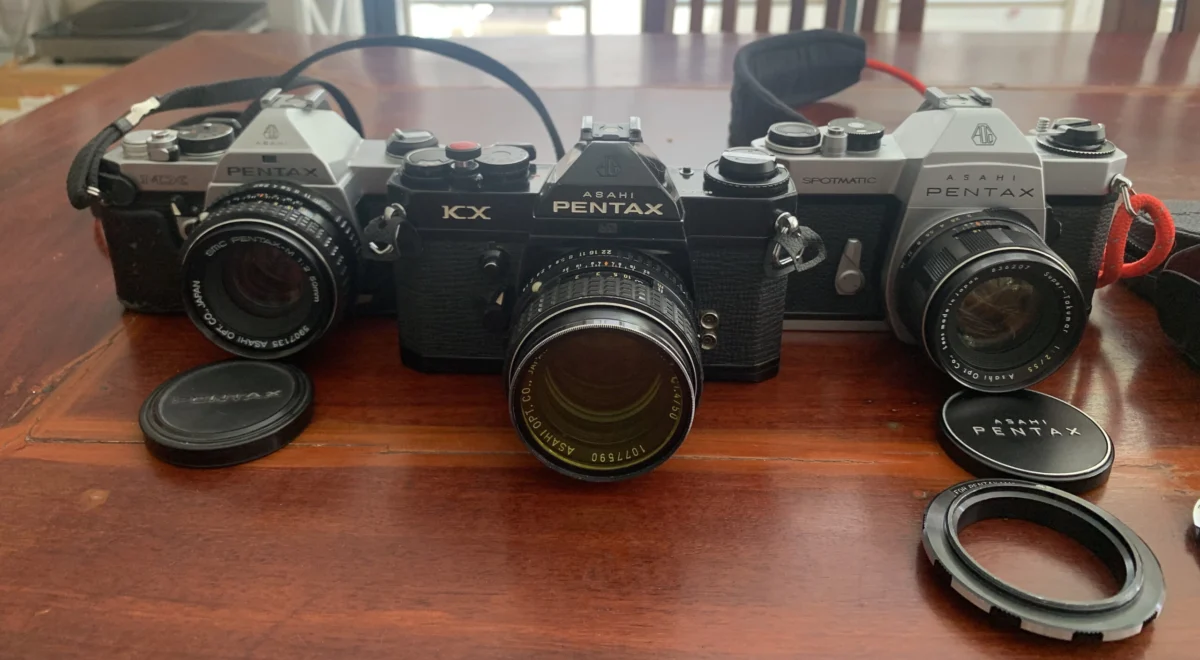
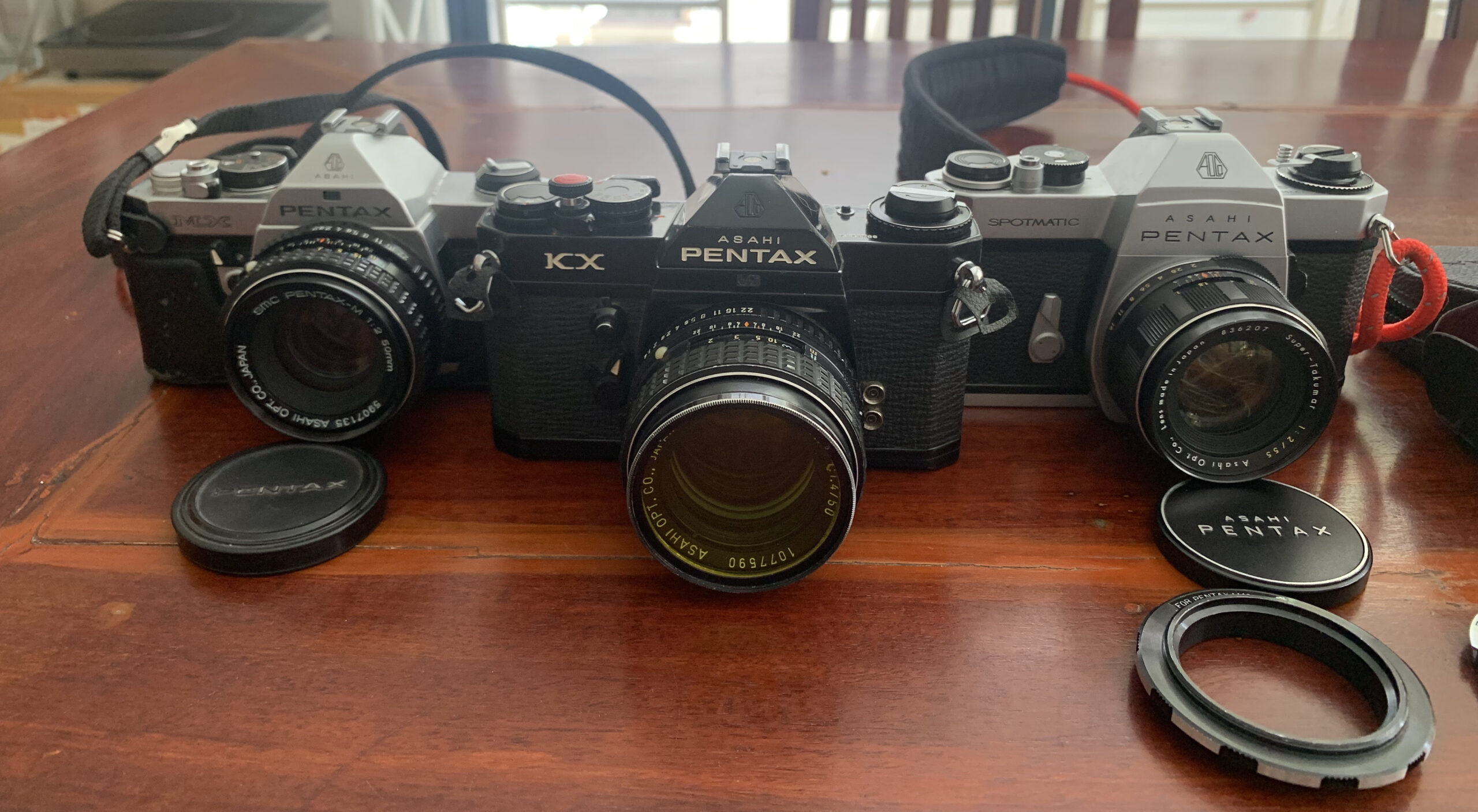
The recovery of specific models such as the Spotmatic SP II, the KX, and the MX provides a case study in the durability of various engineering approaches used by Asahi Optical.
The Spotmatic SP II and the M42 Era
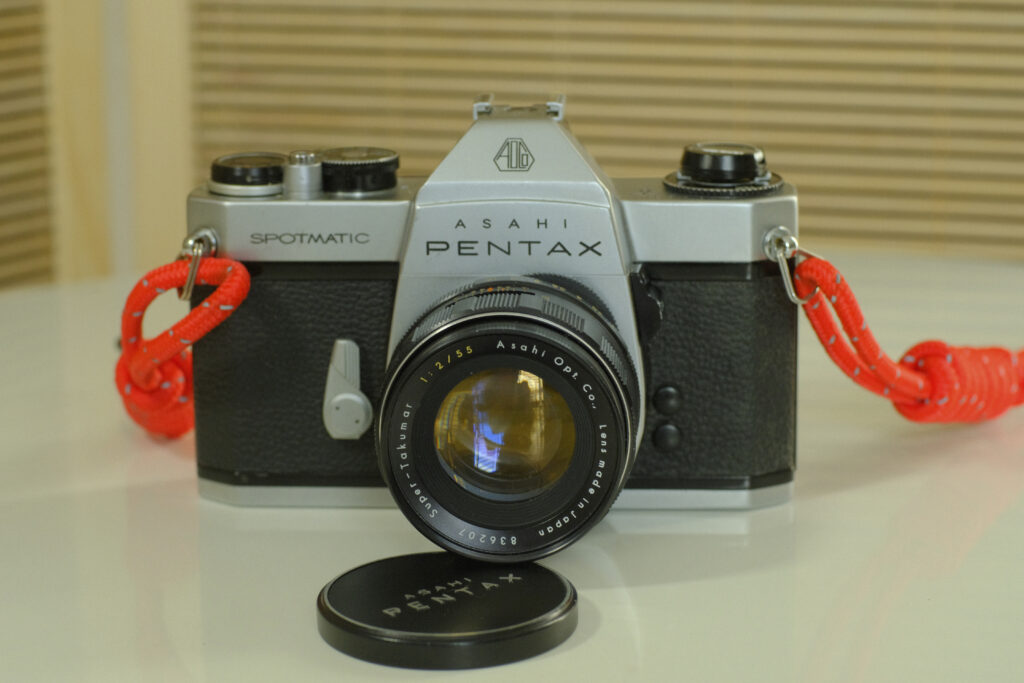
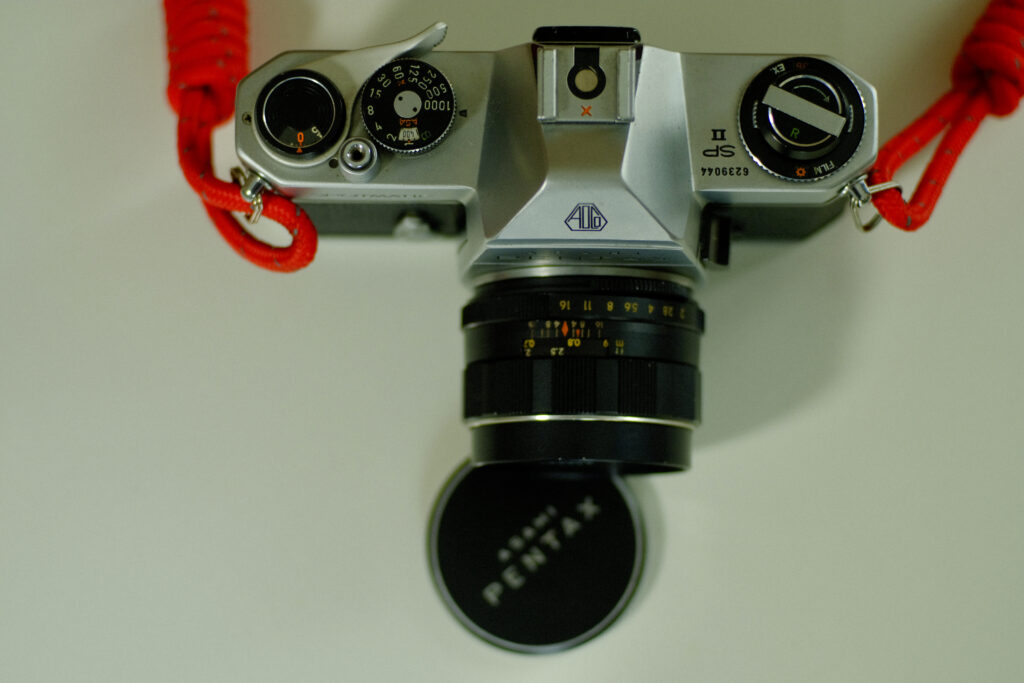
The Spotmatic SP II, an evolution of the original 1964 design, is frequently cited for its "tank-like" construction. Unlike the more expensive Nikon F of the same era, which utilized high-grade titanium and specialized alloys, the Spotmatic utilized high-quality but more cost-effective steels and brass. The SP II featured a large, bright viewfinder and a microprism focusing spot. Technical assessments of recovered units suggest that while the light seals (made of open-cell foam) almost universally degrade into a sticky residue over 50 years, the underlying mechanical shutters and gear trains often require only a clean, lubricate, and adjust (CLA) service to return to factory specifications.

The Pentax KX: The Sophisticated Workhorse
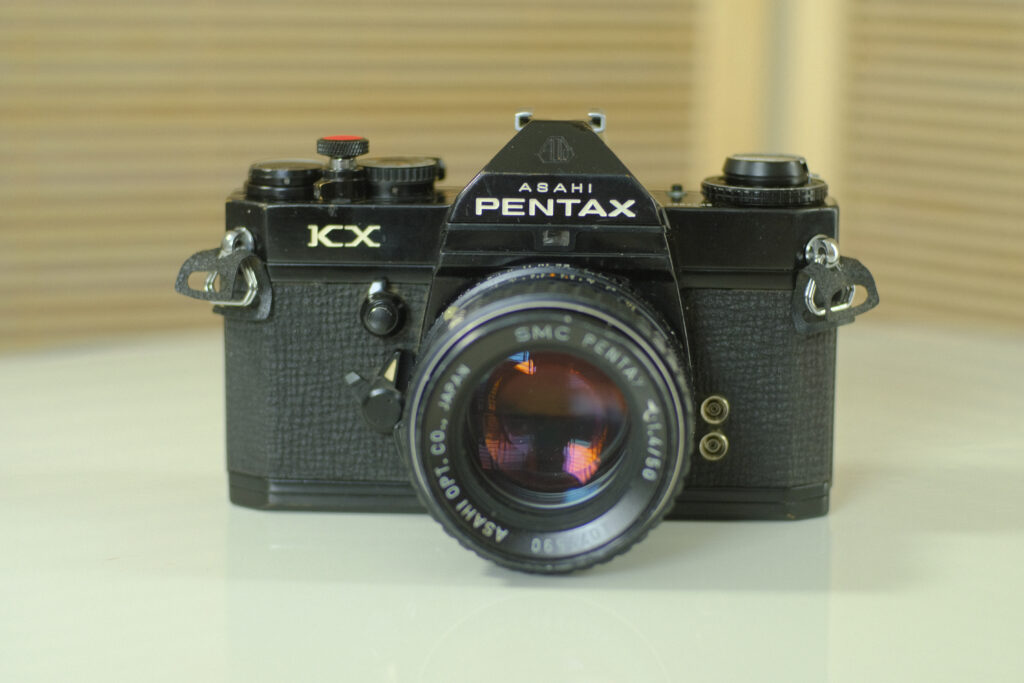
The KX, introduced in 1975, is often overshadowed by the ubiquitous K1000. However, the KX was designed as a more feature-rich alternative, including a depth-of-field preview, mirror lock-up, and an aperture-visible viewfinder. The KX utilized a silicon photo diode (SPD) for its light meter, which has proven more stable over decades than the Cadmium Sulfide (CdS) cells used in earlier models. Its larger chassis allowed for a more robust mirror box assembly, making it a favorite for photographers who prioritize durability over portability.
The Pentax MX: The Miniature Professional
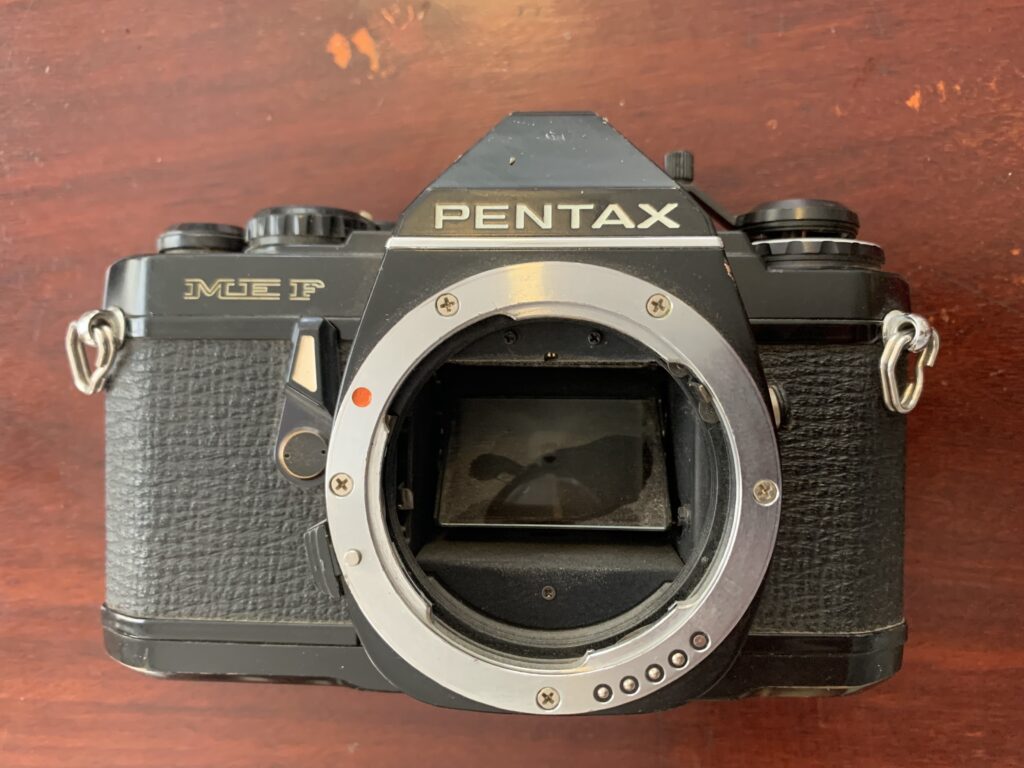
The MX remains one of the most sought-after mechanical SLRs due to its compact dimensions and fully mechanical operation (the battery is only required for the light meter). As a direct competitor to the Olympus OM-1, the MX utilized a complex string-and-pulley system for its viewfinder display and a horizontal cloth focal-plane shutter. While its internal components are more densely packed and thus more difficult to service than the KX or Spotmatic, its reliability in extreme conditions has sustained its reputation as a premier street photography tool.
The Role of Takumar and K-Mount Optics
A critical factor in the enduring value of these recovered cameras is the quality of the lenses associated with the Pentax system. The Super-Multi-Coated (SMC) Takumar lenses, produced for the M42 mount, are regarded by optical historians as some of the finest glass of the 20th century.
Data from the vintage lens market indicates a surge in demand for the 55mm f/1.8 and 50mm f/1.4 Takumar lenses. These optics are prized for their mechanical "feel"—characterized by smooth, silk-like focusing helicoids—and their rendering characteristics. The 50mm f/1.4, in particular, utilized thorium-doped glass in its early versions to achieve a high refractive index, a practice that resulted in a slight yellow tint over time but provided exceptional sharpness.
The transition to the K-mount did not diminish this optical quality. The original "K" series lenses (often called "Pre-M") were built with the same heavy-duty aesthetic as the Takumars. For instance, the 50mm K f/1.4 is frequently described as one of the best Zeiss-style Planar designs not manufactured by Zeiss itself. The ability to adapt these vintage lenses to modern digital mirrorless cameras has created a floor for their market value, ensuring they are rarely discarded even when the camera bodies they were attached to have failed.
Environmental and Social Implications
The "rescue" of these cameras from the e-waste stream serves as a micro-example of the circular economy in action. From an environmental perspective, the restoration of a 50-year-old mechanical camera is significantly more sustainable than the production and eventual disposal of a modern digital equivalent. Mechanical cameras are largely made of recyclable metals and do not contain the toxic heavy metals found in modern circuit boards and lithium-ion batteries.
Socially, the availability of high-quality film cameras in regions like Southeast Asia has fostered a burgeoning community of young photographers. In cities like Phnom Penh, local thrift shops stocked with Japanese imports have made film photography an affordable hobby, contrasting with the high entry price of digital mirrorless systems. This has led to a localized demand for film processing and repair services, revitalizing a craft that had largely disappeared in the early 2000s.
Broader Impact and Industry Outlook
The resurgence of interest in Pentax’s mechanical legacy has not gone unnoticed by the modern industry. Ricoh Imaging, the current parent company of the Pentax brand, recently launched the "Pentax Film Project," which resulted in the release of the Pentax 17, a new half-frame film camera. This move was explicitly motivated by the high prices and dwindling supply of reliable vintage cameras on the secondary market.
By acknowledging the "People’s SLR" heritage, Ricoh is attempting to bridge the gap between the mechanical reliability of the 1970s and the needs of a new generation of analog enthusiasts. The data suggests that while digital technology continues to dominate the commercial sector, the "emotional" and "tactile" value of mechanical photography is experiencing a permanent shift from a niche hobby to a mainstream cultural movement.
Ultimately, the journey of a Pentax Spotmatic from a household in Tokyo to a sorting facility in Cambodia, and finally into the hands of a new photographer, illustrates the remarkable longevity of 20th-century Japanese engineering. These devices were not designed for a three-year upgrade cycle; they were built to be "the people’s cameras," intended to document a lifetime. As long as there is a supply of film and a community of technicians capable of performing a CLA, the "Asahi" name will continue to be a fixture in the world of photography, proving that some technologies are too well-made to ever truly become waste.