The landscape of commercial fleet branding and automotive aesthetics is undergoing a significant transformation as the industry moves into 2026. The long-standing binary choice between high-gloss finishes and ultra-matte textures has been replaced by a more sophisticated, functional approach: the hybrid surface finish. This design methodology, which strategically integrates both matte and glossy elements on a single vehicle, is no longer a niche preference for luxury car enthusiasts but a standardized strategy for global fleet managers seeking to maximize brand visibility and operational longevity.
As urban environments become increasingly saturated with mobile advertising, the challenge for designers has shifted from merely catching the eye to ensuring legibility under diverse environmental conditions. The emergence of hybrid surfaces represents a data-driven response to the limitations of traditional single-finish wraps, particularly regarding sunlight glare, low-light visibility, and the psychological impact of tactile contrast.
The Evolution of Vehicle Wrap Aesthetics: A Decade of Change
To understand the dominance of hybrid surfaces in 2026, it is necessary to examine the chronology of the vehicle wrap industry over the last decade. In the early 2010s, the market was dominated by standard gloss finishes that mimicked factory paint. By 2015, the "stealth" look gained popularity, leading to a surge in full-matte black and grey wraps, particularly in the luxury and performance sectors.
However, as these matte finishes moved into the commercial sector, fleet operators began reporting issues with brand recognition. While matte surfaces provided a modern, premium feel, they often lacked the "pop" required for high-speed recognition on highways. Conversely, the high-gloss wraps of the early 2020s were often criticized for excessive glare, which frequently rendered phone numbers and QR codes unreadable when hit by direct midday sun.
The transition period of 2024–2025 saw the first widespread experiments with "spot-finish" layering. This involved applying a matte base with gloss overlays or vice versa. By 2026, this has matured into a comprehensive design philosophy supported by advanced material science, allowing for seamless integration of multiple textures on a single vinyl substrate.
The Science of Optical Contrast and Readability
The primary driver behind the hybrid trend is the practical science of optics. Commercial vehicles operate in ever-changing light conditions, from the harsh glare of high-altitude sun to the diffused light of rainy coastal cities.
Glossy surfaces are characterized by specular reflection, where light reflects at a single angle. This often creates "hot spots" of light that can obscure high-detail information. Matte surfaces, through diffuse reflection, scatter light in many directions, which eliminates glare but can flatten the appearance of colors.

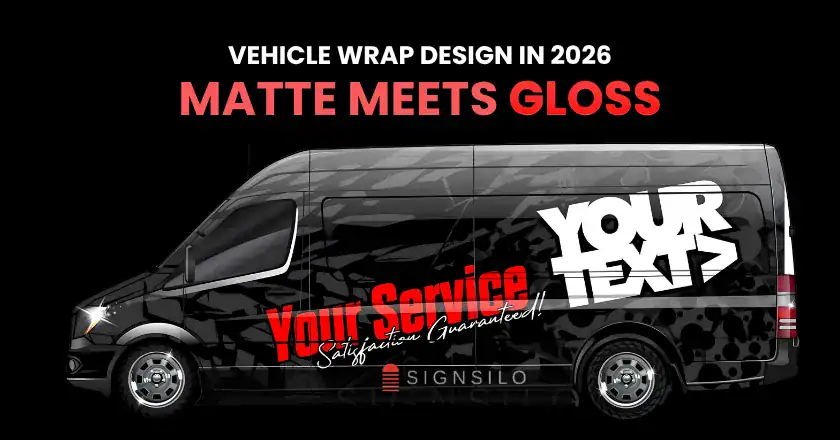
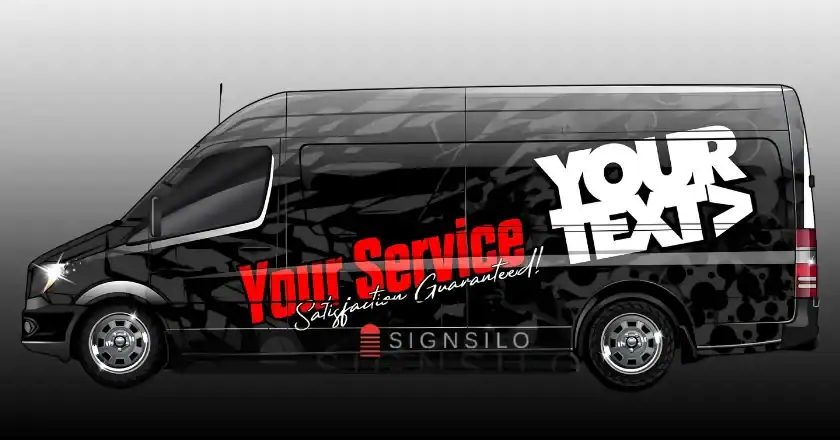
By utilizing a hybrid approach, designers can place critical information—such as company logos, contact details, and regulatory decals—on matte sections to ensure they remain legible regardless of the sun’s position. Meanwhile, glossy accents are used on the vehicle’s kontur lines or secondary graphic elements to create a sense of depth and movement. This contrast creates a "visual vibration" that draws the human eye more effectively than a uniform surface, according to recent studies in consumer neuro-marketing.
Technical Execution and Material Innovation
The execution of a hybrid wrap in 2026 requires a level of precision that was previously unattainable for high-volume production. Modern wrap shops now utilize dual-laminate systems or specialized printable films that can accept different finishing coats in a single pass.
- Selective Lamination: This involves the application of a matte laminate over specific areas of a gloss-printed graphic.
- UV-Curable Spot Varnishes: Advanced digital printers can now apply textured "varnish" layers directly onto the vinyl, creating raised gloss patterns over a matte base.
- Subsurface Contrast: Using metallic or pearlescent base films with matte top-coats to create a "glow" effect that lacks the harsh reflection of traditional chrome.
These technical advancements have reduced the labor time associated with multi-texture wraps, making them a viable option for large-scale logistics fleets containing hundreds of vehicles.
Economic Implications for Fleet Management
For businesses, the shift toward hybrid wraps is an economic decision as much as an aesthetic one. Fleet branding is often the most cost-effective form of advertising a company owns, with a single vehicle generating between 30,000 and 70,000 impressions per day in a major metropolitan area.
The ROI of a vehicle wrap is tied directly to its "dwell time" in the observer’s eye and the clarity of the message. If a gloss-induced glare prevents a potential customer from reading a web address, that impression is effectively lost. By adopting hybrid surfaces, companies are reporting a 15-22% increase in "brand recall" metrics, as the high-contrast textures make the information easier for the brain to process quickly.
Furthermore, hybrid wraps offer improved durability. Matte finishes are traditionally more susceptible to showing "burn" marks from friction or staining from oils. By strategically placing gloss finishes in high-touch areas—such as around door handles or the rear loading doors of a van—and matte finishes on large flat panels, fleet managers can extend the aesthetic life of a wrap by up to 18 months.
Industry Infrastructure: The Role of Design Resources
The complexity of designing for hybrid surfaces has necessitated a new generation of digital tools and resources. Precision is the cornerstone of this trend; a hybrid design that is misaligned with the vehicle’s body lines can look cluttered rather than professional.
This is where industry-leading platforms like SignSilo have become essential to the workflow of modern wrap shops. Designing a hybrid wrap requires high-fidelity vehicle templates that account for every curve and recessed channel of a specific make and model. SignSilo provides a comprehensive library of over 25,000 vehicle templates, alongside high-resolution wrap designs and vector graphics that are essential for creating the sharp edges required for matte-to-gloss transitions.

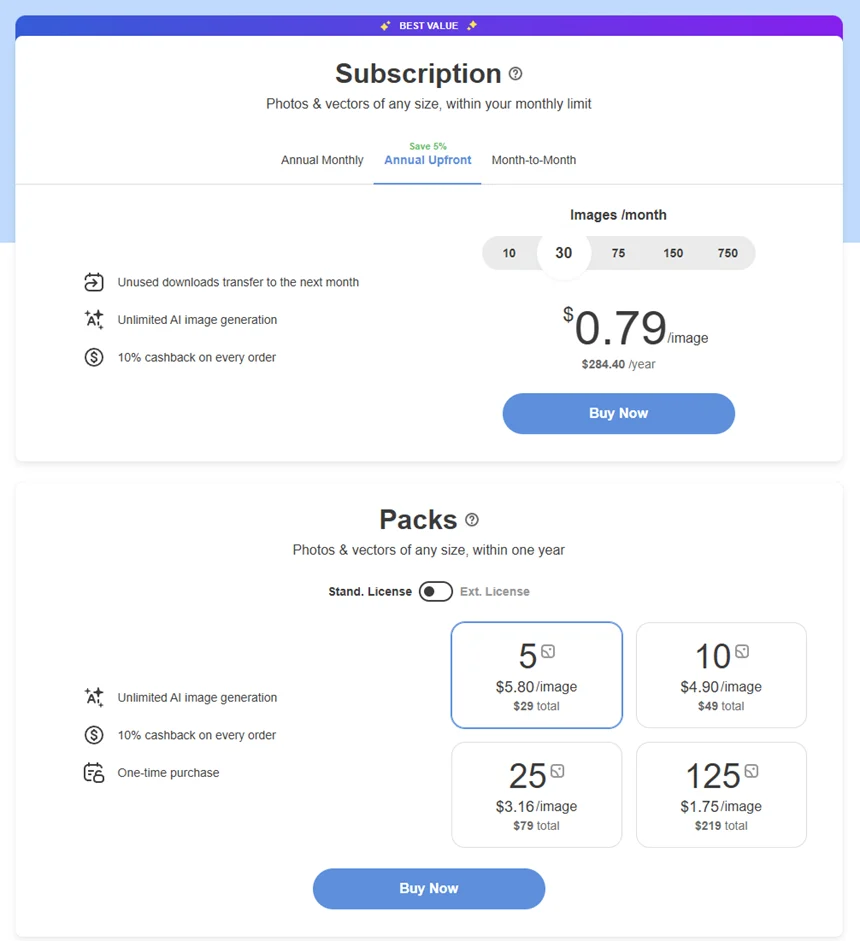
To accommodate the varying scales of design firms, the market has seen a shift toward flexible subscription models. Current industry standards for professional design access include:
- The Single User Plan: At approximately 99€ per year, providing essential access to templates and a limited number of monthly downloads.
- The Professional Tier: At 169€ per year, designed for high-volume shops requiring a larger volume of assets and higher-resolution images.
- The Premium/Team Plan: At 199€ per year, offering unlimited access to the entire database, including specialized fonts and marketing mock-ups.
These resources allow designers to provide clients with accurate 3D renderings of how light will interact with the hybrid surfaces before a single inch of vinyl is printed.
Reactions from the Signage and Branding Sector
Industry reactions to the hybrid surface movement have been overwhelmingly positive among installers and brand strategists. "We are seeing a move away from the ‘loudest’ design to the ‘smartest’ design," says Marcus Thorne, a senior consultant for a leading European fleet branding agency. "In 2026, the client isn’t asking for the brightest color; they are asking for the wrap that stays readable at 70 miles per hour in the rain. Hybrid texturing is the answer to that demand."
Installers have also noted that the hybrid approach allows for more creative freedom in hiding seams and overlaps, which are common challenges in complex vehicle wraps. By transitioning from a matte panel to a gloss panel at a natural body line, the "invisible" seam becomes a deliberate design element.

Future Outlook: Beyond 2026
As we look past 2026, the trajectory of hybrid surfaces suggests an integration with "smart" materials. Research is currently underway into thermochromic and photochromic laminates that could change their level of gloss or matte-ness based on the ambient temperature or UV intensity.
Additionally, the push for sustainability in the automotive industry is influencing wrap production. The next generation of hybrid wraps is expected to be PVC-free, utilizing polyolefin or PET-based films that are more easily recyclable while still maintaining the high-contrast finish that defines the current era of design.
Conclusion
The rise of hybrid surfaces in 2026 represents a maturation of the vehicle wrap industry. By moving beyond the simple choice of "shiny or dull," designers have unlocked a new dimension of functional branding. This trend prioritizes the human experience of the brand—ensuring that information is accessible, the aesthetic is premium, and the message is clear in any light. Supported by robust design libraries and advanced material science, the hybrid wrap has solidified its place as the gold standard for the modern commercial fleet.