The mastery of light is a foundational pillar in the discipline of photography, irrespective of the chosen genre. Its significance extends beyond mere illumination, unlocking a vast spectrum of creative possibilities. While street photography might appear to be a direct and unembellished form of capturing reality, it too can be profoundly elevated by an artistic sensibility that skillfully manipulates light. This is demonstrably evident in the work of UK-based photographer and video producer Rupert Vandervell, for whom light is not merely an element but a guiding principle that shapes his distinctive visual language. Vandervell himself identifies the cultivation of an acute awareness of light as one of the most critical skills he acquired during his formative years as a photographer. A perusal of his online presence, encompassing his Instagram feed and personal website, reveals a practiced eye for light that transcends the ordinary, transforming urban landscapes into canvases for his artistic explorations.
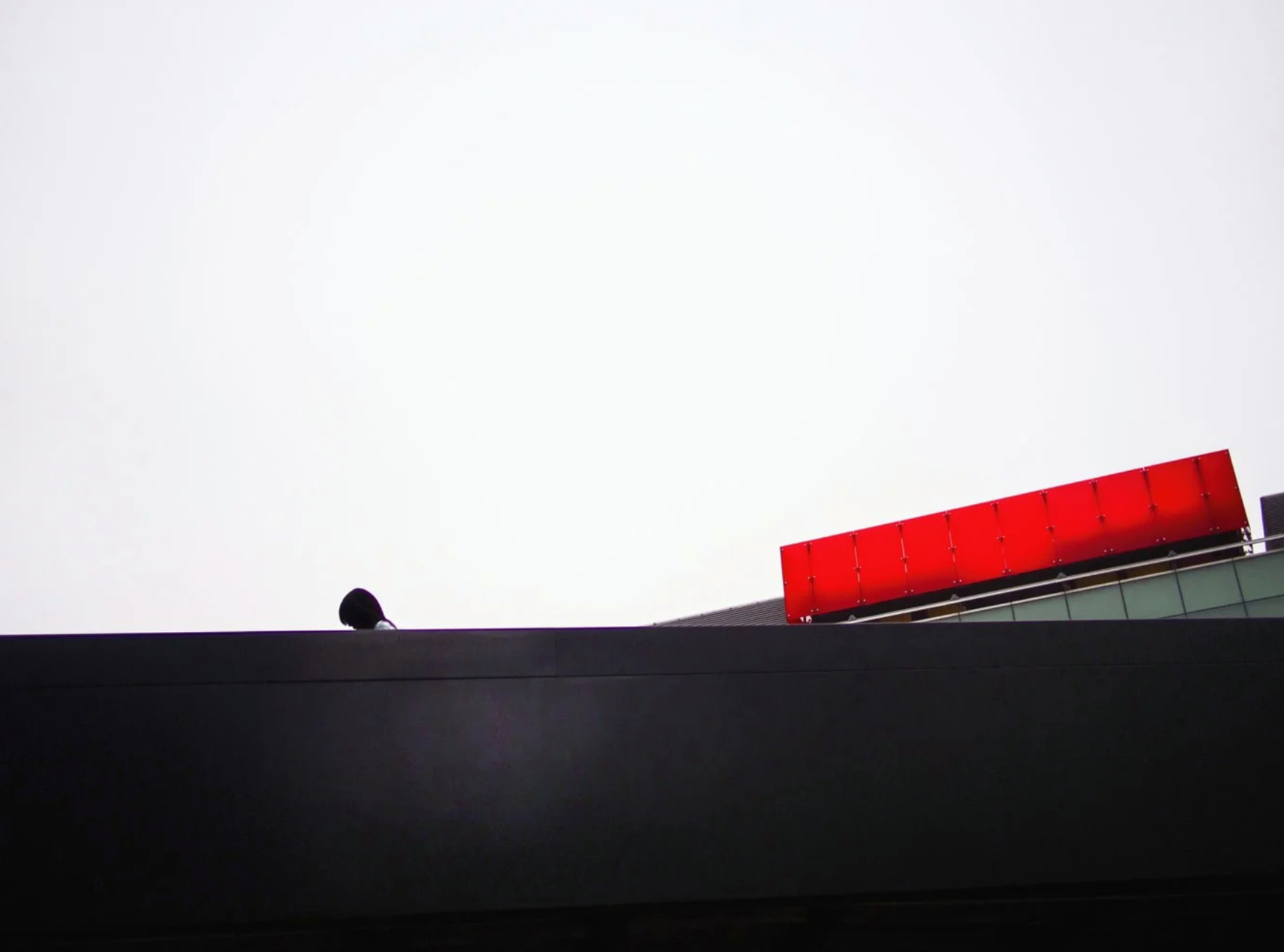
Vandervell’s journey into photography began in the 1990s, a period when he was actively engaged as a graphic designer. This professional background likely instilled in him a deep appreciation for composition, form, and visual aesthetics. During his leisure time, he found himself drawn to the vibrant, yet often overlooked, streetscapes of London. "I was attracted to the black and white look from the start," Vandervell recalls, "and was interested in how light and shade could be used to shape and form compositions." This early inclination toward monochromatic imagery and the interplay of light and shadow laid the groundwork for his signature style.
The deliberate application of light and shadow in Vandervell’s street photography imbues even the most mundane urban scenes with a dramatic intensity. While cities are inherently rich with a kaleidoscope of colors, shapes, lines, and textures, Vandervell’s technique distills these elements, leading him to develop a clean, minimalist aesthetic. This simplicity is further amplified by his predominant use of black and white, a choice that allows the stark contrast and defined forms to command the viewer’s attention.
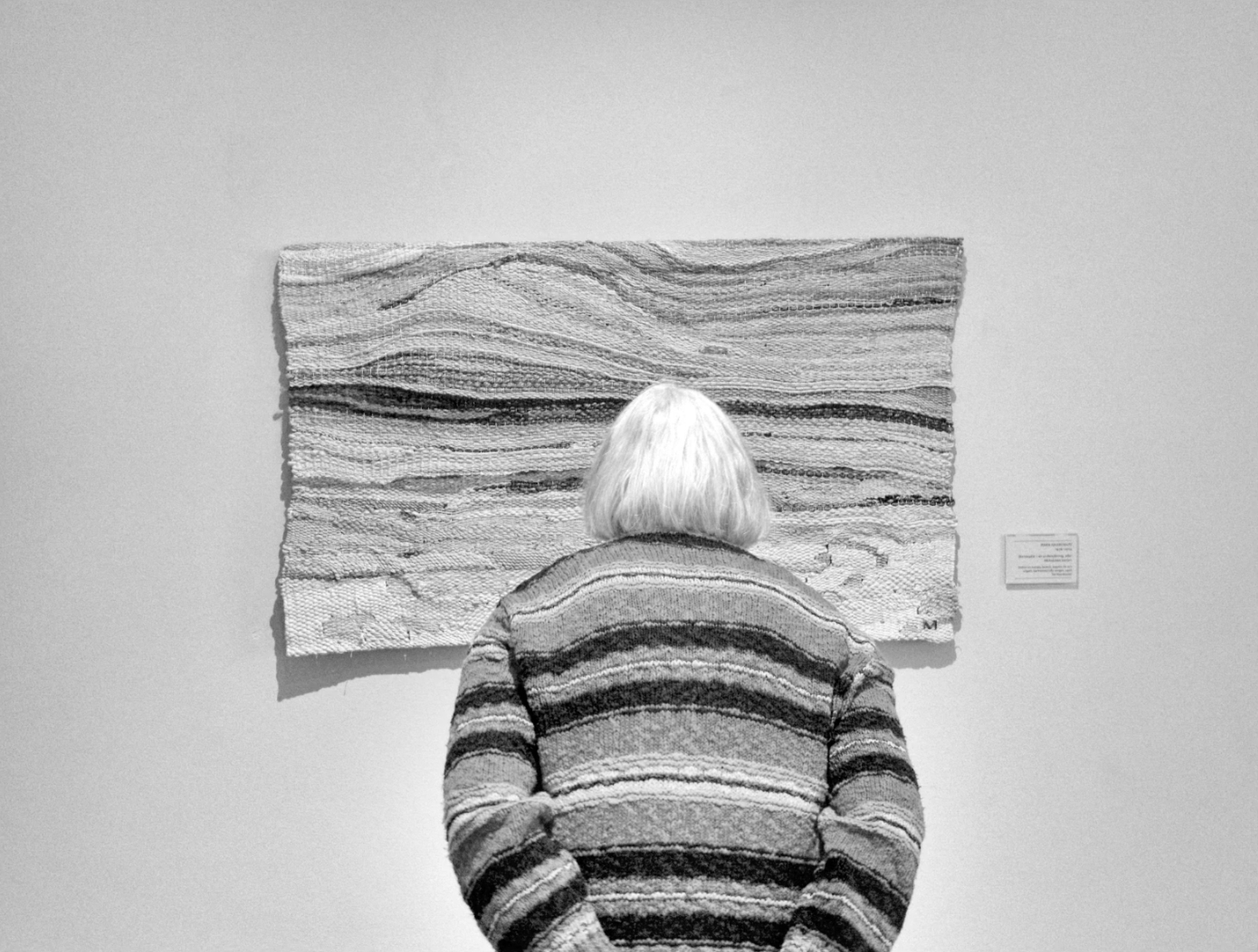
The Genesis of a Vision: The Primacy of Light
Vandervell’s early realization of light’s pivotal role in photography was not an isolated insight but a fundamental understanding shared by many accomplished visual artists. For him, light was crucial not only for achieving proper exposure but, more importantly, for dictating the narrative and emotional tenor of his images. He honed his ability to observe and interpret how light interacted with the urban environment, a practice that proved instrumental in forging his unique visual and storytelling style.
"With different times of day come different moods," Vandervell elaborates, highlighting the temporal dimension of light’s influence. "I like how cool and clear the light can be in the morning, creating sharp lines of shadow and jewel-like highlights. It penetrates the space between the towering buildings and generates a dazzling display of intricate patterns on every surface." This description evokes a sense of precision and clarity, where morning light sculpts the urban fabric into a precise, almost architectural form. In contrast, he notes the transformative effect of later daylight hours: "In the late afternoon, the light becomes warm and subtle and the shadows grow longer with feathered edges." This shift suggests a softer, more nuanced illumination, capable of imparting a sense of atmosphere and introspection.
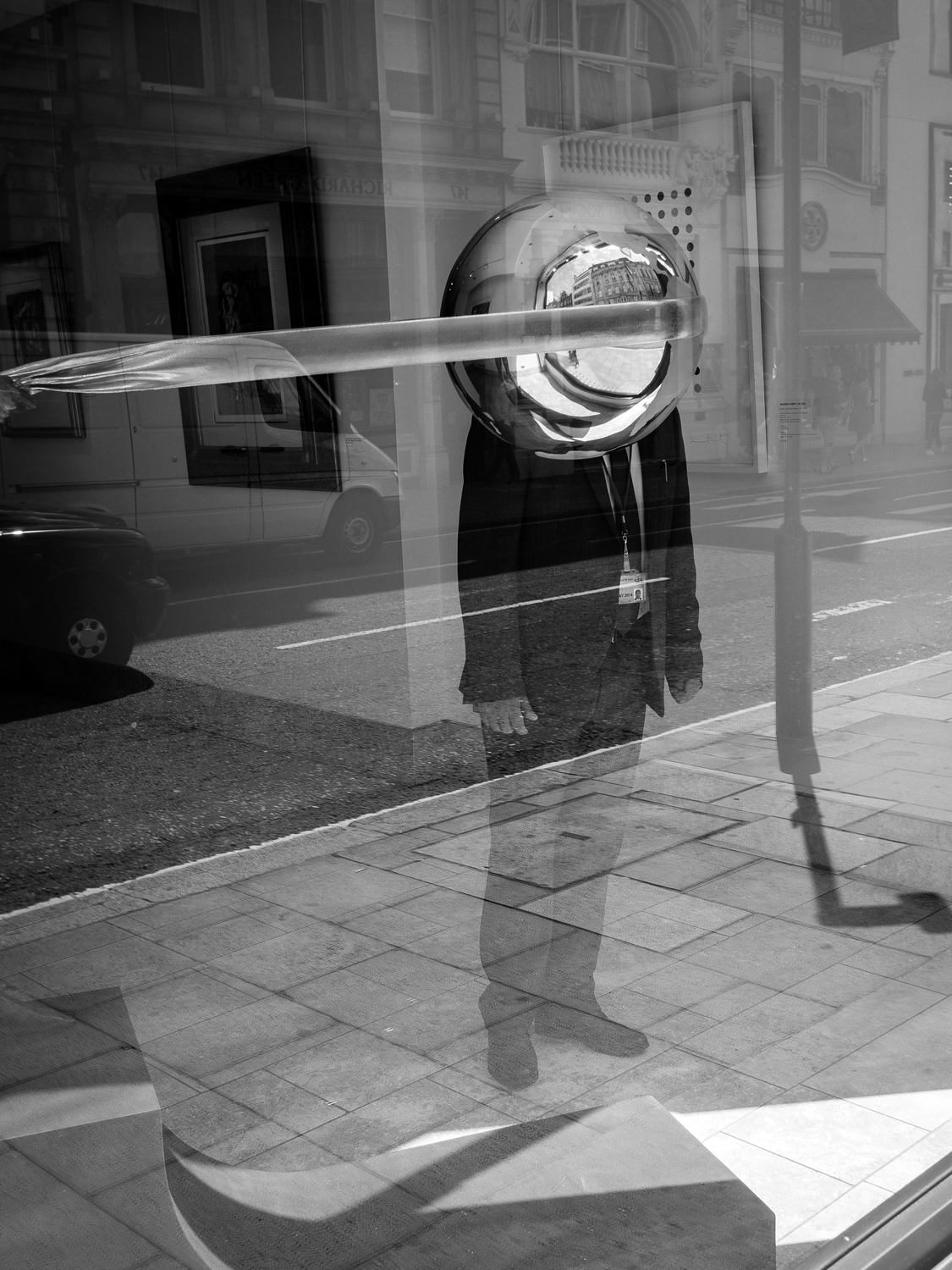
The keen observation of these light-driven phenomena serves as the initial spark for Vandervell’s creative process when he ventures into the streets. His focus is invariably drawn to "interesting relationships between the light and shade," a pursuit that aims for "good contrast with pure whites and deep blacks." This deliberate pursuit of stark tonal variations is not merely an aesthetic preference; it is a strategic choice that defines the visual impact of his work.
Consequently, the act of waiting for optimal light conditions—or, as he puts it, "the best light"—is often the most demanding aspect of his street photography practice. Without this crucial element, his ability to achieve the high-contrast aesthetic that characterizes his work is severely compromised. His candid admission, "I don’t go out on grey days!" underscores the indispensable nature of strong, defined light for his artistic output. This commitment to light-centric composition places him within a lineage of photographers who understand that light is not just a tool but a collaborator in the creative process.
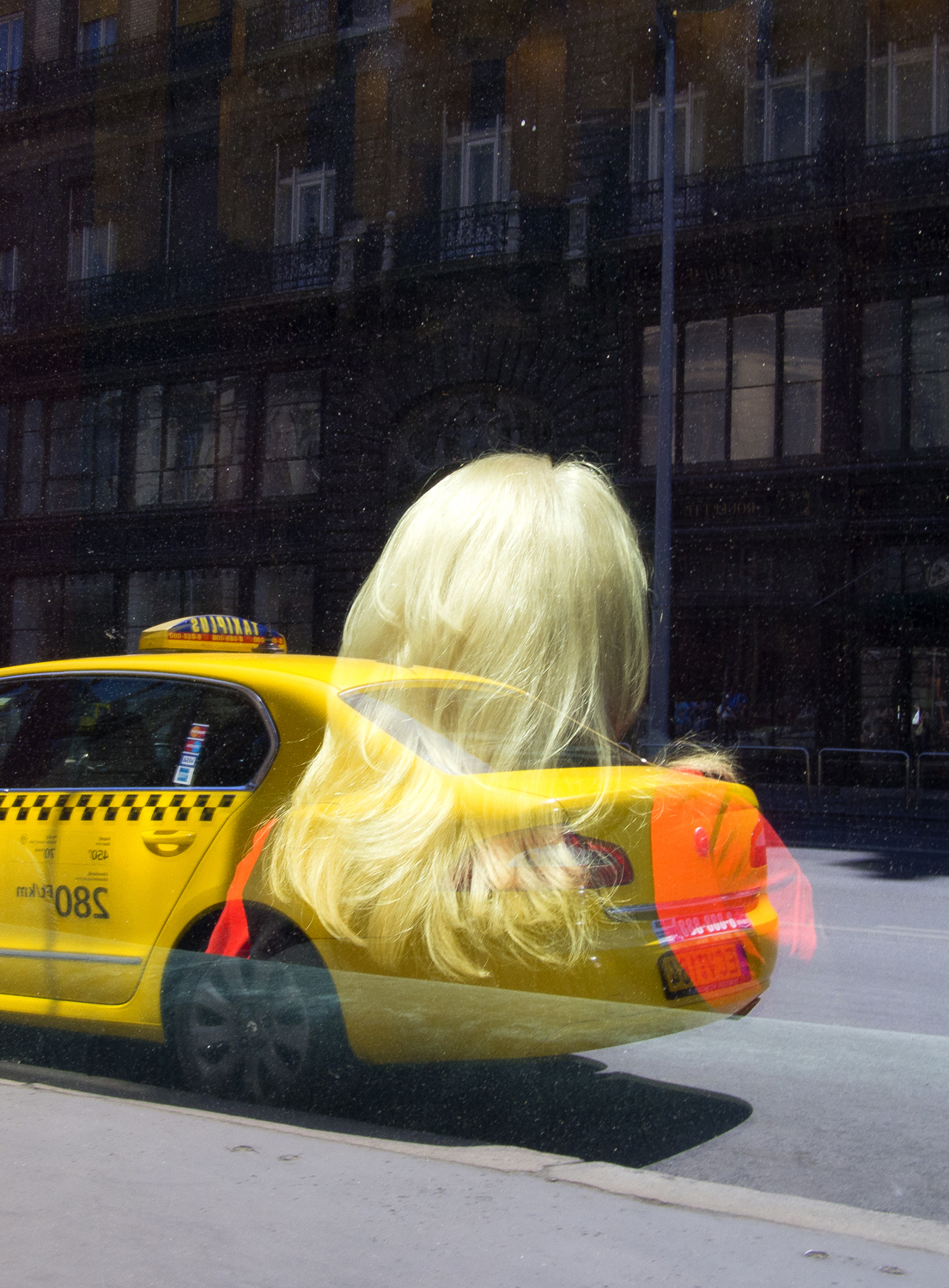
Cultivating a Distinctive Aesthetic: The High-Contrast Imperative
The strategic utilization of contrast offers myriad avenues for artistic expression within street photography. For Vandervell, his chosen medium of light and his preference for black and white naturally steered him toward a high-contrast aesthetic, which has since become a hallmark of his oeuvre. This stylistic inclination was not an accidental development but a conscious decision made early in his photographic journey.
The timeless quality of Vandervell’s work, which may evoke the classic street photography of previous decades, is not without reason. His artistic vision has been shaped by the influential photographers who pioneered experimental and artful approaches to the genre. His stated inspirations include Ray Metzker, Lucien Hervé, and Ernst Haas, luminaries who rose to prominence in the 1950s and 1960s. "Looking at how they photographed their cities and how they used everything around them to compose and shape their images is endlessly inspiring," Vandervell shares. This admiration for his predecessors highlights a shared understanding of how to transform the urban environment into compelling visual narratives through deliberate compositional choices.
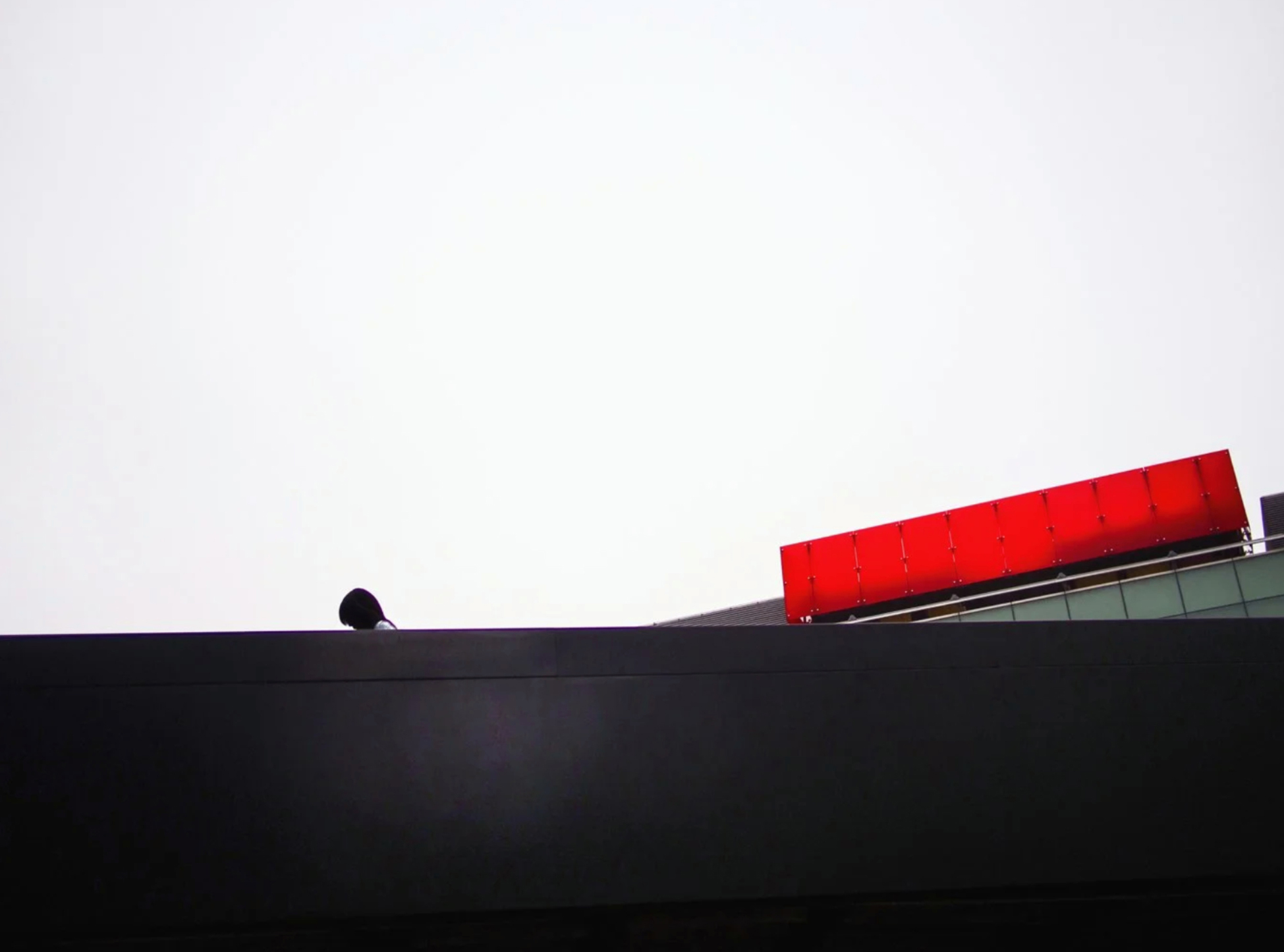
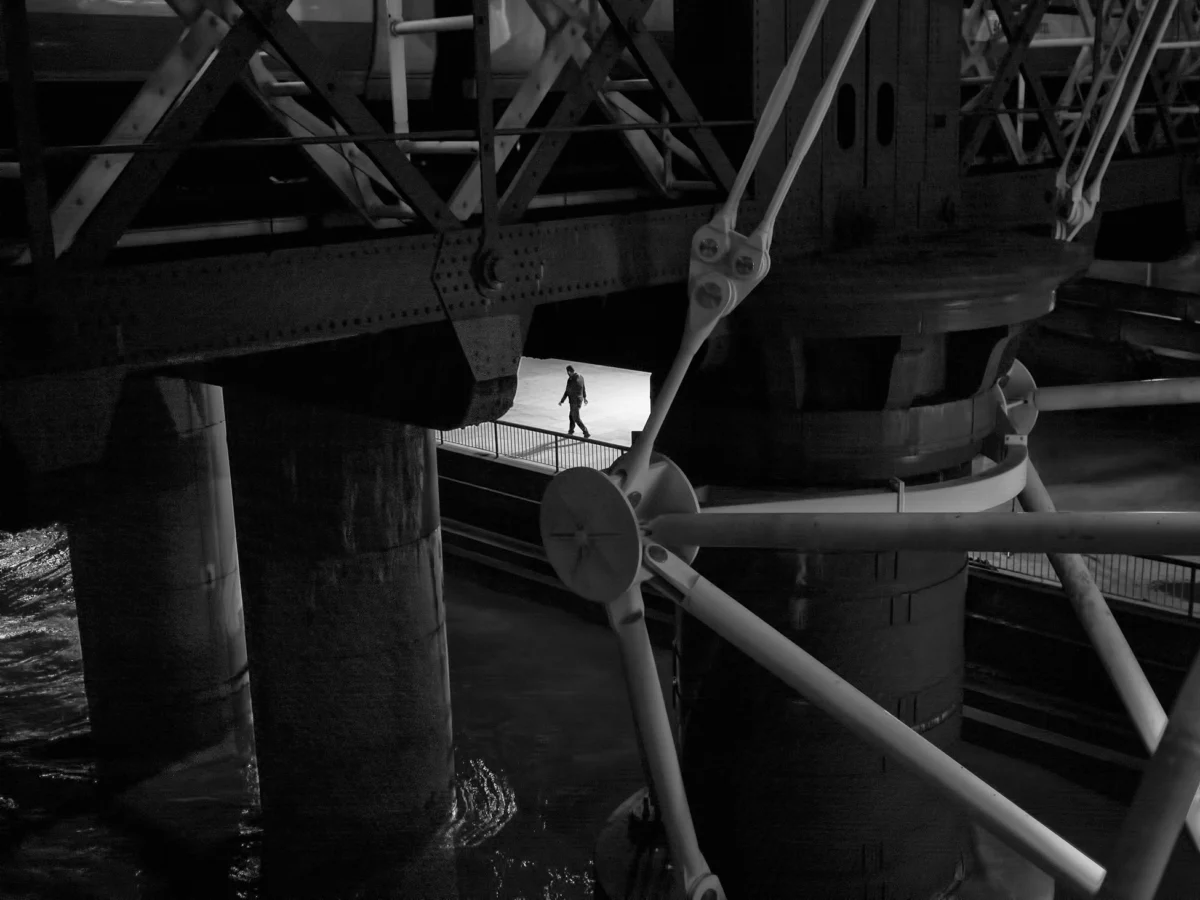
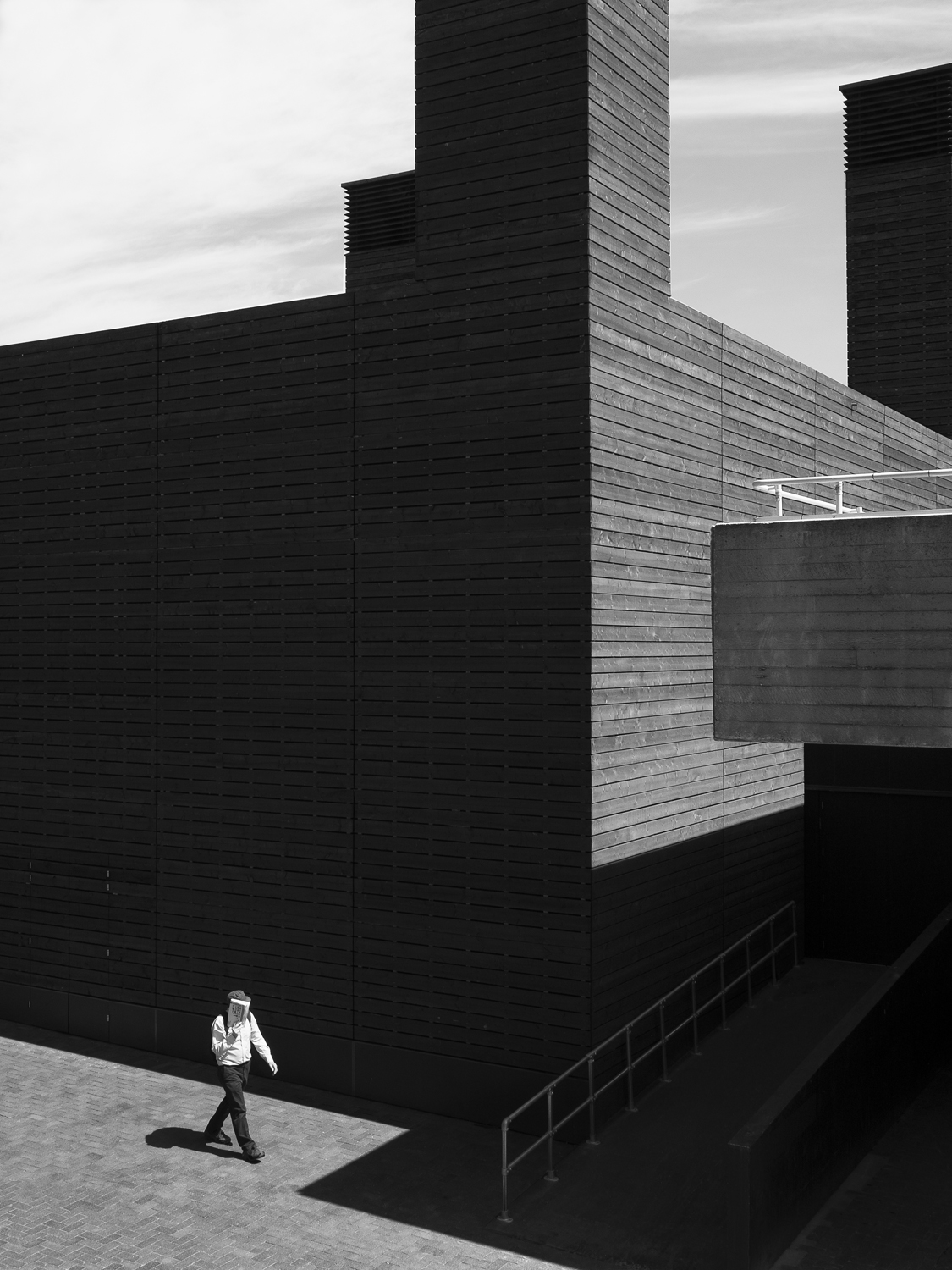
In his pursuit of the high-contrast look, Vandervell, much like Metzker and Hervé, employs silhouettes, negative spaces, and shadows. These elements are not merely decorative but serve to introduce an element of mystery or a sense of isolation, depending on the specific demands of the scene. Crucially, this aesthetic approach also provides a pragmatic advantage: it effectively conceals extraneous details or visual clutter that might otherwise detract from the intended impact of the photograph. This ability to pare down an image to its essential graphic components is a testament to his disciplined approach to composition.
"Human silhouettes and negative space are very important in the style of pictures I take," Vandervell explains. "They are graphic elements that play significant roles." When he incorporates a human figure, his aim is to imbue it with a sense of dynamism rather than static presence. "If including a human silhouette I try to make sure that they appear in a characterful way. Not just standing still but as animated as possible, I’ll try to capture them in full motion." The strategic use of negative space further reinforces this minimalist ethos, embodying a "less is more approach" that frequently proves effective in his compositions. This philosophy of deliberate simplification allows the viewer to focus on the interplay of form, light, and the human presence.
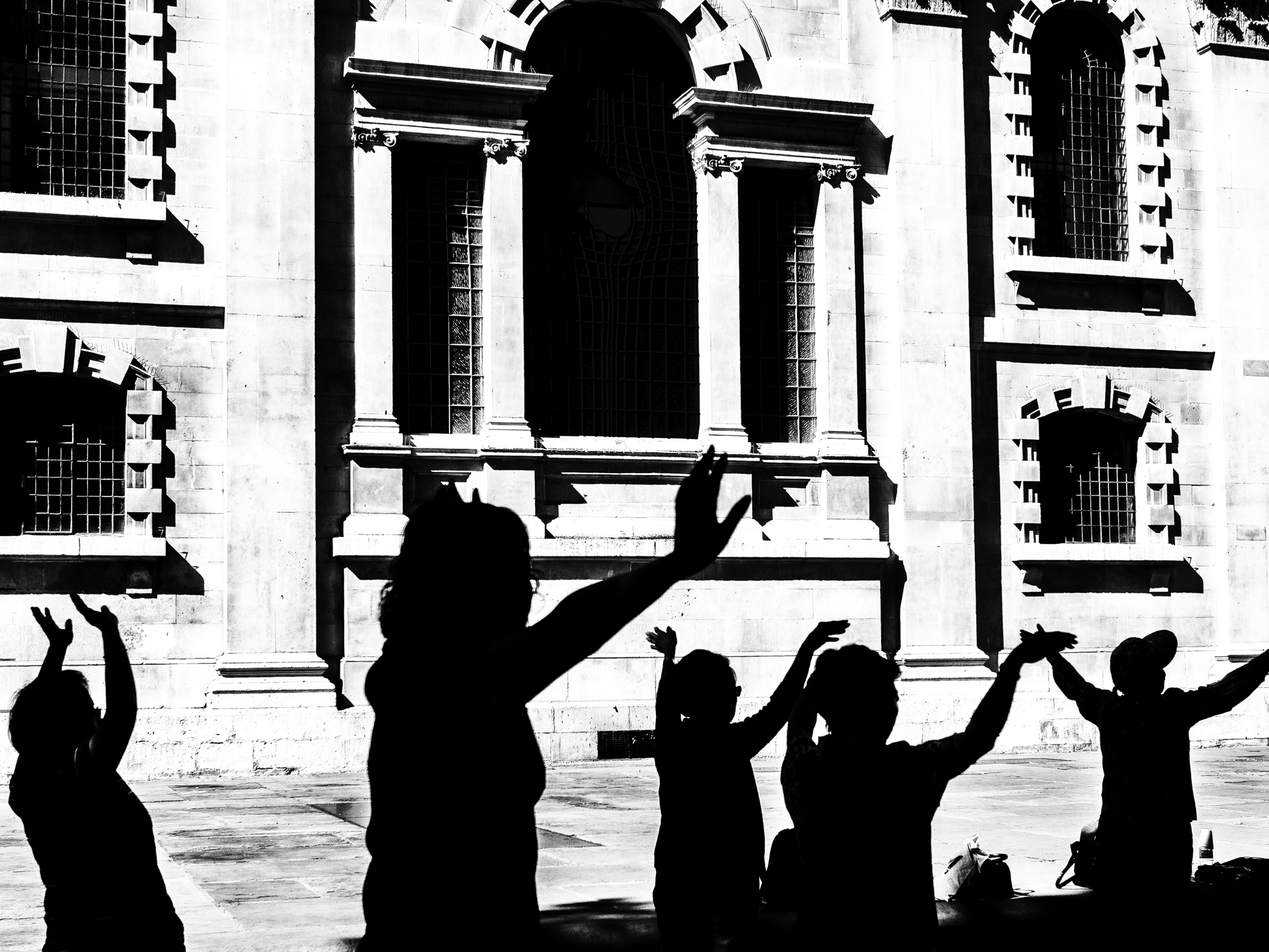
The Urban Narrative: Man’s Interplay with the Built Environment
A consistent and compelling theme in Vandervell’s photographic output is the human element, often presented as a solitary figure set against the intricate textures, dynamic shapes, and striking patterns forged by his high-contrast technique. This deliberate juxtaposition of the built environment and the human form, he explains, is a recurring motif in his work, serving as a visual metaphor for humanity’s interaction with the constructed world.
"Once I have discovered a potential scene, I will play around with it and frame and compose, moving around the area to explore it in full," Vandervell describes his methodical approach to finding and developing a photographic opportunity. "If I find a good scene I will then look to see how I can fit the human factor in to bring scale and perspective to the picture." This reveals a process that begins with an appreciation for the environment and then seeks to integrate the human subject as a crucial compositional element, adding depth and context.
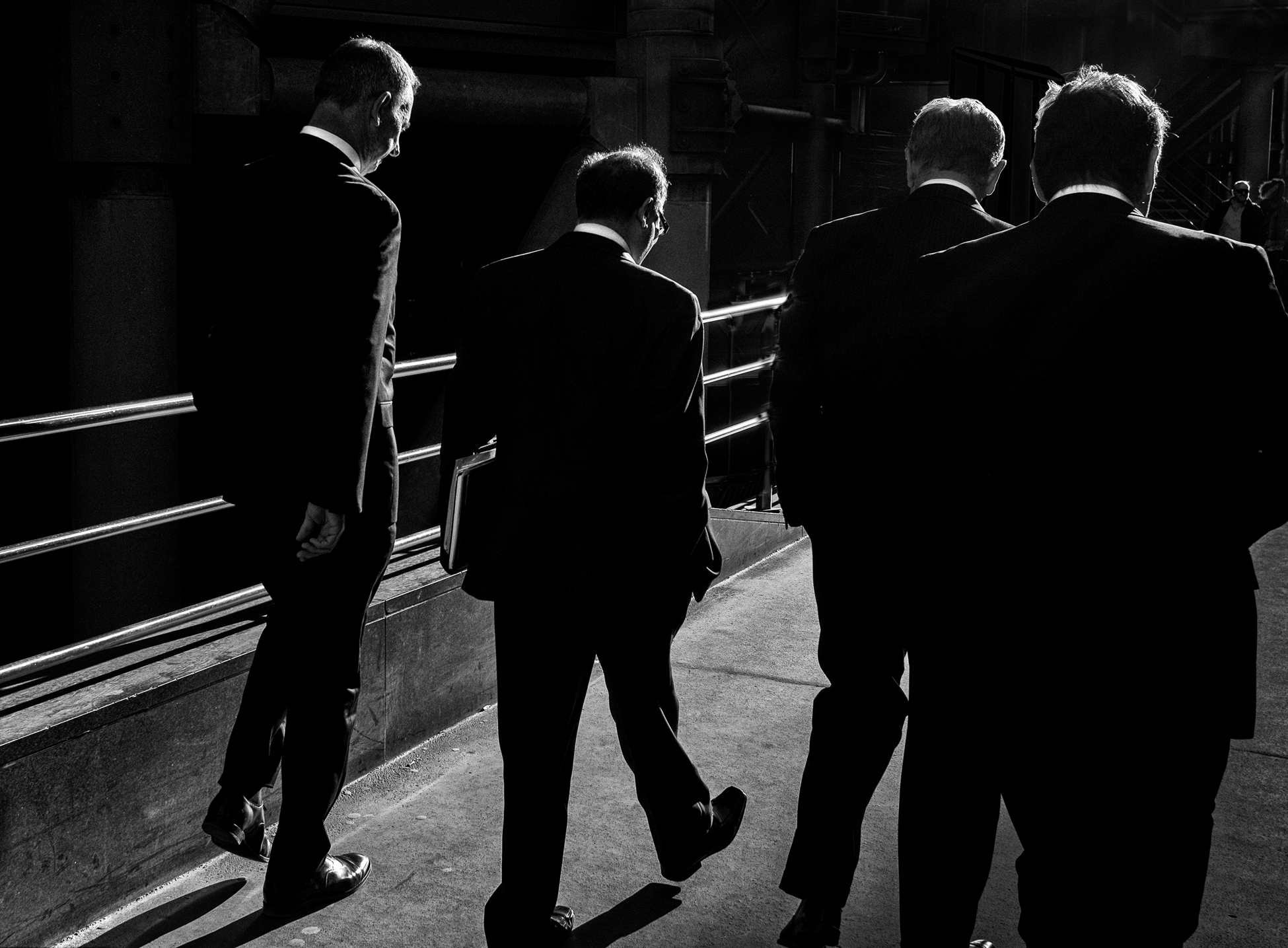
During his photographic excursions, Vandervell observes how light sculpts the urban landscape, creating "a geometric heaven of shapes and forms, all neatly arranged." At other times, the convergence of disparate elements—street furniture, signage, road markings—can coalesce into something more abstract. The successful integration of a human element to complete these compositions often hinges on what is famously known as the "decisive moment," a concept popularized by Henri Cartier-Bresson. The delicate balance and structural integrity of the image depend critically on the precise placement of the human subject within the frame.
"A photograph can be a success or failure depending on the location of certain elements, and in my pictures, the positioning of any human subject can be critical," Vandervell elucidates. "I use all elements in a graphic way, and the order and placement of them will make or break the image." This emphasis on graphic composition and the strategic placement of elements underscores the deliberate and thoughtful nature of his street photography.
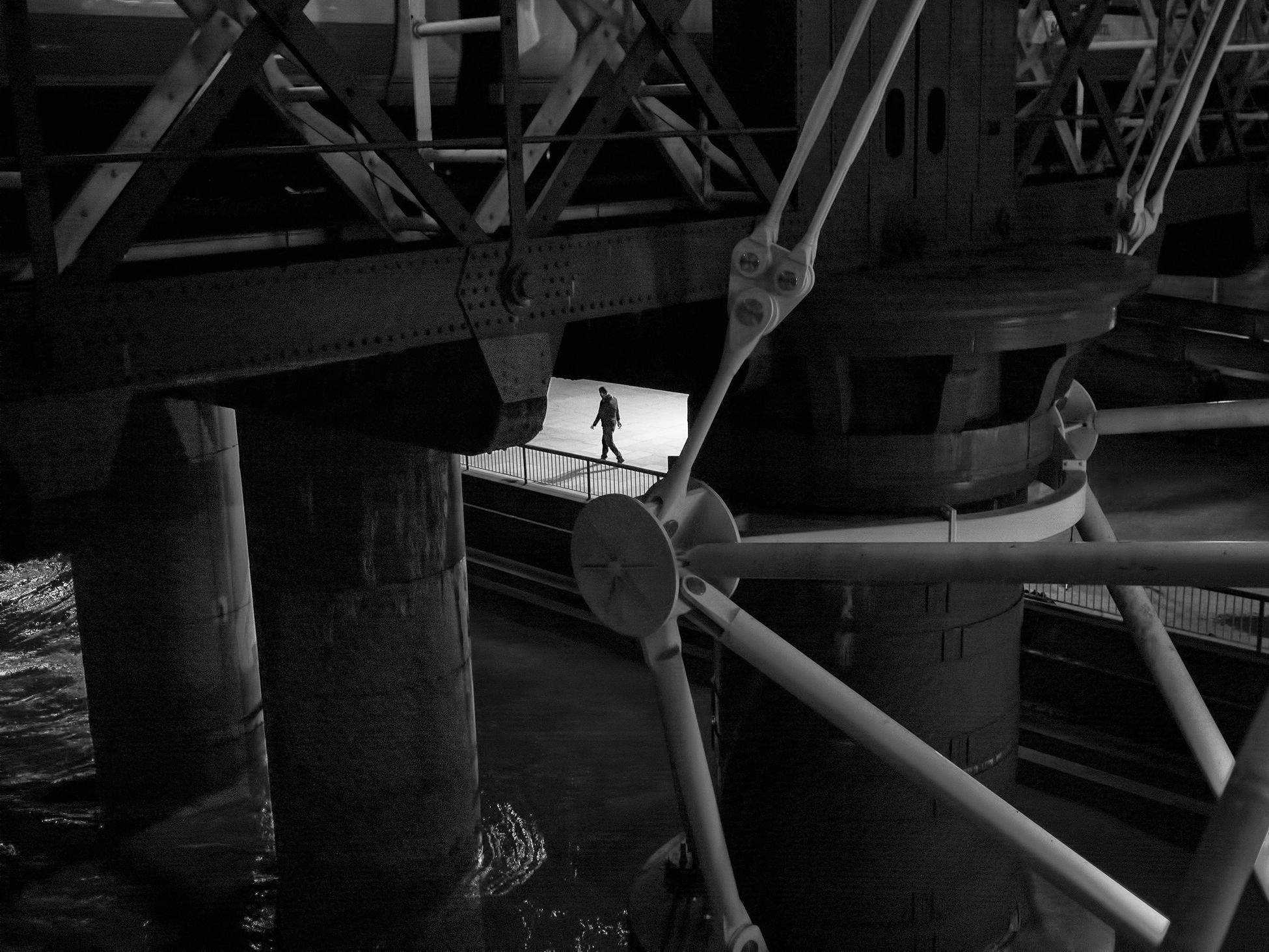
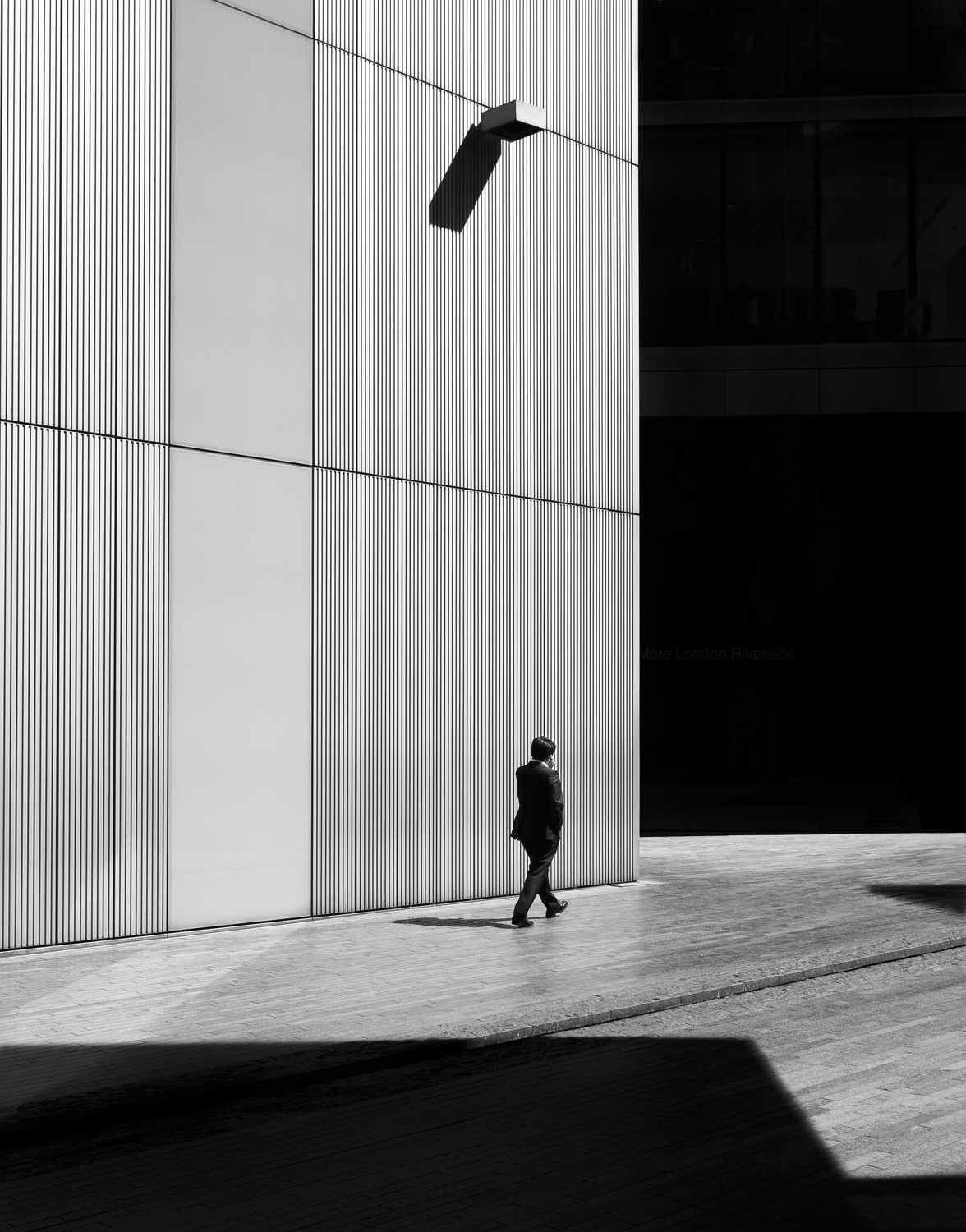
He offers a particular photograph as a prime illustration of this delicate balance, a piece that he believes encapsulates his stylistic approach, even if he refrains from naming a single favorite image. This significant photograph, captured in London in 2012, exemplifies the confluence of his core principles: "Light, shade, geometry and human factor." Vandervell recounts the circumstances of its creation: "I was on one of my city walks in London on a fine spring morning exploring my favourite places when I noticed the geometric shapes being created by the sun coming through the metal railings."
The opportunity to integrate the human element required swift action. "I had to be quick because the man seen below looked like was having a smoking break from his office and he was moving around somewhat." His compositional strategy was precise: "I worked out the composition and framing, deciding where I wanted the man to feature, I exposed for the light area of ground he was standing on, stopped right down to f/16 and got the shot." The added poignancy of this capture lies in its temporal context: "Looking back, this was a most satisfying capture because the area has since been re-developed and the highwalk I was shooting from no longer exists." This anecdote not only highlights his technical prowess and observational skills but also underscores the ephemeral nature of urban landscapes and the power of photography to preserve fleeting moments and unique perspectives.
The Art of Style and Personal Expression
In contemporary times, Rupert Vandervell has expanded his engagement with the photographic community through his YouTube channel. Here, he imparts the knowledge and insights gained from his extensive study of other photographers and his own evolution as a street photographer. He has observed a strong audience interest in improving composition and achieving striking or dramatic street photography. Consequently, his teaching methodology places a significant emphasis on the cultivation of a personal style that authentically represents the individual artist.
"By doing this, you will make pictures that you feel belong to you and have more personal meaning," Vandervell advises. "I have always been interested in minimalism and the geometric look and so, of course, I wanted my pictures to highlight that." He acknowledges the inherent challenges of originality in art, stating, "There is nothing new under the sun." However, he firmly believes that allowing one’s personality to inform the photographic process leads to a more fulfilling and personally resonant experience. "But by letting your personality influence your picture taking, you will find the whole process much more rewarding." This philosophy champions authenticity and self-expression as the cornerstones of enduring artistic practice, encouraging photographers to look inward to define their outward vision.
For those interested in further exploring Vandervell’s distinctive approach to street photography and gaining insights into his techniques, his website (https://www.rupertvandervell.co.uk), Instagram profile (http://www.instagram.com/rupertvandervell), and YouTube channel (http://www.youtube.com/@rupertvandervell) offer a comprehensive resource. His work stands as a testament to the power of light, composition, and personal vision in transforming the everyday urban environment into compelling and thought-provoking works of art.