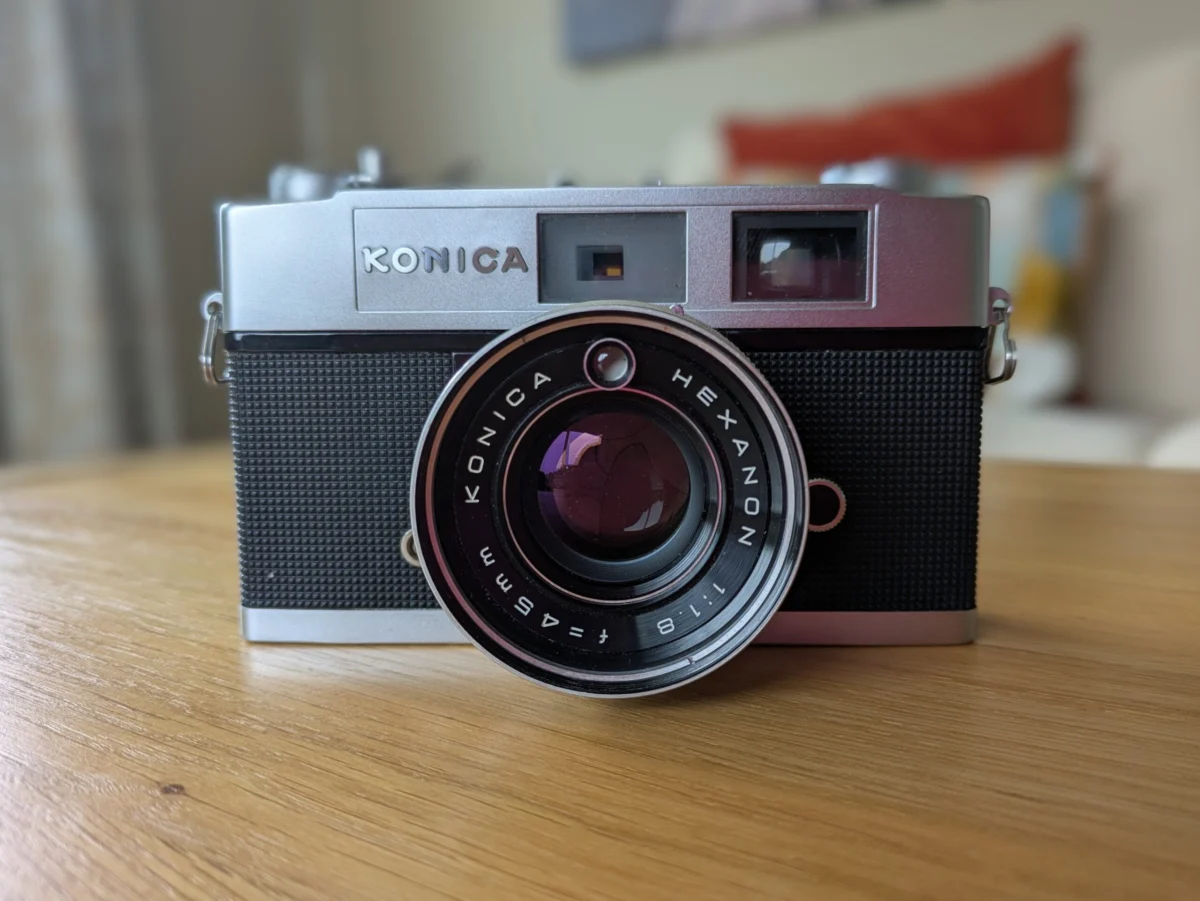
The resurgence of interest in mid-century analogue photography has highlighted the enduring appeal of the Konica Auto S2, a fixed-lens rangefinder that originally debuted in 1965. Produced by the Konishiroku Photo Industry Co. in Japan, the Auto S2 earned a reputation as a "giant killer" due to its exceptionally sharp 45mm f/1.8 Hexanon lens, which many contemporary critics argued could rival the performance of much more expensive Leica optics. However, as these mechanical marvels age, they face the dual threats of electronic component failure and the obsolescence of original power sources. A recent successful restoration of a "near-mint" unit purchased for under £45 serves as a case study in how modern DIY techniques, including 3D printing and the adaptation of modern light-dependent resistors (LDRs), can breathe new life into 60-year-old hardware.

The Historical Context of the Konica Auto S2
When the Konica Auto S2 was released in the mid-1960s, it represented a significant step forward in consumer-accessible automation. While professional photographers were beginning to embrace the Single Lens Reflex (SLR) revolution led by the Nikon F and Pentax Spotmatic, the rangefinder remained the preferred tool for street photography and family documentation due to its quieter operation and more compact form factor.
The Auto S2 was specifically designed to offer a sophisticated "Shutter Priority" automatic exposure system. This allowed users to select a shutter speed while the camera’s CdS (Cadmium Sulfide) meter automatically adjusted the aperture. For many photographers of the era, this was their first experience with a "proper" camera after moving up from basic point-and-shoot models like the Kodak Instamatic series. The camera’s reliance on the now-banned PX625 mercury battery, however, has made its operation in the 21st century a technical challenge for collectors.
Chronology of a Restoration: From Obsolescence to Operation
The journey of restoring a specific Konica Auto S2 began with its acquisition on the secondary market. Despite being marketed as "fully working," the unit arrived with a non-functional light meter—a common ailment for cameras of this vintage. The restoration process spanned eight months, involving meticulous research, specialized tool acquisition, and electronic troubleshooting.
Phase 1: Power and Diagnosis
The initial attempt to revive the camera involved addressing the power source. The original 1.35V mercury cells are no longer manufactured due to environmental regulations. Modern 1.5V alkaline or silver oxide batteries often provide incorrect voltage, leading to inaccurate meter readings. The restorer utilized a British-made zinc-air replacement from Analogue Speciality Battery. Unlike alkaline cells, zinc-air batteries maintain a stable 1.35V output, closely mimicking the discharge curve of the original mercury cells. Despite this, the meter remained unresponsive, indicating a failure within the sensor circuit itself.
Phase 2: Disassembly and Sensor Replacement
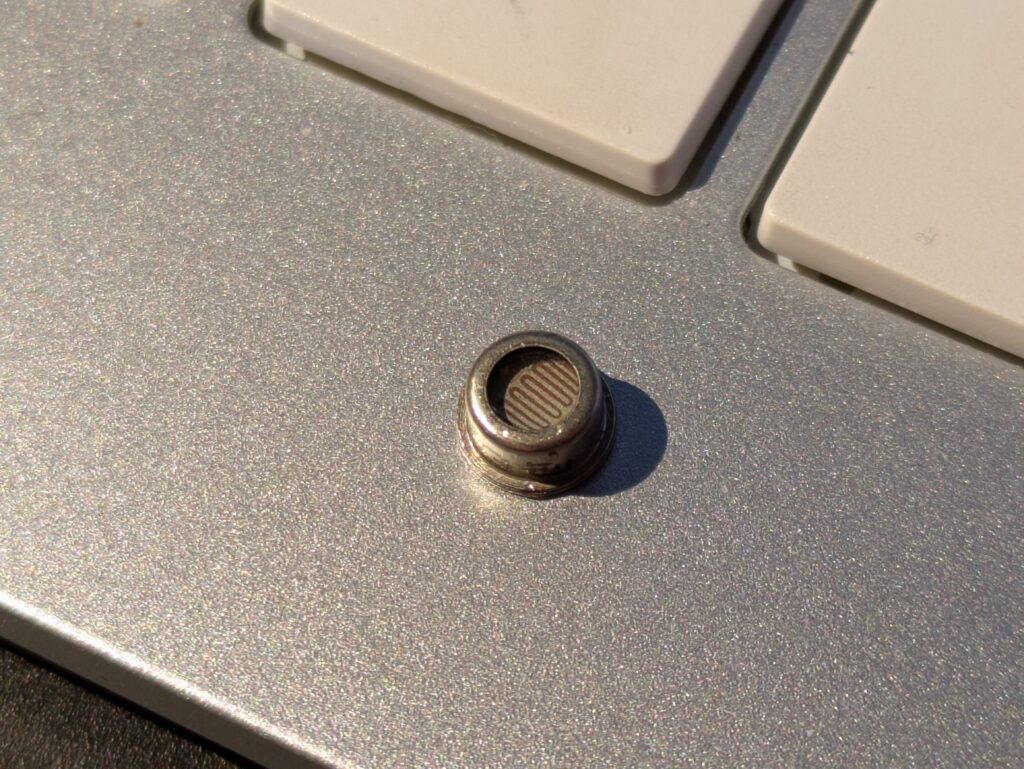
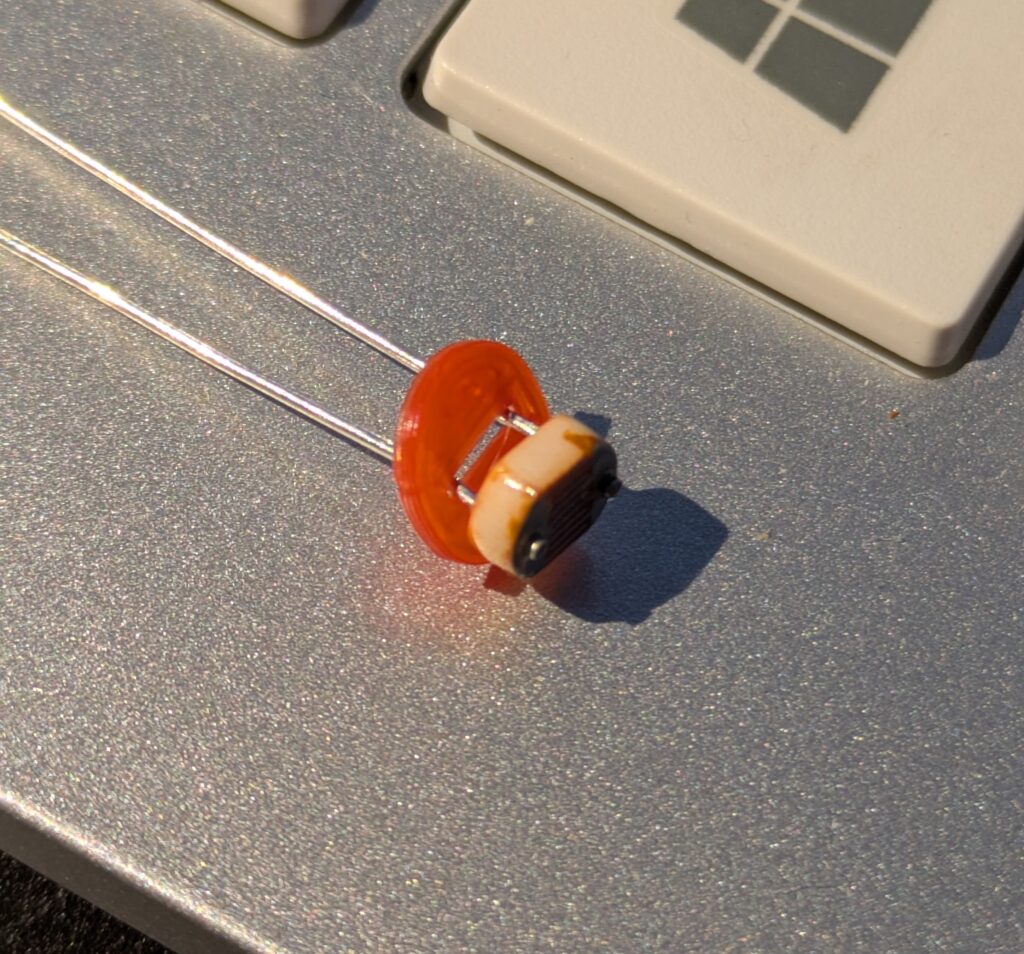
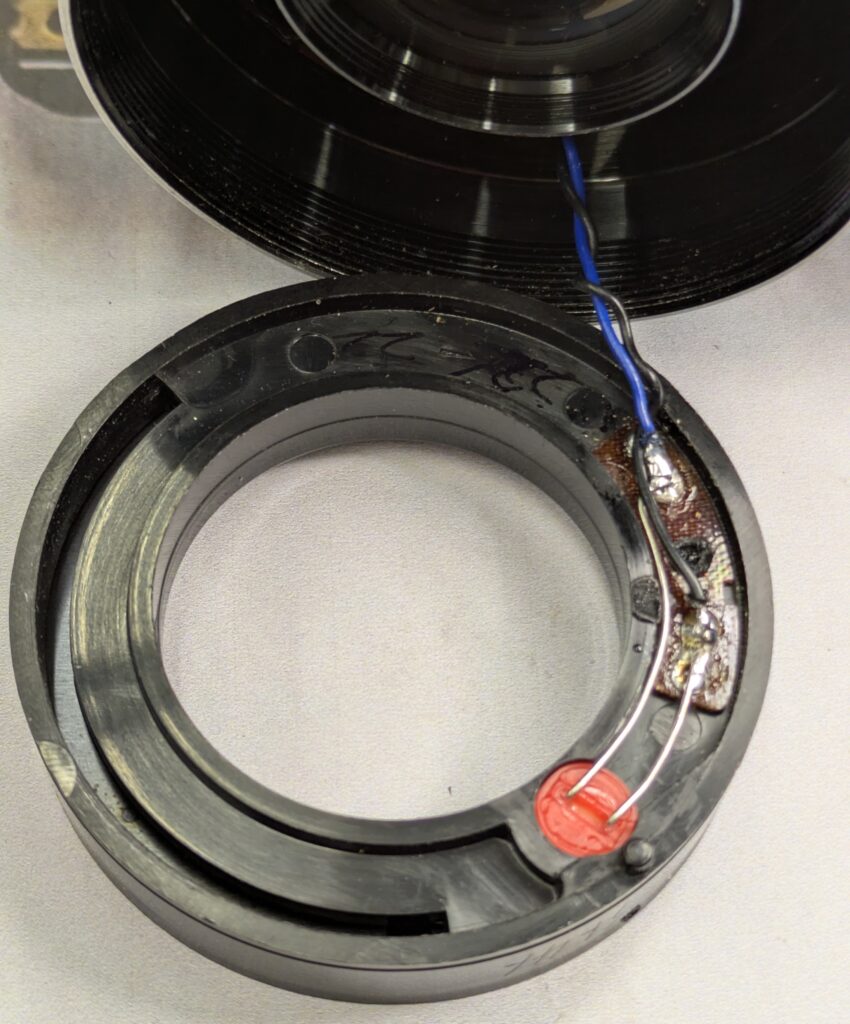
Accessing the light sensor on the Konica Auto S2 requires a lens dismantling tool to remove the front threaded ring. Upon inspection, the original CdS cell—housed in a TO5 encapsulation—was found to be dead. TO5 housings are increasingly rare in the modern electronics market, necessitating the adaptation of a contemporary component.
The restorer selected a GL5528 light-dependent resistor as a substitute. To ensure the smaller modern component sat securely within the original sensor module, a custom 4mm x 1mm spacer disk was 3D printed. This bridge between 1960s mechanical engineering and 2020s additive manufacturing allowed the new sensor to be positioned correctly behind the camera’s front lens element, where it could accurately sample incoming light.
Phase 3: Calibration and Testing
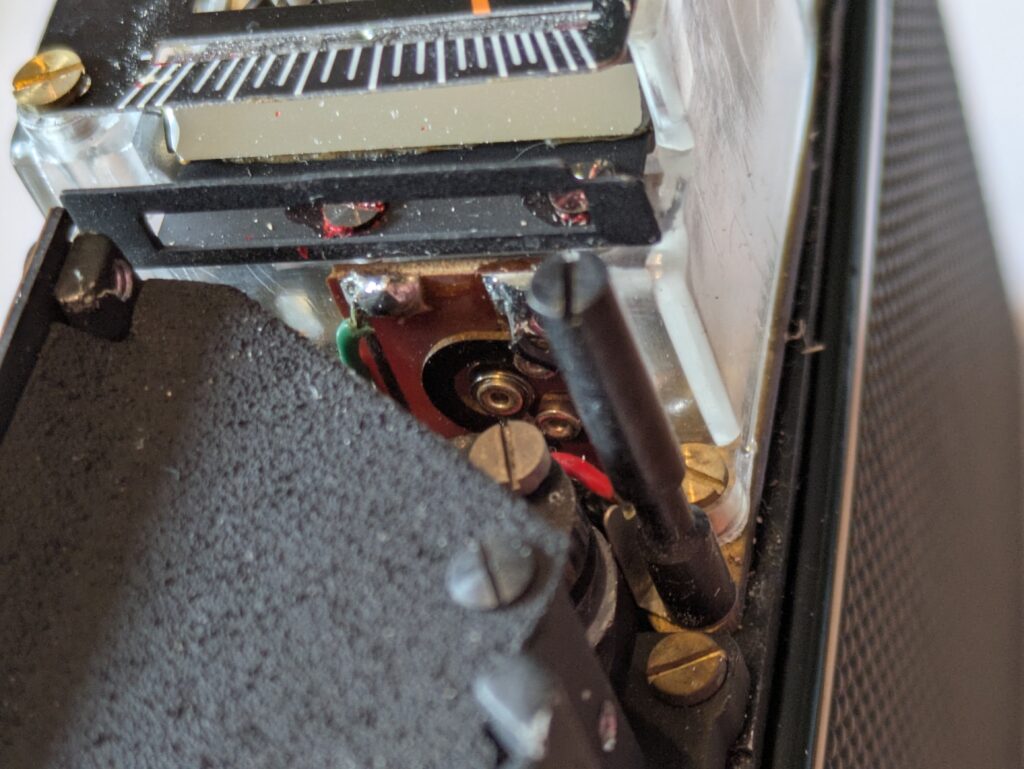
One of the most significant hurdles in vintage camera repair is the location of calibration points. Inaccurate information often circulates in online forums; for instance, some sources suggested the calibration potentiometer was located under the bottom plate. In reality, the Auto S2’s internal potentiometer is situated beneath the top cover.
Using a makeshift screwdriver fashioned from a cocktail stick, the restorer adjusted the potentiometer’s wiper. Without a professional laboratory light meter, the calibration was performed by comparing the camera’s meter needle against a modern smartphone light-metering application. This iterative process continued until the camera’s internal readings aligned with the digital reference.
Technical Specifications: The Hexanon 45mm f/1.8 Lens
The core of the Auto S2’s enduring value is its lens. The Hexanon 45mm f/1.8 is a sophisticated optical assembly consisting of six elements in four groups. This "Double Gauss" derivative design was highly advanced for its time, offering high resolution and contrast even when shot wide open.
| Specification | Detail |
|---|---|
| Focal Length | 45mm |
| Maximum Aperture | f/1.8 |
| Minimum Aperture | f/16 |
| Optical Construction | 6 elements in 4 groups |
| Filter Thread | 55mm |
| Shutter Type | Copal-SVA leaf shutter |
| Shutter Speeds | 1 sec to 1/500 sec, plus Bulb |
The leaf shutter design allows for flash synchronization at all speeds, a distinct advantage over the focal-plane shutters found in most SLRs of the same era. Furthermore, the rangefinder mechanism features automatic parallax correction, ensuring that the frame lines in the viewfinder shift as the user focuses, compensating for the offset between the lens and the viewfinder windows.

Field Evaluation at Grange-over-Sands
To validate the success of the repair, the camera was loaded with Kodak UltraMax 400 film and taken to the annual classic car show at Grange-over-Sands. This environment provided a rigorous test for the newly calibrated meter, featuring high-contrast metallic surfaces, varied lighting conditions, and fast-moving subjects.
The camera was operated primarily in its automatic shutter-priority mode at a speed of 1/250th of a second. The resulting images, processed and scanned without digital adjustment, confirmed that the GL5528 sensor and the zinc-air battery were working in harmony. The exposures were technically accurate, and the Hexanon lens maintained its historical reputation for sharpness and vibrant color rendition. The use of UltraMax 400, a modern consumer-grade film, demonstrated that the 1965 hardware remains fully compatible with contemporary emulsions, provided the ISO/ASA settings are adjusted correctly on the camera’s interface.

Market Analysis and the Resurgence of Analogue
The acquisition of a near-mint Konica Auto S2 for approximately £45 highlights a specific niche in the current film photography market. While prices for "cult" cameras like the Contax T2 or Leica M-series have skyrocketed into the thousands of pounds, high-quality Japanese rangefinders from the 1960s and 70s remain remarkably affordable for those willing to perform basic maintenance.
Industry analysts suggest that the "lo-fi" aesthetic of film is only part of the appeal; there is a growing segment of the hobbyist community dedicated to the preservation of mechanical engineering. The ability to repair a device using standard electronic components and 3D printing represents a pushback against the "planned obsolescence" of modern digital electronics.

Broader Implications and Future Projects
The successful restoration of the Konica Auto S2 serves as a blueprint for salvaging other vintage cameras. The next frontier for many enthusiasts involves the repair of selenium-cell meters, such as those found in the Petri 7 Half. Unlike CdS meters, which require a battery, selenium meters generate their own electricity from light. However, selenium cells degrade over time when exposed to moisture and light, often leading to a "dead" meter that is significantly harder to replace than a battery-powered LDR.
The transition from selenium to CdS cells in the mid-1960s was a turning point in camera design, and the Konica Auto S2 stands as a testament to that era of transition. As long as spare parts can be improvised and modern power solutions remain available, these mechanical instruments will continue to provide a tactile and high-quality alternative to the digital status quo.

The restoration of this Konica Auto S2 is more than a personal achievement; it is a validation of the durability of mid-century Japanese manufacturing. By integrating modern technology with vintage mechanics, photographers are ensuring that the unique "look" of Hexanon glass and the experience of rangefinder photography are preserved for another generation. The project concludes with a shift in focus toward the Petri 7 Half, a camera that presents a different set of challenges but offers the same reward: the preservation of photographic history.