The modern commercial landscape has transformed the asphalt of metropolitan highways and suburban streets into a high-stakes arena for brand competition, where a company’s fleet serves as its most visible and consistent ambassador. As traditional media continues to fragment, the strategic deployment of vehicle wraps has emerged as a cornerstone of local and national marketing, turning standard service vans and long-haul trucks into sophisticated mobile billboards that project professionalism and reliability. Central to this transition is the integration of high-fidelity design resources and precision templates, such as those provided by industry leader SignSilo, which allow businesses to achieve a level of visual consistency previously reserved for only the largest global corporations.
The Strategic Evolution of Mobile Advertising
The transition from basic vehicle lettering to full-scale, high-definition vinyl wraps represents a significant shift in how businesses perceive their physical assets. Historically, fleet branding was limited to hand-painted logos or simple die-cut decals that provided basic identification but failed to evoke a strong emotional response from observers. The contemporary approach, however, treats every square inch of a vehicle’s surface as valuable real estate for brand storytelling.
Industry analysis suggests that the rise of "Out-of-Home" (OOH) advertising is driven by the sheer density of impressions available in urban environments. Unlike digital ads that can be blocked or ignored, a wrapped vehicle occupies physical space in the consumer’s world, creating a passive but powerful brand reinforcement. When a service vehicle is parked in a residential neighborhood, it serves as a silent endorsement from a neighbor, utilizing the "familiarity principle" of psychology to build trust before a single word is exchanged between the contractor and a potential client.
A Chronology of Vehicle Branding Technology
To understand the current dominance of vehicle wraps, one must examine the technological trajectory of the industry over the last several decades:
- The Hand-Painted Era (Pre-1980s): Branding was a labor-intensive craft. Sign painters manually applied enamel paints to vehicle doors. While artistic, this method lacked consistency and was difficult to replicate across a fleet.
- The Vinyl Decal Revolution (1980s–1990s): The introduction of plotter-cut vinyl allowed for sharper logos and uniform text. However, designs remained relatively simple, often limited to two or three colors.
- The Digital Printing Breakthrough (Late 1990s–Early 2000s): The advent of wide-format inkjet printers capable of printing on flexible vinyl changed the industry. For the first time, full-color photographs and complex gradients could be applied to a vehicle’s contours.
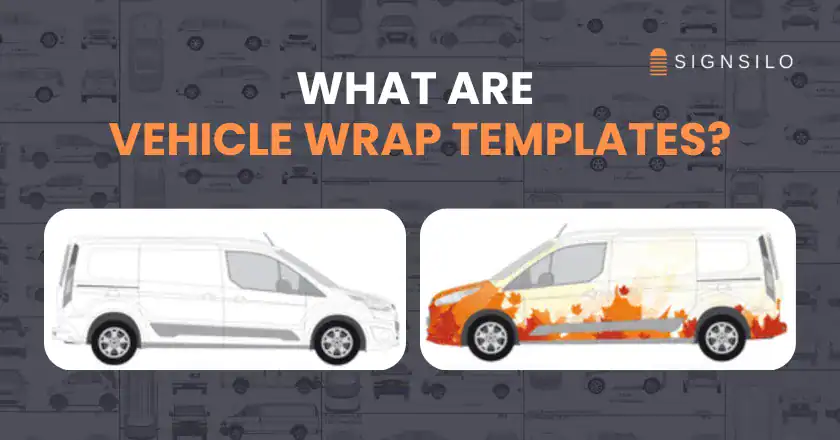
- The Precision Template Era (2010s–Present): As vehicle designs became more aerodynamic and complex, the need for exact digital templates grew. Platforms like SignSilo emerged to provide designers with 1:1 scale blueprints, ensuring that graphics align perfectly with door handles, windows, and body lines.
Supporting Data: The Economic Case for Fleet Wraps
Quantitative research from the Outdoor Advertising Association of America (OAAA) and the American Trucking Association (ATA) provides a compelling financial argument for the adoption of high-quality fleet graphics. According to these findings, a single intra-city truck can generate between 30,000 and 70,000 impressions daily, depending on the route and population density.
When analyzed through the lens of Cost Per Thousand (CPM) impressions, vehicle wraps significantly outperform traditional media:
- Vehicle Wraps: Approximately $0.48 per thousand impressions.
- Outdoor Billboards: Approximately $3.56 per thousand impressions.
- Radio Advertising: Approximately $5.90 per thousand impressions.
- Television Advertising: Approximately $23.70 per thousand impressions.
Furthermore, a study by 3M found that 95% of people surveyed said they remembered the graphics they saw on vehicles, and 75% of consumers formed an impression about a company based on the appearance of its fleet. This data underscores that a vehicle wrap is not merely a marketing expense but a high-yield investment in brand equity.

The Role of SignSilo in Professionalizing the Industry
The technical execution of a vehicle wrap is a complex process that leaves little room for error. A misalignment of a few centimeters can distort a logo or render contact information unreadable. This is where SignSilo has become an essential infrastructure for the sign-making and wrap industry. By providing a centralized hub of professional-grade assets, the platform bridges the gap between creative vision and technical reality.
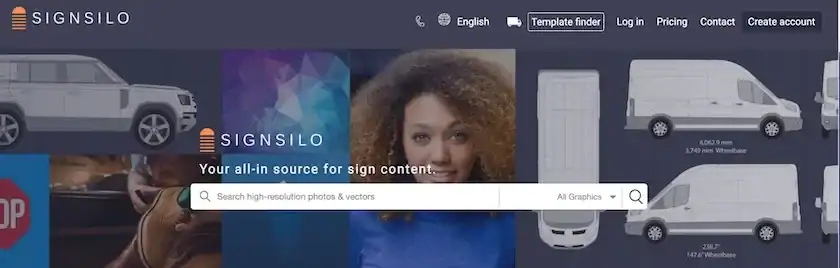
SignSilo’s library is expansive, offering over 31,000 vehicle templates that cover nearly every make and model of car, van, and truck on the road today. This precision is supplemented by a collection of 35,000 wrap designs, 100,000 vector graphics, and 200,000 high-resolution stock photos. For small to medium-sized wrap shops, these resources are transformative, allowing them to compete with large agencies by reducing design time and eliminating the "trial and error" phase of graphic fitting.
The platform’s "Free Testers" program reflects a commitment to quality control, allowing designers to verify the accuracy and resolution of templates before committing to a full production run. This level of accessibility ensures that even a local plumbing business with a three-van fleet can project the same level of sophistication as a multinational logistics firm.
Consumer Psychology and the Trust Factor
The impact of a professional vehicle wrap extends beyond mere visibility; it serves as a critical tool for building consumer trust. In the service industry—where employees often enter a customer’s private home—the branded vehicle acts as a primary security credential.
Market research indicates that consumers feel a 60% higher level of comfort when a service professional arrives in a clearly branded, well-maintained vehicle compared to an unmarked white van. The wrap functions as a "physical website," providing a URL, phone number, and a visual summary of the company’s services. This transparency signals that the company is established, accountable, and invested in its reputation.
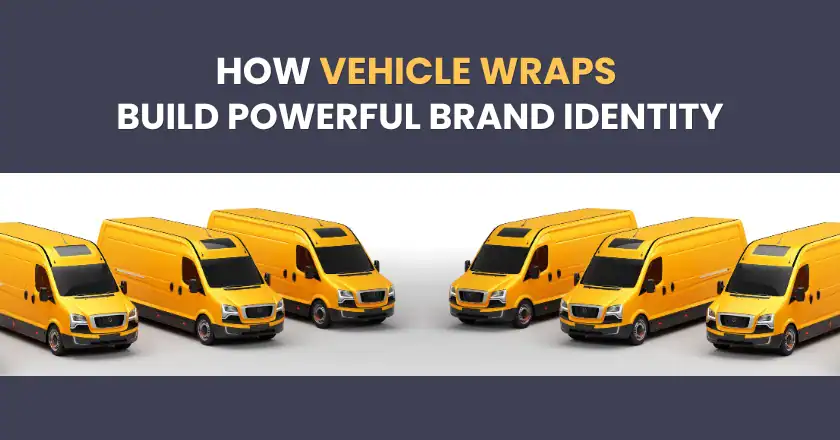
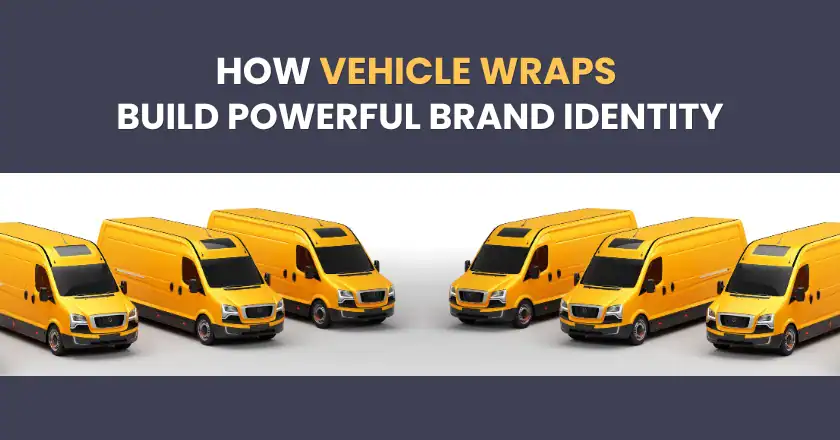
A unified fleet image also creates a "multiplier effect" in the consumer’s mind. When a resident sees three different vans with identical, high-quality wraps in their neighborhood over a week, they perceive the company as a dominant and trusted market leader, regardless of the actual size of the business.
Official Perspectives and Industry Implications
Industry leaders in the commercial graphics sector emphasize that the future of fleet branding lies in the integration of aesthetics and utility. Experts from the Specialty Graphic Imaging Association (SGIA) note that as vehicle technology evolves—particularly with the rise of electric vehicles (EVs) and autonomous delivery pods—the "canvas" for branding will continue to change.
"The vehicle is no longer just a tool for logistics; it is a communication platform," states a leading brand strategist in the automotive sector. "The move toward high-quality wraps is a response to a world where consumers are increasingly skeptical of digital noise. A physical, well-designed vehicle wrap is honest. It exists in the real world, and that physical presence is what builds trust."

The implications for small businesses are particularly profound. For a startup, a wrapped vehicle is often the first and only form of advertising they can afford that offers such a high ROI. By utilizing subscription-based resources like SignSilo, these businesses can minimize the "soft costs" of design and focus their capital on high-quality vinyl materials that will protect the vehicle’s resale value while promoting the brand for years.
Broader Impact: Sustainability and Long-Term Value
Beyond marketing, vehicle wraps offer a functional benefit that contributes to the long-term health of a company’s balance sheet. High-quality vinyl acts as a protective layer for the vehicle’s original OEM paint, shielding it from UV rays, road debris, and minor abrasions. When the time comes to rotate the fleet or sell a vehicle, the wrap can be removed to reveal pristine paint underneath, significantly increasing the asset’s resale value.
Furthermore, the industry is seeing a shift toward more sustainable materials. Leading manufacturers are developing PVC-free films and eco-solvent inks, allowing brands to align their mobile advertising with their corporate social responsibility (CSR) goals. This evolution ensures that fleet branding remains a viable and ethical choice for the modern era.
The goal for any business operating on the road is to ensure that every mile driven contributes to the company’s growth. By combining the precision of SignSilo’s templates with a clear, consistent brand message, companies can transform their fleets from a logistical necessity into a powerful engine for trust and recognition. In the competitive landscape of the 21st century, the businesses that succeed will be those that realize their brand is not just something people see on a screen—it is something they see in their driveway.