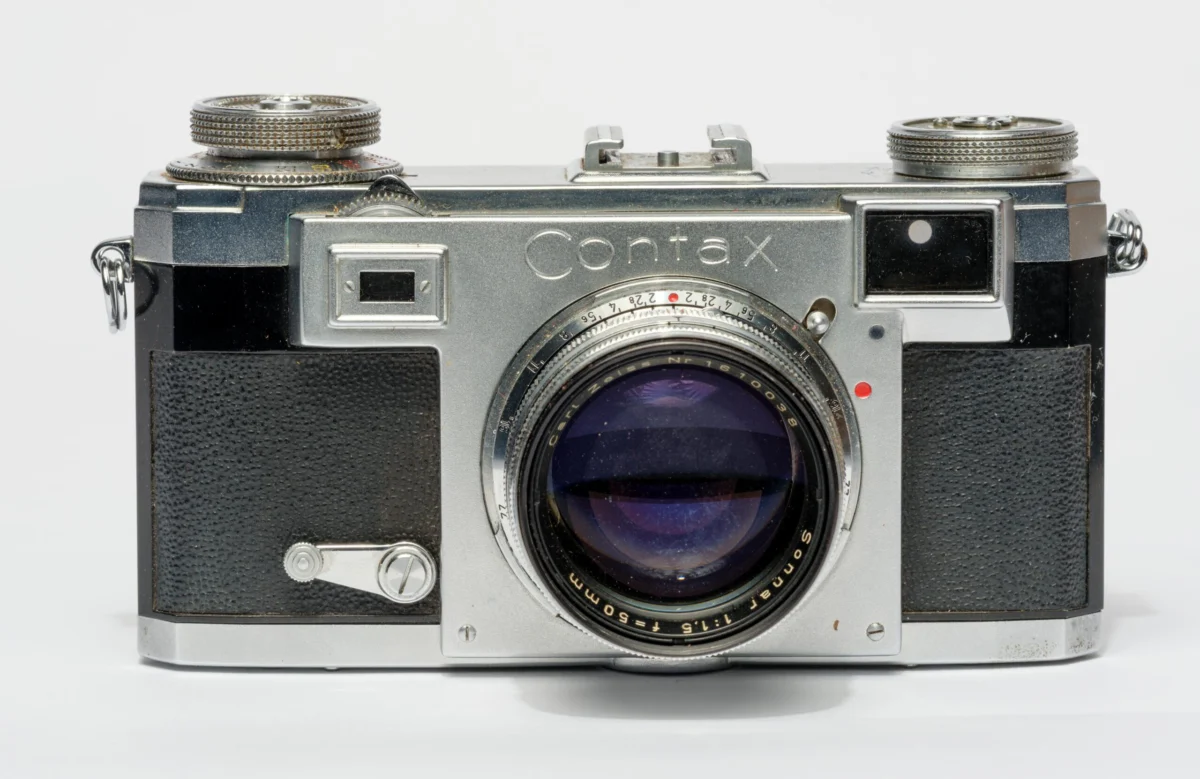
The contemporary landscape of photography has seen a significant resurgence in analog film usage, yet the final presentation of these images increasingly relies on a hybrid workflow that bridges traditional chemical processes with advanced digital post-processing. Within the community of enthusiasts and professionals, particularly those contributing to platforms such as 35mmc, there is a growing consensus that a raw digital scan of a negative—much like a RAW file from a digital sensor—represents only a preliminary stage of the creative process. To achieve the full expressive potential of a monochrome image, practitioners argue that intentional manipulation is required to translate the flat data of a negative into a finished work that reflects the photographer’s original vision.
The Evolution of the Photographic Negative as a Preliminary State
In the traditional analog era, the act of capturing an image on film was rarely the final step. The negative served as a repository of information that required interpretation through the use of an enlarger in a darkroom. During this stage, photographers and master printers employed a suite of physical techniques, including the selection of specific paper grades, the use of multigrade filters to control contrast, and the localized adjustment of exposure known as dodging and burning. These methods were essential for directing the viewer’s eye and compensating for the inherent limitations of the film’s exposure.
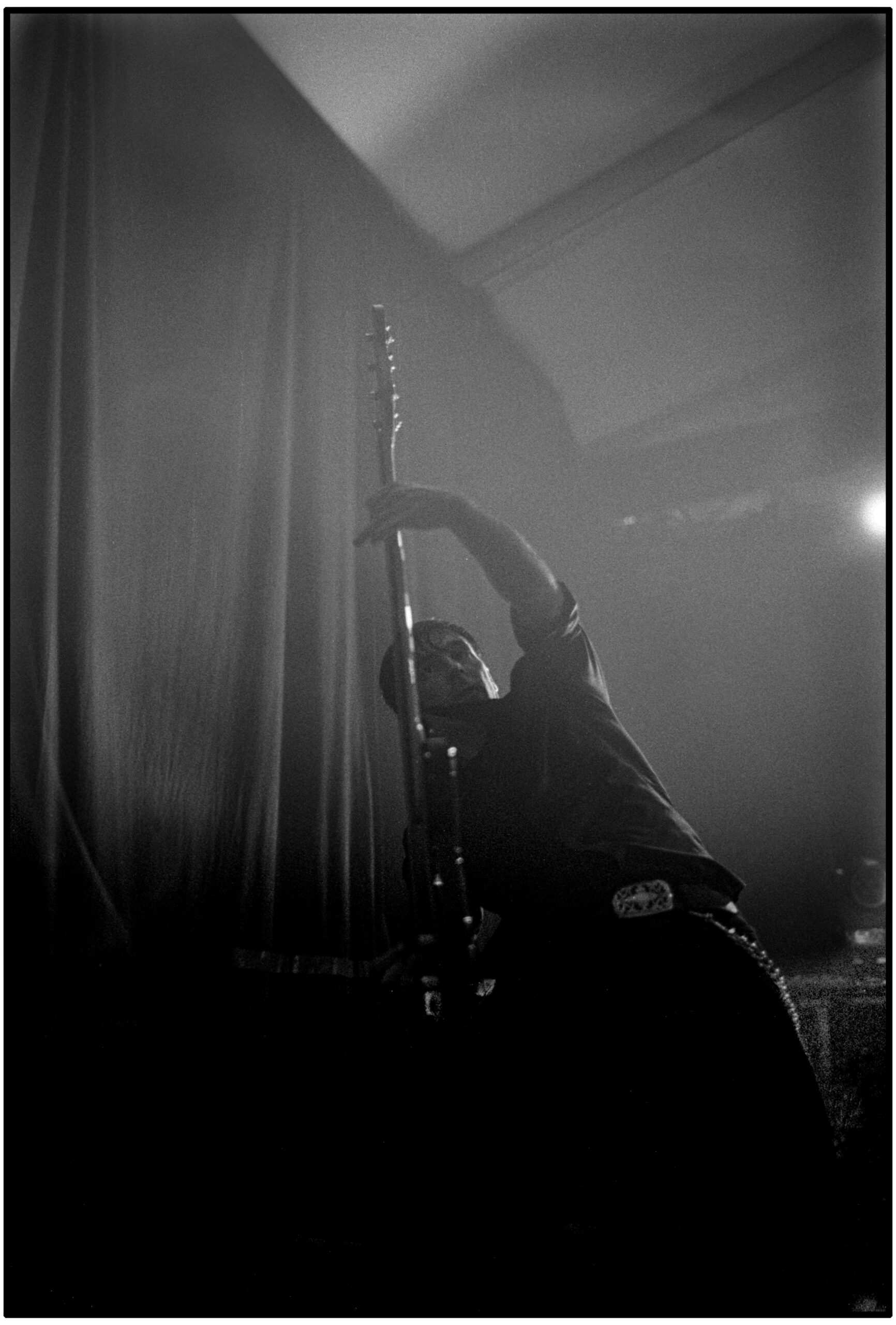
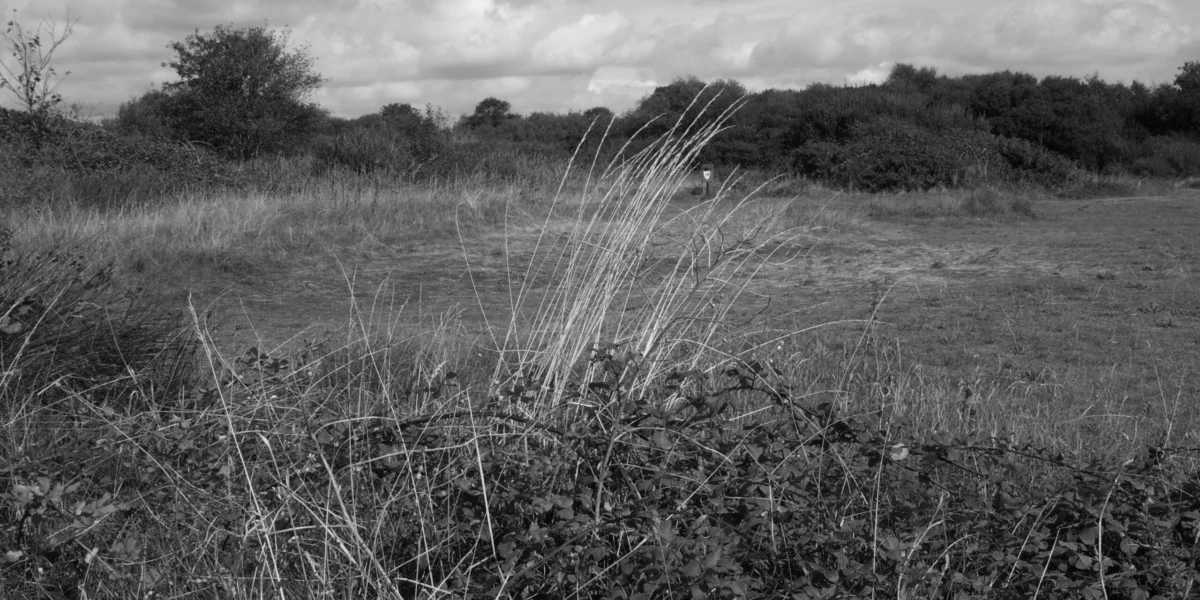
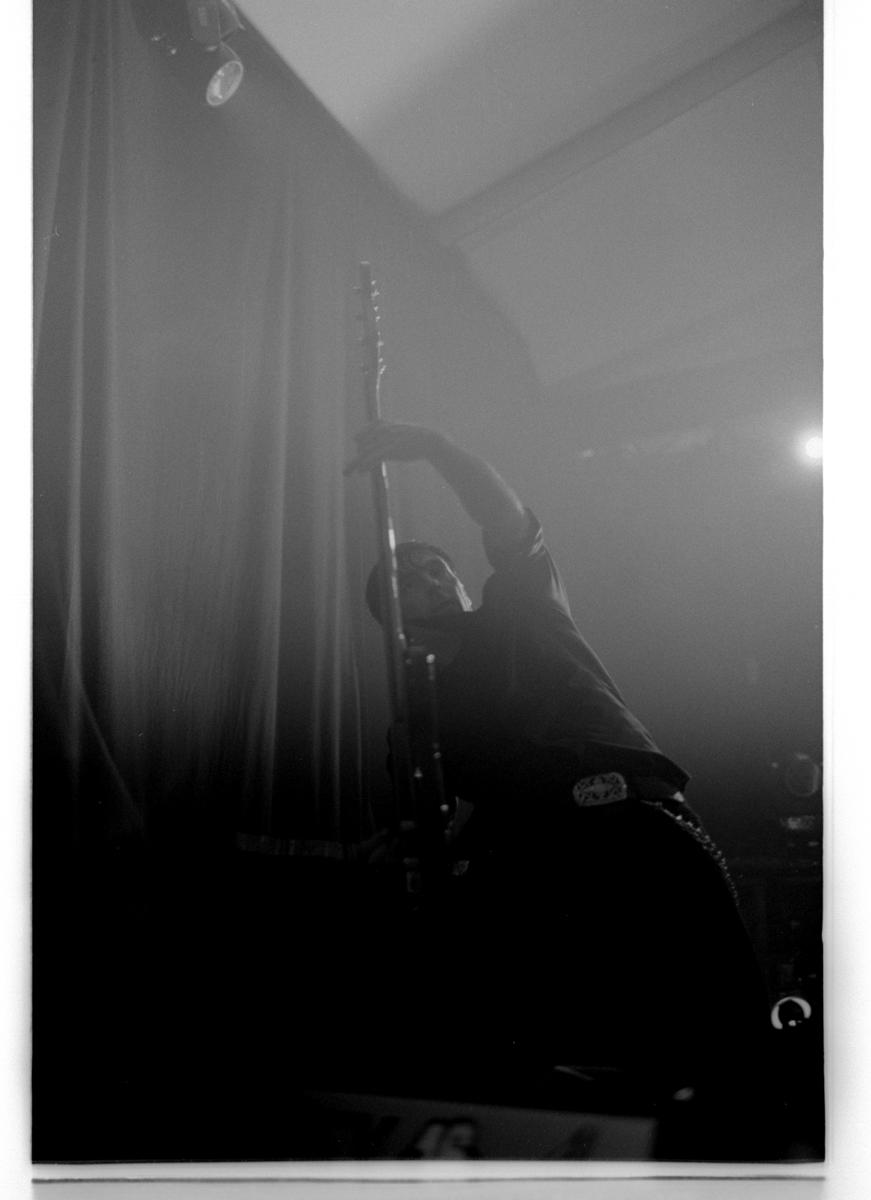
Today, the digital scan serves the same function as the negative in the enlarger. A high-quality scan is intentionally captured "flat"—with low contrast and a wide histogram—to ensure that the maximum amount of shadow and highlight detail is preserved. Consequently, an unedited scan often appears muddy or grey, lacking the punch and tonal range associated with professional black and white photography. The transition from the darkroom to the "digital darkroom" has not rendered these traditional philosophies obsolete; rather, it has translated them into a more precise, software-driven environment.
Technical Chronology: From Chemical Exposure to Digital Interpretation
The process of bringing a black and white film image to its conclusion follows a logical progression that mirrors historical darkroom workflows. This chronology typically begins with the acquisition of the digital file and concludes with fine-tuned tonal adjustments.
- The Raw Acquisition: The negative is digitized using either a dedicated film scanner or a high-resolution digital camera with a macro lens. The resulting file, often a 16-bit TIFF, contains the raw tonal data of the silver halide crystals.
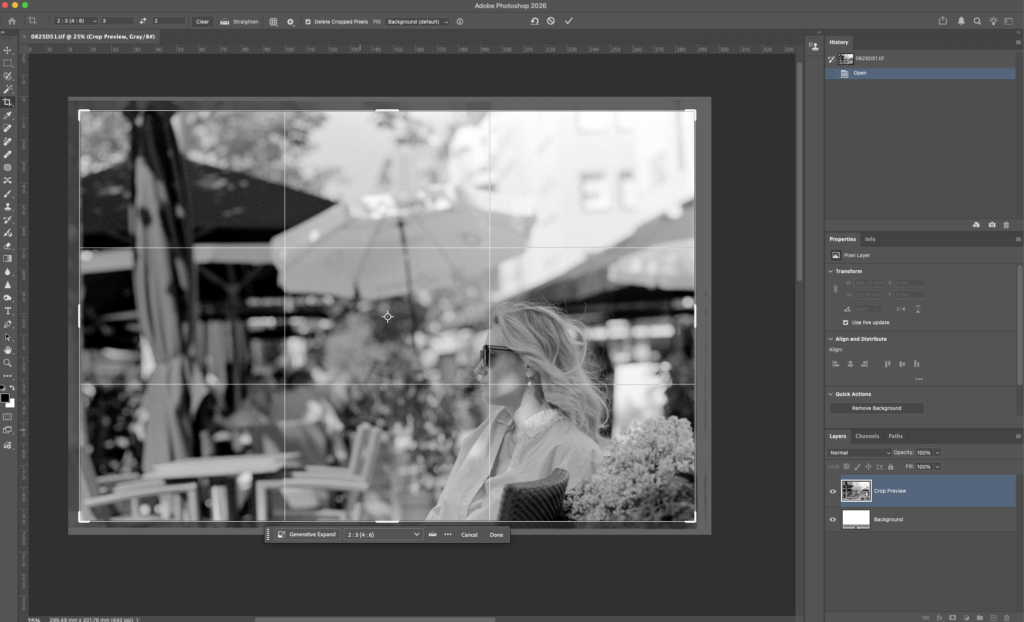
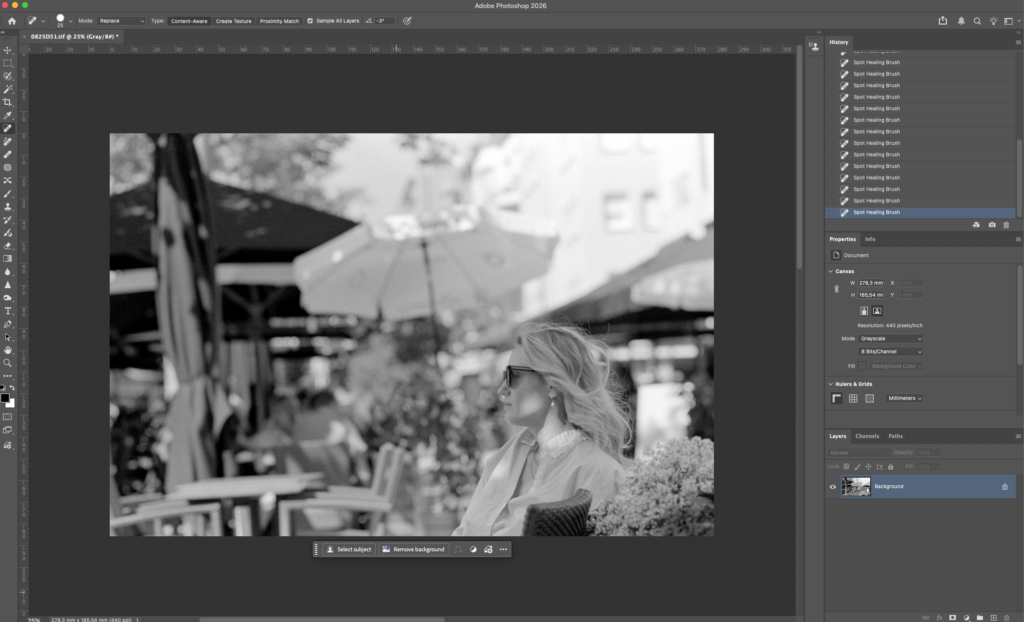
- Preliminary Framing and Cleanup: Before tonal work begins, the image is cropped to improve composition, often adhering to the rule of thirds or other geometric principles to emphasize the subject. This stage also involves the digital removal of dust and scratches that may have settled on the film during the drying or scanning process.
- Global Tonal Development: Using engines such as Adobe Camera Raw or Lightroom, the photographer establishes the baseline contrast. This involves setting the black and white points to ensure the image utilizes the full dynamic range available.
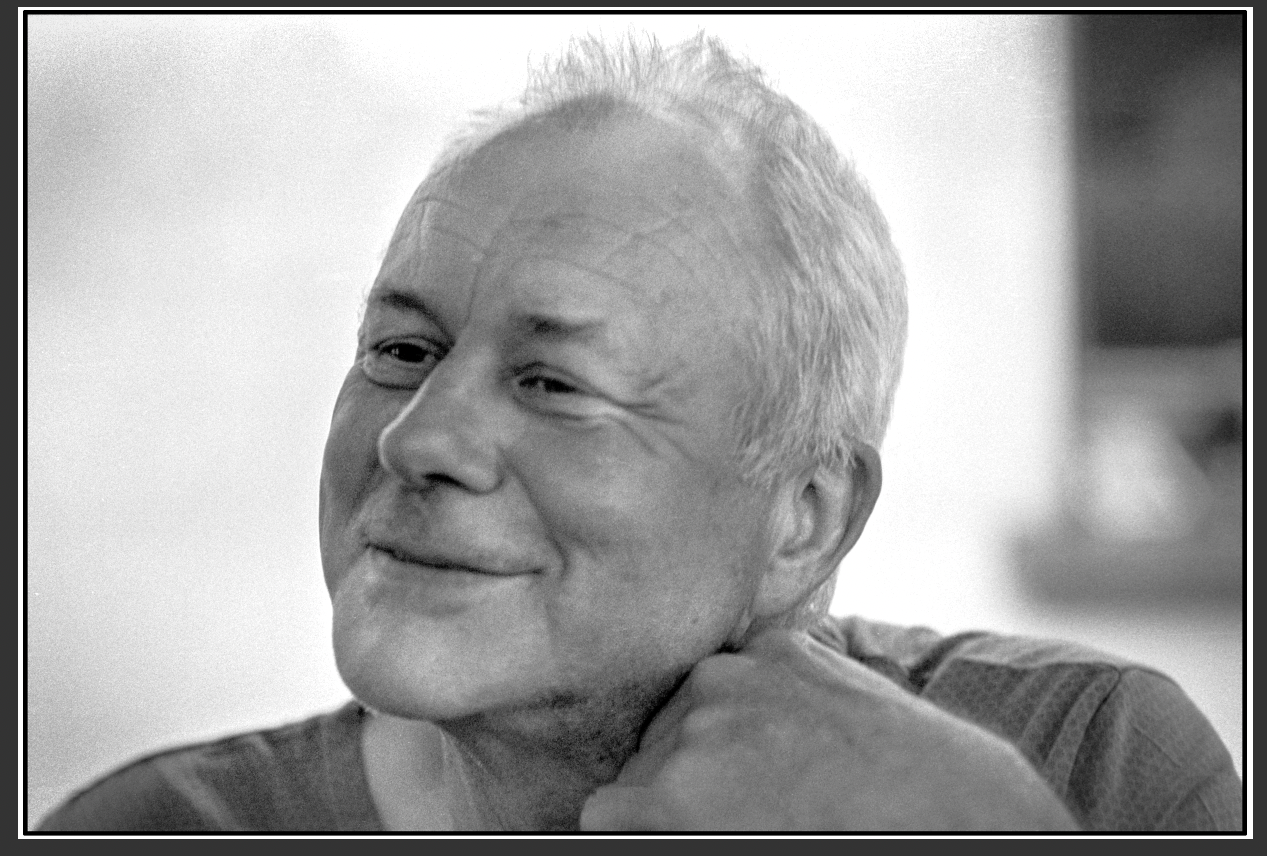
- Local Adjustments (The Modern Enlarger): The final stage involves localized manipulation. Through the use of adjustment brushes and masks, the photographer performs digital dodging (lightening) and burning (darkening) to draw attention to specific textures or facial features, such as the eyes in a portrait.
Supporting Data on Digital Workflows and File Integrity
A critical point of discussion among hybrid photographers is the choice of software and its impact on long-term file stability. While Adobe Lightroom is a dominant force in the industry, some professional workflows favor Adobe Photoshop for its method of embedding metadata.
In a Lightroom-centric workflow, edits are typically stored in a centralized catalog or as separate .xmp sidecar files. Data suggests that this can lead to vulnerabilities; if a catalog becomes corrupted or sidecar files are separated from their source images, years of post-processing work can be lost. In contrast, working within Photoshop and saving files as TIFFs allows for the embedding of layers and adjustments directly into the file architecture. This ensures that the "recipe" for the image remains intact regardless of the database management system used.
Furthermore, the technical requirement for a "true" black and white image is often defined by its histogram. An optimized monochrome print should ideally contain "Zone 0" (pure black) and "Zone X" (pure white), according to the Zone System developed by Ansel Adams and Fred Archer. Without post-processing, many scans reside entirely within Zones III through VII, resulting in a flat, unengaging aesthetic.
Industry Perspectives and the Resurgence of Analog
The photographic industry has responded to the demand for hybrid tools with significant investment. According to market reports, the global film photography market has seen a steady compound annual growth rate (CAGR) as younger demographics embrace the medium. This has prompted companies like Kodak Alaris and Ilford Photo to stabilize production, while software developers have created specialized plugins such as Negative Lab Pro to assist in the initial conversion of scanned negatives.
Statements from professional printers emphasize that the "digital darkroom" is not a shortcut but a refinement. In various documentaries documenting the collaboration between photographers and their printers, the recurring theme is the pursuit of the "image in the head"—the mental visualization that occurred the moment the shutter was pressed. These professionals argue that the software is merely a tool to achieve a goal that has remained constant for over a century: the creation of a compelling visual narrative through light and shadow.
Comparative Analysis of Aesthetic Outcomes
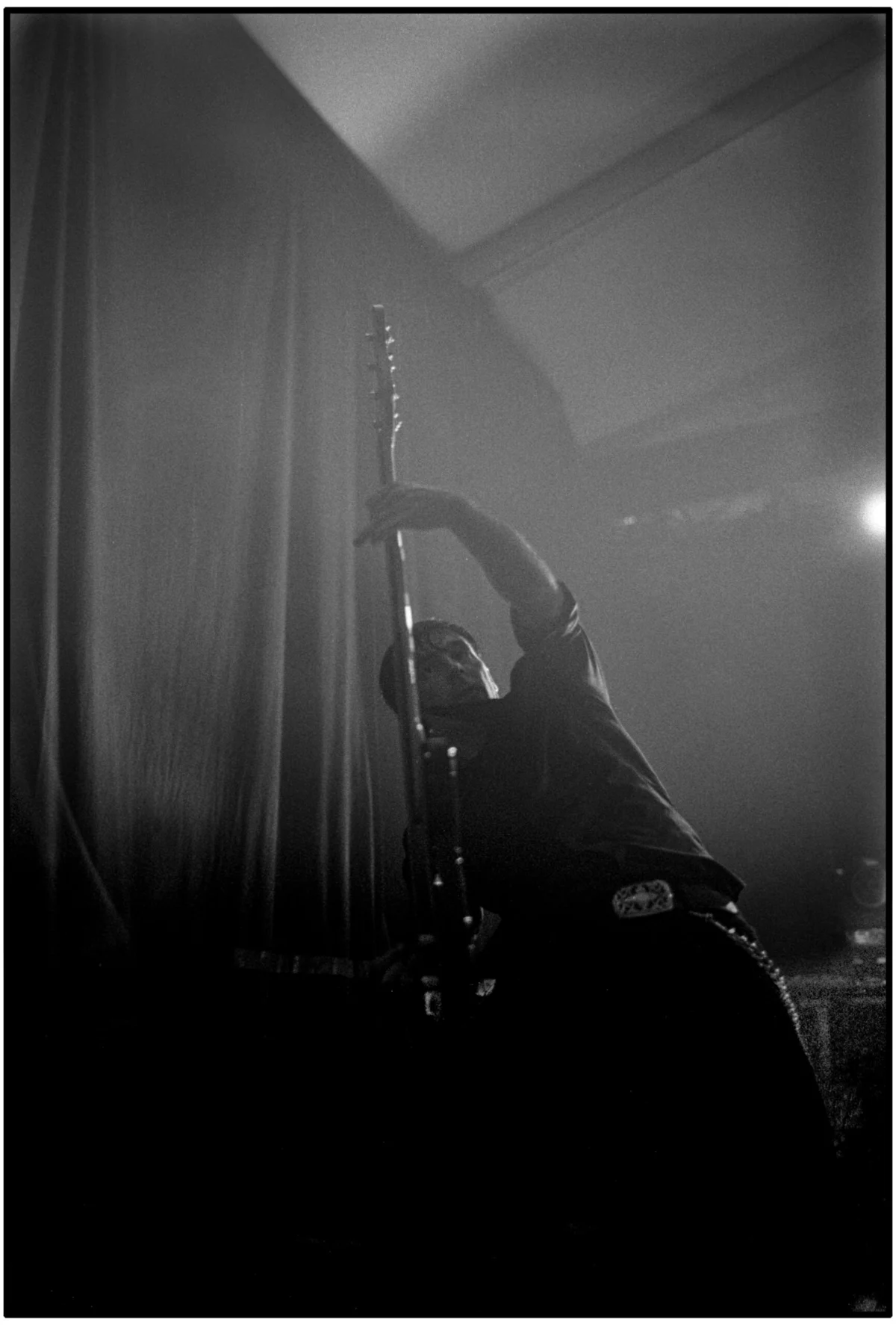
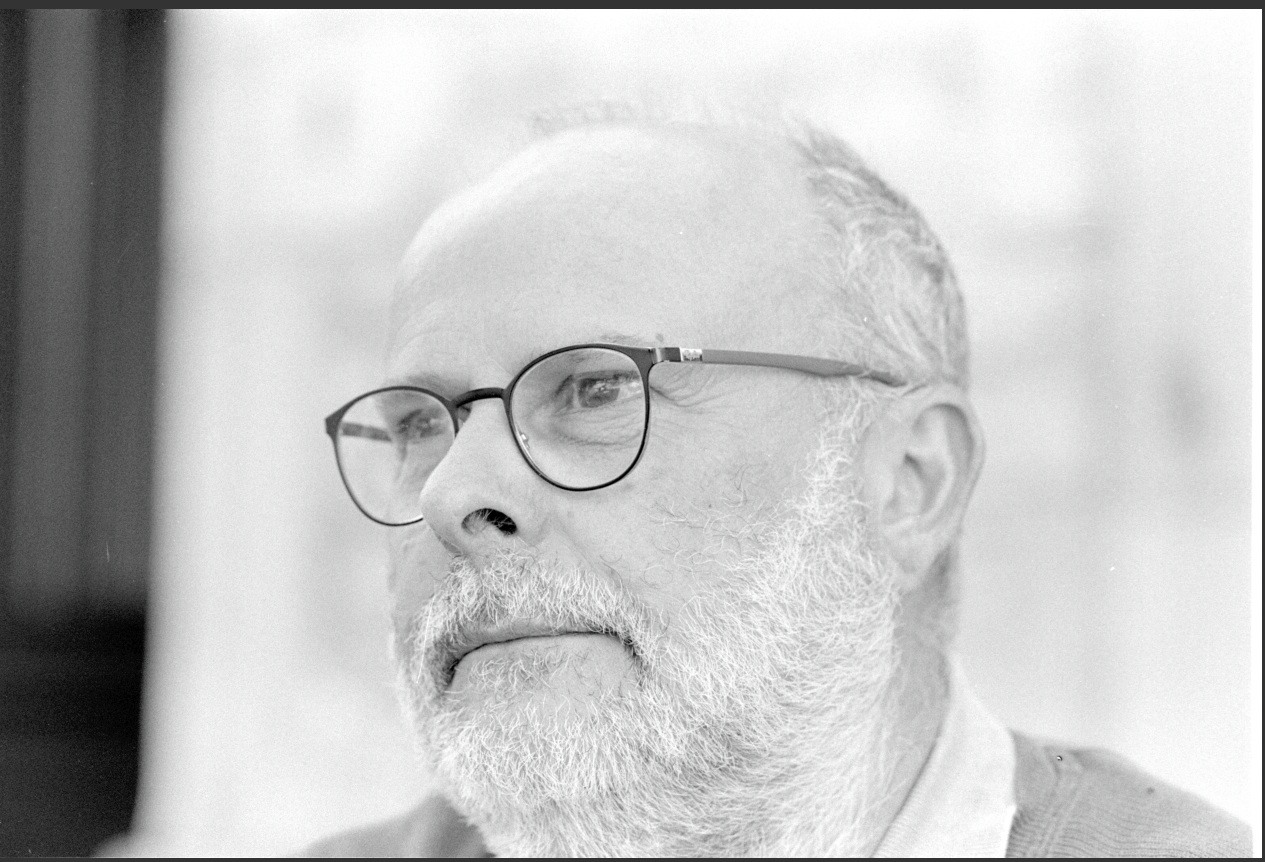
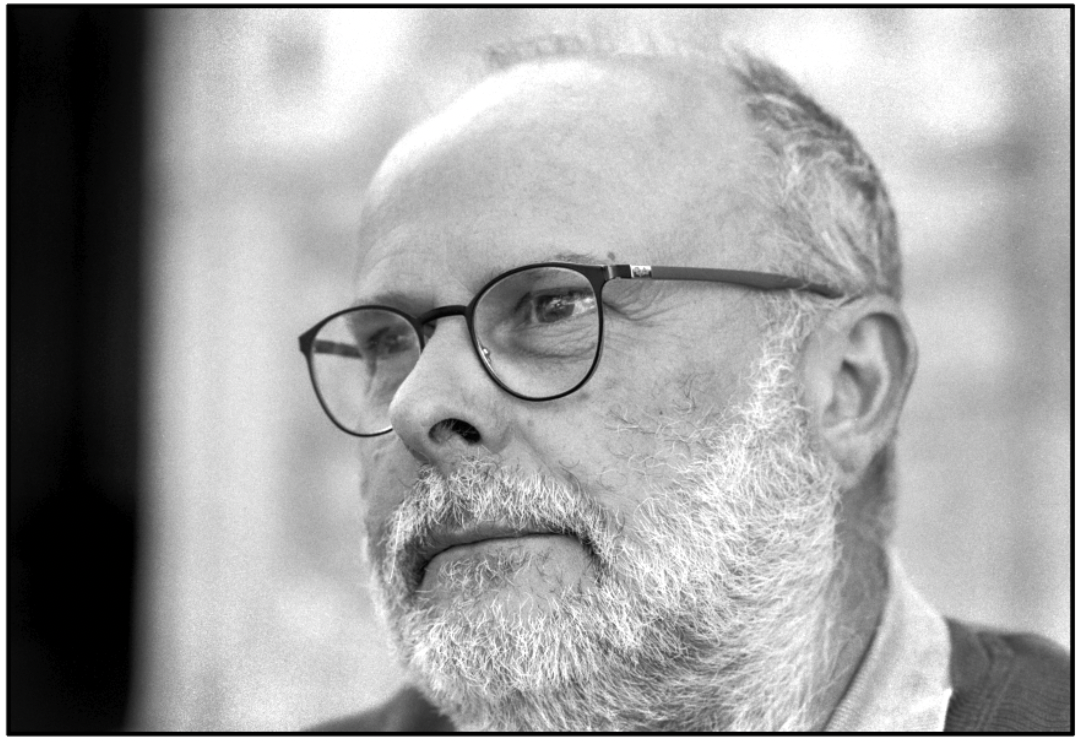
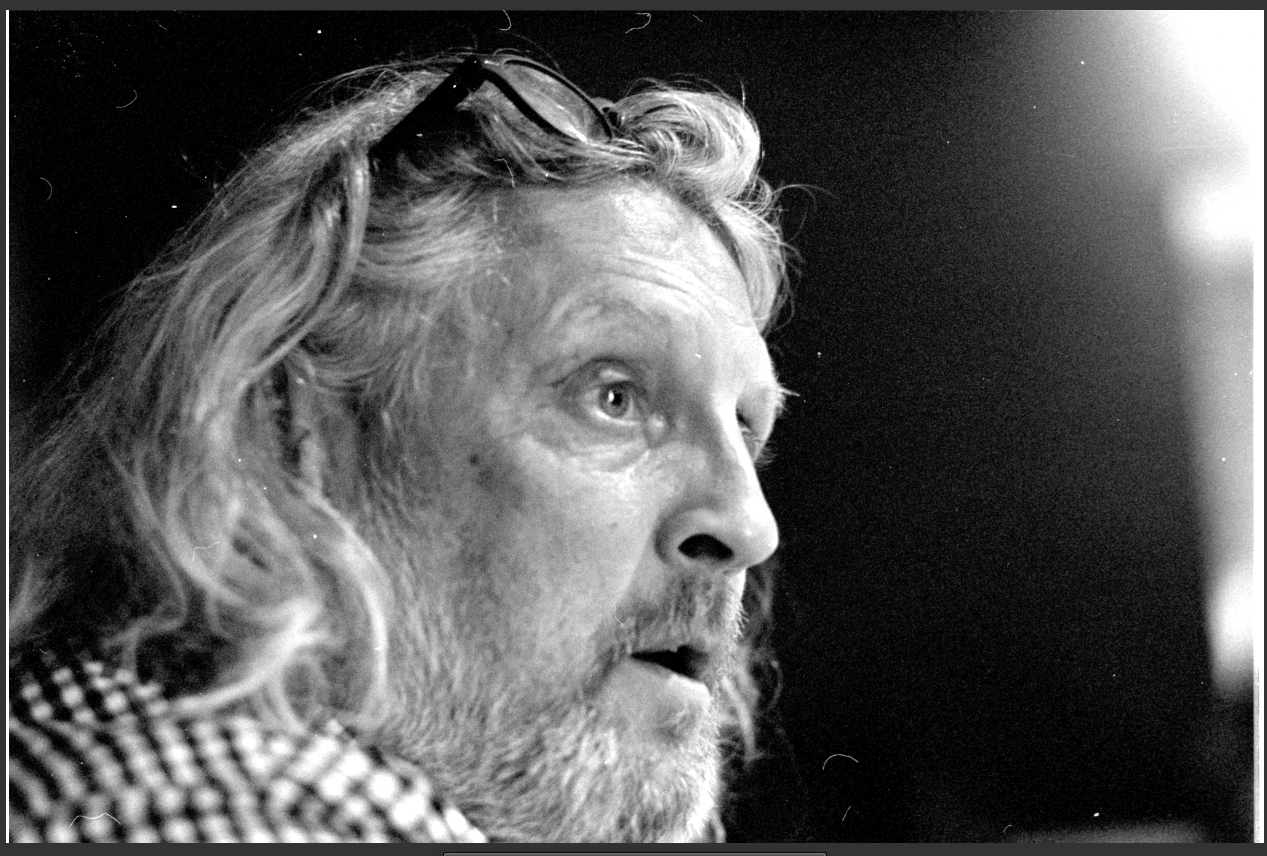
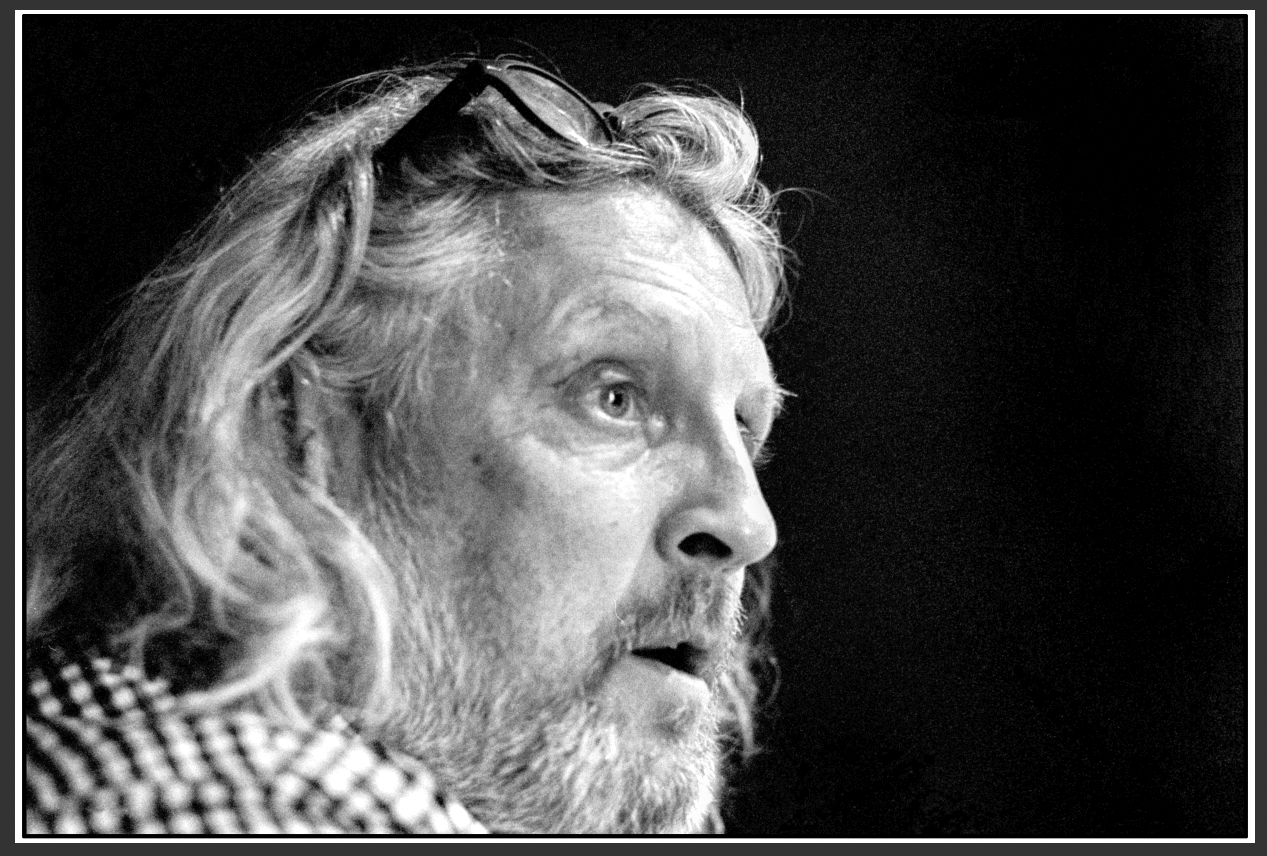
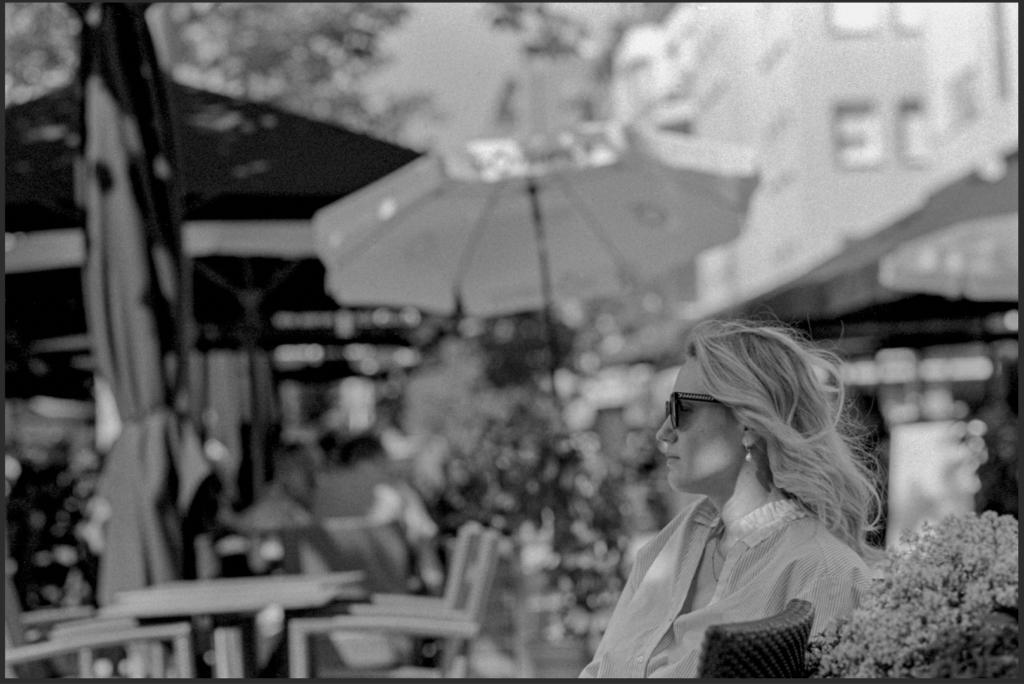
The impact of these post-processing techniques is most evident when comparing a raw scan directly against a finished edit. A raw scan of a portrait, for instance, may show a subject blended into a grey background, with the textures of clothing and skin appearing muted.
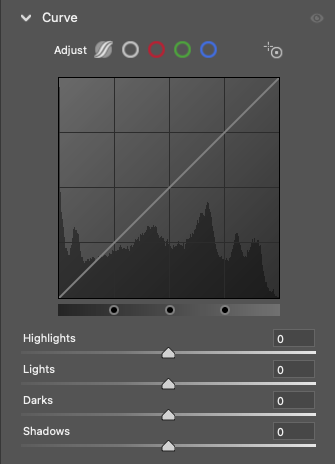
Through the application of clarity, texture, and curve adjustments, the subject is "separated" from the background. By increasing the blacks and highlights, the photographer introduces a sense of three-dimensionality. The use of the "Curve" tool is particularly vital; by manipulating the Highlights, Lights, Darks, and Shadows channels independently, a photographer can increase contrast without clipping essential details. This level of control exceeds what was traditionally possible with fixed-grade photographic papers, allowing for a more nuanced interpretation of the negative.
Broader Implications for Modern Photography
The reliance on digital post-processing for film scans raises important questions about the definition of "authenticity" in photography. However, within the journalistic and artistic communities, the consensus remains that post-processing is an integral part of the medium’s DNA. The "straight out of the camera" philosophy is often viewed as a misunderstanding of the photographic process, as even the choice of developer chemistry and temperature in the initial processing phase constitutes a form of "editing."
The hybrid workflow allows for the preservation of the unique organic grain structure and highlight roll-off of film while utilizing the archival and distributive advantages of digital technology. It democratizes the high-end printing process, enabling photographers who may not have access to a physical darkroom to produce work that rivals the quality of traditional gallery prints.
As the industry continues to evolve, the distinction between "digital" and "analog" becomes less a matter of the final product and more a matter of the intentionality behind the workflow. The rigorous process of scanning, cleaning, developing, and dodging/burning ensures that each image is a deliberate construction rather than a random capture. For the modern photographer, the "recipe" applied in software is the final signature on a work that began with a chemical reaction on a strip of celluloid.
Conclusion and Future Outlook
The methodology of black and white film scan optimization is a testament to the enduring relevance of classical photographic principles. By viewing the raw scan as a foundation rather than a finished product, photographers are able to bridge the gap between the limitations of hardware and the limitless nature of artistic vision. As software becomes more sophisticated—incorporating AI-driven masking and advanced grain simulation—the ability to honor the soul of analog film while embracing the precision of digital tools will only continue to expand. The goal remains steadfast: to transform a simple recording of light into a profound expression of black, white, and every shade of grey in between.