In the wake of the recent Academy Awards, much attention was deservedly paid to the cinematic masterpieces that captivated audiences and critics alike. While discussions often gravitate towards the groundbreaking narratives, stellar performances, and the cutting-edge camera technology used to capture these visions, the profound impact of lighting often remains an understated yet critical element. A few weeks ago, an initial exploration delved into the specific cameras deployed in this year’s Oscar-nominated films. However, focusing solely on the camera, while insightful, offers merely a glimpse into the intricate alchemy that transforms a script into a visual spectacle. The true depth of cinematic artistry lies in the masterful manipulation of light – a discipline that shapes mood, defines characters, and guides the viewer’s eye with unparalleled subtlety and power.
The Art of Illumination: Beyond the Lens
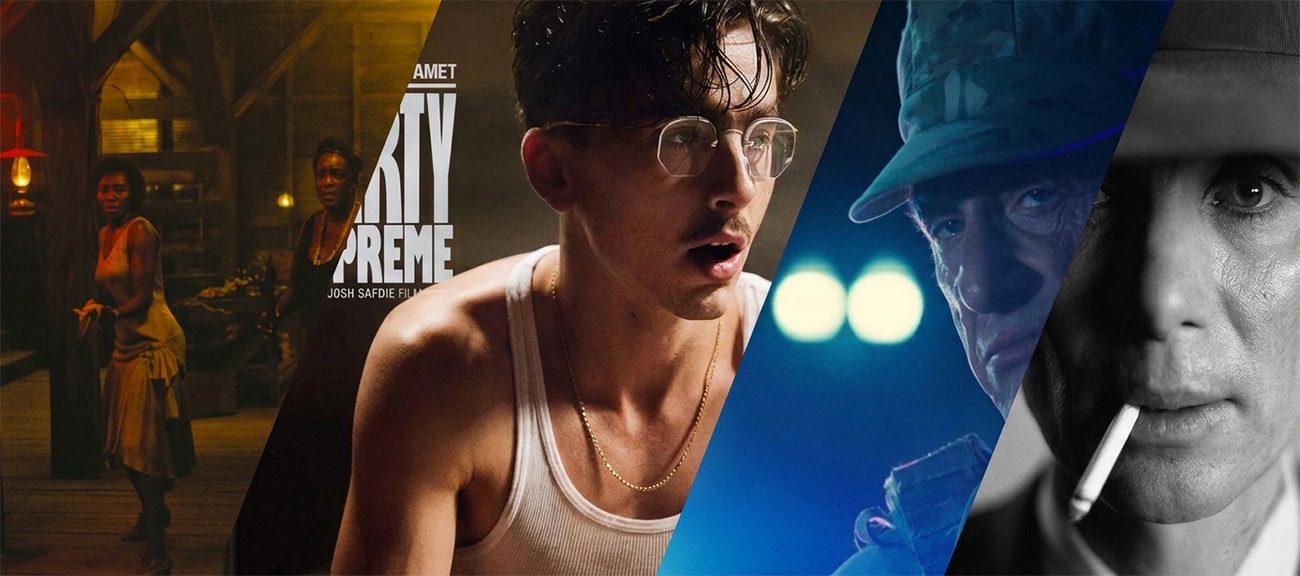
The craft of cinematography extends far beyond selecting a camera. It encompasses the entire visual language of a film, with lighting being a foundational pillar. Cinematographers, often referred to as Directors of Photography (DPs), are visual storytellers who use light and shadow to evoke emotion, establish atmosphere, and underscore narrative themes. From the stark realism of a documentary to the stylized grandeur of a fantasy epic, lighting dictates how textures are rendered, how spaces are perceived, and how actors’ performances resonate. Unlike cameras, whose specifications are often publicly available, the precise lighting breakdowns for complex scenes are rarely disclosed. This exclusivity underscores the value and expertise of top-tier cinematographers, whose nuanced understanding of light physics, color theory, and dramatic impact commands premium recognition within the industry. This analytical exercise aims to demystify some of these techniques, encouraging a deeper appreciation for the meticulous planning and artistic vision involved in creating iconic on-screen moments. By dissecting still images from popular films and television series, we can begin to discern the methods employed to achieve their distinctive visual identities.
Tools for Deconstruction: Bridging Theory and Practice
To facilitate this exploration, a specialized software application named set.a.light 3D was utilized. This intuitive 3D modeling tool is specifically designed for deducing and constructing detailed lighting diagrams for both still photography and video production. Its functionality allows users to virtually position light sources, modifiers, and subjects within a simulated environment, offering a practical method for visualizing and understanding complex lighting setups. It is important to note that the use of this software in this analysis is not an endorsement or a promotional effort; rather, it serves as a testament to its utility as a powerful educational and professional tool for visual artists seeking to refine their understanding of light. The diagrams presented are informed interpretations based on visual evidence, not definitive blueprints of the original productions. Therefore, while providing valuable insight into plausible lighting strategies, they should be regarded as an analytical exercise rather than a precise replication of the original cinematographers’ equipment or methodologies.
Case Studies in Cinematic Lighting: Dissecting Iconic Scenes
Let us delve into specific examples from recent popular films and TV shows, examining how lighting choices contribute to their overall impact.
Marty Supreme – Key Advert Image
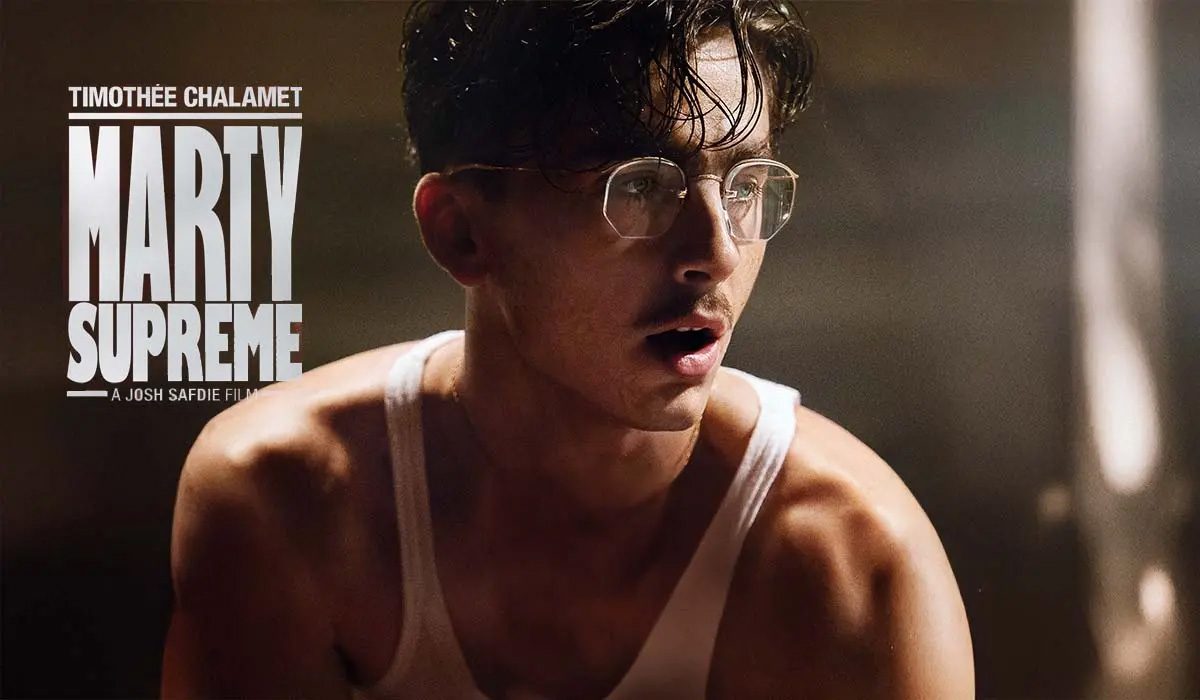
The promotional imagery for "Marty Supreme" immediately conveys a sense of intensity and dramatic tension, largely attributable to its aggressive lighting scheme. The presence of pronounced specular highlights and sharply defined shadows, particularly on the contours of the subject’s face and the distinct outlines cast by his glasses, strongly indicates the predominant use of hard light sources, devoid of significant diffusion. Hard light, characterized by its focused beam and crisp shadow edges, is often employed to create a dramatic, high-contrast aesthetic, lending a sense of urgency or gravitas to a scene or character.
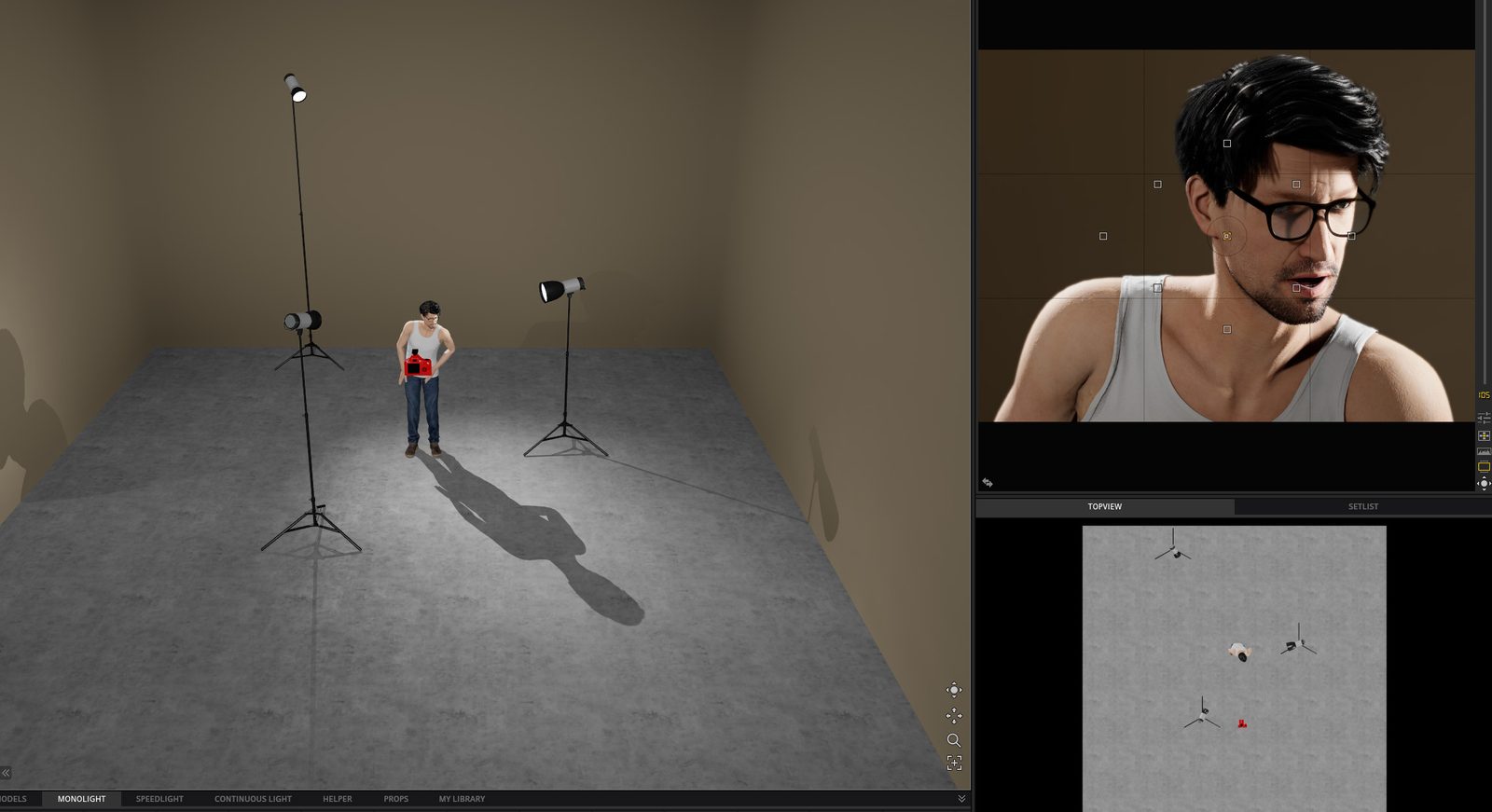
In reconstructing this look, a three-light setup was hypothesized. The core of this arrangement involved positioning all light sources without diffusion to maintain the desired hardness. For the distinct rim light tracing the subject’s right side, a gridded light was selected. A grid, or honeycomb, is an accessory that narrows the beam of light, preventing spill and directing the light precisely where it is needed. This focused illumination effectively highlights the subject’s shoulders and the edge of his face, separating him from the background and adding depth. A similar hard backlight was positioned on the opposite side, contributing to the prevalent stark backlighting that is a signature visual motif throughout the film. Finally, a fill light was introduced camera-left. The purpose of a fill light is to reduce the contrast created by the key and rim lights, subtly softening the shadows on the subject’s face without eliminating the dramatic effect entirely. By carefully balancing the power of these hard lights, the visual impact of the original image, with its striking highlights and deep, defined shadows, can be effectively emulated. This setup accentuates the subject’s features, imbuing the image with a sense of power and uncompromising clarity, aligning with the narrative’s presumed tone.
Sinners – Key Group Scene
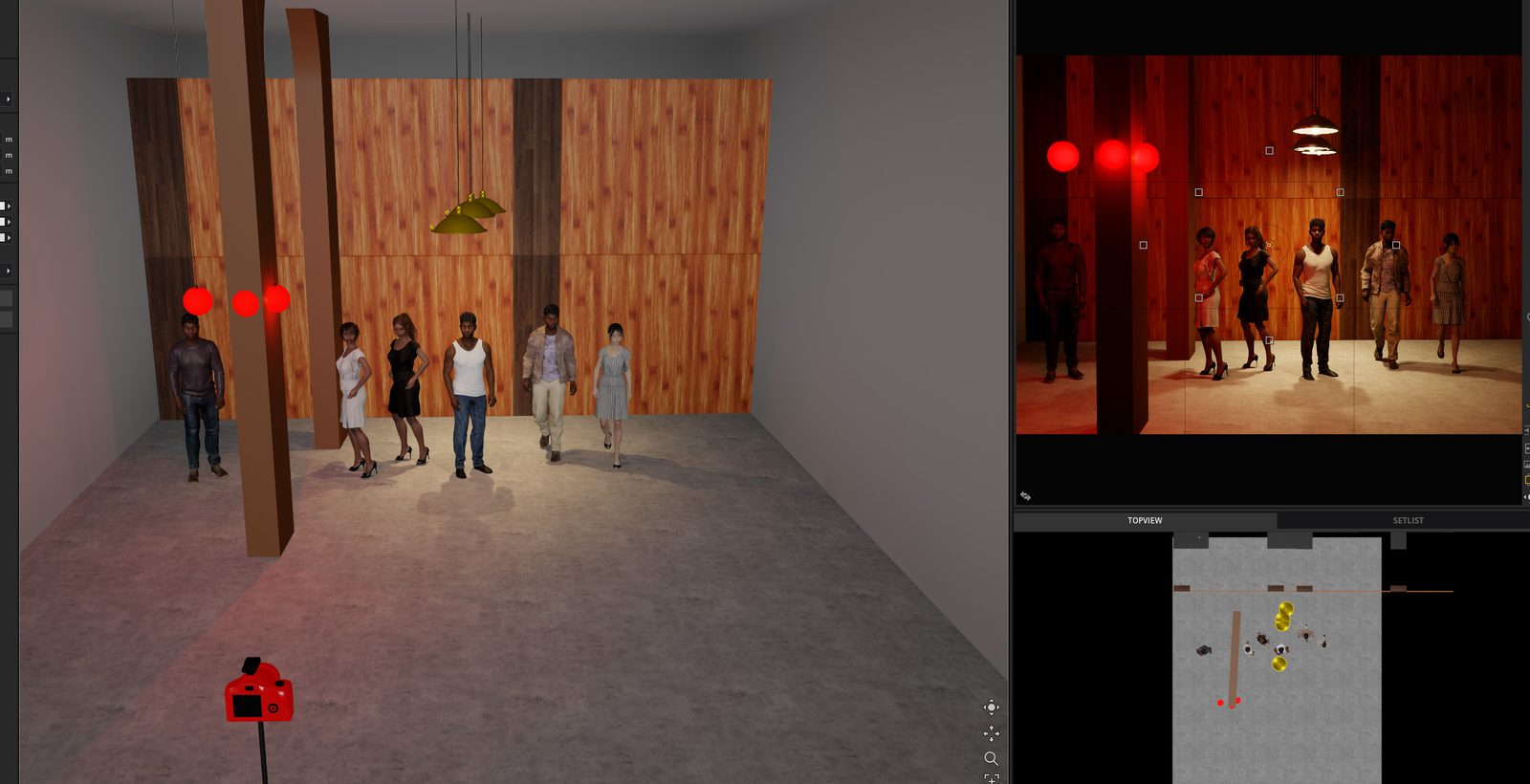
The "Sinners" key group scene stands out as a pivotal moment within the film, designed to maximize cinematic impact through its evocative and complex lighting. The scene’s ambiance is masterfully crafted through a blend of practical firelight and strategically placed red and orange artificial light sources. This combination is a prime example of using multicolored lighting to establish a potent mood, often conveying danger, passion, or an infernal atmosphere. The decision to incorporate multiple hues adds layers of visual information, enriching the emotional resonance of the narrative unfolding within the frame.
Given that this was an interior shot, the analytical process began by constructing a rudimentary 3D model of the architectural space. The structure of the building plays a crucial role in framing the shot, directing the viewer’s gaze, and adding significant depth to the composition. The interplay of light and shadow against the architectural elements enhances the scene’s three-dimensionality and visual interest. Once the environment was established, the placement of the subjects was considered. They were arranged in a staggered pattern, a common technique to create visual contrast among individuals and add dynamic tension within a group shot. This arrangement ensures that each character receives distinct lighting, preventing a flat or undifferentiated appearance.
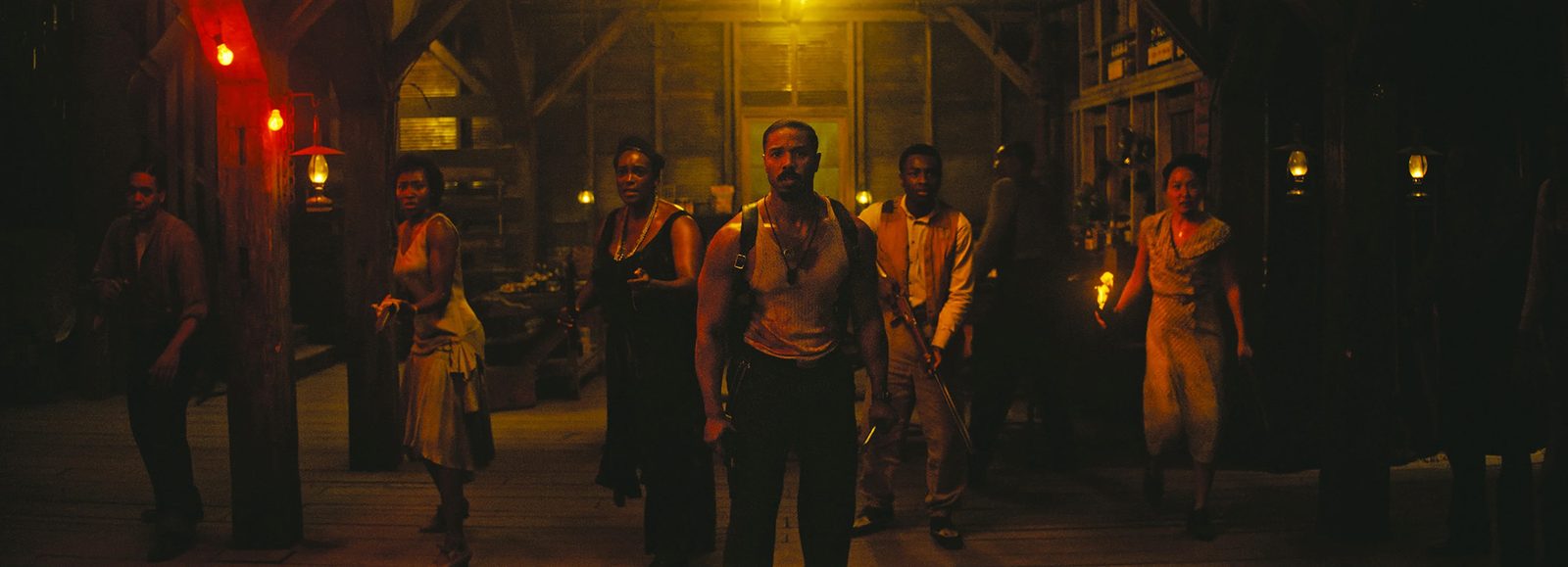
The next step involved integrating the visible light sources into the simulated environment. Based on the visual evidence, it was inferred that compact, color-tunable LED lights, such as Aputure B7c units or similar RGBWW LED bulbs, were likely employed. These versatile lights allow cinematographers to precisely dial in specific color temperatures and hues, enabling them to match the warmth of firelight or introduce vibrant colored accents as required by the scene’s emotional context. After establishing the basic placement of these lights relative to the subjects and the set, the final stage involved meticulous power adjustments. By fine-tuning the intensity of each light, the subtle gradations of light and shadow, and the overall color balance observed in the original scene, could be accurately replicated. This detailed approach underscores how diverse light sources, carefully positioned and controlled, can collectively forge a scene that is both visually arresting and deeply resonant with the film’s thematic core.
Oppenheimer – Hero Shot
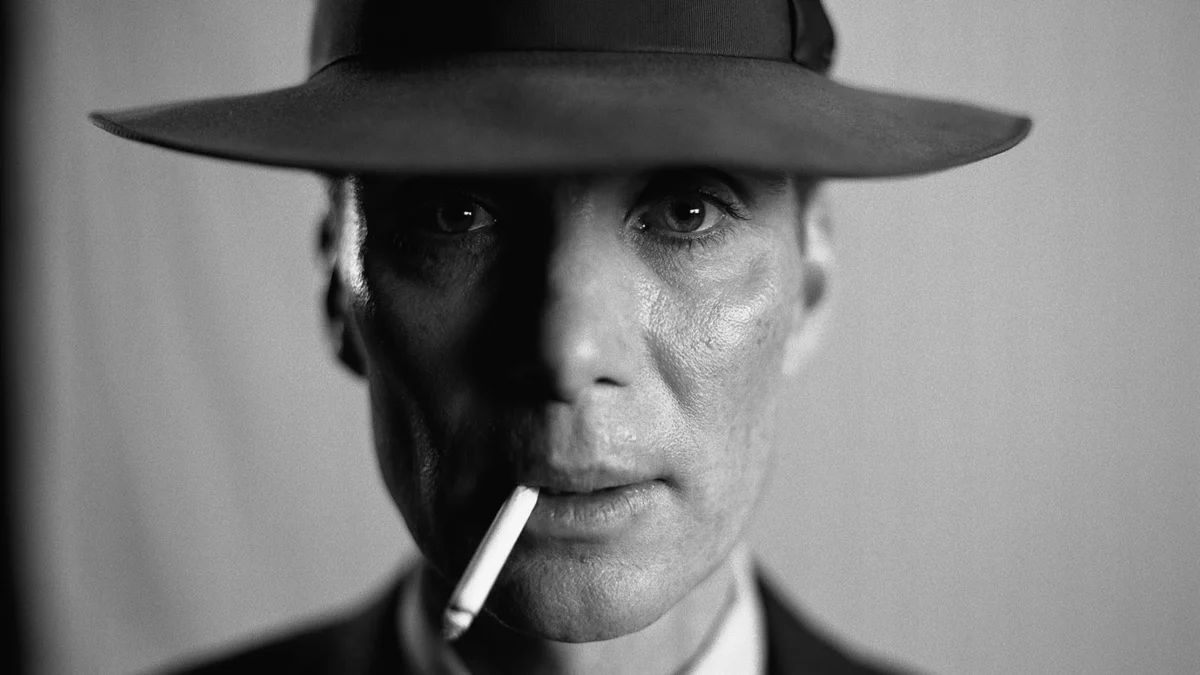
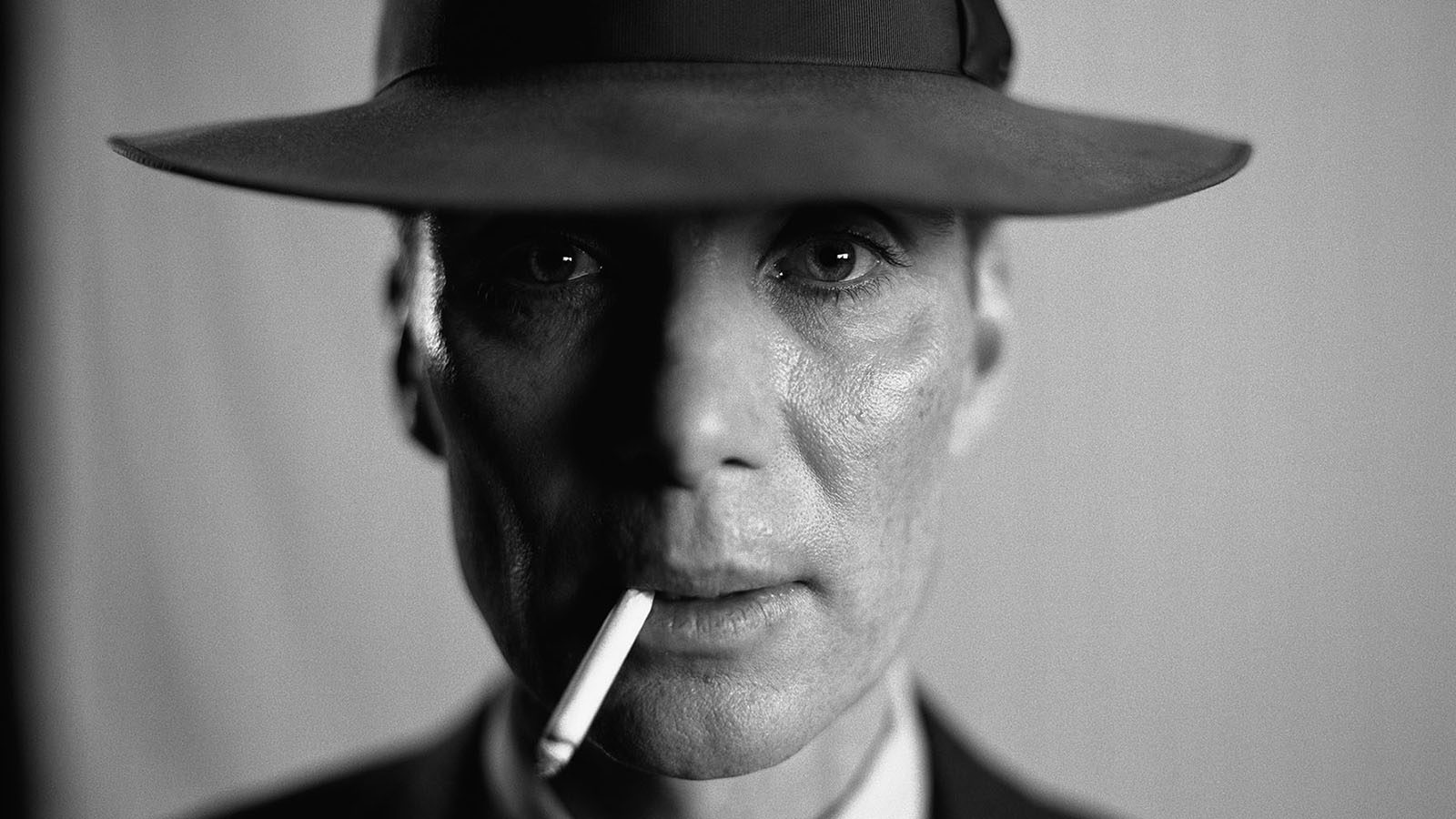
The "Oppenheimer" hero shot, featuring Cillian Murphy, became an iconic promotional image for the film, encapsulating the protagonist’s gravitas and internal conflict. The shot’s power stems from its masterful use of high contrast between intense rim lighting and dramatic split lighting shadows, generating a profound sense of drama. Crucially, the catchlights in the subject’s eyes are not merely incidental; they are deliberately shaped and positioned to convey emotion and character depth, drawing the viewer into the subject’s psychological state.
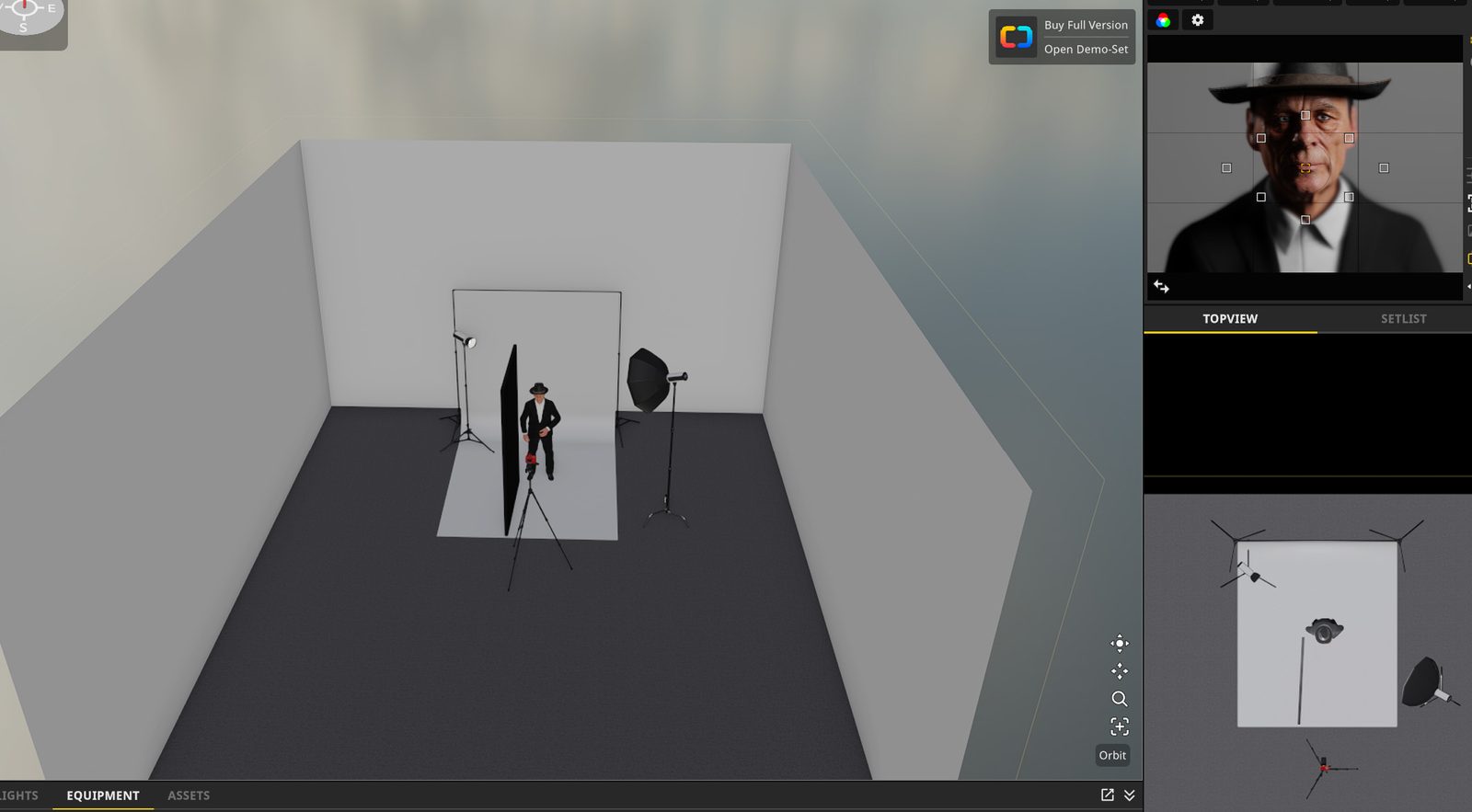
The proposed lighting setup for this compelling image involved a relatively small, gridded Octobox positioned camera-right. An Octobox, a type of softbox, provides a pleasingly soft yet directional light. The addition of a grid to the Octobox is critical; it precisely controls the light spill, ensuring that the light remains focused on the subject and minimizes unwanted diffusion into the scene. While an Octobox typically produces softer light, when positioned closer to the subject, especially with a grid, it can still create a dramatic effect. The slightly larger surface area of an Octobox, compared to a bare bulb, is instrumental in producing the distinctive, slightly elongated catchlights observed in Murphy’s eyes, which are vital for conveying the intense emotional nuance of the character.
To further amplify the contrast between highlights and shadows, a black blocking board was strategically placed close to the subject on camera-left. Black flags or boards are essential tools in cinematography, used not to add light, but to absorb or block it, thereby intensifying shadows and creating deeper contrast. This technique effectively carves out the shadow side of the face, enhancing the dramatic split-light effect. Finally, a bare light source was positioned behind and to the left of the subject. A bare light, without any diffusion, produces a hard, punchy light. This particular bare light serves to introduce a sharp, striking rim light that further separates the subject from the background, adding a sculptural quality to his silhouette and completing the high-contrast, emotionally charged visual narrative of this memorable hero shot.
One Battle After Another – Lockjaw Scene
"One Battle After Another" garnered significant critical acclaim, including the Best Picture award, a testament to its compelling storytelling and exceptional cinematography. While much of the film benefited from location shooting and the skillful use of natural light, the night scenes, particularly those featuring Sean Penn’s antagonist, Lockjaw, were notable for their distinctive and impactful lighting. The chosen scene for analysis, featuring Lockjaw, exemplifies the film’s darker, grittier aesthetic.
The prominent, sharp shadows cast across Sean Penn’s face in this scene unequivocally indicate a reliance on hard light sources. Hard light, as previously discussed, creates definitive shadow lines and high contrast, often used to portray characters with a harsh edge or to heighten dramatic tension. The reconstruction began with establishing the harsh rim lights on either side of the subject. One of these rim lights was notably blue in hue, a deliberate artistic choice to signify the presence of police car lights in the background, adding both narrative context and a cool, unsettling color contrast to the scene. The blue light, often associated with law enforcement or a sense of coldness and detachment, reinforces the character’s antagonistic role and the precariousness of the situation.
Following the establishment of these defining rim lights, an additional bare light was positioned at the front of the subject. This frontal light was deliberately powered down to a lower intensity. Its primary function was to act as a subtle fill, gently lifting some of the deepest shadows on Lockjaw’s face without compromising the overall high-contrast, hard-lit aesthetic. This nuanced approach ensures that the character’s features remain discernible, preventing them from being entirely swallowed by shadow, while still preserving the dramatic, chiaroscuro effect. Furthermore, a crucial visual element observed in the original shot is the distinctive horizontal lens flare on the right side of the frame. This characteristic flare is a hallmark of anamorphic lenses, which compress a wider field of view onto a standard sensor, then de-squeeze it during projection, resulting in a widescreen aspect ratio and often producing elongated, horizontal flares when pointed at bright light sources. The inclusion of such a lens flare not only adds a stylistic touch but also reinforces the cinematic quality and immersive feel of the scene, a common choice in high-budget productions seeking a classic filmic look.
The Enduring Impact of Lighting in Storytelling
The detailed analysis of these diverse scenes underscores the indispensable role of lighting in modern film and television production. From defining character archetypes through stark contrast to setting a scene’s emotional tone with colored gels and strategic placement, cinematographers wield light as a powerful narrative tool. Their ability to translate abstract ideas and emotional nuances into tangible visual forms is what elevates a mere sequence of images into a compelling cinematic experience.
This exercise serves as an invitation for enthusiasts and aspiring filmmakers alike to develop a more critical eye when watching their favorite productions. By consciously observing the quality of light – its hardness or softness, its direction, its color, and its intensity – one can begin to unravel the deliberate choices made by visual artists. Do particular lighting patterns consistently appear in genres? How does a shift in lighting affect your perception of a character’s morality or vulnerability? Are there scenes from recent years that have particularly captivated you with their lighting? Engaging with these questions fosters a deeper appreciation for the complex interplay of art and technology that defines contemporary cinema. For those inspired to experiment with lighting in their own creative endeavors, exploring the vast array of professional lighting equipment available for rental can be the crucial next step in bringing their own visions to life.