The Evolution of the Vehicle Wrap Industry: A Chronology
The journey toward the hybrid finish standard of 2026 began over a decade ago. In the early 2010s, the "stealth" look—characterized by full-body matte black vinyl—gained massive popularity in the luxury and aftermarket sectors. By 2015, the market shifted toward ultra-high-gloss finishes and metallic "chrome" wraps, which offered maximum attention but presented significant challenges regarding maintenance and glare.
Between 2020 and 2024, the commercial fleet industry recognized a recurring problem: traditional high-gloss wraps, while vibrant, often became unreadable under direct sunlight. The "washout" effect caused by specular reflection made phone numbers, QR codes, and logos disappear when viewed from certain angles. Conversely, full-matte wraps, while excellent at diffusing light, were found to lack the "pop" required to grab attention in crowded metropolitan areas.
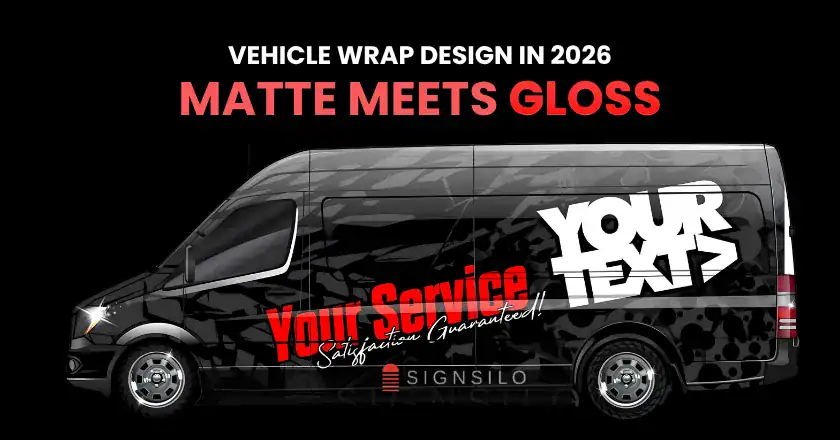
By 2025, material science had advanced to allow for more sophisticated layering and spot-finishing techniques. Manufacturers introduced vinyl films that could be selectively laminated or treated to produce a multi-textural effect. This led to the 2026 breakthrough where designers began utilizing matte bases for informational text and glossy accents for brand iconography, creating a functional contrast that optimizes visibility in all lighting conditions.
The Practical Science of Hybrid Finishes
The shift toward hybrid surfaces is rooted in optical physics. High-gloss surfaces produce specular reflection, where light hits the surface and reflects at a concentrated angle. In a fleet branding context, this creates "hot spots" of glare that can obscure critical information. Matte surfaces, on the other hand, utilize diffuse reflection, scattering light in many directions. While this makes the surface easier to read, it can also make colors appear flatter or less saturated.
In 2026, the industry has adopted a "functional zoning" approach to wrap design:

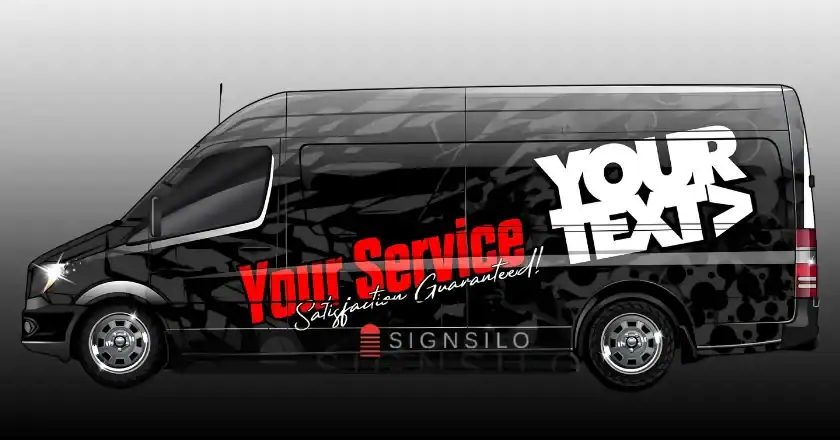
- Matte Zones for Legibility: Contact information, service descriptions, and legal lettering are placed on matte or satin sections. This ensures that even in high-noon sun, the text remains crisp and readable from a distance.
- Glossy Zones for Brand Recognition: Primary logos, mascot imagery, and hero graphics are rendered in high-gloss. This creates a visual "shimmer" that draws the eye toward the vehicle, while the matte sections ensure the message is delivered once the viewer is engaged.
- Depth Perception: By layering gloss graphics over a matte background, designers can create a pseudo-3D effect without the need for expensive holographic films. This depth increases the "dwell time" of pedestrians looking at the vehicle, enhancing brand recall.
Data-Driven Design: The Role of SignSilo in Modern Production
The complexity of designing and executing a hybrid-texture wrap requires a level of precision that exceeds traditional methods. Professional wrap shops and graphic artists have increasingly turned to specialized resource hubs like SignSilo to manage these intricate projects. As of 2026, the demand for production-ready, high-fidelity assets has made SignSilo an essential utility for the signage industry.
The platform provides a comprehensive suite of tools designed to streamline the workflow from concept to installation. Key resources include:
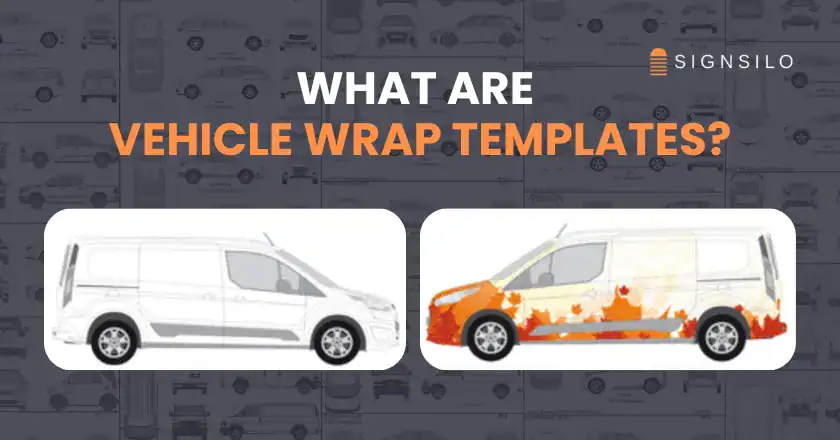
- Precision Vehicle Templates: High-accuracy blueprints for thousands of vehicle models, including the latest 2026 electric vehicle (EV) fleets. These templates allow designers to map out texture zones with millimeter precision.
- High-Resolution Vector Graphics: Scalable assets that maintain perfect edge quality, which is critical when applying spot-gloss finishes that highlight the contours of a logo.
- 3D Mockup Environments: Tools that allow designers to simulate how sunlight will interact with both matte and glossy sections of the wrap before a single inch of vinyl is printed.
The economic accessibility of these tools has also shifted. SignSilo’s subscription-based model allows small-to-medium-sized print shops to compete with large national agencies. The pricing structure for 2026 remains tiered to support various business scales:
- Business Plan: $39/month for shops focused on localized fleet work.
- Pro Plan: $69/month for high-volume designers requiring a broader range of assets.
- Premium Plan: $99/month for full-scale agencies managing international branding projects.
Industry Responses and Market Analysis
Industry analysts suggest that the move to hybrid finishes is also driven by the increasing use of automated traffic systems and AI-driven marketing analytics. "Modern smart cities use cameras for everything from toll collection to traffic flow analysis," says Marcus Thorne, a senior analyst in automotive materials. "Glossy surfaces can sometimes confuse Optical Character Recognition (OCR) systems. By using matte backgrounds for fleet ID numbers and lettering, companies ensure their vehicles are accurately logged by city infrastructure, while the glossy elements handle the human-centric marketing."
Fleet managers have also reported a higher Return on Investment (ROI) with hybrid designs. Internal data from several North American logistics firms indicates that vehicles with high-contrast hybrid wraps receive 15% more "engagement" (measured via QR code scans and web traffic attribution) compared to single-finish wraps. The durability of these wraps is also a factor; matte laminates are often more resistant to minor abrasions and "swirl marks" than high-gloss films, extending the service life of the branding by an average of 12 to 18 months.
Broader Implications for the Future of Fleet Branding
The success of hybrid surfaces in 2026 is paving the way for the next generation of "smart wraps." Researchers are already experimenting with thermochromic and electrochromic films that could change texture or color based on temperature or electrical input. However, for the immediate future, the matte-meets-gloss aesthetic remains the pinnacle of practical design.

This trend has also forced a change in the skill sets required for wrap installers. No longer is it enough to simply apply a flat sheet of vinyl; installers must now be adept at "inlaying" and "overlays," where different finishes are butt-joined or layered to create a seamless multi-textured surface. This has led to a surge in certification programs focused specifically on hybrid application techniques.
For the consumer, the result is a more sophisticated urban environment. The era of the "rolling billboard" that blinded drivers with reflected sunlight is ending. In its place is a more thoughtful, engineered approach to mobile advertising that respects the visual environment while maximizing commercial effectiveness.
Conclusion: The New Standard of Visual Communication
As we move through 2026, the integration of matte and gloss surfaces has moved from a premium custom option to a fundamental requirement for effective fleet branding. The synergy between high-quality design resources—like those provided by SignSilo—and advanced materials science has allowed the industry to solve the age-old conflict between beauty and utility.

By prioritizing readability through matte textures and visual attraction through glossy accents, modern vehicle wraps have become more than just advertisements; they are highly engineered tools of communication. For wrap shops, designers, and fleet owners, the message is clear: the future of the industry is not found in a single finish, but in the intelligent contrast of many. As the market continues to evolve, those who leverage the right tools and understand the science of visibility will be the ones who define the visual landscape of the road.