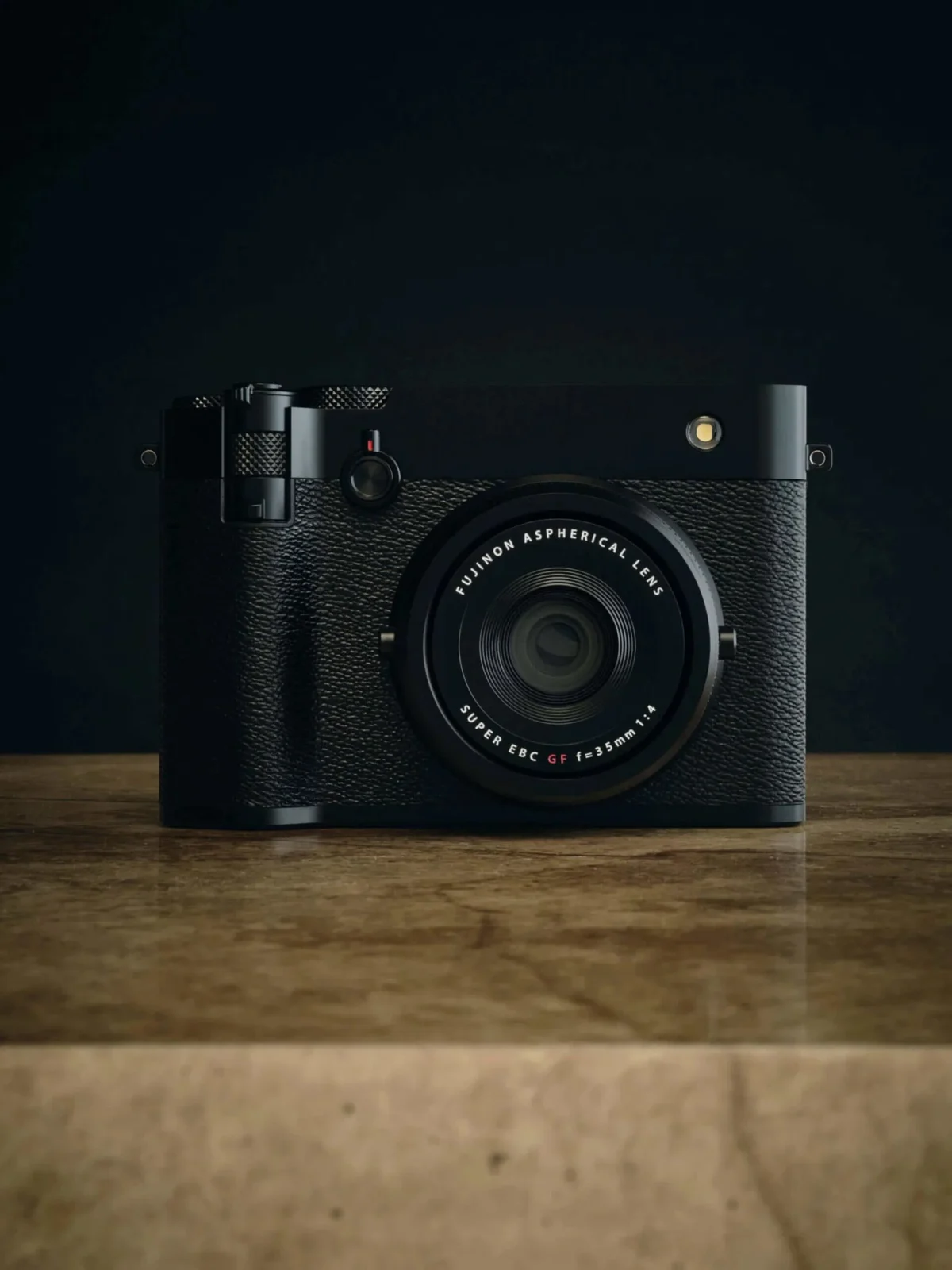
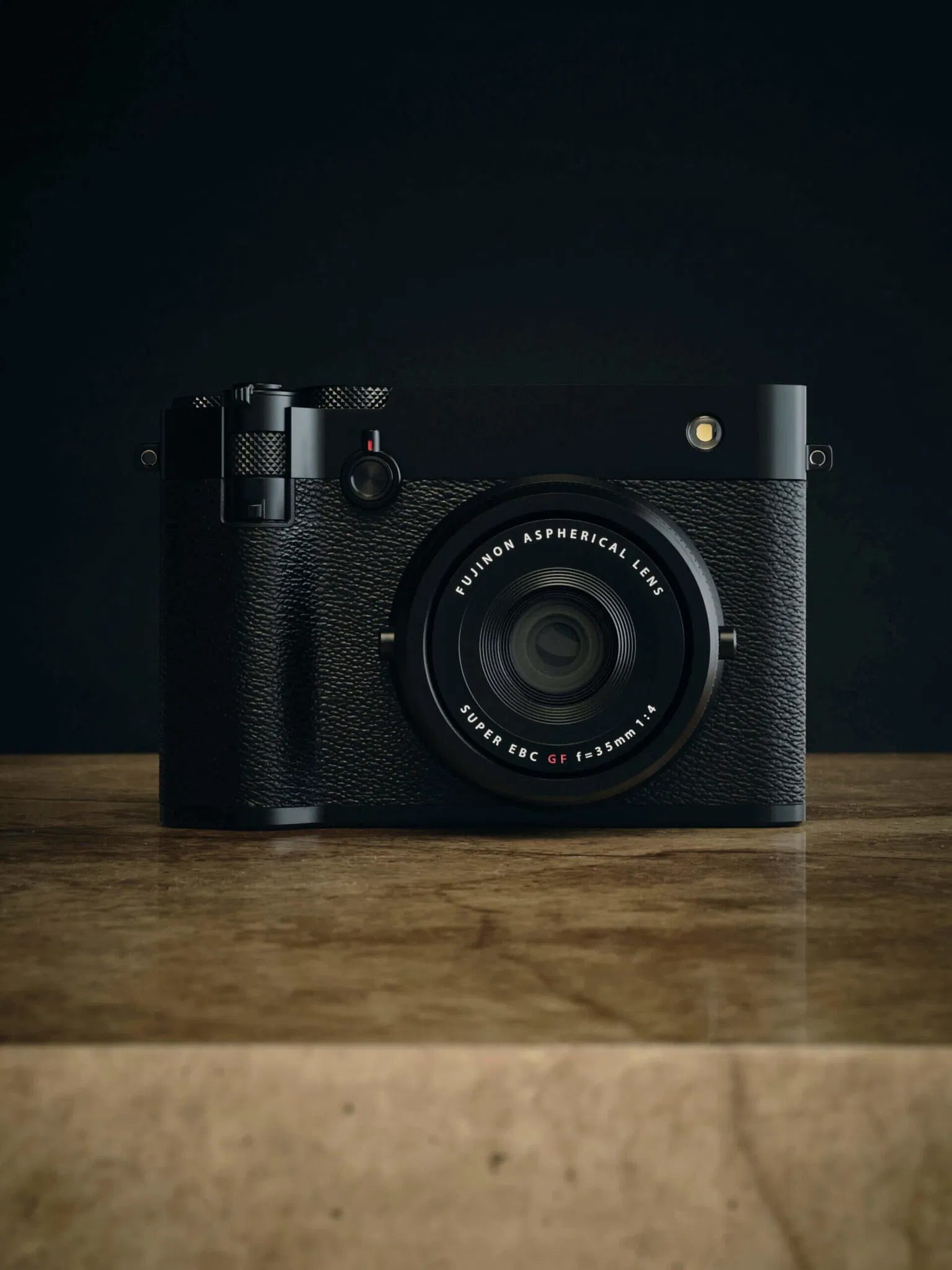
The Fujifilm GFX 100RF, a distinctive entry into the medium-format mirrorless segment, arrived from Lensrentals.com exhibiting an immaculate, factory-fresh appearance. The immediate and most striking characteristic upon handling was its unexpected compactness, a significant departure from the typically more substantial build of other GFX series cameras. For a medium-format system, its svelte profile is remarkable, closely paralleling the perceived heft of a full-frame mirrorless camera like the Nikon Z7 when paired with a modest 35mm lens. This design ethos deliberately harks back to classic rangefinders, evoking a modern digital interpretation of iconic cameras such as the Plaubel Makina 67, though the inclusion of a 45mm lens over the current 35mm would arguably align more closely with traditional medium format perspectives and the preferences of many discerning photographers.
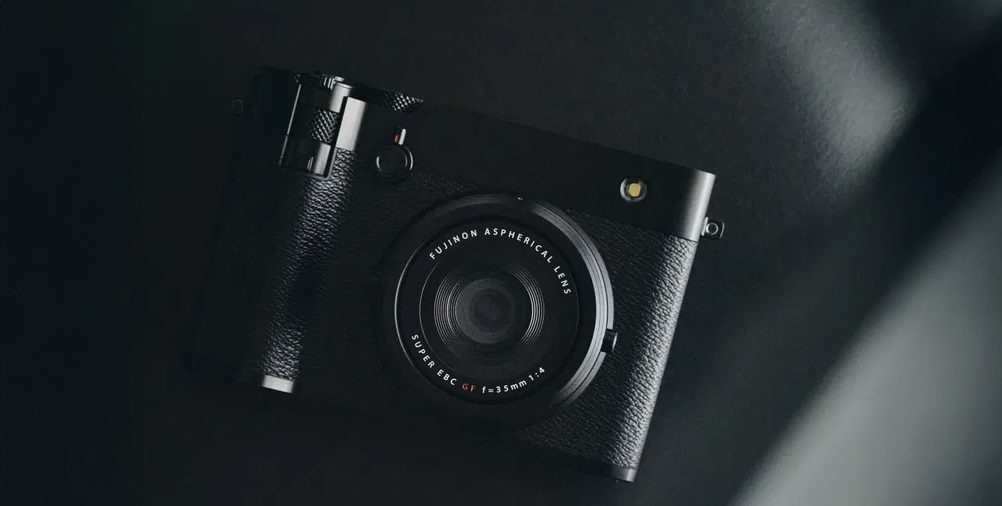
The Strategic Design: Portability Meets Performance
The GFX 100RF is undeniably a camera that has ignited considerable discussion within the photographic community, often polarizing opinions based on its deliberate design omissions. Much of the discourse has centered on what the camera lacks: namely, in-body image stabilization (IBIS) and a high-speed, wide-aperture lens. However, these perceived deficiencies are not oversights but rather calculated engineering decisions. Fujifilm’s primary objective with the GFX 100RF was to drastically reduce the overall size and weight of a 100-megapixel medium-format camera, a feat achieved by consciously foregoing components that would inevitably add bulk and mass. The core of this portable powerhouse remains the formidable Sony 33x44mm 100-megapixel sensor, a unit renowned for its exceptional image fidelity and dynamic range, already proven in other GFX iterations.
This strategic emphasis on portability carves out a unique position for the GFX 100RF, placing it firmly within a niche market—that of high-end fixed-lens digital cameras—and further refining it into a "niche within a niche." For a specific cohort of photographers, this specialization translates into an extraordinarily convenient, lightweight, and fluid operating tool. It caters particularly to those who covet the expansive field of view equivalent to a 28mm lens on a full-frame system, yet demand the unparalleled image quality and resolution inherent to a medium-format sensor. While other fixed-lens camera options exist across various formats, the GFX 100RF distinguishes itself by being the sole contender that comprehensively meets the stringent requirements for a small, light, precise, and 100-megapixel medium-format photographic instrument.
User Experience and Ergonomic Considerations
The ergonomic profile of the GFX 100RF presents a mixed bag, blending commendable design choices with a few areas that warrant refinement. On the positive side, the redesigned Q button, now sitting flush with the body, significantly mitigates accidental presses—a welcome improvement for usability. The exposure system benefits from dedicated ‘A’ positions for both aperture and shutter speed, offering intuitive control and flexibility for various shooting scenarios. The ISO adjustment, ingeniously integrated as a collar around the shutter dial, is an elegant solution in principle. However, its practical application is hampered by a lack of tactile detents, which diminishes the ability to confidently adjust ISO settings by feel alone, requiring visual confirmation. In contrast, the exposure-compensation dial stands out as an ergonomic highlight, being generously sized and perfectly situated for effortless thumb access, facilitating rapid adjustments in dynamic lighting conditions.
Despite these strengths, several elements of the physical interface disappoint. The knurled dials and the joystick, critical for navigation and setting adjustments, suffer from a vague, somewhat mushy feedback mechanism, falling short of the precise haptic responses offered by competitors, notably Nikon, which sets a high bar in this regard. Further minor but notable drawbacks include a battery door latch that does not self-engage, requiring manual confirmation, and a card slot door that feels comparatively less robust than those found on Nikon’s professional-grade bodies. The reviewer also expressed a preference for the inclusion of a faster CFExpress card slot over the two standard SD card slots, highlighting a desire for enhanced data transfer speeds, crucial for managing the large 100-megapixel files.
Optical Prowess of the Fixed Lens
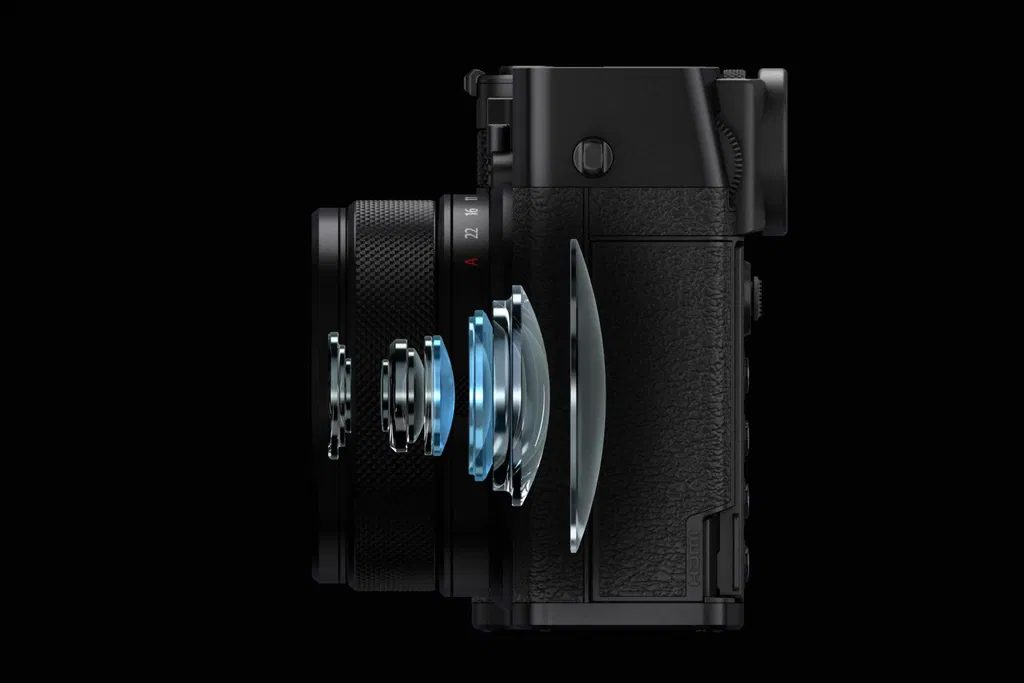
The integrated 35mm lens is a commendable optical performer, especially when its compact dimensions are taken into account. It delivers exceptional on-axis sharpness, which persists until the onset of appreciable blur due to diffraction, with only a modest and gradual falloff in sharpness towards the edges of the frame. A significant optical achievement is the virtual absence of field curvature, ensuring consistent sharpness across the image plane. While uncorrected files reveal noticeable barrel distortion, Fujifilm’s robust digital correction algorithms effectively neutralize this, leaving virtually no trace of distortion and incurring negligible loss in overall sharpness. Vignetting, though moderate in its uncorrected state, also vanishes once digital corrections are applied, resulting in uniformly illuminated images.
A standout feature is the quiet leaf shutter, which contributes significantly to the camera’s discreet appeal and offers inherent advantages for flash synchronization. However, the leaf shutter introduces a specific optical characteristic: bokeh artifacts begin to manifest at shutter speeds of 1/500 second and above. These become distinctly obvious at 1/4000 second, where out-of-focus highlights can take on a non-circular, somewhat polygonal appearance. Despite this, these artifacts are generally considered less objectionable than those produced by certain high-speed leaf shutters in competing medium-format lenses, such as Hasselblad’s XCD 38V and 90V, suggesting a more refined implementation in the GFX 100RF. The inherent design of the leaf shutter, acting somewhat like a diaphragm at higher speeds, can also subtly increase the effective depth of field, leading to a slightly different rendition of background blur than might be expected from a focal plane shutter at equivalent settings.

Sensor Performance and Autofocus Capabilities
The imaging heart of the GFX 100RF is the same highly regarded 100-megapixel sensor found in the Fujifilm GFX 100 II, complete with Fujifilm’s characteristic ISO 80 black-point subtraction. This ensures an image quality that is consistently excellent and familiar to anyone accustomed to the GFX 100 series, offering immense detail, broad dynamic range, and superb color rendition. While the reviewer primarily processes RAW files, Fujifilm’s acclaimed color science, which influences JPEG output, is a strong draw for many users. The autofocus system also mirrors that of the GFX 100 II, providing performance that is entirely adequate by current medium-format standards. It handles a variety of subjects with reasonable speed and accuracy, particularly in well-lit conditions. However, it does lag behind the blistering autofocus capabilities and sophisticated subject tracking found in contemporary full-frame mirrorless cameras, a trade-off often accepted in the medium-format realm for its superior image quality.
Flash Synchronization and Battery Longevity
The unique properties of the leaf shutter extend to flash photography, where it offers significant advantages in synchronization speeds compared to traditional focal plane shutters. While some users have reported difficulties syncing flash at exceptionally high shutter speeds, particularly with complex wireless trigger setups, testing with a basic hot shoe flash revealed generally consistent performance. A minor loss in light output was observed at the extreme shutter speed of 1/4000 second. This phenomenon is primarily attributable to the interplay between flash duration and shutter speed; for optimal results, the flash duration at the chosen power setting must be significantly shorter than the camera’s shutter speed. At full flash power, where flash durations tend to be longer, a noticeable reduction in light output at 1/4000 second is a predictable outcome.

An unexpected but welcome benefit of the GFX 100RF’s design is its improved battery life compared to other Fujifilm GFX models utilizing the same battery, specifically the GFX 100 II and GFX 100S II. This enhancement is surmised to stem from two key factors: the absence of power-hungry in-body image stabilization (IBIS) and the lower power demands of the leaf shutter mechanism in the GFX 100RF’s fixed lens, as opposed to the more energy-intensive focal plane shutters found in its interchangeable-lens siblings. This extended endurance makes the GFX 100RF a more practical choice for extended shooting sessions or travel, where charging opportunities may be limited.
Broader Market Context and Competitive Landscape
The GFX 100RF emerges as a highly specialized, purposeful tool tailored for demanding medium-format photographic applications, particularly appealing as a travel companion due to its relative portability. While the Fujifilm user interface is often described as idiosyncratic, its unique approach resonates strongly with certain photographers, including this reviewer. However, one specific feature, the crop control, is noted as a usability concern. Its excessive size and lack of a locking mechanism make it prone to accidental adjustments. Furthermore, the integration of the camera’s metering system with the EVF crop display is somewhat unconventional, as the recommended exposure can fluctuate based on the chosen crop borders, potentially leading to inconsistent readings.
A critical consideration for prospective buyers lies in understanding the camera’s fixed 35mm lens, which provides a field of view roughly equivalent to a 28mm lens on a full-frame sensor. If a photographer’s primary desire is the "look" of a 35mm lens on full-frame, utilizing the GFX 100RF would necessitate cropping the 100-megapixel sensor, effectively reducing the output resolution to approximately 60 megapixels. In such scenarios, other premium fixed-lens cameras, such as the Leica Q3 or the Sony RX1R III, become compelling alternatives.
A comparative analysis reveals nuanced differences:
- Weight: The GFX 100RF is approximately on par with the Leica Q3 in terms of weight, while the Sony RX1R III is notably more compact and lighter.
- Price: The Fujifilm GFX 100RF and Sony RX1R III typically occupy similar price points, with the Leica Q3 commanding a somewhat higher premium.
- Image Stabilization: Among these three high-end fixed-lens options, only the Leica Q3 incorporates IBIS, rendering it a potentially superior choice for handheld shooting in challenging low-light conditions.
While high-resolution cameras without IBIS have historically been a norm and entirely functional, the inclusion of IBIS is undeniably a significant advantage in many contemporary shooting situations. For photographers frequently working in dimly lit environments or requiring maximum stability for handheld shots, the Q3’s IBIS could be a decisive factor.
Fujifilm has actively promoted the cropping capabilities of the GFX 100RF’s sensor, highlighting its ability to yield high-resolution images even after significant cropping. It is true that a 100-megapixel sensor offers greater flexibility for aggressive cropping than a 60-megapixel sensor with a comparable pixel pitch. The GFX 100RF can indeed provide a more detailed cropped image at the same angle of view than, for instance, a Leica Q2. However, when comparing the cropped image quality at specific full-frame equivalent angles of view (e.g., between 28mm and 35mm), the GFX 100RF offers comparable results to the Sony RX1R III. This suggests that the "win" for the GFX 100RF in cropping versatility is most pronounced when seeking to achieve a focal length equivalent between a 28mm and a 35mm full-frame lens, leveraging its larger sensor to retain more detail in the cropped output. Beyond this specific range, the advantages become less distinct when compared to other high-resolution full-frame fixed-lens cameras.
Concluding Thoughts on a Specialized Instrument
The Fujifilm GFX 100RF is a camera meticulously crafted for a specific photographic vision: uncompromising medium-format image quality delivered in an exceptionally portable, rangefinder-inspired form factor. Its strengths lie in its phenomenal 100-megapixel sensor, the optically strong fixed 35mm lens, and its unique ergonomic approach. While it presents certain compromises, such as the absence of IBIS and a very fast lens, these are deliberate choices aimed at achieving its core design objective of miniaturization. For the discerning professional or enthusiast who values ultimate resolution and a wide, medium-format perspective in a travel-friendly package, and who is comfortable working with RAW files and managing digital corrections, the GFX 100RF stands as an unparalleled option. However, for those whose creative workflow might benefit from a different native focal length, such as a 45mm or 50mm equivalent, or who heavily rely on IBIS for handheld stability, the existing market offers compelling, albeit different, alternatives. The GFX 100RF is not a camera for everyone, but for its intended audience, it is a remarkably potent and purpose-built photographic instrument.