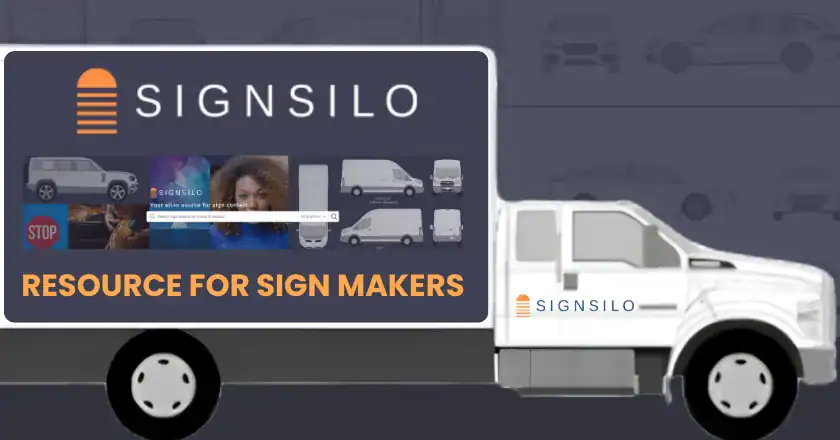
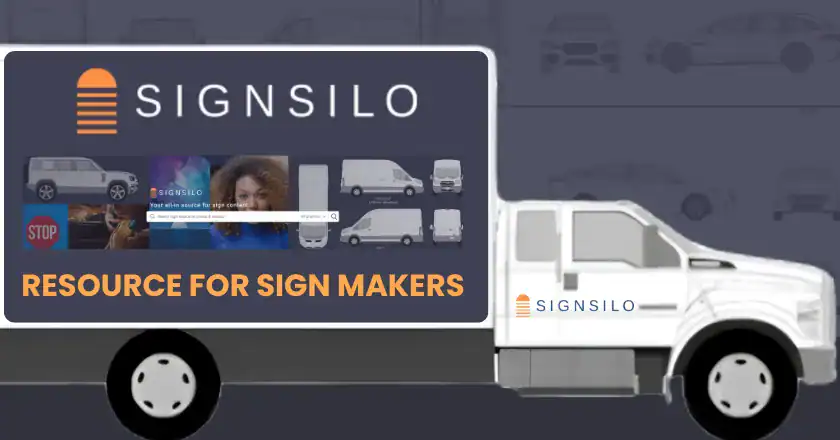
The global vehicle wrap market, valued at approximately $5.8 billion in 2023, is experiencing a period of rapid technological transformation and unprecedented demand. For sign shops, vehicle wrap professionals, and fleet branding agencies, the pressure to deliver high-quality, precise, and creative designs on increasingly tight deadlines has never been greater. In this competitive landscape, SignSilo has emerged as a pivotal centralized resource, providing a comprehensive ecosystem of digital assets ranging from high-precision vehicle templates to premium typography and high-resolution imagery. By consolidating these disparate needs into a single, professional-grade platform, SignSilo is addressing the critical industry need for operational efficiency and design accuracy.
The Evolution of the Vehicle Graphics Industry: A Brief Chronology
To understand the significance of a platform like SignSilo, one must look at the evolution of vehicle branding. Historically, vehicle graphics were limited to hand-painted lettering and basic vinyl decals. The industry has undergone several distinct phases of development:
- The Hand-Lettering Era (Pre-1980s): Signs were painted directly onto vehicle panels. This was time-consuming, permanent, and required artisan skills that were difficult to scale.
- The Vinyl Plotter Revolution (1980s – 1990s): The introduction of computer-aided design (CAD) and vinyl cutting machines allowed for more consistent lettering and logos. However, designs were still largely restricted to solid colors and simple shapes.
- The Digital Print Explosion (2000s): Large-format inkjet printers capable of printing on conformable vinyl changed the industry overnight. Full-color photographic wraps became possible, turning every vehicle into a mobile billboard.
- The Precision and Efficiency Era (2010s – Present): As the complexity of vehicle contours increased—with modern vans and cars featuring aerodynamic curves and recessed channels—the need for millimeter-perfect digital templates became paramount. This is where the industry currently stands, and where SignSilo focuses its primary utility.
Addressing the High Cost of Design Error
In the vehicle wrap industry, the "cost of error" is exceptionally high. A design that is misaligned by even an inch can result in a wasted roll of premium vinyl, which can cost hundreds of dollars, not to mention the labor hours lost in stripping and re-applying the material. SignSilo’s library of professional vehicle templates is designed specifically to mitigate this risk.
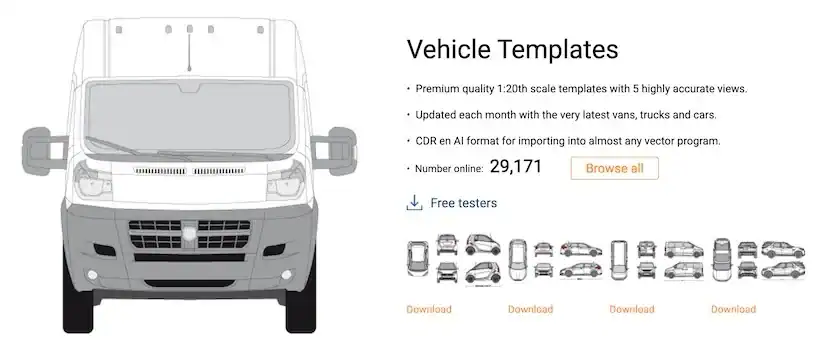
Unlike generic vector outlines, SignSilo’s templates are built with the specific needs of the installer in mind. These templates provide multiple views—front, back, left, right, and roof—ensuring that branding remains consistent across all facets of the vehicle. For a fleet branding company managing 50 or 100 identical vans, the ability to create a master design on a reliable template ensures that every vehicle in the fleet looks identical, a core requirement for corporate identity standards.
A Comprehensive Digital Asset Ecosystem
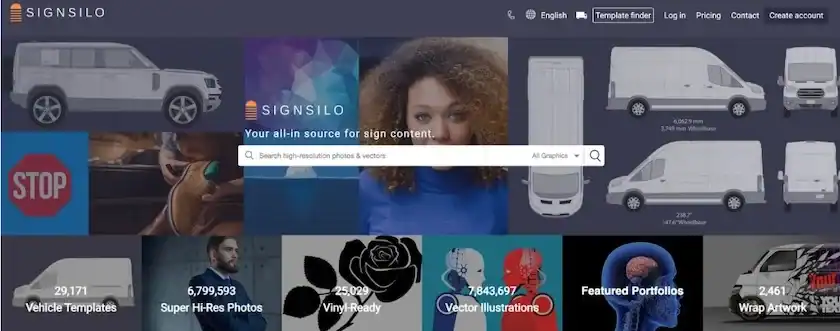
SignSilo does not function merely as a template repository; it is a full-service design library. The platform’s architecture is built around four pillars of digital assets that are essential for the modern sign shop:

1. Precision Vehicle Templates
The core of the service is a database covering thousands of makes and models, including passenger cars, commercial vans, heavy-duty trucks, buses, and trailers. As manufacturers release new models annually, SignSilo updates its library, ensuring that designers have access to the latest dimensions before the physical vehicle even arrives at the shop for installation.
2. Ready-to-Use Wrap Designs
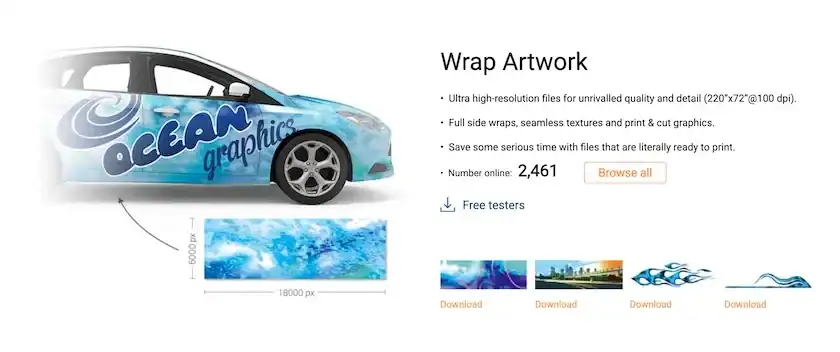
For many smaller sign shops, the design phase is a bottleneck. SignSilo offers a curated collection of wrap "concepts"—pre-designed layouts that can be scaled and customized. This allows a shop to present professional-grade mockups to a client within minutes, significantly shortening the sales cycle. These designs serve as a foundational layer upon which specific client logos and contact information can be overlaid.
3. Premium Typography for Readability
Typography on a moving vehicle presents unique challenges. A font must be legible from a distance and at high speeds. SignSilo provides a selection of professional fonts that are optimized for signage. This removes the guesswork for designers, ensuring that the "call to action" on a vehicle wrap—such as a phone number or website—is clear and effective.

4. High-Resolution Photography and Vectors
To complement the wrap designs, the platform includes a vast library of high-resolution stock photography and vector graphics. These assets are essential for creating the "lifestyle" elements of a commercial wrap, such as a plumbing company wanting high-quality images of modern fixtures or a catering company requiring appetizing food photography.
Data-Driven Analysis of Operational Efficiency
Industry data suggests that the average vehicle wrap designer spends between 15% and 25% of their total project time simply sourcing and preparing assets. By using a centralized platform like SignSilo, shops can reduce this "search and prep" time by an estimated 60%.
For a mid-sized sign shop billing $100 per hour for design services, saving three hours of search time per week equates to over $15,000 in annual found productivity. Furthermore, the subscription-based model offered by SignSilo provides a predictable overhead cost compared to the "pay-per-asset" model, which can lead to erratic project expenses.
Market Positioning and Pricing Structure
SignSilo has positioned itself as a democratizing force in the industry, offering a tiered pricing structure that accommodates both freelance designers and large-scale print houses.
- Vehicle Only ($19/month): Aimed at specialized wrap shops that already have their own stock photo subscriptions but need the technical precision of vehicle outlines.
- Images Only ($33/month): Targeted at content creators and web designers who require high-quality automotive and industrial imagery but do not perform physical installations.
- Full Membership ($39/month): The most popular tier, providing an all-access pass to the entire ecosystem. This tier is designed to be the "operating system" for a professional sign shop’s design department.
Industry Reactions and Expert Analysis
Analysts in the print and graphics sector note that the "one-stop-shop" model is becoming the standard for professional services. "The fragmentation of digital assets was a major pain point for the sign industry for decades," says a leading industry consultant. "Platforms like SignSilo are not just providing files; they are providing a workflow solution. By reducing the number of tabs a designer has to have open, they are reducing the cognitive load and the margin for error."
Furthermore, from a sustainability perspective, the use of accurate templates contributes to a reduction in material waste. As the graphics industry faces increasing pressure to adopt "green" practices, the ability to "measure twice and cut once" in a digital environment is a significant environmental benefit.
Broader Impact on Small Businesses
The accessibility of these high-end tools has a profound impact on small, independent sign shops. Previously, the ability to produce complex, photographic-quality fleet designs was reserved for large agencies with massive internal libraries. SignSilo levels the playing field, allowing a "mom-and-pop" shop in a small town to offer the same level of design sophistication as a national firm. This supports local entrepreneurship and ensures that small business owners have access to high-quality mobile advertising, which remains one of the most cost-effective marketing channels available today.
Future Outlook: Digital Integration and Expansion
As the vehicle wrap industry moves toward more integrated digital workflows, including 3D rendering and augmented reality (AR) previews for clients, the role of high-quality base templates will only grow. SignSilo’s commitment to continuous library expansion suggests it is prepared for the next generation of vehicle designs, including the unique body styles of emerging electric vehicle (EV) fleets.
The integration of AI in design—as noted in the creation of supplemental imagery for the platform—indicates a forward-thinking approach to asset generation. As AI becomes a more prominent tool in the graphic designer’s kit, having a reliable, human-verified "source of truth" for vehicle dimensions will remain the essential anchor for any professional project.
In conclusion, SignSilo represents a critical infrastructure for the vehicle graphics industry. By combining technical precision with creative breadth and an affordable pricing model, it addresses the fundamental challenges of modern sign making: accuracy, efficiency, and professional quality. For professionals looking to scale their operations and deliver superior results to their clients, SignSilo is no longer just an option; it is an essential resource for staying competitive in a rapidly evolving market.