The intersection of historical exploration and technological nostalgia has found a unique expression in the contemporary travel landscape of East Asia, as demonstrated by the recent three-week expedition of photographer and documentarian David Hume. Currently traversing the South Korean peninsula, Hume’s journey highlights a growing trend among international travelers who are eschewing modern, AI-integrated smartphone optics in favor of legacy digital and analog equipment. This movement, often referred to as "slow photography," seeks to re-establish a tactile and deliberate connection with the environment, particularly in regions where the weight of history remains a visible and palpable presence.
The Architecture of the Modern Cycle Tour
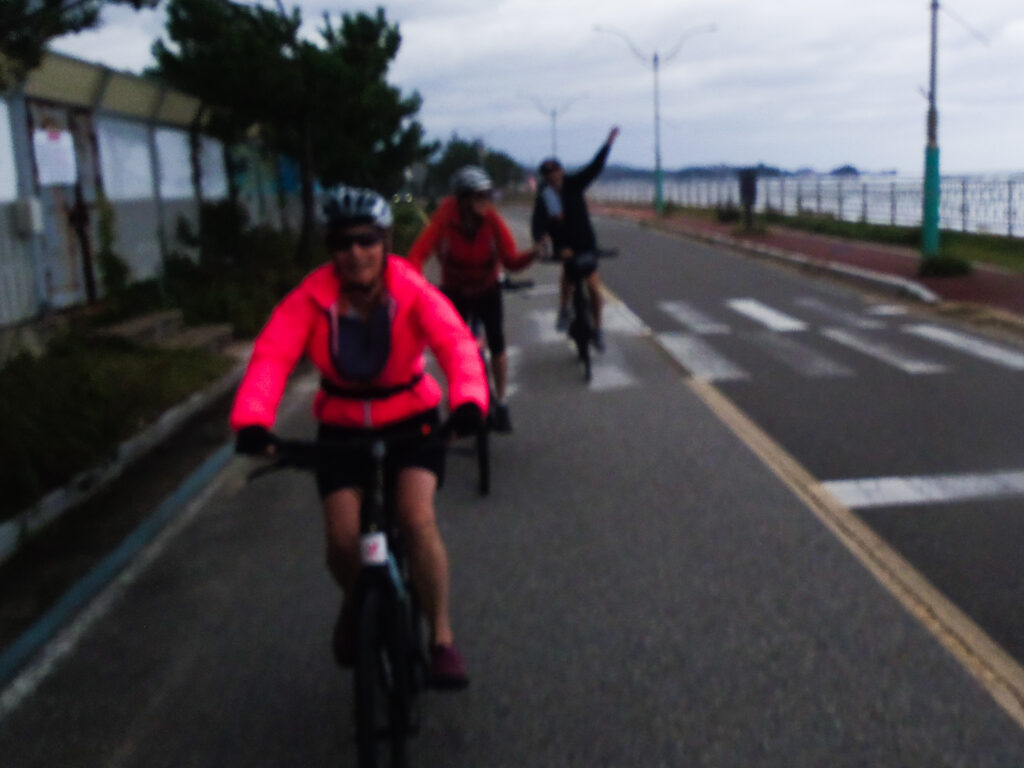
The expedition, which commenced in early October 2026, is structured as a hybrid logistical model described by participants as "sightseeing on a bike." Unlike traditional long-distance cycle touring, which prioritizes the physical endurance of riding between major hubs, this organized tour utilizes South Korea’s highly developed intermodal transportation network. Travelers utilize the nation’s high-speed rail (KTX) and extensive bus systems to transit between provinces, focusing their cycling efforts on 40-kilometer daily segments designed to maximize cultural immersion.
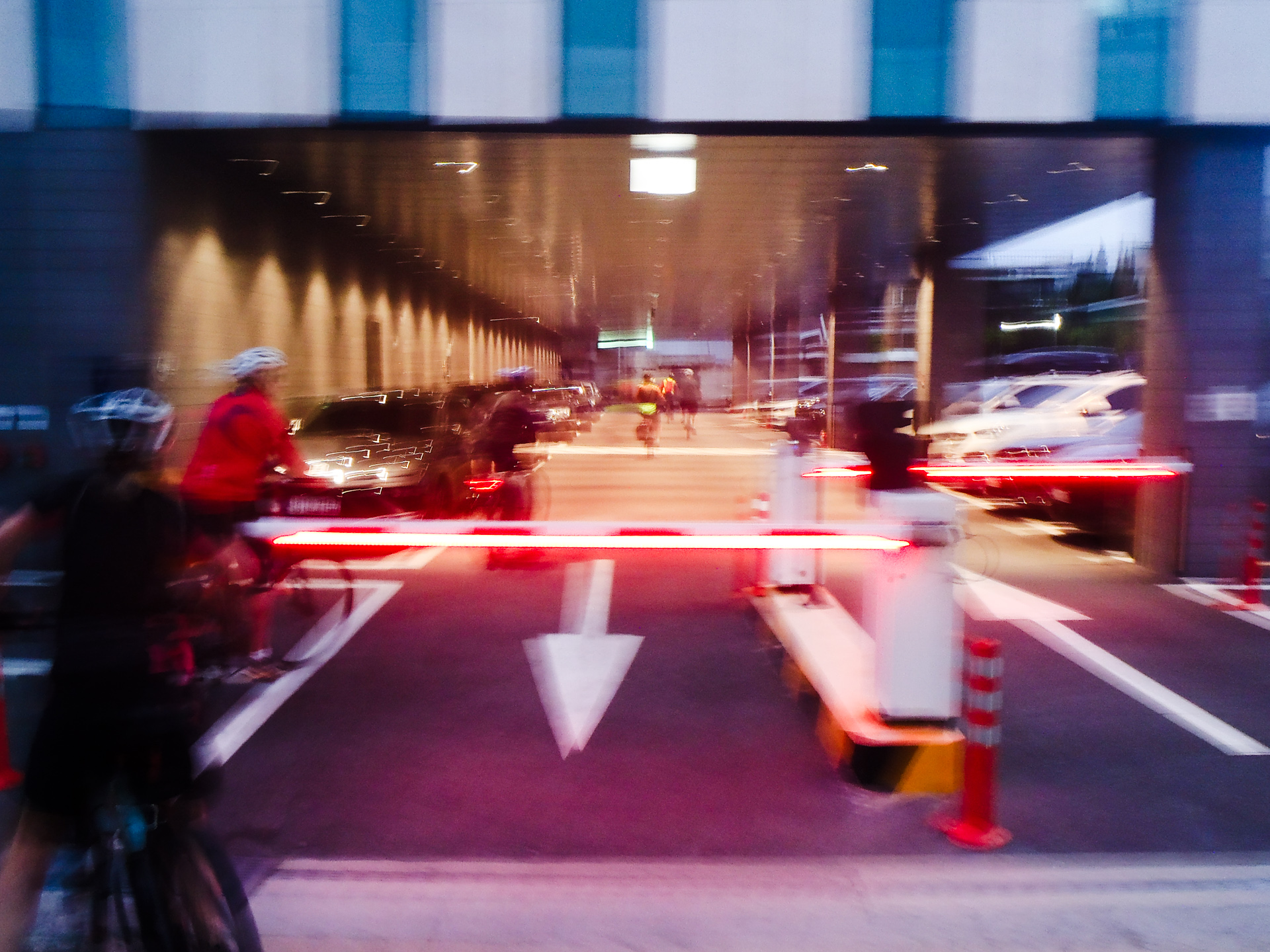
This model reflects a broader shift in South Korean tourism infrastructure. The government has invested heavily in the "Four Rivers" bike path system, a network of thousands of kilometers of dedicated cycling trails that connect Seoul to Busan and other regional centers. For travelers like Hume, these paths offer a vantage point that is inaccessible via high-speed transit, allowing for a granular observation of the South Korean countryside, its agricultural heartlands, and the architectural evolution of its provincial towns.
Geopolitical Proximity and Historical Consciousness
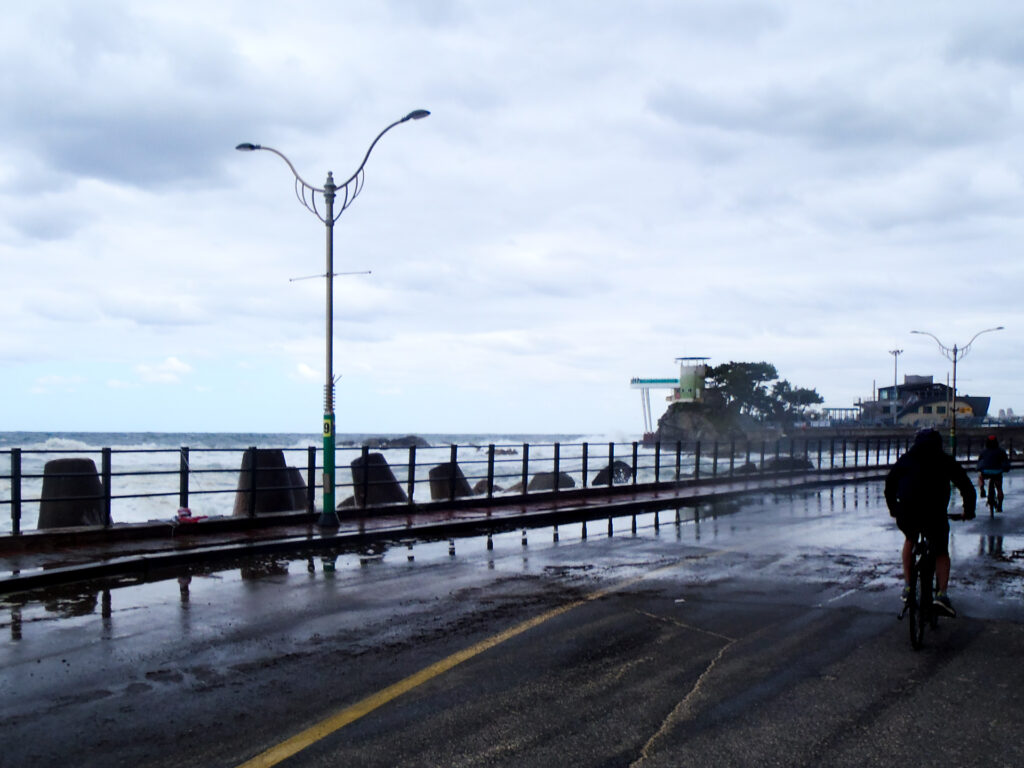
A central theme of the expedition is the confrontation with South Korea’s complex geopolitical positioning. Hume noted that the physical proximity of the Democratic People’s Republic of Korea (DPRK), China, Japan, and Russia creates a unique atmospheric tension that informs the visitor’s experience. In the South Korean context, the Korean War (1950-1953) is not merely a chapter in a textbook but a lived reality manifested in the landscape through fortified coastal lines, military checkpoints, and the presence of the Demilitarized Zone (DMZ).
The "temporal and spatial proximity" of the conflict remains highly conspicuous. As tourists move through the northern provinces, the visibility of anti-tank barriers and guard towers serves as a reminder of the unresolved nature of the conflict. This historical weight has prompted many modern travelers to seek out more "authentic" methods of documentation—methods that do not automatically "beautify" or "sanitize" the imagery through the aggressive post-processing algorithms found in 2026-era smartphones.
Technical Analysis: The Olympus TG-310 and the 2011 Digital Era
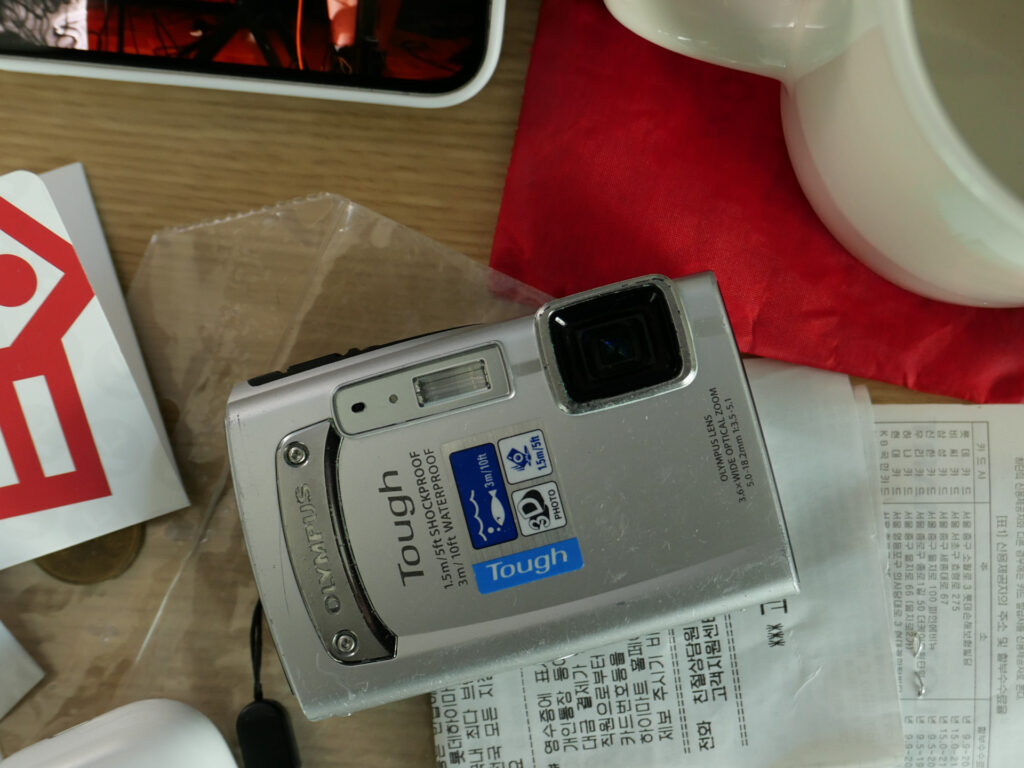
In a deliberate departure from the high-fidelity standards of modern mobile photography, Hume opted to document the first leg of his journey using an Olympus TG-310. Released in 2011, this 14-megapixel compact camera was originally marketed as a "tough" or waterproof device for active outdoor use. By 2026 standards, the TG-310 is a relic of the early digital age, featuring a small sensor and limited dynamic range compared to the multi-lens, LiDAR-equipped smartphones currently dominating the market.
The choice of the TG-310 highlights a critical dialogue within the photography community regarding the "perfection" of modern imagery. Modern smartphones utilize computational photography to merge multiple exposures, reduce noise, and artificially enhance colors, often resulting in an image that is technically flawless but lacks the "soul" or specific character of the moment. Hume’s use of the Olympus, often operated one-handed while cycling, was an attempt to capture a more personal, unvarnished memento of the experience.
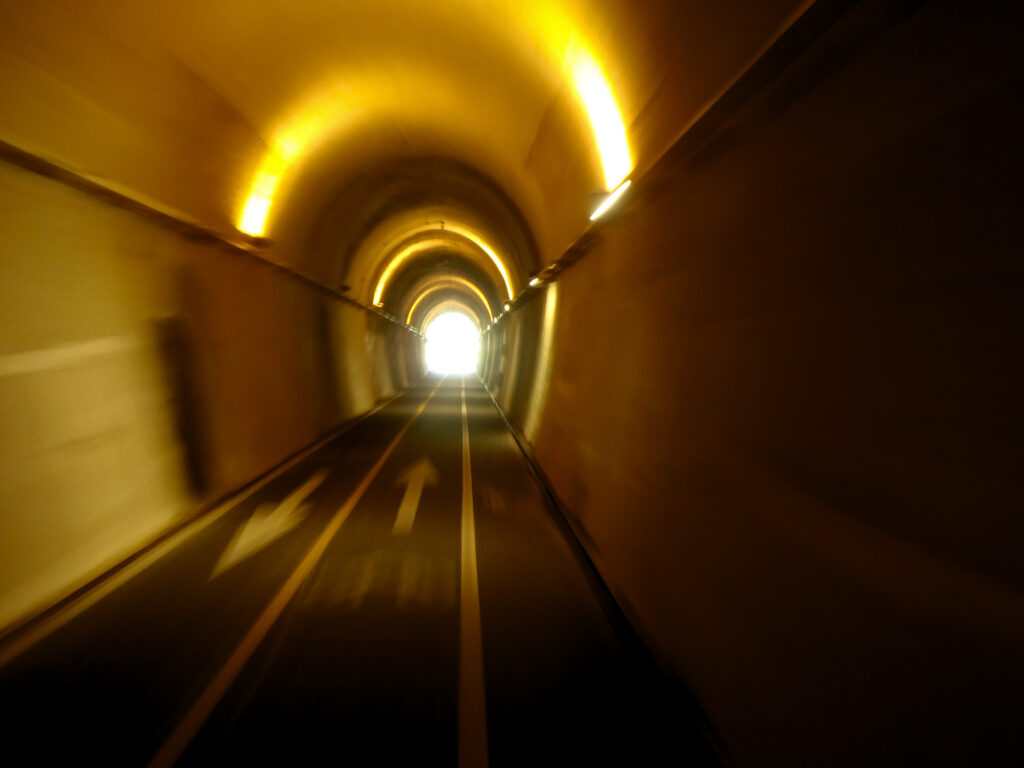
Technically, the 2011-era sensors, such as the one found in the TG-310, struggle with high-contrast environments—a limitation Hume acknowledged when discussing the need to "tweak the curves" in post-production. However, this limitation is exactly what attracts a new generation of "digicam" enthusiasts. The aesthetic of the early 2010s, characterized by a certain "flatness" and a specific grain structure, provides a sense of nostalgia that modern devices, with their clinical precision, cannot replicate.
Chronology of Digital Imaging Evolution (2011–2026)
To understand the significance of using a 2011 camera in 2026, it is necessary to examine the rapid trajectory of imaging technology over the past fifteen years:
- 2011: The release of the Olympus TG-310. At this time, the iPhone 4S was the state-of-the-art in mobile photography, featuring an 8MP camera. Standalone "point-and-shoot" cameras were still standard for holiday travel.
- 2015-2018: The rise of computational photography. Manufacturers began using software to compensate for the small size of smartphone sensors, leading to the gradual decline of the budget compact camera market.
- 2020-2023: The "Digicam Trend" emerges. Gen Z and millennial travelers begin purchasing second-hand cameras from the 2000s and 2010s, driving up prices on secondary markets for brands like Olympus, Canon (PowerShot), and Sony (Cyber-shot).
- 2024-2026: Integration of Generative AI. By 2026, most flagship smartphones do not just capture light; they reconstruct scenes using AI, sometimes adding details that were not present in the original frame. This has led to a counter-movement favoring "honest" sensors like those found in the TG-310.
The Analog Resurgence: Nikonos III and the Seoul Film Market
As the expedition moves into its second and third weeks, the focus has shifted from early digital to pure analog. Hume’s acquisition of Kodak Colorplus 200 from a Seoul department store underscores the persistent, though fragile, availability of film in South Korea. Seoul remains one of the few global metropolitan areas where a robust film culture survives, supported by a network of independent labs in districts like Chungmuro, historically known as the center of the Korean film industry.
The use of a Nikonos III—a legendary amphibious 35mm film camera originally designed for divers—represents the pinnacle of this "retro" approach. Unlike digital cameras, which offer instant gratification, the Nikonos III requires a disciplined understanding of exposure and manual focus. The scarcity of film stock in 2026, where a two-roll find in a department store is considered a significant "catch," adds an element of stakes to the photographic process that is absent in the infinite storage capacity of digital devices.
Market Trends and Sociological Implications
The behavior observed in Hume’s South Korean journey is reflective of broader market data. According to 2025 industry reports, the secondary market for vintage digital cameras has grown by 40% annually over the last three years. This is not merely a fashion statement but a reaction to the "homogenization" of social media imagery. When every traveler uses the same AI-enhanced smartphone, every sunset in Jeju or temple in Gyeongju begins to look identical.
Industry analysts suggest that the "imperfections" of older cameras—lens flares, chromatic aberration, and limited low-light performance—are now being reclassified as "artistic characteristics." This shift has significant implications for the tourism industry, as destinations may begin to market themselves not just for their "Instagrammable" spots, but for their suitability for diverse forms of creative documentation.
Broader Impact on Travel Documentation
The implications of Hume’s choice extend beyond personal preference; they challenge the definition of a "successful" travel photograph. In his own assessment, Hume noted that while his iPhone would have provided higher technical quality, the Olympus offered a more "personal" memento. This distinction between "technical quality" and "personal resonance" is becoming a focal point in the debate over the role of technology in human memory.
As South Korea continues to position itself as a global leader in both technological innovation and cultural exports (the "Hallyu" wave), it provides the perfect backdrop for this exploration of old versus new. The juxtaposition of high-speed transit and ancient temples, or AI-driven cities and 15-year-old cameras, creates a narrative of a society that is moving rapidly into the future while remains deeply anchored in its past.
The final stages of Hume’s journey will involve the manual processing of his 35mm film in Seoul, a process that acts as a bridge between the digital present and the analog history of the medium. As he continues his trip, the photographic community remains attentive to the results, seeking to understand if the limitations of the past can indeed provide a clearer window into the reality of the present. The journey serves as a reminder that in an era of total digital recall, the most meaningful images may be the ones that require the most effort to create and the most patience to reveal.