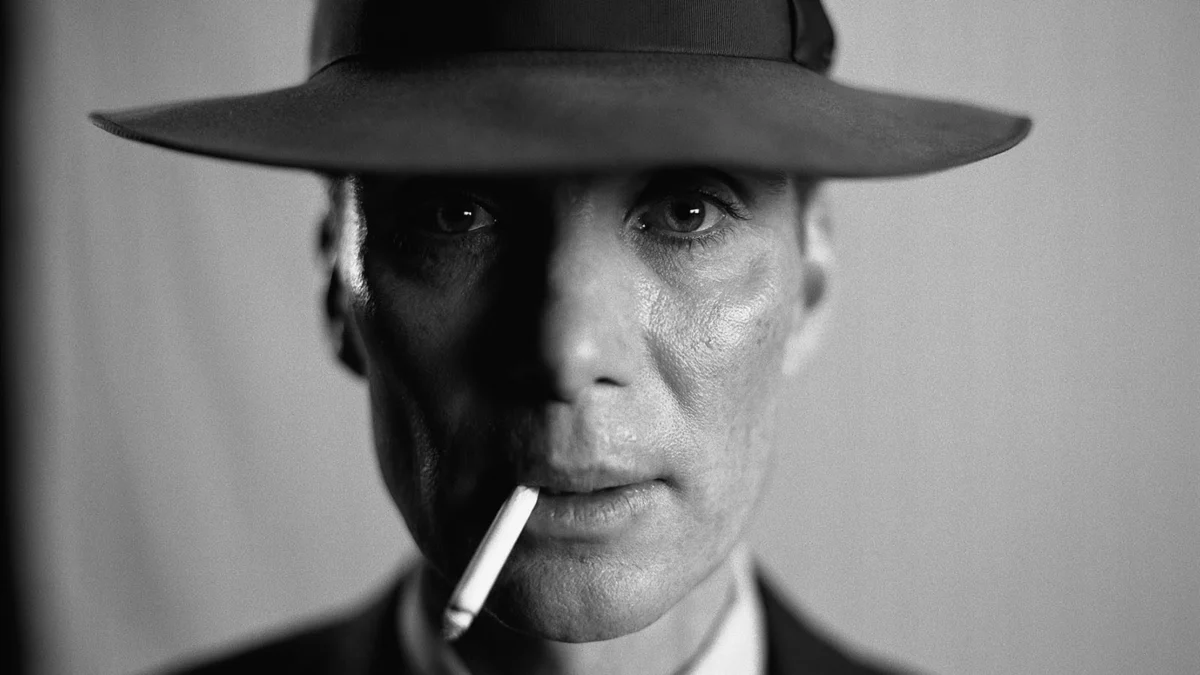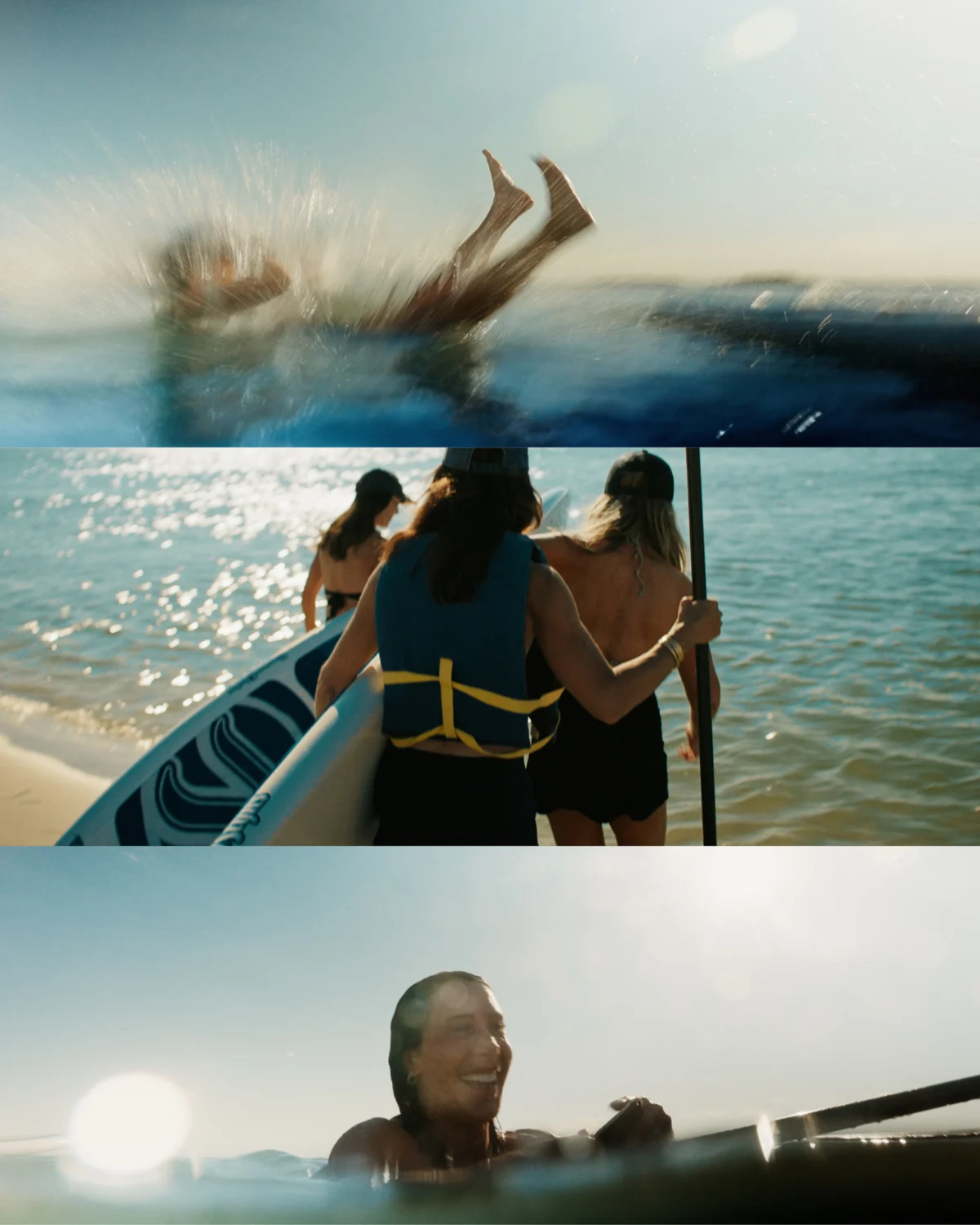
Denver-based commercial director Jill Coats has emerged as a vanguard in the evolving landscape of advertising, championing a philosophy where a great advertisement transcends its commercial purpose to become a genuine cinematic experience. For Coats, the founder of One Forty Films, the past decade has seen her journey from a solitary creator with a childhood camcorder to the helm of large-scale production crews, meticulously crafting what she aptly describes as “short films disguised as ads.” Her distinctive approach, deeply rooted in nostalgia, authentic human connection, and raw emotion, strategically bypasses conventional brand messaging to forge narratives that resonate profoundly and genuinely with audiences.
The Evolution of a Vision: From Solo Creator to Collaborative Director
Coats’ unique trajectory began, like many filmmakers, with an innate passion ignited by rudimentary equipment. Her early days as a "one-woman-band" videographer were characterized by an intimate, instinctual creative process. In this self-reliant mode, the images, emotional cadences, pacing, and overall aesthetic of a project existed with crystalline clarity within her mind, allowing for immediate and unmediated execution. This direct conduit from internal vision to tangible output defined her formative years, fostering a deep understanding of visual storytelling.

However, the transition from this nimble, singular operation to directing expansive commercial production crews presented a significant paradigm shift. This scaling of her business was not merely a logistical undertaking; it represented a fundamental re-calibration of her creative methodology. The most formidable challenge, Coats explains, was not the intricacies of managing complex logistics, but rather the crucial, often difficult, process of relinquishing direct physical control of the camera and, more critically, learning to articulate her vivid internal worlds into a shared, comprehensible language for her team. This challenge is a common hurdle for many creative entrepreneurs as their ventures grow, requiring a shift from personal execution to empowering collective talent. Industry statistics from the American Film Institute indicate that the average commercial production crew can range from 20 to over 100 individuals, each specializing in distinct roles from cinematography to production design, underscoring the necessity of clear, unified communication.
“When you’re working alone, the images, emotions, pacing, and overall feel already exist so clearly in your head that you can simply execute them instinctively,” Coats reflects. “But when a team becomes involved, you have to translate something deeply internal into language that other people can fully understand and bring to life.” This necessity forced Coats to develop an incredibly intentional and rigorous pre-production process. She began to rely heavily on curated reference images, detailed mood boards, and the development of a precise vocabulary to articulate nuanced elements such as tone, movement, texture, and emotional resonance to her cinematographers, production designers, and various department heads. This meticulous preparation ensures that every member of her crew is aligned with the overarching vision, transforming subjective artistic intent into objective actionable directives.
Crucially, Coats also discovered the profound secret to effectively directing a large-scale crew: the strategic empowerment that comes from hiring individuals who possess expertise and talent superior to her own in their specific domains. This philosophy, rooted in trust and intelligent delegation, has become a cornerstone of her directorial success. "When I know the people around me are incredibly talented, it becomes much easier to let go of control and allow them to elevate the vision beyond what I could have achieved on my own," she states. This collaborative ethos not only fosters a highly productive work environment but also invariably enriches the final product, allowing for diverse perspectives and specialized skills to converge on a unified creative goal.
The Art of Emotional Language: How Glass Shapes Storytelling
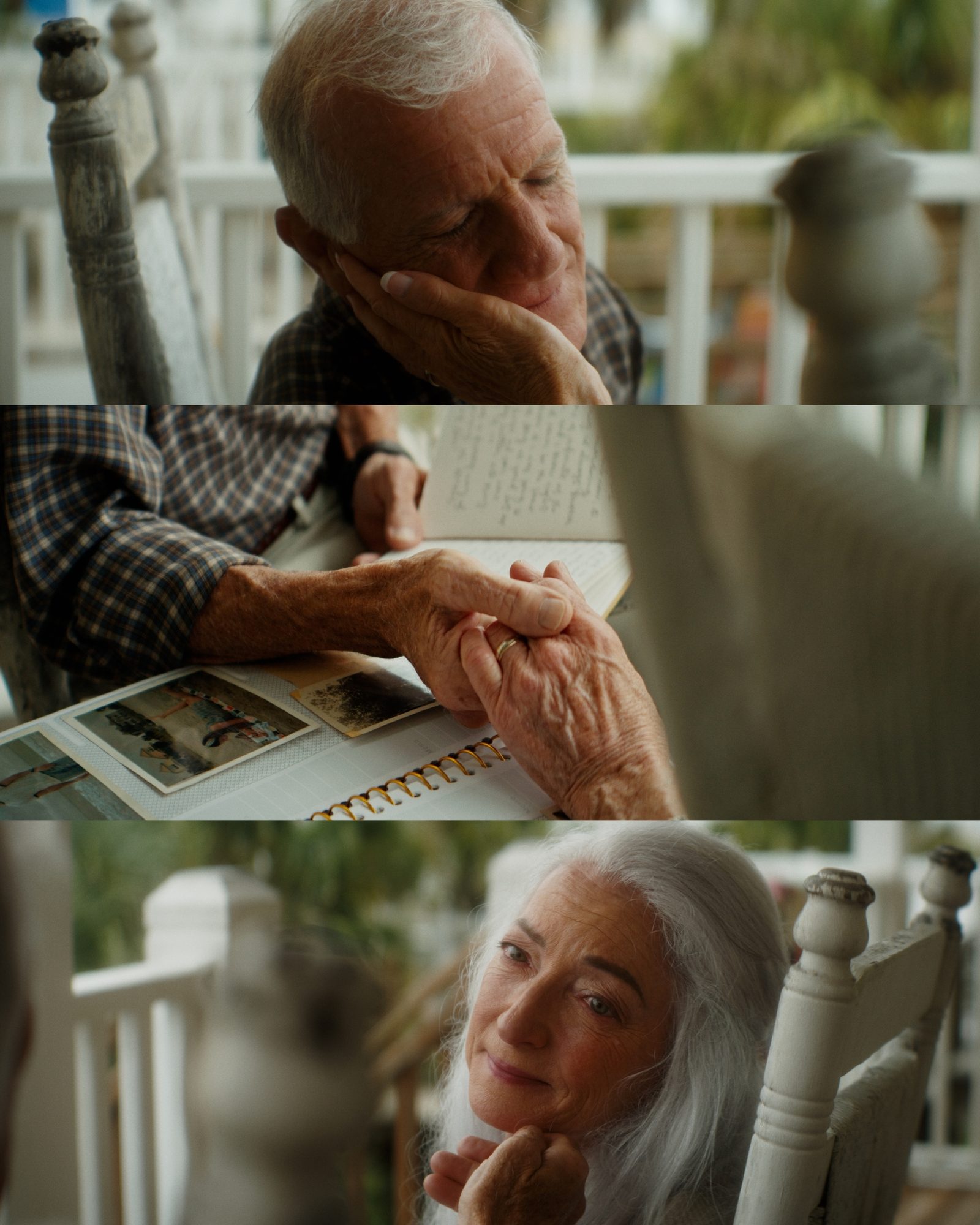
This collaborative philosophy extends centrally to one of the most critical stages of pre-production: the selection of visual tools. Instead of adapting a script to fit pre-existing equipment or a limited gear closet, Coats approaches the technical setup as a blank canvas, meticulously tailored to the precise emotional needs of the story at hand. This bespoke approach to gear selection is a hallmark of her distinctive filmmaking style, underscoring her belief that equipment is not merely a means to capture images, but an integral component in shaping the narrative’s emotional language.
“I’ve realized just how much glass can shape emotion, and every project calls for something different,” Coats explains. This statement highlights a nuanced understanding of cinematography often overlooked in mainstream commercial production. Different lenses possess unique optical characteristics—varying textures, subtle imperfections, specific rendering of light, and distinct bokeh patterns—that profoundly influence the subjective feel of an image. These subtle choices, she argues, can radically transform the emotional language of a film, dictating whether a scene feels intimate or expansive, raw or polished, nostalgic or contemporary. For example, vintage lenses often introduce flares and softer focus, evoking a dreamlike or historical feel, while modern, sharp lenses might convey precision and clinical clarity. The choice of anamorphic lenses can create a widescreen, cinematic sweep, while spherical lenses offer a more naturalistic perspective.
This intentionality in gear selection is a critical differentiator for One Forty Films. In an era where technological advancements often push for absolute sharpness and clinical perfection, Coats consciously leverages the imperfections and unique characteristics of specific lenses and filters to evoke deeper emotional responses. This is a deliberate counterpoint to the prevailing trend, positioning her work firmly within the realm of artistic expression rather than purely technical capture.
Case Study: "Remember How to Play" – Crafting Nostalgia Through Optics
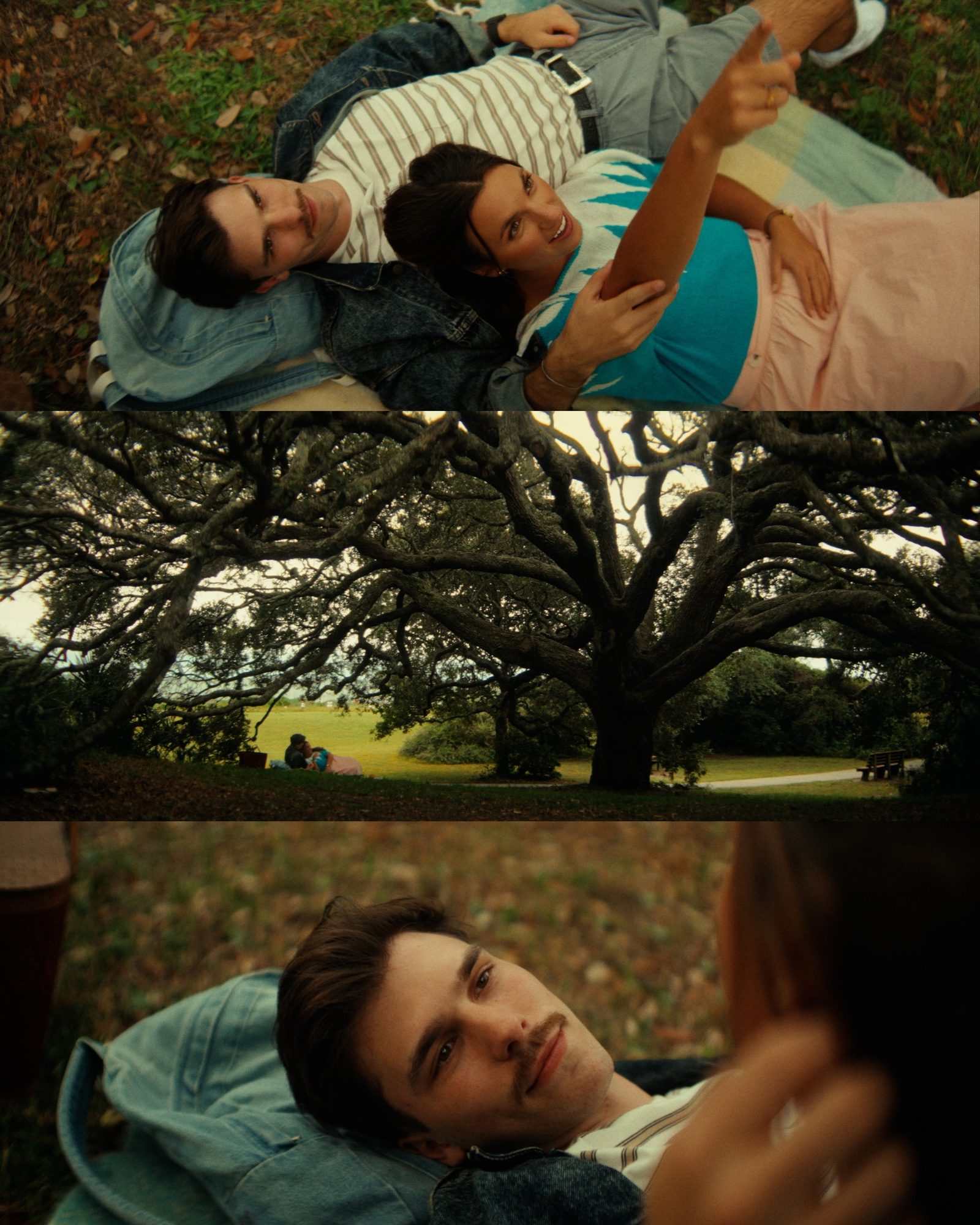
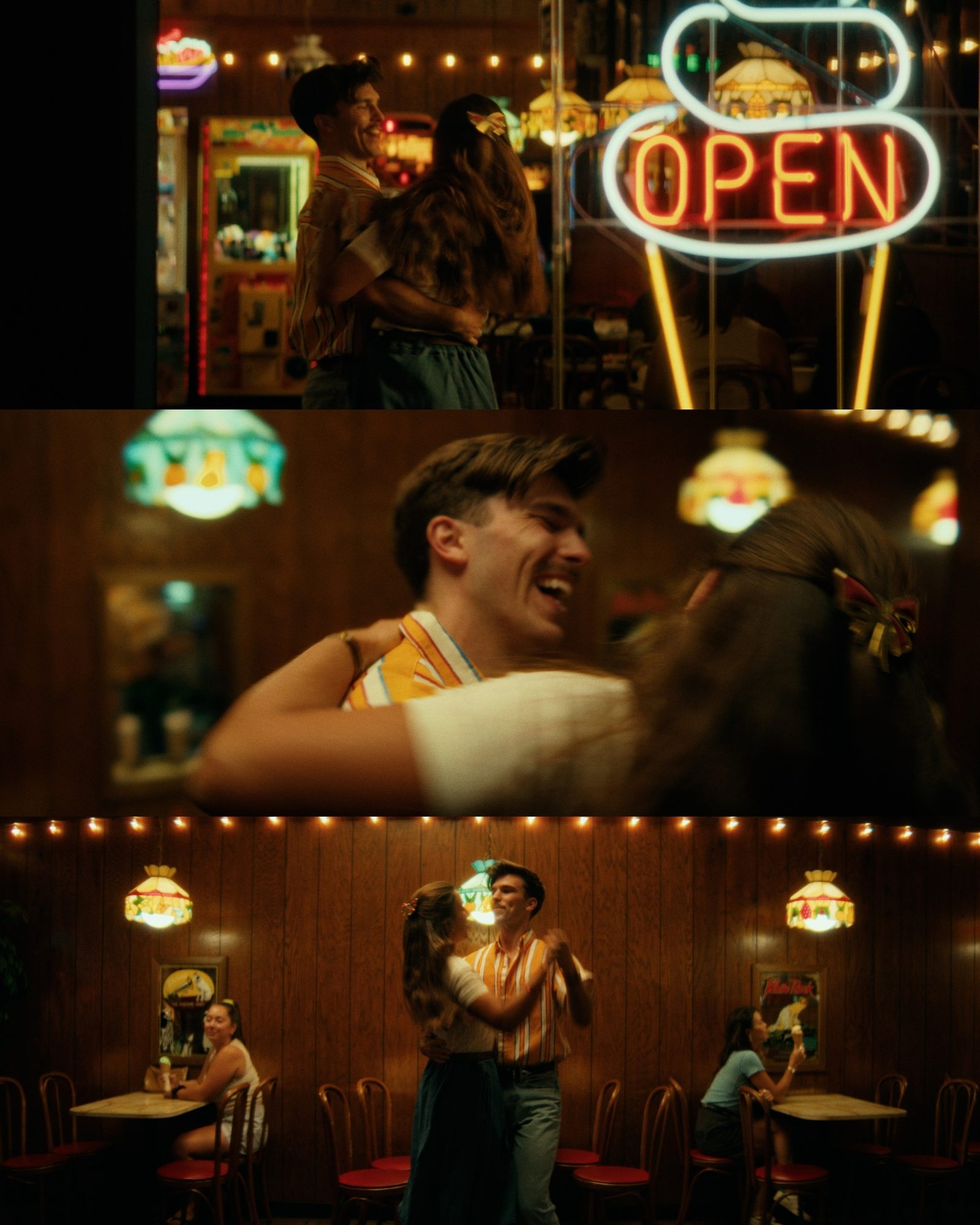
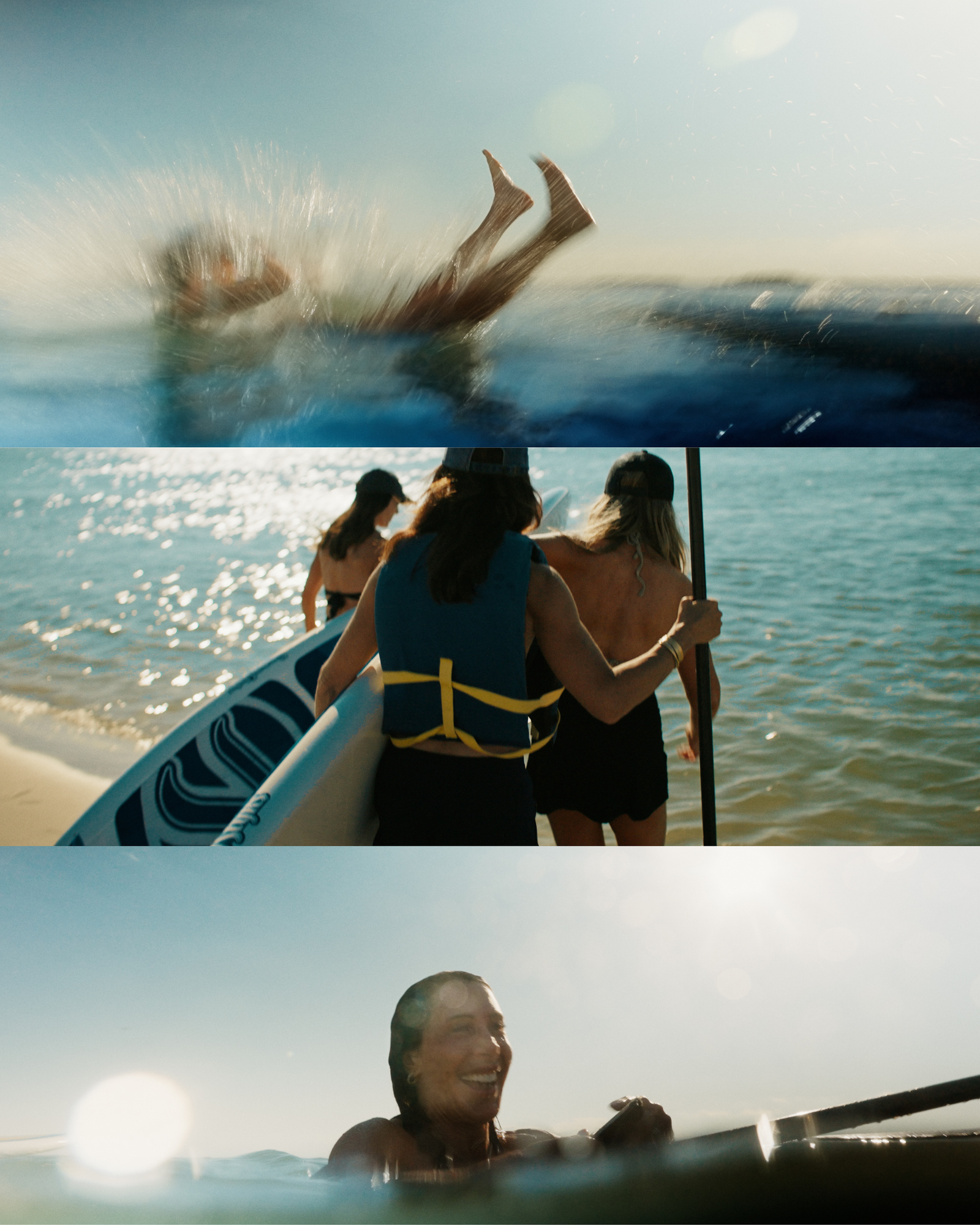
A prime example of Coats’ meticulous execution of this philosophy is evident in "Remember How to Play," a branded film commissioned to capture the essence of friends rediscovering their childhood freedom on a bicycle trip. From the outset, Coats knew that the visual language for this project needed to transcend the clinically perfect or overly polished aesthetic often associated with commercial work. Her vision demanded visuals that felt warm, fleeting, and deeply nostalgic—a visual echo of cherished memories rather than a pristine digital capture.
To achieve this specific emotional texture, Coats collaborated closely with her talented cinematographer, Josh Bernales. Together, they made a deliberate choice to rent a set of DZO Vespid lenses, paired strategically with Pearlescent and Black Pro-Mist filters from Lensrentals.com. This combination was not arbitrary but a calculated decision rooted in an understanding of how these specific optical tools would collectively contribute to the desired aesthetic.
The DZO Vespid lenses were chosen for their distinct optical qualities. Unlike the ultra-sharp, high-contrast modern commercial glass that often prioritizes technical precision, Vespids are known for their softer, more organic rendering. They offer a slightly less clinical image, introducing subtle imperfections and a gentler fall-off into bokeh that inherently lends itself to a more filmic, less digital feel. This choice alone began to infuse the footage with a timeless quality, reminiscent of classic cinema rather than contemporary advertising.
The addition of Pearlescent and Black Pro-Mist filters further refined this visual strategy. These filters are celebrated in cinematography for their ability to manipulate light and contrast in specific ways. Pearlescent filters soften highlights, creating a subtle, luminous glow around light sources, while gently diffusing the overall image. Black Pro-Mist filters, on the other hand, are designed to reduce overall contrast, lift shadows, and bloom highlights, producing a dreamy, ethereal quality without significantly sacrificing sharpness. When combined, these filters worked in concert to soften the image even further, blooming highlights, gently lifting contrast in the shadows, and creating a diffused, dreamy glow around sunlight and practical light sources.

“The Vespids have a softer, more organic rendering compared to ultra-sharp modern commercial glass,” Coats explains. “Pairing them with the filters softened the image even further by blooming highlights, gently lifting contrast, and creating this dreamy glow around sunlight and practical lights. Altogether, the image started to feel less digital and more nostalgic.” The result was a film that visually echoed the warmth and sentimentality of the narrative, transcending typical commercial aesthetics to create an immersive, emotionally resonant experience for the viewer. This technical precision in achieving emotional impact underscores Coats’ mastery of her craft.
Strategic Partnerships: The Lensrentals.com Advantage
The ability to consistently pull off these highly customized visual languages, project after project, without the prohibitive financial burden of purchasing expensive, niche equipment for every single shoot, is largely facilitated by Coats’ long-standing partnership with Lensrentals.com. For the past five to six years, this strategic collaboration has been instrumental in empowering her creative vision.
Owning a comprehensive inventory of specialized cinematic lenses—which can range from thousands to tens of thousands of dollars per lens—is an immense capital investment that can limit the creative flexibility of many production companies. The average cost of a cinema prime lens can exceed $5,000, with sets easily reaching six figures. For a director like Coats, whose aesthetic demands specific optical characteristics for each project, outright ownership of such a vast and varied collection would be economically unfeasible and creatively restrictive.
Lensrentals.com, with its massive inventory of cutting-edge and specialized cinematic equipment, provides Coats with unparalleled access to a diverse array of tools. This extensive selection means she never has to compromise on her creative vision due to equipment limitations. Whether a commercial demands a highly stylized, cinematic look achieved through vintage anamorphic primes, or a fast-moving documentary requires a lightweight, versatile zoom lens for run-and-gun shooting, the flexibility offered by Lensrentals.com ensures that her work consistently stands out.
“Lensrentals has allowed me to say ‘yes’ to bigger, more specific creative ideas without being limited by the gear I personally own,” Coats affirms. This access is not just about having the right tool; it’s about having the exact right tool that serves the emotional core of the narrative. "I’m not approaching every project with the same visual language, I’m building a look that’s intentional to the story, the brand, and the feeling we want the audience to walk away with.” A spokesperson for Lensrentals.com commented on their commitment to supporting creative professionals: "We pride ourselves on being an extension of our customers’ creative teams, providing the tools that empower them to bring their most ambitious visions to life, regardless of budget or ownership constraints." This symbiotic relationship highlights how specialized service providers enable cutting-edge creative work in the modern media landscape.
Broader Implications: The Future of Branded Storytelling
Ultimately, this profound creative freedom, enabled by both Coats’ artistic vision and strategic partnerships, is what transforms a standard marketing campaign into an unforgettable piece of filmmaking. By viewing gear not as a permanent constraint but as a flexible, narrative-driven extension of her artistic intent, she ensures that her work remains deeply authentic and meticulously tailored to the unique pulse of every brand she partners with. It is an approach that transcends traditional advertising metrics, focusing instead on fostering genuine emotional connections with the audience, turning passive viewers into actively engaged, emotionally invested participants.
This methodology aligns perfectly with contemporary marketing trends. Research from the Content Marketing Institute consistently shows that consumers are increasingly wary of overt advertising and respond more favorably to branded content that offers value, entertainment, or emotional resonance. In this context, Coats’ "short films disguised as ads" are not just aesthetically pleasing; they are highly effective marketing tools that build brand loyalty through authentic engagement rather than direct solicitation. Her work contributes to a broader industry shift towards narrative-driven content, where brands become storytellers rather than mere product pushers.
As One Forty Films continues its impressive trajectory, scaling to take on even larger commercial canvases, Jill Coats’ foundational enthusiasm—first sparked by a childhood camcorder—remains vibrantly intact. Armed with an elite and trusted crew, a deeply collaborative spirit, and the precise optical tools for every narrative challenge, she is exceptionally well-positioned to continue pushing the boundaries of what brand storytelling can achieve. For this visionary Denver director, the overarching goal remains elegantly simple: to create fewer ads and more films, leaving audiences with stories that linger, resonate, and stay with them long after the screen fades to black. Her work is not just selling products; it’s crafting experiences, one meticulously framed, emotionally charged narrative at a time.