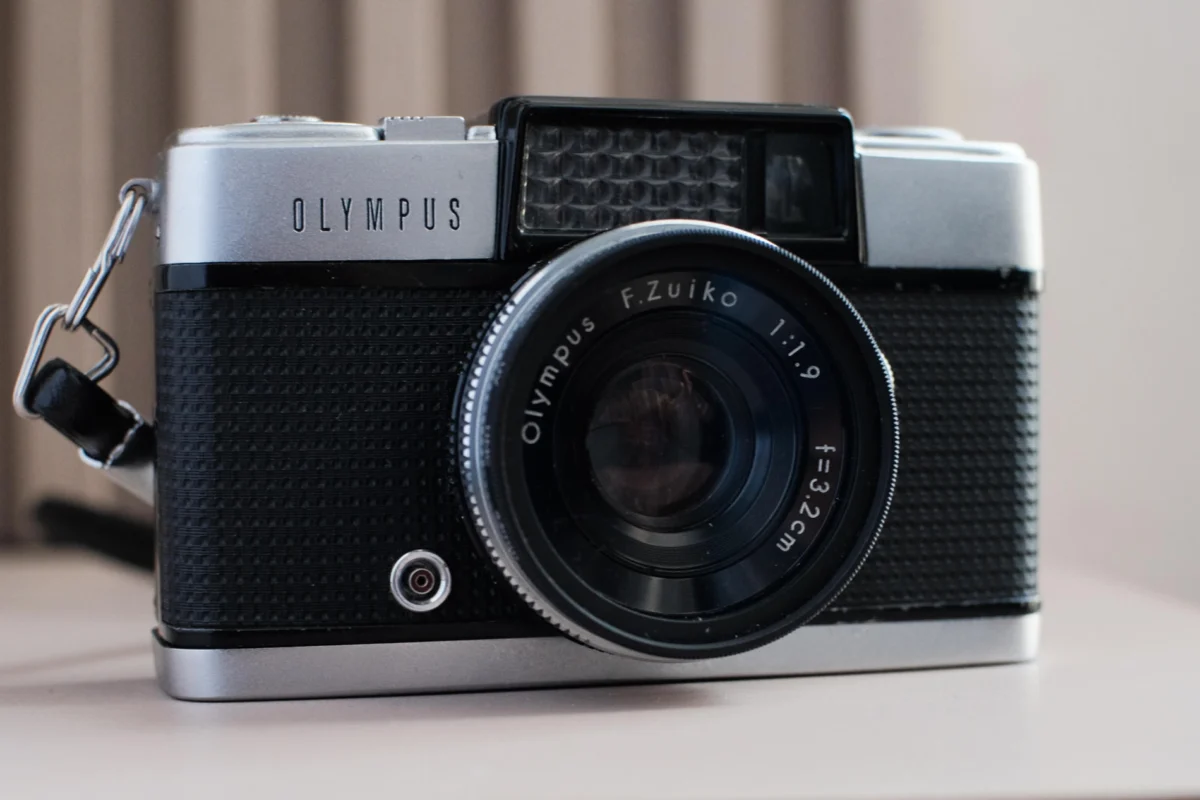
The global photography landscape is currently witnessing a significant intersection between high-end digital workflows and a revitalized interest in analog formats, a trend underscored by the enduring popularity of vintage half-frame cameras like the Olympus Pen D. While the divide between digital and film photography has traditionally been defined by the intrinsic qualities of the media, modern practitioners are increasingly exploring how the limitations of older formats can enhance creative output. This shift is particularly evident in the street photography community, where the tactile nature of mechanical systems offers a deliberate contrast to the automated efficiency of contemporary mirrorless systems, such as the Fujifilm X-Pro series.
The Technical Evolution of the Olympus Pen Series
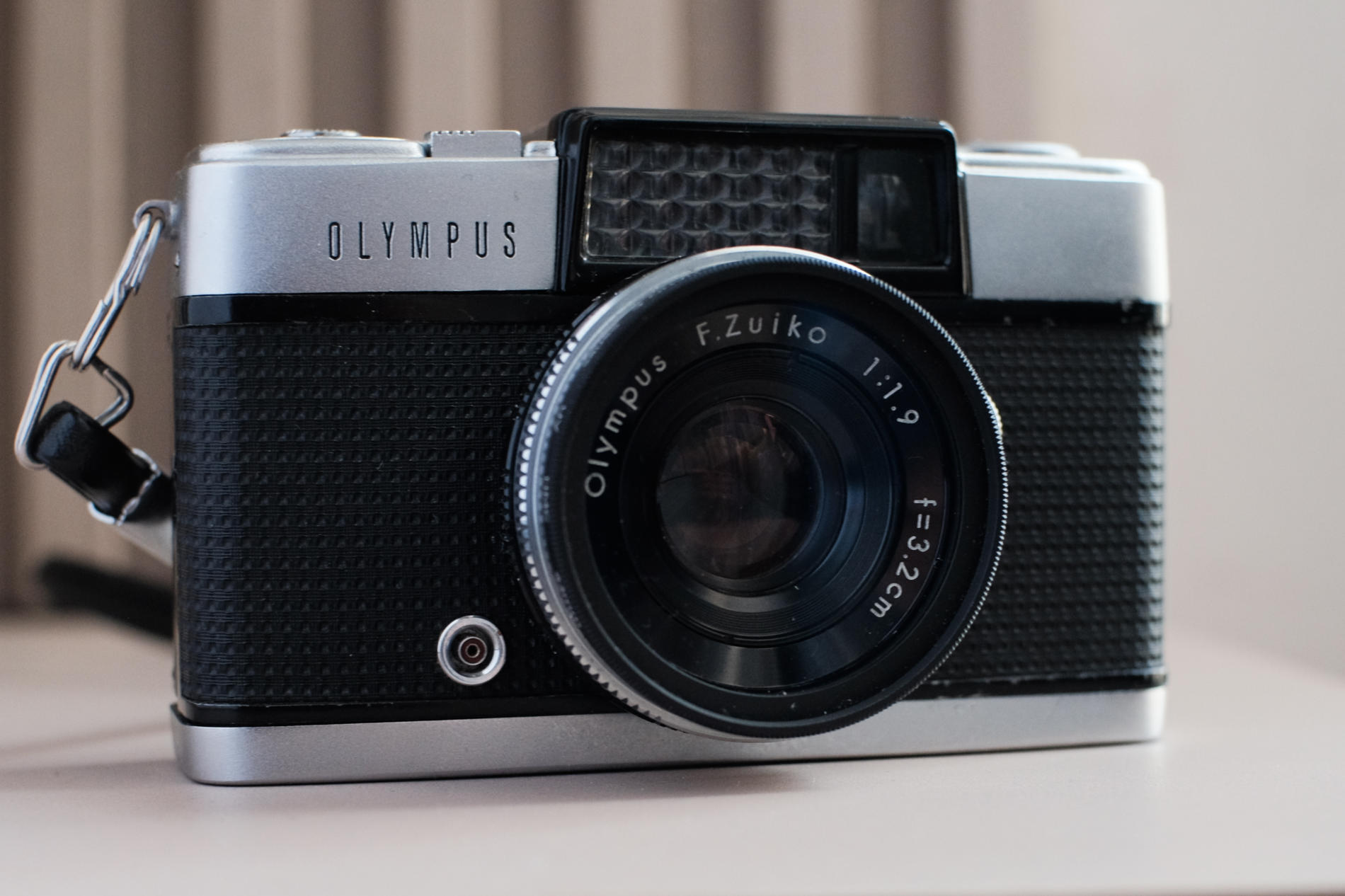
To understand the current appeal of the Olympus Pen D, one must look at its historical significance within the broader context of optical engineering. Designed by the legendary Yoshihisa Maitani and introduced in the early 1960s, the Pen series was conceived with the philosophy that a camera should be as portable and accessible as a writing pen. The "D" in the model name stands for "Deluxe," signaling a higher-tier specification compared to the standard Pen models of the era.
The Olympus Pen D, produced between 1962 and 1966, features a sophisticated 6-element F.Zuiko 32mm f/1.9 lens. This lens remains a focal point for enthusiasts due to its speed and sharpness, which were uncharacteristic for the compact "half-frame" market of the time. Half-frame cameras utilize a 18x24mm image area—exactly half the size of a standard 35mm (36x24mm) frame. This allows photographers to capture 72 exposures on a standard 36-exposure roll of film, effectively doubling the economy of each roll.
A defining technical characteristic of the Pen D is its uncoupled selenium cell light meter. Unlike modern sensors that require lithium batteries, selenium meters generate a small electrical charge when exposed to light. While these components are known to degrade over decades of light exposure, well-preserved units continue to provide accurate Exposure Value (EV) readings. The camera’s lack of a rangefinder or prism for focus confirmation necessitates "zone focusing," a technique where the photographer estimates the distance to the subject and sets it on a manual scale.
Market Dynamics: The Analog Scene in Santiago
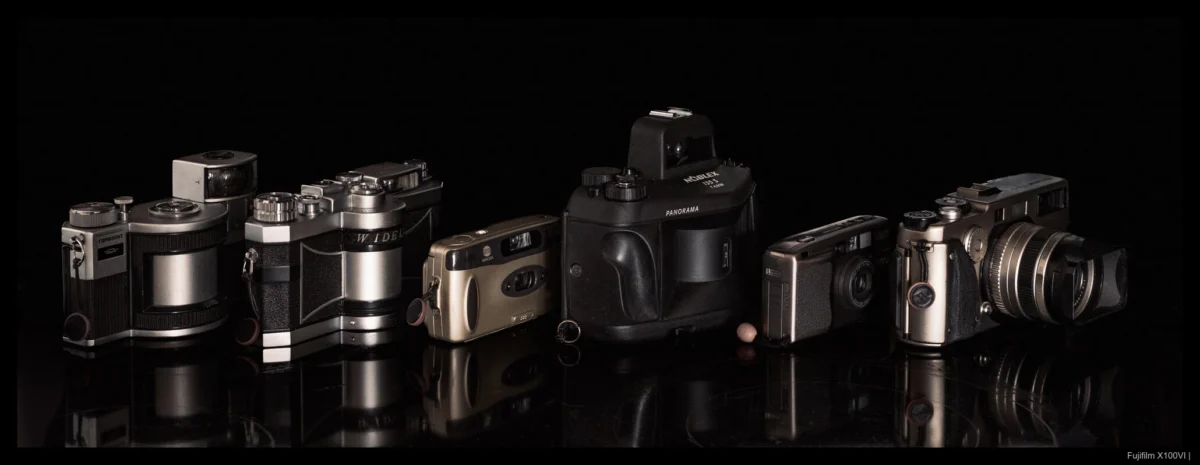
The resurgence of these mechanical tools is not confined to traditional Western markets. In Santiago, Chile, a thriving community of analog enthusiasts has fostered a secondary market characterized by specialized photography fairs and independent laboratories. These events serve as critical hubs for the exchange of vintage gear, ranging from entry-level "lo-fi" cameras like the Holga 135 to professional-grade SLRs like the Canon TLB.
Market data suggests that the valuation of vintage half-frame cameras has seen a steady increase. A well-maintained Olympus Pen D currently commands prices in the range of $110 to $150 USD, depending on the condition of the selenium meter and the clarity of the optics. This price point reflects a growing demand for "pocketable" mechanical cameras that offer a higher build quality than the plastic-bodied point-and-shoots of the 1990s.
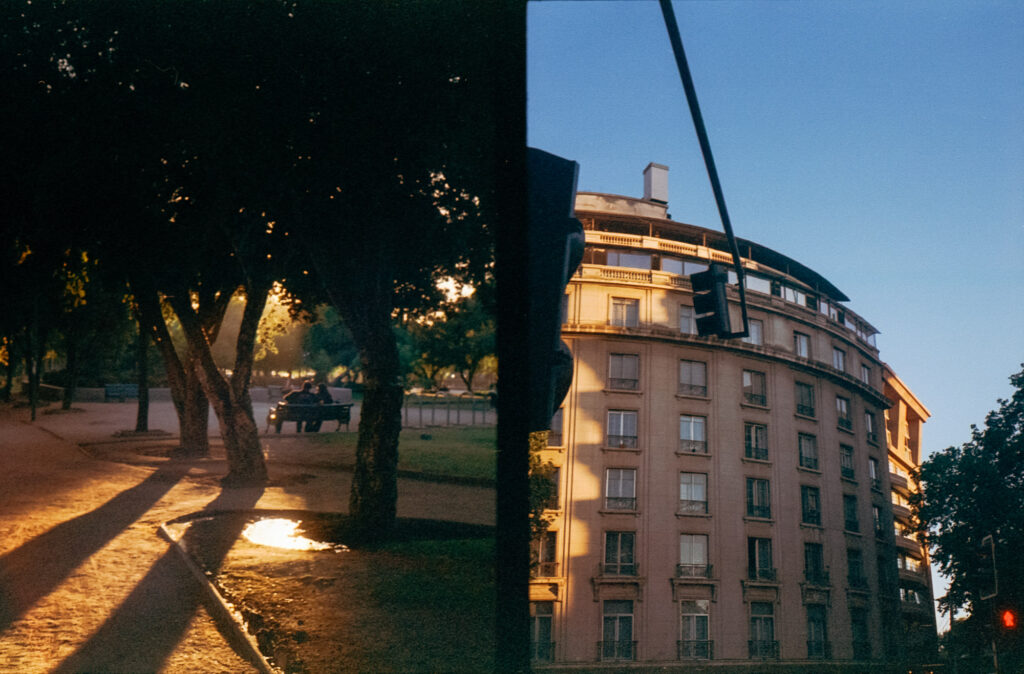
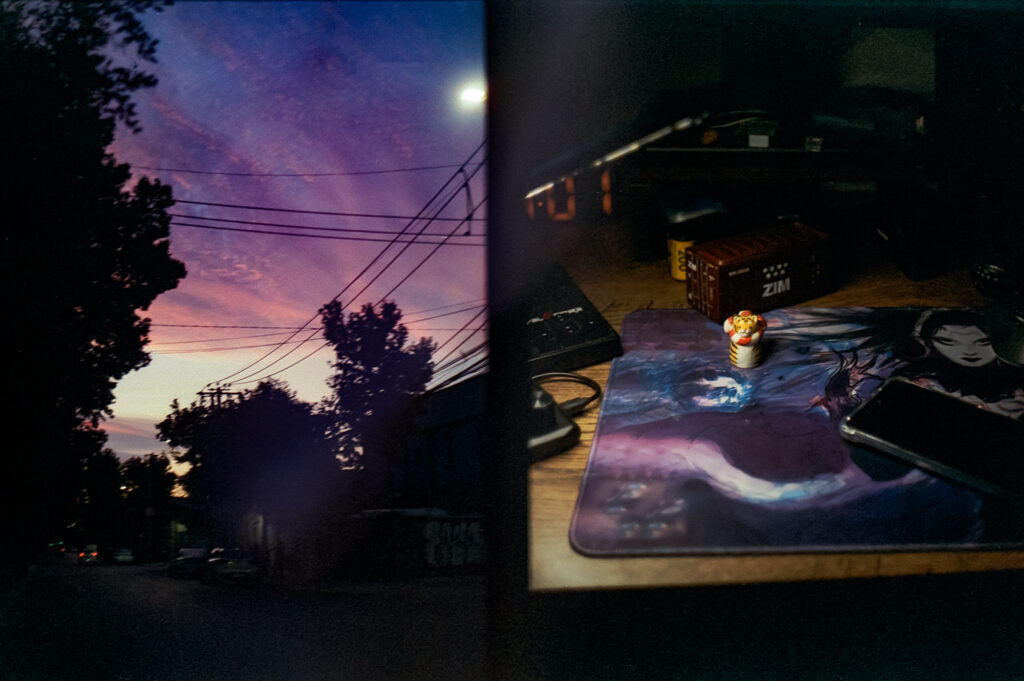
Local laboratories in Santiago, such as Semilab and Empty Club, have adapted to this trend by offering specialized services for half-frame users. Because these cameras produce vertical images by default, labs often scan two frames together as a single horizontal diptych. This unintended aesthetic byproduct has become a celebrated feature of the format, allowing for narrative storytelling through the juxtaposition of adjacent images.

Chronology of the User Experience: From Digital to Analog
The transition from a high-speed digital workflow to the deliberate constraints of the Olympus Pen D represents a broader psychological shift in the photography community. For many, the journey begins with the "clinical" look of digital sensors, leading to a search for the "lo-fi" qualities popularized by movements like Lomography.
- Initial Attraction: Photographers are often drawn to the aesthetic of film—grain, light leaks, and organic color reproduction—seeking to replicate these effects in post-processing software like Adobe Lightroom.
- The Acquisition Phase: The discovery of vintage hardware at local fairs often leads to the purchase of fully mechanical systems. In the case of the Pen D, its appeal lies in its spotless viewfinder, detailed meter-based distance scale, and the absence of simplified "zone icons" found on cheaper models.
- The Learning Curve: Moving from the autofocus and aperture-priority modes of a camera like the Fujifilm X-Pro 2 to a fully manual system involves a period of adjustment. Early results often include missed focus and exposure errors, frequently attributed to the aging selenium meters before the user masters the EV-based metering system.
- Workflow Integration: Eventually, the analog camera becomes a "sidekick" to the digital system. While the digital camera is used for intentional, high-stakes street photography, the half-frame camera is utilized for casual observation, focusing on color, light, and texture.
The Economics of Film in the Modern Era
One of the primary drivers behind the half-frame revival is the rising cost of 35mm film. As major manufacturers like Kodak and Fujifilm have increased prices due to supply chain pressures and silver costs, the ability to extract 72 shots from a single roll has become a significant financial advantage.

Photographers have increasingly turned to bulk-loaded motion picture film, such as Kodak Vision3 or the older Vision2 250D, to mitigate costs. These films, originally intended for the cinema industry, are respooled into 24 or 36-exposure canisters by independent labs. When used in a half-frame camera, a 24-exposure roll yields 48 shots, providing an extended lifespan for "casual shooting" sessions and travel photography.
The use of consumer-grade stocks like Kodak Gold 200 or Fuji 400 (often cited by enthusiasts as repackaged Kodak Ultramax) further illustrates the versatility of the format. Despite the smaller negative size—which naturally results in a grainier, less detailed image—the "gritty" look is often preferred by street photographers who value character over technical perfection.

Implications for the Photography Industry
The enduring relevance of the Olympus Pen D and similar cameras has not gone unnoticed by the modern manufacturing industry. Recently, companies like Ricoh Imaging/Pentax have announced the development of new film cameras, specifically choosing the half-frame format for their first releases in decades. This move confirms a calculated industry belief that the future of analog lies in the economy of the format and the "native vertical" orientation that aligns with modern social media consumption.
From a technical standpoint, the reliance on zone focusing and mechanical exposure in the Pen D serves as a "training ground" for photographers. By removing the safety net of automation, these cameras force a deeper understanding of the relationship between aperture, shutter speed, and depth of field. The habit of "stopping down" the aperture to maintain a deep depth of field is a practical response to the lack of a rangefinder, a technique that has its roots in the classic street photography of the mid-20th century.

Conclusion and Outlook
The Olympus Pen D stands as a testament to a period when miniaturization did not require a sacrifice in optical quality. Its current role in the hands of digital-native photographers highlights a desire to reconnect with the physical foundations of the medium. While the half-frame format may never replace the resolution of a 24-megapixel digital sensor, its value lies in its ability to provide a refreshing alternative to the "endless options" of modern technology.
As photographers continue to navigate the coastal cities of Chile or the bustling streets of global metropolises, the "sidekick" camera—small, mechanical, and economically efficient—remains a vital tool for artistic exploration. The limitations of the format, once seen as a compromise, are now embraced as a deliberate choice, proving that in the world of visual storytelling, sometimes less is indeed more. The legacy of the Pen D, therefore, is not merely one of vintage nostalgia, but of a functional philosophy that continues to influence how we see and capture the world.