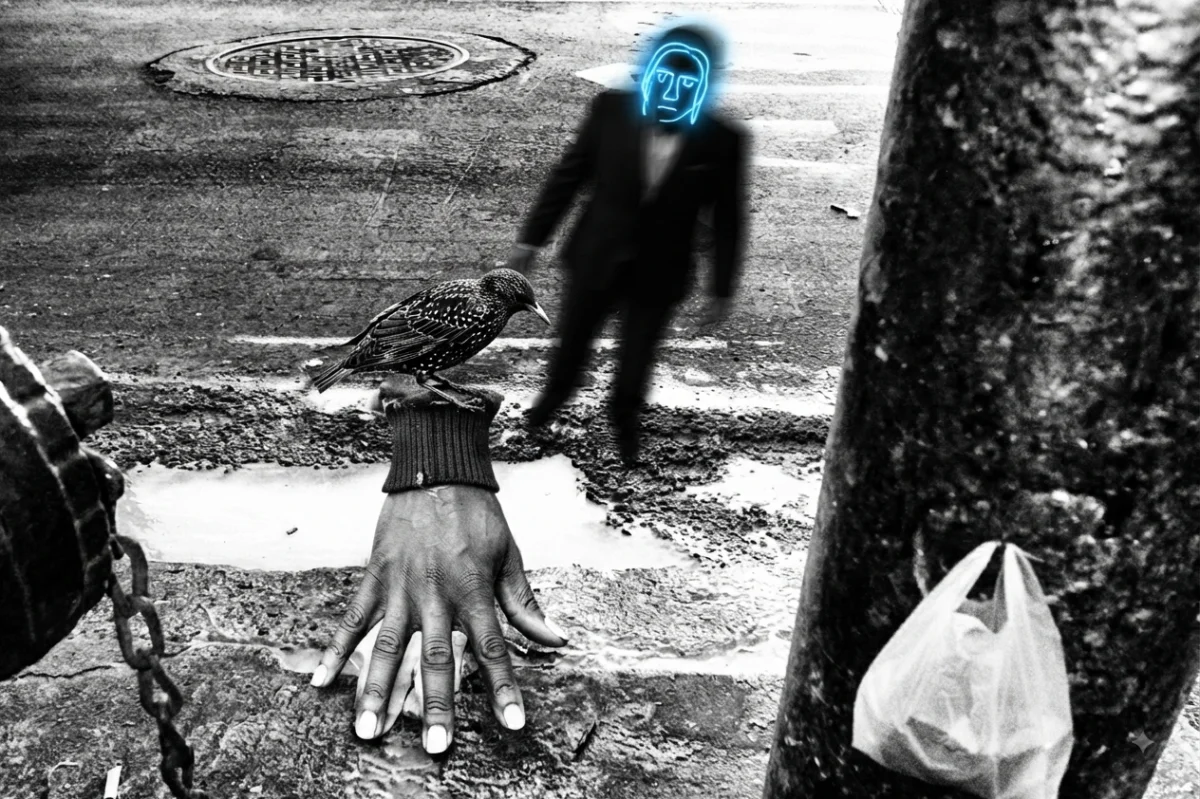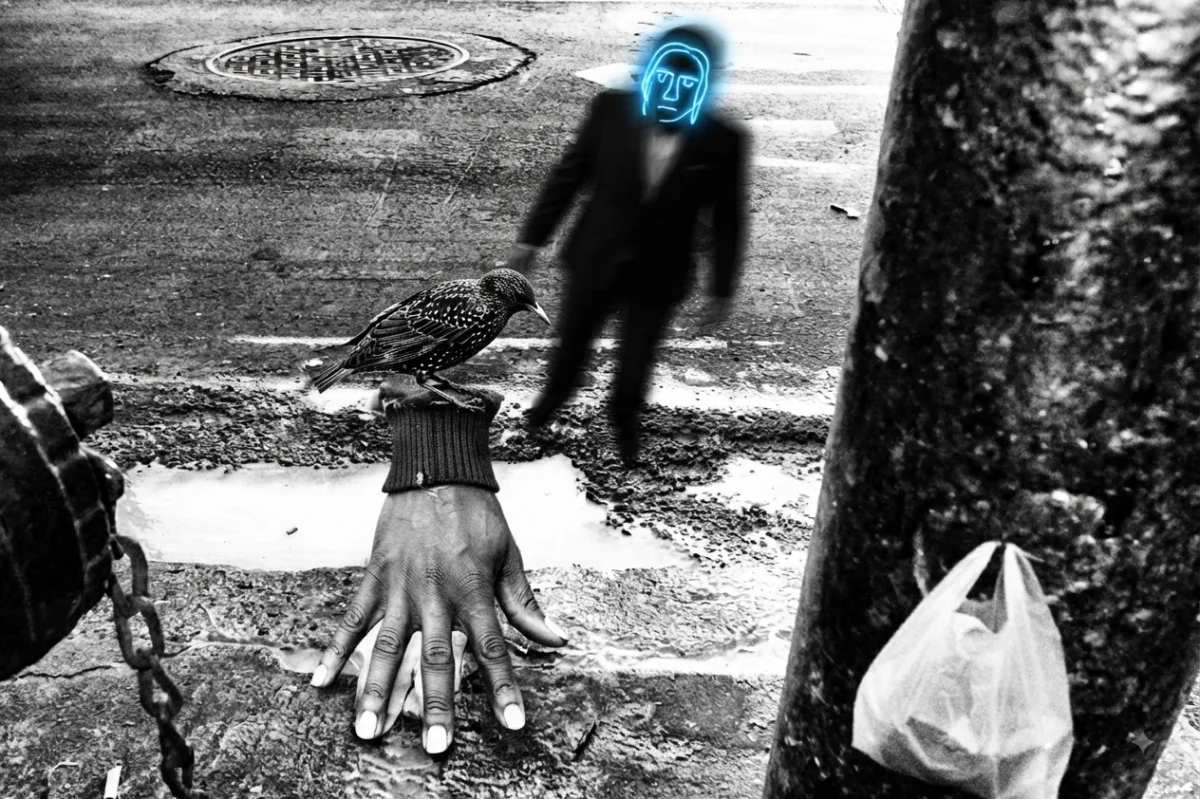
The integration of artificial intelligence (AI) into the creative process is no longer a theoretical discussion; it is a rapidly evolving reality impacting numerous artistic disciplines, including the nuanced world of street photography. As AI tools become more sophisticated and accessible, their application in the street photographer’s workflow, from initial image culling and metadata tagging to advanced editing and even generative retouching, is raising fundamental questions about authenticity, authorship, and the very definition of photography. This paradigm shift is generating significant debate within the photography community, prompting a critical examination of whether and how AI should be embraced, regulated, or even restricted within a genre deeply rooted in documentary tradition and the capture of spontaneous, unadulterated moments.
The Unique Dilemma of Street Photography and AI
Street photography, at its core, is intrinsically linked to the concept of capturing reality as it unfolds. Its documentary tradition emphasizes an authentic connection between the photographer, the lens, and a specific physical moment in time. The introduction of AI into this process, particularly in ways that alter or generate content, challenges this foundational principle. This has led to the emergence of new terminology, such as "promptography," to describe AI-generated imagery, and sparks a crucial debate: should these distinct forms of image creation coexist within the same artistic space, or should they be clearly demarcated? The absence of a simple, universally agreed-upon answer underscores the complexity of this evolving landscape.
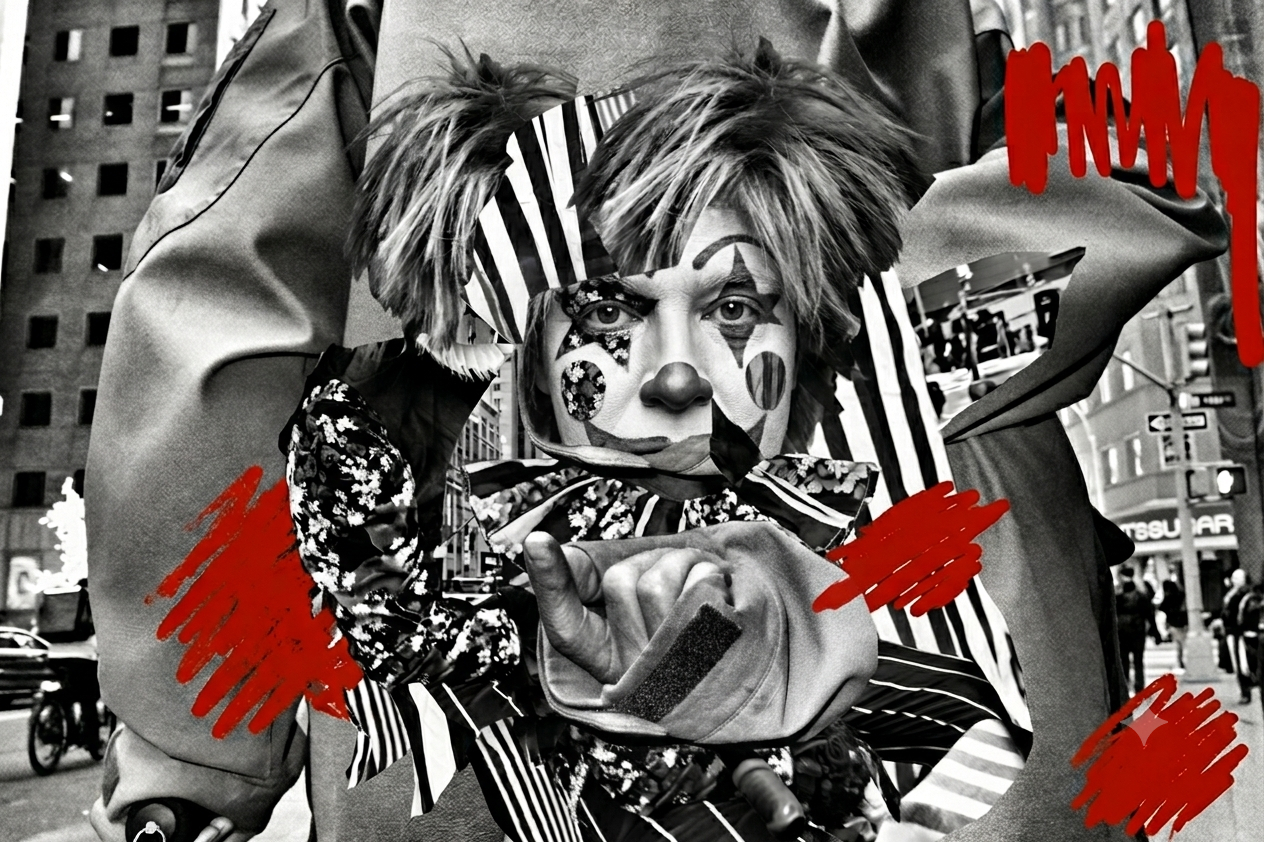
Historical Parallels and Technological Adoption
To understand the current anxieties surrounding AI in photography, it is beneficial to draw parallels with the historical reception of new technologies in other creative fields. The advent of the typewriter, for instance, was met with skepticism from those who valued the perceived authenticity of handwritten documents. Similarly, the introduction of the computer and digital editing software revolutionized writing and image manipulation, prompting discussions about whether these tools diminished the "hand-crafted" nature of the output. Many current AI applications in photography can be viewed as an extension of existing digital editing tools, albeit with significantly enhanced capabilities. For example, sophisticated editing software already employs algorithms for tasks like noise reduction and color correction. The question then becomes where to draw the line when these algorithms become powered by more advanced AI, capable of suggesting edits or even generating new elements within an image.
The Role of AI in the Photographer’s Workflow
Photographers, including those specializing in street photography, are increasingly leveraging AI at various stages of their work:
- Image Selection and Culling: AI algorithms can analyze vast libraries of images, identifying those with superior technical quality, composition, or thematic relevance. This can significantly streamline the post-production process, particularly for photographers who capture a high volume of images.
- Metadata Tagging and Organization: Automated tagging systems, often powered by AI, can assign keywords, locations, and even emotional descriptors to images, facilitating easier retrieval and cataloging.
- Personalized Editing Profiles: AI can learn a photographer’s stylistic preferences and apply them consistently across a series of images, ensuring a cohesive visual narrative.
- Generative Retouching and Enhancement: More advanced AI tools can perform complex retouching tasks, such as removing distracting elements, enhancing facial features, or even generating entirely new content within an image based on textual prompts.
The increasing sophistication of these tools blurs the boundaries between human intention and machine execution. While some applications are seen as helpful assistants, others, particularly those involving generative capabilities, raise more profound ethical and artistic concerns.
The Human Element and the Question of Authorship
A central tenet of art, including photography, is its origin as a product of human experience, intention, and skill. There is a strong and understandable desire within the art world to preserve this human element. However, the notion of a purely "unassisted" photographic creation is increasingly difficult to maintain. Modern digital cameras themselves employ complex AI-driven autofocus systems and in-camera processing that influence the final image. Automated metadata tagging, while convenient, represents a form of machine intelligence assigning context to an image. Even in what might be considered the "purest" forms of documentary work, there is an inherent interaction with artificial intelligence embedded within the technology we use.
The critical challenge lies in defining the threshold at which AI’s involvement shifts an image from being a human-created work to something predominantly machine-generated. This is where the debate intensifies. If an AI can generate an entire street scene from a textual prompt, is it still photography? Or does it belong to a new category, perhaps "promptography," that requires distinct classification?
Establishing Guardrails: A Path Forward
Instead of an outright ban, which is often deemed impractical given the pervasive nature of AI, many argue for the establishment of clear guidelines and standards. The focus, proponents suggest, should be on delineating human effort from machine generation. Images that are predominantly the product of AI, especially those that are generative in nature, could be assigned to their own category or require explicit labeling. This approach acknowledges the technological advancements while seeking to maintain transparency and preserve the integrity of traditional photographic practices.
The Case for Transparency and Disclosure
The question of transparency in photographic workflows is not new. In the analog era, a photographer’s contact sheets offered a glimpse into their process, revealing the number of frames shot, the selection criteria, and the editing decisions made. While digital workflows have replaced physical contact sheets, the underlying principle of understanding the context behind an image remains relevant.
The debate over AI use in street photography inevitably leads to a broader discussion about disclosure. Should photographers be required to detail their entire creative process, including the extent of AI utilization? While many might find such a demand intrusive, it raises important questions about how we evaluate photographic work. For example, a photographer who meticulously waits for a single, decisive moment to capture a scene might argue that their process is fundamentally different from one who shoots hundreds of frames in burst mode, relying on AI to select the best. Understanding these different approaches can significantly alter our perception and evaluation of the final image.
The argument for full disclosure extends beyond AI. If we are to demand transparency regarding AI integration, should we not also consider the disclosure of other post-production techniques that significantly alter an image’s appearance or narrative? The principle of "what’s good for the goose is good for the gander" suggests that a consistent standard of transparency should be applied across all aspects of image creation.
The Inevitability of AI and Future Implications
Attempting to ban AI from street photography is likely a futile endeavor. Artificial intelligence is an integral part of our technological landscape and will undoubtedly continue to influence and assist in photography to an ever-increasing degree. The critical decision facing the street photography community is not whether to embrace or reject AI entirely, but rather how to navigate its integration responsibly.
The path forward likely involves a commitment to radical transparency. If the community decides to demand clarity on how images are created, this demand should encompass the entirety of the workflow, not just the AI components. This comprehensive approach to disclosure would allow for a more informed and nuanced understanding of photographic works, respecting both the human element and the evolving capabilities of technology. As AI continues to mature, the conversation will undoubtedly shift towards defining new ethical frameworks and artistic conventions that acknowledge its presence while upholding the enduring values of photographic integrity and authentic storytelling. The future of street photography may well depend on our collective ability to foster a transparent and evolving dialogue that balances technological innovation with the preservation of its documentary soul.