A land of ice is a realm of constant transformation, with new patterns and structures emerging through the clash of natural forces. Renowned wildlife photographer and conservationist Paul Nicklen has issued a poignant and urgent call to action, encapsulated in his evocative imagery and deeply personal reflections on the world’s polar regions. His work, particularly the celebrated photograph "Ice Waterfall," serves as a powerful testament to the ephemeral beauty of these icy landscapes and the escalating threats they face due to climate change. This article delves into Nicklen’s profound connection to the Arctic and Antarctic, the scientific realities underpinning the changes he has witnessed, and the broader implications for global ecosystems and human society.
The Ephemeral Artistry of Ice: A Photographer’s Perspective
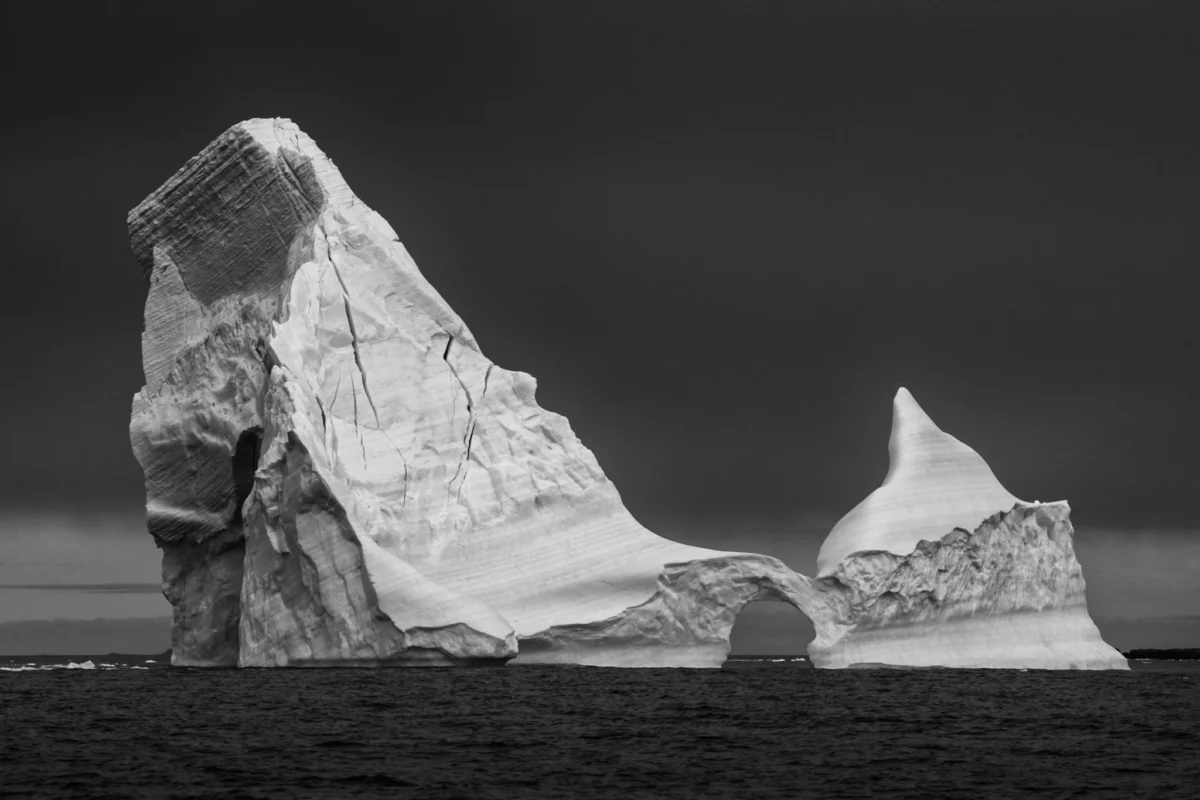
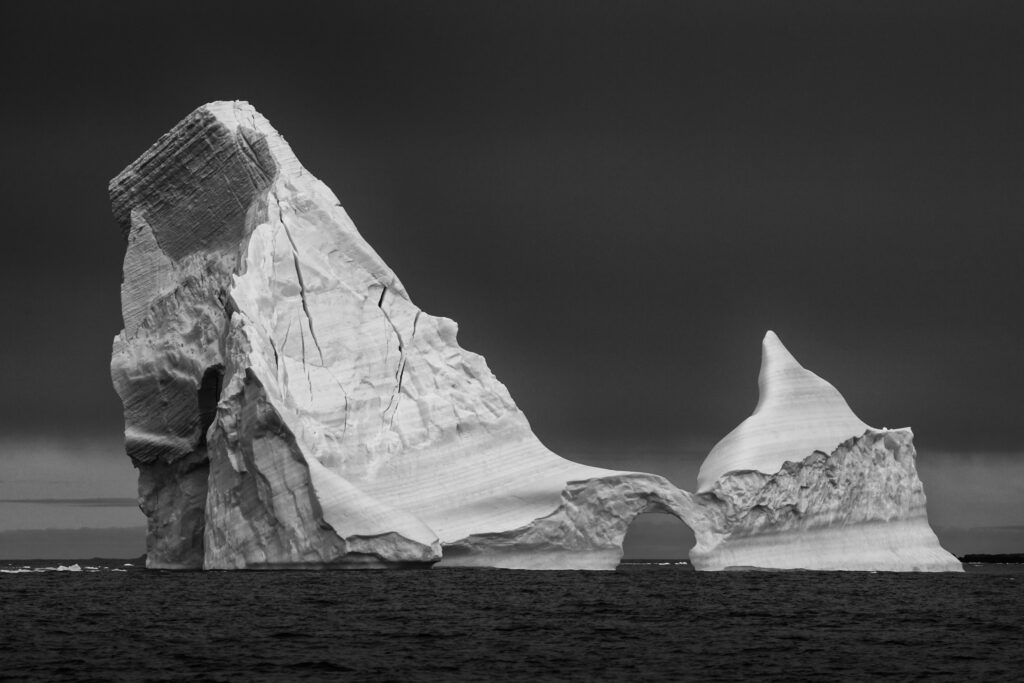
Nicklen’s artistic journey is intrinsically linked to the dynamic and often perilous nature of ice. He recounts an expedition to the Antarctic where he meticulously framed a "delicate ice arch" for a photograph. The moment he had settled on the composition, a dramatic collapse occurred: "Within seconds, the entire structure gave way and plunged into the sea, crackling like thunder and generating a cascade of waves." This vivid description highlights the transient nature of these icy formations, sculpted by the relentless forces of nature – tumultuous seas, prolonged winters, and fierce winds. The image, titled "The Last Stand," captures this fleeting moment, serving as a stark reminder of the fragility inherent in Antarctica’s captivating beauty.
This profound appreciation for ice began in Nicklen’s childhood. At the age of four, his family relocated to Baffin Island, a formative experience that initiated his lifelong fascination with polar environments. Growing up in one of the few non-Inuit households in the community, he developed a deep understanding of and respect for the Arctic’s harsh realities, guided by Inuit elders. These early lessons in tracking, ice navigation, and enduring extreme cold laid the groundwork for his career as a National Geographic photographer, forging an unbreakable bond with the frozen north and south.
"Ice Waterfall": A Symbol of a Changing Arctic
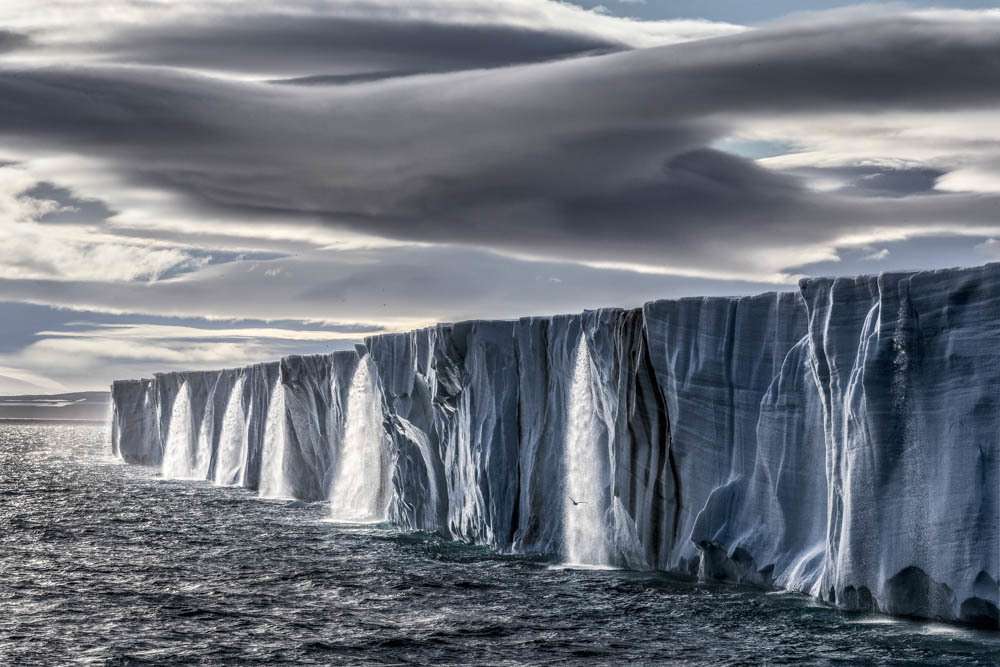
The photograph "Ice Waterfall" has transcended its status as a mere image to become a potent symbol of a vanishing Arctic. Nicklen describes it as encapsulating "the confluence of art, storytelling, and conservation." The composition, featuring dark clouds, cascading ice falls, and the vast Nordaustlandet ice cap, tells a narrative of a disappearing world. The image’s impact is underscored by its widespread recognition and influence. It has been featured in the homes of many, championed by prominent figures such as Al Gore, and played a pivotal role as the gatefold opening spread in National Geographic’s "Cool It" Issue in 2015. Furthermore, it graced the cover of Pearl Jam’s 2020 album "Gigaton," amplifying its message to a global audience. Whether viewed on a digital screen or as a large-format art print, the photograph’s power remains undiminished, serving as a timeless piece with an "urgent call to action."
Scientific Evidence of Arctic and Antarctic Transformation
Nicklen’s observations are not isolated anecdotes; they are corroborated by extensive scientific data illustrating the dramatic and accelerating changes occurring in polar regions.
Arctic Sea Ice Decline:
- Extent: Satellite records, maintained by the National Snow and Ice Data Center (NSIDC), show a significant downward trend in Arctic sea ice extent. The average September minimum sea ice extent (the end of the summer melt season) has declined by about 13% per decade relative to the 1981-2010 average.
- Thickness and Age: Beyond extent, the ice itself is becoming younger and thinner. Multi-year ice, which survives at least one summer melt season and is typically thicker and more resilient, has dramatically decreased. In March 2019, the NSIDC reported that the proportion of Arctic sea ice that is 4 years old or older had fallen from 60% in the mid-1980s to less than 30% in recent years.
- Consequences: This loss of sea ice has profound implications for Arctic ecosystems, including habitat loss for polar bears, seals, and walruses, and impacts on Indigenous communities that rely on sea ice for hunting and travel. It also has global implications, affecting ocean currents and weather patterns.
Antarctic Ice Sheet Melt:
- Mass Loss: While the Arctic is experiencing rapid sea ice melt, the Antarctic ice sheet is also losing mass at an alarming rate, particularly in West Antarctica. The Intergovernmental Panel on Climate Change (IPCC) Sixth Assessment Report (2021) highlighted that Antarctica is losing ice mass at an accelerating pace, contributing significantly to global sea-level rise.
- Regional Differences: East Antarctica, though larger and historically more stable, is also showing signs of increased melt in some regions. The Thwaites Glacier, often referred to as the "Doomsday Glacier," is of particular concern due to its potential to destabilize the entire West Antarctic Ice Sheet.
- Sea-Level Rise: The melting of Antarctic ice sheets is a major driver of global sea-level rise. Projections suggest that continued warming could lead to meters of sea-level rise from Antarctic ice loss alone over centuries.
Ocean Warming and Acidification:
- Heat Absorption: The world’s oceans have absorbed over 90% of the excess heat trapped by greenhouse gas emissions, leading to significant warming, especially in polar waters.
- Impact on Marine Life: Ocean warming stresses marine ecosystems, contributing to coral bleaching and altering the distribution of fish populations. Ocean acidification, caused by the absorption of excess carbon dioxide, further threatens marine life, particularly shell-forming organisms like plankton, which form the base of the polar food web.
The Interconnectedness of Life in Polar Regions
Nicklen emphasizes that despite the seemingly harsh conditions, polar regions teem with life, intricately adapted to the ebb and flow of ice. Animals like seals, polar bears, and seabirds rely on these icy environments for essential life functions: raising young, hunting, and mating. The harshness of their habitat has, over millennia, fostered remarkable resilience and specialized adaptations. However, this very specialization makes them acutely vulnerable to the rapid environmental changes occurring today.
The diminishing ice in Arctic and Antarctic seas directly threatens the survival of iconic species. Polar bears, for instance, depend on sea ice as a platform to hunt seals, their primary food source. As sea ice retreats earlier in the spring and forms later in the fall, polar bears have less time to hunt, leading to malnutrition, reduced reproductive success, and increased mortality. Similarly, many seal species use sea ice for breeding and resting.
A Global Imperative: The Broader Impact of Polar Change
The changes occurring at the poles have far-reaching implications that extend well beyond these remote regions.
- Global Sea-Level Rise: As mentioned, melting ice sheets contribute directly to rising sea levels, threatening coastal communities worldwide with increased flooding, erosion, and saltwater intrusion.
- Climate Regulation: Polar ice plays a crucial role in regulating Earth’s climate. The reflective surface of ice and snow (the albedo effect) bounces solar radiation back into space, helping to keep the planet cool. As ice melts, darker ocean water and land absorb more heat, creating a feedback loop that accelerates warming.
- Ocean Circulation: Changes in polar ice melt can influence major ocean currents, such as the Atlantic Meridional Overturning Circulation (AMOC). These currents play a vital role in distributing heat around the globe and regulating regional climates. Disruptions to these currents could lead to significant shifts in weather patterns.
- Biodiversity Loss: The unique biodiversity of polar ecosystems is under severe threat. The loss of specialized habitats and the cascading effects through food webs could lead to irreversible extinctions.
A Call for Collective Action and Hope
Despite the grim scientific prognosis, Nicklen maintains a profound sense of hope and an unwavering belief in humanity’s capacity to effect change. He states, "Despite the growing pressures of a warming world, I still feel we can change our course and protect our fellow wildlife – especially with the support of readers like you who share my love for the natural world." This sentiment underscores the critical role of public awareness, engagement, and collective action in addressing the climate crisis.
The scientific community has long advocated for robust policy interventions to mitigate greenhouse gas emissions. International agreements, such as the Paris Agreement, aim to limit global warming to well below 2, preferably to 1.5 degrees Celsius, compared to pre-industrial levels. Achieving these goals requires a rapid transition to renewable energy sources, increased energy efficiency, sustainable land use practices, and the protection and restoration of natural ecosystems.
Historical Context and Future Projections
The current rate of warming is unprecedented in recent geological history. Ice core data, which provides a record of Earth’s climate stretching back hundreds of thousands of years, reveals that current atmospheric CO2 concentrations are higher than at any point in at least the last 800,000 years. The speed at which these changes are occurring is a primary concern for scientists, as it outpaces the ability of many species and ecosystems to adapt.
Looking ahead, projections from climate models indicate that if greenhouse gas emissions continue on their current trajectory, Arctic summer sea ice could disappear entirely within decades. The Antarctic ice sheet’s fate is more complex, but significant melting and contribution to sea-level rise are virtually assured under various warming scenarios.
Conclusion: A Shared Responsibility
Paul Nicklen’s "Ice Waterfall" and his personal narrative serve as powerful reminders of what is at stake. The beauty and ecological significance of our planet’s polar regions are under existential threat. The scientific evidence is clear and compelling, painting a picture of a rapidly changing world with profound implications for all life on Earth. Nicklen’s message of hope, coupled with the urgency of the situation, calls for a unified global effort. "We are in this together, and we will solve this together," he asserts, embodying a spirit of collaboration and shared responsibility. Preserving these icy frontiers is not merely an environmental issue; it is a fundamental imperative for the future of our planet and all its inhabitants. The time for decisive action is now, to ensure that the extraordinary artistry of ice does not become a mere memory in a warming world.