The recently concluded 2026 FIFA World Cup delivered an unforgettable spectacle of athleticism, drama, and extraordinary technological innovation, fundamentally reshaping the global sports viewing experience. Beyond the breathtaking goals and nail-biting finishes, this tournament will be remembered as a pivotal moment where cutting-edge technology was seamlessly integrated into every facet of the broadcast, offering fans unprecedented access and insight into the beautiful game. From aerial cameras that mimicked cinematic grandeur to on-field perspectives that plunged viewers directly into the referee’s decision-making process, the event underscored a clear commitment by FIFA and Host Broadcast Services (HBS) to push the boundaries of sports media. This comprehensive integration of advanced systems provided minute-by-minute updates, intricate play breakdowns, and emotional close-ups, transforming traditional live coverage into an immersive, data-rich narrative.
The Dawn of a New Broadcast Era
The FIFA World Cup, held every four years, is not merely a sporting event; it is a global cultural phenomenon that captivates billions. With each iteration, the challenge for broadcasters intensifies: how to not only capture the action but also enhance the narrative, provide deeper understanding, and engage an increasingly tech-savvy audience. The 2026 tournament, co-hosted across multiple nations, represented an ambitious leap forward, leveraging advancements in camera technology, artificial intelligence, and data analytics to deliver a viewing experience previously unimaginable. This shift reflects a broader trend in sports, where technology is no longer just a support tool but an integral part of the spectacle itself, designed to deepen fan engagement and elevate the integrity of the game.
The evolution of sports broadcasting has been a steady march of innovation, from black and white television to color, high-definition, and now 4K HDR. What distinguished the 2026 World Cup was the deliberate and widespread deployment of technologies that moved beyond mere visual fidelity, focusing instead on immersive perspectives and data-driven insights. This strategic pivot aims to cater to diverse fan preferences, from those seeking a purely aesthetic, cinematic experience to others craving granular tactical analysis and transparent officiating.
Elevating the Spectator Experience: Key Technological Innovations
Several groundbreaking technologies stood out as defining features of the 2026 World Cup broadcast, each contributing significantly to the enhanced viewer experience.
The Evolving Aerial Perspective: Spidercam’s Cinematic Leap
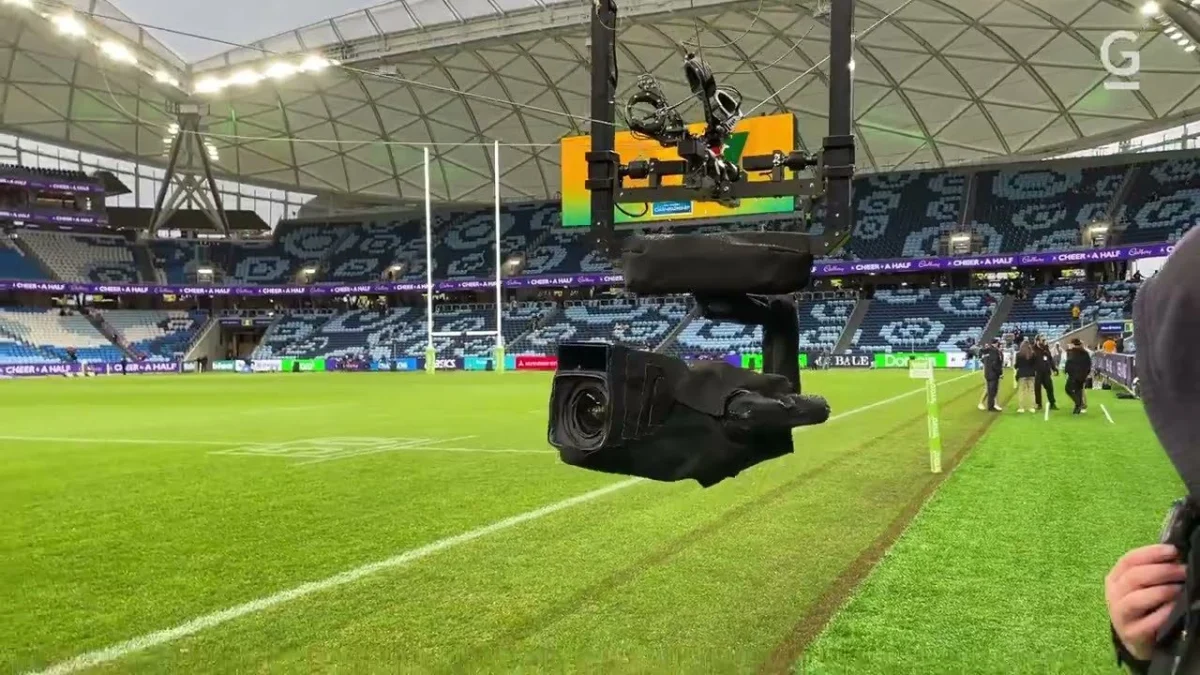
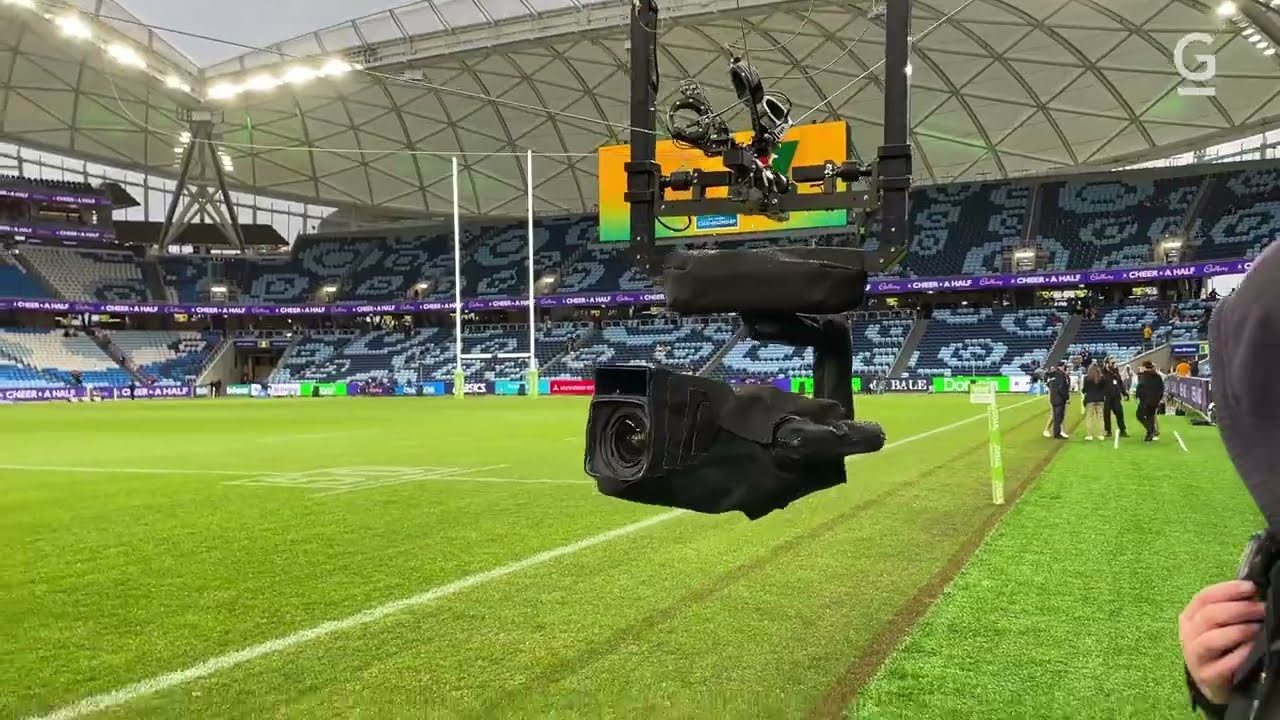
The familiar sight of a camera rig gracefully gliding above the pitch has been a staple of major sporting events for years. Known as the Spidercam, this cable-suspended camera system, anchored by a web of motorized Kevlar cables, has long provided unique aerial views. However, the 2026 World Cup saw its deployment reach unprecedented levels of sophistication and integration, transforming its role from an occasional novelty to a fundamental component of the live broadcast.
In previous tournaments, Spidercams were often restricted to pre-match warm-ups, halftime sequences, and post-goal celebrations due to concerns over player distraction and safety. For 2026, broadcasters, led by HBS, pushed these systems to their operational limits, actively integrating them into live play. Advanced software zoning systems, developed in collaboration with leading sports technology firms, ensured the rigs maintained precise, safe altitudes above the ball’s trajectory, even during fast-paced attacks. This allowed for sweeping, tactical angles that provided unparalleled clarity on team formations, player movements, and the development of plays across the entire field.
A significant innovation for this tournament was the deployment of Spidercams directly during penalty shootouts. Positioned dynamically behind or slightly above the kicker, these cameras captured the immense psychological tension, the subtle shifts in the goalkeeper’s stance, and the precise trajectory of the ball with an intimacy that was previously impossible. This perspective offered viewers a visceral sense of the pressure-cooker moment, enhancing the drama exponentially.
To achieve this heightened level of immersion and flexibility, HBS introduced multiple cablecam systems per venue, building upon successful testing at the 2025 Club World Cup Final. Beyond the traditional 4-point Spidercam, which navigates three-dimensional space, select marquee stadiums were outfitted with secondary, high-speed point-to-point cable cameras running parallel to the touchline. This configuration allowed for simultaneous, multi-angle aerial tracking of rapid counter-attacks, providing a comprehensive overview that traditional sideline cameras could not match. These next-generation rigs were equipped with ultra-lightweight 4K HDR broadcast cameras, capable of capturing stunning detail and dynamic range. Furthermore, they featured real-time augmented reality (AR) graphics tracking, allowing live statistics, player speeds, and tactical grids to be seamlessly overlaid onto the aerial feed with virtually no latency. The result was a viewing experience that blurred the lines between traditional sports broadcasting and a high-budget cinematic production, offering both tactical clarity and dramatic flair. Industry experts like Dr. Anya Sharma, a broadcast technology specialist, noted, "The 2026 World Cup Spidercam deployment wasn’t just about better angles; it was about creating an intelligent aerial ecosystem that provided both aesthetic beauty and crucial tactical information in real-time."

Stepping into the Referee’s Boots: The Immersive RefCam
Perhaps the most talked-about and revolutionary innovation of the 2026 World Cup was the official global deployment of the RefCam. This small, high-definition camera, mounted discreetly onto each referee’s headset, offered a literal first-person perspective of the match. Developed through a collaborative effort between FIFA’s football technology team, its refereeing department, and with advanced AI stabilization technology provided by Lenovo, the RefCam delivered footage unlike anything fans had ever witnessed.
The RefCam plunged viewers directly into the heart of the action, showcasing the blistering speed at which players closed space, the chaotic nature of a crowded penalty box scramble, and the intense, split-second decisions demanded of officials. While the technology had undergone rigorous testing at the 2025 Club World Cup and in various domestic leagues, notably the Premier League where Australian referee Jarred Gillett first wore one in 2024, its widespread deployment across all 104 matches of the 2026 tournament marked its definitive global debut.
The implications of RefCam are profound. For fans, it demystifies the officiating process, offering a raw, unfiltered view of the challenges referees face. It provides context for controversial decisions, allowing viewers to appreciate the speed and complexity of calls made under immense pressure. For officials themselves, the footage serves as an invaluable training tool and a mechanism for accountability, offering a precise record of their perspective during critical moments. FIFA’s Head of Refereeing, Roberto Rosetti, was quoted during the tournament, stating, "RefCam is about transparency and understanding. It bridges the gap between the official and the fan, fostering greater empathy for the difficult role our referees play." While some initial concerns were raised about potential player distractions or ethical implications regarding privacy, these were largely mitigated through extensive testing and strict guidelines on when the feed could be broadcast live, primarily for replays and specific moments rather than continuous live stream.
The Art of the Frame: Cine Cameras for Live Sports
Since the 2022 World Cup in Qatar, FIFA has progressively integrated high-end cinema cameras into its live broadcasts, a trend that reached its zenith in 2026. These are the same professional-grade cameras used in Hollywood blockbusters, high-budget commercials, and music videos, renowned for their superior image quality and unique aesthetic properties. Unlike traditional broadcast cameras, which prioritize depth of field for maximum clarity across the entire field, cine cameras offer a super-shallow depth of field.
This characteristic allows for exquisite, cinematic shots where the subject—a player’s face, a coach’s intense expression on the sideline, or the emotional reaction of a fan in the stands—is rendered with razor-sharp focus against a beautifully blurred background. This visual technique adds a layer of artistry and emotional depth that standard broadcast cameras simply cannot replicate. For the 2026 World Cup, these rigs were a permanent fixture at every match, strategically deployed to capture pre-game tunnel walks, intimate player interactions, raw fan reactions, and moody close-ups that underscored the tournament’s dramatic narrative. The presence of equipment from top-tier rental inventories, often associated with major film productions, highlighted FIFA’s commitment to elevating the visual storytelling of the event to a blockbuster experience. This aesthetic choice resonated strongly with a global audience accustomed to high-quality visual content across various media.
Precision and Transparency: Semi-Automated Offside and Ball Tracking
Beyond immersive camera angles, the 2026 World Cup further solidified the role of data-driven technology in officiating and enhancing fan insight. FIFA’s semi-automated offside technology (SAOT), building on its successful implementation in 2022, saw further refinements. This system utilizes dedicated tracking cameras strategically placed around the stadium, which capture up to 29 data points on each player’s body at 50 frames per second. These data points allow computer systems to reconstruct plays in a precise 3D space, identifying offside infringements with unparalleled accuracy.
The system works in conjunction with a soccer ball embedded with an inertial measurement unit (IMU) sensor, which sends data to the video operation room 500 times per second. This precise ball tracking, combined with player limb tracking, enables the system to determine the exact moment the ball is played and the precise position of attacking players relative to the second-to-last defender. The result is a near-immediate offside alert to the Video Assistant Referee (VAR), followed by a 3D visualization of the incident for broadcast, offering more interactive play deduction and replay options for fans. This significantly reduces the time taken for VAR decisions and provides irrefutable visual evidence, enhancing transparency and fairness. The accuracy of SAOT, capable of resolving decisions within mere seconds, has been widely lauded by coaches, players, and pundits, who agree it minimizes human error and reduces controversial calls. This also allows for real-time stats, such as ball speed, spin, and trajectory, to appear on screen, giving fans an unprecedented analytical depth into the game’s physics.
The Unseen Infrastructure: Powering the Global Broadcast
Bringing the World Cup to billions of screens worldwide is an monumental undertaking, requiring a sophisticated and resilient broadcast infrastructure. While the company adheres to strict confidentiality regarding client rental orders, a partnership with FIFA and the US Soccer team for the 2026 tournament provides a glimpse into the scale and technical specifications involved. The equipment deployed for live broadcast and post-production workflows highlights the convergence of cinematic quality with broadcast demands.
Key to the cinematic aesthetic were numerous RED Komodo-X 6K cameras. These compact, yet powerful, digital cinema cameras were chosen for their exceptional image quality, high dynamic range, and versatility in various shooting conditions. They were frequently paired with the Canon RF 24-105mm f/2.8L IS USM Z lens, a professional zoom lens known for its optical performance and suitability for both wide and tight shots, making it ideal for the dynamic environment of a live football match. This combination allowed for the signature shallow depth of field and vibrant color reproduction that defined the cinematic segments of the broadcast.
On the production side, the ingestion and management of the vast amounts of high-resolution data were handled by multiple BlackMagic Design HyperDeck Studio 4K Pro systems. These professional recorders and players are capable of capturing and playing back broadcast-quality video in various formats, including 4K, crucial for handling the immense data streams from the numerous cameras. Connectivity across the sprawling stadium setups relied heavily on robust cabling infrastructure, including several Belden 12G-SDI BNC cables, extending up to 150 feet for some systems. These high-bandwidth cables are essential for transmitting uncompressed 4K video signals over long distances with minimal latency, ensuring signal integrity across complex broadcast networks.
Complementing these core systems was an extensive array of ancillary gear, from specialized camera cages providing mounting points for accessories, to heavy-duty tripods ensuring stable shots, and an army of RED Digital Cinema REDVOLT Micro-V batteries. These compact, high-capacity batteries are vital for powering cameras and other essential equipment in a demanding live environment where continuous operation is critical. The sheer volume of this support equipment underscores the logistical complexity of staging a global broadcast, with every component playing a crucial role in maintaining seamless operations throughout the tournament.
Implications and the Future of Sports Media
The technological advancements showcased at the 2026 World Cup have far-reaching implications for the future of sports broadcasting, fan engagement, and even the integrity of the game itself. The blend of cinematic aesthetics with real-time data overlays creates a richer, more engaging viewing experience that caters to a diverse audience. Younger generations, accustomed to the highly produced visuals of gaming and streaming platforms, are likely to find this immersive approach particularly appealing.
For broadcasters, these technologies offer new storytelling tools, allowing them to craft more compelling narratives around the matches. The ability to switch between traditional wide shots, cinematic close-ups, referee’s POV, and 3D tactical replays provides an unparalleled palette for conveying the drama and complexity of football. However, this also presents challenges, including the need for highly skilled technical personnel, significant infrastructure investments, and careful management of multiple data streams.
The debate around technology in sports often centers on the balance between immersion and the "purity" of the game. While proponents argue that advancements like SAOT and RefCam enhance fairness and transparency, some traditionalists express concerns that an over-reliance on technology might detract from the human element, slowing down the game or altering its fundamental flow. Nevertheless, the consensus from the 2026 World Cup suggests a largely positive reception, with fans appreciating the increased insight and reduced controversy.
Looking ahead, the trajectory set by the 2026 World Cup indicates that technology will continue to play an increasingly central role in sports. We can anticipate further integration of AI for predictive analytics, personalized viewing experiences where fans can choose their camera angles or data overlays, and even more sophisticated augmented reality applications that merge the digital and physical worlds. The convergence of broadcast, gaming, and data science is rapidly redefining what it means to watch and experience live sports.
Conclusion: A Glimpse into Tomorrow’s Game
The 2026 FIFA World Cup marked a significant milestone in sports broadcasting, showcasing a bold vision for the future of live events. By embracing innovations like advanced Spidercams, the immersive RefCam, high-end cine cameras, and precise semi-automated offside technology, FIFA and its broadcasting partners delivered an unparalleled viewing experience. This tournament not only celebrated the pinnacle of footballing achievement but also served as a powerful testament to humanity’s relentless pursuit of technological excellence, all aimed at bringing the world’s most popular sport closer to its global audience. Regardless of individual perspectives on technology’s role in sport, its presence is undeniable and its evolution continues, promising even more profound insights and breathtaking perspectives in the tournaments to come.