In 2017, an unexpected influx of Soviet-era photographic technology arrived in Watsonville, California, marking a significant intersection between Eastern European industrial history and modern American arts education. The arrival of a substantial collection of vintage cameras, transported from Kyiv, Ukraine, by a retired photography professional, provided a unique case study in the valuation of analog equipment and the cultural preservation of Cold War-era optics. This event, centered at Watsonville High School, highlighted the complexities of the global vintage camera market and the enduring legacy of the Soviet Union’s optical manufacturing sector.

The Genesis of the Collection
The collection was brought to the United States by Genrikh, a lifelong photographer and former proprietor of a photo shop in Kyiv. Following the passing of his wife and his subsequent retirement, Genrikh opted to migrate to California to visit family, bringing with him two large, leather-covered steamer trunks filled with historical photographic equipment. The inventory included a diverse array of brands that defined Soviet photography for decades, including Zorki, Zenit, Horizon, Moskva, Kiev, FED, Chaika, and Smena.
At the time of the collection’s arrival, the family sought the expertise of a photography instructor at Watsonville High School to inventory, price, and list the items on global marketplaces such as eBay. The educational setting provided a backdrop for a broader discussion on the history of these devices, many of which were developed as high-quality counterparts to Western European designs, such as those from Leica and Zeiss.
Historical Context of Soviet Optical Manufacturing
To understand the significance of the Genrikh collection, one must examine the origins of the Soviet camera industry. Following World War II, the Soviet Union acquired significant technical assets from Germany, particularly from the Carl Zeiss factories in Jena and Dresden. This transfer of technology and tooling allowed for the production of sophisticated cameras that were often direct iterations of German designs.
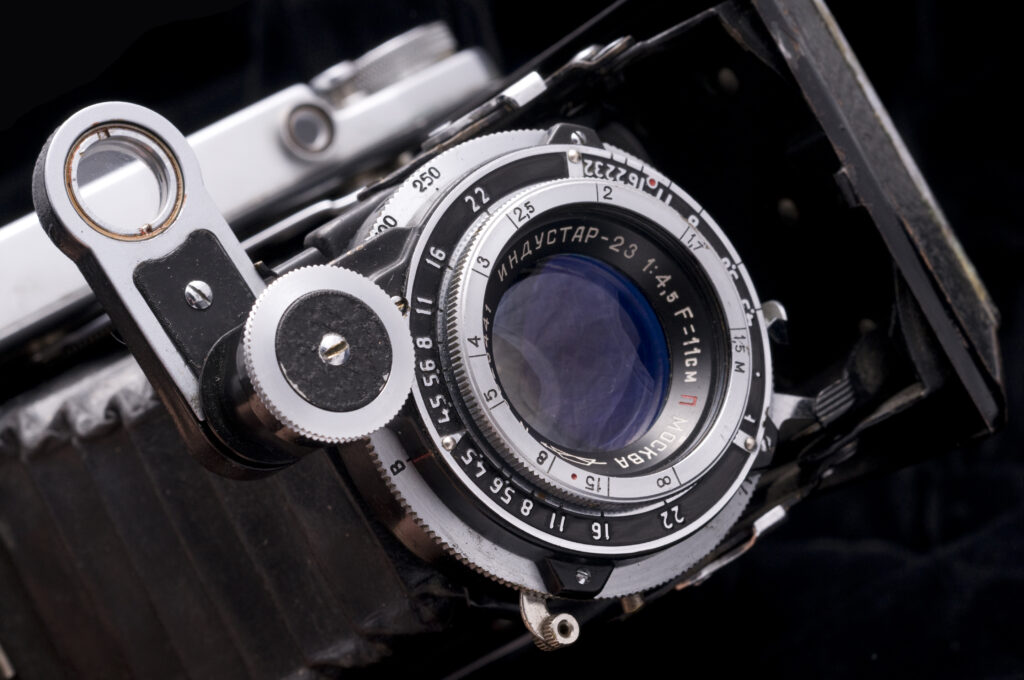
The Moskva series, a focal point of the collection, serves as a prime example. Produced by the Krasnogorsk Mechanical Plant (KMZ) between 1946 and 1960, the Moskva cameras were largely based on the Zeiss Super Ikonta. These folding medium-format cameras utilized 120-roll film and were prized for their portability and large negative size, typically 6×9 cm. The Moskva-2 and Moskva-5 models, in particular, featured coupled rangefinders and high-quality Industar lenses, which were Soviet versions of the Tessar design.

Other brands in the trunks, such as the Zorki and FED, were 35mm rangefinders that began as copies of the Leica II. The Kiev brand represented the continuation of the Contax rangefinder line, with production equipment moved from Germany to the Arsenal factory in Kyiv—the very city from which Genrikh’s collection originated.
Market Analysis: 2017 vs. Present
When the family attempted to liquidate the collection in 2017, they encountered a market that had not yet reached the peak of the "analog renaissance." Data from online auction platforms during that period indicates that while interest in film photography was beginning to resurge, the market for Soviet equipment remained a niche segment.

In 2017, the asking prices for standard Soviet SLR cameras like the Zenit-E or rangefinders like the Zorki-4 were often between $30 and $60 USD, depending on condition. The Moskva folding cameras, while more desirable due to their medium-format capabilities, typically commanded between $70 and $100. For a family hoping for a significant financial windfall, these valuations were lower than anticipated.
However, the market has shifted dramatically in the intervening years. As of 2024, the demand for "tested and working" vintage cameras has driven prices upward. A clean, film-tested Moskva-5 can now exceed $150 to $200, while specialized panoramic cameras like the Horizon-202 have seen even sharper increases. The discrepancy between 2017 valuations and contemporary prices underscores the volatility and growth of the secondary market for analog technology.

Cultural Exchange and the Diaspora Experience
The effort to catalog the cameras transitioned from a commercial endeavor into a significant cultural event for the Watsonville community. The intersection of the Ukrainian-Jewish diaspora and the local California educational system created a rare opportunity for intergenerational and cross-cultural communication.
Despite language barriers—with Genrikh speaking Russian and Ukrainian, and the local instructors speaking English—communication was facilitated through the family’s fluency in Yiddish and the student’s proficiency in Spanish and English. This linguistic tapestry reflected the diverse demographic of Watsonville High School, where the photography department served as a hub for immigrant students to integrate and share their heritage.
The narrative of Genrikh’s photo shop in Kyiv serves as a microcosm of the transition from state-run or small-scale private enterprises in the post-Soviet era to the digital age. The "boxes of gear nobody wanted" in Ukraine represented a lifetime of professional labor, which, when transplanted to the American West, gained new life as educational tools and historical artifacts.
Technical Evaluation of the Moskva Camera
The instructor’s subsequent field testing of a Moskva camera from the collection provided empirical data on the performance of 1950s Soviet optics. The Moskva series is known for its "bellows" design, which allows the camera to fold into a compact form. However, this design presents specific maintenance challenges, including light leaks in the aged leather bellows and "creeping" focus mechanisms.
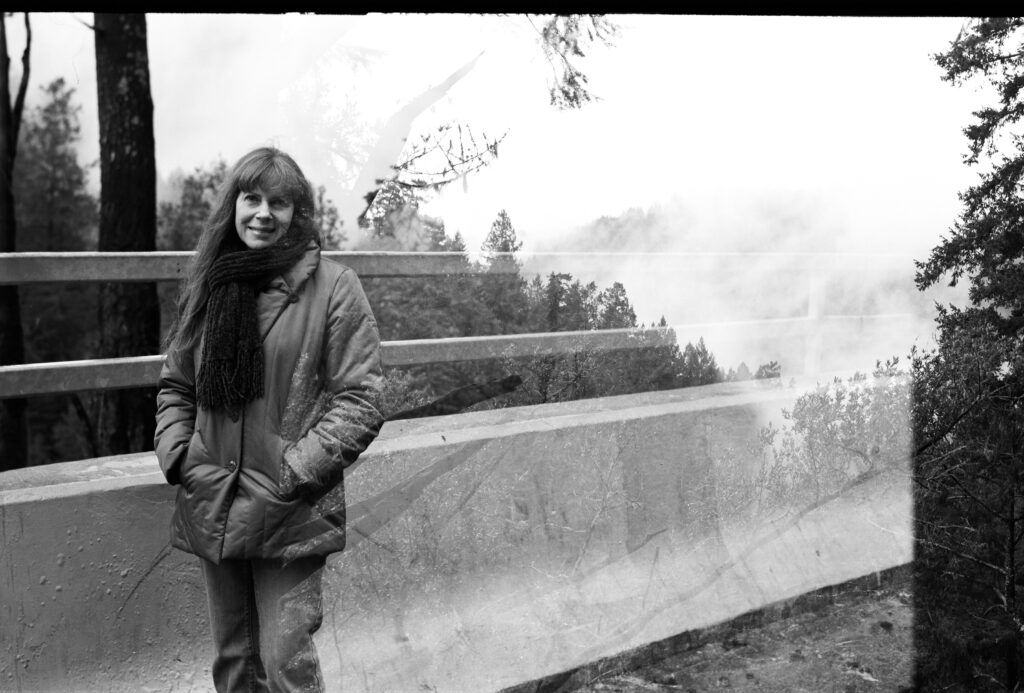
Technical observations from the field test include:
- Aperture and Sharpness: The Industar-23 110mm f/4.5 lens showed significant sharpness loss in the corners when shot wide open. Optimal performance was achieved at f/8 or f/11, where the lens produced high-resolution images comparable to professional medium-format systems of the era.
- Film Handling: The camera utilizes a "red window" on the back to track frame numbers. In older units, the internal frame counters are frequently non-functional, requiring the photographer to manually monitor the film backing paper.
- Coating and Contrast: Due to the lack of modern multi-coating on the lenses, the Moskva is susceptible to lens flare when shooting in backlit conditions. However, when used with a tripod and cable release, the large 6×9 negative provides a level of detail and "depth" that exceeds most 35mm systems.
Broader Implications for Arts Education
The integration of the Genrikh collection into the Watsonville High School environment illustrates the value of tangible history in arts education. In an era dominated by digital sensors and algorithmic image processing, the mechanical nature of Soviet cameras offers students a tactile understanding of the physics of light and the chemistry of film.

Educational experts suggest that using vintage equipment encourages "slow photography," a methodology that requires deliberate composition and a thorough understanding of exposure settings. The "Edgerton assignments" mentioned in the instructor’s records—likely referring to the high-speed stroboscopic techniques pioneered by Harold Edgerton—benefit from the manual control afforded by these older mechanical shutters.
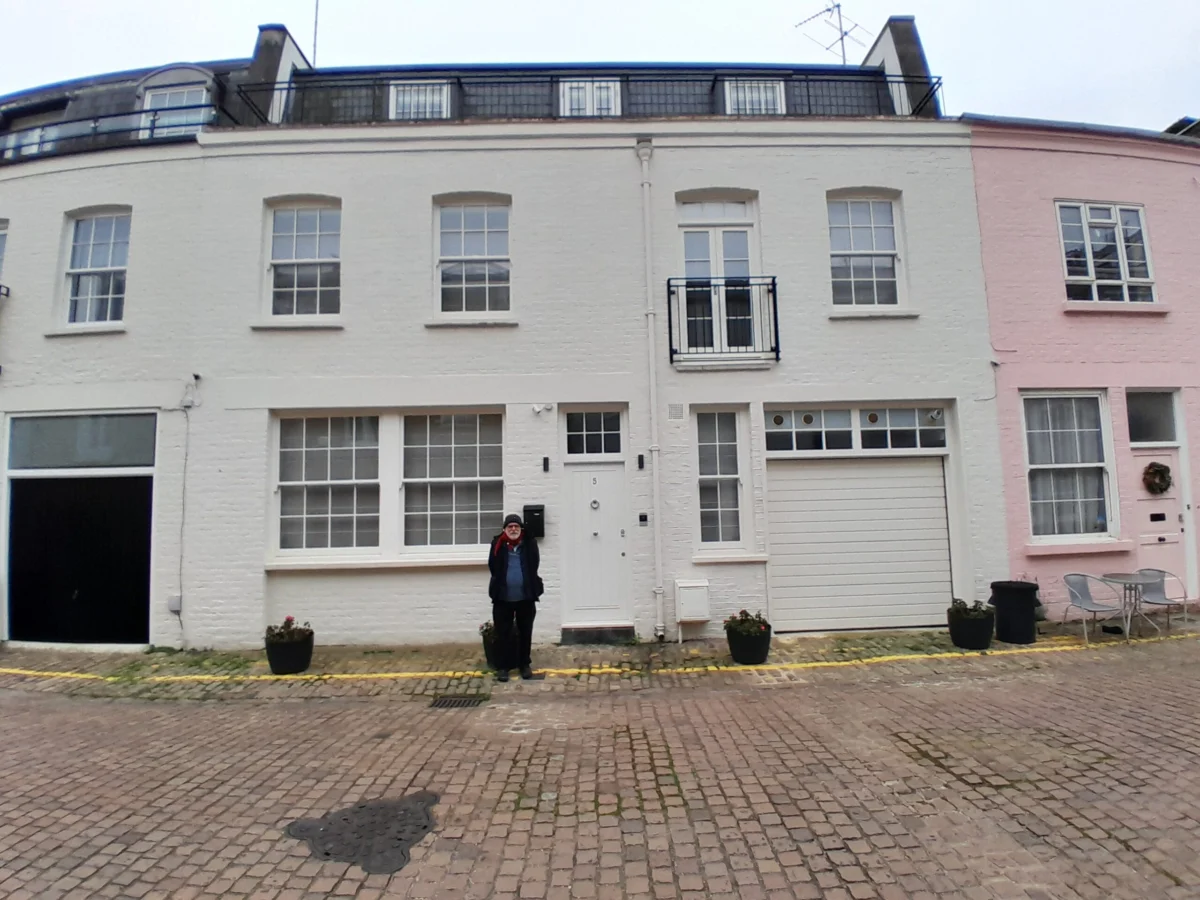
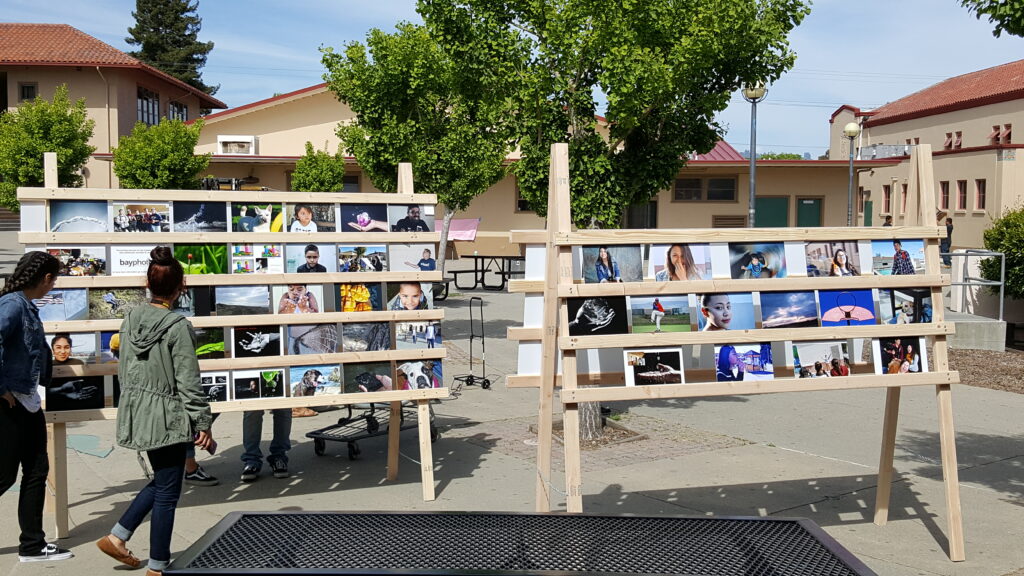
Furthermore, the presence of the collection at a student photo show allowed the local community to engage with the history of the "Old Country." The exhibition of portraits taken with the Moskva, alongside digital shots of Genrikh himself, bridged the gap between the mid-20th-century industrial peak of Kyiv and the 21st-century academic environment of California.

Conclusion and Future Outlook
The story of the Genrikh collection is a testament to the durability of Soviet engineering and the unpredictable nature of global markets. While the initial financial expectations of the family were tempered by the market realities of 2017, the cultural and educational value of the cameras proved immeasurable.
Today, as film photography continues to enjoy a sustained revival among younger generations, the "steamer trunks from Kyiv" represent more than just surplus inventory. They are artifacts of a vanished industrial era and symbols of the immigrant experience. For collectors and photographers, the advice remains consistent: while these vintage machines require meticulous maintenance and a "buyer beware" approach regarding bellows and shutters, the output they provide remains a unique and high-quality alternative to modern digital imaging.

The legacy of photographers like Genrikh lives on through these mechanical survivors, which continue to capture images in the hands of new students and enthusiasts, ensuring that the optical history of Kyiv remains a vibrant part of the global photographic record.