Passerine birds, comprising the colossal order Passeriformes, represent the zenith of avian diversity, accounting for over half of all known bird species globally, with estimates ranging over 6,500 species across more than 130 families. These ubiquitous "perching birds" are defined by their characteristic anisodactyl toe arrangement—three toes pointing forward and one backward—a unique adaptation that grants them an unparalleled grip on branches, reeds, and wires across myriad environments. From the dense canopies of rainforests to the manicured lawns of suburban gardens, and the windswept expanses of open fields to the bustling ecosystems of urban parks, passerines are found on every continent except Antarctica, making them an ever-present, vibrant thread in the tapestry of global biodiversity.

Despite their often diminutive size and frequently frenetic movements, attributes that render them among the most challenging subjects for a photographic lens, the reward for capturing their fleeting beauty is profound. Their omnipresence, from bustling cityscapes to tranquil garden settings, makes them uniquely accessible, fostering a burgeoning community of wildlife photographers eager to document their lives. This accessibility, combined with the intricate details of their plumage and the dynamic nature of their behavior, presents a compelling opportunity for both aspiring and seasoned photographers to hone their skills and connect deeply with the natural world.
Ecological Significance and Diverse Habitats

The Passeriformes order is not only vast in number but also incredibly diverse in form, function, and ecological role. Common examples include the familiar sparrows, tits, finches, warblers, and swallows, each occupying distinct niches within their respective ecosystems. These birds are integral to ecological balance, acting as vital pollinators for various plant species, efficient seed dispersers aiding forest regeneration, and natural pest controllers, consuming vast quantities of insects, especially during breeding season. Ornithologists frequently highlight their role as environmental indicators; fluctuations in passerine populations often reflect the health of local ecosystems, providing crucial data for conservation efforts. For instance, declines in species like the house sparrow in urban areas have prompted studies into habitat loss and pesticide use.
Passerine birds exhibit a remarkable array of vocalizations, which are often their most distinctive identifying features. Learning to recognize bird songs and calls is an invaluable skill for photographers, enabling them to locate species that may be hidden from view. This auditory recognition serves as a preliminary guide, directing attention to potential photographic subjects before visual confirmation. The deep understanding of species-specific behaviors—from foraging patterns to courtship rituals—is paramount. Consulting ornithological guides, engaging with local birdwatching communities, and dedicating time to direct observation are all critical steps in developing the fieldcraft necessary for successful passerine photography.

The Allure of Backyard Photography: Creating an Avian Haven
One of the most effective and rewarding strategies for photographing passerines is to create a dedicated feeding station within a garden or accessible natural space. This approach not only provides consistent opportunities for photography but also offers crucial supplementary food, particularly during periods of natural scarcity, such as harsh winters or prolonged droughts. Data from bird conservation organizations frequently show a spike in feeder reliance during colder months, where supplemental feeding can significantly impact local bird survival rates, often drawing greater numbers and a wider diversity of species to a single location. These concentrated gatherings can lead to captivating interactions between birds, providing rich photographic narratives.

Setting up a feeding station requires thoughtful planning. A variety of food types, including black oil sunflower seeds, nyjer seeds, suet, and mealworms, will attract a diverse array of passerines, each with its own dietary preferences. The placement of feeders is equally important; choose locations that receive ample natural light, ideally during the golden hours of dawn and dusk, to enhance plumage colors and reduce harsh shadows. Crucially, feeders should not be placed in overly exposed areas. Passerines are inherently skittish and require the safety and cover of nearby foliage or dense shrubs, allowing them quick refuge from predators.
Maintaining rigorous hygiene at feeding stations is non-negotiable to prevent the spread of diseases. Feeders should be cleaned regularly with a mild bleach solution and thoroughly dried before refilling. Complementing food sources with a fresh water supply, such as a bird bath or a reflection pool, further enhances the attraction. A simple, large, rectangular planting tray filled with water, strategically positioned with a carefully selected rock or log, can create a stunning reflection pool. The key is to position it to capture reflections of surrounding trees or foliage, avoiding bright, overpowering sky reflections, which can detract from the subject.

Crafting the Perfect Photographic Scene: Perches and Backgrounds
Beyond sustenance, the environment surrounding the feeding station plays a crucial role in creating compelling images. Natural perches, carefully selected and positioned, can transform an ordinary shot into an artistic composition. Photographers are encouraged to seek out branches, twigs, or flowers that not only complement the bird’s colors but also resonate with its natural habitat, preventing the image from appearing artificial or "contrived." A moss-draped branch, a sprig of nascent blossom in spring, or a weathered piece of driftwood can provide a stunning setting, especially when placed against an appropriately blurred background.

The lighting on these perches is paramount. Consider the direction of natural light throughout the day. A perch might be beautifully front-lit in the morning, offering soft, even illumination, and dramatically backlit during the evening golden hour, creating ethereal rim lighting and warm tones. Overcast days, often overlooked, can be surprisingly advantageous; clouds act as a giant diffuser, softening the light and eliminating harsh shadows, which is ideal for capturing intricate feather details and muted, nuanced colors.
Backgrounds are equally critical for impactful passerine photography. To eliminate unwanted distractions and ensure the bird stands out, backgrounds should be sufficiently distant from the subject to be rendered completely out of focus. The degree of blur, or "bokeh," will depend on the chosen lens and aperture. A wide aperture (e.g., f/2.8 to f/5.6) will produce a shallow depth of field, effectively isolating the subject. Longer focal lengths further exaggerate this effect. Photographers should take test shots to assess the background’s appearance, paying attention to complementary colors and utilizing areas of shadow to create dramatic, dark backdrops that enhance the subject’s presence.

Mastering the Craft: Technical Considerations for Dynamic Shots
Photographing passerines demands technical precision, given their small size and rapid movements. Achieving sharp, well-exposed images requires a nuanced understanding of camera settings.

- Shutter Speed: To freeze the frantic movements of a small passerine bird, a shutter speed of at least 1/1000th of a second is generally recommended. These birds rarely remain static for long, necessitating quick reflexes. For capturing birds in flight, which is an even greater challenge, the shutter speed must be increased to at least 1/2500th of a second, ensuring sharp wings and bodies.
- Aperture: A wide aperture, typically ranging from f/2.8 to f/5.6, is crucial for creating a shallow depth of field. This technique effectively separates the bird from its background, producing pleasing bokeh and drawing the viewer’s eye directly to the subject. For frame-filling portraits, where both the bird’s eye and chest feathers need to be sharp, a slightly smaller aperture may be necessary to increase the depth of field just enough.
- ISO: Do not shy away from using higher ISO settings in low-light conditions. Modern cameras manage noise effectively, and it is almost always preferable to achieve critical sharpness with some visible noise than to have a clean, noise-free image that lacks focus or suffers from motion blur.
- Focus Mode: Continuous autofocus (AI Servo on Canon, AF-C on Nikon and Sony) is essential for tracking moving birds, maintaining focus as they shift position. Eye-detection autofocus, available on many contemporary mirrorless cameras, can be exceptionally effective. However, if the system struggles to acquire the eye, switching to a single-point or group focus mode, centered on the bird, can provide maximum accuracy. For capturing birds taking off or landing, pre-focusing manually on a specific spot, such as a perch, and firing a burst of images as the bird enters the plane of focus, can yield excellent results.
- Burst Mode: Utilizing the camera’s continuous shooting or burst mode is highly recommended. Passerines move unpredictably, and firing a sequence of frames significantly increases the probability of capturing that one perfect, decisive moment.
Artistic Vision: Composition and Storytelling
Strong composition is the bedrock of visually striking images. Photographers should strive to visualize their images before pressing the shutter, carefully considering the placement of each element within the frame. While compositional guidelines offer valuable frameworks, creativity should never be stifled by rigid adherence to "rules."

- Rule of Thirds: This fundamental guideline suggests dividing the frame into nine equal parts using two horizontal and two vertical lines. Positioning the subject on one of the intersecting points (power points) often creates a more dynamic and aesthetically pleasing composition than placing it centrally.
- Incorporating the Environment: Including elements of the bird’s natural habitat, such as leaves, blossom, or even subtle hints of its surroundings, adds depth, context, and helps tell a more complete story about the bird’s life and environment.
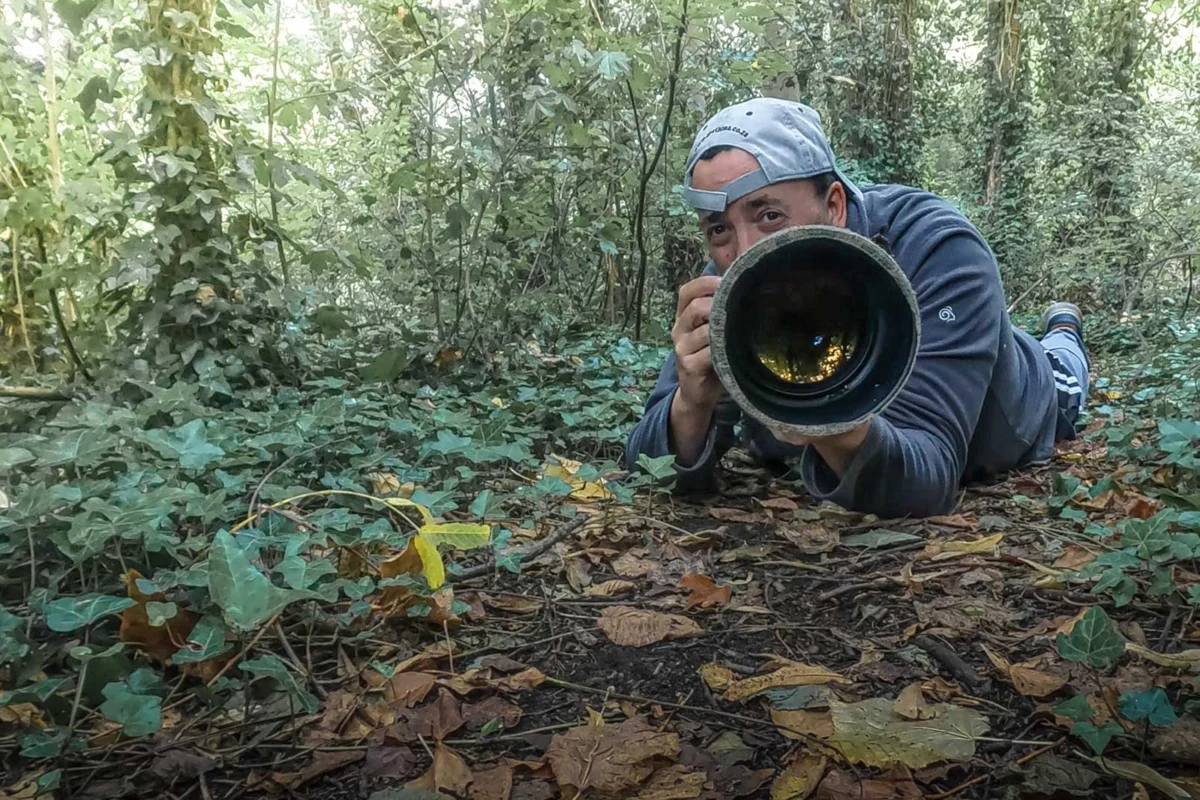
- Eye Level: Shooting at the bird’s eye level fosters intimacy and creates a stronger connection between the subject and the viewer, drawing them into the bird’s world.
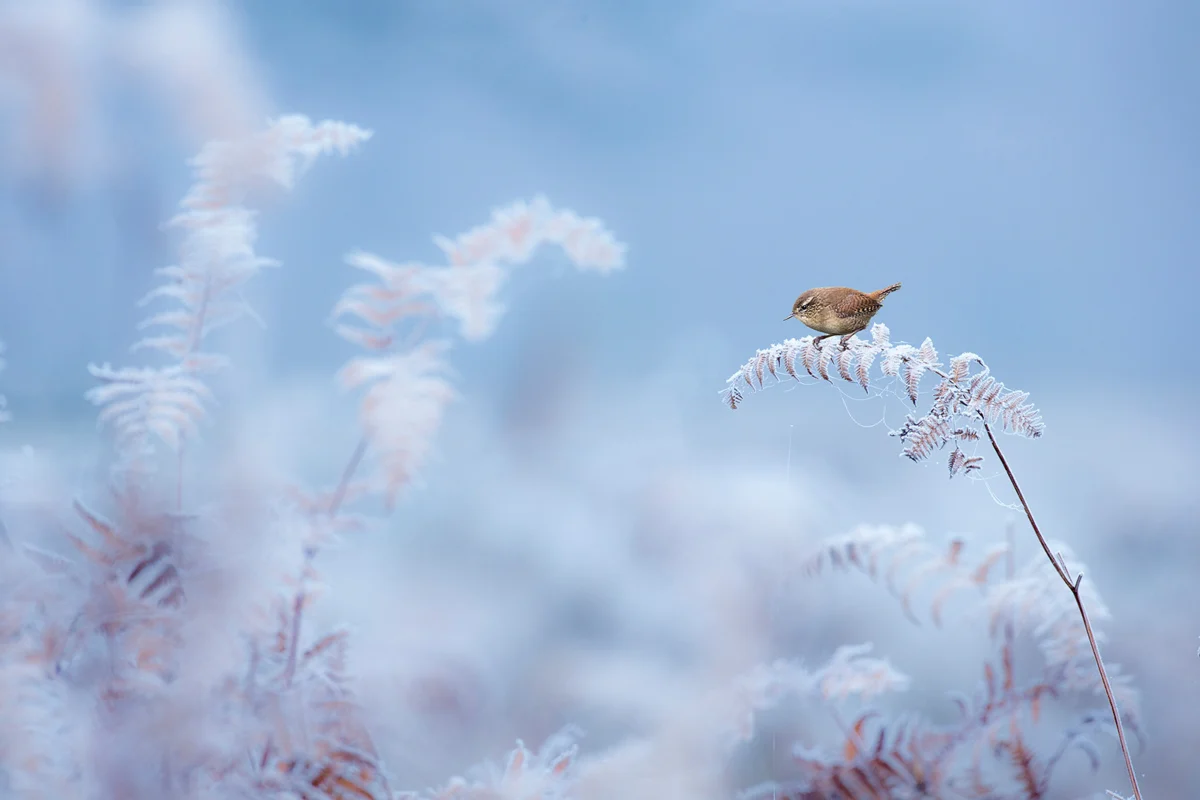
- Negative Space: Deliberately leaving open space around the bird can convey a sense of isolation, emphasize its smallness within a vast environment, or draw attention to the bird itself by minimizing clutter. This technique is particularly effective in stark settings, such as a bird perched against a snowy backdrop, and helps create a balanced composition when the bird is looking or moving into the empty space.
- Leading Lines: Utilizing natural lines within the scene—branches, fence lines, or even patterns in foliage—can effectively guide the viewer’s eye toward the main subject, enhancing the overall visual flow and impact of the image.
Documenting Avian Life: Capturing Behavior and Interaction
Passerines are social and exhibit a rich repertoire of behaviors that can provide captivating photographic opportunities. Patience and acute observation are key to anticipating and capturing these moments.

- Feeding Habits: Documenting birds foraging, feeding their young, or drinking from a water source offers intimate glimpses into their daily lives.
- Singing: During the breeding season, many passerines, including robins, wrens, blackbirds, and song thrushes, are highly vocal, singing to establish and defend territories or attract mates. Capturing a bird mid-song can convey a strong sense of its vitality and purpose.
- Flocks and Fights: Periods of harsh weather often lead to increased competition for food, resulting in squabbles and territorial disputes. These fast-paced interactions can provide dynamic action shots, requiring even faster shutter speeds and potentially a slightly smaller aperture if multiple birds need to be in focus.
- Parenting: The breeding season offers tender moments of parents feeding chicks or guiding fledglings. These sensitive interactions demand an ethical approach to avoid disturbance. Observing from a distance, perhaps through a hide, and allowing the birds to habituate to your presence is crucial. Garden feeders often become key resources for parents seeking to provision their newly fledged young.
- Bathing and Preening: Birds frequently clean themselves, splashing vigorously in water or meticulously arranging their feathers. These actions offer excellent opportunities for capturing dynamic movement or intricate feather details.
Patience transmutes into foresight. Spending prolonged periods observing your subjects allows for an intimate understanding of their individual quirks and collective rituals. This observational discipline is crucial for anticipating moments such as territorial disputes erupting over a feeder during lean winter months, or the tender feeding of fledglings by diligent parents, a delicate balance of capture and non-disturbance.
Recommended Equipment for Passerine Photography

Having the right gear significantly eases the challenges of passerine photography, particularly when aiming to capture fast-paced action.
- Camera Body: A DSLR or mirrorless camera with fast autofocus capabilities and a high frame rate (10 frames per second or more) is ideal for freezing motion and capturing fleeting moments. Modern mirrorless cameras, with their advanced eye-detection autofocus and silent electronic shutters, have revolutionized passerine photography, offering unprecedented tracking capabilities.
- Lenses: A telephoto lens of 300mm or longer is essential for photographing birds from a distance without causing disturbance. Longer lenses, such as 500mm or 600mm, further aid in achieving diffuse backgrounds and isolating the subject. Tele-zoom lenses (e.g., 150-600mm) offer excellent flexibility for framing and composition, while prime lenses typically offer wider maximum apertures and superior image quality.
- Tripod: A sturdy tripod provides vital stability for long shooting sessions, especially when using heavy telephoto lenses or shooting from a hide. A gimbal head, designed for heavy lenses, allows for smooth, effortless tracking of birds in motion.
- Hide: A portable hide or camouflage netting can enable photographers to get closer to birds without disturbing them. Purpose-built bird photography hides are particularly effective if they can be left in situ, allowing birds to become accustomed to their presence.
- Remote Shutter Release: A remote shutter release minimizes camera vibrations, ensuring sharper images, and is particularly useful when the camera is pre-focused on a specific spot.
- Memory Cards: Always carry multiple high-speed memory cards. Burst shooting generates a large number of images, and ample storage, combined with fast write speeds, is essential to avoid missing critical moments.
Broader Implications: Photography as a Tool for Awareness and Conservation

The act of photographing passerine birds extends beyond personal artistic pursuit; it contributes significantly to broader ecological awareness and citizen science initiatives. High-quality images often serve as powerful tools for conservation, illustrating species’ beauty and vulnerability, inspiring public engagement, and providing valuable data for researchers tracking populations and distributions. The burgeoning field of bio-acoustics, often aided by visual documentation, further exemplifies how dedicated observation enriches scientific understanding. Photographers frequently share their sightings and images with platforms like eBird or iNaturalist, contributing to global databases that inform conservation strategies and track environmental changes. This symbiotic relationship between art, science, and advocacy underscores the profound impact an individual photographer can have.
The journey into passerine bird photography is a continuous exploration of nature’s intricacies, demanding a blend of technical mastery, artistic sensibility, and profound patience. Whether in a bustling garden or a serene woodland, these small, agile creatures offer a boundless canvas for aspiring and seasoned wildlife photographers alike, promising both challenge and immense reward in capturing the vibrant essence of the avian world. By embracing ethical practices, understanding avian behavior, and mastering photographic techniques, one can create stunning images that not only celebrate these remarkable birds but also foster a deeper appreciation for the delicate ecosystems they inhabit.