October 22, 2024
By Heather Woolery

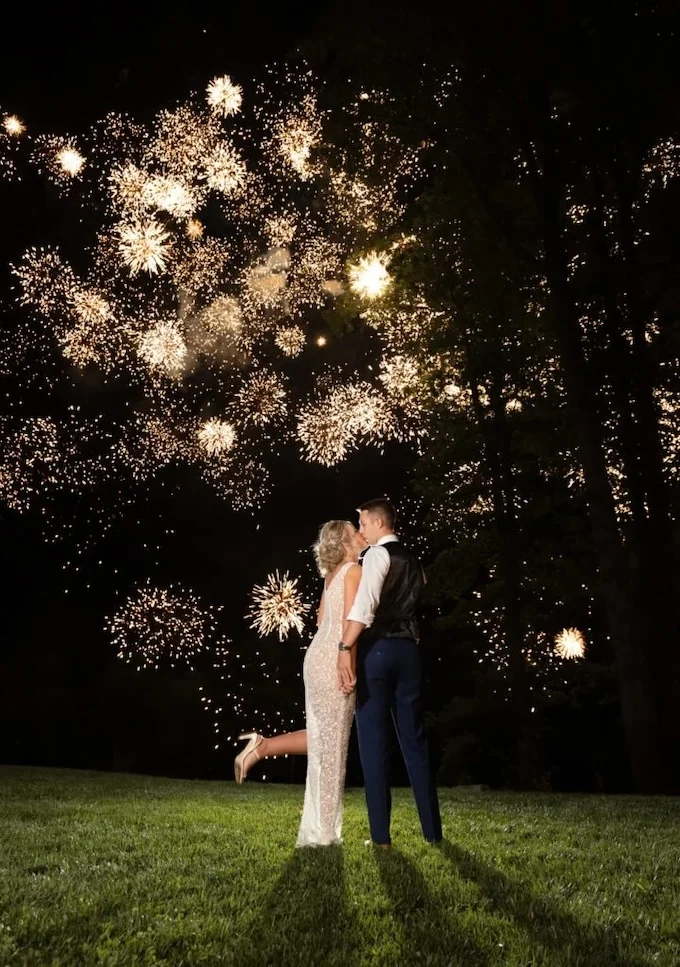
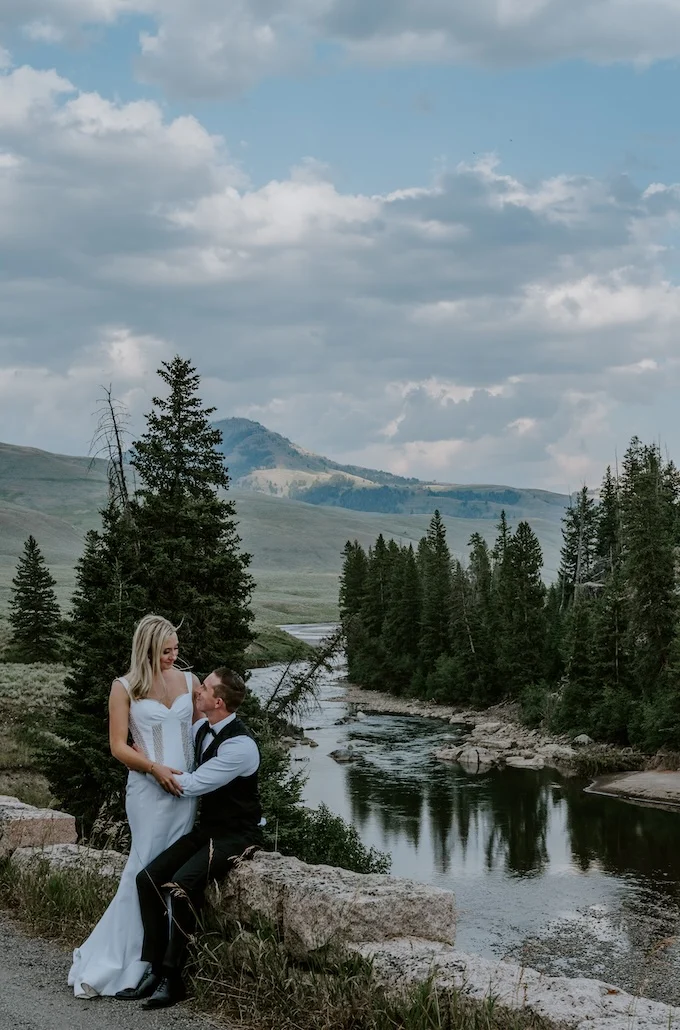
National parks across the United States are experiencing a significant surge in popularity for wedding and elopement photography, a trend that has been building over the past five years. This phenomenon is attributed to a confluence of factors, including the widespread cultural impact of the hit television series "Yellowstone," the parks’ recent 150th-anniversary celebrations, and the residual effects of the COVID-19 pandemic, which saw record-breaking visitor numbers in places like Yellowstone National Park once they reopened. The allure of a national park wedding is undeniable, offering couples the opportunity to exchange vows amidst breathtaking natural landscapes. With 63 parks nationwide, each presenting unique vistas and experiences, these locations provide an accessible yet profoundly natural setting for ceremonies and photography. For photographers considering expanding their services to include national park weddings and elopements, understanding the complexities and rewards is crucial.
The Growing Appeal of National Park Weddings
The rise in national park weddings is not merely a fleeting trend but a reflection of evolving societal preferences and a desire for more intimate, nature-centric celebrations. Yellowstone National Park, in particular, has emerged as a prime destination, drawing couples seeking its iconic geysers, thermal features, and vast wilderness. However, the appeal extends to numerous other parks, from the dramatic coastlines of Acadia to the majestic peaks of the Rockies and the serene deserts of Joshua Tree.

Heather Woolery, a photographer with extensive experience in this niche, notes her first national park elopement was in Joshua Tree National Park in 2018. Since then, she has documented weddings and elopements in eleven national parks, with Yellowstone becoming her most frequent venue. Her deep personal connection to Yellowstone, having visited since childhood, has informed her professional approach. "After documenting my first Yellowstone elopement in 2020, I began meticulously collecting data on locations, noting the time of day, visitor density, and time of year," Woolery explained. This detailed mapping allowed her to gain an intimate understanding of the park, not just as a tourist, but as a professional capable of navigating its unique challenges and opportunities for wedding photography. This granular knowledge enables her to serve her Yellowstone couples at a significantly higher level.
Navigating the Landscape: Permits, Planning, and Photography
Unlike traditional wedding venues that often provide comprehensive planning services, officiants, and vendor lists, national parks operate under a different set of regulations and logistical frameworks. For photographers specializing in national park weddings and elopements, this distinction is paramount. While not typically serving as wedding planners or day-of coordinators, their role often expands to encompass significant planning assistance due to the intricate nature of park permits, transportation, and the unique requirements of these protected areas.

The Special Use Permit (SUP) system is central to any event held within a national park. Previously, photographers in Yellowstone were required to obtain a Commercial Use Authorization (CUA), a process that was both extensive and costly. However, recent policy changes have streamlined this for elopements and micro-weddings. Now, couples are required to obtain an SUP, which conveniently also serves as the photographer’s permit for the event. This shift simplifies the process for both couples and photographers, although understanding and adhering to the permit’s stipulations remains critical.
The sheer popularity of parks like Yellowstone presents a significant challenge for photographers and couples alike. With millions of visitors annually, popular tourist sites such as Old Faithful, Grand Prismatic, and Mammoth Hot Springs can become overwhelmingly crowded. Woolery emphasizes the need for careful planning regarding the time of year and the selection of alternative ceremony and photography locations within the park to ensure a more intimate experience. "This frequently happens at popular tourist locations such as Old Faithful, Grand Prismatic, and Mammoth Hot Springs," she noted. Strategic timing and location scouting are essential to avoid these crowds and capture the serene beauty that couples envision.

The Evolving Role of the Elopement Photographer
The rise of national park elopements has redefined the role of the photographer in this specialized market. Often, couples eloping or having micro-weddings in these settings will only hire a photographer. This places a considerable responsibility on the photographer to possess deep knowledge of the park or to diligently research and curate a bespoke experience for their clients that is both feasible and compliant with park regulations. This proactive approach elevates the photographer from a mere documentarian to an invaluable guide and facilitator.
The logistical considerations extend beyond permits. Couples planning a national park wedding must contend with factors such as:

- Accessibility: While many parks offer paved pathways, some desirable locations may require hiking or specialized transportation, necessitating careful consideration of guest mobility.
- Weather Variability: National parks are subject to unpredictable weather patterns. Photographers must be prepared for a range of conditions, from intense sun and heat to snow and wind, regardless of the season.
- Limited Amenities: Unlike conventional venues, parks typically lack on-site facilities such as restrooms, changing rooms, or catering services. Couples and their guests must be prepared for a more rustic experience.
- Wildlife Encounters: The presence of wildlife adds to the natural beauty but also requires awareness and adherence to safety guidelines to ensure the well-being of both the couple and the animals. Photographers must be adept at capturing these moments without disturbing the ecosystem.
- Seasonal Closures and Restrictions: Certain park roads or areas may be closed seasonally due to weather or conservation efforts. Photographers need to stay informed about these restrictions to avoid last-minute changes to their planned itineraries.
The Pros and Cons of National Park Wedding Photography
The decision to specialize in national park wedding and elopement photography involves weighing its significant advantages against its inherent challenges.
Pros:

- Unparalleled Backdrops: National parks offer some of the most stunning and diverse natural landscapes on Earth, providing photographers with breathtaking and unique settings for their work. This visual richness can elevate a portfolio and attract clients seeking extraordinary imagery.
- Growing Market Demand: The increasing popularity of national park weddings signifies a growing market for photographers who can expertly navigate these venues. This demand can lead to a steady stream of clients and opportunities for business growth.
- Unique Client Experiences: For couples, a national park wedding offers an unforgettable experience that is deeply connected to nature. Photographers who facilitate these experiences can foster strong client relationships and generate positive word-of-mouth referrals.
- Creative Freedom: While regulations must be observed, the vastness and natural beauty of national parks can offer considerable creative freedom in terms of composition, lighting, and storytelling.
- Personal Fulfillment: For photographers who are passionate about nature and adventure, specializing in national park weddings can be personally rewarding, combining their professional skills with their personal interests.
Cons:
- Logistical Complexity: As detailed previously, navigating permits, park regulations, transportation, and weather can be exceptionally complex and time-consuming.
- Crowd Management: Dealing with large numbers of tourists can be a significant challenge, requiring strategic planning and flexibility to achieve intimate shots.
- Accessibility Issues: Some of the most visually stunning locations may be difficult to access, posing challenges for clients with mobility issues or for transporting equipment.
- Unpredictable Conditions: Weather can change rapidly in natural environments, and wildlife encounters require careful management. Photographers must be adaptable and prepared for unforeseen circumstances.
- Limited Infrastructure: The absence of typical wedding venue amenities means photographers may need to assist couples in arranging for basic necessities, adding to their responsibilities.
- Potential for Over-saturation: As the market grows, competition can increase. Photographers need to differentiate themselves through exceptional skill, specialized knowledge, and outstanding client service.
The Future of National Park Celebrations
Despite the challenges, Heather Woolery remains a strong advocate for national park weddings. "Ultimately, call me biased, but I believe getting married in a national park is worth the planning. It offers couples endless opportunities and options to create a once-in-a-lifetime experience for their wedding day that is tailored to who they are all while being in some of the most stunning and diverse landscapes the United States has to offer," she states.

The trend of national park weddings and elopements is expected to continue its upward trajectory. As more couples seek authentic, meaningful, and nature-infused celebrations, these protected landscapes will remain highly sought after. For photographers, this presents a compelling opportunity to develop specialized skills, build a unique business model, and contribute to couples’ most cherished memories. The key to success lies in thorough preparation, a deep respect for the natural environment, and a commitment to providing an exceptional client experience that transcends mere photography. By embracing the complexities and leveraging the inherent beauty of these national treasures, photographers can carve out a thriving niche in this expanding market.
Heather Woolery is a Northwest-based photojournalist known for her earthy, nostalgic approach to documenting weddings and elopements around the world with both digital and analog film. She is currently creating a series of digital guides for engaged couples launching in early 2025. Follow her on Instagram, YouTube, Patreon, and Pinterest.