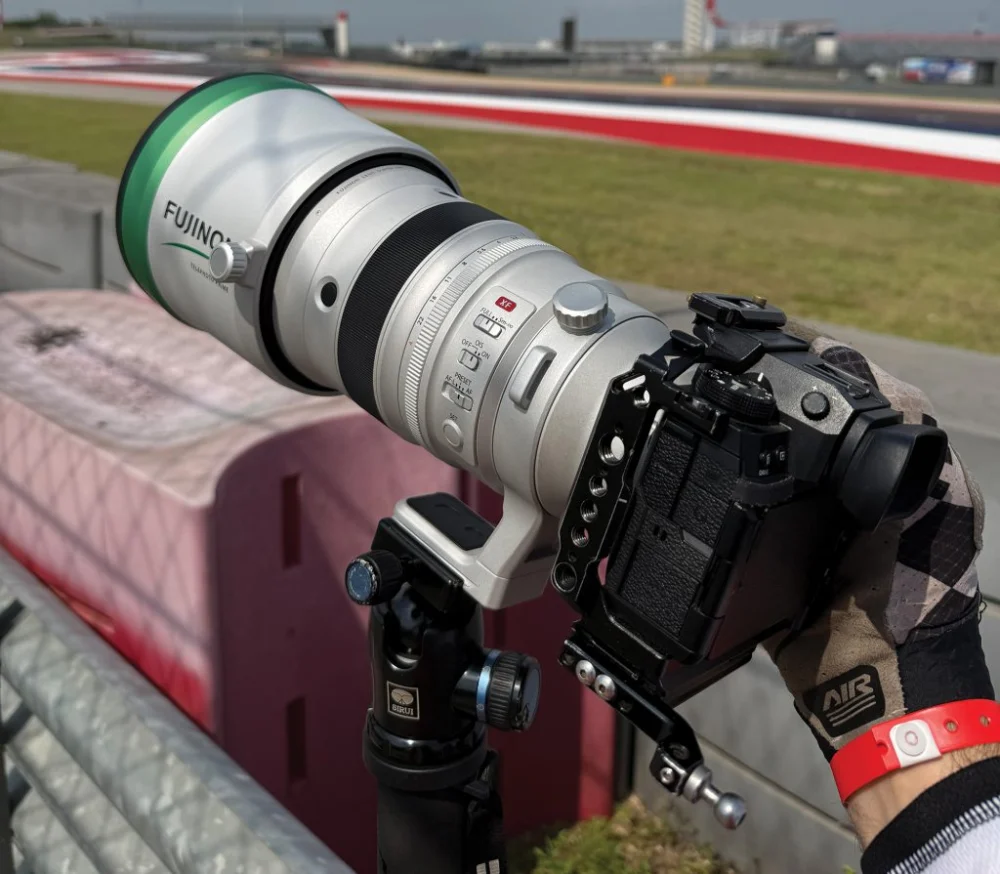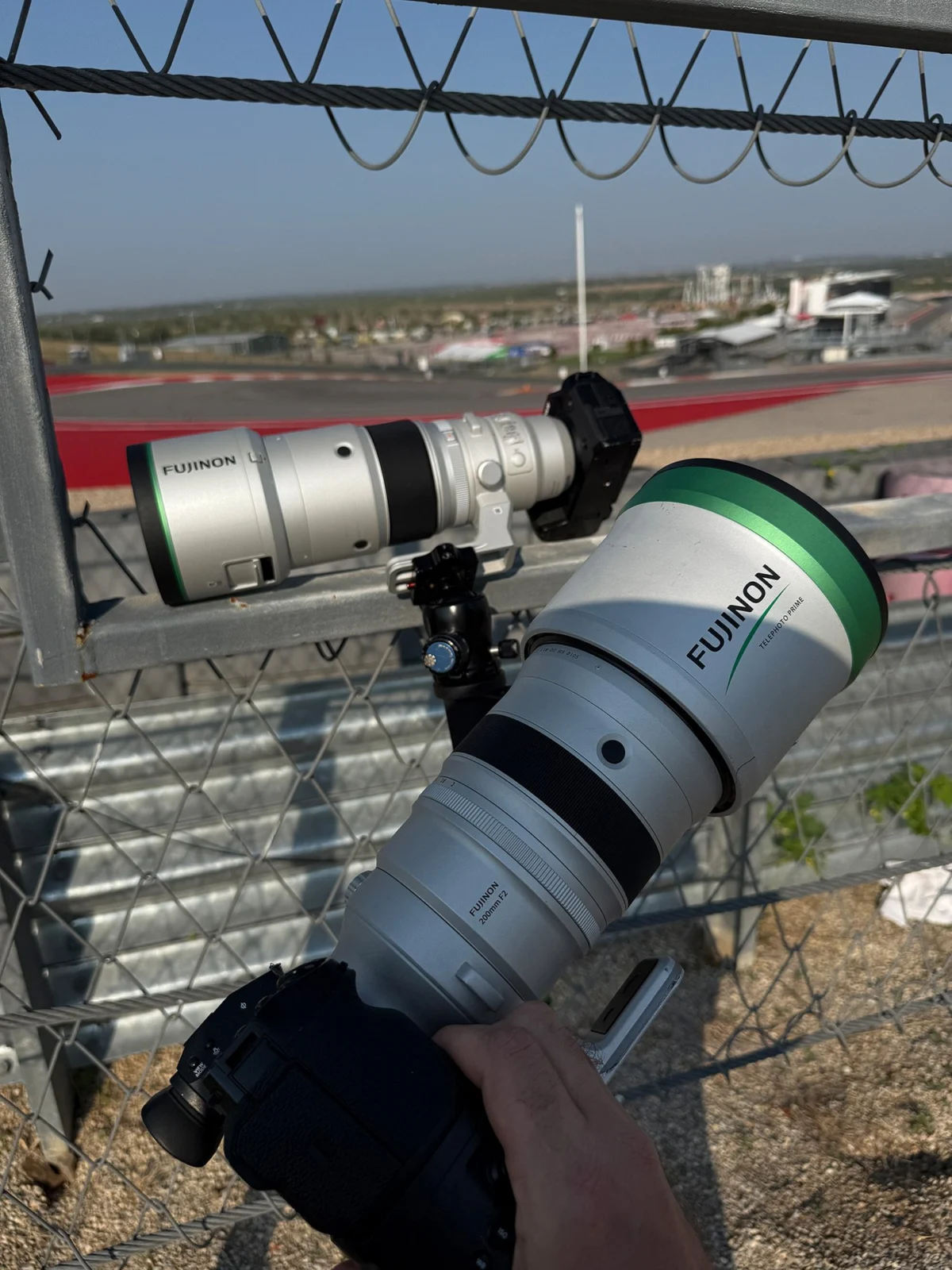
The landscape of professional photography has seen a notable evolution over the past decade, with mirrorless systems increasingly challenging the dominance of traditional DSLR platforms, particularly in demanding genres such as motorsport. For photographers whose work has progressively centered on capturing the dynamic spectacle of high-speed racing, the requirement for specialized long lenses capable of delivering uncompromising performance across varying light conditions and distances has become paramount. While versatile telephoto zooms, such as the venerable Fujifilm XF100-400mm f/4.5-5.6, have long served as indispensable workhorses for trackside coverage, providing crucial flexibility, the pursuit of ultimate optical quality and distinct aesthetic characteristics often necessitates a different class of instrument. This detailed examination delves into the Fujifilm XF200mm f/2 OIS WR, a lens that transcends mere versatility to embody a profound commitment to optical excellence and professional-grade performance within the Fujifilm X-Series ecosystem.
The Evolution of Professional Tools for High-Speed Action
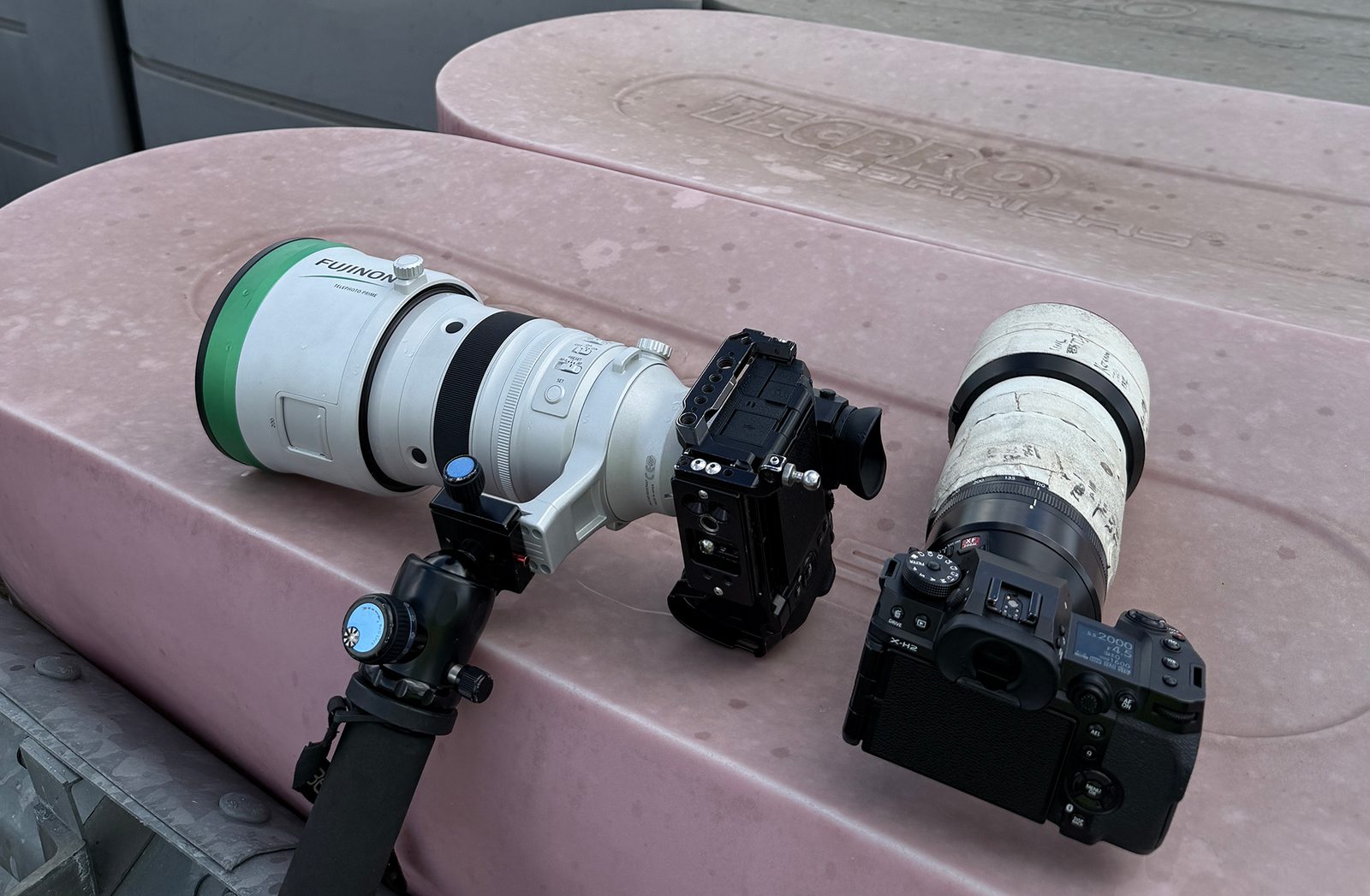
Motorsport photography is characterized by a unique set of challenges. Photographers must contend with subjects moving at triple-digit speeds, often under rapidly changing natural light, across expansive outdoor venues like the Circuit of the Americas. Capturing tack-sharp images, isolating subjects from complex backgrounds, and maintaining reliable autofocus tracking are not merely desirable attributes but absolute necessities for professional output. Historically, this domain was largely the preserve of full-frame DSLR systems boasting an array of fast super-telephoto primes. Fujifilm’s entry into this high-stakes arena with its X-Series, initially known for its compact size and retro aesthetics, marked a strategic shift towards catering to professional demands. The introduction of robust, weather-sealed lenses like the XF100-400mm f/4.5-5.6 provided a strong foundation, offering the necessary reach and durability for many photographers transitioning to the system. However, the XF200mm f/2, released in July 2018, signaled Fujifilm’s unequivocal intent to compete at the very highest echelons of professional sports photography, offering an unparalleled combination of speed, clarity, and subject separation. This lens was not designed to be merely a versatile option but a definitive statement of optical commitment, positioning Fujifilm as a serious contender for photographers who require peak performance in the most challenging environments.
Technical Mastery: Precision Engineering for Peak Performance
The Fujifilm XF200mm f/2 OIS WR is a meticulously engineered optical instrument designed to meet the rigorous demands of professional use. Its native focal length of 200mm, when mounted on an APS-C X-series body, provides an angle of view equivalent to approximately 305mm on a full-frame system. This telephoto reach is significant for isolating distant subjects on a sprawling racetrack or in wildlife scenarios. Crucially, the lens comes bundled with the XF 1.4x TC WR teleconverter, extending its effective full-frame equivalent focal length to roughly 427mm. Despite the teleconverter’s integration, a notable engineering achievement is the minimal impact on optical and autofocus performance, maintaining a high degree of image quality even with the reduced maximum aperture of f/2.8. This flexibility allows photographers to adapt quickly to varying distances without compromising on image fidelity, providing a versatile solution for different shooting requirements without the need to switch lenses.
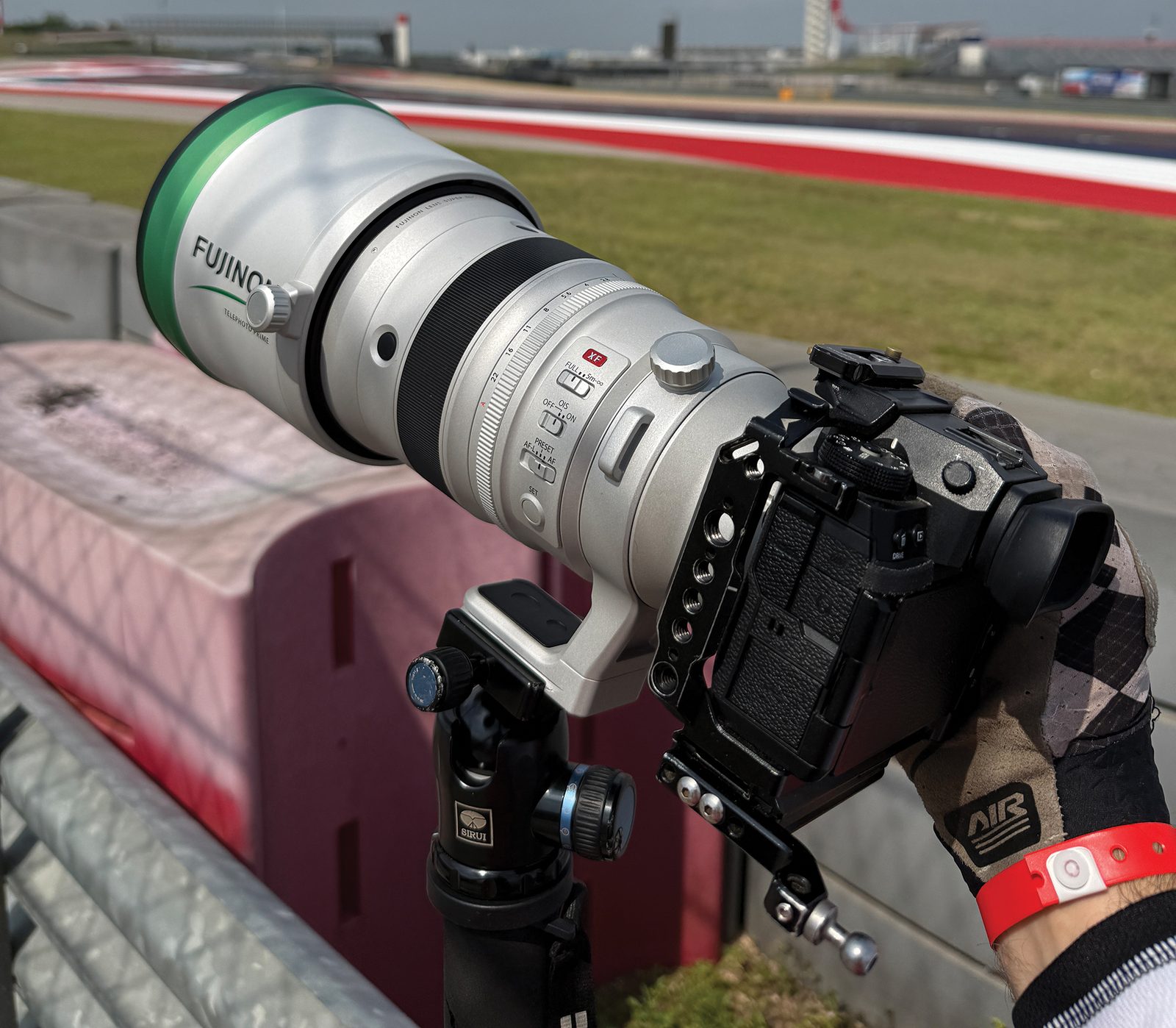
The physical construction of the XF200mm f/2 immediately conveys its professional pedigree. Encased in a full-metal barrel, the lens is exceptionally robust and built to withstand the rigors of professional field use. Its distinctive matte silver finish is not merely an aesthetic choice but a practical design decision aimed at minimizing heat absorption during prolonged exposure to direct sunlight, a common scenario at outdoor sporting events. This heat dissipation helps prevent internal temperature fluctuations that could potentially degrade optical performance over extended shooting sessions, ensuring consistent image quality. The lens is fully weather-sealed at 17 points, providing crucial protection against dust, moisture, and low temperatures, ensuring reliability in challenging trackside conditions. Furthermore, the front element benefits from a fluorine coating, a hydrophobic and oleophobic layer that repels water droplets, dust, and grease, simplifying cleaning and protecting the optical surface from environmental contaminants.
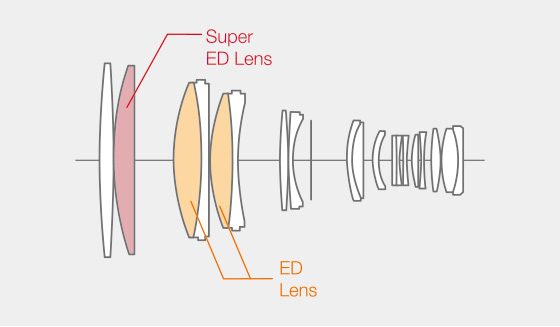
Internally, the XF200mm f/2 employs a sophisticated optical design comprising 19 elements arranged in 14 groups. This includes one Super ED (Extra-low Dispersion) element and two ED elements, strategically placed to meticulously control chromatic aberration across the entire aperture range. This advanced optical formula ensures images exhibit exceptional sharpness, contrast, and color accuracy with virtually no distracting color fringing, even in high-contrast situations. The autofocus system is driven by a powerful twin linear motor, renowned for its rapid, precise, and virtually silent operation. This speed is critical for tracking subjects moving at extreme velocities, allowing photographers to capture decisive moments with confidence. Complementing the autofocus system is a highly effective 5-stop optical image stabilization (OIS) system, providing invaluable assistance for handheld shooting, especially during panning shots at slower shutter speeds or in low-light conditions where tripod use is impractical. The lens also features nine rounded aperture blades, which contribute to a beautifully smooth, circular bokeh, effectively isolating subjects from busy backgrounds and creating a pleasing aesthetic. Precision exposure control is facilitated by a one-third EV step aperture ring, offering granular adjustments. For enhanced stability and ease of use with monopods or tripods, an integrated rotating tripod collar with strap attachment points underscores the lens’s professional intent, allowing for quick transitions between horizontal and vertical orientations.
In-Field Performance: Mastering the Race Track
The true testament to any professional lens lies in its real-world performance under pressure. When paired with Fujifilm’s high-performance X-H2S camera bodies, the XF200mm f/2 establishes a benchmark for the X-Series. The X-H2S, with its stacked 26.1MP X-Trans CMOS 5 HS sensor and X-Processor 5, delivers significantly enhanced autofocus speeds, subject detection capabilities, and continuous shooting rates. This synergy between the XF200mm f/2 and the X-H2S creates a formidable combination where speed, autofocus reliability, clarity, and sharpness operate at an almost effortless level. For motorsport photographers, where subjects hurtle past at triple-digit speeds, the ability to acquire and maintain focus with unwavering precision is paramount. The difference between a usable shot and a portfolio-worthy image often hinges on this very capability, making the combined system a critical asset.
While the XF200mm f/2 also performs commendably on the X-H2, the autofocus acquisition and consistency are demonstrably superior on the X-H2S. The X-H2, with its higher-resolution 40.2MP X-Trans CMOS 5 HR sensor, excels in detail rendition, but for the specific demands of high-speed action, the X-H2S’s stacked sensor architecture provides a distinct advantage in terms of readout speed and autofocus calculations. This nuance is critical when capturing unpredictable moments on the track, making the X-H2S the preferred companion for maximizing the XF200mm f/2’s potential in such scenarios. Professional photographers leveraging this combination frequently report a new benchmark in X-series performance for action photography.
An initial acclimation period is often noted by photographers when first deploying this specialized prime lens. Moving from the flexibility of a zoom to the fixed perspective of a 200mm prime requires a deliberate approach to vantage point selection and framing. However, once photographers adapt to this discipline, the experience becomes profoundly rewarding. The lens’s ability to render subjects with critical sharpness while producing rich, creamy bokeh, even wide open at f/2, is exceptional. This remarkable subject-background separation, a hallmark of fast super-telephoto primes, contributes significantly to the artistic impact of motorsport imagery, drawing the viewer’s eye directly to the racing machine. The optical quality is so striking that photographers frequently report audible reactions of satisfaction when reviewing images captured with the lens, underscoring its impressive output.

Several practical design elements further enhance the XF200mm f/2’s usability in the field. The programmable autofocus buttons on the lens barrel are genuinely useful, particularly when shooting handheld or while panning. These buttons provide an additional point of stable interaction and quick access to critical functions, allowing photographers to maintain focus on the action without removing their eye from the viewfinder. The lens hood is another testament to its professional design: large, rigid, and secured with a robust pressure screw, it offers substantial protection against flare and physical impact. For many professional motorsport photographers, a common technique involves cupping the edge of the hood while resting the lens on a monopod, providing an extra degree of stability and control during extended shooting periods.
Practical Considerations and Strategic Investment
Despite its unparalleled performance, the XF200mm f/2 presents certain practical considerations that professional photographers must account for. Weighing approximately 2,265 grams (just under 5 pounds), it is a substantial piece of equipment. While manageable for short bursts of handheld shooting, a full day of trackside action, especially involving continuous speed panning, will inevitably lead to physical strain. Therefore, a monopod often transitions from being an optional accessory to a welcome and often necessary companion for mitigating fatigue and ensuring consistent stability over prolonged sessions. The integrated rotating tripod collar is a thoughtful inclusion, facilitating effortless transitions between horizontal and vertical compositions without detaching the camera from the monopod.

Another significant consideration is the lens’s massive front element, which necessitates the use of large 105mm filters. Given the lens’s retail price, which hovers around $6,000 new, investing in a dedicated filter kit represents a non-trivial additional expense. A typical professional kit for motorsport would include a high-quality UV filter for constant front element protection against debris and minor impacts, a circular polarizer (CPL) for managing reflections and enhancing color saturation under bright conditions, and a variable neutral density (VND) filter. The VND filter is particularly useful for allowing wide-open shooting at f/2 or f/2.8 in intense daylight, enabling the photographer to leverage the shallow depth of field for maximum subject isolation even when light levels are abundant. These filters are not optional luxuries but essential tools for maximizing creative control and protecting a significant investment.
Strategic Positioning: The "Umami Lens" in a Professional Kit
The Fujifilm XF200mm f/2 OIS WR occupies a distinctive niche within the professional photographer’s arsenal. It is not intended as a photographer’s first lens, nor is it the most flexible in terms of focal length range. Instead, it serves as a specialized instrument, an "umami lens" that offers a unique and unparalleled aesthetic flavor to images—a quality not easily replicated by other lenses in the Fujifilm lineup. For professional motorsport photographers, it typically becomes the third essential lens in a kit, reserved for specific conditions and creative objectives.
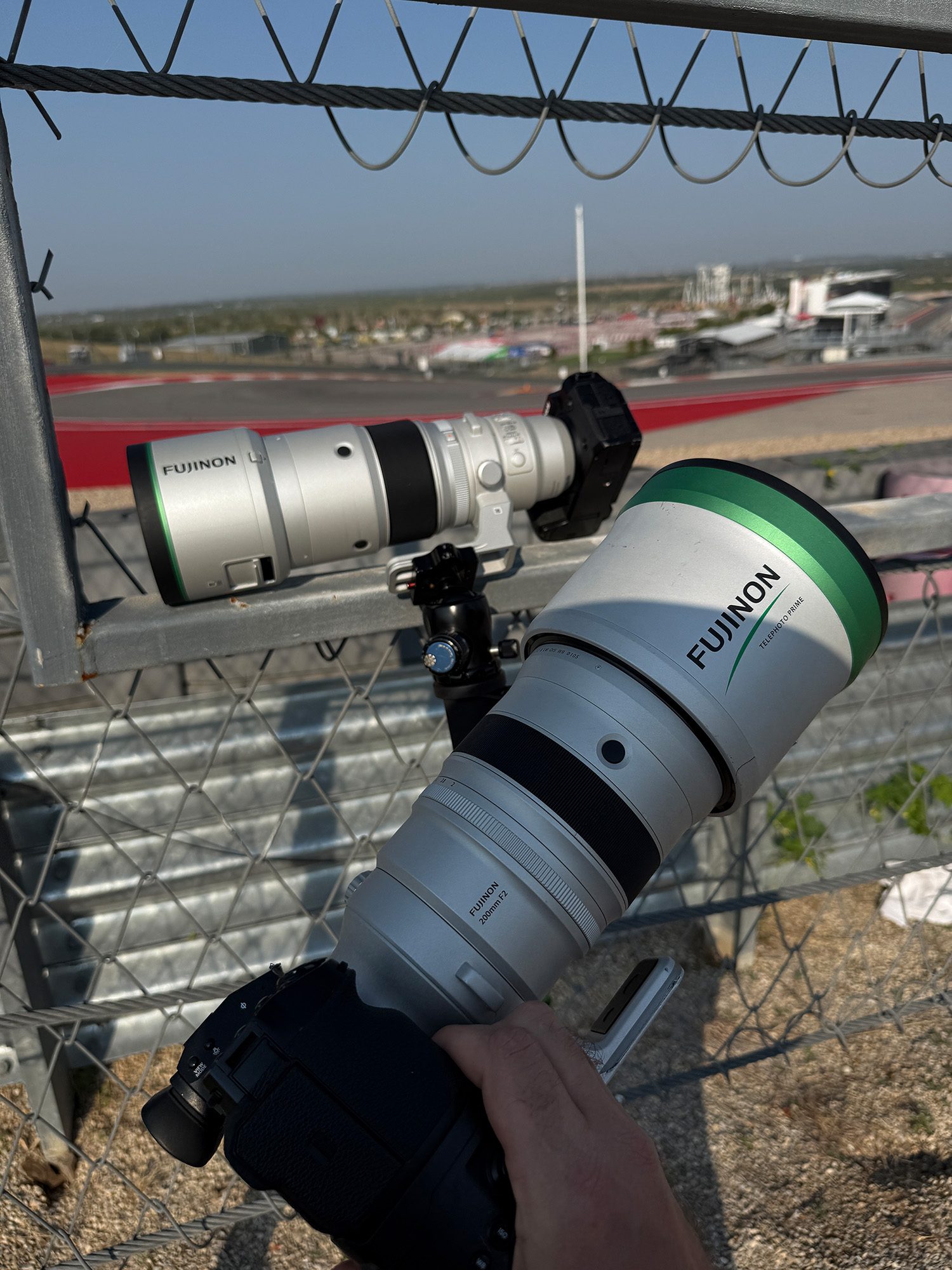
When versatility is the primary requirement for covering diverse angles in the paddock or along different sections of the track, the more adaptable XF50-140mm f/2.8 or the XF100-400mm f/4.5-5.6 zoom lenses perform the heavy lifting. These zooms offer the flexibility to quickly adjust framing without changing lenses, which is crucial in fast-paced environments. However, when ambient light levels drop, when backgrounds demand exceptional isolation and rendering, or when absolute clarity and sharpness are the paramount priorities, the XF200mm f/2 emerges as the heavyweight champion. Its wide maximum aperture allows for faster shutter speeds in challenging light, while its optical design delivers breathtaking resolution and micro-contrast, creating images with a distinctive three-dimensional pop.
Implications for Fujifilm and Professional Photographers
The existence and performance of the XF200mm f/2 have significant implications. For Fujifilm, it reinforces the company’s commitment to developing a comprehensive, professional-grade system capable of challenging established players in demanding fields like sports and wildlife photography. It demonstrates that the X-mount is not just for enthusiasts or specific niche applications but a serious contender for top-tier professionals. Industry analysts note that such specialized, high-performance lenses are crucial for building credibility and attracting photographers who demand uncompromising quality, signaling Fujifilm’s dedication to serving advanced users.

For professional photographers already invested in the Fujifilm X-Series, the XF200mm f/2 represents an opportunity to elevate their work to new heights. It provides an option that allows for a distinctive visual signature, characterized by exquisite detail and unparalleled subject separation. While it is undeniably a significant investment, its inclusion in a professional kit enables the creation of images that stand apart, offering clients a unique and premium aesthetic. The decision to acquire such a lens is not one of necessity for basic coverage, but one of ambition and dedication to producing images of exceptional artistic and technical merit. It is a lens that, once integrated into a workflow, becomes an indispensable tool for those who strive for the pinnacle of photographic expression within the dynamic world of motorsport. Its enduring presence in a professional’s bag is a testament to its unmatched capabilities and the unique "flavor" it brings to every shot, solidifying Fujifilm’s position in the high-performance photography market.