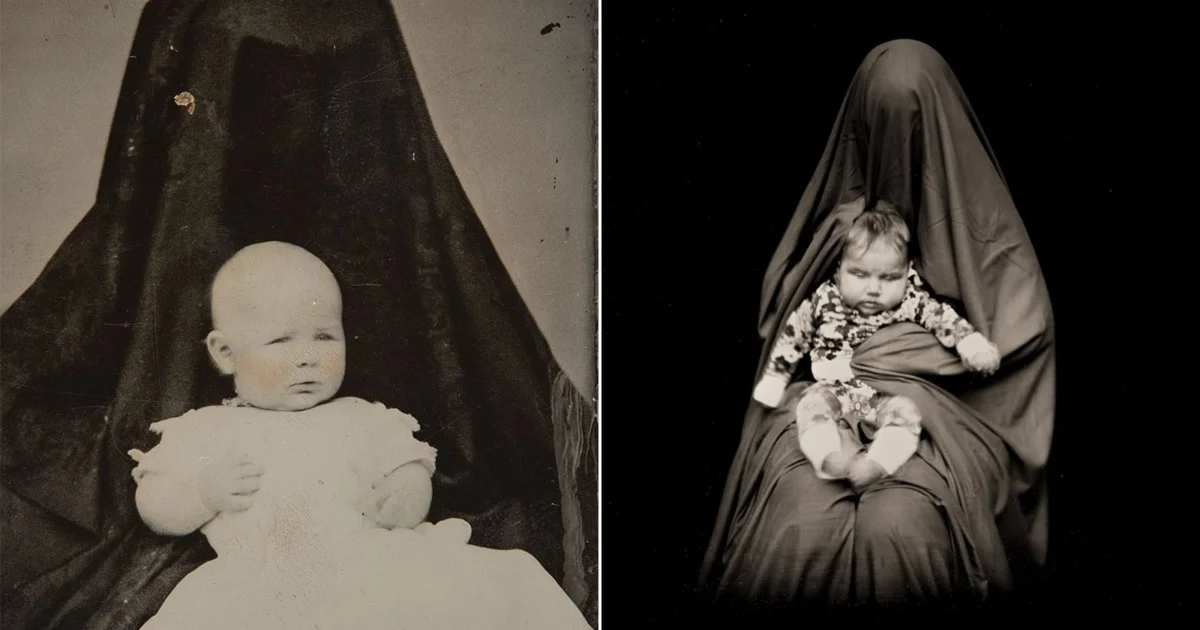
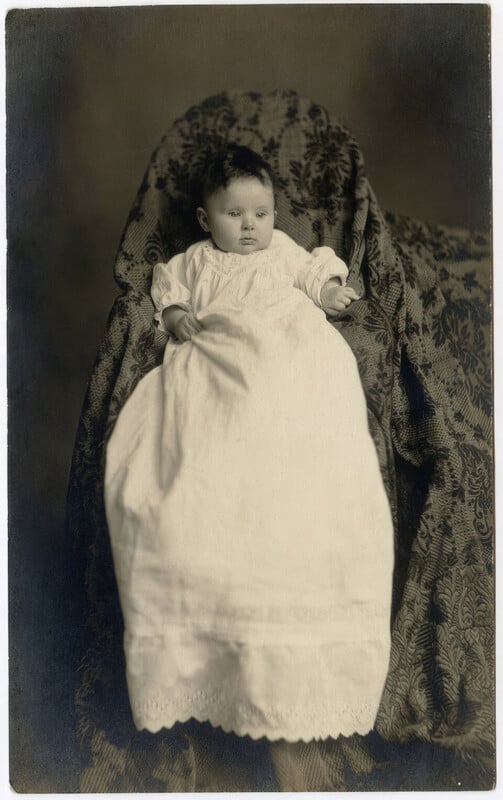
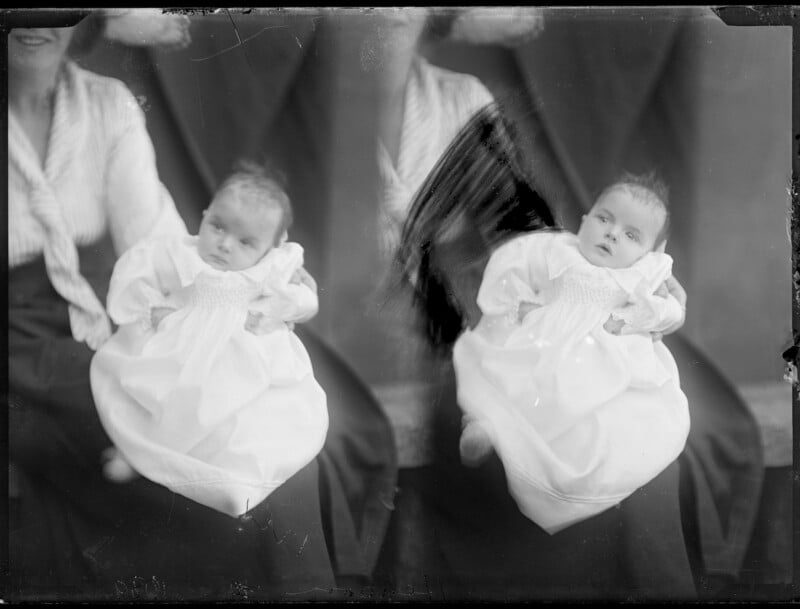
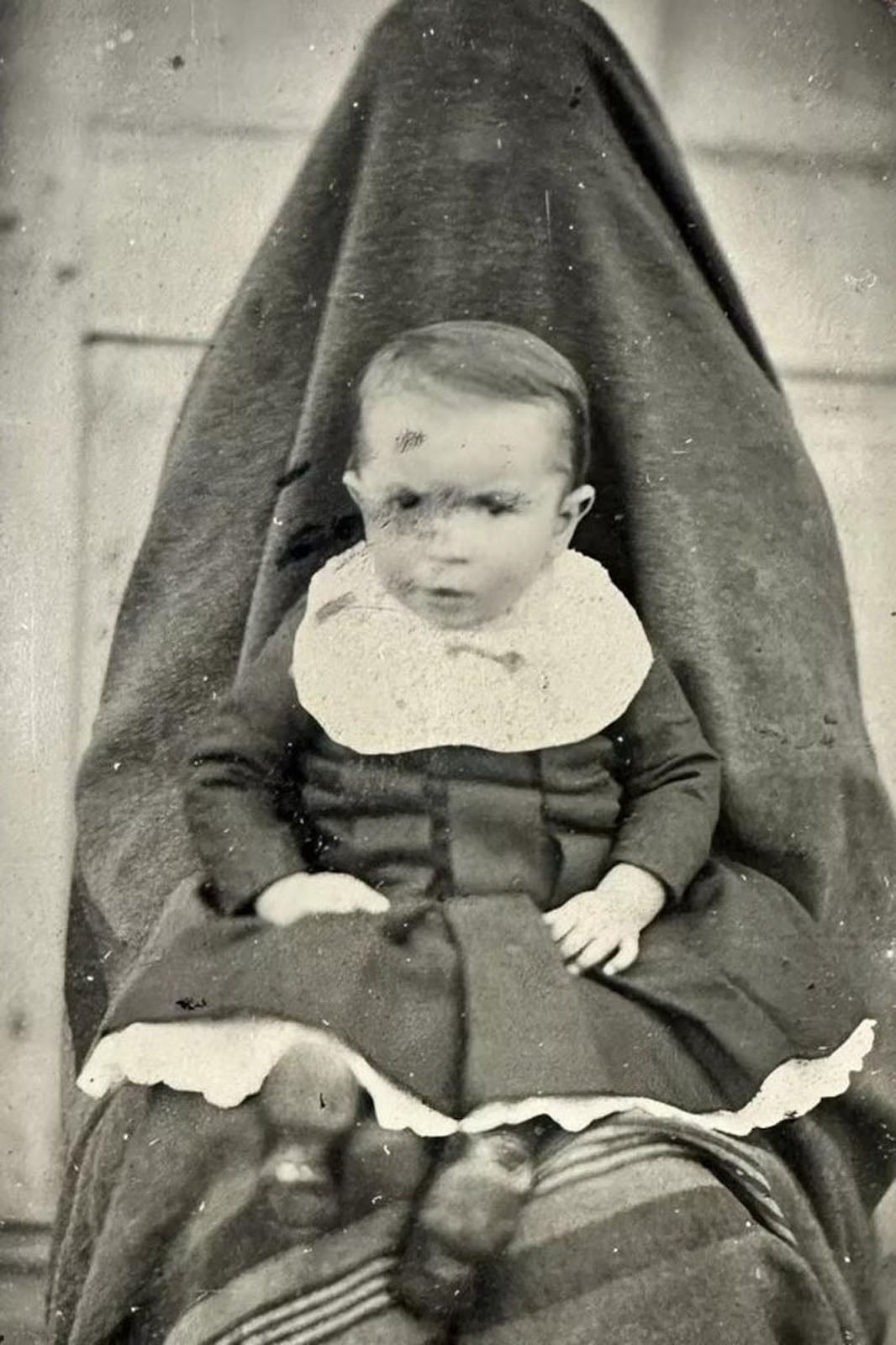
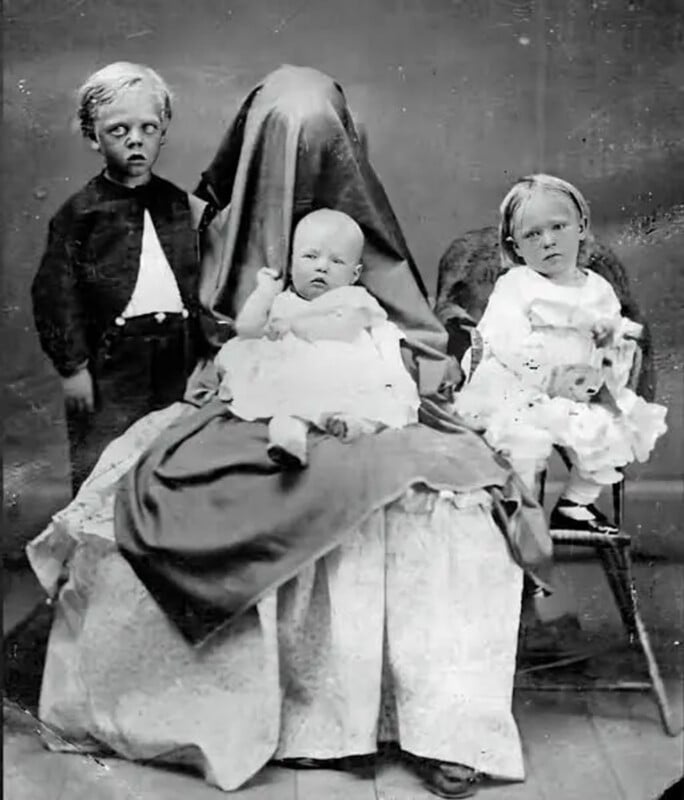
The "Hidden Mother" is a distinctive genre of photography that emerged during the nascent stages of the photographic process, with numerous examples tracing back to the daguerreotype era, specifically around 1839. This curious practice involved adults, typically mothers, being concealed within the photographic frame, often under a draped shroud or behind a cloaked piece of furniture, while holding or stabilizing an infant or young child. The methods employed varied widely, encompassing everything from complete concealment within the frame to positioning the adult just outside the intended crop, with the photographer planning to remove them in the final print. To contemporary viewers, these historical images often appear strange, sometimes even unnerving or spooky, yet they represent an ingenious solution to a significant technical challenge of early photography.
The Dawn of Photography and Its Early Challenges
The mid-19th century marked a revolutionary period for visual documentation with the introduction of photography. Louis Daguerre’s daguerreotype process, publicly announced in 1839, and Frederick Scott Archer’s wet plate collodion process, introduced in 1851, were groundbreaking but inherently slow. These early photographic methods relied on relatively insensitive emulsions and narrow-aperture lenses, necessitating exposure times that stretched from several seconds to, in some cases, several minutes. For stationary subjects, this presented a challenge requiring immense patience. However, for dynamic subjects like infants and young children, whose movements are unpredictable and often uncontrollable, these prolonged exposures posed a near-insurmountable obstacle to capturing a clear image.
Technological Imperatives: Understanding Early Photographic Processes
The daguerreotype, a direct positive process, created a highly detailed image on a silver-plated copper sheet. The plate had to be sensitized, exposed, and developed quickly, often within the same session. Similarly, the wet plate collodion process, which produced negatives on glass (ambrotypes) or metal (tintypes), required the plate to remain wet throughout the entire process—from sensitization to exposure and development. This demanded a portable darkroom or a studio setup where chemical preparation and processing could occur on-site. The light sensitivity of these early plates was exceedingly low by modern standards, akin to an ISO of 0.5 to 5, making lengthy exposures under even bright studio lights unavoidable. Modern digital cameras, by contrast, operate at ISOs ranging from 100 to often over 100,000, allowing for instantaneous captures.
The Elusive Child: Why Infants Posed a Unique Challenge
In an era when infant mortality rates were tragically high, and visual records were scarce, a photograph of a beloved child held immense sentimental and historical value for families. However, securing a sharp, unblurred image of a baby or toddler was exceptionally difficult. A child’s natural inclination to squirm, cry, or simply not understand the necessity of remaining perfectly still for an extended period often resulted in blurry, unusable photographs. Parents desired clear, lasting portraits of their offspring, and photographers, driven by both artistic ambition and commercial necessity, had to devise creative strategies to overcome these technical limitations. The "Hidden Mother" technique emerged as a prevalent and practical solution, ensuring the child’s stability while minimizing the visual distraction of the adult holding them.
Unveiling the "Hidden Mother" Technique
The core objective of "Hidden Mother" photography was to present the child as the sole, focused subject of the portrait. The adult, typically the mother, was deliberately obscured to fulfill a purely functional role: to physically support and comfort the child, keeping them still during the long exposure. This practice continued well into the 1920s, only fading as photographic technology advanced, offering faster lenses and more sensitive film and plate emulsions that significantly reduced exposure times.
A Veil of Necessity: Practicalities of Concealment
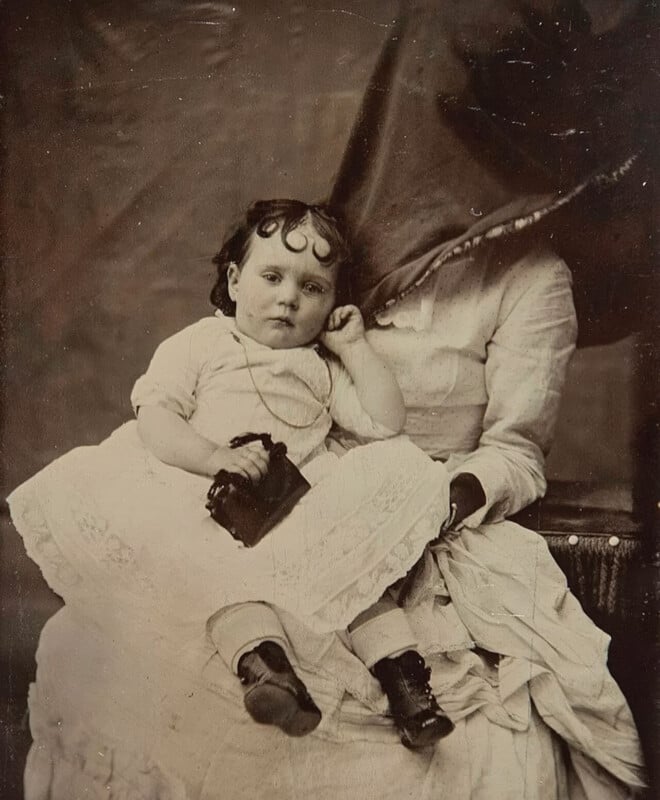
The methods of concealment were diverse and pragmatic. One common approach involved draping a large, dark cloth or sheet over the mother, turning her into an anonymous, shadowy form that blended into the background or resembled a piece of furniture. In other instances, the mother might hide behind a chair, with only an arm visible, or position herself just out of the primary frame, knowing the photographer could crop her out later. The success of these techniques varied, with some resulting in nearly invisible support figures, while others produced strikingly visible, albeit obscured, presences that contribute to the modern perception of these photographs as uncanny. The request to the viewer was explicit: overlook the veiled figure and direct full attention to the innocent, often serene, face of the child.
Beyond the Frame: Psychological Comfort and Stability
Beyond the purely physical act of stabilization, the "Hidden Mother" provided crucial psychological comfort to the child. The warmth of a mother’s embrace, the familiar sound of her voice, and her reassuring presence, even if unseen, could significantly reduce a child’s anxiety and encourage them to remain calm. This emotional anchoring was vital during the unnerving experience of posing for a photograph in a dimly lit studio, often under the gaze of a stern-looking photographer and a large, intimidating camera. The technique ingeniously leveraged the unbreakable bond between mother and child to achieve a technically challenging photographic outcome.
Posing Stands and Headbraces: Addressing Adult Motion Blur
The challenge of maintaining stillness was not exclusive to children. Adults, too, found it daunting to remain perfectly motionless for the minutes-long exposures sometimes required by early photographic processes. To address this, photographers widely employed specialized equipment known as posing stands or headbraces. These devices, often made of metal, featured adjustable clamps and supports designed to gently hold a sitter’s head, neck, or body in a fixed position.
Engineering Stillness: The Role of Mechanical Aids
A typical headbrace consisted of a heavy base for stability, a vertical rod, and an adjustable arm with a padded clamp that would gently cradle the back of the sitter’s head or neck. Some stands included armrests or body supports to further minimize movement. These tools were indispensable in any professional studio of the era, enabling photographers to achieve sharp portraits even with extended exposure times. The primary concern for the sitter, once braced, was merely to control their blinking, as quick blinks were often too rapid for the slow photographic process to register as a blur.
Debunking the Myth: Headbraces and Post-Mortem Photography
A significant misconception, particularly prevalent in contemporary popular culture, surrounds the use of headbraces. Many laymen encountering these devices in historical photographs mistakenly assume they were used to prop up deceased individuals for post-mortem photography. This interpretation is largely inaccurate and stems from a misunderstanding of both the mechanics of the headbrace and the physics of "dead weight." A deceased person, lacking muscle tone, would be impossible to support upright with such a device; the body would simply slump. Headbraces were designed for stabilizing living subjects, preventing involuntary movements and fatigue during long exposures, not for defying gravity with a corpse. Post-mortem photography, while a genuine practice in the Victorian era, typically involved subjects lying down or carefully arranged in more natural, supported positions. The scarcity of original headbraces today, largely due to their obsolescence with faster photographic technology, has unfortunately contributed to their mystification and the perpetuation of this myth. Collectors, however, recognize their historical significance, with well-preserved originals fetching upwards of $10,000 at auction.
A Modern Homage: Recreating History in the Studio
Shane Balkowitsch, a contemporary wet plate collodion photographer, has dedicated his practice to preserving and reinterpreting these historical photographic processes. Operating his Nostalgic Glass Wet Plate Studio, Balkowitsch exclusively utilizes the wet plate process, adhering to the principle, "If they could do it 170 years ago, I should be able to do it today." His work is a testament to the enduring beauty and challenge of analog photography, standing in stark contrast to the instantaneous nature of digital imagery.
The Art of Revival: Shane Balkowitsch’s Vision
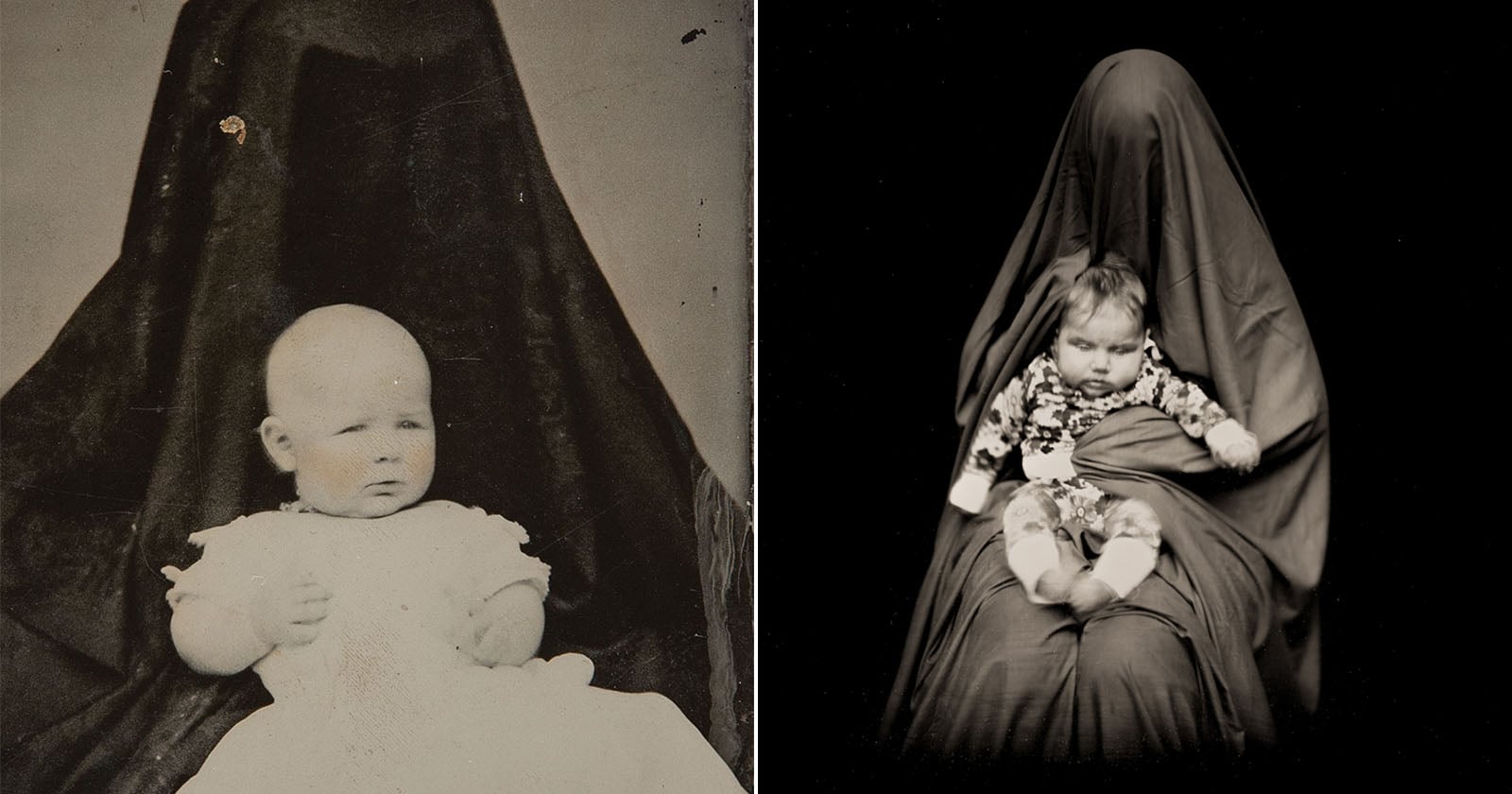
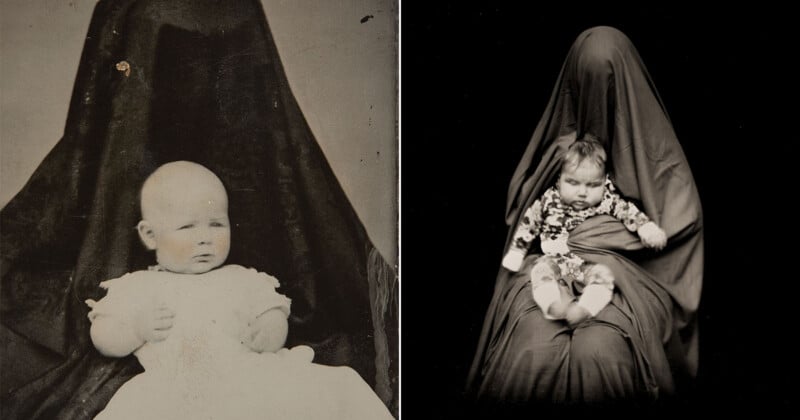
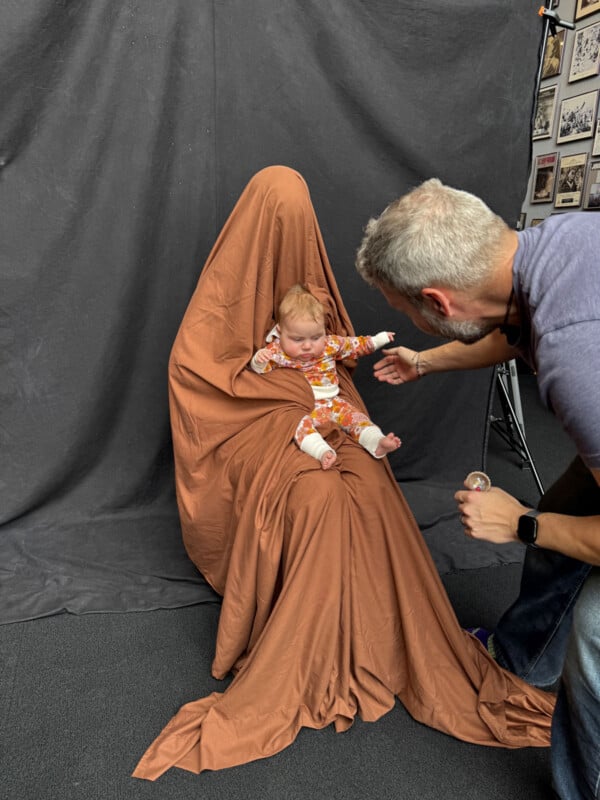
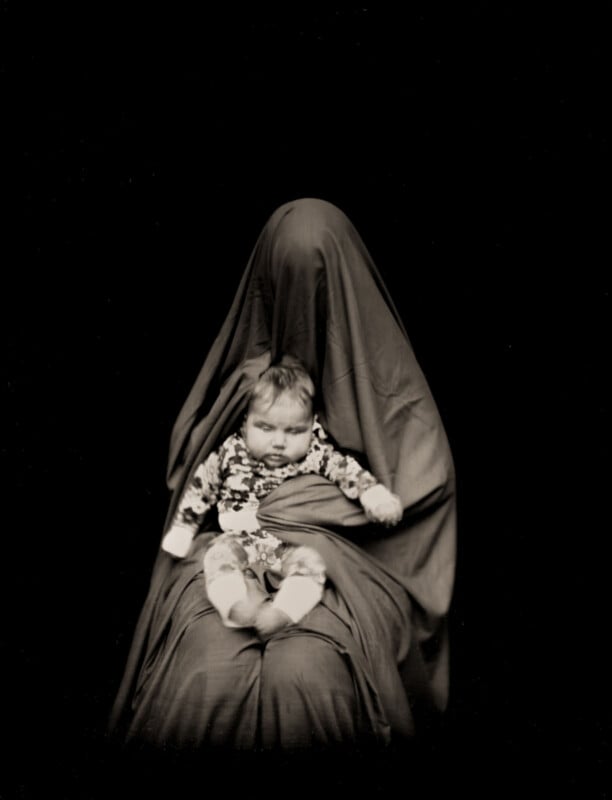
In a deliberate homage to the "Hidden Mother" genre, Balkowitsch recently undertook a portrait session with his friend Dana and her infant daughter, Mazie. This endeavor was not merely an artistic exercise but a practical exploration of the historical technique’s efficacy. The setup involved Dana, Mazie’s mother, completely shrouded in dark fabric while holding her daughter, replicating the concealment methods of the 19th century. Balkowitsch documented that the technique proved remarkably effective. Mazie, though unable to see her mother, was comforted by her familiar touch and voice, which helped her remain calm and still. Dana’s role was dual: providing physical stabilization against falls and offering emotional reassurance. The presence of Mazie’s father, Chris, further aided the process by serving as a "safe face" in Mazie’s field of view and engaging her with her favorite rattle, demonstrating how early photographers might have used assistants or family members to capture a child’s attention.
Technical Precision and Contemporary Application
The technical specifics of Balkowitsch’s recreation underscore the challenges of the wet plate process even today. The exposure for Mazie’s portrait was 8 seconds—a seemingly brief duration, yet an eternity for an infant. Despite the careful setup, Mazie’s natural movements were still evident, with a slight blur from her kicking legs visible on the final plate. Balkowitsch employed his Alessandro Gibellini 8×10 large format camera, equipped with a Carl Zeiss Tessar 250mm lens set to f/4.5 (wide open), a common setup for achieving shallow depth of field and maximizing light gathering in wet plate photography. The resulting image, titled "Mazie’s Hidden Mother," Plate #5804, is a silver-on-glass ambrotype, a fully archival artifact capable of lasting over a millennium if preserved. This deliberate choice highlights Balkowitsch’s commitment to creating tangible, enduring photographic objects in an increasingly ephemeral digital world. His studio also utilizes a replica historical headbrace, cast from an original example, for adult subjects, affirming its continued practical relevance for contemporary wet plate portraiture.
The Enduring Fascination and Archival Significance
The "Hidden Mother" photographs, once pragmatic solutions to technical limitations, have transcended their original purpose to become objects of profound fascination in the 21st century. Their peculiar aesthetic often leads them to be categorized alongside ghost photography or spirit photography, contributing to their mysterious allure and commanding premium prices in the art market.
From Necessity to Art: Modern Interpretations and Collections
In 2013, Italian-Swedish artist Linda Fregni Nagler published "The Hidden Mother," a seminal book featuring over 1,000 such photographs. This comprehensive collection brought academic and artistic attention to the genre, elevating these once-utilitarian images to the status of art historical artifacts. The book itself has become a collector’s item, with copies currently selling for nearly $2,000 on platforms like Amazon, reflecting the niche yet fervent interest in this unique photographic phenomenon. The fascination stems from their ability to evoke a sense of the uncanny, to hint at a concealed presence, and to offer a poignant glimpse into the practical realities and cultural values of a bygone era.
The Fragility of the Digital Age vs. the Resilience of Analog
The story of the "Hidden Mother" offers a compelling contrast between the photographic practices of the past and present. While modern cell phone cameras provide instant, ubiquitous, and virtually free image capture, they also raise critical questions about longevity and permanence. Shane Balkowitsch, a vocal critic of artificial intelligence and digital photography’s transient nature, often lectures on "A.I. Pitfalls and Dangers for Humanity." He posits a crucial query: will the vast ocean of digital photographs created today endure into the future? The reliance on constantly evolving software and hardware platforms means that digital files are inherently susceptible to obsolescence and data loss. A dishearteningly small fraction—less than 1%—of contemporary digital photographs are ever printed, severing their connection to the physical world and making their long-term survival precarious.
Conversely, a well-made daguerreotype or wet plate, like "Mazie’s Hidden Mother," is a physical object, chemically stable and capable of lasting for centuries without specialized hardware or software. These archival plates, etched in silver on glass or metal, are tangible links to the past, enduring testaments to lives lived and moments captured. They stand as robust evidence against the ephemeral nature of their digital counterparts, prompting a re-evaluation of what constitutes a lasting legacy in the age of instantaneous, yet often impermanent, imagery.
Conclusion: A Window into Photography’s Past and Future
When the "veil" of historical context is lifted, the seemingly "ghoulish" or "spooky" nature of "Hidden Mother" photographs transforms into a testament to human ingenuity, perseverance, and the profound value placed on visual memory. These images are not relics of the macabre but fascinating records of a time when technology dictated patience and creativity. Photographers and parents alike went to extraordinary lengths, often agonizing over compositions and enduring lengthy setup times, simply to capture a clear likeness of a child. This painstaking process stands in stark contrast to our modern era, where cameras are integrated into nearly every device, and photographs are captured by the billions daily.
The continued survival of these exquisite plates and prints from the 19th and early 20th centuries compels us to appreciate the craft, the technology, and the cultural significance of early photography. As we navigate an increasingly digital landscape, these historical genres serve as a powerful reminder of photography’s evolution and its enduring purpose: to document, to remember, and to connect us across generations. The question of whether our current digital archives will hold the same enduring power as these resilient analog artifacts remains an open one, to be answered only by the passage of time. Until then, the "Hidden Mother" continues to intrigue, offering a unique window into both the history of photography and the timeless human desire to preserve precious moments.