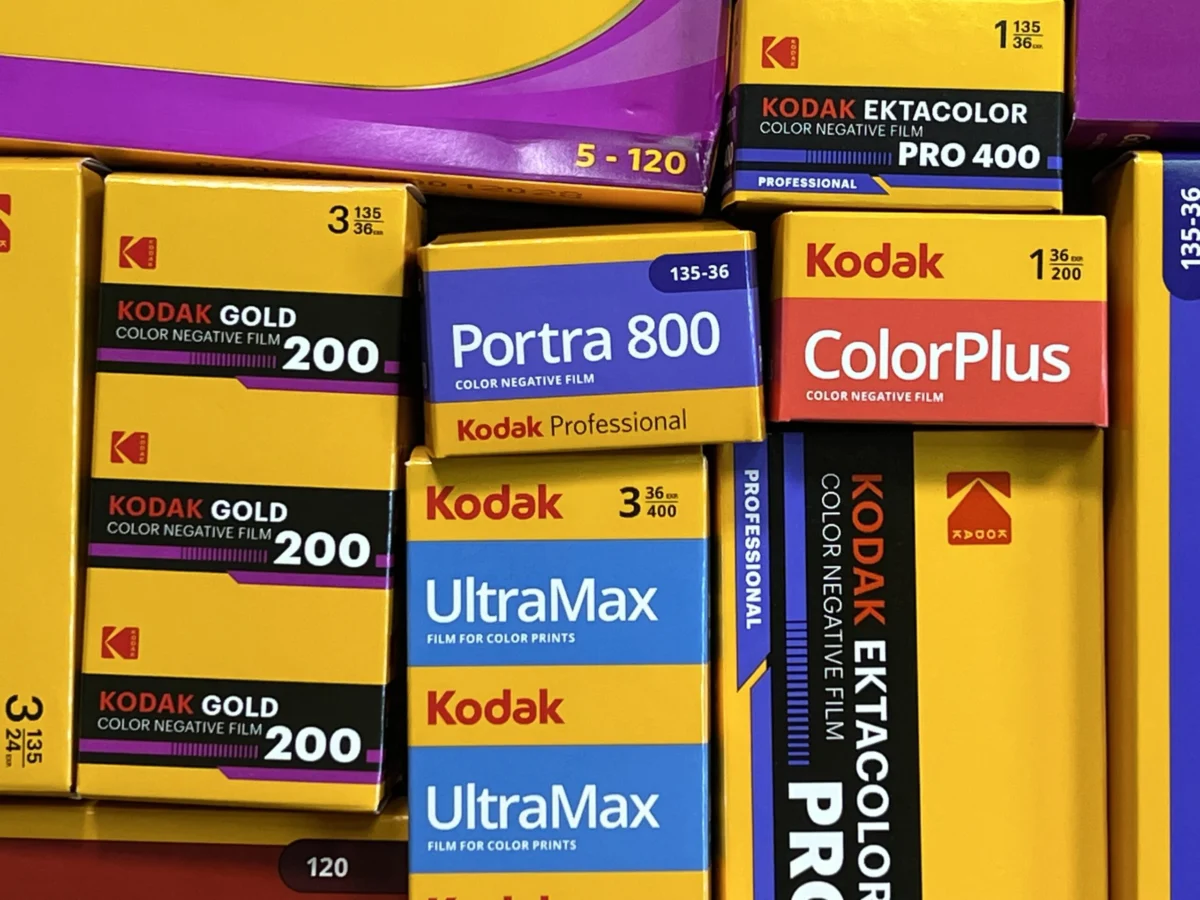
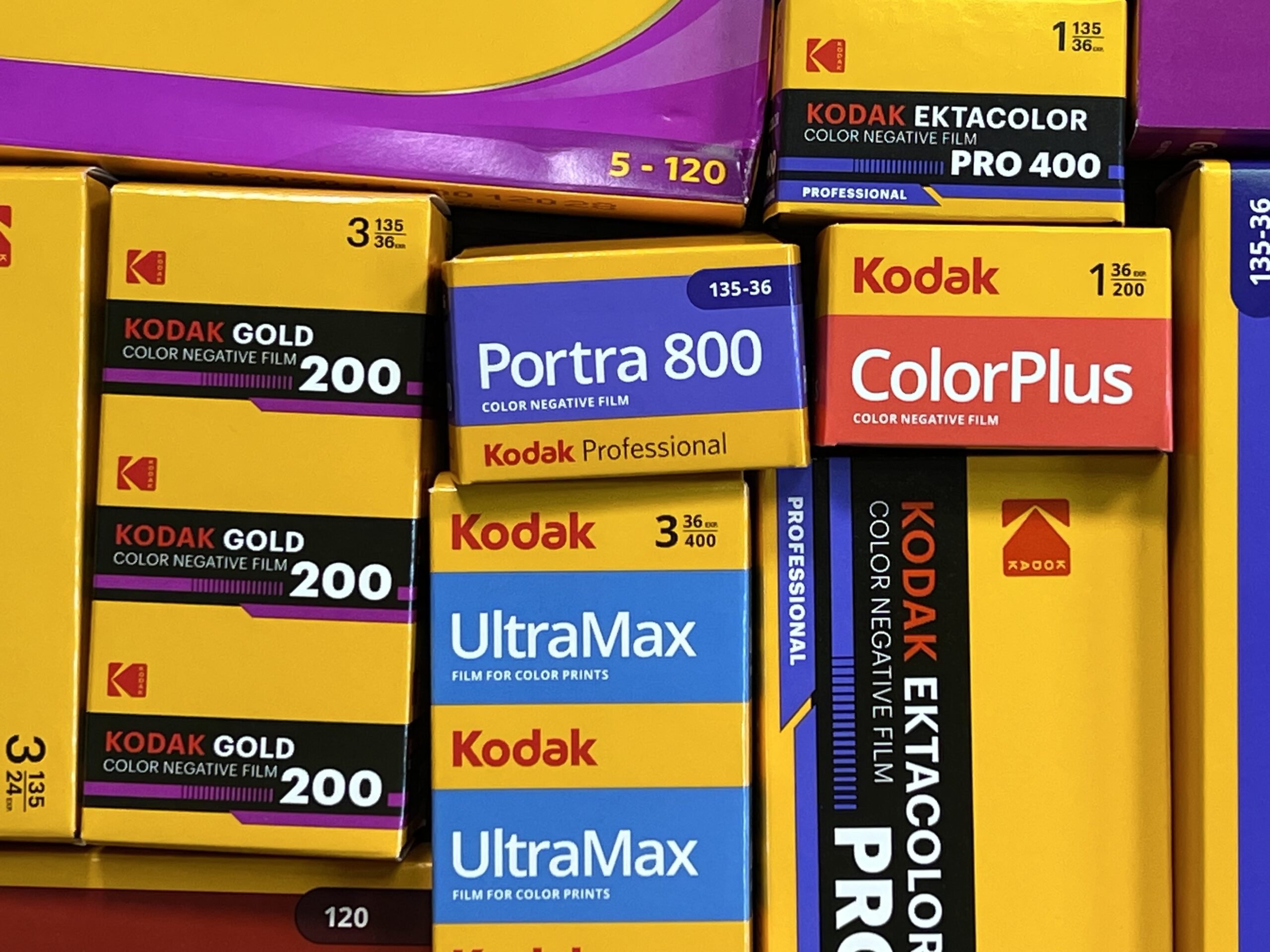
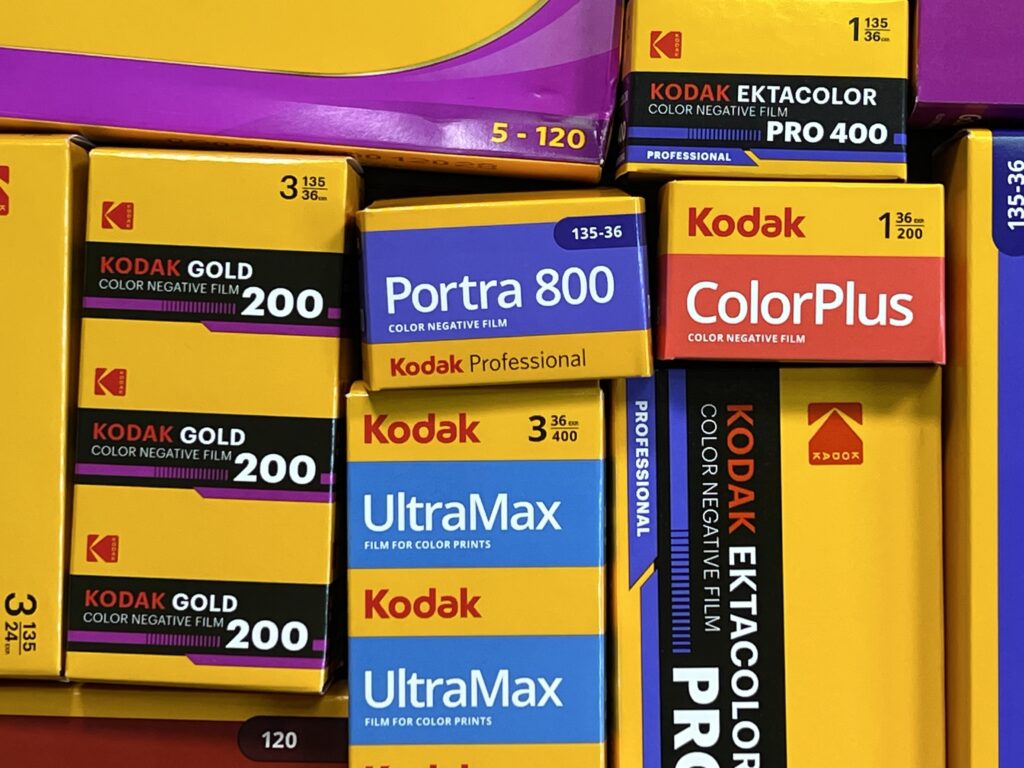
The European analog photography market is experiencing a significant shift as the Eastman Kodak Company (EKC) reintroduces its own branded packaging and direct distribution channels for still film, a move that marks a pivotal chapter in the company’s complex corporate history. Throughout the late summer and autumn of 2025 and into early 2026, photographers across the continent noted the arrival of familiar film stocks—such as Gold 200, UltraMax 400, and Tri-X—sporting refreshed, uniform packaging. Alongside these staples, legacy names like Ektacolor, Kodacolor, and Ektapan have reappeared on retail shelves, signaling a strategic expansion of Eastman Kodak’s direct involvement in the consumer and professional still-film sectors. This development follows a decade-long period during which the distribution of Kodak-branded still film was managed almost exclusively by Kodak Alaris, a separate entity created during the parent company’s restructuring.
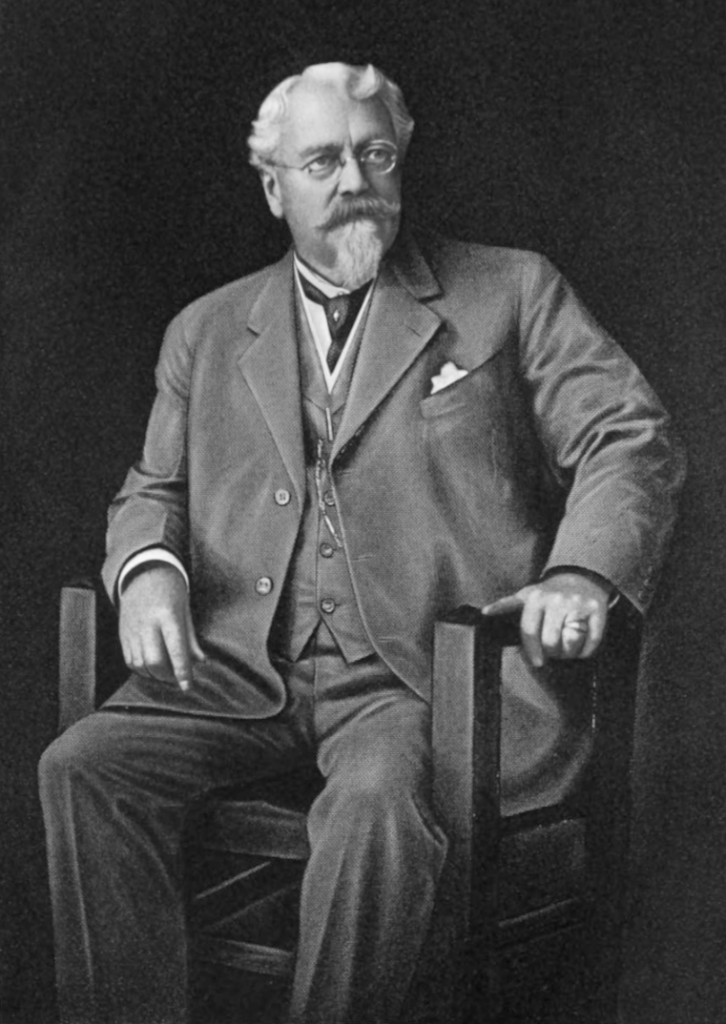
To understand the current market dynamics, it is necessary to examine the historical trajectory of the Eastman Kodak Company. Founded in the late 1880s by George Eastman and Henry Alvah Strong, the Rochester, New York-based firm became the dominant force in global photography throughout the 20th century. By pioneering the "Brownie" and "Instamatic" camera lines and developing the "Kodak Moment" marketing campaign, the company embedded itself into the cultural fabric of North America and Europe. However, the advent of digital imaging in the late 1990s and early 2000s presented an existential threat to the company’s traditional chemical-based business model.
The 2012 Bankruptcy and the Creation of Kodak Alaris
The most critical turning point in Kodak’s modern history occurred in January 2012, when the Eastman Kodak Company filed for Chapter 11 bankruptcy protection. As part of a complex insolvency deal designed to avoid total liquidation, the company sought to restructure its massive debt and address significant pension liabilities. A primary creditor in these proceedings was the Kodak UK Pension Plan (KPP), which held a claim of approximately $2.8 billion against the company.
In 2013, a settlement was reached in which the Eastman Kodak Company spun off its Personalized Imaging and Document Imaging businesses to the KPP. This new, independent entity was named Kodak Alaris. Under the terms of the agreement, Kodak Alaris was granted a perpetual license to use the Kodak brand for still-film photography and retail printing services. While Eastman Kodak continued to manufacture the film at its historic "Kodak Park" facility in Rochester, Kodak Alaris became the global distributor and marketing face of Kodak-branded still films. This arrangement allowed the profits from film sales to fund the retirement benefits of former Kodak employees in the United Kingdom.
For over a decade, this bifurcation of the brand remained the status quo. Eastman Kodak focused heavily on its commercial printing technology and its "Entertainment Imaging" division, which produces motion picture film for Hollywood productions. Meanwhile, Kodak Alaris navigated the "film renaissance" of the late 2010s, managing the supply chain for iconic stocks like Portra, Ektar, and Ektachrome.
A Strategic Shift in Distribution and Branding
The recent appearance of new "Eastman Kodak Company" (EKC) packaging in Europe indicates a fundamental change in the relationship between the two entities. While neither company has released an exhaustive legal briefing regarding the specifics of their current commercial partnership, industry analysts suggest that a renegotiation or the expiration of specific exclusivity clauses has allowed Eastman Kodak to resume direct distribution of still-film products.
This shift does not signify the end of Kodak Alaris or the disappearance of the professional "Portra" line. Instead, it represents a dual-track market where both EKC and Kodak Alaris-distributed products coexist. The new EKC packaging is characterized by a "uniform" aesthetic, intended to streamline the brand’s identity across different formats, including 35mm, 120 medium format, and large format sheets. The reintroduction of legacy brands such as Kodacolor and Ektapan further suggests that Eastman Kodak is leveraging its historical intellectual property to capture a broader segment of the growing analog market.
Chronology of the New Product Rollout
The transition began to materialize in late 2025 and accelerated through the first half of 2026. The following timeline outlines the key phases of the market re-entry:
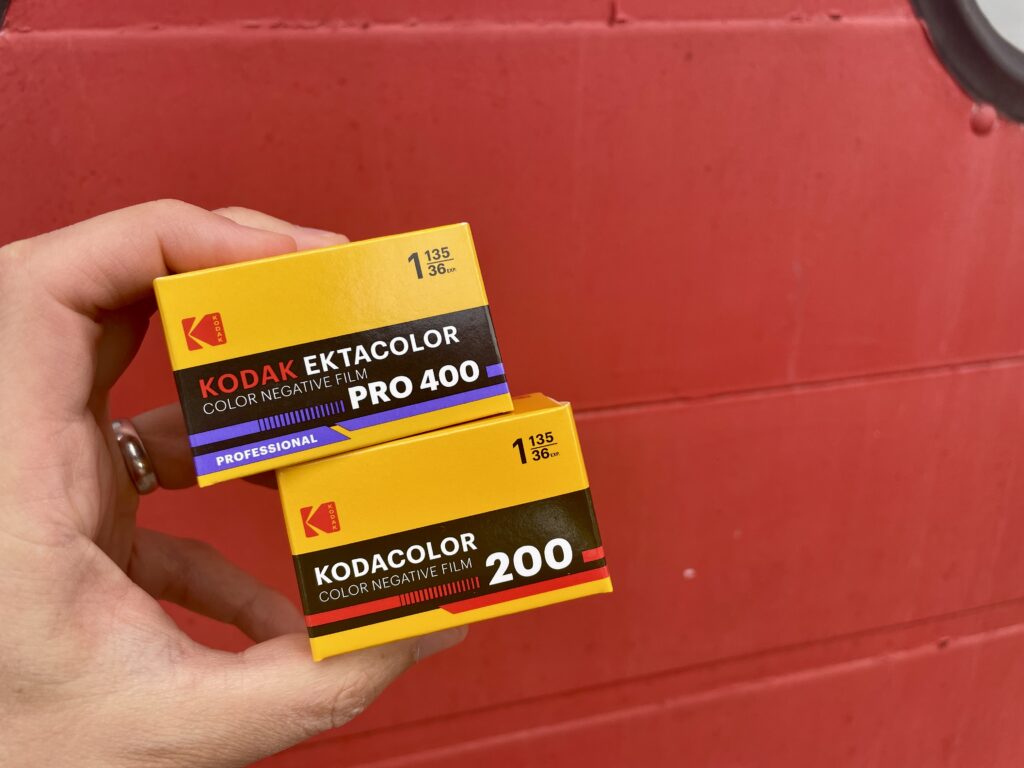
- Late 2025: KODACOLOR 100 and 200 films arrived in the United Kingdom and Europe. These consumer-grade films were among the first to feature the updated EKC branding, signaling the company’s intent to compete directly in the high-volume enthusiast market.
- Early 2026: The release of EKTAPAN and EKTACOLOR PRO followed. Ektapan, a professional-grade black-and-white film, and Ektacolor Pro, a color negative stock available in multiple ISO speeds, were introduced as a limited offering before expanding to wider distribution.
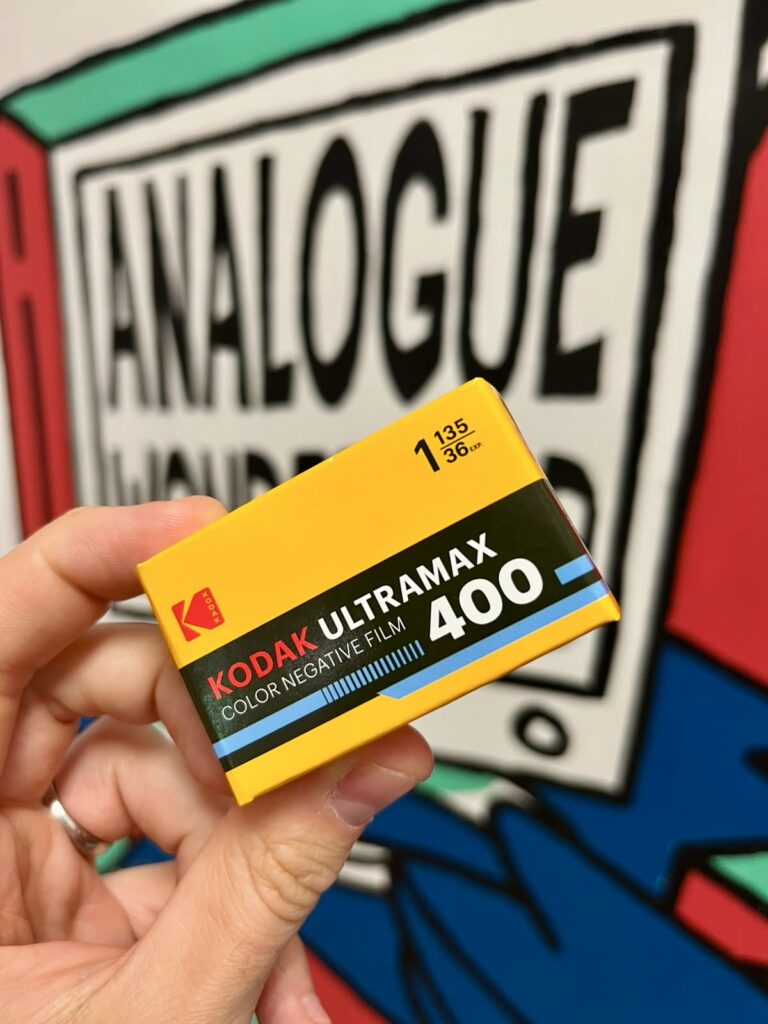
- Mid-2026: A comprehensive range of core emulsions—including Gold 200, UltraMax 400, Ektar 100, Ektachrome E100, and Tri-X 400—was released under the new EKC packaging. This phase ensured that both consumer and professional photographers had access to the full spectrum of Kodak’s chemical technology through the new distribution channels.
Analysis of the Current Product Range and Grading
The current lineup of Eastman Kodak Company films is categorized into two primary tiers: Consumer and Professional. This grading system is a legacy of the 20th-century analog era, though modern usage often blurs these lines as enthusiast photographers frequently utilize consumer stocks for professional assignments.
The consumer range includes Kodacolor (ISO 100, 200), Gold (ISO 200), and UltraMax (ISO 400). These films are characterized by their accessibility and warmer color palettes, designed for general-purpose photography. Pricing for these stocks typically starts at approximately £8.95 to £10.49 per roll in the UK market.
The professional range comprises Ektar 100, Ektachrome E100, Tri-X, Ektapan, and Ektacolor Pro. These emulsions are engineered for higher color accuracy, finer grain, or specific archival qualities. Ektar 100 is noted for its ultra-vivid color saturation, while Tri-X remains a staple of photojournalism due to its high contrast and wide exposure latitude. Ektapan provides a versatile black-and-white option with speeds ranging from ISO 100 to 3200, catering to diverse lighting conditions. The professional stocks command higher price points, often starting between £14.49 and £21.49 per roll.
Market Implications and the "Analog Renaissance"
The renewed investment by the Eastman Kodak Company in still photography distribution reflects a broader global trend. Despite the ubiquity of high-resolution digital cameras and smartphone technology, the demand for analog film has shown remarkable resilience. Industry data indicates that the global film photography market is projected to continue its growth, driven by a demographic shift toward younger users—specifically Gen Z and Millennials—who value the tactile nature and distinct aesthetic of film.
This "analog renaissance" is frequently cited as a reaction to the saturation of digital media and the rise of generative artificial intelligence (AI). As digital imagery becomes increasingly manipulatable and ubiquitous, the inherent "authenticity" of a physical negative offers a compelling alternative. Film photography requires a slower, more intentional process of composition and exposure, which many practitioners find more rewarding than the instant gratification of digital formats.
Furthermore, the synergy between Eastman Kodak’s motion picture division and its still-film production provides a stable foundation for the business. High-profile directors, such as Christopher Nolan and Wes Anderson, continue to advocate for shooting on Kodak Vision3 motion picture stock. Because the underlying chemical technology for still film often shares research and development resources with movie film, the continued success of analog cinema directly supports the availability of products for still photographers.
Official Responses and Industry Outlook
Retailers and specialized laboratories have largely welcomed the increased involvement of Eastman Kodak. In the United Kingdom, entities such as Analogue Wonderland have reported strong initial sales of the new EKC-branded stocks. The presence of two major distributors (EKC and Kodak Alaris) is expected to provide greater supply chain stability, potentially mitigating the stock shortages that plagued the industry during the early 2020s.
While some confusion remains on social media platforms regarding the distinction between the "old" and "new" packaging, the consensus among industry experts is that the increased availability of film is a net positive for the community. The uniform packaging strategy is seen as a way to professionalize the brand’s retail presence and compete more effectively with other major manufacturers like Fujifilm, Ilford Photo, and Foma.
Looking forward, the Eastman Kodak Company’s move suggests a long-term commitment to the medium. By reclaiming its role as a primary distributor, EKC is positioning itself to capitalize on the sustained interest in analog processes. For photographers, this means a wider array of choices, consistent product availability, and the reassurance that one of the industry’s most historic names is once again fully engaged in the art and science of still-film photography. The "Kodak Moment," it appears, has found a way to endure in the digital age.